Understanding Banner Ordering Services
When businesses or individuals seek to promote an event, product, or service, ordering a banner is a strategic choice that combines visibility with impact. The process of ordering banners has evolved to become more streamlined, allowing customers to specify their requirements clearly and receive high-quality products that meet their promotional needs. Typically, the procedure begins with selecting a reputable printing service that offers a variety of banner options tailored to different purposes and budgets.
Standard steps in the banner ordering process include providing design details or artwork, choosing preferred materials and sizes, and confirming specifications. Customers often submit digital files, preferences for dimensions, and any branding elements they wish to incorporate. Once the order details are reviewed and approved, the printing service proceeds to produce the banner according to the specified parameters. During this phase, customers can usually communicate directly with service representatives for any modifications or clarifications.
After the production phase, the completed banners are prepared for delivery. This involves quality checks to ensure color accuracy, print resolution, and overall craftsmanship. Delivery options may include courier services, in-store pickups, or scheduled drop-offs, depending on the customer’s location and urgency of the order. Transparency in pricing, clear communication regarding lead times, and consistency in quality are critical factors that define a reliable banner ordering experience.
Understanding these steps helps customers manage expectations and streamline their order process, ensuring they receive banners that effectively fulfill their promotional objectives. When choosing a printing service, it’s essential to verify their procedures, customer reviews, and proofing options to guarantee a seamless experience from design conceptualization to final delivery.
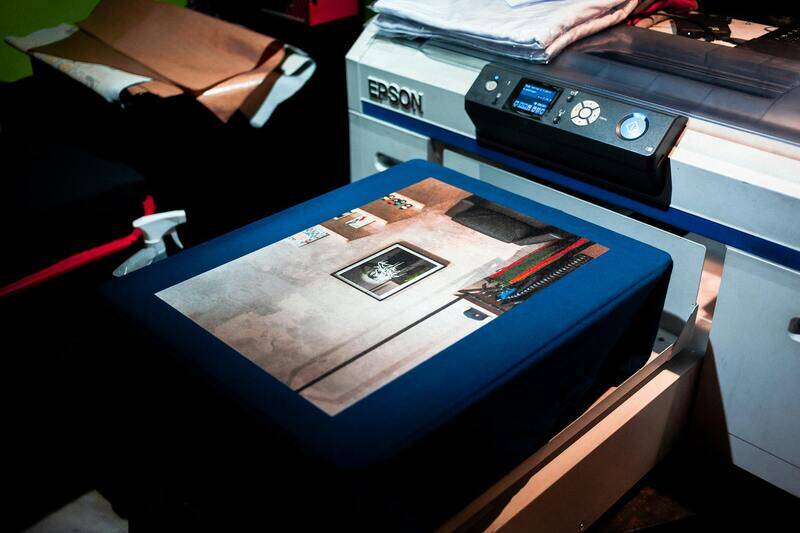
Effective banner ordering involves not only selecting the right options but also understanding the process flow that guarantees a quality product delivered on time. Familiarity with these procedures enables customers to make informed decisions and enhances the overall effectiveness of their marketing efforts through visual displays.
Design Considerations for Banner Orders
Creating an effective banner begins with thoughtful design principles that align with both branding and promotional goals. It is crucial to collaborate closely with the printing service provider to ensure that the artwork meets technical specifications such as resolution, color profiles, and file formats. High-resolution images and vector graphics are preferred to achieve crisp, clear visuals that stand out from a distance. The choice of font size and style should prioritize readability, especially for banners viewed from afar or quickly passing audiences.
In addition, a clear hierarchy of content ensures that the most important messages are immediately visible. Use bold headings, contrasting colors, and strategic placement of logos or call-to-action elements to guide viewer attention effectively. Incorporating brand elements such as logos, brand colors, and taglines consistently across the design enhances recognition and reinforces brand identity.
Another aspect of successful banner design is simplicity. Overloading a banner with excessive information can diminish its visual impact. Instead, focus on delivering a succinct message supported by compelling visuals. This approach maximizes engagement, especially in busy environments where viewers may only have seconds to interpret the message.
Furthermore, consider the audience and environment where the banner will be displayed. For outdoor banners, durability, weather resistance, and UV resistance are critical design considerations. For indoor banners, factors like lighting conditions and space layout influence design choices. Proper planning at this stage ensures that the final product meets its intended purpose and maintains visual appeal over time.

Materials and Quality Options
Selecting the right materials is vital for ensuring that banners withstand their environment and continue to look professional throughout their lifespan. Common materials include vinyl, fabric, mesh, and synthetic substrates, each offering unique benefits suited for various applications. Vinyl banners are popular for their durability, weather resistance, and ease of printing, making them ideal for outdoor displays. Fabric banners, often made from polyester or satin, provide a premium look suitable for indoor events and exhibitions.
Mesh banners feature perforations that allow wind passage, which is particularly useful for outdoor advertising in high-wind areas. Synthetic options such as scrim vinyl combine flexibility with strength, ensuring longevity in rugged conditions. When choosing materials, factors like environmental exposure, weight, and display duration should influence the decision.
Print quality also plays a crucial role in overall banner appearance. High-resolution printing technologies, such as UV or solvent-based printing, deliver vibrant colors and sharp details. Premium inks ensure color consistency and resistance to fading, scratches, and chemicals. Some providers offer additional laminate finishes or protective coatings to enhance durability further.
Ultimately, a combination of suitable material selection and high-quality printing processes guarantees that your banners will maintain their visual integrity, attract attention, and successfully convey your message over time.
Design Considerations for Banner Orders
Achieving an impactful banner begins with thoughtful design. The dimensions of the banner should align with your intended display environment, ensuring visibility from a distance and compatibility with mounting spaces. Standard sizes are often used as benchmarks, but custom dimensions tailored to specific locations maximize visual effectiveness.
Layout and composition are crucial for conveying your message clearly. The primary message or call-to-action should be prominently placed, typically at eye level or in the central area where viewers' focus naturally rests. Use ample white space to avoid clutter and enhance readability.
Color schemes should be consistent with your branding and chosen to evoke desired emotional responses. High contrast between text and background improves legibility, especially from afar. Incorporate your brand's colors and logo to reinforce recognition.
Essential elements to include on banners encompass a compelling headline, succinct supporting text, contact details, and relevant imagery or graphics. Visuals should be high-resolution to avoid pixelation and maintain professionalism.
Typography choices matter — select fonts that are easy to read and reflect your brand identity. Avoid overly decorative fonts that might compromise clarity. Font size should be adjusted based on viewing distance, with larger text emphasizing key messages.

Materials and Quality Options
The selection of materials and print quality significantly influences a banner’s durability and visual appeal. Common choices include vinyl, fabric, mesh, and synthetic substrates, each suitable for specific environments and purposes.
Vinyl banners are among the most durable, offering weather resistance that makes them ideal for outdoor advertising. Fabric banners provide a luxurious appearance and are often chosen for indoor events or premium displays.
Mesh banners feature tiny perforations that allow wind pass-through, reducing stress on the structure during gusty conditions. Synthetic options like scrim vinyl add to the resilience, combining flexibility and strength.
Print quality options vary from solvent to UV inks, both delivering vibrant, long-lasting colors. An additional protective coating can further enhance the lifespan by resisting scratches, chemicals, and fading.
When selecting materials, consider exposure conditions, expected lifespan, and display location. High-quality substrates paired with advanced printing techniques ensure your banners retain their visual appeal over time.

Pricing and Cost Factors
When considering an order banner, understanding the pricing structure is essential to making an informed decision. The overall cost of banner printing depends on multiple variables, including size, material choice, print complexity, and finishing options. Larger banners naturally incur higher costs due to increased material and ink usage. Additionally, intricate graphics or full-color designs may add to the production expense, especially if they require advanced printing techniques like UV or solvent printing.
Many print service providers offer tiered pricing based on order volume. Bulk orders typically benefit from discounts, making them more cost-effective for large-scale advertising campaigns. Conversely, smaller, customized banners may command a higher per-unit price but are often essential for targeted marketing.
Extra features such as reinforced hems, grommets, or pole pockets also influence pricing. These additions enhance durability and ease installation but come with increased costs. It is crucial to evaluate the importance of these features relative to your deployment environment.
Lastly, consider setup fees or design charges. Some providers include design assistance as part of the package, which can streamline the process for clients lacking in-house design capabilities. Understanding the breakdown of costs ahead of time ensures that your banner order stays within budget without sacrificing quality or functionality.

Lead Times and Delivery Methods
Effective planning for banner projects involves a clear understanding of production timelines and delivery options. Standard lead times can range from 24 hours to several days, depending on the complexity of the design, material selection, and current workload of the printing facility.
Urgent orders may be accommodated through expedited services, often at an additional fee. This can be advantageous for last-minute marketing campaigns or unexpected promotional opportunities. It is advisable to communicate your timeline requirements early in the order process to ensure the provider can meet your expectations.
Regarding delivery, many print services in Singapore utilize reliable courier networks, enabling door-to-door service for both local and regional clients. Some providers also offer in-store pickup options, providing flexibility for those who prefer to collect their banners directly from the printing facility.
For large or heavy banners, shipping methods are selected to ensure safe and damage-free transit. Proper packaging and protective materials are used to preserve print quality until delivery.
Planning your order with mindful consideration of lead times and choosing a suitable delivery method ensures your banner arrives on schedule, ready for installation.
Tips for a Successful Banner Order
To achieve optimal results with your banner order, proper preparation and clear communication are vital. Start by defining your purpose clearly—whether it’s for outdoor advertising, event promotion, or indoor display—as this influences material choice and design approach.
Create detailed specifications, including dimensions, color schemes, and layout preferences. Providing high-resolution artwork ensures sharp, professional print results. If possible, collaborate with the printing service to review proofs before finalizing the order, minimizing errors or mismatched expectations.
Select the right material based on your display environment. For outdoor use, weather-resistant vinyl or mesh banners are recommended. For indoor settings, fabric or synthetic substrates may offer a premium look.
Be mindful of installation requirements. Incorporate grommets, pole pockets, or reinforcement points if needed. These features facilitate secure and straightforward mounting.
Lastly, maintain open communication with your chosen print provider throughout the process. Confirming production timelines, proofs, and delivery details helps streamline the workflow and ensure your banner meets your expectations.

Legal and Compliance Aspects
While adhering to official and recognized methods in banner printing, it is important to ensure that your design and messaging respect intellectual property rights and local regulations. Using licensed images, copyrighted content, or trademarks without permission can lead to complications or rejections during the printing process.
Compliance also involves observing standards related to safety, particularly if the banner is intended for outdoor use or high-traffic areas. For example, certain advertising content must adhere to guidelines concerning decency, false claims, or prohibited slogans. Ensuring your banner does not violate these standards helps avoid potential regulatory issues.
Many professional printing services in Singapore are familiar with local advertising regulations and can advise on appropriate content and design practices. They can help you navigate any restrictions, ensuring your banner is both attractive and compliant.
Implementing proper legal practices in your banner campaign safeguards your brand reputation and ensures a smooth, professional presentation that aligns with official guidelines.
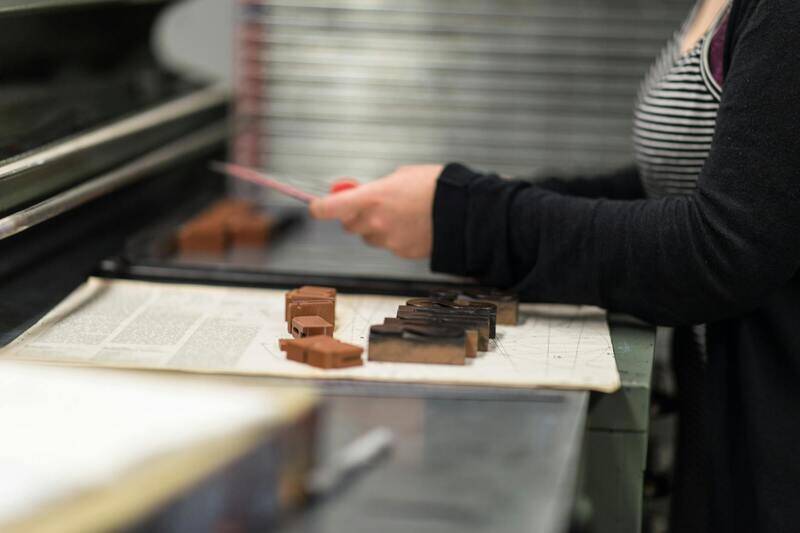
Best Practices for Ensuring Proper Quality and Compliance in Your Banner Order
Securing a high-quality banner requires attention to detail, from choosing the right materials to confirming design specifications with your print provider. To avoid issues during production and ensure your final product meets your expectations, adopt a thorough approach to the ordering process.
Begin with clear communication regarding your banner’s intended use, size, and preferred material. Providing detailed specifications helps your printing partner deliver an end product that aligns with your vision and functional needs. Additionally, requesting proof copies or digital previews allows you to review design elements, colors, and text placement beforehand, reducing the likelihood of costly revisions later.
Quality assurance extends to material selection. Different environments demand specific types of banner media—weather-resistant vinyl for outdoor use, lightweight fabric for indoor events, or eco-friendly options for environmentally conscious campaigns. Confirm that the chosen materials meet durability and safety standards relevant to your campaign, and that the finish options, such as matte or gloss, enhance legibility and visual impact.

Design compliance is equally vital. Ensure your graphics and messaging adhere to any advertising guidelines applicable within your area. All images, logos, or textual content should be licensed or owned by your organization, preventing any issues related to copyright infringement or intellectual property rights. When working with a reputable print service, you can consult with their design team to refine your artwork or verify that your content is compliant.
Maintaining Open Communication with Your Print Provider
Establishing a transparent dialogue throughout the ordering process minimizes errors and facilitates smooth production. Discuss production timelines explicitly, especially if your banners are needed for specific events or campaigns. Regular updates on the production status, from proof approval to shipping, help you stay informed and prepared for delivery.
Providing comprehensive information upfront, including preferred delivery methods, installation instructions, or special handling requirements, aids in preventing misunderstandings. Many print providers offer detailed consultation services to assist clients in making informed decisions about materials, design adjustments, and finishing options. This cooperation ensures the final product aligns with your expectations and strategic objectives.
Final Checks and Delivery Arrangements
Before final approval, double-check all aspects of your banner order—dimensions, resolution, colors, and text accuracy. Confirming these details ensures the finished product matches your specifications and reduces the risk of reprints. Upon completion, select the most suitable delivery method, whether local courier or shipping service, and verify that your print provider offers secure packaging to prevent damage during transit.
When receiving your banners, inspect them promptly for any defects or inconsistencies. Proper storage and handling until installation extend the lifespan of your banners, maintaining their visual appeal throughout your campaign or event.
Understanding Banner Ordering Services
Securing a banner that meets your specific requirements involves choosing reputable and reliable ordering services. When selecting a printing provider, it is important to focus on official channels that emphasize transparency, consistency, and quality standards. These services often offer detailed consultation to clarify your needs, ensuring the materials, design, and finishings align with your branding strategies or campaign goals. Paying attention to the ordering process—such as reviewing proofs carefully, confirming specifications, and adhering to guidelines—helps mitigate errors and ensures your banner arrives exactly as envisioned.
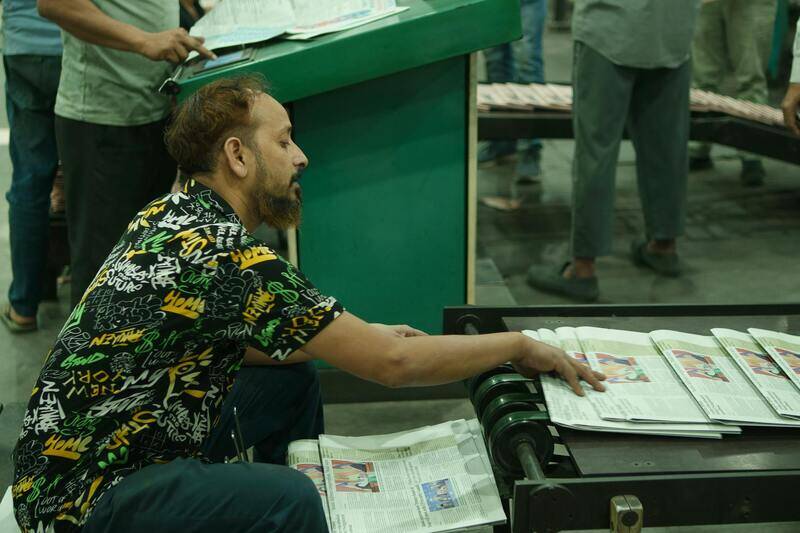
Key Features of Professional Banner Ordering Services
- Comprehensive online order forms with guided steps to facilitate precise input of dimensions, materials, and finishing options
- Availability of expert consultation to assist with design, material selection, and production timelines
- Transparent pricing structures with detailed breakdowns to avoid hidden costs
- Sample proofs or digital previews to review before proceeding to final production
- Multiple payment methods and secure transaction processes to safeguard your investment
Ensuring Accurate and Timely Orders
Effective communication channels are crucial for smooth banner production. Many trusted providers offer dedicated customer support, enabling clients to clarify specifications, request revisions, and confirm production timelines. This proactive approach minimizes misunderstandings and streamlines the entire process. Additionally, establishing clear delivery deadlines and verifying lead times during the ordering phase ensures your banners will be ready when needed, whether for a promotional event, outdoor campaign, or corporate signage.
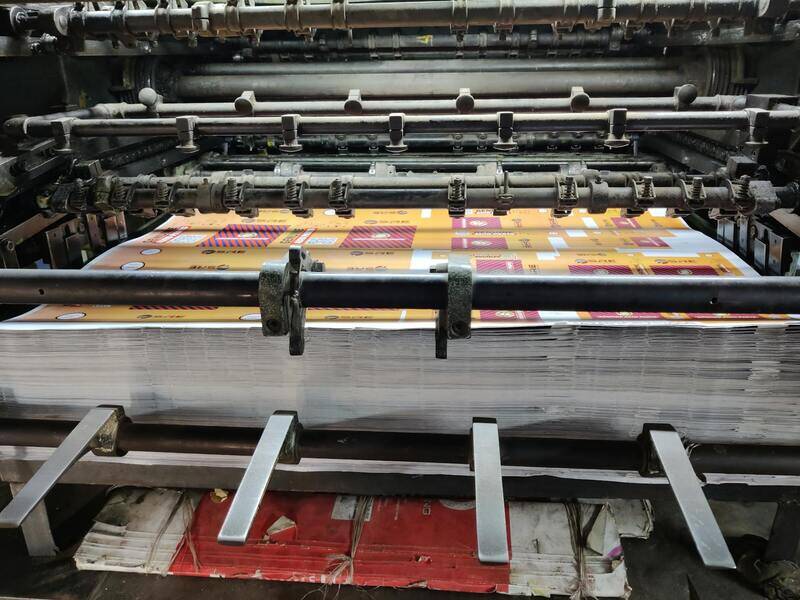
Ordering Through Certified Platforms
Official ordering channels include dedicated websites and authorized print service providers affiliated with reputable brands. These platforms typically feature user-friendly interfaces, detailed product descriptions, and transparent policies. Utilizing authorized channels guarantees that your order is handled with care and that your banners are produced according to industry standards. Furthermore, many providers adhere to strict quality assurance protocols, ensuring each banner meets specific durability, color accuracy, and finish standards.
Verifying Provider Credentials and Certifications
Before finalizing your banner order, it is advisable to verify the credentials of your selected printing service. Legitimate providers often display industry certifications, client testimonials, and accreditation badges on their official platforms. These indicators reflect their commitment to quality, adherence to safety standards, and overall professionalism. Engaging with certified providers not only guarantees high-quality output but also provides a level of accountability and support throughout the ordering journey.
Understanding Banner Ordering Services
Navigation through the process of ordering banners entails selecting from a range of official channels that guarantee product quality, timely delivery, and adherence to industry standards. When choosing a banner ordering service, it is important to prioritize those that operate through verified platforms dedicated to providing genuine, certified printing solutions. These services typically feature comprehensive online interfaces where clients can specify their requirements, upload designs, and access detailed product information. Utilizing official and legitimate ordering methods ensures that each step, from design submission to final print, is managed transparently and professionally, reducing the chances of discrepancies or delays.

Types of Banners Available for Printing
Ordering banners involves selecting from diverse options tailored to various uses and environments. Common types include:
- Polyester Banners: Known for their lightweight durability, suitable for indoor and short-term outdoor use.
- Vinyl Banners: The most popular choice for outdoor advertising because of their resilience against weather conditions.
- Mesh Banners: Designed with tiny perforations allowing wind pass-through, ideal for large outdoor displays in high-wind areas.
- Fabric Banners: Provide a high-quality finish with a vibrant appearance, often used for indoor exhibitions and events.
Choosing the correct banner type hinges on understanding the environmental exposure, expected lifespan, and visual impact desired for your campaign. Reliable printing services offer detailed guidance to match the banner material with its intended application, ensuring optimal durability and visual appeal.
Design Considerations for Banner Orders
Clear and precise design communication is crucial when placing an order for banners. It is essential to provide high-resolution artwork files that meet specifications such as color profiles, dimensions, and bleed areas. Collaborating with experienced designers or utilizing professional design tools can significantly enhance the final outcome. During the ordering process, requesting proofing services allows for validation of layout, color accuracy, and text readability before production begins. This step minimizes errors and ensures that the banner's visual message aligns with your branding strategies.
Materials and Quality Options
Material selection directly influences the longevity, appearance, and operational suitability of banners. Top-tier print providers typically offer a range of quality options, including:
- Premium Vinyl: Offers excellent weather resistance, color retention, and structural integrity.
- Standard Vinyl: Suitable for short-term outdoor use with a cost-effective approach.
- Reinforced Mesh: Combines durability with flexibility, especially useful in windy conditions.
- Eco-friendly Fabrics: Made from sustainable materials for environmentally conscious campaigns.
Assessing the environment and expected exposure is crucial when selecting materials. High-quality options not only enhance visual impact but also ensure the banner remains intact and vibrant over its intended lifespan, providing long-term value for your investment.
Pricing and Cost Factors
The total cost of a banner order depends on several key factors. These include the size of the banner, the choice of material, complexity of design, and the printing technology used. Additionally, finishing options such as hemming, grommets, or pole pockets can influence the final price. Transparent pricing structures provided by authorized service providers help clients evaluate the most cost-effective options without compromising on quality. It is advisable to request detailed quotations that encompass production, shipping, and any applicable taxes, ensuring clear budget planning and avoiding hidden charges.
Lead Times and Delivery Methods
Effective planning for banner campaigns relies heavily on understanding lead times associated with different printing providers. Standard production durations typically range from 24 to 72 hours for basic orders, with expedited services available for urgent needs. When placing an order, confirm the production schedule and communicate your desired delivery date explicitly. Official providers offer multiple delivery options, including courier services, freight shipping, or pick-up arrangements. Verifying logistical arrangements during the ordering process guarantees that your banners arrive on time, ready for deployment at your designated event or campaign.
Legal and Compliance Aspects
When ordering banners, it’s crucial to adhere to all applicable regulations and standards to ensure seamless deployment and avoid potential issues that could halt your campaign or event. This includes understanding the significance of copyright considerations to prevent infringement of intellectual property rights. Ensure that any images, logos, or slogans used in your banner designs are either owned by your organization or have been authorized for commercial use. Working with reputable printing services that verify the authenticity of design elements helps mitigate risks associated with unauthorized content.
Signage regulations often include specifications related to size, placement, and content, especially for banners displayed in public spaces. Many jurisdictions have guidelines to maintain public safety, prevent visual clutter, or ensure messages are clear and unobstructed. It is recommended to consult local authorities or regulatory bodies to confirm that your banner designs comply with relevant signage policies. These might include restrictions on certain colors, reflective materials, or sensitive messaging.
Additionally, if your banner features any trademarks, copyrighted images, or proprietary content, obtaining proper permissions prior to printing is essential. Failure to do so can lead to legal disputes, monetary penalties, or the need for costly reprints. Always retain documentation of permissions and licenses as proof of compliance in case of future inquiries or audits.
Beyond intellectual property, consider other regulatory aspects such as advertising standards or specific regulations for advertisements near traffic, public transportation, or private properties. For instance, certain messages may be prohibited in particular locations, or there may be restrictions regarding the use of certain words or symbols. Consulting with your chosen printing provider can help clarify these requirements.
It’s also important to verify that your banners meet safety considerations—such as avoiding sharp edges, proper mounting hardware, and weather-resistant materials—especially for outdoor displays. Certified and experienced printing companies often provide guidance on these safety standards, ensuring not only compliance with laws but also the longevity and durability of your banners in various environments.
Best Practices for Legal and Regulatory Compliance
- Verify copyright permissions for all visual and textual elements used in your banner design.
- Consult local signage regulations before finalizing your banner layout and placement.
- Engage with reputable printing providers familiar with compliance standards to ensure your banners meet all necessary legal requirements.
- Maintain thorough documentation of permissions, approvals, and regulatory consultations related to your banner order.
- Choose durable, weather-resistant materials that conform to safety standards for outdoor displays.