Understanding Banner Types and Materials
In Singapore, selecting the appropriate banner type and material is crucial for maximizing visibility and achieving your advertising goals. Banners come in various forms, each suited for specific applications and environments. The most common types include vinyl banners, fabric banners, mesh banners, and other specialized materials tailored for durability and visual appeal.
Vinyl Banners
Vinyl banners are among the most widely used due to their versatility and durability. Made from flexible PVC material, they offer resistance to weather conditions, making them ideal for both indoor and outdoor displays. Vinyl banners are suitable for events, promotions, and long-term advertising campaigns. Their ability to withstand sun, rain, and wind ensures they maintain visual integrity over extended periods.
Fabric Banners
Fabric banners are increasingly popular for their sophisticated appearance and vibrant color reproduction. Crafted from polyester or other high-quality fabrics, they lend a sleek and professional look suitable for trade shows, corporate events, and retail displays. Although they may require additional reinforcement for outdoor use, their print quality and texture make them a premium choice for indoor environments.
Mesh Banners
Designed with perforated materials, mesh banners are ideal for large-scale outdoor advertising where wind resistance is a concern. The tiny holes in the material allow air to pass through, reducing wind load and potential damage. They are commonly used for construction sites, stadiums, and large event venues, providing high visibility while maintaining structural integrity under challenging weather conditions.
Other Materials and Custom Options
Besides these standard options, there are specialized materials such as fabric-back vinyl, canvas, and eco-friendly substrates tailored for specific needs and environmental considerations. Custom options might include laminated or matte finishes, UV coatings, or reflective surfaces to enhance visibility and durability.
Choosing the right banner type and material involves understanding the intended use, location, budget, and desired aesthetic impact. Accurate selection ensures that your advertising investment effectively communicates your message and endures through its intended lifespan.
Choosing the Right Material for Your Banner
When selecting materials for banner printing, it's crucial to assess factors such as the intended environment, lifespan requirements, and aesthetic preferences. For outdoor banners that need resilience against weather elements, materials like vinyl and mesh are commonly preferred due to their durability and weather resistance. Vinyl banners, especially those with reinforced edges or UV coatings, provide longevity and vibrant color retention even under prolonged sun exposure. Mesh banners are optimal for windy environments, offering structural flexibility and wind pass-through capabilities without sacrificing visual impact.
In indoor applications, you might opt for fabric banners or high-quality polyester substrates that deliver a sleek finish with excellent print quality. Fabric banners are highly regarded for their sophisticated appearance and are suitable for trade shows, exhibitions, and retail displays where presentation is key. They are available in various textures and finishes, including matte or satin, to match your branding needs.
Customizing Your Banner for Optimal Impact
Beyond material choices, customization options allow you to enhance visual appeal and functionality. Laminated finishes can protect against scratches and fading, especially in high-traffic areas, while matte surfaces reduce glare for better readability. Eco-friendly substrates, such as recycled PVC or biodegradable fabrics, cater to sustainability efforts without compromising print quality.
Understanding Manufacturing Processes and Their Benefits
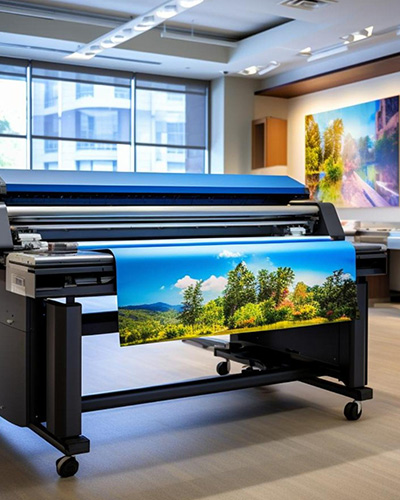
Different printing techniques influence the sharpness, vibrancy, and durability of banners. Digital printing, for instance, enables high-resolution imagery with precise color matching, making it suitable for complex graphics and photographic content. Screen printing offers the advantage of vibrant, long-lasting colors suitable for simple logos and bold designs.
High-standard manufacturers employ protective coatings like UV lamination that extend the lifespan of outdoor banners by shielding them from weather damage and UV fading. Additionally, the use of reinforced hems and grommets ensures secure installation and resistance to tearing, further extending the banner's functional life.
Visual Examples and Material Comparisons

In successor sections, understanding the various options and their specific advantages helps you make informed decisions tailored to your promotional needs and environmental conditions. Selecting the appropriate type and material ultimately facilitates effective communication of your marketing message while ensuring longevity and visual appeal throughout the campaign duration.
Understanding Banner Types and Materials
In the realm of banner advertising, selecting the appropriate banner type and material is crucial for achieving the desired visual impact and longevity. Different environments and purposes call for specific solutions, and a comprehensive understanding of available options enables more informed decision-making.
Fabric banners, often crafted from polyester or nylon, are favored for their lightweight nature and vibrant print potential. They excel in indoor settings or as backdrops in trade shows due to their smooth surface and high-quality appearance. Vinyl banners, made from PVC, are durable and weather-resistant, making them ideal for outdoor advertising. They can withstand rain, wind, and sun exposure while maintaining their visual integrity over time.

Polyester mesh banners are another popular option, especially for large-scale outdoor displays. The mesh design allows wind passage, reducing stress on mounting points. While they may slightly reduce print vibrancy compared to solid vinyl, they offer superior airflow and are well-suited for high-traffic outdoor locations.
Eco-friendly substrates have gained traction among environmentally conscious clients. Biodegradable banners made from recycled plastics or natural fibers combine sustainability with high-quality print results. These options are particularly advantageous for campaigns emphasizing corporate responsibility and sustainability initiatives.
Material Durability and Suitability
- Vinyl Banners: Excellent outdoor durability, resistance to weather elements, suitable for long-term outdoor use.
- Fabric Banners: Superior indoor appearance, easier to fold and transport, less resistant to moisture but ideal for indoor promotions.
- Mesh Banners: Designed for high wind areas, less vibrant print but higher structural resilience.
- Eco-friendly Substrates: Sustainable options, often with slightly higher costs but aligned with green initiatives.
Another important aspect is the surface finish of the banner. Glossy finishes enhance color vibrancy and visual impact, suitable for attention-grabbing displays. Matte finishes, on the other hand, minimize glare and reflections, improving readability in bright outdoor conditions.

Selection of the right material and finish ultimately depends on the specific campaign goals, location, and environmental conditions. A strategic approach ensures that banners not only look compelling but also withstand the rigors of their intended environment, maximizing return on investment through durability and visual effectiveness.
Understanding Banner Types and Materials
Choosing the appropriate banner type and material is fundamental to achieving optimal visual impact and durability for your advertising campaign. Different materials cater to various environmental conditions and display needs, ensuring your message remains effective across diverse settings.
Common Banner Materials in Singapore
- Vinyl Banners: Recognized for their exceptional durability and resistance to weather elements, vinyl banners are ideal for prolonged outdoor promotions. They withstand rain, wind, and sunlight without significant deterioration, making them suitable for city festivals, outdoor markets, and signage along busy streets.
- Fabric Banners: Offering a premium visual aesthetic, fabric banners are predominantly used for indoor displays or events. Their soft texture and vibrant print qualities elevate branding efforts in trade shows, exhibitions, and corporate interiors. While less resistant to moisture, their ease of folding and transport enhances convenience for temporary setups.
- Mesh Banners: Designed for high exposure to wind and outdoor conditions, mesh banners feature small perforations that allow air to pass through. This design minimizes wind resistance and is perfect for large-scale outdoor advertising, such as building wraps or sports field banners where structural stability is paramount.
- Eco-friendly Substrates: Increasing attention toward sustainability has led to the adoption of biodegradable banners produced from recycled plastics or natural fibers. These environmentally conscious options are especially suitable for campaigns emphasizing corporate responsibility and green initiatives, although they may come with a slight premium in cost.
Surface Finish Options
The choice between glossy and matte finishes influences visibility and visual impact. Glossy finishes amplify color vibrancy and are perfect for creating eye-catching displays that demand attention. Conversely, matte finishes reduce glare and reflection, enhancing readability under bright sunlight, making them ideal for banners in outdoor settings where sunlight is intense.
Assessing Durability and Environmental Compatibility
To ensure banners meet campaign objectives, it’s vital to consider environmental factors such as exposure duration, weather conditions, and physical handling. Durable vinyl withstands harsh outdoor conditions, while fabric banners excel indoors for refined aesthetics. Mesh banners provide resilience in windy environments, preventing tearing or damage. The surface finish should complement these considerations by enhancing visual clarity and ensuring the message remains legible.
Adopting a strategic approach to material selection guarantees that banners not only effectively communicate branding but also maintain structural integrity throughout their display period. Proper material choice minimizes replacement costs and maximizes the impact of your marketing investment.
Optimal Banner Materials for Different Campaign Settings
In selecting the appropriate banner material, understanding the specific environment and campaign duration is essential. Vinyl banners are the most versatile choice, offering durability and vibrant color reproduction suitable for both indoor and outdoor use. For prolonged outdoor campaigns subject to harsh weather conditions, high-quality weather-resistant vinyl or mesh fabrics provide resilience against wind, rain, and UV exposure. Mesh banners, in particular, allow air flow, which reduces wind pressure and minimizes damage, making them ideal for large-scale outdoor displays in Singapore’s breezy coastal areas.
Fabric banners, typically made from polyester or similar materials, add a touch of sophistication with their textured finishes and are ideal for indoor events, retail displays, or trade shows where aesthetics take priority. These materials generally have better draping qualities and can create a more refined visual impression.
Surface finish options also play a vital role in the final appearance of banners. Glossy finishes boost color intensity, making banners visually striking with vibrant hues that attract immediate attention. Matte finishes, by reducing glare and reflection, enhance readability and are better suited for banners that will be viewed under bright lighting conditions or from a distance.
By aligning material choice with environmental factors and campaign goals, businesses can optimize message clarity, visual appeal, and structural longevity. Selecting the right combination ensures that banners fulfill their advertising purpose efficiently, providing maximum exposure without the need for frequent replacements.
Environmental Considerations and Material Durability
Environmentally exposed banners must balance durability with visual quality. Weather-resistant vinyl, recognized for its robustness, withstands prolonged outdoor exposure against rain, UV rays, and wind. Fabric options, while offering a premium look, are better suited for shorter-term indoor applications. Mesh banners provide a resilient alternative that maintains visual integrity while allowing airflow to minimize wind damage, particularly in high-wind zones. To guarantee longevity, adherence to manufacturer specifications regarding material thickness, coating, and finishing processes is critical. Proper installation, such as securing banners with reinforced edges and appropriate fasteners, further enhances lifespan, especially in outdoor setups exposed to Singapore’s tropical climate. Choosing banners with UV-resistant coatings and water-repelling finishes adds to their resilience, ensuring they stay visually appealing and intact throughout their display period. Addressing these environmental factors through thoughtful material selection ultimately results in a more effective and cost-efficient advertising investment.
Installation and Maintenance of Banners
Proper installation and ongoing maintenance are essential to maximize the impact and lifespan of your banners in Singapore’s dynamic environment. A carefully executed installation ensures that banners are securely affixed, reducing risks of damage or safety hazards. Using high-quality fasteners, such as reinforced grommets, stainless steel hooks, or heavy-duty zip ties, provides additional stability, especially when banners are displayed outdoors where wind and weather conditions are prevalent.
When installing banners, consider the surface type—whether it’s brick, metal, or fabric—and select appropriate mounting methods. For walls and poles, utilizing frames or tension systems can maintain tautness and prevent sagging, which diminishes visual clarity. For ground displays, weighted bases or sandbags can provide additional support for free-standing banners.
Maintenance is equally important in preserving the visual quality of banners. Regular inspections should be conducted to identify signs of wear, including fading, tearing, or detachment. Cleaning should be performed with mild soap and water to remove dirt, bird droppings, or accumulated grime, which can degrade materials over time. Avoid harsh chemicals or abrasive tools that may damage the surface.
In outdoor settings, it is advisable to periodically check fasteners and support structures, especially after storms or high wind conditions. Prompt repairs and reinforcements prevent minor issues from escalating into more costly damages. Additionally, rotating the banner periodically or replacing faded banners can maintain a fresh appearance, reinforcing the advertising message effectively.
Strategies for Prolonging Banner Lifespan
- Secure fastening using weather-resistant hardware suitable for Singapore’s humid climate.
- Clean banners regularly to prevent dirt buildup that can weaken materials.
- Store banners properly when not in use, preferably in cool, dry environments to prevent mold and deterioration.
- Perform timely repairs to tears or damages to prevent further deterioration.
- Use UV-protective coatings or laminate overlays during printing to resist fading caused by sun exposure.
Legal and Permitting Regulations
In Singapore, compliance with official regulations is essential for the seamless deployment of banner advertising. Proper adherence to local government guidelines surrounding advertising permits and zoning laws ensures that banners are displayed legally and are not subject to removal or penalties. Before commencing any banner project, consult the relevant authorities to obtain necessary permits, particularly for banners intended for public spaces or outdoor display. This process often involves submitting detailed designs and proof of compliance with safety standards, such as fire safety and structural stability.
Understanding the specific requirements for different locations—whether commercial districts, construction sites, or community areas—is crucial. Certain districts may impose size limitations, designated display durations, or specific material restrictions to mitigate visual clutter and environmental impact. Working with experienced banner printing and installation services in Singapore can streamline the permit acquisition process, ensuring that all necessary documentation is accurately prepared and submitted.
Additionally, local regulations may dictate specific safety protocols for banner installation, including secure fastening methods and the types of hardware permitted. Non-compliance could lead to legal issues, removal of banners, or fines, which can pose a setback to marketing campaigns. Hence, partnering with reputable service providers who are well-versed in Singapore’s regulatory landscape provides peace of mind and supports responsible advertising practices.
Having a clear understanding of the regulatory landscape can prevent unnecessary delays and costs, allowing businesses to focus on effective messaging and creative design. It is also important to keep abreast of any updates or changes to local advertising policies, especially for long-term displays or recurring campaigns. Maintaining open communication with local authorities and industry experts ensures that your banners remain compliant, enhancing the credibility and visibility of your brand within community standards.
Ultimately, respecting legal and permitting requirements highlights a commitment to responsible advertising, reinforces your brand’s reputation, and contributes to the orderly and aesthetically pleasing urban environment in Singapore.
Installation and Maintenance of Banners
Ensuring that your banner is installed correctly and maintained properly significantly influences its effectiveness and longevity. Proper installation involves selecting the right hardware, securing anchors, and considering environmental factors such as wind and rain, especially in Singapore's tropical climate. Using high-quality fasteners and secure mounting techniques will prevent banners from sagging, tearing, or detaching, which could compromise safety and the visual impact of your advertising.
Routine maintenance is vital to preserve the banner’s appearance and structural integrity. Regular cleaning helps remove dirt, pollution, and bird droppings that can tarnish the visual appeal. For fabric-based banners, gentle washing with non-abrasive cleaning agents prevents material degradation. For vinyl or PVC banners, inspecting for tears, loose edges, or hardware damage and repairing them promptly extends the lifespan of your signage.
Choosing the Right Installation Method
- Wall-mounted banners: Use strong anchors and consider the wall material for secure attachment.
- Pole banners: Employ durable fastenings designed to withstand Singapore’s monsoon conditions.
- Stakes and ground inserts: Suitable for temporary displays in open areas, ensuring stability against wind.
Maintenance Tips for Longevity
- Inspect regularly for any hardware loosening or damage.
- Clean with mild soap and water, avoiding abrasive cleaners.
- Check for fading or discoloration, especially if exposed to direct sunlight.
- Trim any loose threads or re-adhere peeling edges as needed.
- Remove the banner during heavy storms or typhoons to prevent damage.
Monitoring the condition of your banners and promptly addressing any issues will save costs associated with major repairs or replacements and keeps your advertising professional and impactful. Additionally, partnering with experienced installation professionals can ensure compliance with safety standards and achieve a seamless, aesthetically pleasing display that leaves a lasting impression on viewers.