Understanding Banners and Their Purpose
Banners serve as vital visual tools in a myriad of contexts, including marketing campaigns, promotional events, and informational displays. They function as large-format signs designed to attract attention, convey messages quickly, and reinforce brand identity across diverse environments. Banners come in various styles, sizes, and materials, tailored to specific objectives and settings. Whether used outdoors to promote sales, at trade shows to highlight company offerings, or at community events for awareness, banners are crafted to maximize visibility and impact.
Fundamentally, banners are strategic communication devices that combine bold graphics, compelling text, and sometimes eye-catching imagery to engage viewers instantly. They are an essential element in establishing a memorable presence in competitive spaces, making them a popular choice for businesses and organizations looking to enhance their visibility effectively.
The primary goal of banners is to deliver a clear, concise message that resonates with the target audience. This can range from advertising a new product or service to announcing a special event or guiding attendees at a large gathering. Their adaptability and high impact make banners an indispensable element of modern visual communication strategies.
Common Uses of Banners
- Advertising: Promoting sales, discounts, or new product launches.
- Event Promotions: Announcing upcoming events, festivals, or conferences.
- Branding: Showcasing company logos and slogans to reinforce brand recognition.
- Informational Displays: Providing directions or instructions in public spaces.
- Celebrations and Ceremonies: Custom banners for weddings, birthdays, or community festivities.
Given their versatility and eye-catching nature, banners are an effective means to communicate visually in both professional settings and casual gatherings. Selecting the right banner type and design is crucial to ensure the intended message is delivered powerfully and efficiently.
Choosing the Right Banner Type and Material
Overview of Banner Types
When selecting a banner for your marketing needs, understanding the different types available is essential to ensure it aligns with your objectives and operating environment. The most commonly used banner types include PVC banners, mesh banners, fabric banners, vinyl banners, and Pop-up displays. Each type offers distinct advantages and is suited to specific settings and purposes.
- PVC Banners: These are the most traditional banners made from durable vinyl material. They are ideal for long-term outdoor use due to their weather-resistant properties. PVC banners provide sharp, vibrant printing results and are suitable for both indoor and outdoor installations.
- Mesh Banners: Constructed with a perforated material, mesh banners allow wind to pass through, making them perfect for outdoor areas with high wind conditions. They maintain their visual impact while reducing material stress.
- Fabric Banners: Made from polyester or fabric blends, these banners offer a softer appearance with a matte finish that minimizes glare. Suitable for indoor use, fabric banners are often used for trade shows and retail displays, providing a premium look.
- Vinyl Banners: Similar to PVC, vinyl banners are versatile and can be printed in various sizes and shapes. They serve well in both temporary and semi-permanent applications, such as event promotions or storefront advertising.
- Pop-up Displays: These are designed for portability and quick assembly, ideal for trade shows or temporary events. They often combine retractable banners with lightweight frames for easy transportation.
Material Considerations
The choice of banner material directly influences durability, visual quality, and suitability for the intended environment. Here are key factors to consider when selecting materials:
- Weather Resistance: For outdoor banners exposed to elements like rain or wind, materials such as weatherproof vinyl or mesh are recommended.
- Longevity: High-quality vinyl or fabric options ensure the banner will withstand prolonged exposure without deterioration.
- Visual Effect: Matte fabrics reduce glare for indoor displays, while glossy vinyl enhances color vibrancy for visual impact.
- Cost Efficiency: While more durable materials may cost more initially, they can offer savings over time by lasting longer and reducing the need for replacements.
Matching Banner Types to Specific Locations
To maximize impact, consider pairing banner types with display locations:
- Outdoor Advertising: PVC or mesh banners are optimal for durability against weather conditions, ensuring the message remains clear over time.
- Indoor Promotions: Fabric banners or high-quality vinyl banners offer a premium appearance and are suitable for retail, exhibitions, and corporate events.
- Temporary Events: Retractable or pop-up banners provide portability and quick setup, perfect for trade shows or outdoor festivals.
Key Factors to Consider During Selection
- Expected traffic and exposure levels
- Environmental conditions such as wind, rain, or sunlight
- Duration of display
- Budget constraints
- Portability and ease of installation
Understanding Banners and Their Purpose
Banners are versatile tools in marketing and communication strategies, serving as visual representations of brands, messages, and promotional offers. Their primary purpose is to attract attention quickly and communicate key information in a clear, engaging manner. Whether used indoors or outdoors, banners can enhance visibility, reinforce branding, and stimulate customer engagement. The effectiveness of a banner hinges not only on its design but also on its relevance to the target audience and alignment with the event or environment where it is displayed. High-quality banners can transform a simple promotional method into a powerful advertising asset, capable of attracting foot traffic, increasing brand awareness, and supporting campaign goals.

Choosing the Right Banner Type and Material
Selecting the appropriate banner type and material is crucial for ensuring your display achieves its intended impact and endures the conditions of its environment. The decision should be based on factors such as location, duration of display, weather exposure, and budget constraints. The key is to match the banner's specifications with its operational context to maximize its effectiveness and lifespan.
Environmental Considerations
- Outdoor Use: Banners designed for outdoor application must withstand elements like rain, wind, and sunlight. Materials such as weatherproof vinyl, mesh, or tension fabric are suitable choices. These materials resist moisture and fading, ensuring the banner retains its visual appeal over extended periods.
- Indoor Use: Inside venues, banners are less exposed to harsh conditions. Here, options like fabric, glossy vinyl, or rigid boards provide a premium appearance and high clarity. Matte finishes help reduce glare under artificial lighting, enhancing readability.
Material Durability and Cost
Materials vary in durability and cost. High-quality vinyl or fabric options are more resilient and suitable for long-term use, but may come with higher initial costs. Conversely, lightweight materials such as paper or thin vinyl are more suitable for short-term displays. The investment in durable materials often results in cost savings over time by reducing the frequency of replacements.
Matching Banner Type to Placement
- Outdoor Advertising: PVC banners or mesh materials are ideal because they resist weather and wind while maintaining visibility.
- Indoor Promotions: Fabric banners, high-quality vinyl, or rigid foam boards work well for events, retail displays, or corporate environments.
- Temporary Events: Retractable, pull-up, or pop-up banners offer portability and quick setup, making them perfect for trade shows or outdoor festivals.
Online Banner Design Tools and Software
Designing banners online has become more accessible thanks to a range of user-friendly platforms and software. These tools provide customizable templates, drag-and-drop interfaces, and extensive libraries of images, fonts, and icons. Popular options include Canva, Adobe Express, and Crello. They enable users with varying levels of design experience to create professional-looking banners tailored to specific branding requirements. Cloud-based software also allows for easy saving and sharing of designs, facilitating collaboration and quick revisions.
Steps to Create Your Banner Online
- Define Your Objectives: Clarify the purpose, target audience, and key message of your banner.
- Select a Platform: Choose an online design tool that matches your skill level and needs.
- Choose a Template: Start with a professional template that aligns with your branding and campaign goals.
- Customize Your Design: Incorporate your logo, images, and specific text, ensuring color schemes and fonts reflect your brand identity.
- Review and Edit: Proofread all text, check alignment, and validate visual elements for consistency and clarity.
- Download the Final Design: Save your banner in the preferred format, such as JPEG, PNG, or PDF.
Design Tips for Effective Banners
- Use bold, legible fonts to ensure readability from a distance.
- Limit the amount of text to key messages to keep visuals clean and impactful.
- Incorporate vibrant colors that align with your branding to attract attention.
- Include a clear call-to-action to guide viewers on the next steps.
- Focus on high-resolution images and graphics for sharp printing quality.
Uploading and Finalizing Your Banner
Once the design is complete, upload it to your preferred printing service or platform. Carefully review the preview to verify color accuracy, layout precision, and resolution. Employ the recommended file formats and specifications to prevent printing issues. Some platforms provide online proofing options, allowing you to see an accurate representation of your final banner and make necessary adjustments before final approval.
Printing and Delivery Options
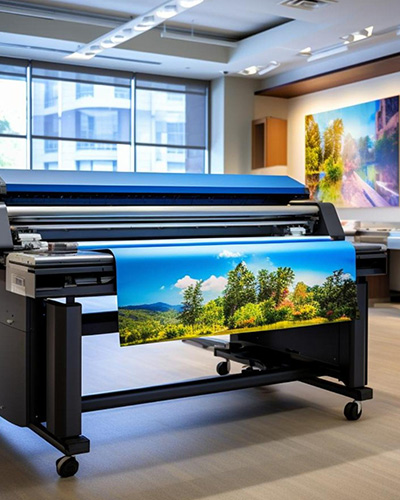
After finalizing your design, choose the appropriate printing method and delivery service. Professional printing options include large-format digital printing for vibrant, high-resolution banners. Delivery choices vary from standard shipping to expedited services. Confirm turnaround times and ensure the size and material specifications meet your requirements. Be aware that some providers offer mounting or finishing options, such as hemming or grommet placement, which facilitate installation and durability.
Tips for Maintaining and Using Banners Effectively
Proper maintenance extends the lifespan and visual appeal of your banners. Store banners in a cool, dry place when not in use, and avoid folding or creasing the print surface to prevent damage. Regularly clean banners with a mild soap solution and a soft cloth—avoid harsh chemicals that could harm the material or fade colors. When installing banners outdoors, ensure they are securely fastened and protected against strong winds. Periodic inspections help identify wear and tear early, allowing for timely repairs or replacements. For reusable banners, consider protective covers or frames when not in use, and always handle with care to prevent scratches or tears.
Utilizing Advanced Editing Features for Polished Banners
When designing banners online, leveraging the advanced editing features available on reputable platforms can significantly enhance the quality and impact of your final product. These tools often include alignment guides, grid overlays, and snap-to features that ensure elements are perfectly positioned, creating a cohesive and professional appearance. Adjusting transparency, layering images, and inserting text with custom fonts and effects allows for a customized look that aligns with your brand identity.
Furthermore, many online banner creation tools offer pre-designed templates tailored for various industries and purposes. These templates serve as an excellent starting point, providing a balanced layout and visual hierarchy. You can modify these templates to suit your specific messaging, ensuring that your banner not only looks appealing but also communicates effectively.

Previewing and Reviewing Your Banner Design
Before finalizing your banner, taking advantage of the preview features offered by online design platforms is crucial. Many tools allow you to see a simulated view of your banner as it will appear in real-world settings, including different sizes and mock-ups with outdoor or indoor backgrounds. This step helps you identify any design inconsistencies, incorrect alignments, or font readability issues.
Collaborative features such as sharing the preview with team members or clients can facilitate feedback and ensure that everyone is satisfied with the design. Adjustments can be made seamlessly during this stage, minimizing revisions after printing. Ensuring your banner looks sharp and professional in the preview phase reduces the risk of costly mistakes and delays.

Final Checks and Downloading the Design File
Once the review process confirms that your banner design is flawless, perform a final check for resolution and file format compliance. It’s essential to confirm that all images are high-resolution (typically 300 DPI) to prevent pixelation in the large-format print. Check that the color modes are set correctly, usually in CMYK, as this color profile ensures accurate color reproduction during printing.
Download the completed design in the appropriate file format specified by your printing service, such as PDF, TIFF, or high-quality JPEG. Use the highest quality settings to preserve detail and color fidelity. Some online tools offer direct export options optimized for printing, making the transition from digital design to physical banner seamless.

Steps to Create Your Banner Online
Creating an effective banner online involves a structured approach that ensures your final product is both visually appealing and communication-effective. Begin by selecting a reliable online banner creation platform that offers intuitive tools and customizable templates suitable for your specific needs. These platforms typically provide pre-designed templates that can be tailored to fit your brand identity and campaign goals, streamlining the creative process.
Once you access your chosen platform, set your banner dimensions to match the intended display location—whether for outdoor signage, trade shows, or digital advertising. Consistency in size ensures your banner fits perfectly within allocated spaces and maintains a professional appearance across various settings. Upload existing branding assets such as logos, images, and color schemes to maintain brand cohesiveness.
Next, focus on the core elements of your banner’s design. Select bold, readable fonts for your message, and be mindful of text placement to maximize visibility and impact. Incorporate high-quality images and graphics that reinforce your message and attract attention. Use contrasting colors to ensure text stands out against the background, facilitating quick readability even from a distance.
Many online design tools feature drag-and-drop interfaces, making it easy to add and arrange elements within your layout. Take advantage of grid lines and alignment tools to ensure your design is balanced and visually engaging. Preview your banner in different mock-up environments—such as outdoor or indoor settings—to assess how it will look in real-world conditions. Adjust the design as needed, paying close attention to font size, image resolution, and overall clarity.

After finalizing your design, perform a thorough review to check for any inconsistencies or errors. Confirm that all text is legible and error-free, and that images are of sufficient resolution (usually 300 DPI) to prevent pixelation. Once satisfied, export your banner in the required file format—commonly PDF, TIFF, or high-quality JPEG—using the highest quality settings possible. These formats preserve color accuracy and detail during printing, ensuring your banner looks professional and vibrant in production.
Some online platforms provide direct export options tailored for printing, simplifying the process further. Additionally, save your files with descriptive names for easy retrieval and future edits if necessary. The digital creation process should aim to produce a print-ready file that meets all specifications of your printing service, helping to avoid delays and reprints.
Preparing Your Banner for Optimal Printing Quality
Once your banner design is complete using online tools, the next critical step is preparing the digital file for printing. Ensuring that your file meets specific criteria related to resolution, file format, and dimensions is essential to achieve a professional and vibrant final product.
Checking Resolution and Image Quality
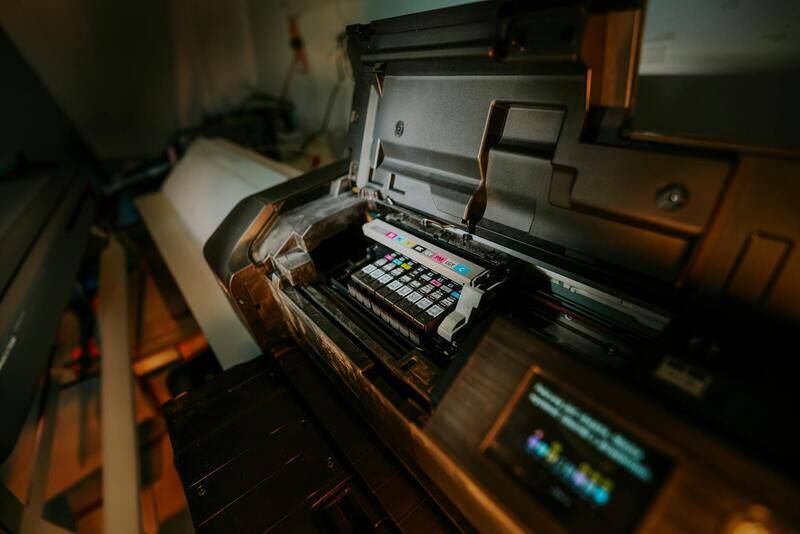
High-resolution images are fundamental to producing sharp, clear banners that attract attention from a distance. Typically, a resolution of 300 DPI (dots per inch) is recommended for large-format printing. Before submitting your file, verify that all images and graphics are of sufficient quality. Blurry or pixelated images can detract from the visual impact and may require replacement or re-editing.
File Format and Size Specifications
File format choices significantly influence compatibility with printing machinery and the final output quality. Commonly accepted formats include PDF, TIFF, and high-quality JPEG. PDF files are preferred as they preserve vector data and fonts, ensuring design integrity. During export, select the highest quality or print settings available to prevent compression artifacts that could impair image clarity.
Size specifications must align with the banner's intended display dimensions. Use the design software’s ruler tools to double-check the correct width and height. Additionally, avoid scaling the file after export, as this may lead to resolution loss or distortion. Confirm file size is within the maximum limit set by the printing service to avoid upload issues; large files may need compression without losing quality.
Color Mode and Bleed Areas
Convert your design to CMYK color mode, which is standard in professional printing, to ensure color accuracy and vibrancy. Incorporate bleed areas—usually about 3 to 5 mm—around the perimeter of your design. Bleed ensures that no unprinted edges will be visible in the final product due to trimming inconsistencies. If your design includes images or colors extending to the edge, make sure they extend into the bleed zone to maintain seamless edges.
Final Review and Validation
Before submitting your banner for printing, perform a meticulous review to catch any issues. Check that all text is legible, free of typos, and properly aligned. Confirm that images are correctly placed and of high quality. Use print preview tools available in your design software to simulate how the banner will appear once printed.

Preparing Files for Upload
Compress your final design files using formats like ZIP if necessary, especially when uploading multiple files or large-scale banners. Save multiple versions if you plan to make future edits, labeling them clearly for easy identification. Keep a backup copy of the original high-resolution file in a safe location.
Upload and Submit for Printing
Access the online platform of your chosen printing service, such as printservicesingapore.net, and follow their upload instructions carefully. Double-check the uploaded files by previewing them within the platform, ensuring the correct version is submitted. Once uploaded, select the appropriate printing options—material, finish, size—and review the order details before confirmation.
By meticulously preparing your digital banner files, you maximize the chances of achieving a visually striking and durable final product that effectively communicates your message.
Understanding Banners and Their Purpose
Banners serve as a dynamic visual tool to attract attention, promote events, convey messages, or enhance brand visibility in various environments. Their versatility allows them to be displayed both indoors and outdoors, making them suitable for trade shows, storefronts, exhibitions, and community events. By leveraging eye-catching designs, banners can effectively communicate core messages, highlight special offers, or reinforce branding elements, thus playing a pivotal role in marketing strategies.
Choosing the Right Banner Type and Material
Selecting an appropriate banner type and material depends on several factors such as intended use, location, duration of display, and environmental conditions. Consider these primary options:
- PVC Banners: Durable and weather-resistant, ideal for outdoor use and long-term display. They offer vibrant print quality and are flexible enough to be rolled or folded for transport.
- Vinyl Banners: Similar to PVC, vinyl banners provide high durability and are suitable for outdoor advertising. They resist tearing and can be easily cleaned.
- Fabric Banners: Made from polyester or similar textiles, these banners provide a premium look with a matte finish, perfect for indoor use such as trade shows or retail displays.
- Mesh Banners: Featuring tiny perforations, mesh banners are lightweight and allow wind passage, making them suitable for large outdoor signage exposed to windy conditions.
Choosing the right material ensures that your banner maintains its visual appeal over time, withstands environmental stressors, and aligns with your brand aesthetic.

Online Banner Design Tools and Software
Many online platforms and design software facilitate the creation of banners with professional quality. These tools typically feature user-friendly interfaces, customizable templates, and a wide array of design elements. Commonly used options include:
- Canva: An intuitive platform offering pre-designed templates suitable for various banner sizes, with drag-and-drop features for easy customization.
- Adobe Spark: Provides professional templates and integration with Adobe’s Creative Cloud, allowing for detailed design adjustments.
- Crello: Similar to Canva, it offers an extensive library of templates, images, and fonts tailored for banner creation.
- Figma: A collaborative design tool suitable for teams needing more advanced capabilities and real-time editing.
Choosing reliable design software ensures your banners are visually compelling, brand-aligned, and formatted correctly for printing specifications.
Steps to Create Your Banner Online
Creating a banner online involves a systematic process that guarantees a professional result. Follow these essential steps:
- Determine Banner Specifications: Define the size, orientation, and material based on placement and purpose.
- Select a Design Platform: Choose an online tool suitable for your skill level and needs.
- Choose a Template or Start from Scratch: Use pre-designed templates for convenience or create a custom layout for unique branding.
- Customize Design Elements: Incorporate your logo, images, slogans, and contact information. Use high-resolution assets to ensure clarity.
- Enhance Visual Impact: Apply contrasting colors, bold fonts, and clear messages to improve visibility and readability.
- Review and Edit: Perform multiple reviews, seeking feedback to refine layout, text, and overall aesthetics.
- Prepare for Printing: Export the final design in appropriate formats (e.g., PDF, PNG, TIFF) adhering to the printing specifications.
Optimizing Your Banner for Longevity and Impact
After successfully creating and printing your banner, attention shifts towards ensuring its durability and effectiveness throughout its display period. Maintaining the visual integrity of your banner is crucial for sustained visibility and brand reinforcement. Proper handling, installation, and regular maintenance can greatly extend the lifespan of your banner, safeguarding your investment and keeping your promotional message vibrant and clear.
Proper Installation Techniques
Securely installing your banner using appropriate methods is fundamental to preventing damage and ensuring optimal display. Invest in high-quality hardware such as reinforced grommets, bungee cords, or tension wires, depending on the mounting surface and environment. When attaching your banner, avoid excessive tension, which can cause tearing or warping. Use non-abrasive fixtures to prevent surface damage, especially on delicate materials or indoor displays.
Routine Care and Cleaning
Cleaning your banner periodically helps maintain its visual appeal. Use mild soap, water, and a soft cloth or sponge to remove dirt, dust, or grime. Avoid harsh chemicals or abrasive scrubbers that could deteriorate the material or fade the printed graphics. For outdoor banners exposed to the elements, consider gentle rinsing after storms or heavy rain to remove debris and prevent mold growth. Store the banner properly when not in use, preferably rolled and protected from prolonged sun or moisture exposure.
Maximizing Visibility and Effectiveness
Maximized visibility relies on thoughtful placement, lighting, and timing. Position banners at eye level or in high-traffic areas to attract attention. Ensure it is unobstructed by other objects or signage. Enhance visibility during nighttime by using dedicated lighting, such as spotlights or backlighting, especially for outdoor displays. Regularly assess the banner's condition, replacing or repairing damaged sections promptly to uphold a professional appearance.
Using Banners Strategically
- Timing and Location: Select locations with high foot or vehicle traffic corresponding to your target demographic. Schedule display times for maximum exposure.
- Complementary Advertising: Combine banners with digital marketing campaigns, flyers, or promotional events to reinforce your messaging.
- Clear and Concise Messaging: Keep your message straightforward and impactful, ensuring it can be quickly understood at a glance.
- Brand Consistency: Match banner design elements with your overall branding to strengthen recognition and recall.
Assessing Campaign Effectiveness
Monitor the impact of your banner advertisements by tracking noise, customer inquiries, or sales correlated with the banner’s placement and message. Gathering feedback from viewers or staff on visibility and clarity can offer valuable insights for future campaigns. Regularly refreshing banner designs and replacing worn or faded banners ensure your advertisements remain compelling and professional.