Understanding Color Booklet Printing
Color booklet printing stands as a versatile and impactful way to present information, promote products, or showcase creative work. This process involves producing booklets with multiple pages that are printed in full color, allowing for vibrant visuals, detailed graphics, and engaging layouts. These booklets are commonly utilized across various industries, including marketing, education, corporate communications, and event planning. The appeal of color booklets lies in their ability to enhance visual storytelling, making content more appealing and easier to comprehend for readers.
Formats for color booklets vary widely, ranging from small brochures and product catalogs to comprehensive manuals and promotional magazines. The size and fold type are typically chosen based on the purpose and target audience, with common formats including A4, A5, and custom dimensions. The number of pages can also range significantly, with options to saddle-stitched, perfect-bound, or spiral-bound, depending on durability needs and aesthetic preferences.

Achieving precise color reproduction is fundamental in color booklet printing, especially when brand consistency and visual impact are priorities. Color accuracy ensures that the colors in the printed booklet match the intended design, whether for promotional branding, educational diagrams, or artwork reproduction. This requires careful calibration of printing equipment and judicious selection of printing techniques and materials.
In the competitive landscape of printed marketing materials, high-quality color booklet production not only communicates professionalism but also enhances credibility and engagement. Properly executed color booklet printing can significantly influence how that information is perceived and retained by the audience, affirming its importance as a strategic communication tool.
Understanding Color Booklet Printing
Overview of Printing Technologies for Color Booklets
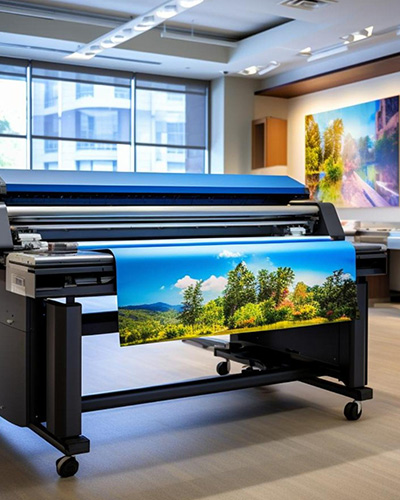
Color booklet printing involves a variety of specialized processes designed to produce vibrant, high-quality printed materials. The right choice of printing method depends on factors such as print volume, color fidelity requirements, budget constraints, and desired turnaround time. Selecting an appropriate printing technology ensures the finished product aligns with your expectations, both aesthetically and functionally.

Digital Printing
Digital printing provides a quick and cost-effective solution for producing color booklets, especially in small to medium quantities. It utilizes advanced inkjet or laser technology to directly transfer digital files onto paper substrates. This method allows for fast turnaround times and easy customization, making it ideal for promotional campaigns, limited editions, or personalized content. However, digital presses might have limitations in color matching and paper choices compared to traditional offset methods.
Offset Printing
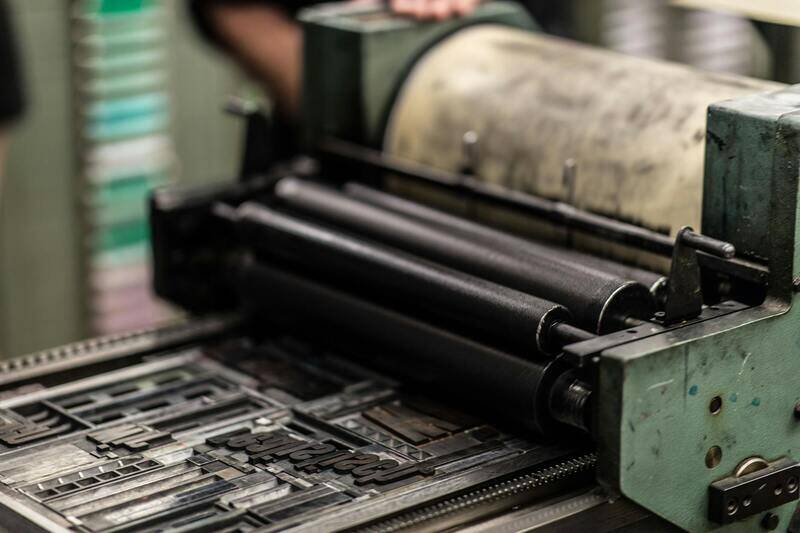
Offset printing remains a popular choice for large-scale color booklet production due to its ability to deliver superior color accuracy and consistency. It involves transferring ink from plates to rubber blankets before printing on paper. Offset printers can handle diverse paper types and thicknesses, offering high-resolution images with rich, vibrant colors. Although initial setup costs are higher and turnaround times longer than digital, offset printing is more cost-efficient at high volumes and ensures minimal color deviation across batches.
Lithographic Printing
Often synonymous with traditional offset, lithographic printing is regarded for its precision in reproducing detailed artwork and complex color gradients. It involves areas of the printing plate being chemically treated to accept ink selectively. Litho presses are suitable for high-volume production and offer excellent color fidelity, especially in projects requiring consistent, sharp images over thousands of copies. This technique is favored for professionally produced catalogs, high-end brochures, and magazines.
Additional Considerations
- Hybrid Approaches: Sometimes, combining digital and offset techniques can optimize the production process, particularly for projects with variable content alongside bulk printing.
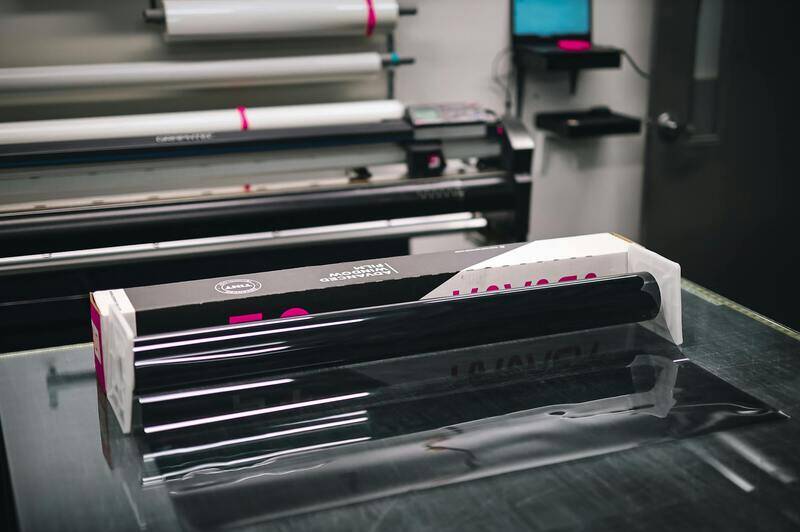
- Specialty Printing: Techniques such as UV coating, embossing, and foil stamping may be integrated post-printing to enhance visual appeal and tactile experience.
Factors Influencing Method Selection
- Order volume and frequency
- Desired color accuracy and detail
- Budget constraints
- Timeline requirements
- Paper and finishing options available
Understanding Color Booklet Printing
Color booklet printing is a vital component of marketing and branding strategies for businesses aiming to make a visual impact. This process involves producing booklets that use a full spectrum of colors to enhance visual appeal and convey messages effectively. Achieving accurate and vibrant colors in printed materials requires careful consideration of the printing methods employed. Offsetting the complexity of colors involved, color booklet printing demands meticulous planning from design through to production to ensure consistency, clarity, and durability of the final product.

Key Aspects of Color Booklet Printing
- Color Fidelity: Ensuring that the printed colors match the intended design, which is crucial for brand representation and visual consistency.
- Image Resolution: Utilizing high-resolution images to prevent pixelation and maintain visual sharpness when printed in color.
- Color Schemes: Selecting appropriate color schemes that align with branding guidelines and target audience preferences.
- Material Choice: The type of paper and finish impacts the vibrancy and durability of the printed colors, influencing overall quality.
Importance of Professional Color Management
Implementing systematic color management practices is essential for achieving consistent results in color booklet printing. This includes calibration of monitors and printers, proper color profiles, and standard operating procedures that align digital designs with printed output. Utilizing color calibration tools and adhering to industry standards ensures that colors are accurately reproduced, regardless of batch size or printing run.
Considerations for Printing Technologies
The choice of printing technology significantly affects the quality and cost of color booklet production. Digital printing offers quick turnaround times and flexibility for small to medium runs, ideal for promotional materials, event programs, or limited edition booklets. Conversely, offset printing excels in high-volume projects, providing superior color consistency and cost efficiency at larger production scales. Both techniques can be optimized with special inks, coatings, or finishes to enhance durability and visual impact.
Color Proofing and Quality Control
Before committing to full-scale production, it is crucial to conduct color proofs—either digital or printed samples—that accurately represent the final output. These proofs allow for the validation of colors, image clarity, and overall layout, reducing the risk of costly reprints. Continuous quality checks during the printing process ensure consistency, particularly in large batches, where even slight deviations can undermine a brand's professionalism.
Additional Factors in Color Booklet Production
- Environmental Conditions: Maintaining optimal humidity and temperature in the printing environment minimizes warping and ink adhesion issues.
- Press Maintenance: Regular maintenance of printing equipment ensures optimal performance and consistent color output.
- Operator Expertise: Skilled technicians can troubleshoot issues promptly, maintaining color accuracy and print quality throughout production runs.
Understanding the nuances of color booklet printing and selecting the appropriate methods and quality control measures is essential for producing impactful printed materials. Engaging with experienced printing professionals ensures these standards are upheld, resulting in a high-quality product that effectively elevates your brand’s image.
Official Methods for Color Booklet Printing
When it comes to producing vibrant, professional-quality color booklets, relying on established printing techniques is essential to ensure color fidelity, durability, and overall visual appeal. The primary methods include offset printing and digital printing, each suited to different project scales and specifications. Offset printing remains the preferred choice for large-volume productions due to its ability to consistently reproduce rich, precise colors across extensive runs. This method involves transferring ink from plates onto a rubber blanket before printing onto the paper, allowing for high accuracy and vividness, especially when using specially formulated inks and coatings.
Digital printing, on the other hand, offers a flexible and quicker solution for smaller batches or short-term projects. It uses digital files directly to produce prints, significantly reducing setup time and costs. While digital printing may have slight variations in color matching compared to offset, advancements in color management technology have made it a reliable choice for high-quality color booklet printing.

Both methods adhere to strict quality management standards, employing calibration tools and color profiles to maintain consistency. Using dedicated color management systems and viewing conditions in controlled environments allows printers to match colors accurately across multiple batches. This process involves detailed calibration of printers and the use of standardized color palettes to ensure your booklet's colors remain true to your design specifications.
Role of Quality Control Throughout Production
Once the production begins, ongoing quality control measures are fundamental to uphold color accuracy and overall print quality. Color proofing processes, including digital previews and hard-copy samples, serve as benchmarks that guide the entire workflow. These proofs help identify discrepancies early, saving time and costs associated with reprints.
During the actual printing process, continuous monitoring involves checking ink density, registration accuracy, and overall color consistency. Skilled technicians utilize spectrophotometers and other calibration tools to ensure each batch aligns with the approved proof. Such meticulous oversight prevents issues like color shifts, streaking, or blotching, which can compromise the professionalism of the final product.
Additional Measures for Maintaining Print Excellence
- Environmental controls: Consistent temperature and humidity levels in the printing environment prevent paper warping and ink adhesion problems.
- Equipment maintenance: Regular servicing and calibration of printing presses ensure optimal performance and color consistency.
- Skilled workforce: Experience and training in color management empower operators to troubleshoot and make real-time adjustments effectively.
Implementing these legitimate and technical methods guarantees high-quality results. Engaging experienced professional printers who follow these rigorous standards results in a finished booklet that truly reflects your original design intent, with vivid color fidelity and crisp image detail.
Print Quality and Color Accuracy Assurance
To achieve impeccable color booklet printing results, it is vital to implement robust quality assurance measures. This involves systematic inspections throughout the production process, starting from pre-press evaluations to the final print run. High-resolution digital proofs are produced to simulate the final output, allowing clients and technicians to verify color fidelity and overall appearance before mass production. These proofs serve as precise reference points, ensuring that the colors in the final booklet align perfectly with the intended design. In the printing phase, continuous quality checks are conducted using advanced calibration tools such as spectrophotometers. These devices measure the color output of each batch, comparing it to standard color references and industry benchmarks. If any deviations are detected, adjustments are made immediately to rectify color inconsistencies, ensuring that every booklet maintains the same high standards of vibrancy and accuracy. The selection of quality papers also influences the final look and feel of the booklet. Papers with uniform surface texture and appropriate absorbency levels help maintain consistent ink absorption, resulting in sharp images and well-defined color gradients. Finishing processes like coating or lamination not only enhance the durability of the booklet but also improve color vibrancy and glossiness, further guaranteeing a premium presentation. Proper training for operators and adherence to strict process protocols are essential components of effective quality assurance. Skilled technicians are capable of identifying potential issues early, such as registration misalignment or ink density fluctuations, and corrective actions are promptly implemented to prevent compromised outputs. Incorporating these detailed quality control practices ensures that each color booklet produced upholds professional standards and accurately represents the design vision. This meticulous approach underpins credibility and customer satisfaction, reinforcing the reputation of the printing service provider.
Understanding Color Booklet Printing
Color booklet printing involves a series of meticulous processes designed to produce vibrant, accurate, and professional-looking booklets. The key to achieving optimal results lies in understanding how various elements—from technology to material selection—interact to bring a design to life. High-quality color booklet printing relies on precise color management systems, advanced printing equipment, and color proofing techniques that ensure the final product matches the creative vision with minimal margins of error. Selecting the right printing approach ensures that the booklet's images, graphics, and text are rendered with clarity and brilliance, which is essential for marketing, branding, and informational purposes.
Types of Printing Methods for Booklets
Several printing techniques are suitable for color booklet production, each offering different advantages based on volume, quality, and budget considerations. Understanding these methods helps in making an informed choice that aligns with project requirements.
- Offset Lithography: This is the most common method for high-volume, high-quality booklet printing. It provides superior color accuracy, sharpness, and consistency across large runs. Offset printing employs metal plates to transfer ink onto paper, ensuring vibrant reproduction of artwork and intricate design details.
- Digital Printing: Ideal for short runs and personalized editions, digital printing involves directly transferring digital images onto paper via toner or inkjet technology. It offers fast turnaround times and cost-effective options for smaller quantities, with acceptable quality for most commercial applications.
- Flexography and Screen Printing: Less conventional for booklet printing, these methods are typically used for specialty applications such as packaging or unique decorative finishes. However, they can be adapted for certain creative booklet projects requiring textured or embossed effects.

Design Considerations for Color Booklets
Effective design plays a crucial role in the printability and visual appeal of color booklets. Ensuring that design files adhere to optimal specifications minimizes the risk of issues during printing. Key considerations include resolution, color profiles, and layout consistency.
- Resolution: All images and graphics should be at least 300 dpi to prevent pixelation and ensure crisp visuals.
- Color Profiles: Embedding ICC profiles within design files guarantees accurate color reproduction, especially when working with specific color standards or brand guidelines.
- Layout and Bleeds: Proper margin and bleed settings prevent unintended cropping and ensure full coverage of backgrounds or images that extend to the edges.
Paper and Finish Options
Choosing the right paper type and finishing techniques significantly influences the durability, appearance, and tactile experience of the finished booklet. The selection depends on the purpose and desired presentation quality.
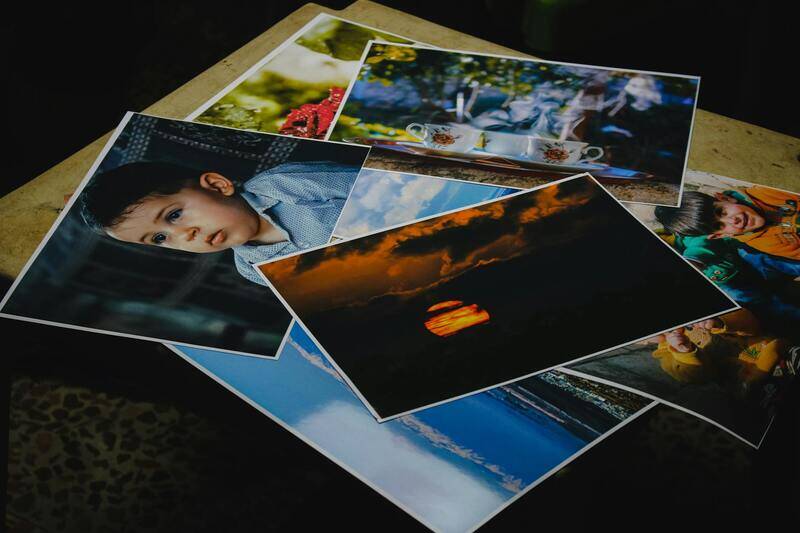
- Paper Types: Glossy, matte, silk, or uncoated papers offer different visual effects and textural qualities. Glossy papers enhance color vibrancy, while matte surfaces reduce glare and provide a sophisticated look.
- Weight and Thickness: Heavier weights (like 130gsm or higher) lend a premium feel, whereas lighter papers (around 80gsm) are practical for larger quantities or informational pamphlets.
- Finish and Coatings: Options such as UV coating, laminate, or varnish add protection against scratches, moisture, and wear, while also enhancing color depth and glossiness. Soft-touch coatings provide a tactile appeal that can elevate the perceived value of the booklet.

Cost Factors in Color Booklet Printing
Understanding the variables that influence printing costs helps in budgeting and negotiating with printing service providers. Factors include print volume, type of printing method, paper choice, and finishing options. Offset printing generally incurs higher initial setup costs but offers lower per-unit prices for large quantities. Conversely, digital printing presents a more economical solution for smaller runs, albeit with slightly different quality considerations.
- Quantity: Larger orders benefit from economies of scale, reducing the cost per booklet.
- Color Complexity: Full-color pages with high-resolution images and detailed graphics are more expensive than simpler monochrome or two-color layouts.
- Paper and Finish Selections: Premium papers and layered finishes contribute to increased costs but significantly enhance the perceived quality.
- Additional Services: Binding, embossing, foil stamping, or special coatings add to the overall expense but can create a distinctive and memorable product.

Understanding Color Booklet Printing
Color booklet printing encompasses a variety of detailed processes designed to produce vibrant, professional-quality booklets that effectively communicate your message. The process begins with selecting the right printing method, which directly influences the quality, cost, and turnaround time of your project. A well-executed color booklet typically features high-resolution images, sharp text, and durable finishes that maintain visual appeal over time.
Types of Printing Methods for Booklets
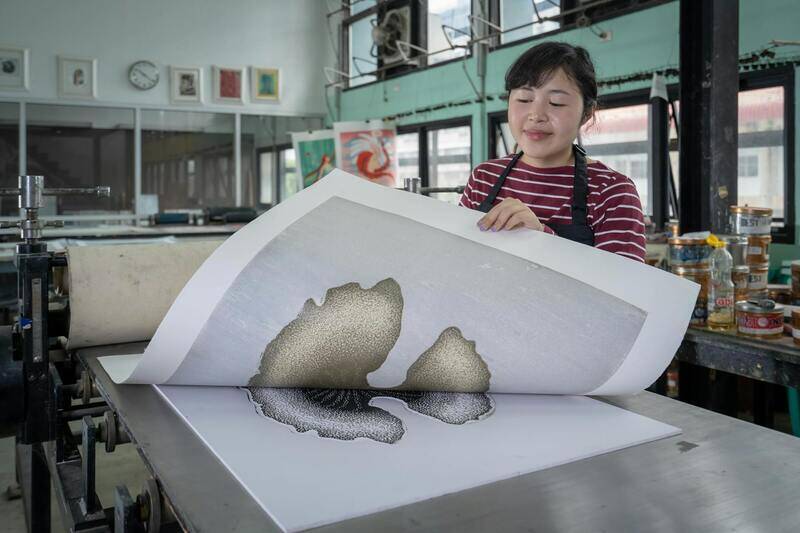
Several printing techniques are suitable for producing color booklets, each with distinct advantages. Offset printing remains a popular choice for large-volume projects, offering superior color accuracy and consistency. This method uses plates to transfer ink onto paper, making it ideal for bulk printing with high detail requirements.
Digital printing provides flexibility for short runs, rapid production, and quicker turnaround times. It lacks the initial setup of offset but still offers high-quality color reproduction, making it an attractive option for smaller batches or prototypes. Other methods, such as flexography or lithography, are less common but may be used depending on specific project needs.
Design Considerations for Color Booklets
Optimizing your design for color booklet printing involves paying attention to several key elements:
- Color Consistency: Ensuring color profiles are standardized across all designs guarantees consistent output regardless of the printing method.
- High-Resolution Imagery: Use images with at least 300 dpi to maintain clarity and sharpness in print.
- Layout Balance: Proper margin and bleed settings ensure no important content is cut off and that images extend seamlessly to the edges.
- File Preparation: Save files in appropriate formats such as PDF/X-1a or TIFF, which preserve quality and color accuracy during printing.
Paper and Finish Options
The selection of paper and finishes plays a crucial role in the durability and aesthetic appeal of your color booklet. Standard options include matte, gloss, or satin finishes, each imparting a different tactile and visual quality. Matte finishes reduce glare and are suitable for readability-heavy content, whereas gloss enhances vibrant colors and sharp details.
For premium projects, consider specialty papers such as textured, recycled, or coated stock to elevate the tactile experience. Finishing touches like UV coating, lamination, or varnish not only protect the booklet but also add depth to printed images, making colors pop and increasing resistance to wear.
Cost Factors in Color Booklet Printing
Understanding how various elements influence printing costs ensures that your project remains within budget without compromising quality. Key factors include:
- Print Volume: Larger quantities generally benefit from lower per-unit costs due to economies of scale.
- Color and Graphics Complexity: Full-color pages with complex images and high-resolution graphics are more expensive than simpler designs.
- Paper and Finish Choices: Upgraded paper stocks and special finishes elevate costs but enhance perceived quality.
- Additional Services: Features such as binding, embossing, foil stamping, or custom coatings add to the overall expense but can significantly impact the impact and durability of the finished product.
Balancing these factors while aligning with your budget ensures a high-quality output that effectively showcases your message and branding.
Enhanced Techniques for Color Booklet Printing
To achieve superior color accuracy and consistency, many professional print service providers utilize advanced printing techniques such as offset printing and digital printing, each suited to different production scales and desired outcomes. Offset printing employs high-quality plates and is ideal for large batch productions, offering vibrant colors and sharp detail without compromising on consistency. Digital printing, on the other hand, provides flexibility for smaller runs and quick turnaround times, with digital presses capable of producing high-resolution images with fine color control. Ensuring that vendors use calibrated equipment and high-quality inks is essential for maintaining fidelity and color vibrancy throughout the print run.
Color management processes, including the use of ICC profiles and color calibration software, are critical for matching on-screen designs to printed outputs. These tools help minimize color shifts caused by paper type, ink properties, or printing environment conditions. When working with your chosen printer, it’s advisable to request proof samples or digital previews to verify color accuracy before mass production begins. This proactive step prevents costly mistakes and ensures the final product aligns perfectly with your design vision.

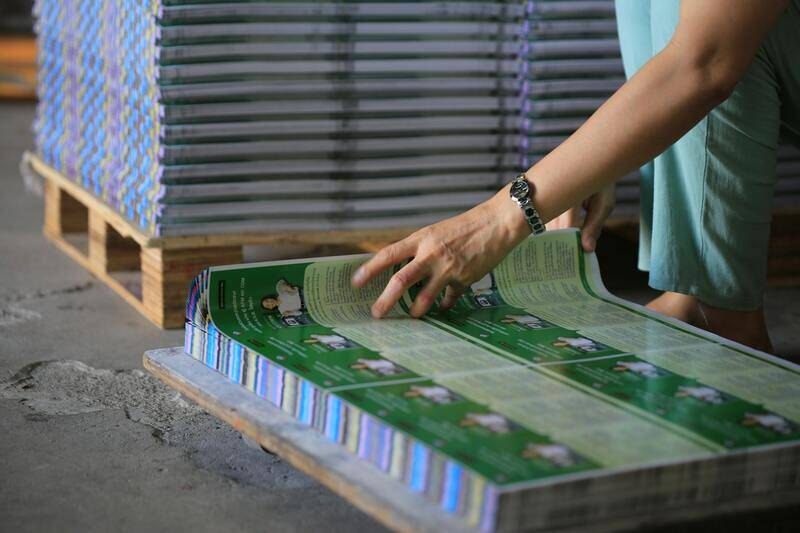
Additionally, attention to ink drying times and press conditions can significantly influence color integrity, especially for intricate gradients or photographic images. Efficient drying techniques such as UV curing or solvent-based inks help preserve detail and prevent smudging during handling. A reputable print service will also have quality control measures in place, such as spectrophotometers and quality inspection stations, to monitor color accuracy and resolve any discrepancies during the production process.
For projects requiring specialized finishes—like metallic inks, spot gloss, or soft-touch coatings—these should be incorporated into the initial design phase, with clear communication to your printer about placement and desired effects. Properly executed finishing touches can elevate the visual appeal of your booklet, making it stand out and leave a lasting impression.
In summary, securing a final product with accurate, vibrant colors involves a combination of advanced printing technologies, meticulous color management, and thorough pre-press preparation. When selecting a printing partner, prioritize those with proven expertise in color booklet printing, equipped with modern technology and a robust quality assurance process. This dedication to precision and consistency guarantees your color booklet will effectively communicate your message and uphold your brand’s professional image.