Understanding Business Booklet Printing
Business booklet printing is a specialized process that involves creating professionally designed booklets used by companies to communicate vital information, showcase products or services, and reinforce their brand identity. These printed materials serve as versatile marketing tools that can be distributed at conferences, sent to clients, or used as part of sales presentations. The significance of well-executed booklet printing lies in its ability to convey information clearly and reinforce a company's professionalism and credibility.
Effective booklet printing begins with thoughtful planning regarding content, layout, and design. A high-quality printed booklet not only enhances the visual appeal but also ensures readability and engagement. As a result, businesses invest in premium printing techniques and materials to make a lasting impression on their target audience.
In today's competitive market, a business booklet is often one of the first tangible touches potential clients have with a brand. Its design and quality can influence perceptions and credibility significantly. Therefore, choosing the right printing partner is essential to produce a finished product that aligns with the company's branding strategy, delivering a professional appearance that can communicate complex information efficiently.
A well-produced business booklet can also serve multiple functions—such as detailed product descriptions, company history, case studies, and customer testimonials—making it a comprehensive marketing collateral. Digital printing capabilities now make it feasible to produce small to medium runs with high-quality results, ensuring that businesses can maintain fresh content and adapt quickly to market changes.
Ultimately, investing in business booklet printing enhances brand recognition and provides a tangible representation of corporate values. It requires careful selection of design elements, printing techniques, and materials, all of which contribute to the final product's impact and effectiveness in communication.

Choosing the Right Paper and Finish
Selecting the appropriate paper stock is crucial to ensuring that your business booklet exudes quality and professionalism. The choice of paper impacts not only the aesthetic appeal but also the durability and tactile experience. For a sleek, sophisticated look, gloss or satin finishes are often preferred as they enhance colors and images, making visuals more vibrant and eye-catching. Matte finishes, on the other hand, offer a subtle, understated elegance and are excellent for text-heavy booklets that benefit from reduced glare. Additionally, specialty papers such as textured or recycled options can add a unique touch that aligns with environmentally conscious branding.

Weight and thickness also play a vital role. Heavier weight papers (usually 100 lb or above) lend a premium feel and are suitable for cover pages, while lighter papers (around 80 lb) work well for internal pages to balance quality and cost. For covers, embossed or laminated finishes can increase durability and add texture, creating a memorable impression. The lamination options—glossy, matte, or soft-touch—provide additional protection from wear and tear, helping maintain the booklet’s visual integrity over time.
Printing Techniques and Technologies
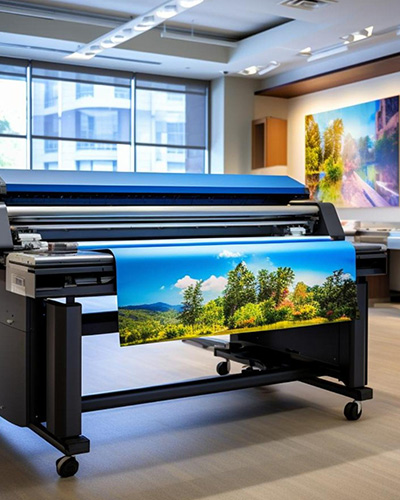
To achieve crisp, vibrant visuals, businesses should consider the most suitable printing method aligned with their goals and budget. Offset printing stands out as a reliable technique for larger quantities, offering high fidelity, consistent color reproduction, and cost efficiency for bulk orders. Conversely, digital printing allows for quick turnaround times, shorter runs, and cost-effectiveness for smaller batches without compromising quality.
Advanced printing technologies such as UV coating and Spot UV can add gloss or matte finishes selectively on specific areas, emphasizing key content or branding elements. Embossing and debossing techniques create tactile effects, giving certain design features a premium three-dimensional feel. When high-quality image reproduction is paramount—especially when showcasing intricate graphics or photographs—using high-resolution digital or offset presses is essential to ensure the output matches the original design specifications.
Customizations and Personalization Options
Personalization enhances the relevance and impact of business booklets by tailoring content and design elements to specific audiences. Variable data printing allows for customized covers, page greetings, or client-specific content, considerably increasing engagement. Custom binding options, such as saddle-stitch, perfect binding, or spiral binding, can also influence the booklet’s presentation and usability.
Incorporating vibrant foil stamping, holographic accents, or unique die-cut shapes can distinguish the booklet further, creating a memorable tactile experience. These customizations are especially valuable when aiming to reinforce brand identity or deliver a bespoke message to high-value clients or prospects.
Cost Factors and Budgeting
Understanding the cost implications of various materials, techniques, and formats is essential for effective budgeting. Factors affecting the overall expenditure include paper quality, finishing options, the complexity of design customizations, the quantity of copies, and turnaround times. While high-end materials and finishes elevate perceived quality, they naturally entail higher costs. Conversely, leveraging digital printing for short runs with standard paper stocks can significantly reduce expenses without a substantial compromise on quality.
Planning ahead and consulting with printing specialists can help identify cost-effective options tailored to specific goals. Bulk orders generally benefit from volume discounts, and, where appropriate, selecting standard sizes and finishes can optimize budgeting without sacrificing the professional image.
Tips for Working with Printing Service Providers
Effective collaboration with printing professionals is vital for achieving desired results. Clear communication of your objectives—such as design files, preferred materials, finishes, and quantity—is fundamental. Providing detailed specifications and review proofs ensures alignment and minimizes the risk of errors. It’s beneficial to request samples or mock-ups beforehand to assess quality and final appearance.
Engaging in open dialogue allows for the exploration of creative options and alternative suggestions that could enhance the final product while respecting budget constraints. Establishing a timeline and understanding the production process helps maintain schedules and reduce last-minute revisions. Building a relationship with a trusted printer can streamline future projects, ensuring consistency and high standards across all business collateral.
Printing and Distribution Best Practices
For maximum impact, businesses should plan their distribution strategically, considering how the booklet will reach the target audience. Utilizing professional mailing services or including booklets in promotional packets can enhance outreach efforts. Ensuring the print run aligns with anticipated demand helps prevent unnecessary waste and storage issues.
When distributing physical copies, thoughtful packaging can reinforce branding and protect the booklets during transit. Digital versions—such as PDFs or interactive e-book formats—should be optimized for easy sharing and accessibility, complementing physical distribution. Proper storage conditions and safeguarding the quality of printed booklets are essential steps in maintaining a polished and professional appearance over time.
Choosing the Right Paper and Finish
Optimizing the tactile and visual quality of business booklets begins with selecting appropriate paper stocks and finishes. The choice of paper directly influences the durability, weight, and overall impression of the final product. For business booklets intended for frequent handling or long-term storage, thicker, high-quality paper such as coated stock or uncoated premium paper can provide a sturdy feel and enhanced visual clarity.
To ensure vibrant colors and sharp images, gloss or satin finishes are often preferred, as they add a lustrous surface that amplifies visual impact. Matte finishes, on the other hand, offer an elegant, non-reflective surface that is suitable for text-heavy layouts and reduces glare, making reading more comfortable over extended periods. Both options can be customized based on the branding style and message tone, aligning with professional aesthetics.

Consider environmentally friendly options like recycled paper stocks or FSC-certified materials for companies committed to sustainability. These materials not only reinforce corporate responsibility but also appeal to eco-conscious clients and partners. The durability of the chosen paper should match the intended lifespan of the booklet, especially if it will serve as a resource or reference document.
Specialty finishes such as UV coating, soft-touch laminates, or spot UV can add unique tactile elements and visual accents to key areas or images, elevating the overall design. When selecting finishes, consulting with printing professionals ensures compatibility with your chosen paper type and budget constraints, facilitating a smooth production process.
Methods to Ensure Authenticity and Quality in Business Booklet Printing
Securing high-quality business booklet printing requires adherence to verified and reputable procedures. When engaging with professional printing providers, it is essential to verify their adherence to industry standards that maintain consistent quality and durability. This involves examining their use of advanced printing technologies such as offset and digital printing, which are known for delivering precise colors, sharp images, and clean lines. Offset printing, in particular, offers economies of scale for large-volume orders while maintaining high fidelity in color reproduction and detail, making it suitable for corporate brochures and extensive marketing booklets.
Additionally, it is important to scrutinize the materials used in the printing process. Reliable printers utilize materials that meet rigorous specifications, including specially formulated papers, inks, and finishes. Choosing reputable suppliers ensures that the paper and ink quality align with the desired aesthetic and functional qualities such as resilience, color accuracy, and print sharpness. The selection process might involve requesting samples or proofing options before the entire batch is produced, allowing for adjustments to be made to achieve the intended visual and tactile effect.
To further verify authenticity, requesting comprehensive documentation from the printing service can be beneficial. This documentation might include details about the raw materials, adherence to environmental standards, and quality control measures implemented throughout production. Well-established printing firms often showcase certifications that demonstrate their commitment to quality management systems, eco-friendly practices, and industry best practices. These documents act as assurance that the final product is produced following reputable procedures and standards.

Working with experienced designers and project managers also plays a key role in maintaining authenticity. Clear communication about project specifications, detailed briefs, and expected outcomes helps align the printing process with your company's branding and quality expectations. Employing services that offer detailed proofs for approval before bulk printing minimizes errors and confirms that the final product matches your standards.
Moreover, some printing providers offer additional verification services, such as digital watermarking or serialization, which serve to authenticate the final printed materials and prevent counterfeiting or unauthorized reproductions. These measures are particularly vital for business booklets that contain sensitive or proprietary information, ensuring that the distribution remains controlled and traceable.
In essence, confirming the use of reputable materials, employing advanced printing techniques, acquiring thorough documentation, and maintaining open communication with service providers form the foundation of legitimate and reliable business booklet printing practices. This comprehensive approach ensures that your printed materials reflect your company's professionalism and commitment to quality, reinforcing your brand identity with every copy distributed.
Understanding Business Booklet Printing
Business booklet printing encompasses a wide array of methods designed to produce professional, high-quality printed materials that effectively communicate your company's message. It involves selecting appropriate formats, paper types, and finishing options, alongside utilizing advanced printing technologies to ensure precision and durability. When engaging in legitimate business booklet printing, it is crucial to work exclusively with reputable printing service providers who adhere to industry standards, employ certified materials, and utilize cutting-edge equipment. This commitment ensures that every booklet maintains the integrity of your brand and meets your specific requirements. A core aspect of legitimate printing practices is the thorough vetting of providers. Verify that the printers are transparent about their processes, employ certified inks and papers, and follow strict quality assurance protocols. These providers often offer detailed proofs for client approval before the commencement of bulk production, allowing for adjustments and confirming that the final output aligns with your expectations. Additionally, providers committed to quality typically incorporate security features such as digital watermarks or serialization for sensitive business documents, further certifying authenticity and preventing unauthorized reproduction. Such measures uphold the professional standards associated with business booklet printing, making certain that your marketing collateral or internal documentation reflects your company's commitment to excellence. Finally, when selecting a printing partner, ensure the provider offers comprehensive documentation and maintains open channels of communication, facilitating clarity throughout the process. This ensures that every aspect, from initial design to final print, aligns with your company's branding and quality standards, leading to a trustworthy and effective printed product.
Understanding Business Booklet Printing
Business booklet printing is a strategic process that combines precise design, high-quality materials, and advanced printing techniques to produce professional-grade marketing materials, corporate reports, and training manuals. To ensure your business’s message is effectively conveyed, it is vital to select methods that prioritize durability, clarity, and aesthetic appeal.
At its core, business booklet printing involves several critical decisions regarding format, paper selection, and finishing details, all aimed at creating products that reflect your brand's professionalism. The process begins with developing the content layout, which must balance visual elements and textual information to engage and inform recipients. Once the design is finalized, choosing the appropriate printing method and materials becomes paramount to producing a polished, trustworthy product.
Reliable printing providers utilize certified equipment and adhere to strict quality standards, ensuring that each booklet remains consistent across runs. They may employ various imaging technologies, including offset and digital printing, depending on the order size and specificity of the project. Offset printing is renowned for high volume runs with superior color accuracy, while digital printing offers flexibility for shorter, customized batches.
Investing in top-tier printing techniques also involves considering aspects such as ink quality, binding methods, and protective coatings. These factors not only enhance the look and feel of the booklet but also extend its lifespan, making sure your materials maintain their professional appearance over time.
Figure 1 showcases exemplary business booklets with different formats and finishes, exemplifying the importance of quality choices in creating impactful corporate collateral.
Understanding Business Booklet Printing
Business booklet printing is a strategic process that requires a keen eye for detail, quality controls, and adherence to proven methods to produce professional, impactful corporate materials. When selecting an official printing process, it is essential to prioritize reputable printing techniques that guarantee consistency, durability, and security. Conventional lithographic printing remains a common choice for large quantities, offering high fidelity and cost-effectiveness at scale. Digital printing, on the other hand, provides flexibility for smaller, more customized orders, allowing for quick turnaround and personalized content. These methods are supported by stringent quality standards, ensuring sharp images, vibrant colors, and crisp text, which are vital for maintaining a professional image. Accurate color matching and precise registration are crucial to keep branding elements consistent across all printed materials, strengthening brand identity and recognition. The integration of official printing techniques also involves the use of advanced security features such as microtext, holograms, and serial numbers when dealing with sensitive information or documents requiring authentication. Utilizing certified processes not only attests to the authenticity of the materials produced but also safeguards against unauthorized reproductions. The choice of proper printing methods is complemented by adherence to quality assurance protocols, including strict inspection procedures at every stage—pre-press, printing, binding, and finishing—to ensure each booklet meets high standards. Employing these official methods consistently results in durable, visually appealing booklets that reinforce your professional credibility and serve as reliable corporate assets. Whether for promotional purposes, product catalogs, or internal communication, the integrity of your printed materials relies heavily on utilizing established, strictly regulated printing practices.

In addition, suppliers that employ certified printing technologies often adhere to industry-specific standards, which involve comprehensive quality controls and transparent processes. These procedures encompass calibration of printing equipment, use of certified inks and papers, and thorough validation of finished products before delivery. Such practices ensure that every booklet produced not only aligns with your branding guidelines but also maintains the high standards required for official business communications. The selection of appropriate printing partners involves evaluating their compliance with these standards, as well as their ability to handle large volumes while maintaining consistency. Many industry leaders invest in advanced inspection systems such as color spectrophotometers and automated quality assurance checks to detect deviations early. This diligence prevents issues like color mismatches, misalignments, or binding defects, which could compromise the professional appearance of your materials. Secure handling and proper storage of printed booklets during distribution also play a significant role in preserving their quality and integrity. Employing official, well-established printing methods ensures that your business booklets effectively communicate your message with clarity, professionalism, and trust, creating lasting impressions that support your organizational goals.
Ensuring Secure and Responsible Distribution of Business Booklets
Effective distribution of business booklets is a critical component in ensuring that your message reaches the intended audience in a pristine, professional condition. To achieve this, it is necessary to adhere to verified methodologies that prioritize security, quality, and efficiency throughout the distribution process. This involves selecting reputable logistics partners who specialize in handling printed materials, implementing proper storage protocols, and establishing clear delivery systems.
Streamlined Logistics and Storage Solutions
Partnering with established logistics providers ensures that your business booklets are transported under controlled conditions, reducing the risk of damage or loss. Proper storage facilities equipped with temperature and humidity controls protect printed material integrity during interim periods. By maintaining a secure environment, the quality of your booklets remains uncompromised until they reach your target recipients.
Distribution Strategies for Maximum Impact
- Targeted Mailing Campaigns: Utilize mailing lists tailored to specific demographics or client segments. Incorporate data verification practices to prevent misdeliveries and ensure accuracy of addresses.
- Event Distribution: Distribute booklets during conferences, trade shows, or corporate events to engage directly with your audience, allowing for immediate feedback or follow-up.
- In-Branch or In-Office Distribution: Place printed materials in strategic locations within your premises, such as reception areas or waiting rooms, for maximum visibility.
Quality Control During Distribution
Implementing final quality inspections before shipment safeguards against defective or incomplete booklets reaching clients. Ensuring that each batch undergone the required checks minimizes returns and enhances customer satisfaction. Additionally, tracking systems such as barcoding or online order updates facilitate real-time monitoring, helping to address logistical issues promptly.
Enhancing Professionalism with Proper Packaging
Secure packaging not only preserves aesthetics but also signals attention to detail and professionalism. Use durable, branded wrapping materials that reinforce your brand identity while protecting the contents during transit. Proper cushioning and sealing prevent damages such as creases, tears, or water exposure.

Best Practices Summary
- Choose reliable logistics providers experienced in handling printed marketing materials.
- Maintain controlled environments for storage and transit.
- Implement targeted and diverse distribution methods suited to your audience.
- Perform thorough quality inspections before dispatch.
- Utilize secure, branded packaging to safeguard materials during delivery.
- Track shipments meticulously for transparency and accountability.
By adhering to these methodologies, organizations can effectively manage the distribution of their business booklets, ensuring that every piece leaves a lasting professional impression upon arrival. This comprehensive approach reduces wastage, enhances brand credibility, and ensures that your communication efforts deliver the intended impact with maximum efficiency.