Understanding Booklet Printing
Booklet printing is a specialized form of printed media production that involves assembling multiple pages into a compact, organized publication. This process typically entails printing content on sheets of paper, folding, and binding them to create a cohesive booklet. Booklets serve as powerful tools for businesses, organizations, and individuals seeking to deliver detailed information in a visually appealing and easy-to-navigate format.
These printed materials are widely used for various purposes, including marketing campaigns, product catalogs, event guides, corporate reports, and educational resources. Their versatility stems from the ability to customize layout, size, and content to meet specific objectives. A well-designed booklet not only enhances brand identity but also improves the reader’s experience, making complex information more accessible.
The importance of professional booklet printing lies in its capacity to produce high-quality, durable materials that leave a lasting impression. This process involves multiple steps, starting from layout design to choosing the right paper and finishing options. The end product is a compact, informative booklet that effectively communicates the intended message.
In a business context, an effectively printed booklet can serve as a visual representation of a brand's dedication to quality and professionalism. Whether used as a marketing collateral or informational resource, the quality of the print, paper, and binding significantly influence the perceived value of the content.
Understanding the specifics of booklet printing helps organizations make informed decisions about their printing needs, ensuring their materials stand out while adhering to budget and timeline constraints. This foundational knowledge paves the way for selecting appropriate printing options and techniques to produce optimal results.

Types of Booklet Printing Options
When selecting a printing method for your booklet, it is essential to consider the specific needs of your project to achieve the desired quality and durability. Several printing techniques are readily available, each offering unique advantages suitable for different types of booklets, from marketing brochures to detailed product catalogs.
- Offset Printing: This traditional method involves transferring ink from a plate to a rubber blanket and then onto the printing surface. Offset printing is renowned for its high-quality output, consistency, and cost-effectiveness in high-volume productions. It allows for precise color matching and sharp image reproduction, making it ideal for detailed graphics and vibrant designs.
- Digital Printing: Perfect for short to medium runs, digital printing offers quick turnaround times with minimal setup. It provides excellent flexibility for customizing each booklet, such as variable data printing. While it might have slightly lower color accuracy compared to offset, advancements in digital technology continuously narrow this gap, making it suitable for personalized marketing materials.
- Flexography and Lithography: These are specialized printing methods used for specific formats and materials but are less common for typical booklet production. Flexography is often applied for packaging and labels, whereas lithography offers high precision for detailed images.
Paper and Finish Options
The choice of paper significantly influences the look, feel, and durability of your booklet. Options range from matte, gloss, to silk finishes, each imparting a different aesthetic and tactile experience.
- Matte Finish: Provides a non-reflective surface with a sophisticated, muted appearance that reduces glare, ideal for text-heavy booklets.
- Gloss Finish: Enhances color vibrancy and sharpness, making images pop and offering a more eye-catching presentation for visual content.
- Silk/Satin Finish: Combines the qualities of matte and gloss, offering a smooth, semi-gloss surface that balances vibrancy and readability.
Paper weight, measured in GSM (grams per square meter), also affects the booklet’s durability. Heavier paper is more resistant and gives a premium feel, suitable for high-end marketing materials, while lighter options reduce costs for bulk distributions.

Binding Styles and Finishing Touches
The binding technique not only secures pages together but also contributes to the overall aesthetic. Common methods include saddle stitching, perfect binding, and comb binding, each suited for different booklet sizes and purposes.
- Saddle Stitching: Involves folding sheets and stapling along the spine. It is cost-effective and works well for booklets with fewer pages.
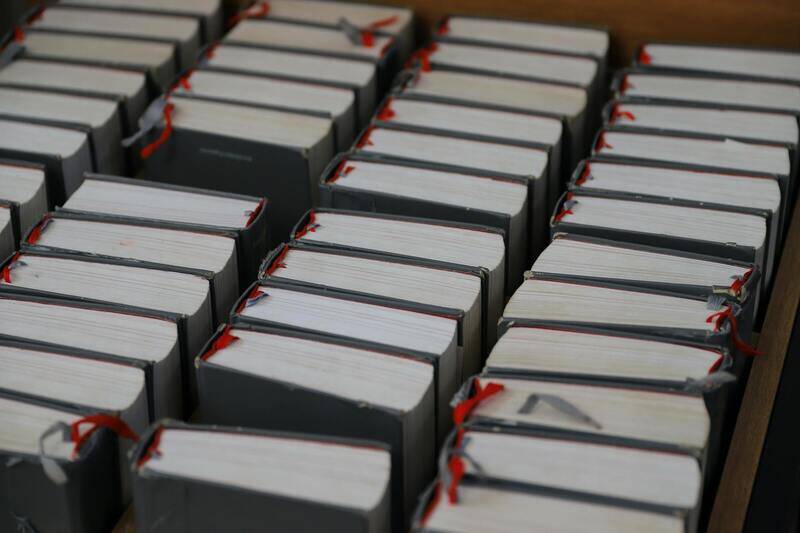
- Perfect Binding: Uses adhesive to bind the pages to a spine, offering a more polished, book-like appearance suitable for thicker booklets.
- Spiral and Comb Binding: Allows for easy page turning and is often used for manuals or workbooks that require frequent use and lay-flat capabilities.
Additional finishing options like UV coating, embossing, or foil stamping can further elevate the presentation by adding tactile and visual accents to key elements within the booklet.
Additional Tips for Ensuring Accurate and Quality Booklet Printing
Securing a professional and reliable booklet printing service in Singapore involves more than just selecting a provider. Paying attention to specific details ensures that the final product meets your expectations and professional standards. One critical aspect is submitting high-quality digital files. Files should be prepared with precise bleeds, margins, and color profiles to prevent unexpected results like misaligned edges or color inconsistencies.
Color management is vital. Make sure your digital artwork uses CMYK color mode, which is standard for print, to replicate colors accurately on the final product. Requesting a hard proof or sample before full production can significantly reduce errors and allow you to approve the layout, colors, and overall look.

When discussing the proofing process with your chosen printing service, clarify whether they offer physical proofs or digital proofs, and understand the costs associated with each. Physical proofs provide a tangible preview of the final product, giving you assurance of colors, paper quality, and binding details. Digital proofs are quicker and more cost-effective but may not fully represent the final print outcome.
Communication plays a pivotal role. Make sure to clearly specify your preferences for paper type, weight, finish, binding style, and any special finishing touches like foil stamping or embossing. A detailed brief helps avoid misunderstandings and ensures the printing process aligns with your vision.
It’s also beneficial to request a timeline estimate and understand the lead times involved. Reliable providers will offer clear schedules for design approval, proofing, production, and delivery, helping you plan your project efficiently, especially if your booklet serves a marketing campaign or event.
Ensuring Proper Handling and Delivery
Once your booklet is printed, the handling process becomes crucial in maintaining its quality. Confirm that packaging materials are sufficient to prevent damage during transit. Proper packaging, such as corrugated boxes or protective wraps, minimizes the risk of creases, tears, or smudges upon delivery.
Delivery options should be flexible to accommodate your schedule. Whether you require express shipping or scheduled delivery, discussing these arrangements beforehand guarantees that your booklets arrive on time for your intended use.
Maintaining Consistency for Future Orders
To ensure brand consistency across multiple print runs, store detailed specifications and proofs of your initial booklet. This practice simplifies the ordering process for future batches and guarantees uniformity in color, paper quality, and binding style. Clear documentation also reduces the possibility of variations and maintains your brand's professional appearance over time.
Understanding Booklet Printing
Booklet printing is a versatile method used for producing professional brochures, product catalogs, training manuals, and promotional materials. It involves assembling multiple pages into a single, compact document that can be easily distributed to target audiences. Key to successful booklet printing is selecting the appropriate paper type, binding method, and finishing touches, which collectively enhance the visual appeal and durability of the final product.

Achieving optimal results requires understanding the printing process, from content preparation and layout design to selecting the right printing technique. This ensures your booklet communicates your message effectively while maintaining a professional appearance. Utilizing official and reputable printing methods guarantees consistent quality, adherence to specifications, and timely delivery, essential for both marketing initiatives and corporate communications.
Types of Booklet Printing Options
When considering booklet printing, various options are available to suit different needs and budgets. Each option offers unique advantages for specific applications, whether for short-term promotions or long-term catalogs:
- Saddle Stitching: This is the most common and cost-effective binding method, where pages are folded and stapled along the spine. Ideal for smaller booklets with fewer pages, typically up to 64 pages.
- Perfect Binding: Pages are glued together at the spine with a flexible adhesive, creating a clean, professional look. Suitable for larger booklets or catalogs that require durability and a polished finish.
- Wire-O and Spiral Binding: These metal or plastic bindings allow the booklet to lay flat when open, making them suitable for manuals and interactive brochures.
- Lay-Flat Binding: Advanced binding techniques that ensure the booklet stays flat, enhancing readability and usability, especially for presentation materials and reference guides.

Printing Techniques and Finishing
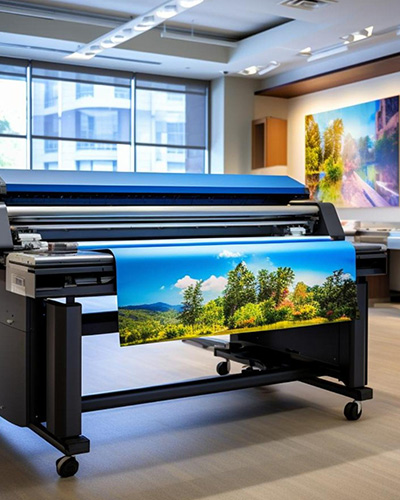
High-quality booklet production involves selecting appropriate printing techniques such as digital, offset, or large-format printing. Offset printing is preferred for high-volume projects due to its consistent color accuracy and cost efficiency, while digital printing offers flexibility for short runs and quick turnarounds. Finishing touches like matte or gloss coatings, foil stamping, embossing, and lamination can further elevate the visual impact and tactile quality of your booklets.
Key Factors in Designing a Booklet
Design plays a critical role in ensuring your booklet captures attention and conveys information effectively. Prior to printing, consider the following:
- Content Layout: Clear headings, consistent fonts, and logical flow guide readers smoothly through your material.
- Visual Elements: Incorporate high-resolution images, infographics, and icons to complement text and enhance engagement.
- Color Scheme: Use brand-consistent colors and maintain contrast for readability.
- Margins and Bleeds: Proper spacing and bleed settings prevent undesirable cut-offs and ensure a polished appearance.
- Page Count: Structure your content to fit within standard printing specifications, optimizing costs and binding methods.

Always collaborate with experienced designers and printing professionals, as they can advise on best practices, adherence to printing standards, and material choices. Using high-quality images and thoughtful layout not only enhances professionalism but also maximizes the impact of your message to your target audience.
Understanding Booklet Printing
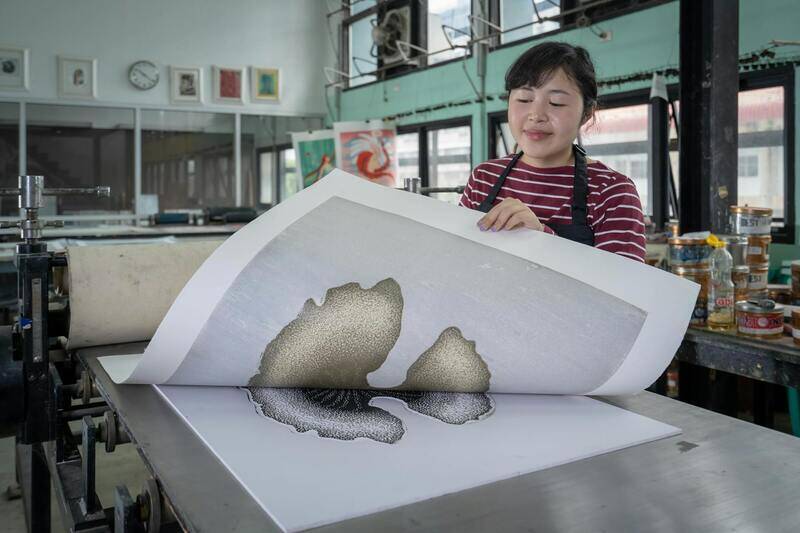
Booklet printing remains a popular choice for businesses, organizations, and individuals seeking to produce professional-quality materials efficiently. This printing method involves assembling multiple pages into a compact, bound publication that effectively conveys information, promotes branding, or highlights key messages. When exploring options for order booklet printing, it is essential to understand both the technical aspects and the variety of approaches available to meet specific needs. The process begins with selecting the appropriate printing technology, which directly influences the quality, turnaround time, and cost of your project.
Advantages of Professional Booklet Printing
- Consistency in quality: Utilizing advanced printing equipment guarantees color fidelity and sharpness across all pages.
- Customizable options: From paper types to binding methods, professional printers offer a range of choices to tailor your booklet to specific goals.
- Efficiency for bulk production: Large volume orders benefit from economies of scale, reducing the overall per-unit cost.
- Superior finishing touches: Additions such as lamination, foil stamping, or embossing enhance the tactile and visual appeal, making your booklet stand out.
Understanding the Printing Process
The process typically involves prepress preparation, where the design and layout are finalized to align with printing specifications. Once approved, the files are sent to the chosen printer, which employs either offset or digital printing methods. Offset printing is ideal for high-volume orders due to its speed and consistency, while digital printing provides flexibility for short runs and quick revisions. Post-printing, finishing techniques such as folding, binding, and coating are applied to complete the production, ensuring your booklet meets professional standards and aligns with your brand’s image.
Quality Control in Booklet Production
To maintain high standards, reputable printing services implement strict quality control measures. These include color calibration, proofing processes, and material inspections to confirm that each booklet conforms to the initial design and quality expectations. When placing an order for booklet printing, verify the printer’s adherence to these standards, as this guarantees a polished final product that resonates with your target audience and effectively communicates your message.

Understanding Booklet Printing
Booklet printing is a specialized printing service designed to produce multi-page documents that are folded and saddle-stitched or bound together to create a cohesive publication. This method is ideal for marketing brochures, catalogs, programs, and informational leaflets that require a professional presentation. The process involves careful planning and execution to ensure each page aligns correctly and maintains visual appeal throughout the entire publication.
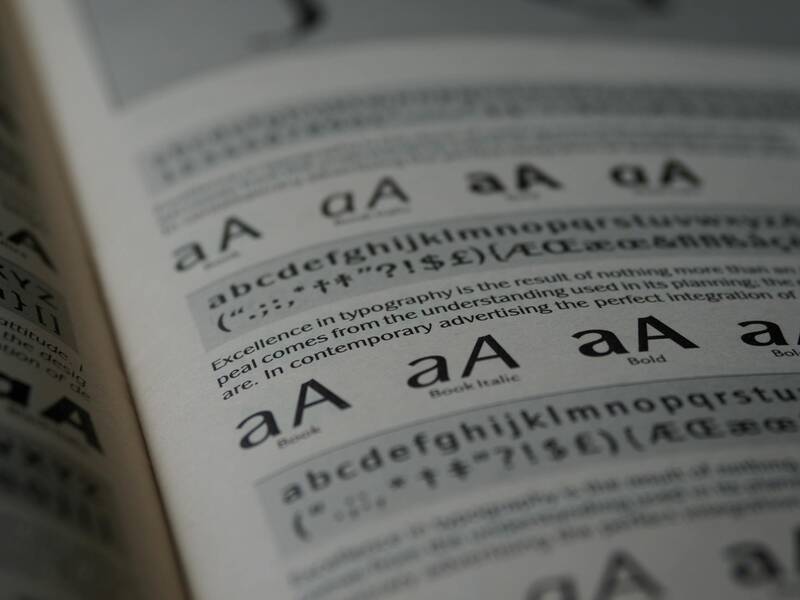
When engaging in booklet printing, precision in design and printing techniques is crucial to achieving sharp images, consistent colors, and durable binding. The end product not only communicates your message effectively but also embodies your brand’s professionalism. As such, choosing the right printing method and service provider plays a pivotal role in the success of your project.
Types of Booklet Printing Options
Several printing methods are available to cater to different needs, budgets, and project scales, each offering distinct advantages:
- Digital Booklet Printing: Suitable for small to medium runs, digital printing offers quick turnaround times and allows for easy revisions. It utilizes advanced digital presses to produce high-quality results with vibrant colors and sharp details.
- Offset Booklet Printing: Ideal for larger volumes, offset printing provides cost efficiency and consistent quality across bulk orders. This process involves transferring ink from a plate to a rubber blanket, then onto the printing surface, ensuring uniformity and durability.
- Hybrid Printing: Combines digital and offset techniques to optimize quality and cost, especially for projects with variable data or designs that require personalization.
Choosing the appropriate printing method depends on your project’s scale, budget, and desired quality standards. Consulting with a professional printing service can help determine the best option to achieve your objectives efficiently.
Key Factors in Designing a Booklet
Design consistency and clarity are fundamental to producing an engaging booklet. Consider the following elements:
- Layout and Margins: Ensure proper spacing and margins to enhance readability and facilitate binding.
- Typography: Select clear, legible fonts that reflect your brand’s style and suit the content complexity.
- Color Scheme: Use color palettes that complement your branding and maintain visual harmony throughout the publication.
- Image Quality: Incorporate high-resolution images to prevent pixilation and ensure crisp visuals.
- Content Flow: Organize information logically to guide readers seamlessly through the booklet.
An effective design balances aesthetic appeal with functional readability, which is vital for engaging your audience and conveying your message effectively.
How to Choose a Booklet Printing Service
Selecting the right service provider involves evaluating several key aspects:
- Expertise and Experience: Look for printers with extensive experience in producing high-quality booklets and a portfolio demonstrating their capabilities.
- Quality of Equipment: Advanced printing technology ensures precise color reproduction and sharp detail, making a noticeable difference in a final product.
- Material Options: Confirm they offer a selection of paper qualities and finishes, such as gloss, matte, or textured surfaces, to match your aesthetic goals.
- Turnaround Times: Efficient production timelines prevent delays, especially important for time-sensitive projects.
- Customer Support and Guidance: Professional consultation can help refine your design and production process, aligning your vision with practical execution.
Cost and Pricing for Booklet Printing
Pricing for booklet printing varies depending on factors such as volume, paper quality, binding type, and finishing touches. Typically, higher quantities benefit from economies of scale, reducing the overall per-unit cost and making bulk orders more economical. Additionally, incorporating premium finishes like matte or gloss coatings, foil stamping, or embossing can elevate your booklet’s appeal but may increase expenses.
Obtaining detailed quotes from multiple reputable providers allows you to compare costs transparently. When reviewing pricing, consider the value added by quality materials and professional finishing, which can significantly influence the perceived quality of your final product. A well-produced booklet often yields better engagement and a more polished brand image, justifying the investment made in its production.
Production Timeline and Ordering Process
Efficient booklet production requires a clear understanding of the timeline and streamlined ordering procedures. Once your design is finalized and approved, most professional printing services in Singapore can initiate production swiftly, often within a few business days. The typical process begins with submitting your digital artwork, either through an online platform or directly via email, followed by a comprehensive review process. This review includes checking the artwork for print readiness—such as bleed specifications, resolution, and color consistency—ensuring the final output meets quality standards.
After approval, the printing provider proceeds with the production phase, which varies depending on the complexity, quantity, and chosen finishing options. Standard turnaround times for small to medium orders generally range from 3 to 7 business days. For larger quantities or custom finishes, additional lead time may be required to ensure flawless execution. Effective communication with your chosen printer can help manage expectations and accommodate any specific timing requirements, especially for critical projects like corporate brochures or event booklets.
To facilitate a smooth process, consider the following steps:
- Provide high-resolution, print-ready artwork to minimize delays caused by revisions or adjustments.
- Request a detailed proof or mock-up to review how your booklet will appear once printed, allowing for last-minute modifications.
- Confirm the estimated production and delivery timelines during the initial consultation to align project milestones accordingly.
- Maintain open lines of communication with your printer to promptly address any unforeseen issues that may arise during production.
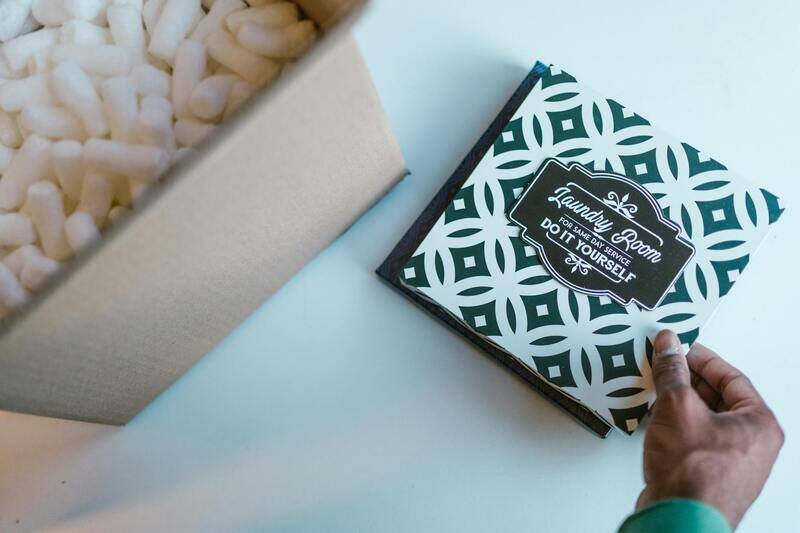
Official Methods for Booklet Printing in Singapore
For those seeking to produce booklets through reputable channels, it is essential to use officially recognized printing services that adhere to industry standards and best practices. These providers operate with certified equipment and employ skilled professionals who understand the nuances of high-quality print production. Such services often offer comprehensive support, from template provision to pre-press checking, ensuring that the final product aligns with your specifications and branding requirements.

Utilising Certified Printing Companies
Reputable print service providers in Singapore are certified to follow strict quality control protocols. They invest in advanced printing technology that guarantees precision and consistency, including offset and digital printing presses capable of handling various formats and quantities. Certifications often include adherence to environmental standards and quality management systems, which translate into reliable, high-standard outputs for clients. By choosing officially certified companies, clients receive assurance of professionalism and the ability to meet critical deadlines for business, educational, or promotional materials.
Requesting Necessary Documentation and Invoices
A legitimate printing service provides comprehensive documentation throughout the process. When placing an order, ensure you receive detailed invoices outlining the scope of work, material specifications, unit costs, and delivery timelines. These documents serve as formal records, ideal for accountability and tracking project progress. Proper documentation also facilitates smooth payment processes and future reference for recurring or large-scale print projects.
Adhering to Established Industry Standards
Official printing processes follow defined industry standards to ensure product consistency and durability. These include standards related to paper grading, ink quality, binding methods, and finishing techniques. Engaging with services that comply with recognized standards guarantees that your booklet will meet functional and aesthetic expectations, suitable for professional distribution or public display.
Verifying Proofs and Sample Approval
Prior to bulk production, responsible print providers offer physical or digital proofs for customer review. This step is vital to verify color accuracy, layout, and overall design integrity. Clients should inspect proofs meticulously and communicate any modifications needed to align the final output with their expectations. This verification process underscores the importance of documented communication channels, which help avoid costly errors or reprints post-production.
Maintaining Clear Communication and Feedback Channels
Effective, ongoing communication with your chosen printing company ensures the entire process remains transparent and efficient. Clearly articulate your requirements, deadlines, and special instructions at every phase—from artwork submission and proof approval to delivery arrangements. A professional service will actively listen to your feedback and provide updates on progress, facilitating a seamless collaboration that adheres strictly to official procedures.
Conclusion
Engaging in bona fide booklet printing involves selecting service providers with verified credentials, adhering to documented standards, and maintaining transparent communication. These practices ensure high-quality, durable, and aesthetically aligned printed materials that serve your business or personal objectives effectively. Remember, working with reputable companies not only guarantees the integrity of your project but also provides peace of mind through official and accountable processes.