Understanding Booklet Printing Services
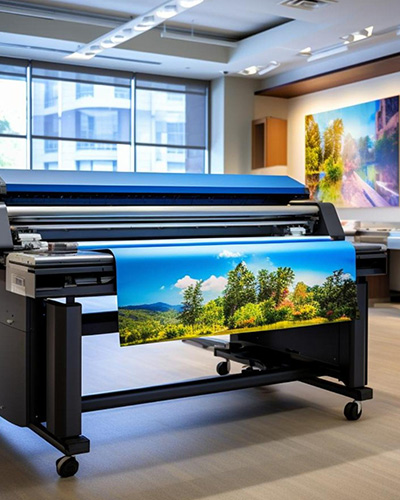
Booklet printing services are an essential component within the printing industry, designed to produce small to medium-sized publications that serve a variety of purposes. These services cater to businesses, educational institutions, and individuals seeking professional-quality booklets for marketing, informational, or instructional use. Booklets typically feature folded pages bound together with staple, saddle stitch, or perfect binding techniques, offering a compact and organized presentation of content.
The utility of booklet printing spans numerous applications, including product manuals, event programs, corporate profiles, training guides, and brochures. They are often preferred for their ability to combine visual appeal with detailed information in a portable format. The versatility of booklet formats allows for customization in size, page count, and folding styles, making them suitable for both simple flyers and intricate catalogs.
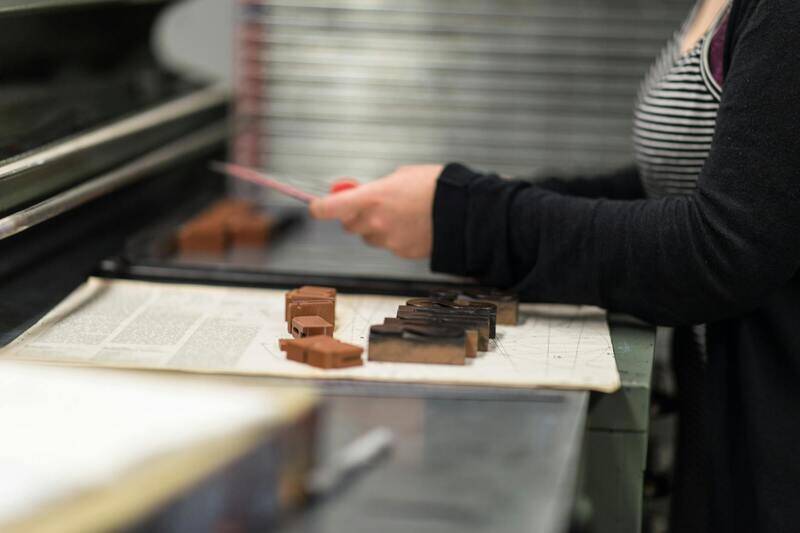
The distinguishing feature of booklet printing services lies in their capacity to deliver high-quality, durable, and visually engaging printed materials that meet specific client needs. Precision in printing and binding ensures that each booklet maintains its professional appearance and readability. The process begins with design and layout, continues through carefully selected printing techniques and materials, and concludes with finishing options that enhance the overall presentation.
Choosing the right booklet printing service involves understanding the scope of production, available options, and the desired final product. A reputable service provider employs advanced printing technology, offers a range of paper grades, finishes, and binding styles, and ensures consistent quality throughout the printing process. Whether producing a small batch for internal distribution or a large order for promotional campaigns, professional booklet printing guarantees that the end product aligns with branding objectives and quality standards.
In essence, booklet printing services provide a professional platform for transforming creative ideas into tangible printed materials that effectively communicate messages and captivate audiences. Emphasizing quality, customization, and reliability, these services support organizations and individuals in achieving their informational and marketing goals through well-crafted printed booklets.
Types and Formats of Booklets
Booklets come in a diverse range of formats tailored to meet various business and organizational needs. Understanding the different types of booklets and their typical formats is essential in selecting the right printing solution that aligns with your goals.
-
Brochures
Often used for marketing and informational purposes, brochures are compact booklets that highlight products, services, or company overviews. They typically feature a tri-fold or bi-fold design, with sizes generally ranging from A4 to DL (210mm x 99mm). High-quality gloss or matte finishes enhance visual appeal, making them ideal for attracting customer attention.
-
Catalogs
Designated for showcasing a broad array of products or services, catalogs can vary significantly in size, from pocket-sized summaries to large, comprehensive publications. Common formats include A4 or A5, often with saddle-stitched or perfect binding to accommodate extensive content and images.
-
Manuals
Instructional or technical manuals are generally larger and constructed for durability. They frequently employ saddle stitching or perfect binding, with formats like A4 or 8.5" x 11". These booklets are designed to withstand frequent handling while maintaining readability.
-
Program Guides and Event Booklets
Often created for special events, these booklets usually feature saddle stitching, with sizes varying based on content, typically ranging from A5 to A4. Their layouts emphasize easy navigation, with features like tabs or perforations depending on the event's requirements.

Design Considerations for Booklets
Effective booklet design is pivotal in conveying messages clearly and engagingly. Key factors include layout, typography, color schemes, and imagery, each contributing to the overall impression and readability. A balanced layout ensures that content flows seamlessly, guiding the reader through the material naturally.
When designing for print, it's crucial to consider the bleed area, margins, and resolution to guarantee high-quality output. Incorporating consistent branding elements such as logos, color schemes, and fonts enhances brand recognition and professionalism. Additionally, including interactive elements like QR codes or cut-outs can elevate the user experience and foster engagement.
Printing Techniques and Materials
The choice of printing technique directly impacts the quality and durability of the finished booklet. Common methods include digital printing for small to medium runs, offer quick turnaround times and cost efficiencies. Offset printing is preferred for larger quantities, providing superior quality and consistency across batches.
Material selection also affects both aesthetics and functionality. Paper options range from standard gloss or matte finishes for vibrant images to heavier cardstock for covers that require extra strength. Specialty papers like linen or textured finishes add a tactile dimension, elevating the perceived value of the booklet.
Factors to Consider When Choosing a Printing Service
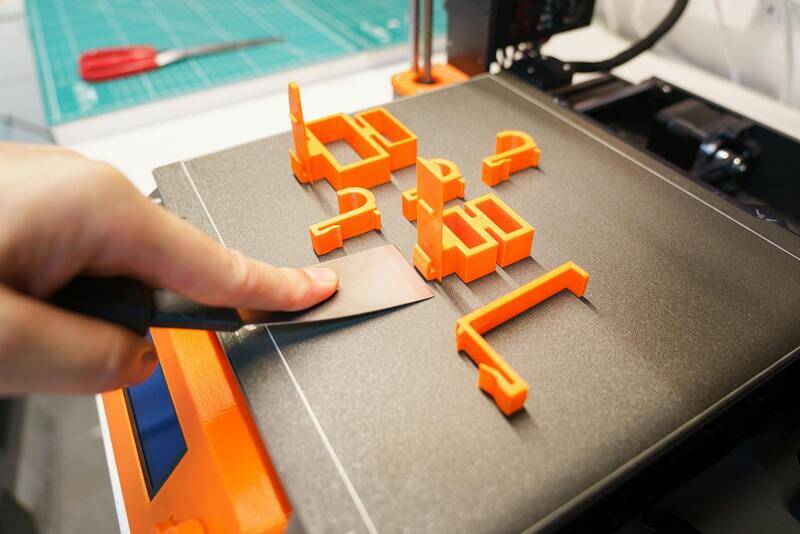
Securing the right booklet printing partner involves evaluating several critical factors:
- Reputation and Experience: Seek providers with a proven track record in producing high-quality printed materials, particularly booklets similar to your project scope.
- Range of Services: Ensure they offer various finishing options, binding styles, and paper choices that align with your design requirements.
- Sample Quality: Request samples of previous work to assess print clarity, color accuracy, and binding durability.
- Turnaround Time: Confirm their capacity to meet your deadlines without compromising quality.
- Price Transparency: Obtain detailed quotations that include all costs, ensuring there are no hidden charges involved.
Cost and Pricing for Booklet Printing
Understanding the pricing structure for booklet printing involves considering factors such as the number of pages, print quantity, choice of paper, binding style, and finishing options. Typically, unit costs decrease as volume increases, making bulk orders more economical for large campaigns or publications.
Additional costs may include design services, custom finishes, or special materials. It's advantageous to request detailed quotations from multiple providers to compare offerings and identify the best value for quality. Transparent pricing paired with consistent quality ensures the final product effectively supports your branding and communication objectives.
Types and Formats of Booklets
When selecting booklet printing services, understanding the variety of formats and types available is essential to ensure your project achieves its desired impact. Booklets come in numerous formats that cater to different content needs, aesthetic preferences, and distribution methods. Common types include saddle-stitched booklets, perfect-bound booklets, spiral-bound, and stapled formats, each offering unique advantages depending on the purpose and design complexity.
Saddle-stitched booklets are highly popular for brochures, manuals, and event programs due to their affordability and sleek profile. They are assembled by sewing folded pages together along the spine with staples, making them suitable for smaller page counts typically up to 64 pages. Perfect binding, often seen in catalogs and thicker manuals, involves gluing the pages along the spine, providing a more polished and durable appearance ideal for longer documents with high page counts.
Spiral binding offers versatility and ease of use, enabling pages to lay flat when opened—ideal for workbooks, instruction guides, or reference materials. Stapled booklets are generally used for shorter publications like flyers or brief reports, where simplicity and quick turnaround are priorities. Each format can be customized further by selecting specific paper types, coatings, and finishing touches to enhance durability and aesthetics.

Choosing the appropriate format involves evaluating factors such as page count, content type, budget constraints, and the desired tactile experience for the audience. High-quality printing services provide consultation to assist in selecting the best binding and format to align with your objectives, ensuring your booklet not only conveys information effectively but also leaves a lasting impression.
Additionally, the digital era allows for a wide array of innovative formats like mini booklets, pocket-sized versions, or environmentally friendly options utilizing recycled materials. These alternatives allow brands and organizations to stand out while maintaining sustainability commitments, all supported by professional booklet printing services that handle diverse specifications and preferences.
Selection of Printing Techniques and Materials
Achieving a high-quality booklet requires a careful selection of printing techniques and materials that align with the intended purpose and aesthetic appeal. Modern booklet printing services offer a variety of printing methods, each suited to different project needs. Offset printing is ideal for large-volume orders, providing consistent color accuracy and sharp detail, making it suitable for catalogs, manuals, or corporate brochures. Digital printing, on the other hand, offers flexibility for short runs or customized print jobs, allowing for quick turnaround times without compromising quality.
When it comes to paper stocks, options range from standard gloss and matte finishes to premium textured or recycled paper choices. Gloss finishes enhance vibrant colors and sharp images, making visuals pop, which is particularly important for marketing materials. Matte finishes provide a subdued, professional look and reduce glare, suitable for textual content or manuals. Recycled paper options demonstrate environmental responsibility and can appeal to eco-conscious clients, enhancing brand image.

Finishing options such as lamination, embossing, UV coating, and spot gloss add tactile and visual enhancements that make your booklet stand out. Lamination provides durability and a glossy or matte surface, protecting the print from wear and tear. Embossing creates raised elements, adding a tactile dimension, ideal for logos or titles. UV coating offers a shiny overlay that makes colors more vibrant and provides additional protection. Spot gloss can be selectively applied to specific areas, emphasizing key visuals.
Choosing Binding Styles for Durability and Appeal
The binding method significantly influences both the durability and aesthetic of your booklet. Saddle stitching, using staples along the fold, is cost-effective and suitable for booklets with a small to moderate number of pages, offering a clean, simple look. Perfect binding, which glues the pages along a spine, provides enhanced durability for thicker booklets and a professional appearance, often used for catalogs and thicker manuals.
Wire-O binding or spiral binding allows the booklet to lay flat when open, enhancing usability for instructional or reference materials. These are ideal for manuals requiring frequent reference or workbooks needing easy page turning. Additionally, special considerations, such as rounded corners or custom covers, can be incorporated to reinforce branding and visual appeal.
Ensuring Completion with Reliable Printing Methods
When selecting booklet printing services, it is essential to understand the official and proven techniques that sustain high-quality output. Precision in these methods guarantees that your final product meets rigorous standards, conveying professionalism and attention to detail. High-caliber digital and offset printing are prevalent, each suited to different needs based on volume, color accuracy, and turnaround demands.
Offset printing is often the preferred choice for larger print runs, offering consistent color fidelity and crisp details. The process involves transferring ink from a plate to a rubber blanket, then onto paper, ensuring precise registration and exceptional quality. Digital printing, on the other hand, provides flexibility for smaller quantities, with quick setup times and the ability to incorporate variable data or personalized content seamlessly.
For vivid, vibrant images that require true color reproduction, printing with CMYK color models is standard. High-resolution presses deliver fine details and sharp text, essential for professional-grade booklets. When selecting a printing provider, inquire about their adherence to strict calibration protocols and quality assurance checks, which play a pivotal role in achieving consistent results across print runs.
Material selection further influences the durability, feel, and appearance of your booklet. Standard options include coated paper for a glossy or matte finish, enhancing visual impact, and uncoated paper for a more natural, tactile experience. Specialty papers, such as textured or recycled materials, align with eco-conscious initiatives, reflecting a responsible approach to printing. Affixing the right finishing techniques—such as lamination or UV coatings—provides additional protection and aesthetic enhancement, ensuring your booklet maintains its appeal over time.

Imprinting methods like embossing or foil stamping can be employed to elevate your booklet’s visual hierarchy, highlighting key sections or branding elements. These techniques add tactile and visual appeal, setting your materials apart in any display or distribution setting. When working with a reputable booklet printing service, confirm that they utilize official, tested procedures and adhere to industry standards for color accuracy, alignment, and finishing quality.
Furthermore, quality control measures, including proofing phases, ensure that your printed materials match your expectations before the full production run begins. Digital proofs or physical samples allow for final adjustments, guaranteeing the end product aligns with your specifications.
In summary, choosing the right printing techniques and materials from a trusted service provider is vital to creating durable, visually appealing booklets. These official methods ensure that each copy reflects your vision with precision, professionalism, and lasting quality.
Factors to Consider When Choosing a Printing Service
When selecting a booklet printing provider, careful evaluation of their operational standards, technological capabilities, and service offerings is essential. A professional service employs proven, official printing methods and adheres strictly to industry standards, ensuring the production of high-quality materials that meet your specific requirements. Price efficiency is also a significant aspect; however, it should not compromise the integrity of the finished product.
One primary consideration is the range of available printing techniques and materials. High-caliber services utilize advanced digital or offset printing machinery capable of delivering precise color rendition, sharp images, and consistent finishes. They often offer a variety of paper stocks—from standard gloss and matte finishes to premium, textured, or recycled options—to align with your aesthetic and environmental preferences.

Another vital factor involves quality assurance processes. Reputable providers incorporate multiple verification steps, including color calibration, alignment checks, and proofing stages. Digital or physical samples are typically provided for review to confirm that the final output adheres to your specifications. This attention to detail minimizes the risk of errors and guarantees a polished product upon delivery.
Customer support and communication play a pivotal role in the overall experience. Effective, transparent communication from quotation to delivery ensures that any adjustments or concerns are addressed promptly. Many professional services also offer consultation on design optimization for print, which can enhance the visual impact of your booklet and prevent common pitfalls like pixelation or poor color contrast.
Furthermore, evaluating the turnaround times and fulfillment capabilities of the printing service is critical, especially for projects with tight deadlines. Efficient logistics, reliable delivery options, and consistent responsiveness contribute to a smooth process from initial order placement to final receipt.
Lastly, it is advisable to review testimonials or past client feedback to gauge the consistency of quality and service reliability. Selecting a print provider with a strong track record in producing durable, visually compelling booklets will ensure your publication aligns with your brand standards and project goals seamlessly.
Understanding Booklet Printing Services
Booklet printing services encompass a range of specialized solutions designed to produce professional, high-quality booklets tailored to diverse needs. These services leverage advanced printing technology, quality materials, and meticulous finishing techniques to deliver products that effectively communicate your message and enhance your brand image. Whether you require marketing brochures, training manuals, event programs, or informational guides, selecting the right booklet printing provider ensures that your project meets your standards for clarity, durability, and visual appeal.
Key Aspects of Booklet Printing Services
- Customization Options: From size and paper type to cover finishes and binding methods, customization allows your booklet to resonate with your audience and align with your branding.
- High-Resolution Printing: Utilization of digital or offset printing techniques guarantees crisp images and sharp text, essential for professional presentations.
- Variety of Finishing Techniques: Finishing options such as lamination, foil stamping, embossing, and UV coating elevate the tactile and visual quality of your booklet.
- Quality Control Measures: Proven providers conduct detailed inspections, color calibration, and sample reviews to ensure consistency and adherence to specifications.
- Efficient Turnaround Times: Experienced printers optimize production schedules to meet tight deadlines without compromising quality.
Choosing the Right Provider
When selecting a booklet printing partner, it is crucial to consider their experience, range of service offerings, technological proficiency, and client support system. Established providers typically showcase portfolios, provide detailed quotations, and offer consultation services to help refine your design for optimal print results. Ensuring they use high-quality inks, sustainable materials, and modern equipment will significantly influence the final product's visual and physical durability.
Additional Considerations
Customization options should extend beyond standard parameters. Features like variable data printing for personalized content or specialty finishes can add a distinctive touch to your booklet. It is advisable to request sample kits or viewing proofs before committing to large orders, as these enable you to verify the quality and consistency of the printing output. Additionally, understanding the material specifications, such as paper weight and surface texture, helps ensure your booklet aligns with its intended use—whether for professional presentation, archival, or marketing purposes.
Finally, inquiry about the provider’s environmental policies can be beneficial, especially if sustainability aligns with your organization's values. Many reputable printers employ eco-friendly inks, recycled papers, and energy-efficient processes to minimize their ecological footprint while maintaining superior quality standards.
Final Considerations for Choosing Your Booklet Printing Partner
Once you've narrowed down your selection of booklet printing services, it is essential to focus on the logistical and operational aspects that ensure a seamless production process. Clarify delivery timelines and verify if the provider offers tracking options to stay informed about your order's progress. For large-scale projects, inquire about the possibility of scheduled deliveries to align with your distribution plans, avoiding delays that could impact your events or publication deadlines.
Another critical element is the sample review process. Requesting printed proofs or sample booklets allows you to assess color accuracy, paper quality, binding consistency, and overall presentation before proceeding with a full run. This step offers an invaluable opportunity to make adjustments, ensure your design translates well onto physical media, and prevent costly reprints or revisions later on.

In addition, explore the after-sales support offered by your chosen provider. A responsive customer service team can facilitate handling potential issues, providing guidance on materials, finishing options, or even post-printing services such as storage or distribution assistance. Transparency in communication regarding order statuses, costs, or possible delays fosters a reliable partnership, ensuring your project progresses smoothly from conception to delivery.
Environmental Responsibility and Sustainable Practices
While choosing a booklet printing service, consider their commitment to sustainable practices. Reputable providers often incorporate eco-friendly materials, such as recycled papers and vegetable-based inks, into their workflows. They may also utilize energy-efficient equipment and recycling protocols that align with environmentally conscious standards. Ensuring your printer adopts responsible sustainability measures not only benefits the planet but also enhances your organization’s image, especially if eco-friendliness is a core value or branding element.
Final Tips for a Successful Booklet Printing Experience
- Maintain open communication through every stage of the project, from design review to final delivery.
- Request comprehensive quotations that detail all costs involved, including setup fees, proofs, bindings, and delivery charges.
- Prioritize providers with proven portfolios and positive customer feedback to ensure quality and reliability.
- Be clear about your expectations regarding finish options, paper types, and binding styles to avoid misunderstandings.
- Plan your schedule with sufficient lead time, accounting for potential revisions or unexpected delays.
By paying careful attention to these elements, you can secure a professional, efficient, and satisfying booklet printing experience that results in a polished final product tailored to your specific needs.