Types of Folded Brochures
Folded brochures remain an essential marketing tool for businesses looking to communicate complex information in an organized and visually appealing manner. They leverage various folding styles to cater to different message types and display formats. Each folding style offers unique advantages, making them suitable for specific industries and promotional needs. Understanding the common types of folded brochures helps in selecting the most effective format to enhance clarity, design, and user experience.
Common Folding Styles and Their Applications
- Half-Fold (Booklet Fold): This is one of the simplest folding options, where a sheet is folded once in the middle, creating two equal panels. It is widely used for product sheets, event invitations, and simple informational brochures.
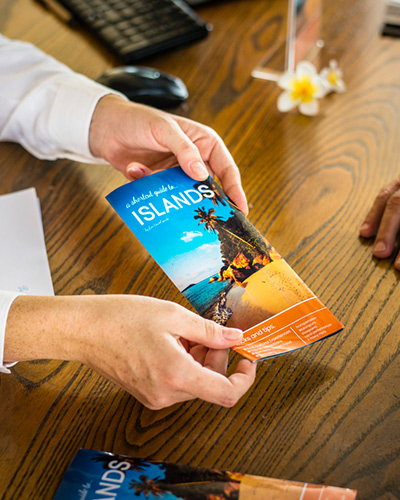
- Tri-Fold (Z-Fold): Dividing the paper into three sections that fold into each other, this style is popular for restaurant menus, travel brochures, and service guides. Its compact fold allows for easy handling and ample space for content.
- Double Parallel Fold: Folding the sheet into four panels by folding twice parallel to itself offers a clean and professional look. This style is ideal for corporate reports, detailed catalogs, and educational brochures.
- Gate Fold: Characterized by two side panels that open outward to reveal a central panel, the gate fold is often used for high-end marketing pieces, product launches, or prestigious invitations, creating a sense of anticipation and exclusivity.
- French Fold (Double Parallel Fold): Similar to double parallel fold but with an elegant variation that enhances visual flow, perfect for luxury branding and premium product showcases.
- Roll Fold: Consists of multiple panels that roll over each other, suitable for detailed product features, presentations, and multi-page brochures within a compact form.
Design Flexibility and Impact
Each folding style provides different opportunities for creative layouts and storytelling. Choosing the right fold depends on the amount of content, desired visual impact, and how the information will be navigated by the reader. Properly executed folded brochures can significantly enhance comprehension and engagement, making them a versatile choice for various marketing and informational purposes.
Design Considerations for Folded Brochures
Crafting an effective folded brochure requires meticulous attention to layout, imagery, and text placement to ensure maximum visual appeal and readability. Each fold type presents unique opportunities and constraints, making strategic design crucial to convey your message clearly and attractively.
Layout Strategies
- Hierarchical Content Arrangement: Prioritize key messages or calls-to-action on the front panel or first panel seen by the reader. Use size, color, and positioning to draw attention to essential information.
- Logical Flow: Arrange content in a sequence that guides the reader naturally through your information. For instance, in a tri-fold, utilize the outer panels for introductory content and save detailed information for the inner panels.
- Visual Balance: Allocate space for images and text to avoid clutter. Balanced design enhances clarity and makes the brochure more inviting to explore.
Imagery Integration
Images should complement and reinforce your message. Use high-resolution visuals that align with your branding and the brochure’s purpose. Consider:
- Strategic placement to lead the eye through the content
- Consistent style and color palette to maintain cohesion
- White space around images to prevent overloading the design
Text Placement and Typography
Clear, legible typography is vital. Use fonts that reflect your brand identity, maintain consistent font sizes, and ensure sufficient contrast between text and background. Key points should be highlighted with bold or distinct colors, guiding the reader effortlessly through the brochure.
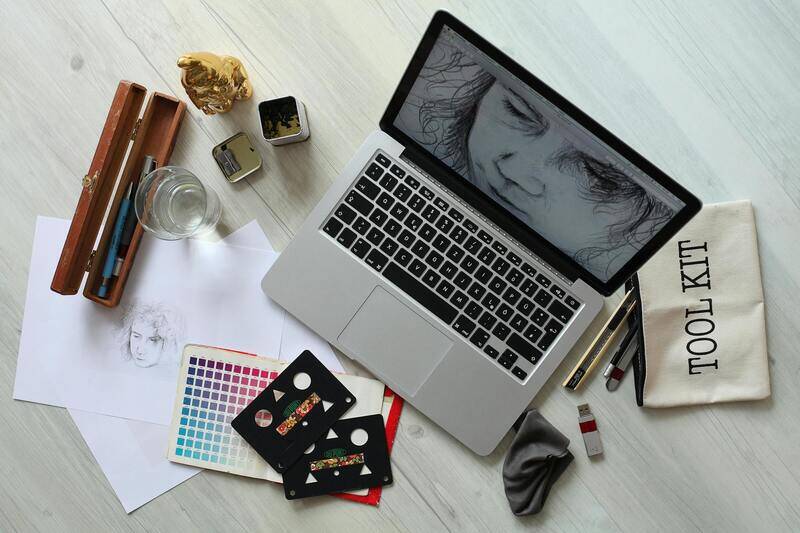
Precise placement of contact details, headlines, and calls-to-action maximizes engagement. Avoid overcrowding, and leave adequate margins to ensure a professional appearance and ease of handling.
Additional Tips for Optimized Design
- Maintain consistency across all panels, including color schemes, fonts, and stylistic elements.
- Use contrasting colors to emphasize important information or features.
- Incorporate subtle design elements like borders, icons, or patterns to add visual interest without distraction.
- Plan fold lines carefully within your layout to prevent critical content from being compromised or obscured when folded.
Paper and Material Selection
Choosing the right paper stock and finishes is crucial in the production of high-quality folded brochures. The selection impacts not only the visual appeal but also the durability and tactile experience, influencing how recipients perceive your brand. When evaluating options, consider the brochure’s purpose, distribution method, and desired aesthetic.
Standard paper weights for folded brochures typically range from dubbel at 170gsm to 300gsm, with heavier options conveying a premium feel, suitable for luxury products or corporate presentations. Thinner papers, such as 135gsm, are more flexible and cost-effective, ideal for multi-panel folds where handling and ease of folding are priorities.
Finish choices include matte, gloss, and silk coatings, each offering distinct visual and tactile properties:
- Matte Finish: Provides a subdued, non-reflective surface that enhances readability and reduces glare, making it suitable for detailed text-heavy brochures.
- Gloss Finish: Adds vibrancy and sharpness to images and colors, making visuals more striking and eye-catching, ideal for marketing materials emphasizing visuals.
- Silk Finish: Offers a smooth, semi-matte surface that balances visual appeal and readability, often used for sophisticated branding.
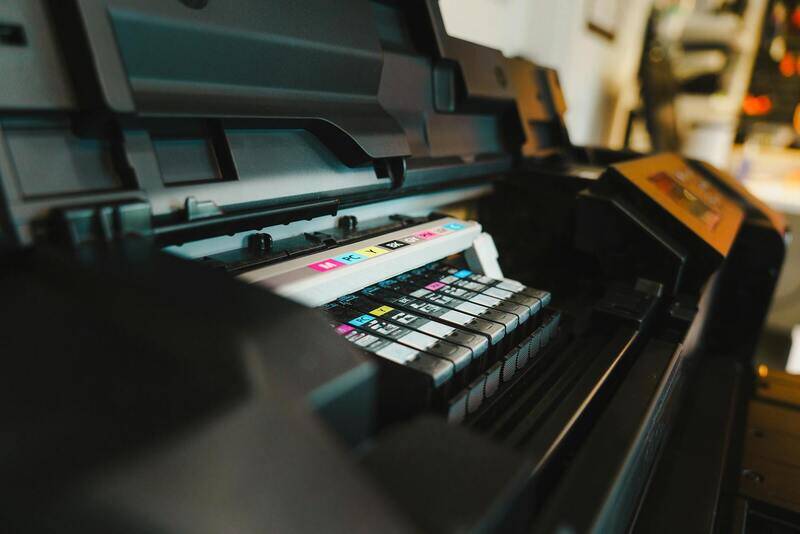
Additionally, specialty papers, such as textured or recycled options, can add distinctive tactile elements, reinforcing your brand’s eco-conscious or premium positioning. Incorporating coating options like UV coating or soft-touch lamination can also enhance visual quality and resistance to wear and tear.
When planning your brochure design, collaborate with printing professionals to select materials that align with your goals. The right materials ensure your folded brochure not only looks impressive but also withstands handling over time, maintaining its aesthetic and message integrity.
Choosing the Appropriate Folding Method
Selecting the right folding technique is crucial for achieving the desired visual impact and functional clarity of your brochure. Common folding methods include the bi-fold, tri-fold, and z-fold, each offering distinct advantages based on content complexity and design preferences.
- Bi-Fold: This straightforward fold divides the brochure into two equal panels, providing a clean, professional appearance suitable for straightforward messaging or minimalist designs. It allows ample space for large images or concise text blocks.
- Tri-Fold: The most popular choice for marketing brochures, the tri-fold creates three panels which can be used to categorize information effectively. It balances ample space with ease of handling, making it ideal for product catalogs and service summaries.
- Z-Fold: Characterized by its zigzag appearance, the Z-fold offers a dynamic presentation that is eye-catching and interactive. It works well for storytelling or step-by-step guides, engaging the reader with a unique unfolding experience.
Other folding styles, such as accordion, half-fold, or gate fold, cater to specific aesthetic or functional needs, allowing for tailored presentations that enhance visual flow and message delivery. When selecting a fold, consider the amount of content, visual layout, and distribution method to ensure the final product effectively communicates your brand message.

Folding precision is vital to ensure clean, sharp edges without unintended creases or damage. It requires expertise in both material selection and folding techniques. Automated folding machines equipped with adjustable settings help produce consistent results, especially for complex or intricate folds, preserving the professional appearance of your brochures. For high-volume orders or delicate materials, collaborating with experienced print providers guarantees accuracy and durability, vital for maintaining your brand's integrity over time.
Additional Tips for Optimizing Folded Brochure Printing
To achieve the best results, consider the following:
- Pre-crease Planning: Mark the fold lines during the design process to assist in precise folding, preventing misalignments or uneven edges. This step is essential for complex folds that involve multiple creases.
- Material Compatibility: Match your chosen paper and finishes with the folding method to avoid cracking or tearing. For instance, thicker, coated papers may require specialized folding techniques or tools.
- Testing and Proofing: Conduct test runs with sample materials to evaluate fold quality, alignment, and overall appearance before final production. Digital proofs can also help visualize how folds will impact the final layout.
- Handling and Storage: Post-printing, handle brochures carefully, especially if they feature intricate folds or delicate materials. Proper storage prevents warping or unwanted creases that can compromise visual appeal.
By considering these detailed aspects and collaborating with experienced printing professionals, your folded brochures will not only appear polished and functional but also effectively communicate your brand message to your target audience.
Types of Folded Brochures
Folded brochures come in a variety of configurations, each suited for different marketing needs and design aesthetics. The most common types include the bi-fold, tri-fold, z-fold, and accordion fold, among others. Understanding these options helps in selecting the ideal structure to effectively communicate your message and optimize the usability of your brochure.
Bi-Fold and Tri-Fold Brochures
The bi-fold brochure is created by folding a single sheet of paper in half, resulting in four panels—two on each side. This format offers a clean, straightforward presentation, making it suitable for product catalogs, event programs, or simple informational handouts. The tri-fold, on the other hand, divides the sheet into three panels, creating six sections. It is highly popular for marketing materials, allowing for organized content segmentation such as introductions, detailed features, and contact information.
Z-Fold and Accordion Fold
The Z-fold features two parallel cuts and fold lines that create a zigzag effect, providing a dynamic way to present multiple pages within a compact form. Its flow is ideal for storytelling or step-by-step guides. The accordion fold, similar in appearance, allows viewers to expand and collapse sections, making it great for detailed demonstrations or multi-part instructions.

Specialized Folding Techniques
Beyond basic folds, there are specialty options such as gate folds, double parallel folds, and roll folds. These techniques offer unique visual effects and functional advantages, often used for luxury branding, invitations, or high-end product presentations. Each method requires precise planning during design and execution to ensure that the folds align properly and contribute positively to the overall aesthetics.
Design Considerations for Folded Brochures
Creating an effective folded brochure demands careful attention to layout, fold lines, and content flow. The visual hierarchy should guide readers naturally through the information, with strategic use of space and typography. Consider how the panels will open and close, ensuring that key messages are placed on the front or initial panels for maximum impact.
Design for Fold Integrity
- Allow sufficient margin around fold lines to prevent text or images from being cut off or distorted.
- Avoid placing important content directly on fold lines to prevent misalignment or obscuring during folding.
- Use consistent margins and spacing to maintain visual harmony across panels.
Color and Imagery
The use of vibrant colors and striking images can enhance engagement, but it's essential to consider how these elements will appear once folded. Design with foresight into which panels will be seen first and how the visuals interact when the brochure is opened.
Typography and Readability
Clear, legible fonts are vital, especially in narrow panels. Avoid overly decorative typefaces in smaller sizes, and maintain sufficient contrast between text and background for ease of reading.
Paper and Material Selection
The visual appeal and durability of your folded brochure heavily depend on the choice of paper and material. Various options are available, each with distinct characteristics suitable for specific purposes and folding techniques. Selecting the right materials helps ensure that your brochure remains professional-looking and functional after printing and handling.
Paper Weight and Thickness
- Lightweight papers (80-100gsm) are cost-effective and suitable for simple, single-use brochures.
- Medium-weight papers (120-170gsm) provide a sturdier feel, ideal for regular marketing distributions.
- Heavier cardstock (200gsm and above) offers durability and a premium touch, perfect for high-end branding or custom invitations.
Finish and Coatings
- Matte finishes reduce glare and enhance readability, suitable for detailed content.
- Glossy finishes make colors pop and add vibrancy but may require careful handling to prevent fingerprints.
- Soft-touch coatings can add a luxurious feel, elevating the perceived value of your brochure.
Specialty Materials
For unique promotional needs, consider textured papers, transparent films, or recycled materials. These options can provide tactile interest and align with brand environmentally friendly initiatives or aesthetic preferences.

Printing Techniques for Folded Brochures
To achieve sharp, vibrant, and durable results, choosing the appropriate printing technique is crucial. The method impacts the final appearance, especially for intricate designs or high-volume runs, and influences cost and turnaround time.
Digital Printing
Ideal for short to medium runs, digital printing offers quick turnaround times with excellent color accuracy. It's highly suitable for personalized brochures, where customization or frequent updates are needed without incurring high setup costs.
Offset Printing
Offset printing is preferred for large-volume orders. It provides high-quality images with consistent color fidelity and sharpness. The process involves creating plates for each color, making it cost-effective at scale and ensuring a professional finish that enhances your brand's credibility.
Specialized Printing Techniques
- UV Coating: Adds a glossy, durable layer that enhances vibrancy and protects against scratches.
- Spot UV: Highlights specific areas with a high-gloss finish to draw attention and add depth.
- Foil Stamping: Applies metallic foils to create a sense of luxury and exclusivity.
Each technique can be combined with other finishing options to elevate the overall quality and visual impact of the folded brochure.
Types of Folded Brochures
Choosing the right type of folded brochure is essential to effectively convey your message and optimize the physical space for content. Standard options include bi-fold, tri-fold, z-fold, and gatefold, each offering a distinct presentation style and usability. The bi-fold brochure, featuring a single fold dividing the paper into two halves, provides a clean appearance suitable for straightforward messaging and minimal design. Tri-fold brochures are among the most popular, dividing the sheet into three panels that can be easily folded and unfolded, ideal for sequential information or step-by-step guides.
The Z-fold design, which resembles the shape of the letter 'Z,' allows for a compact, accordion-like presentation that unfolds to reveal multiple panels. This is especially effective for storytelling or showcasing a series of products. The gatefold, characterized by two end panels that open outward to reveal a larger central panel, offers a luxurious feel and is excellent for high-end marketing materials or detailed product displays. Additionally, specialty fold types like ticket folds, roll folds, or parallel folds may be incorporated to create unique visual effects that align with branding and campaign goals.
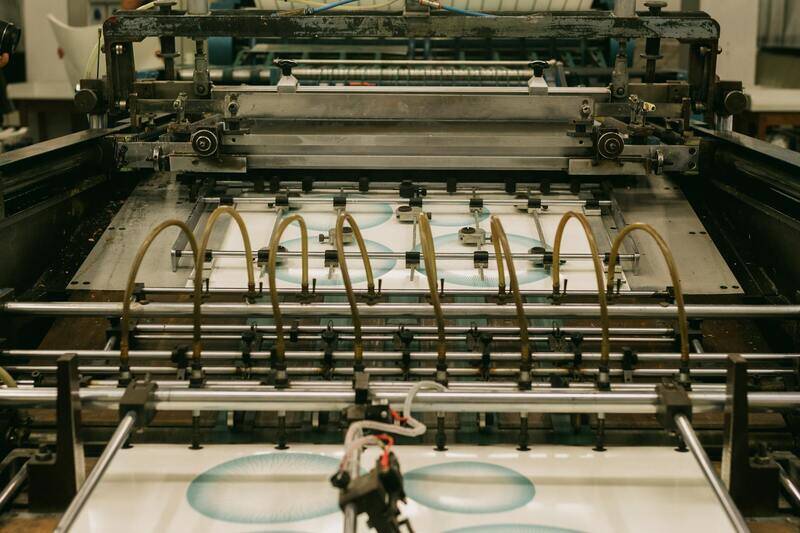
Design Considerations for Folded Brochures
Designing an effective folded brochure involves strategic planning of content layout and visual flow. The fold lines act as natural dividers, so it's important to consider how information will be segmented across panels. Consistent visual elements, such as colors, fonts, and imagery, should seamlessly flow from panel to panel to maintain coherence. Additionally, save key messages or calls-to-action for prominent locations to maximize engagement.
The orientation and placement of images and text should complement the fold structure to avoid misalignment or clutter. Using grid principles can help ensure balanced spacing and alignment. Incorporate visual cues, such as arrows or numbered panels, to guide readers through the content logically. Lastly, the overall design should reflect your brand identity and be adaptable to various printing formats and sizes for maximum versatility.

Paper and Material Selection
The choice of paper plays a crucial role in the tactile quality and durability of your folded brochures. A wide range of options exists, from standard gloss or matte finishes to textured papers that add a distinctive feel. Glossy papers enhance vibrant images and sharp details, making them ideal for colorful, image-heavy designs. Matte papers offer a sophisticated, glare-free surface suitable for readability and elegant branding. Textured papers, such as linen or soft-touch finishes, provide a luxurious sensory experience and can reinforce a premium brand image.
Environmental considerations are increasingly influential in material selection. Recycled papers, biodegradable options, and FSC-certified materials allow brands to demonstrate eco-consciousness without compromising quality. Weight and thickness are also integral factors; heavier stocks tend to feel more premium and withstand handling, while lighter papers are suitable for direct mailing or mass distribution. The choice ultimately depends on your desired aesthetic, budget, and the brochure’s intended use.
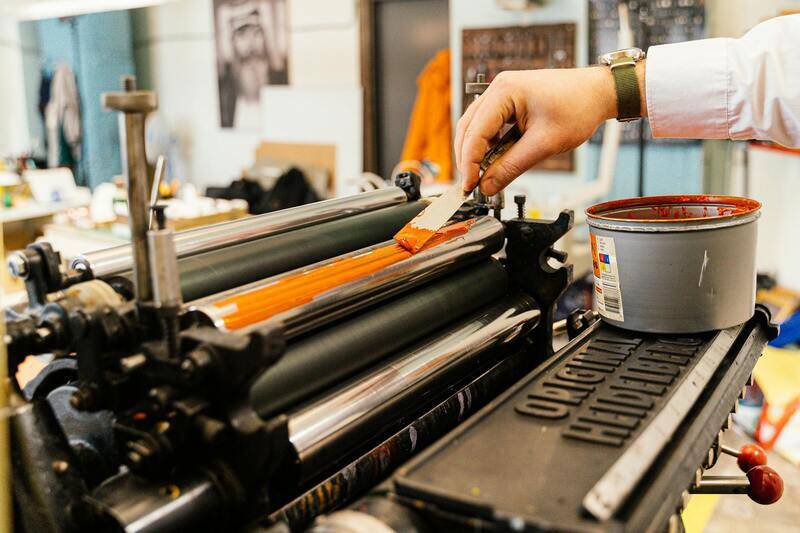
Printing Techniques for Folded Brochures
High-quality printing techniques are fundamental to producing visually compelling folded brochures. Digital printing is advantageous for short to medium runs, offering rapid turnaround times with precise color reproduction and flexibility for personalized or variable data printing. Offset printing, on the other hand, is the preferred method for larger quantities, delivering consistent sharpness and color fidelity at scale, which enhances brand professionalism.
Specialized techniques further elevate the presentation of folded brochures. UV coating imparts a glossy, protective layer that intensifies colors and resists scratches, making it suitable for high-durability applications. Spot UV can be applied selectively to highlight specific elements, such as logos or images, adding depth and focus. Foil stamping introduces metallic accents that evoke luxury, perfect for high-end branding or exclusivity. Combining these methods with appropriate finishing options can create a premium tactile experience that captures attention and leaves a lasting impression.
Types of Folded Brochures
Choosing the appropriate type of folded brochure is crucial for effectively conveying your message and maintaining the desired visual impact. Common variations include bi-fold, tri-fold, Z-fold, gate fold, and roll fold, each offering unique advantages depending on the content volume and structural presentation.
- Bi-Fold Brochures: Divided into two panels by a single fold, bi-folds provide a clean, simple layout ideal for straightforward messaging and minimal imagery. They are easy to handle, cost-effective, and suitable for menus, event programs, or introductory materials.
- Tri-Fold Brochures: The most popular configuration, tri-folds divide the sheet into three sections, creating six panels. This format allows for organized content distribution, making it practical for product catalogs, service guides, or informational handouts. The fold lines can be used to emphasize specific sections or features.
- Z-Fold Brochures: Similar to tri-folds but with zigzag folds, Z-folds open flat to reveal sequential information, guiding readers through a story or process step-by-step. They are effective for instructional materials, company profiles, or promotional campaigns that benefit from a logical flow.
- Gate Folds: Featuring two panels that open outward like gates to reveal a central panel, gate folds create a dramatic unveiling effect. This style is ideal for high-end branding, luxury products, or impactful announcements where visual emphasis is paramount.
- Roll Folds: Folds that roll inward, creating multiple layers, are suitable for detailed presentations or product showcases. These are often used for technical manuals, fashion catalogs, or detailed project proposals where layered information enhances clarity.
Design Considerations for Folded Brochures
The design process for folded brochures demands precision to ensure the final product is both aesthetically pleasing and functional. Critical elements include your layout, fold lines, image placement, and text hierarchy. When designing, it’s essential to remember that the folding process can impact how certain elements are perceived and interacted with.
- Alignment and Bleed: Proper alignment ensures that content remains consistent across folds. Incorporate bleed margins to prevent unwanted white edges post-trimming and folding.
- Panel Hierarchy: Clearly define the flow of information so that readers follow a logical progression. Use visual cues such as size, color, or typography to highlight key messages.
- Folding Lines: Keep critical information away from fold lines to prevent it from becoming distorted or hard to read. Consider how the viewer will open and unfold the brochure to maximize impact.
- Imagery and Graphics: Use high-resolution images to ensure clarity across different panels and folds. Consider how images will align when folded to maintain visual coherence.
- Typography: Select legible fonts and appropriate sizes, especially near fold edges, to enhance readability and avoid text being hidden or cut off during the folding process.
Paper and Material Selection
The choice of paper and material significantly influences the tactile quality, durability, and overall perception of your folded brochure. Selecting the right stock requires examining the intended usage, target audience, and branding goals.
- Weight and Thickness: Heavier paper stocks, such as 100lb or 14pt cover stock, lend a premium feel and withstand handling, making them suitable for luxury branding or high-end product showcases. Lighter options, like 80lb or 100gsm text paper, are ideal for mass distribution or mailing campaigns where cost efficiency is critical.
- Finish and Texture: Matte finishes provide a sophisticated, non-reflective surface perfect for reading-heavy brochures, while gloss finishes enhance vibrant colors and images, catching attention quickly. Satin finishes balance between the two, offering durability and visual appeal.
- Specialty Materials: Consider recycled papers for eco-friendly branding or textured stocks like linen or suede for a luxurious tactile experience. These choices can distinguish your brochure from competitors and reinforce brand values.
- Durability Needs: For brochures exposed to frequent handling or outdoor conditions, UV coatings or laminates can offer extra protection while enhancing visual appeal.

Sample swatches illustrating different paper textures and finishes for folded brochures Printing Techniques for Folded Brochures
Employing suitable printing techniques is essential for achieving high-quality, vibrant, and professional-looking folded brochures. Digital printing offers advantages in quick turnaround and customization, ideal for small batches or personalized campaigns. Offset printing remains the preferred method for large volumes, ensuring consistency and color fidelity.
- Digital Printing: Suitable for short runs and rapid production, digital printing allows for personalization and variable data printing, making each brochure uniquely tailored to specific audiences or campaigns.
- Offset Printing: Provides superb color accuracy, sharp detail, and high-quality finishes at scale. Ideal for campaigns requiring consistency across large quantities, helping create a cohesive brand image.
- Special Effects: Techniques such as UV coating, spot UV, foil stamping, and embossing can be integrated during the printing process to elevate the aesthetic appeal and tactile experience of your brochure.

Sample of brochures showcasing UV coating, spot UV, and foil stamping effects Types of Folded Brochures
Folded brochures come in various formats, each suited to different messaging needs and presentation styles. The most common types include tri-fold, bi-fold, z-fold, accordion, gate fold, and parallel fold, among others. These variations allow businesses to select a format that best complements their content and visual branding.
The tri-fold brochure remains the most popular due to its classic presentation, dividing the flyer into three panels that can be used for organized sections of information or visuals. It is ideal for menus, event programs, or product catalogs. The bi-fold brochure offers a simple two-panel design, providing ample space for images and textual content, often utilized for formal or corporate presentations.
For projects requiring more elaborate layout options, the Z-fold and accordion fold are suitable, offering a dynamic unfolding experience that draws attention to key messages. The gate fold features two end panels that open like gates to reveal a larger central panel, making it effective for high-impact visuals or branding messages. Choosing the right folding style depends on the nature of the information and the desired visual flow.
Visual overview of various folded brochure styles and their structural designs. Design Considerations for Folded Brochures
Designing an effective folded brochure involves strategic planning of layout, imagery, typography, and message flow. When working with multiple panels, it’s essential to consider how information is sequenced to guide the reader naturally through the content, ensuring key messages receive prominence.
Consistency in branding elements such as color schemes, logos, and fonts fosters recognition and reinforces brand identity. Incorporating whitespace intelligently prevents clutter, allowing each section to stand out distinctly. Additionally, aligning visual hierarchy with storytelling can enhance clarity and engagement.
Interactive elements like QR codes or call-to-action buttons can be integrated seamlessly into the design, encouraging further customer engagement or directing prospects to digital platforms. Designing with print specifications in mind ensures that artwork fits the chosen folding technique without issues like unintended cut-offs or misalignments.
Paper and Material Selection
Material choice significantly impacts the tactile quality, durability, and overall perception of your folded brochure. Common options include gloss, matte, satin, and soft-touch finishes, each imparting a different sensory experience and visual effect.
- Glossy papers enhance vibrant colors and sharp imagery, ideal for visually driven content or product showcases.
- Matte papers offer a subdued, elegant finish that reduces glare and is suitable for text-heavy or professional documents.
- Satin and soft-touch coatings provide a luxurious feel, making your brochure memorable and premium.
Thicker stocks, such as 250gsm or higher, add sturdiness and a high-end feel, especially when combined with special finishes like lamination or UV coating for added protection. Conversely, lightweight papers can be more cost-effective and suitable for mass mailing campaigns.

Examples of diverse paper textures and finishes suitable for folded brochure printing, demonstrating tactile and visual effects. Printing Techniques for Folded Brochures
Utilizing the appropriate printing process ensures the quality and durability of your folded brochure while enhancing its visual appeal. Digital printing allows quick turnaround times and is suitable for smaller runs or highly customized designs, offering flexibility for personalized marketing campaigns. Offset printing remains a standard choice for large-volume orders, delivering consistent color fidelity and sharp details across numerous copies.
For added aesthetic impact, incorporating special effects during the printing process elevates your brochure’s presentation. UV coating and spot UV can highlight specific areas, providing a glossy finish that contrasts with matte backgrounds. Foil stamping introduces metallic accents, adding a sense of prestige and sophistication. Embossing creates tactile textures that make certain features stand out physically, reinforcing the message or branding elements effectively.

Sample brochures exhibiting various finishing effects like UV coating, foil stamping, and embossing, each enhancing tactile and visual appeal. Folding Methods and Processes
The folding process can significantly influence the final appearance and functionality of your brochure. Precision in folding ensures that all panels align correctly and that the design flows seamlessly. Manual folding is suitable for short runs or prototypes, while automated folding machines are essential for consistency and efficiency in large print runs.
Specialized folding techniques, such as double parallel folds or reverse folds, can create unique visual effects or increase presentation space within a limited footprint. Proper score lines are crucial for clean, crisp folds, preventing cracking or uneven edges. Digital proofing and sample tests are recommended before mass production to verify fold accuracy and visual alignment.
Cost Factors and Pricing
Pricing for folded brochure printing varies based on several factors. Paper selection influences costs, with premium materials and finishes requiring higher investment. The complexity of the folding method, especially custom or intricate designs, may incur additional setup time or machine adjustments.
The quantity ordered commonly affects unit costs, with bulk purchases offering economies of scale. Special finishes and effects, such as foil stamping or embossing, typically elevate the price per piece. Turnaround time can also impact cost, with expedited services naturally commanding premium pricing. Businesses should request detailed quotations that specify all elements to ensure budget alignment and clarity.
Applications and Best Uses
Folded brochures serve a broad spectrum of marketing and informational purposes, including product and service promotion, event invitations, corporate profiles, and educational materials. Their versatile formats make them suitable for both detailed catalogs and concise promotional flyers. Strategic use of folded brochures enhances customer engagement by delivering information in an organized and visually appealing manner.
For retail and hospitality sectors, folded brochures act as effective point-of-sale displays or takeaway menus. In corporate environments, they convey comprehensive company profiles or annual reports. Nonprofit organizations utilize them for campaign awareness and donation drives. Their adaptability makes them indispensable for diverse industries aiming to communicate clearly while maintaining a professional aesthetic.