Understanding Custom Printed Booklets
Custom printed booklets serve as versatile printed materials designed to meet specific branding, informational, or promotional needs. They are typically assembled from a series of pages that are bound together using various binding techniques, tailored to suit different content and audience preferences. These booklets are highly adaptable, available in numerous formats, sizes, and finishes, making them suitable for a broad spectrum of applications across industries.
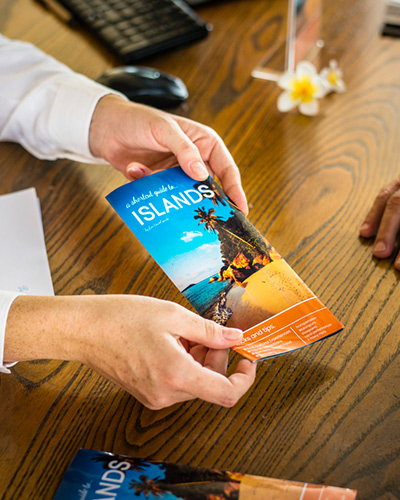
Common formats include saddle-stitched, perfect-bound, spiral, and comb-binding, each offering unique advantages based on the booklet’s purpose and distribution method. For instance, saddle-stitched booklets are ideal for small to medium runs, offering a cost-effective and quick production process. Perfect binding provides a more polished appearance, often preferred for catalogs or annual reports. Spiral and comb bindings are favored for presentation materials or manuals that require frequent page turning and reusability.

The benefits of personalized booklet printing extend beyond aesthetics. Custom printed booklets enable organizations to deliver consistent branding through the incorporation of specific logos, color schemes, and thematic visuals. They allow for targeted content delivery, ensuring that each piece resonates with its intended audience. Additionally, well-designed booklets can enhance the perceived professionalism of a business, making them valuable tools for marketing, training, product information, and event programs.
The capacity for customization also encompasses unique layouts, page numbering, cover finishes, and paper textures, providing a tailored approach that aligns with brand identity and project objectives. The flexibility in design and production options ensures that each booklet can be a precise reflection of the creator’s vision, whether for internal communication or external outreach.
Overall, custom printed booklets are not merely informational tools but strategic assets that communicate professionalism, reinforce brand image, and foster engagement. Their adaptability and comprehensive range of features make them indispensable in a competitive marketplace where presentation impacts perception.
Understanding Custom Printed Booklets
Creating custom printed booklets involves meticulous planning and selection of various design, material, and production elements to achieve the desired visual impact and functional performance. These booklets serve as versatile communication tools, capable of conveying information effectively across diverse sectors such as corporate branding, marketing campaigns, educational initiatives, and event promotions. By leveraging off-the-shelf templates or bespoke design solutions, organizations can craft unique booklets that reflect their brand identity and meet specific audience expectations.

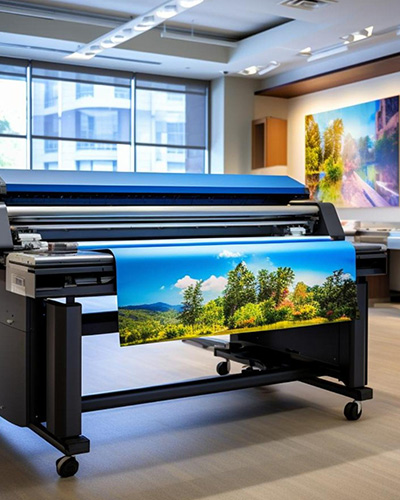
Manufacturers and print service providers utilize a range of advanced printing resolutions and cutting-edge equipment to ensure crisp visuals and accurate color reproduction. These processes support diverse customization possibilities, including variable data printing, which allows for personalized content tailored to individual recipients or specific demographic segments. This level of precision enhances engagement and reinforces brand messaging effectively.
Beyond visual customization, the tactile experience offered by various paper stocks, finishes, and binding options significantly influences the final product's perceived value. A carefully chosen cover material, such as matte or gloss lamination, combined with high-quality interior paper, can create a durable and visually appealing booklet that withstands handling over time. The choice of finishing techniques, like embossing, foil stamping, or spot UV coating, further amplifies the aesthetic appeal and highlights key branding elements.
Custom printed booklets are not just static documents. They are strategic assets adaptable to almost any purpose, allowing organizations to specify unique page layouts, incorporate dynamic graphics, and optimize readability through adjustable typography scales. Whether for a detailed product catalog, an engaging annual report, or a comprehensive training manual, the flexibility in design ensures each booklet aligns precisely with its intended function and audience.
Design Considerations for Booklets
Design is central to the efficacy of a custom printed booklet, requiring careful attention to several critical elements:
- Layout: Ensuring a clear structure that guides the reader seamlessly through the content. Consistent margins, strategic placement of visuals, and logical flow are essential.
- Imagery: High-resolution images that complement the message, maintain visual consistency, and reinforce branding themes.
- Typography: Selecting fonts that reflect the brand personality while ensuring legibility across various devices and lighting conditions.
- Alignment with Purpose and Audience: Tailoring the overall design to resonate with the target demographic, whether that involves sophisticated minimalism or vibrant, dynamic graphics.
A balanced integration of these elements ensures the booklet communicates its message compellingly while maintaining an aesthetic that captures attention.
Material and Paper Options
The selection of paper and materials critically influences the tactile quality, durability, and visual appeal of the booklet. Common options include:
- Uncoated Papers: Provide a natural, matte finish suitable for readability and a tactile feel. Ideal for notes, sketches, or artistic projects.
- Glossy or Satin Coated Papers: Offer a smooth, shiny surface that enhances color vibrancy, ideal for catalogs and high-impact image displays.
- Textured Papers: Such as linen or felt finishes, add a sophisticated touch, often used for premium presentations.
- Recycled and Sustainable Materials: Environmentally friendly options that support green initiatives without compromising quality.

Each material choice requires consideration of the intended lifespan, handling conditions, and budget constraints to optimize both form and function.
Printing Techniques and Color Modes
Choosing the appropriate printing method is vital to achieving the desired quality and efficiency. Techniques include digital printing, offset lithography, and specialty methods like letterpress or embossing. Digital printing excels in short runs and quick turnaround, while offset printing is preferred for large quantities due to cost-effectiveness and superior color fidelity.
Color mode selection, such as CMYK or Pantone matching, enables precise color reproduction, especially for brand-specific hues. Applying spot colors or metallic inks can add distinctive accents and elevate the booklet's aesthetic appeal.
Sizes, Dimensions, and Page Formats
Standard booklet sizes range from A4 and A5 to custom dimensions, tailored to content complexity and distribution method. Considerations include foldability, ease of handling, and visual balance. Common formats include saddle-stitched, perfect-bound, or wire-o binding, each suited for different page counts and usage scenarios.
Quantity and Cost Factors
Order quantities significantly influence production costs, with bulk manufacturing reducing unit expenses. It is essential to balance the desired quality, complexity, and volume to develop an effective budget. Multi-stage processes like special finishes or intricate binding add to costs but can dramatically enhance the final presentation.
Production and Delivery Process
The workflow begins with precise file preparation, including checking for resolution, color profiles, and bleed specifications. Proofing stages ensure design accuracy before mass printing. Turnaround times depend on project complexity and quantity, with expedited options available if necessary. Reliable logistics partners guarantee timely delivery to safeguard the quality and condition of the finished booklets.
Applications and Practical Uses
Custom printed booklets are extensively utilized across various sectors:
- Corporate branding materials, such as annual reports, investor presentations, and employee handbooks.
- Marketing collateral, including product catalogs, brochures, and promotional flyers.
- Event materials, such as programs, guides, and souvenir booklets.
- Educational resources, like training manuals, study guides, and instructional booklets.
- Nonprofit and community outreach documents that communicate mission statements, impact reports, and campaign information.
In every application, the capacity to customize enhances engagement, ensures brand consistency, and reinforces communication objectives, making printed booklets an indispensable element of professional outreach strategies.
Material and Paper Options
Optimal selection of materials is fundamental to producing high-quality custom printed booklets that meet specific aesthetic and functional requirements. The choice of paper directly influences the durability, appearance, and tactile experience of the finished product. When considering paper options, several factors such as weight, coating, texture, and finish play critical roles.
For professional and formal publications, a premium paper stock such as silk or matte coated paper enhances visual clarity and offers a sophisticated feel. These options are ideal for brochures, annual reports, and executive manuals where presentation is paramount. Conversely, for more casual or informational booklets, uncoated or recycled paper may be appropriate, emphasizing eco-friendliness and cost-efficiency.
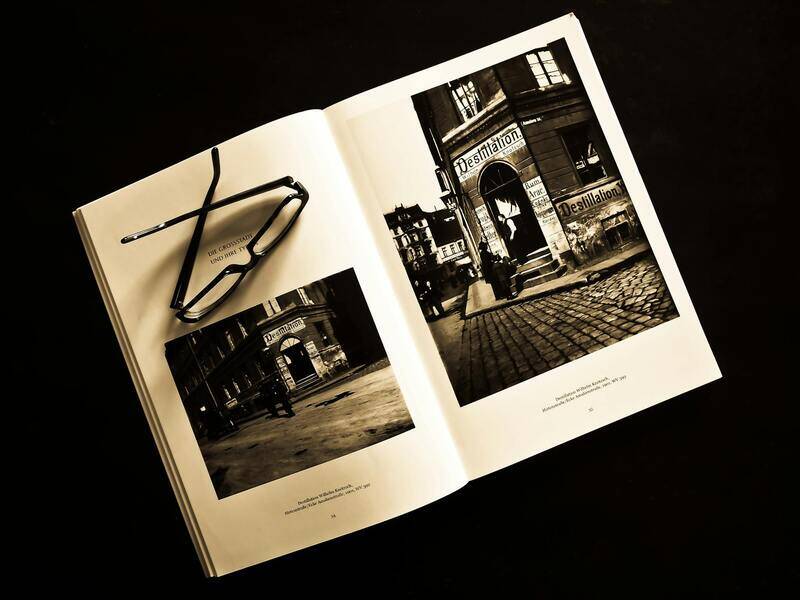
Binding options further impact the final look and durability of the booklet. Common methods include saddle-stitching, perfect binding, spiral binding, and wire-o binding. Saddle-stitching is suitable for smaller page counts, offering a clean and economical finish. Perfect binding, which involves gluing pages together at the spine, is preferred for manuals and catalogs that require a polished appearance and longer lifespan.
Spiral and wire-o bindings are versatile, allowing the booklet to lay flat when open, which is advantageous for manuals, instructional guides, or workbooks. Each binding technique offers unique advantages concerning accessibility, portability, and aesthetic appeal, enabling tailored solutions based on the project’s purpose and design vision.

Comparison of Finish Types
- Matte Finish: Low glare, smooth surface, ideal for readability and a modern look.
- Glossy Finish: Vibrant colors and sharp images, suitable for photographic content.
- Soft Touch: Luxurious feel, adds an element of tactile elegance.
- Varnish or UV Coating: Provides extra protection, enhances durability, and offers visual contrast.
Choosing the right combination of paper and finishing techniques ensures that the booklet aligns with branding goals while also withstands handling and environmental factors, making it a valued tool for communication and promotional efforts.
Understanding Custom Printed Booklets
Custom printed booklets serve as versatile tools in various promotional, informational, and corporate communication contexts. Their ability to be tailored in size, content, and finish makes them ideal for a wide range of uses, from marketing brochures to comprehensive manuals. Precision in the printing process, combined with strategic design and material choices, ensures that each booklet effectively conveys its intended message while resonating with the target audience. When produced through official and reputable channels, such as specialized printing services, these booklets benefit from high-quality standards, consistent color reproduction, and durable finishes that uphold a professional appearance over time.
Design Considerations for Booklets
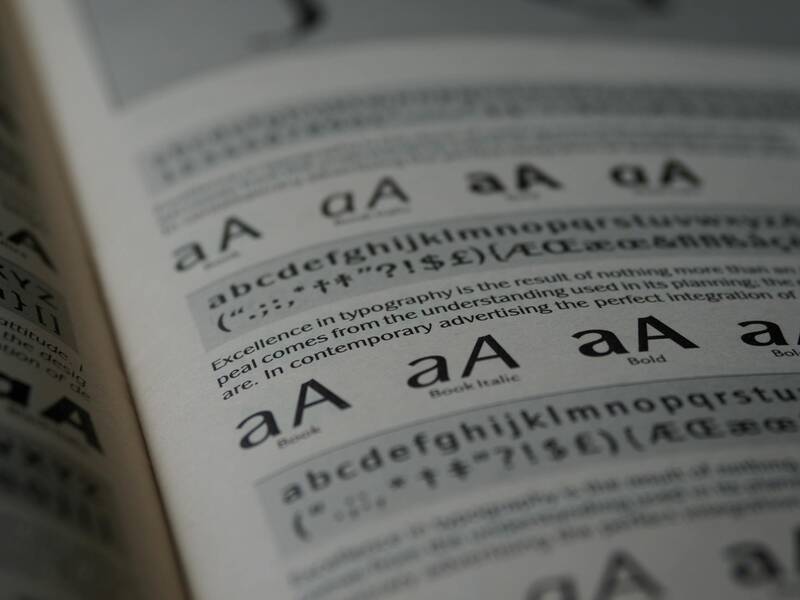
Creating effective custom printed booklets involves meticulous planning around layout, imagery, and content presentation. Design considerations must account for readability, visual hierarchy, and brand consistency. The choice of font styles, sizes, and spacing influences how information is absorbed, while the strategic placement of images and graphics enhances engagement. Additionally, incorporating your brand colors and logos reinforces recognition and trust.
Print service providers often offer consultation and design support to ensure your vision aligns with technical capabilities, such as margins, bleed areas, and fold lines. This collaborative process guarantees that the final product meets professional standards and adheres to the specifications required for official documentation and promotional materials.
Material and Paper Options
The selection of paper stocks is crucial in determining the durability, look, and feel of your booklet. Heavier weights like 170gsm or 200gsm card stock lend a premium, substantial feel, suitable for high-end presentations or gift programs. For lighter, more flexible options, 90gsm or 128gsm paper provides ease of handling and cost efficiency.
Coatings and finishes further influence the tactile experience and protection of printed content. Matte finishes offer a non-reflective, sophisticated surface that enhances readability, making them ideal for text-heavy documents. Glossy finishes bring vibrancy to images and colors, creating eye-catching promotional pieces. Soft touch coatings add a layer of tactile luxury, elevating your brand's perception. Varnish or UV coatings provide added resistance against wear and environmental factors, preserving your booklet’s professional appearance over time.

Understanding Custom Printed Booklets
Custom printed booklets serve as versatile tools for organizations, businesses, and individuals seeking to communicate their message effectively. These booklets can be tailored to fit various purposes, ranging from marketing brochures and training manuals to event programs and organizational directories. The ability to customize every aspect—from size and layout to content and finishing touches—ensures that your printed materials align perfectly with your branding, messaging, and functional needs. Moreover, opting for custom printing offers a unique opportunity to stand out amidst competitors by creating visually compelling and professionally crafted booklets that leave a lasting impression on your audience.
In the realm of print solutions, custom printed booklets are distinguished by their adaptability to specific project requirements. They allow for flexibility in design, size, and overall presentation, making them suitable for diverse applications. Whether you are producing a limited-run of executive summaries or a large batch of promotional handouts, the ability to customize ensures that each booklet is optimized for its intended purpose. Additionally, with advancements in printing technology, achieving high-quality color fidelity, sharp detailing, and durable finishes has become more accessible, ensuring that your printed materials exude professionalism and attention to detail.

Design Considerations for Booklets
Designing an effective booklet requires a strategic approach to layout, typography, imagery, and overall aesthetics. A well-conceived design enhances readability, guides the reader’s eye through the content, and reinforces branding elements. When planning your booklet, consider the harmony between visual elements and textual content, ensuring that graphics and images complement the message rather than overshadow it. Incorporating your brand colors, logos, and consistent fonts helps foster brand recognition and builds a cohesive visual identity.
Furthermore, layout choices must account for usability and flow. For instance, choosing an appropriate page size and fold style influences how information is organized and accessed. Clear headings, bullet points, and sub-sections make content digestible. Additionally, leaving sufficient margins and bleed areas during the design phase ensures that no crucial content is lost during trimming. Many print service providers offer expert design consultation and templates, streamlining this process for clients seeking professional results without extensive in-house design resources.
Material and Paper Options
The selection of paper stock significantly impacts the final appearance and durability of custom printed booklets. For premium results, heavier papers such as 170gsm or 200gsm card stock provide a substantial feel, ideal for executive presentations or gift editions. Conversely, lighter options like 90gsm or 128gsm paper offer flexibility, ease of handling, and cost efficiency for bulk distribution or informal projects. The choice of paper weight should correspond to the intended use, budget, and desired aesthetic standards.
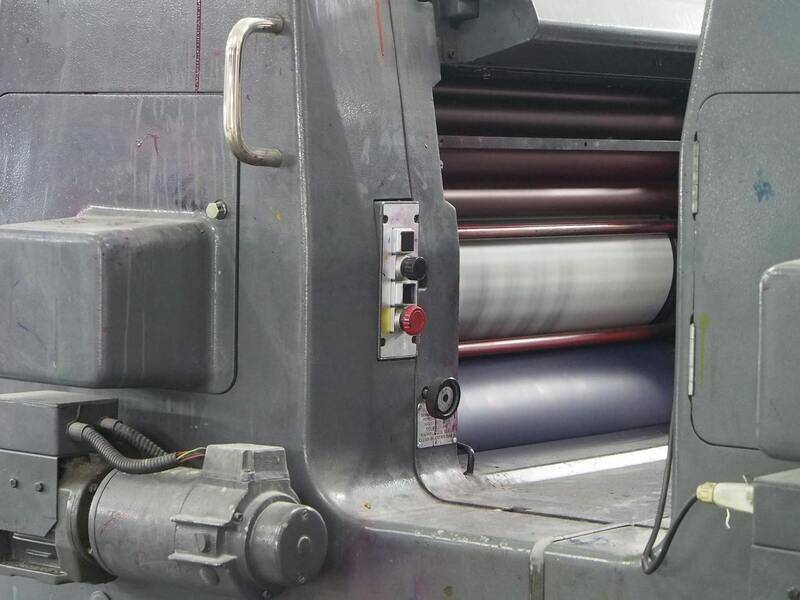
In addition to weight, coating options further enhance your booklet’s tactile and visual appeal. Matte finishes lend a refined, non-reflective surface suitable for text-heavy content, improving readability and reducing glare. Glossy finishes infuse vibrant colors, especially beneficial for image-rich pages or promotional visuals. Soft touch coatings evoke a luxury feel that can elevate your branding perception. Varnish or UV coatings help protect against scuffs, moisture, and environmental factors, prolonging the lifespan of your printed materials and maintaining their professional appearance over time.
Sizes, Dimensions, and Page Formats
Booklet sizes and formats should be chosen based on their primary purpose and the nature of the content. Standard sizes such as A4, A5, or DL are versatile and widely accepted, allowing for easy handling and storage. Custom sizes enable you to create unique formats that align precisely with your branding or project specifications, providing a distinctive appearance that sets your booklet apart.
Fold styles, including saddle stitch, lay-flat, or concertina, contribute to the functionality of your booklet. The fold choice impacts presentation, ease of reading, and overall aesthetic. For example, saddle-stitch binding works well for booklets with fewer pages, while more complex fold styles like gatefolds or accordion folds are suitable for interactive or promotional purposes. When selecting page formats, consider how the content will flow and how the booklet will be used—whether for detailed manuals, visual catalogs, or concise brochures. Properly planning size and format ultimately enhances the user experience and ensures that your booklet serves its intended function effectively.
Choosing the Right Size, Dimensions, and Page Formats for Your Custom Booklet
When customizing printed booklets, selecting the appropriate size and page format is crucial for ensuring your content is presented effectively and aligns with your branding goals. Standard sizes such as A4 (210 x 297 mm), A5 (148 x 210 mm), or DL (110 x 220 mm) offer versatility and compatibility with common storage and distribution methods. These sizes are widely accepted across various industries and are suitable for a broad range of applications, from corporate brochures to event programs.
However, opting for custom sizes allows for a distinctive visual identity that can set your materials apart. Custom dimensions can be tailored precisely to your content, whether you need a slim, pocket-sized booklet or a large-format catalog that showcases detailed imagery. Custom sizes also provide flexibility in design layout, helping you maximize space utilization and create a more engaging reader experience.
Page formats and fold styles significantly influence both the functionality and presentation of your booklet. For instance, saddle stitch binding pairs well with standard sizes for quick production and easy handling. More intricate fold styles like gatefolds, accordion folds, or parallel folds can introduce interactivity and visual intrigue, making your booklet more memorable. These formats are especially useful for promotional materials, menus, or manuals that benefit from layered or expandable content.
In the planning stage, consider how your content will flow—whether it consists of detailed text, high-resolution images, or a combination. Ensuring that the size and fold style complement the content will improve readability and aesthetic appeal. For example, a visual-heavy catalog might utilize a larger, landscape orientation with an accordion fold for an interactive browsing experience, whereas a product manual might favor a compact, portrait format with saddle stitch binding for portability and ease of use.

Understanding Custom Printed Booklets
Custom printed booklets serve as versatile tools for conveying detailed information in a compact, visually appealing format. Whether used for marketing brochures, product catalogs, event programs, or training manuals, these booklets allow organizations to tailor the design, size, and content to their specific needs. They are an effective way to showcase branding elements, engage readers with high-quality visuals, and deliver comprehensive messages without overwhelming the audience.
Precision in the customization process ensures that each booklet aligns perfectly with its intended purpose. From choice of paper stock to binding style, every element can be customized to enhance the overall presentation and functionality. Utilizing professional printing services guarantees that high standards are maintained throughout production, producing finished products that reflect professionalism and attention to detail.

Design Considerations for Booklets
Designing an effective booklet involves meticulous planning to balance visuals and content seamlessly. The layout should facilitate an intuitive flow of information, guiding readers effortlessly through the material. Consistency in font choices, color schemes, and graphical elements reinforces brand identity and creates a cohesive look.
For print readability and aesthetic appeal:
- Use ample white space to avoid clutter and enhance clarity.
- Select fonts that are easy to read at various sizes.
- Incorporate high-resolution images and graphics for sharp visuals.
- Ensure that the cover design is compelling and reflective of your content.
Material and Paper Options
The tactile experience of a booklet is significantly influenced by the choice of paper and materials. Coated papers are popular for their smooth surfaces, ideal for vibrant color reproduction and detailed images. Matte finishes add a sophisticated, glare-free surface suitable for textual content and minimalistic designs, while gloss coatings enhance luminosity and impact for colorful imagery.
For durability and premium feel, options such as velvet or textures like linen and canvas are available. Selecting eco-friendly, recycled paper options can also demonstrate environmental responsibility, appealing to sustainability-conscious audiences.

Printing Techniques and Color Modes
Precision in printing techniques ensures that your design details are faithfully reproduced. Offset printing is well-suited for large runs, delivering consistent quality and vivid color accuracy. Digital printing is ideal for short runs or on-demand projects, offering quick turnaround times and cost efficiencies.
Color fidelity is achieved through adherence to color modes such as CMYK, which is standard for printed materials. Ensuring color calibration and test prints is essential to match your digital design with the final product. Techniques like spot UV coating or embossed details can add tactile elements and visual opulence to your booklet, enhancing its overall appeal.
Sizes, Dimensions, and Page Formats
Booklets come in a multitude of sizes and formats that can be tailored to specific content needs. Standard sizes like A4 or A5 provide familiarity and ease of handling, but custom dimensions allow for innovative layouts and better utilization of space. Landscape or square formats can showcase imagery more dynamically, especially for portfolios or art catalogs.
Page formats, including single-page spreads, gatefolds, or accordion folds, can create interactive experiences or expand visual storytelling. The choice of fold style influences the presentation flow and user engagement, making your booklet not just a simple informational piece but an engaging visual artifact.
Proper selection of size and fold style plays a crucial role in the usability and aesthetic effectiveness of your publication, reinforcing your message and brand identity.
Ensuring Proper Distribution and Application of Custom Printed Booklets
When planning the distribution of custom printed booklets, selecting the appropriate channels tailored to your target audience maximizes impact. Distributing at trade shows, conferences, or retail locations ensures direct engagement with interested parties, boosting brand visibility. For creative projects or internal documentation, digital distribution via email campaigns or online portals facilitates rapid dissemination and easy access.
For organizations aiming to leave a lasting impression, the presentation quality of your booklet plays a pivotal role. Proper packaging and presentation, including custom envelopes or branding accents, can enhance the perceived value and professionalism of your printed materials. Additionally, considering quantity reorder cycles helps maintain consistency and ensures inventory availability for ongoing campaigns or events.
Maintaining Quality Control Post-Production
To preserve the integrity of your custom printed booklets over time, it’s important to implement proper storage conditions. Keep them in a cool, dry environment away from direct sunlight and humidity to prevent deterioration. For archival purposes, consider acid-free protective sleeves or boxes that shield your print materials from environmental damage.
Regular inspections ensure that the quality remains intact, especially if booklets are stored over extended periods. This proactive approach helps detect any signs of fading, warping, or damage early, allowing for timely replacements or reprints. Additionally, handling guidelines should be communicated to maintain the booklet’s condition during distribution and use.
Leveraging Custom Booklets for Branding Success
Custom printed booklets are versatile branding tools that can be tailored precisely to your company's identity. Incorporating consistent brand elements such as logos, color schemes, and typography throughout the booklet reinforces brand recognition. Use of high-quality imagery and compelling storytelling enhances emotional connections with your audience, making your message memorable.
Moreover, integrating your booklet into broader marketing campaigns amplifies reach and cohesion. Pairing print with digital content, such as QR codes linking to your website or social media platforms, can create an immersive experience. This multi-channel approach ensures your brand message is both consistent and engaging across various touchpoints.
From training manuals to product catalogs or event programs, well-executed custom booklets serve as tangible representations of your brand’s commitment to quality and professionalism. Investing in the right design, material, and distribution strategies ensures that your printed material not only informs but also leaves a lasting impression, establishing a stronger connection with your audience while elevating your overall branding efforts.