Overview of Colour Printing
Colour printing is a fundamental aspect of the printing industry, allowing for the reproduction of full-color images, photographs, and graphics with vibrant, accurate hues. This process enhances visual communication, making printed materials more engaging and effective. Its origins can be traced back to early color lithography, which emerged in the 19th century, revolutionizing the way images and text were reproduced. Over time, technological advancements have continuously improved the quality, speed, and cost-efficiency of colour printing.
In the context of Singapore, the significance of colour printing has grown in tandem with the nation’s dynamic business landscape. From marketing collaterals and product packaging to educational materials and artistic projects, colour printing plays a vital role in elevating branding and visual impact. The competitive market compels companies to invest in high-quality colour printing solutions to stand out and communicate their messages effectively. As digital technologies have evolved, the industry has seen a transition from traditional offset and lithography to advanced digital colour printing, offering greater flexibility, quicker turnaround times, and customizable options.
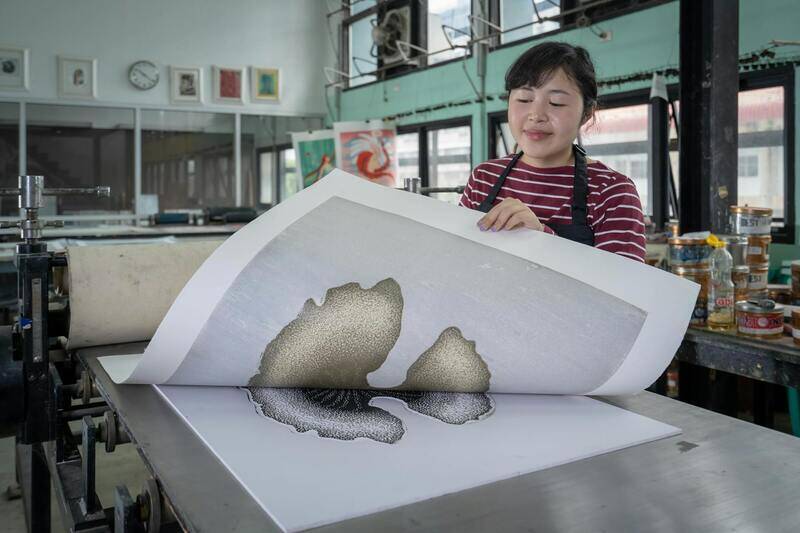
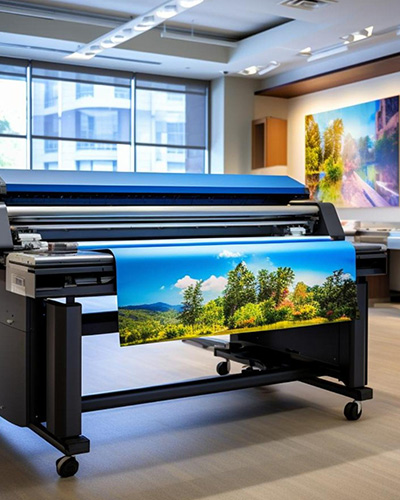
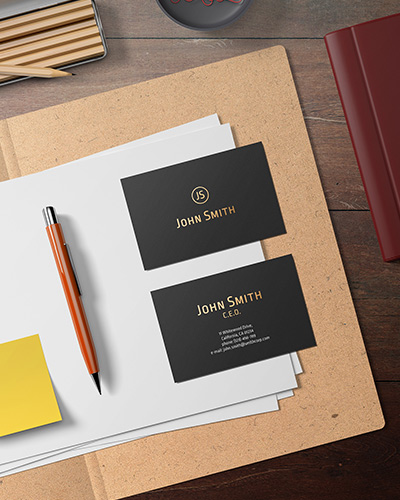
Today, colour printing encompasses a broad spectrum of applications, from small-scale business cards to large-format banners, each demanding specific colour management and substrate considerations. The industry's constant innovation ensures that colour printing remains a key component in effective visual communication, especially within a vibrant, competitive environment like Singapore's. With a focus on professionalism, precision, and versatility, colour printing continues to meet the diverse needs of clients across various sectors.
Types of Colour Printing Techniques
Understanding the various methods of colour printing is essential for selecting the most suitable technique for specific projects. Each method brings its own advantages in terms of colour fidelity, resolution, and application scope.
- Offset Colour Printing: This traditional method is renowned for producing high-quality, consistent images on large print runs. It involves transferring ink from a plate to a rubber blanket and then onto the printing substrate. Offset colour printing excels in achieving precise colour accuracy and vibrancy, making it ideal for marketing brochures, magazines, and annual reports that demand detailed imagery and consistent colour output.
- Digital Colour Printing: Digital printing transforms digital files directly onto substrates, eliminating the need for printing plates. It offers flexibility for short runs, quick turnaround times, and personalized printing options. The colour quality in digital printing continues to improve, making it suitable for business cards, promotional materials, and customized packaging where rapid production and occasional updates are necessary.
- Flexography: Primarily used for packaging and labels, flexography uses flexible relief plates and fast-drying inks. It provides vibrant colour reproduction on a wide range of substrates, including plastics, foils, and paper. The method is highly efficient for high-volume printing of tags, wrappers, and food packaging where consistent and vivid colours are paramount.
- Gravure Printing: Known for high-quality imaging, gravure employs engraved cylinders to transfer ink. This process is particularly advantageous for producing long-run publications, magazines, and high-volume packaging with intricate and rich colour gradations. The precision of gravure provides exceptional colour depth and vibrancy, essential for premium branding materials.

Colour Management and Colour Accuracy
Achieving true colour reproduction requires meticulous control and management throughout the printing process. Colour management involves calibrating devices, standardizing colour profiles, and maintaining consistent colour fidelity across different mediums and substrates. Software tools such as ICC profiles are often employed to ensure accurate colour matching from digital designs to printed output. This process is vital in branding, where colour consistency is directly linked to brand recognition and visual impact.
Implementing rigorous colour control measures minimizes deviations caused by ink variations, substrate differences, and environmental factors. Print service providers often utilize spectrophotometers to measure colour fidelity and adjust their printing parameters accordingly, ensuring that the final prints align precisely with client specifications and colour standards.
Materials and Substrates for Colour Printing
The choice of materials significantly influences the vibrancy and durability of colour prints. Common substrates include:
- Paper and Cardstock: Available in various weights and finishes—matte, gloss, or satin—these are ideal for flyers, posters, and business stationery that demand sharp and vivid colours.
- Polypropylene and Vinyl: Used for outdoor banners, signage, and waterproof displays due to their weather-resistant properties.
- Canvas: Suited for high-quality art reproductions, wall decor, and promotional displays, offering a textured surface that enhances colour richness.
- Specialty Substrates: Include textured papers, translucent films, and metallic foils, which can add unique visual effects and tactile qualities to printed materials.
Applications of Colour Printing
Colour printing supports a wide array of applications across different sectors, including:
- Marketing and Advertising: Brochures, posters, flyers, and point-of-sale displays that require vibrant and eye-catching visuals.
- Product Packaging: Colourful boxes, labels, and wrappers that attract consumer attention and communicate branding effectively.
- Educational Materials: Colourfully illustrated books, charts, and handouts that facilitate learning and engagement.
- Art and Decor: Limited edition prints, canvas artworks, and photographic reproductions emphasizing colour depth and authenticity.
Choosing the Right Colour Printing Service
Success in colour printing relies heavily on selecting a service provider that offers consistent quality and advanced technical capabilities. Factors to consider include their proficiency in colour management, the range of substrates available, turnaround times, and the ability to handle specific project requirements. Reviewing their portfolio and client testimonials can also provide insight into their expertise in producing accurate and vibrant colour reproductions. A professional print service will utilize high-end machinery, staff with specialized training, and robust quality control procedures to ensure output meets the highest standards.
Colour Management and Colour Accuracy
Achieving consistent and precise colour reproduction is fundamental to the integrity of any colour printing project. Effective colour management involves a combination of hardware calibration, software profiling, and rigorous quality control measures. Calibrating monitors ensures that digital designs display accurate colours prior to printing, reducing discrepancies between on-screen images and final outputs. Specialized colour profiles, such as ICC profiles, serve as standard references that translate digital colours into print colours reliably and predictably.
Implementing colour profiles across the printing workflow guarantees colour fidelity, enabling printers to accurately reproduce the intended hues, shades, and tones. It is particularly vital when a project demands high colour accuracy, such as brand-specific colours or artworks. Throughout the printing process, regular calibration of printers and proofing devices ensures colour consistency across batches and substrates, maintaining a professional standard throughout production.

Furthermore, verifying colour accuracy through proofing, whether digital or physical, allows clients and printers to review and approve colour renditions before full production. This step minimizes costly reprints and ensures that the final product aligns precisely with desired visual outcomes. Dedicated colour management experts often work closely with clients to establish specific colour parameters for each project, especially when replicating corporate branding or artwork where colour precision is critical.

Ultimately, robust colour management practices elevate the quality and reliability of colour printing, reinforcing the overall integrity of printed materials and ensuring they meet the expectations of clients and end audiences alike.
Materials and Substrates for Colour Printing
Choosing the appropriate materials and substrates is essential for achieving vibrant and consistent colour prints. The selection process depends heavily on the nature of the project, the desired visual impact, and the practical application of the printed materials. Common substrates include various types of paper, films, fabrics, and specialty materials that support high-quality colour reproduction. Each substrate has unique characteristics that can influence ink absorption, colour vividness, durability, and overall finish.
High-quality coated papers, such as gloss, semi-gloss, and satin finishes, enhance colour vibrancy and provide smooth surfaces that are ideal for detailed images and sharp colour transitions. These papers are popular choices for promotional materials, brochures, and packaging that require striking visuals. Matte papers, on the other hand, offer a subdued finish with excellent readability, suited for reports and presentation documents where glare reduction is preferred.
For outdoor or high-durability applications, materials like vinyl, polypropylene, or fabric-based substrates are often selected. These materials are treated to resist UV damage, water, and wear, ensuring sustained colour fidelity over time. Ink compatibility varies across different substrates; therefore, testing and selecting the right type of ink is crucial for optimal colour adhesion and retention.
Specialty materials such as textured papers, transparent films, or metallic surfaces can add a distinctive touch to print projects. They are typically used in luxury packaging, invitations, or artistic displays where unique tactile and visual effects are desired. Ensuring that the printing process is compatible with these materials requires expertise and sometimes custom adjustments to ink formulations or printing settings.

It is important to consult with printing professionals to determine the best material for each project. Considerations include colour spectrum capabilities, surface texture, drying times, and environmental conditions where the printed product will be used or displayed.
Materials and Substrates for Colour Printing
Choosing the appropriate material or substrate is a fundamental step in achieving optimal colour printing results. The selection depends on the intended application, desired visual effects, durability requirements, and environmental conditions. Coated papers are frequently used in colour printing to produce vibrant, detailed images, as their smooth surfaces facilitate ink adhesion and color reproduction. These include gloss, semi-gloss, and matte finishes, each offering different visual and tactile qualities.
For projects requiring enhanced durability and outdoor visibility, weather-resistant materials such as vinyl, polypropylene, or fabric-based substrates are ideal. These materials are specially treated to withstand UV exposure, water, and physical wear, preserving colour fidelity and vibrancy over extended periods. Such substrates are prevalent in signage, banners, and outdoor promotional items.
Specialty materials like textured papers, transparent films, or metallic surfaces serve unique purposes in high-end branding, artistic displays, or luxury packaging. Textured papers, for example, can add tactile depth, enhancing the sensory experience of the printed piece. Transparent films are often utilized for overlays or windows in packaging, offering a glossy or matte finish that complements the visual content underneath. Metallic substrates can introduce a shimmer or reflective quality that elevates a design’s perceived value.

To ensure the right choice of material, collaborating with experienced printing professionals is essential. They can evaluate factors such as the colour spectrum capabilities of different substrates, surface texture, ink compatibility, drying times, and environmental conditions. Such expertise helps in selecting materials that not only meet aesthetic standards but also align with functional requirements, ultimately delivering a superior finished product.
Understanding the Use of Specialty Materials in Colour Printing
In the realm of colour printing, the choice of substrates extends far beyond standard papers and substrates. Integrating specialty materials into print projects allows brands and artists to create visually striking and tactilely engaging products that stand out in competitive markets. These materials are carefully selected based on their unique properties, suitability for specific applications, and the desired aesthetic or functional outcome.
Types of Specialty Materials
- Textured Papers: Textured papers incorporate surface patterns such as linen, felt, or embossed finishes that provide a tactile dimension to the printed piece. They are commonly used in luxury packaging, high-end business cards, and artistic print displays, elevating the sensory experience and perceived value of the product.
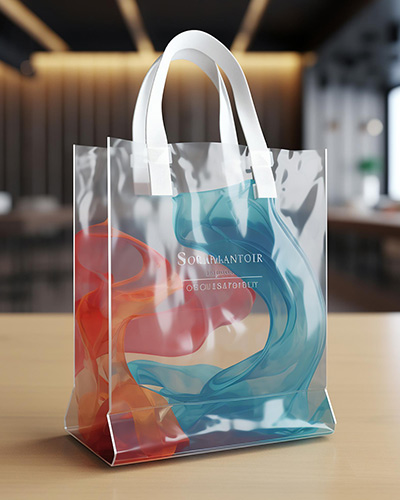
- Transparent Films: These films, often made from PET or PVC, serve as overlays or windows in packaging and promotional displays. They can be printed with vibrant colours, then laminated or used as cutouts to add depth or dimension. Their gloss or matte finish enhances visual effects and provides a professional, polished appearance.
- Metallic Surfaces: Metallic substrates or coatings impart a shimmering, reflective quality to printed designs. They are utilized in luxury packaging, certificates, or promotional items that aim to convey exclusivity and sophistication. Metallic inks or foils are also used on standard papers to achieve similar effects without the need for special substrates.
- Fabric and Canvas Materials: For applications that demand durability and texture, printed fabric or canvas substrates are ideal. These are often used in promotional banners, customised apparel, or artistic displays, providing a tactile dimension that complements vibrant, durable colour printing.
Factors Influencing Material Selection
Choosing the appropriate specialty material requires collaboration with experienced printing professionals who understand the nuances of substrate compatibility. They assess vital factors such as:
- Color spectrum capabilities of the material
- Surface texture and its impact on ink adhesion
- Compatibility with various inks and finishing processes
- Drying times and environmental resistance
- Intended use and durability requirements

By leveraging the right materials, businesses can produce printed items that not only meet visual standards but also fulfill functional and experiential expectations, thereby strengthening branding and customer engagement.
Material Selection and Finishes for Vibrant Colour Printing
Choosing the appropriate materials and finishes plays a crucial role in achieving high-quality colour printing results. The substrate or base material must align with the intended application, durability requirements, and desired visual effect to optimize colour vibrancy and overall impact.
Types of Materials Used in Colour Printing
Different materials lend unique qualities to printed pieces, influencing colour representation and tactile experience. Here are some common options:
- Paper and Cardstock: Ranging from standard coated and uncoated papers to premium art papers, these substrates are most common in brochures, flyers, and packaging. Coated papers, especially gloss or semi-gloss, enhance colour brightness and sharpness, creating vivid visual effects.
- Plastic and Synthetic Films: Polypropylene, polyester, and vinyl substrates offer excellent moisture resistance and durability. They are suitable for outdoor signage, banners, and reusable labels, where maintaining colour integrity over time is essential.
- Metallic and Foil Substrates: Metallic papers and foils impart a shimmering finish, ideal for luxury packaging, invitations, and certificates. Metallic inks or foils can also be applied on standard papers to mimic opulent effects without specialized substrates.
- Fabric and Canvas: Used primarily in promotional banners, wall coverings, or apparel, fabric substrates provide a textured surface that enhances the depth and richness of colours, adding a tactile dimension to visual appeal.
- Specialty Materials: Materials such as textured or embossed substrates can elevate printed designs by adding visual depth and tactile interest, making them suitable for high-end packaging, labels, or artistic projects.
Finishing Options to Enhance Colour Impact

Finishing touches can significantly influence the final appearance and longevity of colour prints. Options include:
- UV Coatings: Clear ultraviolet coatings add gloss and shine, intensifying colours while providing a barrier against scratches and environmental damage.
- Laminates: Gloss, matte, or satin laminates protect surfaces and influence the visual texture, with gloss laminates amplifying colour vibrancy.
- Embossing and Debossing: These processes create tactile impressions on the material surface, adding dimension and enhancing colour depth through shadowing effects.
- Spot UV and Varnishes: Applying localised UV coatings or varnishes emphasizes specific areas of the design, making colours pop and drawing attention to key details.
Environmental Considerations for Material Use
As sustainability gains prominence, selecting eco-friendly substrates and finishes not only supports corporate responsibility but also appeals to environmentally conscious consumers. Recyclable papers, biodegradable films, and low-impact inks are increasingly available options that maintain high colour fidelity without compromising ecological standards.

Ultimately, the choice of materials and finishes should align with the project's visual goals, functional requirements, and environmental policies. Collaborating with experienced printing professionals ensures optimal compatibility and results, combining technical expertise with a keen eye for colour excellence in every print run.
Understanding the Proper Methods for Colour Printing
Achieving consistent and vibrant colours in printed materials requires adherence to industry-approved procedures and equipment. Proper technique selection begins with understanding the differing methods utilized within professional colour printing services, ensuring the final output meets both aesthetic and functional requirements.
Use of Certified Printing Equipment and Consumables
Authentic, high-quality printers equipped with the latest colour management technology are essential. Such devices support a broad spectrum of colours and allow precise calibration. Additionally, employing certified inks and toners guarantees colour fidelity and stability over time, minimizing discrepancies and variations across print runs.
Color Calibration and Profiling
Implementing rigorous calibration protocols is critical. Colour profiles tailored to specific substrates and inks facilitate accurate colour reproduction. Professionals utilise tools like spectrophotometers to measure colour accuracy and adjust printers accordingly. This systematic approach ensures predictable results and facilitates colour consistency, especially important for branding, marketing materials, and other high-stakes applications.
Standard Operating Procedures (SOPs)
Well-defined SOPs for colour matching, proofing, and production workflows are fundamental. These include steps such as creating digital proofs, conducting colour checks before printing, and performing regular maintenance on printing hardware. Routine quality checks prevent colour deviations, allowing adjustments before large-format runs are completed.
Color Management Systems (CMS)
Implementing advanced CMS software integrates with printing hardware to maintain uniformity throughout the printing process. A CMS ensures that digital colour specifications are accurately translated onto physical media by managing colour profiles across different devices. This technology significantly enhances output precision, critical for complex multi-colour projects.
Quality Control and Final Inspection
Every printed batch should undergo thorough inspection to verify colour accuracy. Techniques like spot-checking against standard colour charts and comparing printed samples to digital proofs help detect inconsistencies. Any deviations can be corrected promptly, preserving the integrity of the final product.
Adherence to Industry Standards and Best Practices
Following established standards such as ISO 12647 ensures consistent quality across different jobs and providers. These guidelines outline colour specifications, printing processes, and quality assurance protocols, supporting the production of optimal colour prints that meet professional benchmarks.