Understanding Color Print Images
Color print images play a vital role in the realms of digital and print media, serving as a primary means of visual communication that captures attention and conveys messages effectively. These images utilize a combination of color inks or toners to reproduce a broad spectrum of hues, shades, and tones, enabling vibrant and compelling visuals that resonate with viewers. In professional printing settings, the quality and accuracy of color print images are paramount, reflecting the attention to detail and technical expertise embedded in the printing process.
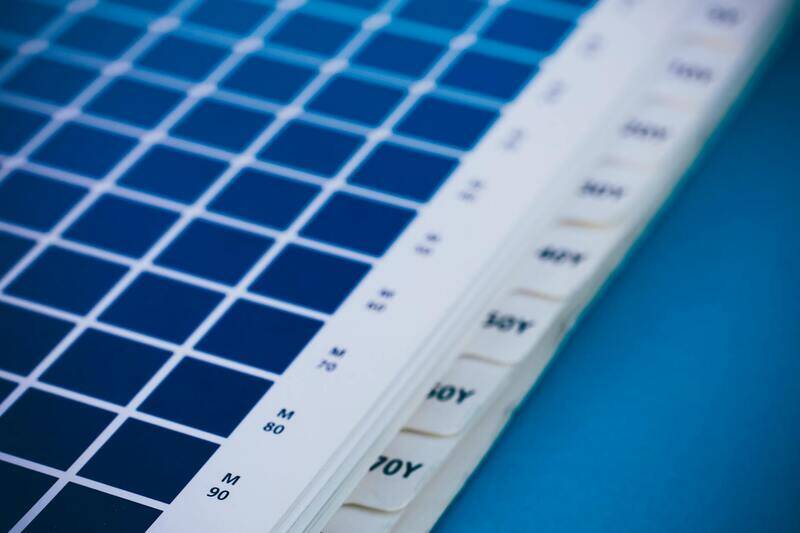
At the core of color print imaging are several essential elements: the color models used, the type of printing technology employed, and the media or substrates onto which the images are printed. Color models such as RGB (Red, Green, Blue) and CMYK (Cyan, Magenta, Yellow, Key/Black) form the foundation for color reproduction. RGB is primarily used for digital displays, while CMYK is the standard for physical printing. Understanding the distinctions and applications of these models is crucial for achieving accurate color renditions across different media.

The importance of color print images extends beyond aesthetics; they influence brand perception, advertising effectiveness, and overall communication clarity. As such, professionals invested in high-quality output must pay close attention to the intricacies of color theory, material selection, and printing techniques to ensure consistency and excellence in every print job.
In digital workflows, files need to be prepared with precision, utilizing color profiles and calibration to ensure the final output aligns with the intended visual design. The seamless translation from screen to print hinges on these technical considerations, underscoring the importance of a comprehensive understanding of color print images from initial conception through to finished product.
Types of Color Printing Techniques
When it comes to producing vibrant, precise color print images, selecting the appropriate printing technique is paramount. Each method offers distinct advantages tailored to specific project requirements, media types, and production quantities. A detailed understanding of these techniques enables professionals to optimize their color output for clarity, durability, and visual impact.
Inkjet Printing
Inkjet printing is renowned for its exceptional color accuracy and ability to produce detailed images with smooth gradations. It operates by propelling tiny droplets of liquid ink directly onto a variety of substrates, including photo paper, canvas, and specialty media. This method is ideal for short runs, personalized prints, and high-resolution images such as photographs or fine art reproductions. Advances in ink formulations and print head technology have enhanced inkjet color vibrancy, longevity, and compatibility with diverse media types.

Laser Printing
Laser printing is favored for its speed, efficiency, and sharp text and image reproduction. It utilizes a laser beam to create static charges on a drum, attracting toner particles to form the desired image, which is then transferred onto paper. While traditionally considered more suited for text documents, advances in color laser technology now enable high-quality color print images that are suitable for marketing materials, reports, and promotional items requiring quick turnaround and cost-effectiveness.
Offset Printing
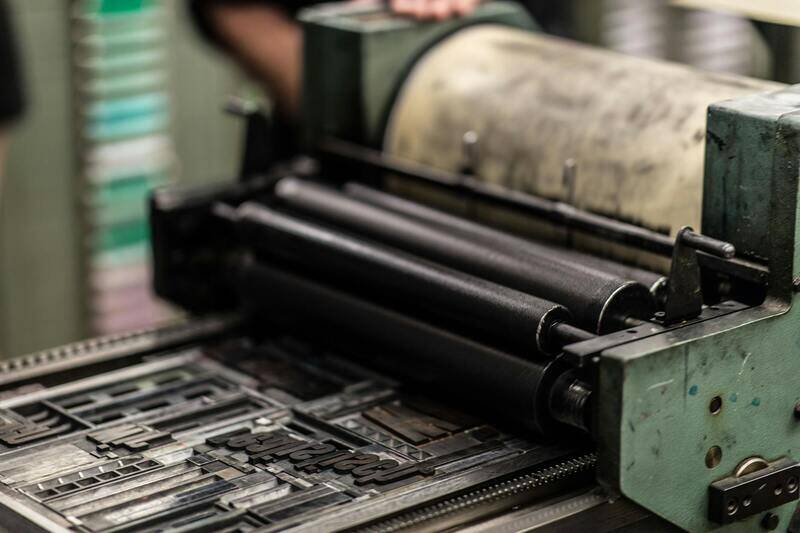
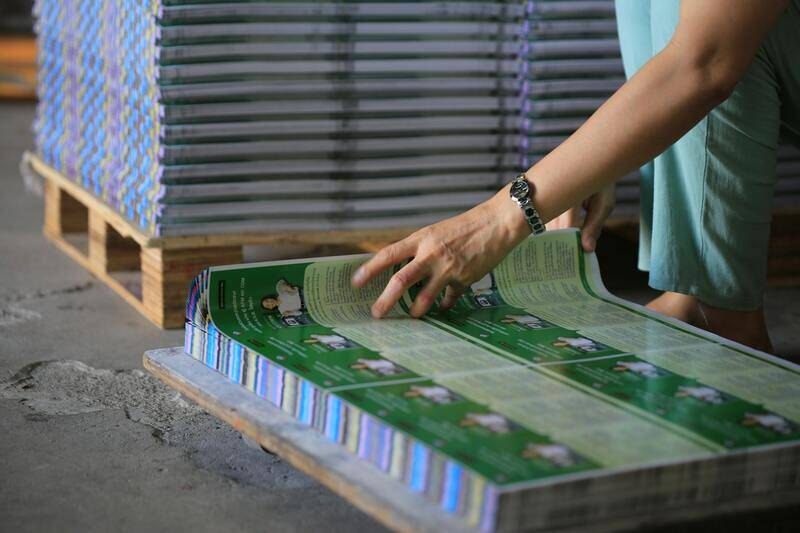
Offset printing remains the gold standard for large-volume production of high-quality color images. It employs metal plates bearing the image, which are transferred to rubber blankets before being printed onto the material. This process ensures consistent color quality and sharp detail across extensive runs, making it ideal for brochures, magazines, packaging, and other mass print jobs. Offset’s ability to handle a wide range of media and color fidelity makes it a preferred choice for commercial printing projects.

Digital Printing
Digital printing offers a flexible, efficient solution for short runs, on-demand printing, and personalized projects. It encompasses various technologies including inkjet and toner-based systems, capable of producing high-quality color images directly from digital files without the need for plates. This method facilitates rapid turnaround times, cost savings on smaller quantities, and effortless customization, making it well-suited for promotional materials, event signage, and limited edition prints.
Understanding the Impact of Printing Techniques on Color Quality
The choice of printing technique directly influences the color vibrancy, detail sharpness, and overall visual appeal of the final print. Inkjet printers excel in reproducing subtle color transitions and photographic imagery, whereas offset presses provide consistency and high-volume output for comprehensive branding campaigns. Selecting the ideal method depends on project scope, budget, and desired quality, underscoring the importance of aligning technical capabilities with creative goals.
Color Management and Calibration
Maintaining precise color reproduction in print images is critical for achieving consistent and vibrant results. This is accomplished through meticulous color management and calibration processes. Central to this process is the use of color profiles, which serve as digital standards that translate color data accurately between devices. By applying device-specific profiles, such as those for monitors, printers, and paper types, operators can ensure that the intended colors are preserved throughout the workflow.
Calibration of equipment is equally important. Regular calibration of monitors ensures that what designers see on their screens correlates accurately with printed output. Likewise, printers must be calibrated periodically to balance ink application, color density, and uniformity across different media. This process involves running test prints, analyzing color deviations, and adjusting printer settings to correct disparities. Employing standardized color spaces such as sRGB and Adobe RGB provides a common language for digital and print workflows, facilitating better predictability and fidelity in color reproduction.
Implementing a comprehensive color management system reduces the risk of color shifts, enhances matching accuracy across multiple devices, and guarantees that the end result aligns closely with the original design intent. This systematic approach is especially vital in commercial printing environments where color precision directly impacts brand consistency and visual communication effectiveness.
Choosing the Right Materials for Color Printing
The selection of printing substrates significantly influences the quality and vibrancy of color images. Different materials respond uniquely to inks and toners, affecting color density, sharpness, and overall appearance. When aiming for high-impact, vivid color prints, selecting premium-grade papers or specialty media designed for color printing is essential.
- Glossy paper: Enhances color saturation and contrast, ideal for photographs and promotional materials where vibrancy is paramount.
- Matte paper: Offers a subdued finish with minimal reflections, suitable for elegant presentations and fine art reproductions.
- Synthetic media: Durable and resistant to environmental factors, perfect for outdoor signage and utilitarian applications requiring longevity.
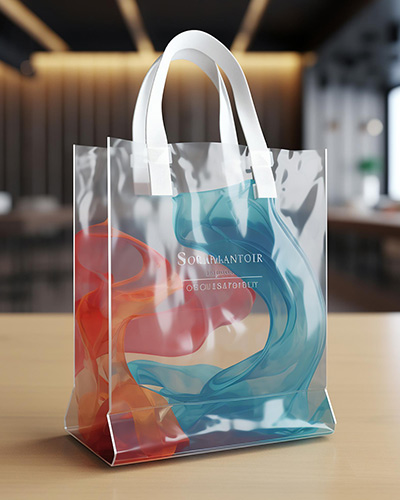
- Specialty media: Includes textured, transparent, or metallic surfaces to achieve unique visual effects that elevate the overall impact of color prints.

In addition to paper quality, adherence to suitable coating and finishing options—such as gloss or matte lamination—can further enhance color depth and visual appeal. Considering the compatibility of the chosen material with the intended printing technique and desired end-use ensures optimal results and durability of the color print image.
Understanding Color Print Images
Creating high-quality color print images involves a meticulous process that ensures the final output accurately represents the intended design, vibrancy, and detail. Achieving consistent, vivid color images requires an understanding of the essential components involved in digital-to-physical reproduction. From selecting appropriate printing techniques to managing color profiles, every step plays a crucial role in delivering excellent results.
Key Factors Influencing Color Print Image Quality
- Color Fidelity: Maintaining color accuracy requires precise calibration of printers and proper management of color profiles. This ensures that the colors viewed on the display translate faithfully onto the printed media.
- Color Saturation and Brightness: The depth and intensity of colors depend on the quality of inks or toners, as well as the substrate used. High-quality inks combined with suitable media can produce vibrant, eye-catching images.
- Resolution and Detail: The resolution of the image file and printer capabilities directly impact the sharpness and clarity of the print. Higher resolution files ensure finer details are preserved without pixelation.
- Print Workflow Integration: Incorporating a streamlined workflow that includes proper file preparation, color management, and printer calibration minimizes errors and optimizes color output.
Choosing the Appropriate Color Printing Technique
Several color printing techniques are designed to meet varying production needs, each offering distinct advantages in terms of quality, speed, and cost. Selecting the right method depends on the specific project requirements, desired finish, and target audience.
Common Techniques for Color Printing
- Offset Printing: Ideal for high-volume projects, offset printing produces vibrant, consistent colors with excellent detail. It utilizes plates to transfer ink onto substrates, enabling precise color reproduction across large runs.
- Digital Printing: Suitable for short runs and quick turnaround times, digital printing offers flexibility and direct process control. Modern digital presses provide high-resolution color output with minimal setup.
- Sleeve and Flexographic Printing: Often used for packaging and labels, these methods support vibrant color applications and are capable of printing on various substrates.
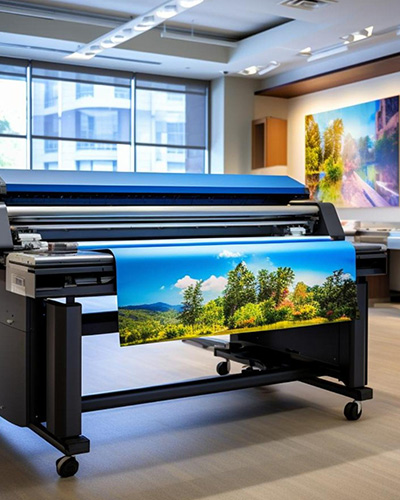
- Wide-Format Inkjet Printing: Perfect for banners, posters, and large-format displays, this technique delivers high-quality, detailed color images over expansive surfaces.
Ensuring Consistent Color Results
Maintaining consistency across multiple prints involves rigorous color management practices, including the use of calibrated displays, color profiles, and proofing techniques. Regular calibration of printing equipment ensures that colors remain predictable and adhere to client specifications or brand standards.
Understanding Color Print Images
Creating compelling and accurate color print images requires an understanding of how colors are reproduced in the printing process. Color images rely on precise color data and the ability of the printing technology to interpret and render that data faithfully. The goal is to achieve a print that closely matches the original digital image in vibrancy, detail, and color accuracy, ensuring that the final product effectively communicates the intended message or aesthetic.
Color print images encompass a broad spectrum of applications, from marketing brochures and art reproductions to packaging and personalized items. The complexity in reproducing colors accurately stems from the differences between digital screen displays, which utilize RGB (Red, Green, Blue) color models, and printing processes that often rely on CMYK (Cyan, Magenta, Yellow, Key) color models. Bridging this gap involves meticulous color management strategies to ensure consistency across various print jobs and media types.
Effective color management includes calibrating monitors for accurate color display, using standardized color profiles during design, and applying proofing techniques to preview how the image will appear once printed. These steps are crucial in minimizing deviations and achieving a print that aligns with the creator’s vision.
Challenges in Printing Color Images
- Color Variability: Variations in inks, substrates, and environmental conditions can affect color outcome.
- Color Gamut Limitations: Some colors seen on digital screens cannot be precisely replicated in print, necessitating adjustments in the color palette.
- Resolution and Detail: Higher resolutions are vital to maintain fine details and prevent pixelation in print images.
- Lighting Conditions: The environment in which the print is viewed can influence perception of colors, making it essential to consider lighting during both production and presentation phases.
Essential Elements for Achieving Accurate Color Prints
- Color Profiling: Use of ICC color profiles to standardize colors throughout the workflow ensures that digital files, monitors, and printers are synchronized.
- Color Calibration: Regular calibration of monitors and printers prevents drifts in color accuracy, maintaining consistency for repeat jobs.
- Proofing: Creating soft and hard proofs that simulate the final output helps identify any discrepancies before large-scale printing begins.
- Consistent Substrate Selection: Choosing high-quality papers or materials suited for full-color images ensures better adherence of inks and color fidelity.
Color print images demand meticulous attention to detail in both the creation and printing stages. Proper management of color data and careful selection of materials are vital to produce vibrant, precise, and visually appealing prints that meet the required standards and expectations.
Preparing Files for Color Printing
Ensuring that digital files are correctly prepared before sending them to the printer is critical for achieving accurate and vibrant color print images. The process involves several key steps to optimize file compatibility and color fidelity.
- Choose the Appropriate File Format: Use high-quality formats such as TIFF or PDF that support embedded color profiles and preserve image details. Avoid compressed formats like JPEG for final prints, as compression artifacts can diminish color accuracy and detail.
- Embed Color Profiles: Incorporate ICC color profiles into your files. ICC profiles act as standard references for color interpretation, enabling consistent reproduction across devices and media. Confirm that the profile corresponds to your intended output device and substrate.
- Set Correct Resolution: High-resolution images—typically 300 dpi at the final print size—are essential to prevent pixelation and ensure clarity. Resize images accordingly, maintaining aspect ratio to avoid distortions.
- Optimize for Color Accuracy: Adjust color settings, and consider soft proofing within editing software to simulate how colors will appear when printed. This allows corrections before the printing process begins.
- Separate Color Channels if Needed: For advanced printing techniques, splitting images into separate color channels (CMYK or spot colors) may be required to control how each ink interacts during the print process.
- Maintain Consistent File Naming and Version Control: Clear naming conventions help prevent errors and ensure the correct files are used during production.
Proper preparation and verification of files significantly contribute to the overall quality of the printed image, reducing the need for reprints and ensuring that the final product aligns with client expectations.
Understanding Color Print Images
Color print images are a vital component of visual communication, capturing the vibrancy and detail necessary for impactful displays, marketing materials, and artistic projects. Achieving the desired color fidelity requires a comprehensive understanding of the printing process, including the science behind color reproduction and the meticulous steps needed to preserve color integrity from digital file to physical product. A vivid, precise color print can greatly enhance the viewer’s experience, making it indispensable for professionals and enthusiasts who demand high-quality results.
Types of Color Printing Techniques
Various printing methods are available for producing color print images, each suited to different project requirements, budget considerations, and media types. Below are some of the most common techniques:
- Offset Printing: Widely used for large-volume commercial prints, offset printing delivers high-quality, consistent color reproduction. It involves transferring ink from plates to rubber blankets before printing onto the substrate, allowing for precise color control and vibrant output.
- Digital Printing: Perfect for short runs or personalized prints, digital printing directly applies ink or toner to the substrate. It offers quick turnaround times and excellent color accuracy, especially when calibrated correctly.
- UV Printing: This technique uses ultraviolet light to cure inks instantly on various materials, ideal for printing on non-porous surfaces such as glass, plastic, and metal. It provides durable, vibrant color images with a glossy finish.
- Giclée Printing: A fine-art printing method utilizing high-quality inkjet technology with pigment-based inks, producing highly detailed and color-accurate images suitable for galleries and limited editions.
- Screen Printing: Often used for textiles, signage, and promotional items, screen printing involves pressing ink through a mesh stencil onto the surface. It excels with bold, vibrant colors on varied media.

Color Management and Calibration
Ensuring consistent and accurate color output begins with effective color management. This process involves the use of ICC (International Color Consortium) profiles, which serve as standardized references for how colors are interpreted across devices such as monitors, printers, and displays. Proper calibration of hardware components, including monitors and printers, guarantees that the colors seen on-screen closely match the printed result. Regular calibration routines are essential to maintain this consistency, especially when working with high-fidelity images or color-sensitive projects.
Implementing soft proofing allows designers and print operators to simulate how colors will appear after printing, giving an early opportunity to make adjustments. This step minimizes discrepancies, reducing costly reprints and ensuring the final image faithfully matches client expectations.
Choosing the Right Materials for Color Printing
The selection of materials significantly impacts the vibrancy and longevity of color print images. High-quality papers, canvas, or specialty substrates should be chosen based on the intended use and desired aesthetic. Acid-free, archival-grade papers help preserve color vibrancy over time, preventing degradation or discoloration. Conversely, glossy or semi-glossy finishes can enhance colour depth and contrasts, ideal for photographic prints and marketing visuals. For outdoor signage or functional items, weather-resistant materials ensure durability without compromising color quality.
Design Considerations for Color Print Images
Effective design practices are fundamental to achieving optimal color print results. Designers should prioritize high-resolution images (minimum 300 dpi) at the actual print size to prevent pixelation and loss of detail. Incorporation of ICC profiles within the design files ensures that colors are interpreted correctly across various devices and workflows.
Color harmony, contrast, and saturation levels should be carefully balanced to match the output medium and purpose. For instance, vibrant, saturated colors work well for advertising and eye-catching displays, while more subdued tones may be preferred for fine art prints. When designing, always consider the substrate’s reflective qualities and how they influence light absorption and color perception.
Preparing Files for Color Printing
Accurate preparation of digital files is crucial for achieving high-quality printed images. Using the appropriate file formats, such as TIFF or high-quality JPEG, ensures that image compression does not degrade color information. Embedding ICC profiles within your files guarantees consistent color interpretation throughout the printing process.
It is essential to set the correct resolution, typically 300 dpi at the final print dimensions, to ensure clarity and detail. Soft proofing within image editing software allows for real-time visualization of how colors will appear once printed, enabling adjustments before the actual production. When working with advanced color printing techniques, such as splitting images into CMYK or spot colors, proper channel separation ensures precise ink layering and color fidelity. Maintaining clear file naming conventions and version control helps streamline workflow, reduce errors, and ensure that the final print matches the original vision.
Ensuring Accurate Color Representation and Finish in Print Images
Achieving vibrant, consistent, and true-to-original color print images requires meticulous attention to detail throughout the entire printing process. From selecting the right printing method to applying suitable finishing techniques, each step plays a critical role in the final output. The precision of color fidelity hinges on the adherence to best practices, which involve managing ink application, paper quality, and post-print treatments.
Implementing Proper Color Finishing Techniques
Once a color print image has been produced, finishing touches can significantly enhance its appearance and durability. These techniques include laminating, coating, and mounting, each serving specific purposes such as protection, gloss enhancement, or facilitating framing. Proper finishing not only preserves the integrity of the vibrant hues but also elevates the overall visual appeal. For example, applying a gloss or matte laminate can influence light reflection, thereby altering the perceived color richness and contrast.
When selecting finishing options, consider the intended display environment and the longevity requirements. Gloss finishes may intensify colors and provide a striking visual impact, ideal for display purposes, whereas matte finishes reduce glare and are suitable for texts or art pieces requiring subtlety. Additionally, protective coatings can shield printed images from scratches, moisture, and UV exposure, ensuring that the colors remain stable over time.
Using the Right Post-Printing Processes
Post-printing processes play a vital role in optimizing the appearance of color print images. UV coating, for example, can enhance brightness and provide a durable surface, ideal for high-traffic advertising displays. Giclée printing with fade-resistant inks ensures the longevity of artistic reproductions, maintaining vibrant colors even after prolonged exposure to light.

For large-format color prints, mounting on rigid backing materials can prevent warping and distortions that affect color perception. This is especially crucial for posters, banners, and fine art prints that are intended for long-term display. Proper alignment during mounting ensures that the colors appear sharp and true to the original design.
Regular Maintenance and Quality Checks
Continuous quality control is essential in maintaining consistent high standards for color print images. Frequent calibration of printers, inspection of inks and substrates, and adherence to standardized procedures contribute to reliable color reproduction. Establishing a routine review process, such as visual inspections under standardized lighting conditions, helps identify discrepancies early and allows prompt adjustments.
Working with professional printing service providers that adhere to quality management protocols ensures that each color print image meets the desired specifications. This ongoing diligence sustains color accuracy, avoids costly reprints, and guarantees customer satisfaction.