Understanding the Cost of Color Printouts
When considering the expenses associated with printing in vibrant, full-color formats, it is essential to understand what constitutes the overall color printout cost. This expense encompasses several key components that collectively determine the price a consumer or organization pays per print. Recognizing these elements enables better budgeting, cost management, and choice of printing services, ensuring optimal quality within budget constraints.

Definition of Color Printout Cost
The color printout cost refers to the total expense incurred in producing a printed document or image in full color. This includes the charges for ink or toner, paper, machine usage, and sometimes additional services such as finishing or binding. For businesses and individuals alike, pinpointing these costs allows for more accurate pricing, budgeting, and resource allocation.
It is important to note that the color printout cost is not solely determined by the number of pages printed but also by the complexity of the images, the type of paper used, and the printing technology employed. Consequently, a comprehensive understanding of all influencing factors is necessary to obtain an accurate estimate and to manage expenses effectively.
Factors Affecting Color Printout Cost
Various factors influence the total cost per color printout, and acknowledging these enables consumers to make informed decisions:
- Type of Printer Technology: Different printing methods such as inkjet, laser, or solid ink have distinct cost implications, with laser printing generally being more cost-effective for high-volume tasks.
- Quality and Resolution: Higher resolutions produce sharper images but require more ink or toner, thereby increasing costs.
- Color Complexity and Coverage: Designs with dense color coverage or multiple hues consume more ink, raising the overall cost per page.
- Paper Quality and Size: Premium and larger-sized paper materials contribute to higher expenses in addition to supplies.
- Print Volume: Larger print volumes can take advantage of volume discounts and economies of scale, reducing per-page costs.
- Maintenance and Energy Consumption: Frequent use of high-end machines and upkeep can influence ongoing operational costs, indirectly affecting printout prices.
Pricing Models in Printing Services
Printing service providers typically employ diverse pricing structures to determine the cost of color prints. These models are designed to cater to different client needs, whether for occasional printing or large-scale production:
- Per-Page Pricing: A fixed rate is charged for each page printed, often with different prices for black-and-white versus color pages.
- Bulk or Volume-Based Pricing: Discounts are available for large quantities, encouraging high-volume printing projects.
- Subscription or Contract-Based Pricing: Regular users may opt for a subscription plan that offers a predetermined number of prints at a reduced rate.
- Custom Quotes for Large Projects: For extensive printing needs, customized quotations are provided to better align with specific requirements.
Impact of Print Quality and Resolution
Print quality remains a significant driver of cost in color printing. Higher resolutions, typically measured in dots per inch (DPI), produce sharper and more detailed images. However, increasing the DPI not only enhances visual fidelity but also results in greater ink or toner consumption, thereby elevating the per-print cost. Choosing the appropriate resolution for the intended application balances quality needs with budget constraints.
Cost Comparison Between Different Printing Technologies
Different printing technologies have distinct cost profiles:
- Inkjet Printers: Suitable for small volumes and high-quality images, but ink costs can be substantial for frequent or large prints.
- Laser Printers: Generally more economical for high-volume printing, with faster processing speeds and lower per-page costs.
- Solid Ink and Dye Sublimation: Used for specialty applications, often involving higher initial investments and providing superior color vibrancy at a cost premium.
Ways to Reduce Color Printout Costs
Efficient budgeting and strategic choices can help minimize the expenses associated with color printing:
- Opt for high-yield ink or toner cartridges to decrease replacement frequency.
- Implement duplex printing to halve paper usage.
- Adjust print resolution to the lowest acceptable quality for the task.
- Use cost-effective paper materials that still meet quality standards.
- Regularly calibrate printers to ensure ink and toner are used efficiently and uniformly.
Estimating and Budgeting for Color Printing
Accurate cost estimation involves analyzing the expected volume of prints, the complexity of designs, and the specific printing technologies employed. Maintaining a detailed record of costs per job can enhance forecasting accuracy, facilitate budgeting, and help identify opportunities for cost saving over time.
Industry Trends and Price Fluctuations
The cost of color printouts is subject to fluctuations driven by technological advancements, material costs, and market demand. Innovations such as more efficient ink formulations or digital printing techniques can influence prices. Additionally, economic factors affecting raw materials like ink and paper contribute to the overall pricing landscape, making it essential to stay informed about industry trends that may impact printing expenses.
Factors Affecting Color Printout Cost
Understanding the elements that influence the overall expense of color printing is essential for optimal budgeting and cost management. The primary factors include ink and toner consumption, paper quality and size, as well as the complexity of the design being printed. Each of these components plays a significant role in determining the final cost, and strategic decisions regarding these factors can lead to substantial savings.

Ink and Toner Usage
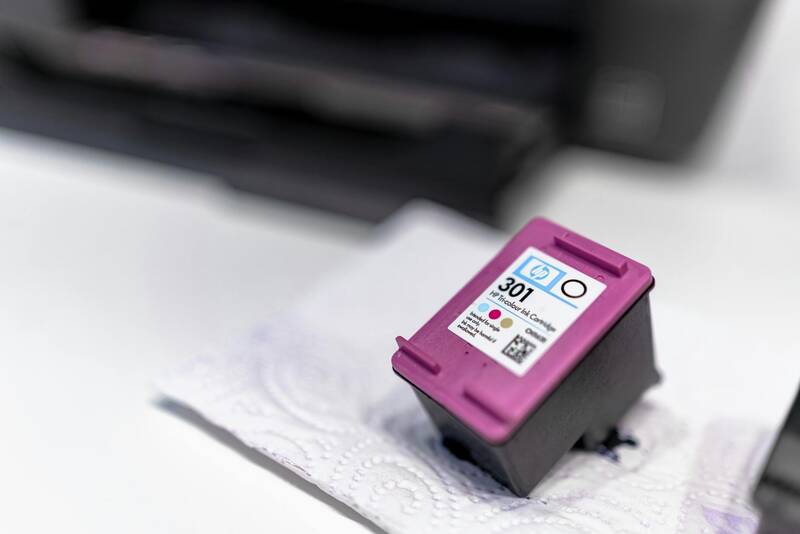
Ink and toner are often the most substantial contributors to printing costs, especially for high-quality color prints. The type of ink or toner used, the coverage area, and the print intensity directly impact expenses. High-yield cartridges designed specifically for volume printing can significantly reduce per-page costs by providing a larger output before needing replacement.
Paper Quality and Size
Paper selection influences both cost and output quality. Premium, heavier-weight papers offer enhanced color vibrancy and durability but come at a higher unit price. Likewise, larger formats such as A3 or custom sizes naturally incur increased material costs compared to standard letter or A4 sizes. Choosing appropriate paper that balances quality with expense is crucial for cost efficiency.
Print Size and Design Complexity
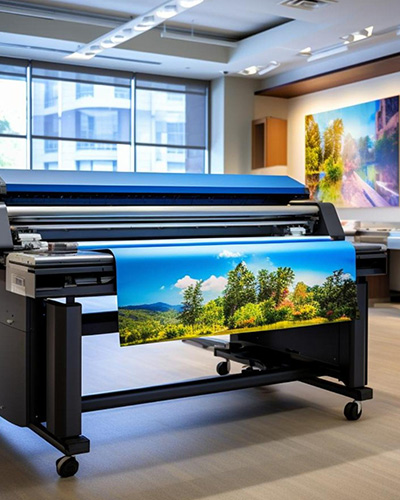
Large-format prints or images with intricate designs require more ink and longer printing times, driving up costs. Simplifying design elements, opting for lower-resolution outputs where appropriate, and limiting extensive color overlays can help contain costs without compromising essential quality standards.
Additional Cost Factors
- Maintenance and calibration of printers to ensure consistent ink usage and prevent waste
- Use of specialized inks for specific materials or effects
- Frequency of printing jobs and their time-sensitive nature
- Environmental factors, such as humidity and temperature, impacting ink adhesion and paper handling
By carefully managing and considering these elements, organizations can formulate strategies to optimize printouts while controlling costs. Regular assessment of printing habits and equipment can reveal opportunities for improvement, such as switching to higher-yield supplies or modifying print sizes and design approaches for better expense management.
Pricing Models in Printing Services
Printing service providers adopt various pricing structures to cater to diverse customer needs and print job specifications. Understanding these models can help clients make informed decisions and select options that align with their budget while maintaining desired quality standards.
Per Page Pricing
This is the most common approach, where costs are calculated based on the number of pages printed. Rates may vary depending on the type of print—black and white versus color—as well as page size. Typically, businesses offering this model provide tiered pricing, with lower rates for high-volume orders, encouraging bulk printing which results in substantial cost savings per unit.
Per Minute or Per Hour Rates
Some printing facilities, especially those providing large-format or high-capacity services, levy fees based on the time taken to complete a job. This model is more prevalent in commercial settings where extensive or complex projects are frequent. It helps offset operational costs tied to equipment usage and labor, offering flexibility for custom or specialized printing requests.
Bulk and Subscription Pricing
For organizations or individuals with consistent printing demands, bulk or subscription packages present a cost-effective solution. These typically include a predetermined number of pages or a fixed monthly fee, enabling predictable expenses. Clients benefit from discounted rates compared to standard per-page charges, particularly when handling high-volume or ongoing projects.
Additional Factors Influencing Pricing
- Material Costs: Premium paper and specialized inks increase the overall cost. Custom finishes or protective coatings also contribute to higher prices.
- Print Complexity: Multi-layered designs, color gradients, and detailed images require more ink and meticulous calibration, impacting overall charges.
- Turnaround Time: Urgent requests often incur premium fees due to expedited production needs and priority handling.
- Equipment and Technology Used: Advanced printing machinery with higher throughput and precision capabilities typically command higher service fees, especially for color-dense jobs.

By understanding these different pricing models and the factors that influence costs, clients can better tailor their print requirements to fit their budget while ensuring that the output meets their expectations for quality and consistency.
Impact of Print Quality and Resolution
When evaluating the cost of color printouts, the quality and resolution settings play a significant role. Higher resolution printing, such as 600 dpi (dots per inch) or above, delivers sharper, more detailed images, but also requires more ink and longer processing times. This increased ink usage and extended machine operation naturally lead to higher costs per page.
Color accuracy and fidelity are equally impactful. Precise color matching, especially in professional printing jobs like marketing materials or artwork reproductions, may necessitate using premium inks and calibration tools. Such meticulous attention to detail ensures that the colors are true to the original, but it adds to the overall expense. Higher-quality image rendering demands sophisticated print heads and color management systems, further influencing pricing.
It's essential for clients to consider the intended purpose of their printouts. For internal drafts or informal documents, standard quality settings suffice and keep costs lower. Conversely, for client presentations, advertising, or fine art reproduction, investing in higher resolution and color precision ensures the output meets professional standards, justifying the additional expenditure.
Comparison of inkjet, laser, and digital printing methods and their associated costs for color printing
When evaluating the cost of color printouts, understanding the different printing technologies available can provide valuable insight into pricing considerations. Inkjet, laser, and digital printing each come with distinct cost structures, advantages, and limitations that influence the overall expenditure for color printing tasks.
Inkjet Printing
Inkjet printers are renowned for their ability to produce high-quality color images with smooth gradations and vibrant hues. They are often preferred for photo printing, fine art reproductions, and detailed graphics. The primary cost factors involve ink consumption and maintenance. Ink cartridges, especially for color, tend to be more expensive per page due to the need for multiple ink colors (cyan, magenta, yellow, and black). Additionally, frequent cartridge replacements and print head cleaning cycles increase operational costs. Inkjet printers generally have slower printing speeds, making them less ideal for high-volume printing requirements, which can further elevate per-page costs when scaled to larger jobs.

Laser Printing
Laser printers utilize a dry toner powder and a laser beam to produce sharp, professional-quality color prints. They are typically more cost-effective in high-volume settings due to their faster speed and lower per-page costs. Toner cartridges, while initially more expensive, last longer and do not dry out like ink cartridges. The initial investment in laser hardware may be higher, but over time, the reduced consumable costs make laser printing more economical for bulk color print jobs. Laser printers are also known for their cleaner operation and less maintenance, which helps maintain consistent print quality over extensive usage.

Digital Printing
Digital printing encompasses various methods, including high-end color laser printers and specialized output devices used in commercial print shops. It offers the flexibility of on-demand printing with minimal setup time, making it suitable for short runs and personalized projects. Costs are influenced by the complexity of the print job, the type of ink or toner used, and the print volume. While digital prints can match the quality of traditional offset printing in short runs, they often involve higher unit costs than offset methods when producing large quantities. Digital printing also supports variable data printing, enabling customization at a relatively low additional cost.

Understanding the cost implications of each technology helps clients select the most economical option based on their specific project requirements. For small batches with high detail, inkjet might be optimal despite higher per-page costs. In contrast, laser printing serves large volumes more efficiently, reducing costs substantially. Digital printing offers versatility and quick turnaround times at a premium for short runs or customized work, which can be justified by the need for personalized outputs or rapid production.
Understanding the Cost Components of Color Printouts
Calculating the expense of color printouts involves analyzing several key components that contribute to the overall cost structure. Primarily, these include the consumables such as inks or toners, the paper media, and the electricity consumption associated with the printing process. The cost of inks or toners varies depending on the technology used; for example, inkjet printers tend to have higher per-page ink costs, especially for rich color outputs, whereas laser printers often operate with more economical toner cartridges suited for high-volume printing.
Paper quality also plays a significant role in cost calculation. Higher-grade, thick, or specialty papers will naturally incur higher expenses compared to standard office paper, but they can also enhance the vibrancy and longevity of the colors printed, which may justify the additional cost for professional presentations and marketing materials.

Impact of Material Selection on Cost
Choosing the appropriate materials directly influences the total expense. From premium photo papers to textured cardstock, each option necessitates a different investment level. It's crucial to match paper type with the purpose of the printout, balancing quality requirements and budget constraints.
Operational Factors that Influence Cost
- Print Volume: Higher volumes typically lower the per-page costs due to economies of scale.
- Color Intensity and Coverage: Prints with extensive color coverage or high saturation use more ink/toner, raising the cost.
- Print Speed: Faster printing might entail higher equipment costs but can save operational time, affecting overall expenses.
- Maintenance and Waste Management: Well-maintained printers produce fewer print defects, reducing waste and costs over time.
Balancing Quality and Cost for Effective Printing
Achieving the desired color vibrancy without exceeding budget involves considering resolution settings, color management profiles, and paper selection. Utilizing print preview and draft modes for internal reviews can help minimize unnecessary reprints, ultimately saving costs.
Monitoring and Controlling Your Printing Budget
Employing diligent tracking of printing activities and analyzing usage patterns can identify areas where savings are possible. Setting monthly or project-specific budgets allows organizations to maintain control over printing expenditures while maintaining output quality.

Understanding the Breakdown of Color Printout Costs
Comprehensive Components of Pricing
Determining the cost of a color printout involves analyzing various components that contribute to the final expense. These include direct material costs such as ink or toner consumption, paper quality and size, and the operational costs associated with the printing device used. Typically, the more complex or higher quality the output, the more resources it consumes, thereby increasing the overall cost. Maintenance and service fees associated with the printers also factor into the long-term costs, especially with frequent or high-volume printing tasks. Additionally, factors such as the energy consumption of printing equipment and the depreciation of hardware equipment indirectly influence the cost structure, making it essential for organizations to consider both direct and indirect expenses when assessing printout costs.

Key Factors Influencing Color Printout Expenses
- Paper Type and Size: Premium materials like photo papers, textured cardstocks, or specialty medias significantly impact costs. Larger formats, such as A3 or tabloid, naturally incur higher usage charges than standard letter or A4 sizes.
- Ink and Toner Usage: The extent of color coverage, saturation levels, and the number of pages directly affect ink and toner consumption. Heavy color coverage or high-resolution images tend to elevate costs.
- Print Volume and Frequency: Higher volumes usually attract lower per-page rates due to bulk printing efficiencies, whereas sporadic printing can inflate individual page costs.
- Print Speed and Technology: Faster printers or those utilizing advanced technologies such as high-capacity ink cartridges or multipurpose multifunction devices may have different cost implications compared to standard models.
- Operational and Maintenance Expenses: Regular upkeep, machine servicing, and occasional part replacements contribute to the overall cost, especially for large-scale or continuous printing needs.
- Cost of Waste and Errors: Inefficient printing, misprints, or hardware malfunctions lead to increased costs due to wasted materials and time.
Pricing Structures Adopted by Printing Service Providers
Printing companies employ various pricing models tailored to meet client needs and service offerings. The most common models include:
- Per-Page Pricing: Charging a fixed rate per printed page, which often varies based on color usage, page size, and print quality. This model is transparent and easy to estimate for ongoing projects.
- Tiered Pricing: Offering different rates based on volume brackets—for example, lower rates for bulk printing—encouraging larger orders and providing cost savings for high-volume clients.
- Package or Bundle Pricing: Providing pre-negotiated rates for bundled services, especially useful for businesses with regular printing needs, simplifying budgeting and cost control.
- Subscription or Contract-Based Models: Engaging in contractual agreements that include predetermined quotas, often at discounted rates, which are suitable for organizations with steady, high-volume requirements.

Role of Print Quality and Resolution in Cost Calculations
Print quality and resolution are crucial factors impacting cost due to their influence on ink or toner consumption and processing time. Higher resolutions, such as 1200 dpi or greater, produce sharper images but require more ink to achieve detailed vibrancy. This results in increased material usage, thereby raising the cost per print. Additionally, high-quality settings involve longer print times and potentially more frequent maintenance or troubleshooting, which can add to overall expenses. Conversely, selecting optimized resolution settings for preliminary drafts or internal reviews can manage costs effectively while still ensuring acceptable clarity. It is essential to balance the desired output quality with budget constraints to optimize printing efficiency and affordability.

Cost Comparison Across Different Printing Technologies
The choice of printing technology significantly influences cost efficiency:
- Laser Printers: Known for speed and high-volume capacity, laser printers tend to have higher upfront costs but lower per-page expenses, especially for monochrome printing. Color laser printers offer a good balance between quality and cost for frequent color printing needs.
- Inkjet Printers: Typically more affordable initially and capable of producing high-quality color images, ideal for photo printing and images requiring nuanced color gradations. However, ink costs can be higher over time, especially with frequent, high-resolution prints.
- Solid Ink and Dye Sublimation Printers: Used primarily for specialized printing purposes like banners or photographs, these technologies often involve higher material costs but provide superior color vibrancy and durability.
When evaluating cost, it is vital to consider not just the upfront investment but also the ongoing expenses associated with each technology type to identify the most economical choice for specific printing demands.
Understanding How to Estimate and Manage Color Printout Costs
Accurately estimating and budgeting for color printing involves a comprehensive understanding of the various factors that influence overall expenses. This ensures that businesses and individuals can plan their print projects effectively, avoiding unexpected costs and optimizing their printing processes.
Assessing Your Printing Volume and Frequency
The volume and frequency of printing directly impact the cost. High-volume printing benefits from economies of scale, often resulting in lower per-page costs when dealing with bulk jobs. Conversely, occasional or small-scale printing may incur higher per-page costs due to setup and material fees. To optimize budgeting, it's important to analyze your typical printing needs and adjust your strategy accordingly.
Choosing the Right Printing Technology
Deciding between laser, inkjet, or specialized printing technologies influences both the initial investment and ongoing expenses. Laser printers tend to have higher upfront costs but lower per-page expenses for large volumes, suitable for frequent, high-volume color printing. Inkjet printers are more budget-friendly for occasional use, especially for high-quality photo printing. Recognizing the specific advantages and costs associated with each technology enables more accurate budget planning.
Estimating Cost per Page
Calculating the approximate cost per page involves considering the cost of consumables such as ink or toner, paper, and maintenance. For instance, high-resolution color prints consume more ink or toner, increasing per-page expenses. Maintaining detailed records of actual costs over time assists in refining estimates and adjusting budgets effectively.
Implementing Cost-Saving Strategies
- Utilize draft or economy modes for internal documents or proofs to reduce ink and toner usage.
- Opt for bulk purchasing of consumables to take advantage of discounts and reduce unit costs.
- Schedule regular maintenance to prevent inefficient printing caused by clogged nozzles or ink wastage.
- Leverage print management software to monitor and control usage across multiple devices.
Financial Planning and Buffering
Building a buffer into your budget accommodates fluctuations in print demand and material prices. Staying informed about market trends allows for proactive adjustments, ensuring continuous availability of necessary supplies without overspending.