
Overview of the Printing Industry in Singapore
The printing industry in Singapore serves as a vital component of the nation’s broader visual communication and marketing sectors. Recognized for its advanced technological integration and high standards, Singapore’s printing scene accommodates a wide array of services ranging from commercial printing to specialized niche markets. The sector contributes significantly to the country’s economy, with an estimated market size that underscores its robustness and resilience amidst global economic fluctuations.
Key players in the industry encompass established printing companies equipped with state-of-the-art machinery, as well as numerous smaller entities offering bespoke solutions. These organizations compete on quality, turnaround times, and diverse service offerings, fostering a dynamic competitive landscape. Industry trends indicate a steady shift toward digital printing techniques, eco-friendly materials, and integrated supply chain solutions. This evolution aligns with Singapore’s broader strategic aims of innovation and sustainability.

Market insights reveal that the printing industry not only supports local businesses but also functions as a conduit for international trade, with many printing firms operating as part of global networks. The sector’s growth is driven by increased demand for marketing collateral, packaging products, and personalized printing services, signaling a positive outlook for continued expansion.
Leading companies in Singapore often collaborate with advertising agencies, publishing houses, and corporate clients to deliver customized printing solutions that meet precise specifications. Besides conventional print methods, digital and 3D printing are gaining prominence. These technological advancements provide greater flexibility, reduced production times, and cost efficiencies, thereby enhancing competitiveness.
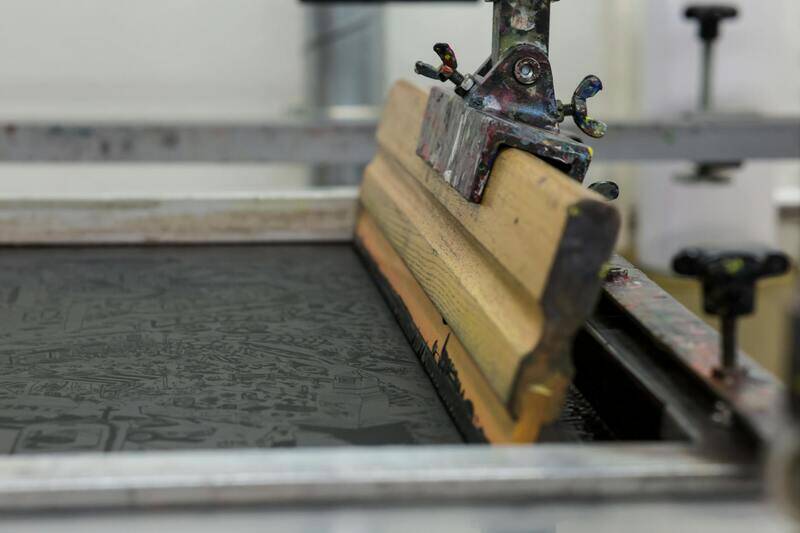
The industry’s infrastructure is supported by a strong network of suppliers and service providers specializing in inks, substrates, and finishing materials. Ultimately, the Singaporean printing industry’s combination of technological innovation, market responsiveness, and quality focus positions it as a leader within the Southeast Asian region and beyond.
Popular Printing Materials and Products in Singapore
Singapore’s printing industry is renowned for its versatility in handling a wide array of materials and producing diverse products tailored to industry demands. Among the most commonly used substrates are high-quality papers—including matte, gloss, and textured finishes—that cater to everything from business cards to premium packaging. Digital presses also support printing on synthetic materials such as vinyl and polyester, which are essential for outdoor signage and durable branding materials.
In addition to paper-based materials, lightweight plastics and rigid substrates like foam boards and acrylic sheets are frequently utilized for point-of-sale displays, exhibition panels, and signage. These materials require specialized printing techniques but allow for vibrant, long-lasting visuals that withstand environmental conditions.

Beyond conventional materials, the industry has seen a rise in the use of eco-friendly options, such as recycled papers and biodegradable substrates, aligning with sustainability goals. These environmentally conscious materials are increasingly popular for marketing collateral and promotional items, fulfilling corporate social responsibility initiatives while maintaining high aesthetic standards.
Factors to Consider When Choosing a Printing Service in Singapore
Selecting the right printing provider involves evaluating multiple aspects to ensure the final product meets specific needs and standards. Key considerations include the range of available materials, the quality of printing output, turnaround times, and cost efficiency. It is crucial to assess a service provider’s technological capabilities, such as digital, offset, or large-format printing, to match the project requirements.
- Material Compatibility: Ensure the printer can work effectively with the chosen substrates.
- Print Quality: Review samples or ask for case studies to gauge clarity, color accuracy, and finishing standards.
- Delivery Timelines: Confirm minimum lead times, especially for urgent projects.
- Pricing Transparency: Obtain detailed quotes to compare costs across providers.
- Customer Support: Consider the availability of technical assistance and post-print services.
By meticulously evaluating these factors, clients can select a printing partner capable of delivering consistent, high-quality results aligned with their branding and functional needs.
Technological Trends in Singapore’s Printing Industry
Innovation plays a pivotal role in Singapore’s printing sector, with emerging technologies setting new standards for efficiency and creative possibilities. Digital printing continues to evolve, offering faster production times, lower costs for small runs, and greater customization options. The integration of variable data printing allows for personalized marketing materials, enhancing engagement and brand impact.
Large-format and 3D printing are also gaining traction, enabling brands to create striking visual displays and prototypes with intricate detail. These advanced methods facilitate rapid product development cycles and enable companies to differentiate themselves through innovative presentation formats.
Automation and computer-controlled workflow systems are streamlining operations, reducing errors, and improving turnaround times. As a result, Singapore’s printing industry maintains a competitive edge within the Southeast Asian market, consistently adopting new tools that drive quality, speed, and sustainability.

Legitimate Methods for Printing in Singapore
When seeking reliable and professional printing solutions in Singapore, it is essential to adhere to recognized and official methods that ensure quality, consistency, and compliance with industry standards. The primary channels for legitimate printing include collaboration with accredited printing companies, certified printshops, and authorized print service providers that are registered with relevant industry authorities.
Partnering with Certified Printing Companies
Choosing a certified printing company guarantees that the service provider operates within established guidelines, utilizes high-quality materials, and employs trained personnel. Reputable companies often hold industry certifications, such as ISO standards, which attest to their commitment to quality management systems and environmental sustainability. These certifications not only indicate adherence to best practices but also provide clients with confidence in the durability of the printed materials and the reliability of the service delivery.
Utilizing Licensed Printing Equipment and Materials
Official printing methods rely on the use of licensed and approved printing equipment, such as digital printers, offset presses, and large-format printers, which comply with safety and environmental regulations. Licensed materials, including award-winning papers, eco-friendly inks, and specialty substrates, are essential for producing high-quality output that aligns with industry standards. Ensuring that the materials used are sourced from authorized suppliers guarantees both compliance and top-tier results.
Engaging with Government and Industry-Accredited Print Service Providers
Official print service providers often participate in government-led initiatives or are members of recognized industry associations, such as the Singapore Printing and Publishing Association (SPPA). Collaborating with these providers ensures adherence to a strict code of conduct and quality standards, offering clients a secure pathway to obtaining printing solutions that meet regulatory requirements. Many of these providers also implement robust quality control measures and quality assurance protocols to deliver consistent results.
Verifying Documentation and Certifications
To confirm the legitimacy of a printing service, clients should request relevant documentation such as business licenses, industry certifications, and third-party quality assurance reports. These documents serve as official proof of compliance with Singapore’s regulatory framework and industry best practices. Conducting due diligence in verifying these credentials helps avoid substandard or unverified printing sources, ensuring professional and high-quality output for your projects.
Importance of Ethical and Sustainable Printing Practices
Official printing methods in Singapore emphasize environmentally responsible and ethical practices. Reputable providers often adhere to sustainability standards, employing eco-friendly inks, recycling waste materials, and reducing their carbon footprint. Choosing services that align with sustainable practices not only supports environmentally conscious initiatives but also enhances brand reputation, especially among clients and stakeholders who prioritize corporate social responsibility.

Ensuring Quality and Compliance Through Certification and Documentation
In Singapore’s competitive printing landscape, selecting a provider with proper certifications safeguards the integrity and quality of your printed materials. Clients should seek out providers that hold official business licenses issued by relevant regulatory authorities, ensuring their operations are recognized and compliant with national standards. Additionally, industry-specific certifications, such as ISO standards for quality management (ISO 9001) or environmental management (ISO 14001), demonstrate a commitment to maintaining rigorous quality and sustainability protocols.

Third-party quality assurance reports can further validate the consistency and reliability of a printing service provider. These reports often include detailed analyses of the provider’s compliance with quality benchmarks, equipment calibration, and finishing processes. Verifying these credentials not only minimizes risks associated with subpar output but also reinforces confidence in the print provider’s capacity to deliver results that align with project specifications.
Documenting Sustainability and Ethical Standards in Printing
Reputable printing companies in Singapore often incorporate sustainability and ethical practices into their operations, which can be confirmed through official documentation. These may include adherence to environmental standards for waste disposal, the use of eco-friendly inks and materials, and compliance with waste recycling regulations. Suppliers that obtain certifications such as Eco-Label or Green Print initiatives exemplify a strong commitment to reducing environmental impact.

Clients prioritizing eco-conscious printing should request proof of such credentials to ensure their projects align with sustainability goals. Documented commitments to green practices not only contribute positively to environmental efforts but also resonate with stakeholders seeking responsible corporate behavior.
Maintaining Industry Standards for High-Quality Output
Standardized procedures, detailed in official process documents and quality manuals, help maintain consistency across print runs. Reliable providers often implement quality management systems that undergo regular audits to ensure ongoing compliance. These systems encompass everything from substrate handling and color calibration to finishing and packaging processes.

Checking that your chosen printing service complies with recognized industry standards and maintains comprehensive quality documentation can significantly influence the success of your project. Such transparency reflects a provider’s dedication to delivering precise, durable, and visually appealing output that meets your expectations.
Conclusion
Leveraging official documentation and certifications when selecting a printing service in Singapore is essential for ensuring professionalism, quality, and environmental responsibility. By verifying licenses, industry accreditations, and sustainability assurances, clients can confidently engage with providers committed to upholding high standards and regulatory compliance. This approach helps foster a transparent and trustworthy relationship, ultimately leading to superior printing results that support your brand’s integrity and sustainability goals.
Factors to Consider When Choosing a Printing Service in Singapore
Selecting the right printing service in Singapore requires careful evaluation of multiple factors beyond just pricing and turnaround times. Businesses and individuals should focus on the provider’s ability to deliver consistent quality, adhere to industry standards, and utilize advanced technology to meet specific printing needs.
Assessment of Certification and Industry Recognition
Start by reviewing the certifications held by potential printing partners. Reputable providers often possess recognized quality management system certifications, such as ISO 9001, which demonstrate their commitment to maintaining high standards across all stages of the printing process. Industry awards or memberships in recognized printing associations also signal an established presence and adherence to professional practices. These credentials provide assurance that the service provider follows best practices and maintains transparency in their operations.
Evaluation of Portfolio and Client References
A comprehensive portfolio showcases the range and quality of past projects, offering insights into a provider's technical capabilities and creative versatility. Request detailed case studies or testimonials to understand how the provider manages complex jobs, handles tight deadlines, and ensures color accuracy. Engaging with previous clients can reveal important information about reliability, communication, and overall satisfaction, helping to gauge whether a service provider can meet your expectations consistently.
Review of Technological Infrastructure and Environmental Practices

Modern printing relies heavily on technological infrastructure. Advanced digital printing machines, automated workflow systems, and color management software contribute to precision and consistency. Additionally, providers committed to sustainability should utilize eco-friendly inks, recyclable substrates, and waste reduction practices. Confirm that the chosen printing service aligns with your organization’s environmental policies or sustainability goals, as responsible practices not only serve the planet but also enhance your brand image.
Cost Transparency and Flexibility in Service Offerings
Clear, detailed quotations and flexible service packages are signs of a professional printing business. Verify that the provider offers itemized pricing that includes setup fees, volume discounts, and additional costs for finishing or special finishes. This transparency helps avoid unexpected charges and enables better budget planning. Moreover, inquire about customizable options to tailor print products according to your specific requirements—whether it’s additional lamination, embossing, or folding techniques.
Customer Support and Post-Print Services
Reliable customer support is essential throughout the entire printing process. A dedicated account manager or support team should be available for consultation, updates, and addressing any concerns promptly. Post-print services such as delivery, installation, or storage solutions add value and convenience. Ensuring these services are integral to the provider's offerings guarantees a smoother experience and helps maintain the integrity of your printed materials upon delivery.
Cost and Pricing Structures for Printing Services in Singapore
Understanding the cost frameworks in Singapore's printing industry is essential for businesses and individuals seeking high-quality outputs while managing budgets effectively. Pricing models can vary depending on the type of printing service, volume, material choices, and finishing requirements. Commonly, providers adopt a combination of unit-based pricing, project-based quotes, or tiered discounts based on order volume.
For digital printing, costs are often calculated per page or print, with economies of scale encouraging larger volume orders. Offset printing, on the other hand, involves setup fees due to the creation of printing plates, but offers cost advantages for bulk printing. Additionally, specialized finishes such as embossing, foiling, or lamination will typically add to the overall expenses, but can significantly elevate the perceived value of printed materials.
Factors influencing printing costs in Singapore include:
- Material Quality and Type: Premium papers, durable substrates, and specialty materials generally command higher prices.
- Print Resolution and Color Accuracy: High-quality, detailed images require advanced equipment, impacting costs.
- Size and Complexity of Design: Larger formats or intricate designs involve additional setup or longer production times.
- Turnaround Time: Fast delivery options may carry premium charges due to expedited processing.
To optimize value, clients should request comprehensive quotations that itemize individual costs, including pre-press setup, materials, printing, finishing, and delivery. Transparent pricing helps prevent unforeseen charges and enables better planning of budgets and project scopes.

Choosing a provider that offers customization options and flexible service packages can lead to cost savings and tailored solutions. For instance, volume discounts for large batches or bundled services including design consultation, finishing, and logistics are common and beneficial for comprehensive projects.
Furthermore, some printing companies leverage digital quoting tools on their websites to provide instant estimates, facilitating quick decision-making. Regular clients might benefit from loyalty programs or contract-based arrangements, ensuring consistent quality and predictable expenses over time.

Technological Trends Shaping Singapore's Printing Industry
Singapore's printing industry is continuously evolving, driven by innovative technologies that enhance efficiency, quality, and sustainability. Digital printing remains the predominant technology, offering quick turnaround times and cost-effective solutions for both small-scale and large-volume jobs. High-speed digital presses with advanced color management systems enable precise color reproduction, meeting the high standards expected in various sectors such as marketing, packaging, and corporate branding.
Furthermore, the adoption of 3D printing has begun to make inroads into specialized markets in Singapore, particularly for prototype development and custom manufacturing. This technology allows for complex geometries and rapid iteration, opening up new opportunities across industries like aerospace, healthcare, and product design.

Automation and robotics have also become integral in streamlining workflows. Automated print finishing, folding, binding, and quality checks reduce manual labor and minimize errors, leading to faster production cycles and consistent output. These advancements are especially valuable in high-volume printing jobs where precision and speed are crucial.
Moreover, the integration of cloud-based management systems allows businesses to monitor and control print jobs remotely, ensuring better coordination and resource allocation. This digital transformation not only improves operational efficiency but also enhances the flexibility to accommodate custom requests and just-in-time production.
Eco-friendly and sustainable printing practices are gaining prominence, with many Singaporean printers adopting eco-conscious technologies such as vegetable-based inks, recycled substrates, and energy-efficient equipment. These measures reflect a broader industry shift towards reducing environmental impact while maintaining high-quality standards.
In the realm of finishing techniques, innovations like UV coating, digital embossing, and eco-friendly laminates enable the creation of premium products that stand out. Such enhancements are particularly important in branding and marketing collateral, where visual appeal and tactile experience influence consumer perception.
The ongoing integration of augmented reality (AR) and interactive elements into printed materials represents a convergence of print and digital media. This trend allows brands to engage consumers more deeply through interactive brochures, packaging, and displays, providing immersive experiences directly tied to physical prints.
With these technological advancements, Singapore’s printing companies are well-positioned to meet diverse client needs, from rapid, cost-effective digital printing to highly customized, innovative applications that push the boundaries of traditional printing. Embracing these trends ensures businesses stay competitive and capable of delivering cutting-edge solutions in a dynamic market environment.
Ensuring Safe and Secure Printing Practices in Singapore
Adherence to verified and reputable printing methods is vital for maintaining quality, consistency, and trust in delivered products. Businesses seeking printing services in Singapore should prioritize working with established providers who utilize industry-standard practices and comply with recognized quality assurance protocols. This approach guarantees that printed materials meet rigorous standards for accuracy, color fidelity, and durability, essential for corporate branding, marketing campaigns, and official documentation.
One of the most reliable ways to verify the credibility of printing service providers is through their certification and accreditation. Many reputable printers in Singapore participate in quality management systems, such as ISO certifications, which demonstrate their commitment to maintaining stringent operational procedures. These certifications serve as a benchmark for consistent output quality and operational excellence, offering clients confidence in the service provider’s competence.
When selecting a printing partner, it is equally important to scrutinize their portfolio and request samples of previous work. This direct assessment provides insights into their capability to handle diverse printing projects while maintaining high standards. Many established printers maintain a comprehensive portfolio that showcases their expertise across various formats, materials, and finishes, highlighting their versatility and reliance on robust, tried-and-tested processes.

Furthermore, reputable printing companies invest in advanced technology, including calibration tools for color management and quality control systems. These technological investments help minimize errors, ensure color matching accuracy, and verify that the final product aligns perfectly with the design specifications. Maintaining proper handling and storage of printing materials, such as inks and substrates, also plays a crucial role in safeguarding the quality and longevity of printed items.
Transparency in communication and project management are additional facets of trustworthy printing practices. Clear agreements regarding project scope, timelines, and specifications promote smooth workflows and help prevent miscommunications or discrepancies. Regular updates and pre-production proofs ensure alignment between the client’s expectations and the final output, fostering trust and satisfaction.
For organizations with sensitive or critical documents, it is wise to inquire about the provider’s data security practices and confidentiality policies. Registered and established printers in Singapore usually adhere to strict confidentiality protocols to protect client information and proprietary content, ensuring secure handling throughout the printing process.
Lastly, clients should be aware of environmental and sustainability practices as part of a comprehensive approach to responsible printing. Certified printing companies often utilize environmentally friendly inks, sustainable substrates, and energy-efficient equipment, aligning with responsible business practices and reducing environmental impact.