Understanding Custom Posters
Custom posters are versatile visual tools that serve various purposes, from advertising and promotional campaigns to personal artwork and event signage. Unlike standard posters, which come in predefined designs and sizes, custom posters are tailored to meet specific needs and preferences, offering a unique touch that aligns perfectly with individual or brand objectives. They are often used in retail environments, corporate events, educational settings, and personal projects, making them an essential component in visual communication strategies.
One of the key advantages of opting for custom poster printing is the ability to control every element of the design. This includes choosing the layout, color scheme, imagery, and typography, ensuring that the final product accurately reflects the intended message or aesthetic. For businesses, this customization can significantly enhance brand visibility and recognition, enabling a cohesive visual identity across various marketing materials.
Additionally, custom posters offer a level of flexibility that generic posters cannot match. They can feature detailed graphics, high-resolution images, and specific branding elements to make a compelling visual impact. Whether for promotional events, educational purposes, or personal expressions, the tailored approach to poster creation ensures that the message reaches the target audience effectively and memorably.

From small-scale personal projects to large-scale commercial displays, custom posters are a cost-effective way to deliver powerful visual messages. Their utility spans across various industries and purposes, providing a personalized solution that elevates the overall communication strategy. When selecting a provider for custom poster printing, it is essential to consider quality, design options, and the range of available materials to achieve the best results for your specific requirements.
Materials and Printing Options
When selecting materials for your custom poster, the choice largely depends on the intended use and display environment. Common options include glossy, matte, or satin finishes, each providing distinct visual effects and tactile qualities. Glossy finishes enhance vibrant colors and sharp details, making them ideal for eye-catching promotional displays. Matte finishes, on the other hand, reduce glare and fingerprints, offering a sophisticated look suitable for professional settings or gallery displays. Satin finishes strike a balance, combining vibrancy with a smooth, less reflective surface.
In addition to surface options, various substrates are available to meet different durability and aesthetic needs. Vinyl posters provide excellent weather resistance, making them suitable for outdoor events and signage. Paper-based posters are more suitable for indoor use, offering cost-effective options with high-quality print clarity. For environmentally conscious projects, many providers offer recycled or eco-friendly materials that maintain quality while reducing environmental impact.
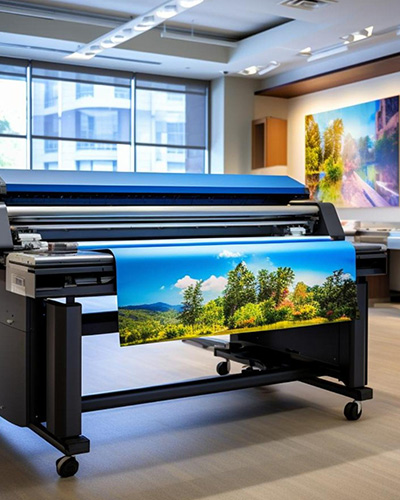
Printing technology choices are equally important in achieving high-quality results. The most prevalent methods include digital printing, which allows for quick turnaround times and vibrant, detailed images, ideal for personalized or small orders. For larger quantities, offset printing can offer cost efficiencies without compromising quality. Both methods support a variety of finishes and media, ensuring flexibility and precision in reproducing your design details, colors, and textures.
It is crucial to work with a printing service that offers professional-grade equipment and expertise in selecting the appropriate materials and printing technologies for your specific project. Proper handling and finishing processes, such as lamination, UV coating, or mounting, further enhance durability and visual appeal, especially for promotional or outdoor signage.
Understanding Custom Posters
Custom posters serve as a versatile tool for conveying messages, promoting brands, or enhancing visual aesthetics across various settings. Whether for business advertising, event promotion, or personal projects, crafting an effective poster requires an understanding of the fundamental principles behind their creation. This includes a clear grasp of design elements, material choices, printing techniques, and appropriate sizing. Choosing the right combination of these factors ensures that your poster not only captures attention but also withstands environmental conditions and maintains quality throughout its display period.
Importance of Accurate Sizing and Format
Determining the correct size and format for a custom poster is essential to maximize visibility and impact. Larger posters are more suitable for outdoor advertising or large venues, allowing for high visibility from a distance. Smaller formats may suit indoor displays or detailed information dissemination. The format should complement the viewing distance, content complexity, and space constraints. Proper sizing also involves adhering to standard aspect ratios, which helps in avoiding distortions during printing.
Design Elements and Visual Balance
A well-designed custom poster integrates compelling imagery, balanced text placement, and harmonious color schemes. Incorporating brand elements such as logos, color palettes, and fonts reinforces recognition and consistency. Additionally, the hierarchy of information should guide viewers naturally through the content, emphasizing key messages and calls to action. Ensuring clarity in design prevents overcrowding and makes the poster easily readable from a distance, thus improving overall effectiveness.
Material Selection for Durability and Aesthetics
The choice of material significantly impacts the poster’s longevity, appearance, and suitability for specific environments. For outdoor use, weather-resistant substrates like vinyl or waterproof paper are recommended, as they resist fading and water damage. Indoor posters benefit from matte, gloss, or satin finishes, which enhance color vibrancy and reduce glare. Eco-friendly options are also available, providing sustainable alternatives without compromising quality. It is essential to match the material to the intended display environment for optimal results.
Printing Techniques and Quality Assurance
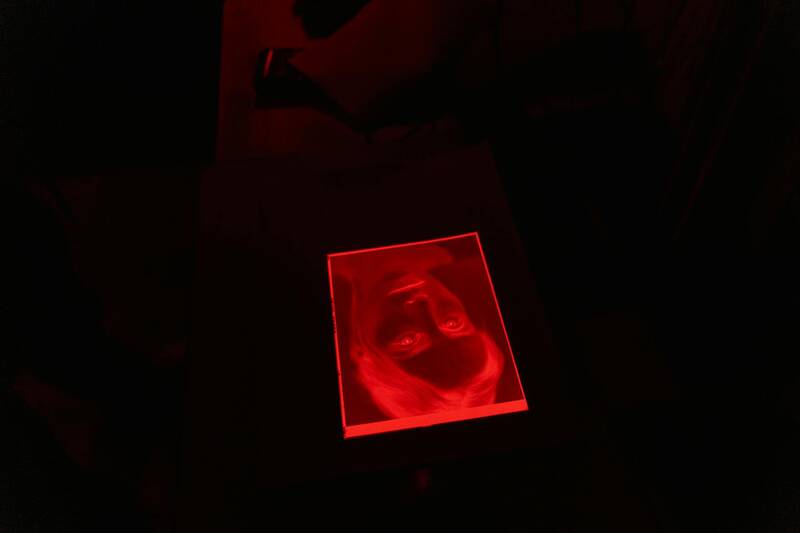
When producing custom posters, selecting the appropriate printing technology is vital for achieving high-resolution images and accurate color reproduction. Digital printing is the go-to method for quick turnaround times and detailed personalization, making it ideal for small batches or one-off posters. Offset printing offers cost advantages for large quantities and produces high-quality, crisp images with consistent color fidelity. Moreover, professional printers employ finishing techniques such as lamination, UV coating, or mounting to enhance durability, appearance, and ease of handling. Working with experienced printing providers ensures that each poster meets exact specifications and maintains visual integrity over time.
Understanding Custom Posters
Creating a custom poster involves more than just selecting an appealing design. It requires careful consideration of various factors to ensure the final product aligns perfectly with your intended purpose and display environment. From concept development to material selection, each step influences the visual impact and durability of the poster.

At its core, a custom poster is a powerful marketing or communication tool that conveys messages, promotes events, or enhances brand visibility. To maximize effectiveness, it’s essential to focus on clarity of message, striking visual hierarchy, and a cohesive color scheme. Whether you're producing a poster to advertise a product, celebrate an occasion, or display informative content, tailoring the design to match your specific goals is crucial.
Design Considerations for Custom Posters
Design plays a pivotal role in the effectiveness of a custom poster. Several key elements must be aligned to create a compelling visual narrative:
- Clarity and Readability: Use legible fonts and appropriate font sizes, especially for headlines and critical details. Avoid cluttered layouts that hinder quick understanding.
- Color Scheme: Choose vibrant colors to attract attention but ensure they harmonize with your brand or message. High contrast enhances readability and visual appeal.
- Imagery and Graphics: Incorporate high-resolution images and graphics that complement the message. Custom illustrations or icons can add a unique touch.
- Hierarchy and Composition: Organize information logically, highlighting key points with size, color, or positioning to guide the viewer's eye effectively.

Iterative design refinement, often through professional assistance or design software, helps ensure the poster communicates its intended message powerfully and efficiently.
Materials and Printing Options
The selection of materials and printing technology significantly impacts the poster’s overall quality and lifespan. For outdoor environments or high-traffic areas, weather-resistant substrates like vinyl or waterproof paper provide longevity and resistance to environmental elements. Indoor posters, on the other hand, may benefit from finishes such as matte, gloss, or satin, which enhance visual vibrancy and reduce glare.
Printing technologies primarily include digital and offset printing. Digital printing is ideal for quick turnaround, small quantities, and personalized designs. It offers high-resolution output with precise color matching. Offset printing offers advantages when producing large volumes, delivering high-quality, consistent images at a lower cost per unit. Many professional printers also offer finishing options such as lamination, UV protection, or mounting to further safeguard the poster and improve its aesthetics.

Choosing the right combination of materials and printing processes guarantees a professional appearance and long-lasting display, making your custom poster a remarkable visual asset.
Choosing the Right Size and Format
Optimal poster dimensions depend on the intended display environment and purpose. Common sizes include standard formats such as A2, A1, and A0, which are suitable for large-scale advertising or event promotion. For more detailed artwork or informational posters, selecting a size that balances visibility with practicality ensures that the content remains legible without overwhelming the display space.
When determining the format, consider the viewing distance. Larger formats are more effective for outdoor or high-traffic areas, where viewers are typically farther away. Conversely, smaller posters can serve as effective indoor signage or promotional materials within retail environments. Additionally, aspect ratio and layout should complement the design, ensuring that visual elements and text are proportionately balanced and easy to read.
Designing for Print: Clarity and Visual Impact
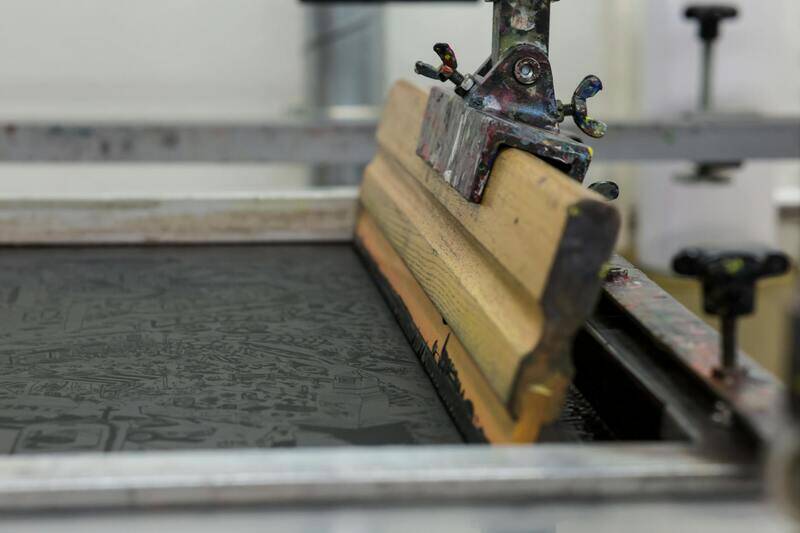
Designing a print-ready poster requires adherence to specific formatting standards to ensure high-quality output. Use vector graphics for logos and text to prevent pixelation, and opt for high-resolution images (at least 300 DPI) to maintain sharpness through the printing process. Color mode should be set to CMYK, as this color profile aligns with printing inks to reproduce accurate hues.
Incorporate sufficient white space to prevent clutter and improve readability. Hierarchical typography—using size, weight, and color—guides the viewer's eye through the content naturally. Employ bold headlines, concise messaging, and clear call-to-action statements to maximize engagement. For posters with intricate details, consider creating mock-ups and reviewing proofs to identify potential issues before finalizing the print.
Technical Specifications and File Preparation
- File Format: PDFs are preferred due to their ability to embed fonts and maintain formatting integrity.
- Resolution: Ensure all images and graphics are at least 300 DPI.
- Color Mode: Convert all files to CMYK to achieve color accuracy.
- Bleed and Margins: Include a bleed area of at least 3mm to prevent unwanted white borders after trimming.
- Fonts: Embed or outline fonts to prevent substitution issues during printing.

Choosing the Right Size and Format
Selecting the appropriate size and format for your custom poster is essential to achieving the desired visual impact and functional purpose. The size must align with the location where it will be displayed and the message it aims to communicate. Common poster sizes include standard dimensions like A1, A2, and A3, but custom sizes can also be designed to meet specific requirements. Larger formats, such as A0 or custom sizes, are ideal for eye-catching displays in high-traffic environments, while smaller sizes suit more intimate or informational settings.
Additionally, consider the format and orientation—landscape or portrait—based on the content layout and viewing distance. Landscape formats work well for wide visuals or panoramic designs, whereas portrait orientations are suitable for vertical messages, such as event posters or promotional banners. Ensuring the chosen dimensions are compatible with your printing material and framing options minimizes the risk of distortion or loss of quality during production.
Step-by-Step Process of Printing a Custom Poster
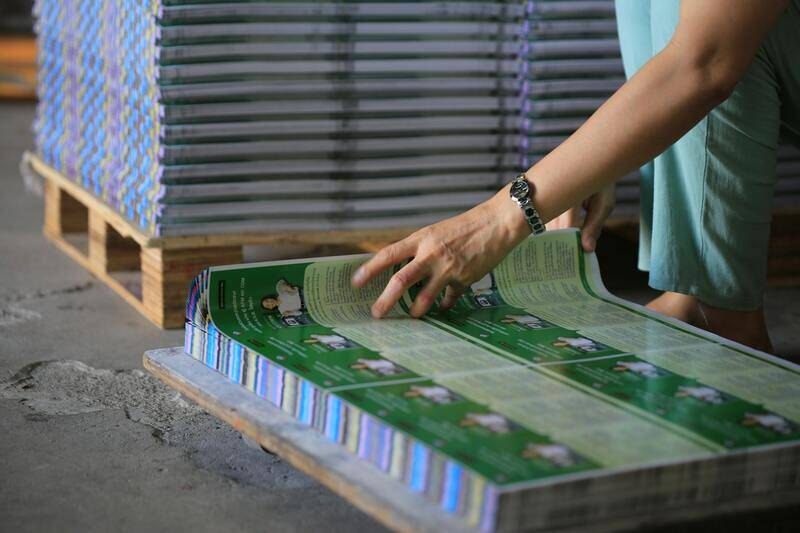
- Design Preparation: Create your poster design using professional design software, ensuring it adheres to technical specifications—high resolution (at least 300 DPI), CMYK color mode, and correct bleed margins.
- File Review and Proofing: Carefully review the digital proof and, if possible, request a printed mock-up to evaluate color accuracy, layout, and readability. This step helps identify potential issues before the final print.
- Choosing Materials: Select the appropriate printing material based on the poster’s purpose and display environment, such as glossy, matte, or fabric materials.
- Printing Process: Submit the finalized files to a reputable print service provider that specializes in custom posters. Confirm the specifications, including size, material, and finishing options like lamination or mounting.
- Quality Inspection and Delivery: Upon receiving the printed poster, inspect it carefully for color fidelity, detail clarity, and any print defects. Request retouching or reprints if necessary before final installation.
Following this structured approach ensures that your custom posters will meet high standards of quality and visual effectiveness, making them a powerful tool for marketing, informational, or decorative purposes.
Understanding Custom Posters
Custom posters serve as versatile visual communication tools that cater to a wide array of purposes, from promotional campaigns and event announcements to personal artwork and decorative displays. These posters are tailored to meet specific size, design, and material preferences, allowing for enhanced visual impact and targeted messaging. When opting for custom prints, it’s essential to consider the intended display environment, audience, and the message you want to convey, as these factors influence design choices and material selection. Custom posters provide an excellent opportunity to showcase unique branding elements, photography, or creative artistry, ensuring your message resonates effectively with viewers.
Design Considerations for Custom Posters
The essence of an impactful custom poster lies in its design. High-resolution imagery, bold typography, and coherent color schemes are key components that capture attention and communicate the intended message clearly. It’s crucial to adhere to technical specifications such as 300 DPI resolution to prevent pixelation, especially when enlarging images. The layout should be balanced, ensuring that key information stands out without overcrowding the space. Incorporating branding elements like logos, slogans, and color palettes consistent with your brand identity enhances recognition and credibility. Consider readability from a distance by using clear fonts and sufficient contrast between text and background. Simplicity often proves more effective than cluttered designs, enabling viewers to grasp your message quickly.
Materials and Printing Options
Selecting the right printing material is vital to achieving the desired durability and visual quality. Glossy finishes make colors pop and are ideal for vibrant, eye-catching posters intended for indoor use. Matte surfaces reduce glare, providing a sophisticated look suitable for professional settings and environments with bright lighting. Fabric options offer a lightweight, tear-resistant alternative for banners and large displays. Additionally, specialty materials such as vinyl or weather-resistant substrates are suitable for outdoor displays, ensuring longevity against environmental elements. Custom posters can also be enhanced with finishes like lamination or mounting to improve durability and facilitate handling.

Choosing the Right Size and Format
Proper sizing is critical for maximum visual impact. Larger formats like A0 or Billboard sizes are suitable for outdoor advertising or large-scale events, ensuring visibility from a distance. Conversely, smaller dimensions such as A3 or A4 serve well for informational displays in indoor settings or personal projects. The format should align with the display space and intended viewing distance, facilitating easy readability. Consider aspect ratios that match your design layout to avoid unnecessary cropping or distortion. When preparing files, confirm specifications with your printer to ensure compatibility and optimal resolution, preventing any complications during the printing process.
Step-by-Step Process of Printing a Custom Poster
Creating a high-quality custom poster involves a systematic approach to ensure your final product meets expectations:
- Design Preparation: Develop your poster using professional design software such as Adobe Photoshop or Illustrator. Ensure your artwork maintains a resolution of at least 300 DPI, uses the CMYK color mode for accurate color reproduction, and includes appropriate bleed margins for trimming.
- File Review and Proofing: Closely examine digital proofs for layout accuracy, color fidelity, and text readability. When possible, request a printed mock-up to evaluate real-world appearance and catch potential issues before final production.
- Material Selection: Choose an appropriate printing substrate based on your display needs, considering factors like glossiness, durability, and whether the poster is for indoor or outdoor viewing.
- Printing: Submit your finalized design files to a reputable print service with expertise in custom posters. Confirm all specifications—size, material, finish—and select optional features such as lamination or mounting services.
- Inspection and Delivery: Upon receiving the printed poster, check for color accuracy, detail clarity, and any defects. Request reprints or adjustments if necessary before proceeding with installation.
Cost Factors and Budgeting for Custom Posters
Pricing for custom posters varies based on multiple factors, including size, material choice, printing complexity, and finishing options. Larger formats and premium materials naturally incur higher costs, particularly if specialty finishes such as lamination or mounting are requested. Quantity also influences price, with bulk orders typically offering cost savings per unit. It’s important to establish a clear budget early in the planning process and discuss options with your chosen printing provider. Many providers offer tiered pricing models and package deals, allowing you to balance quality and expense effectively. Additionally, considering long-term uses and reusability can justify investing in more durable materials or finishes that withstand environmental wear, ultimately providing better value over time.
Understanding Custom Posters
Custom posters serve as versatile visual tools that convey messages, showcase artwork, promote events, or enhance interior decor with personalized designs. By tailoring size, material, and design elements, businesses and individuals can amplify their branding or personal expression effectively. When ordering a print custom poster, it’s essential to ensure that every detail aligns with your intended purpose and display environment. Different use cases demand specific considerations, such as durability for outdoor advertising or high-resolution fidelity for detailed artwork. Recognizing these factors ensures that the final product not only meets aesthetic expectations but also withstands environmental conditions and usage demands.
Design Considerations for Custom Posters
Creating a compelling custom poster begins with thoughtful design. High-resolution imagery and clear typography are vital for clarity and visual appeal. It’s crucial to select color schemes that resonate with your target audience while maintaining consistency with your branding or personal style. When designing, consider the viewing distance; larger fonts and bold visuals are more effective for displays viewed from afar. Additionally, incorporating a strong focal point and minimal clutter can enhance message delivery. Ensure that the design conforms to the recommended specifications for the chosen printing method, including resolution, bleed areas, and color profiles, to achieve optimal print quality. For complex designs, working with professional graphic designers can help translate your concept into a print-ready file that maximizes visual impact.
Materials and Printing Options
Selecting the appropriate material for your custom poster depends on the intended environment and longevity requirements. Common options include:
- Glossy Paper: Enhances color vibrancy and shine, ideal for interior displays.
- Matte Paper: Reduces glare and fingerprints, suitable for detailed viewing areas.
- Vinyl: Durable and weather-resistant, perfect for outdoor signage.
- Canvas: Adds a sophisticated, textured finish, suitable for gallery or decorative use.
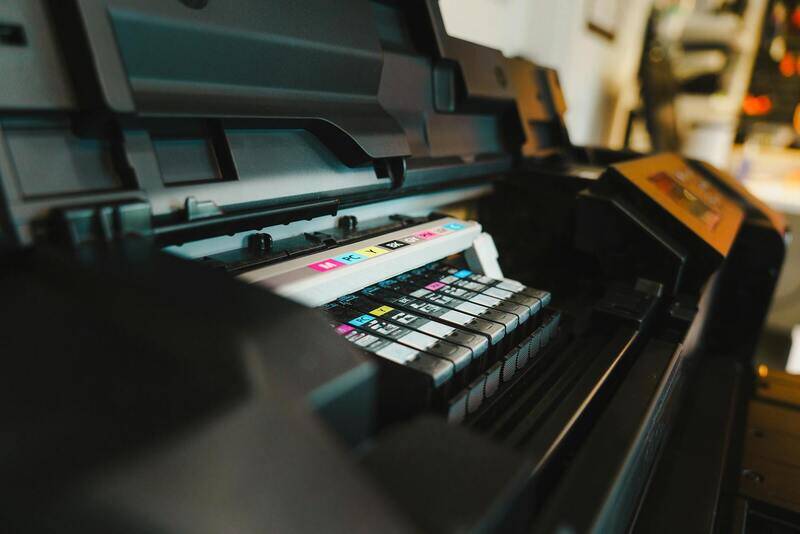
Digital printing technologies such as inkjet and solvent printing provide high-resolution results with precise color reproduction. When choosing a printing method, consider factors like ink longevity, environmental resistance, and costs. Specialty finishes like lamination or UV coating can further protect the print and enhance its appearance, especially for posters exposed to wear or outdoor conditions.
Choosing the Right Size and Format
The size of your custom poster influences both visual impact and logistical considerations. Common dimensions include A2, A1, and A0, though custom sizes can be tailored to specific spaces or display needs. Larger formats draw attention effectively but require sturdy mounting solutions and sometimes additional handling precautions. Conversely, smaller posters are ideal for intimate settings or detailed artwork. Format choices encompass portrait or landscape orientation, depending on the composition and how the viewer interacts with the content. Understanding where and how the poster will be displayed helps determine the optimal size and format to maximize visibility and effectiveness.
Step-by-Step Process of Printing a Custom Poster
- Design Preparation: Finalize your artwork in a high-resolution file, adhering to specifications provided by the printing provider.
- Material Selection: Choose the appropriate substrate based on usage conditions and desired finish.
- File Submission: Upload your design to the print service platform, ensuring all technical details are correct.
- Proofing and Confirmation: Review digital proofs or print samples, requesting modifications if necessary.
- Printing: Proceed with the chosen material and finish options. Monitor the printing process for quality assurance.
- Inspection: Examine the finished poster for color accuracy, detail clarity, and any defects.
- Delivery or Pickup: Arrange for transportation, ensuring proper handling to prevent damage during transit.
Cost Factors and Budgeting for Custom Posters
Pricing for custom posters varies substantially based on several core elements. Larger sizes incur higher costs due to increased material consumption and printing time. Choosing premium materials like canvas or vinyl also adds to expenses, but offers enhanced durability and aesthetic appeal. The complexity of the design, including the number of colors and finishing details, influences the overall price. Finishing options such as lamination, mounting, or framing can significantly impact costs but provide added protection and presentation value. Bulk orders often benefit from discounted rates, making large-scale promotional campaigns more economical. When budgeting, it’s prudent to assess the long-term value, considering factors like environmental exposure and reusability, which can justify investment in weather-resistant and high-quality materials. Transparent communication with your print provider about your budget constraints helps identify the best solutions without compromising quality.