Comprehensive Guide to Printing Company Posters
Types of Posters Offered by Printing Companies
When selecting a printing company for your poster needs, understanding the variety of posters available is essential. Companies typically offer an array of poster styles tailored to different purposes, including promotional, artistic, and informational posters. Promotional posters are designed to attract attention and drive engagement, often used in retail displays, events, and campaigns. Artistic posters focus on visual aesthetics, showcasing artwork, photography, or creative designs, ideal for galleries, studios, or cultural events. Informational posters are intended to communicate facts or instructions clearly, commonly utilized for educational purposes, safety notices, or public service announcements.
Each poster type serves a specific goal, and professional printing services can help you achieve the desired impact through precise material selection and design finishing. Precise understanding of these categories ensures that your chosen poster aligns with your brand or message, maximizing its effectiveness and visual appeal.

Materials and Finishes for Posters
Choosing the right material is crucial for producing high-quality posters that meet durability and aesthetic standards. Common materials include gloss, matte, and satin paper, each providing a different visual impact and tactile feel. Gloss paper offers vibrant color reproduction and a shiny finish, perfect for promotional and artistic posters. Matte paper reduces glare and is favored for informational posters requiring easy readability. Satin offers a balanced finish with moderate sheen, suitable for versatile applications.
Beyond paper type, finishes such as lamination or embossing can enhance the durability and visual texture of posters. Laminated finishes provide extra protection against moisture, tearing, and fading, extending the lifespan of your posters in various environments. For a premium look, some companies offer specialty finishes like metallic or UV coating, which elevate the visual appeal and impact of your poster design.
Print Quality and Resolution Standards
To ensure your posters look professional and impactful, attention to print quality and resolution standards is vital. High-resolution printing generally requires a minimum of 300 dots per inch (DPI) to produce sharp, detailed images and crisp text. Lower resolutions can result in pixelation or blurriness, undermining the poster's visual effectiveness.
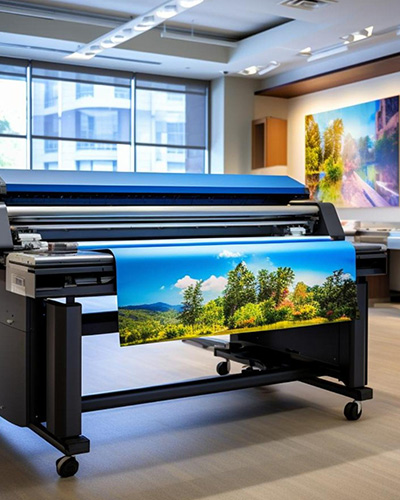
Professional printing companies utilize advanced digital or offset printing technologies capable of achieving consistent color accuracy and fine detail reproduction. Color management protocols, including CMYK color mode, are standard to guarantee vibrant, true-to-design prints. When preparing your artwork, providing files that meet the specified resolution and color specifications consolidates the quality of the final product.
Custom Design and Artwork Services
Many printing companies offer customized design and artwork assistance to help you bring your vision to life. From layout planning to file formatting, professional designers work with clients to craft posters that align with branding guidelines and visual preferences. This collaboration ensures that typography, imagery, and overall composition are optimized for printing and visual impact.
If you have existing artwork, ensuring it conforms to the required specifications for format and resolution will streamline the printing process. For those needing original designs, partnering with a service that provides creative input and revision options can be advantageous, delivering a finished product that impresses audiences and effectively communicates your message.

Materials and Finishes for Posters
Choosing the right materials and finishes is crucial to maximize the visual appeal and longevity of your poster. Printing companies typically offer a variety of paper stocks, each suited for different purposes and environments. For instance, gloss paper provides vibrant color reproduction and a shiny finish, ideal for promotional displays and eye-catching advertisements. Matte paper, on the other hand, reduces glare and is suitable for posters that require detailed text or are intended for indoor environments such as galleries or offices.
Beyond paper type, selecting the appropriate weight or thickness of the paper can influence durability. Thicker paper or cardstock offers increased robustness, making the poster less susceptible to tears and creases during handling and installation. Additionally, specialty papers with textures or finishes—such as linen, canvas, or metallic—can add unique visual effects that set your poster apart and enhance its overall aesthetic.
Finishing options are equally important as they can greatly impact the final presentation. Common finishes include lamination, which adds a protective layer that resists water, scratches, and fading, thereby extending the poster's lifespan. Matte or satin lamination offers an elegant, subdued sheen, enhancing readability and reducing glare. Gloss lamination, meanwhile, amplifies colors and makes images pop visually, creating a bold, striking appearance.
Other finishing techniques include UV coating, which provides a high-gloss surface with superior protection against elements and handling, and die-cutting, which creates custom shapes and cut-outs in the poster for artistic or functional purposes. Embossing and foil stamping are more specialized finishes that add texture and reflective metallic accents, perfect for high-end branding projects.
When selecting materials and finishes, consider the poster’s intended environment and purpose. For outdoor advertising, weather-resistant materials and durable lamination are essential to maintain quality over time. For indoor displays, aesthetics may take precedence, favoring textured or specialty papers that align with branding goals. Working closely with a professional printing team ensures that your choice aligns with both your visual expectations and practical needs.
Types of Posters Offered by Printing Companies
When selecting a printing service for your promotional materials, understanding the variety of poster types available is crucial. Printing companies typically provide several options tailored to different display environments, durability requirements, and aesthetic preferences. Common poster types include:
- Standard Posters: These are the most versatile and widely used, suitable for indoor advertising, event promotions, and retail displays. They are often printed on cost-effective paper with options for different finishes.
- Vinyl Posters: Designed for outdoor use, vinyl posters offer high durability, weather resistance, and excellent color retention. They are ideal for banners, outdoor signage, and longer-term displays.
- Backlit Posters: Printed on translucent materials, backlit posters are designed to be illuminated from behind, making them suitable for digital signage, point-of-sale displays, and window advertisements.
- Foam Board and Cardboard Posters: These lightweight, rigid options are perfect for short-term events or gallery displays. They provide a sturdy presentation surface that can stand independently or be mounted easily.
- Roll-up and Banner Posters: Portable and easy to set up, these types are frequently used in trade shows, exhibitions, and marketing campaigns requiring mobility and quick installation.

Choosing the appropriate poster type depends on the specific purpose, display environment, and budget constraints. Professional printing companies often collaborate closely with clients to recommend the most suitable option, considering factors such as longevity, visual impact, and installation logistics.
Materials and Finishes for Posters
Enhancing the visual appeal and durability of posters involves selecting appropriate materials and surface finishes. Standard poster materials include paper, vinyl, and specialty fabrics, each offering distinct benefits. For instance, paper options range from glossy to matte finishes, influencing readability and glare. Vinyl provides resistance to moisture and tearing, making it a reliable choice for outdoor environments.
Beyond material choice, finishing techniques significantly improve the poster’s aesthetic and lifespan. Laminations, available in matte, satin, or gloss, provide physical protection against scratches, moisture, and UV damage. UV coating delivers a high-gloss surface with added resistance to weathering, ideal for posters exposed to sunlight or outdoor conditions.
More specialized finishes include die-cutting, creating unique shapes and cut-outs, which add artistic flair or functional aspects for interactive displays. Embossing can add a tactile dimension to logos or headlines, emphasizing specific elements. Foil stamping introduces metallic accents, elevating branding quality and making designs stand out with reflective effects.
When planning your poster project, it’s important to consider the placement environment. For outdoor signage, weather-resistant materials combined with protective lamination are highly recommended to preserve print integrity over time. Conversely, indoor displays may prioritize visual effects, opting for textured or specialized papers aligning with branding themes. Collaborating with a professional printing service ensures that material and finish selections complement your overall design goals, ensuring the final output meets both aesthetic and functional expectations.
Understanding Different Types of Posters Offered by Printing Companies
To achieve the desired visual impact and meet specific promotional needs, selecting the appropriate type of poster is crucial. Printing companies commonly offer a variety of poster formats, including standard posters, roll-up banners, and large-format prints, each serving distinct purposes. Standard posters are versatile and suitable for indoor advertising, sales promotions, or event announcements, typically printed on high-quality, lightweight paper for easy display. Roll-up banners provide portability and are ideal for trade shows, exhibitions, or temporary signage; they are printed on durable vinyl or fabric, allowing for quick setup and transportation.
Large-format posters are designed for outdoor advertising, murals, or billboard displays, requiring premium materials capable of withstanding environmental elements. These often involve high-resolution printing on weather-resistant substrates like vinyl or canvas, ensuring longevity and vivid visuals. Additionally, some companies offer canvas posters, which are stretched on frames and lend an artistic or upscale appearance—perfect for galleries or high-end branding.
Custom options are also available for specialty projects, including fabric posters for auditorium branding, textured papers for luxury branding, or adhesive-backed posters for seamless mounting on surfaces. Working closely with a printing professional allows clients to explore these varied options, ensuring their visual message is delivered with clarity and durability across multiple platforms.

Materials and Finishes That Elevate Poster Presentation
Choosing the right materials and finishes is fundamental for creating eye-catching posters that also stand the test of time. The selection begins with the substrate, typically ranging from standard paper to more robust options like vinyl, fabric, or rigid board. For outdoor posters, weather-resistant materials such as laminated vinyl or waterproof paper are essential to prevent deterioration caused by moisture, sunlight, and wind.
Beyond fundamental material choices, finishing techniques significantly impact the poster’s appearance and lifespan. Matte finishes are preferred for reducing glare, making content easier to read in brightly lit environments, while gloss finishes enhance color vibrancy and visual impact. Satin finishes strike a balance between the two, offering a subtle sheen without excessive glare.
Protective laminations add an extra layer of defense against scratches, dust, and UV rays, which is especially important for posters exposed outdoors. UV coatings further improve resistance to weathering, maintaining color fidelity over time. For more creative or functional needs, specialty finishes such as die-cutting allow for custom shapes and interactive elements, embossing adds texture to key design components like logos, and foil stamping provides metallic accents that evoke high-quality branding.
Ensuring Print Quality with Resolution and Color Accuracy
High-quality printing relies heavily on adherence to resolution standards and precise color management. For posters, especially those with detailed imagery or fine typography, a minimum resolution of 300 DPI (dots per inch) is recommended to ensure crisp, sharp visuals without pixelation. This standard applies uniformly whether the poster is intended for indoor display or outdoor advertising.
Color accuracy is equally vital for true reproduction of brand colors and visual consistency. Modern printing technologies incorporate color management systems that calibrate equipment to produce consistent and vibrant colors across batches. For projects with specific branding requirements, Pantone color matching can be utilized to achieve exact hues.
Furthermore, proofing before the final print run allows clients to review colors and resolution, minimizing errors and ensuring satisfaction with the end product. Many printing companies now offer digital proofs or physical samples to verify these elements before mass production.
Quality control processes are embedded in reputable printing services, including color calibration, inspection for defects, and adherence to specified parameters, guaranteeing the final posters meet high standards for clarity and color fidelity. This diligence ensures every poster maximizes its visual impact and aligns with strategic branding objectives.

Materials and Finishes for Posters
Choosing the appropriate materials and finishes is crucial for achieving the desired visual appeal and durability of posters. Printing companies typically offer a variety of options to cater to different purposes and display environments, ensuring clients can select the most suitable combination for their project.
One of the most common materials used for posters is high-quality paper stock, which ranges from standard gloss or matte finishes to more specialized options like silk or satin. Gloss finishes enhance vibrancy and sharpness, making images pop and colors appear more vivid, ideal for promotional posters and eye-catching displays. Matte finishes, on the other hand, reduce glare and fingerprint smudges, lending a more subdued and professional appearance suitable for art exhibits or informational displays.
For outdoor or high-traffic environments, weather-resistant materials are recommended. Vinyl banners or posters printed on waterproof and tear-resistant substrates ensure longevity and sustained visual impact despite exposure to elements like rain, wind, or sunlight. Durability is especially vital for long-term advertising campaigns or outdoor event signage.
Specialty finishes can also be applied to add texture and aesthetic value. Laminations—matte, gloss, or satin—serve as protective overlays that shield against scratches, stains, and fading. For a touch of sophistication, spot UV coatings can be selectively applied to accentuate specific design elements like logos or headlines, giving a shiny, embossed effect that draws attention.
Moreover, eco-friendly options are increasingly available. Posters printed on recycled or sustainably sourced materials, complemented by biodegradable lamination, appeal to environmentally conscious brands and help reduce ecological impact. These environmentally thoughtful choices can also enhance corporate responsibility and brand image.
Selecting the appropriate combination of material and finish depends on the intended display environment, budget, and desired visual effect. Engaging with professional printing service providers ensures that these choices align with the project’s goals, resulting in a poster that is both visually compelling and resilient over time.
Types of Posters Offered by Printing Companies
Professional printing companies provide a diverse range of poster types to cater to various visual communication needs. These often include standard posters for promotional events, large-format posters for outdoor advertising, gallery-grade art posters for exhibitions, and specialty posters such as foldable or double-sided prints. Each type is designed with specific display environments and purposes in mind, ensuring that clients can select the perfect format for their campaign or presentation. For impactful advertising, large-format posters printed on high-quality, weather-resistant materials are ideal for outdoor use, offering vibrant visuals that withstand environmental stressors. Conversely, indoor posters benefiting from detailed, high-resolution printing are often produced on premium paper or fabric substrates to enhance color depth and clarity.
Specialized poster types such as acoustic or light-refracting displays incorporate unique materials and designs to offer innovative advertising solutions. Event posters, including wedding, conference, or festival posters, are frequently customized to match branding themes and event aesthetics. In addition, the advent of digital printing allows for quick turnaround and the ability to produce limited runs or one-off designs, maintaining flexibility for fresh campaigns or personalized projects.
Materials and Finishes for Posters
The material selection profoundly impacts the durability, appearance, and overall effectiveness of posters. Standard options include gloss or matte coated paper, which provides excellent image quality and color vibrancy. For outdoor applications, weather-resistant substrates such as vinyl or mesh fabrics are preferred due to their tear and water resistance. Canvas and fabric materials are frequently chosen for art posters or gallery displays, offering a textured, upscale look that enhances visual appeal.
Finish choices further refine a poster’s look and longevity. Gloss finishes intensify colors and add a shiny aesthetic, making images pop, while matte finishes reduce glare and deliver a sophisticated, muted look suitable for detailed text or fine artwork. Satin finishes strike a balance between gloss and matte, providing smoothness and durability without excessive shine. Special finishes such as lamination (matte, gloss, satin) add protective layers that resist scratches, stains, and UV fading, extending the lifespan of posters in both indoor and outdoor environments.
Eco-conscious options are increasingly prominent, with biodegradable laminations and sustainably sourced materials available for environmentally aware brands. Incorporating these environmentally friendly choices not only aligns with greener practices but also enhances corporate image among eco-sensitive audiences. Engaging with experienced printing providers ensures the optimal combination of materials and finishes tailored to specific project requirements, maximizing visual impact and endurance.
Print Quality and Resolution Standards
High-quality printing is essential to produce eye-catching, professional posters that communicate messages effectively. The standard resolution for large-format poster printing typically starts from 150 dpi for initial design files but is optimized at 300 dpi for the final output to ensure sharp details and vibrant colors. Accurate color matching and calibration are crucial, especially for brand posters where consistency is key. Raster images should be at least 300 dpi at the final print size, and vector graphics must be properly scaled without loss of quality.
Color management plays an integral role in achieving design fidelity, with color profiles such as CMYK used to predict how inks will appear on various substrates. Modern printing presses utilize advanced inkjet or solvent-based technologies that can reproduce a wide color gamut, capturing nuanced shades and gradients. Regular calibration of printing equipment and quality control checks during production help maintain high standards and minimize errors. When selecting a printing partner, verify their adherence to industry standards for resolution, color accuracy, and material handling to guarantee consistent results that meet professional expectations.

Environmental and Quality Certifications
When selecting a printing company for your poster needs, it is vital to consider their commitment to environmental sustainability and quality assurance. Certified printing companies uphold rigorous standards to minimize environmental impact while maintaining high-quality output. Look for providers that possess established eco-labels or environmental management certifications, such as ISO 14001, which demonstrates a company’s dedication to sustainable practices. These certifications often indicate the use of eco-friendly inks, responsible waste management, and energy-efficient manufacturing processes.
Furthermore, quality certifications such as ISO 9001 ensure consistent quality management across production processes, affording clients reassurance that their posters will meet specified standards. Such certifications require ongoing audits and process improvements, translating into reliable, professional results. Companies with these credentials typically invest in advanced, environmentally-conscious equipment, and adopt stringent quality controls at each stage of production.
In addition to formal certifications, inquire about any industry awards or recognitions the printing company has received. These accolades often reflect a company's dedication to excellence, innovation, and sustainable practices in printing technology. Transparent communication about these certifications and awards can facilitate confidence in your choice, ensuring your printed posters are produced responsibly, with top-tier quality.
Ensuring Proper Registration and Ethical Practices in Poster Printing
To guarantee that your poster printing projects are carried out within appropriate and transparent frameworks, it is essential to verify that the printing company adheres to official registration procedures and follows ethical business practices. Reliable companies often display their registration details, such as business registration numbers, industry memberships, or accreditation certificates, on their official websites or upon request. These identifiers confirm the company's compliance with local regulations governing commercial printing operations.
Moreover, companies committed to maintaining high standards typically participate in industry associations and adhere to codes of conduct that promote quality, ethical labor practices, and consumer protection. Being a member of recognized industry bodies can serve as an additional assurance of legitimacy and professionalism. Such memberships often require members to follow specific standards of operation, invest in continual staff training, and uphold transparency in pricing and service offerings.

When selecting a printing company, request detailed documentation and references that verify their official registration status. Reliable companies are often willing to provide proof of compliance with local business regulations and licensing requirements, which serve as confirmation of their operational legitimacy. This practice not only affirms their credibility but also safeguards your investment, as it reduces risks associated with unregulated or informal printing entities.
In addition, inquire about their compliance with relevant industry standards and best practices, including safety protocols, quality control procedures, and environmental regulations. Transparency in these areas reflects a company’s dedication to maintaining ethical standards and providing trustworthy services. This comprehensive approach helps prevent potential issues related to intellectual property rights, copyright infringements, or deceptive business practices, ensuring your poster projects are handled responsibly and ethically.