Overview of Large Format Printing
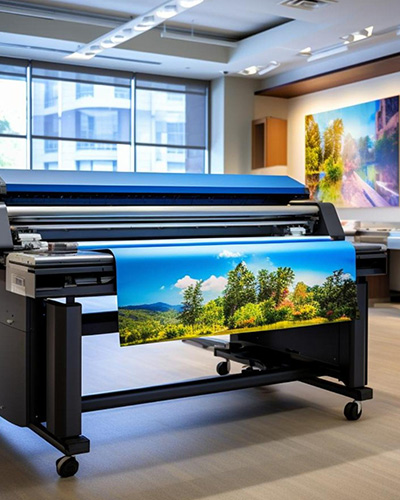
Large format printing is a specialized printing process designed to produce items with dimensions that surpass traditional printing sizes, often exceeding 24 inches in width and extending to multiple meters in length. This technology plays a pivotal role in transforming visual communication across various industries, including advertising, interior design, construction, event signage, and more. Its ability to produce vivid, high-resolution images on sizable surfaces makes it an indispensable tool for creating impactful visual displays and branding materials.
The significance of large format printing extends beyond mere size. It combines advanced printing techniques with high-quality materials to deliver durable, visually striking outputs that maintain clarity and vibrancy even over extended periods or diverse environmental conditions. In retail, it enables eye-catching storefront displays; in real estate, it assists in creating attractive property signage; in trade shows, it helps craft compelling banners and backdrops. Each application benefits from the versatility and customization possible through this technology.

The evolution of large format printing technologies has significantly broadened its application scope and improved output quality. From traditional solvent and aqueous-based printers to environmentally friendly UV and latex printers, the spectrum of options allows businesses and individuals to select solutions tailored to their specific needs, whether for indoor or outdoor use, short-term displays, or long-term signage.
In today’s competitive landscape, the demand for high-impact, large-scale visuals continues to grow, emphasizing the critical role of large format printing as an effective communication and branding tool. Its capacity to deliver large, detailed, and vibrant images economically makes it a preferred choice for creating compelling visual assets that capture attention and convey messages powerfully.
As technology advances, the capabilities and applications of large format printing are expected to expand further, opening new opportunities for creative expression and functional design solutions across various industries.
Common Materials Used in Large Format Printing
Choosing the right material is essential for achieving optimal results in large format printing. The selection depends on factors such as the intended use, environmental exposure, durability requirements, and visual aesthetics. Various substrates are available, each with unique properties to accommodate diverse applications.
Vinyl Banner Material: Often used for outdoor advertising due to its flexibility, weather resistance, and ease of installation. Vinyl banners are durable, tear-resistant, and capable of holding vibrant inks over extended periods.
Polyester and Canvas: Suitable for high-quality indoor displays, posters, and fine art reproductions. These materials offer excellent ink adhesion and color vibrancy, making them ideal for detailed and color-rich imagery.
Backlit Film: Designed for illuminated displays,backlit films are translucent and allow light transmission, enabling vibrant backlit signage that enhances visibility and impact.
Self-Adhesive Vinyl: Provides versatility for applications requiring removable or repositionable signage, such as window decals or point-of-sale displays. Its adhesive backing ensures easy application on various surfaces.
Mesh Materials: Utilized in outdoor banners and building wraps where wind resistance is crucial. Mesh allows air flow, reducing the strain on large-scale outdoor installations.
Foam Board and Foam PVC: Commonly used for short-term indoor signage, exhibitions, and promotional displays. These rigid substrates support high-resolution printing and are easy to cut and mount.
Specialty Papers and Films: For applications requiring a specific texture or finish, such as textured wallpaper, textured papers can add a unique aesthetic touch. Films designed for scratch resistance or matte finishes can further refine the visual presentation.

When selecting materials, it’s important to consider the environmental conditions where the print will be displayed, expected lifespan, and post-processing requirements. Consulting with experienced large format printing providers can help identify the most suitable substrates to ensure the final output meets both functional and aesthetic expectations.
Overview of Large Format Printing
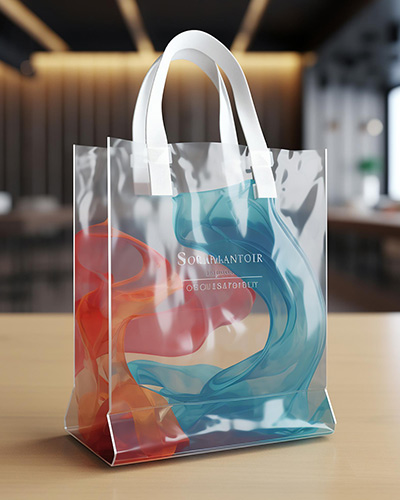
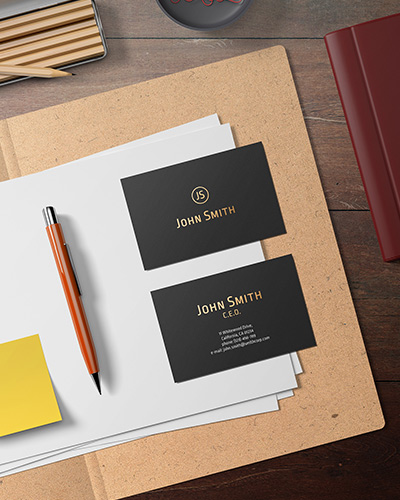
Large format printing is a specialized printing service designed to produce images and graphics that are significantly larger than standard print sizes. This method is essential for creating impactful visual displays in both indoor and outdoor environments, including banners, billboards, murals, trade show graphics, and signage. Using advanced printing techniques and premium substrates, large format printing provides high-resolution, vibrant, and durable visuals that effectively capture attention and convey messages clearly from a distance. The process requires precise calibration of printers and substrates to ensure sharp image quality and color consistency across expansive surfaces. The scope of large format printing extends beyond traditional banners, encompassing vehicle wraps, wall coverings, window decals, and custom artwork, making it an indispensable tool for businesses and organizations aiming to enhance brand visibility and spatial aesthetics.
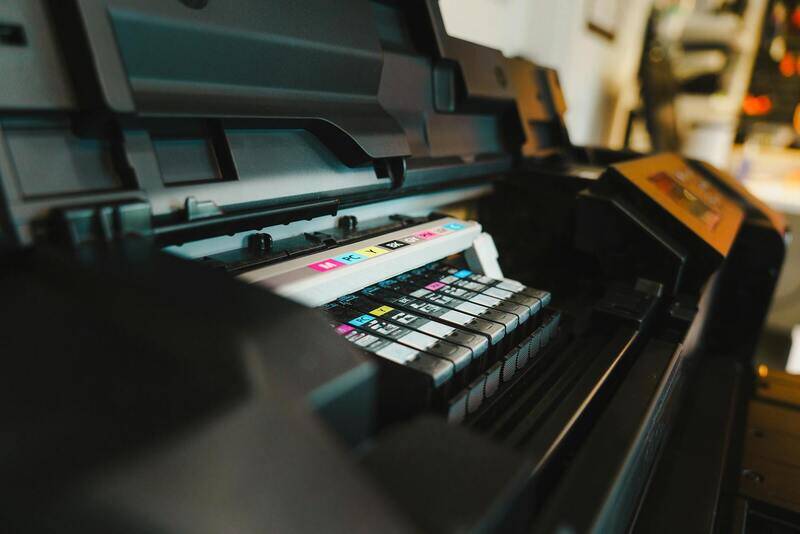
When considering large format printing, understanding the various available materials and their specific applications is crucial for achieving desired visual effects and longevity. From lightweight vinyl for portable signage to heavy-duty fabrics for outdoor branding, the choice of material directly influences the durability, appearance, and overall effectiveness of the final product. Partnering with experienced printing service providers ensures the correct selection of substrates and adherence to quality standards. The versatility and precision of large format printing make it an essential tool in modern marketing, event planning, interior design, and environmental branding efforts.
Types of Large Format Printing Technologies
Solvent Printing
Solvent printing utilizes solvent-based inks that penetrate the substrate surface, resulting in highly durable images with excellent resistance to water, UV rays, and environmental pollutants. This technology is ideal for outdoor applications such as billboards and vehicle wraps, where long-term exposure to the elements is expected. Solvent prints are renowned for their vivid color reproduction and resistance to fading, making them suitable for prolonged displays.
Eco-Solvent Printing
Eco-solvent printing is a variant of solvent printing that employs environmentally friendly inks with lower volatile organic compounds (VOCs). This method offers similar durability and color vibrancy while reducing environmental impact. Eco-solvent printers are often used for indoor and outdoor signage where sustainability is a priority.
UV Printing
UV printing employs ultraviolet light to instantly cure inks on a wide variety of substrates, including rigid materials like acrylic, glass, and wood. This technique enables high-detail, full-color prints with superior scratch resistance and color vibrancy. UV printing is particularly beneficial for creating signage, wall art, and customized medical or industrial components requiring precise, durable finishes.
Latex Printing
Latex printing uses water-based, flexible inks that adhere well to numerous surfaces, including fabrics, vinyls, and plastics. Known for its eco-friendliness and ease of use, this technology provides prints that are both highly durable and removable, ideal for retail displays and events. Latex printing also offers excellent color gamut and quick turnaround times.

Selecting the most appropriate printing technology depends on factors such as application environment, substrate compatibility, desired lifespan, and environmental considerations. Partnering with knowledgeable print service providers ensures that the chosen technology aligns with project requirements, delivering optimal quality and performance for large scale visual displays.
Design and Preparation for Large Format Printing
Effective large format printing hinges on meticulous design preparation and file readiness. To achieve optimal results, designers and clients must adhere to specific technical standards and best practices that ensure the final output precisely matches the intended vision.
First, understanding the importance of resolution is crucial. For large scale prints, a minimum of 150 DPI (dots per inch) at the final size is recommended to maintain clarity and detail without pixelation. Files should be created at the actual print size or larger, with resolution adjustments made during the design process.
Color management plays a significant role in delivering consistent, vibrant visuals. Utilizing color profiles compatible with printing equipment, such as Adobe RGB or CMYK, ensures that colors are accurately represented in the final product. Incorporating Pantone color references can further enhance color precision, especially for brand-specific hues.
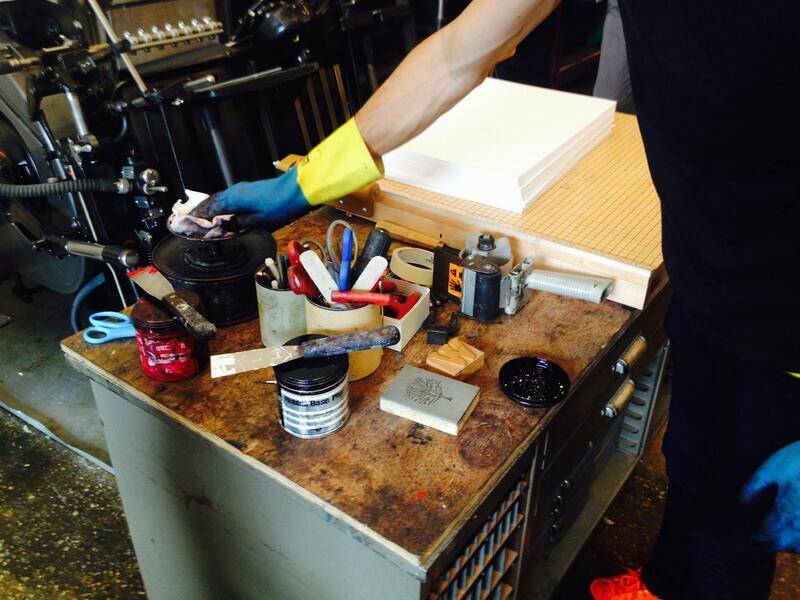
Design optimization involves simplifying complex images and avoiding excessive use of vectors or effects that may not translate well at large scales. Incorporating bleed areas (typically 2-3mm beyond the final trim size) is essential to prevent unwanted white borders after trimming.
It's also beneficial to work within the specifications provided by print service providers, including file formats (such as PDF, TIFF, or EPS), color settings, and file dimensions. Ensuring that all layers are flattened and that fonts are converted to outlines can avoid font mismatches and rendering issues.
Pre-press checks, including proofing and color calibration, are vital steps to identify potential issues before production. Many professional print labs offer digital proofs that allow clients to review the layout and colors, minimizing errors and reprints.
In summary, careful preparation of design files—focused on resolution, color accuracy, and file specifications—sets the foundation for successful large format printing. Collaboration with skilled designers and print technicians further enhances the quality, ensuring that the final prints meet professional standards and visual expectations.
Maintaining and Extending the Longevity of Prints
Proper maintenance of large format prints is essential to preserve their visual appeal and structural integrity over time. The longevity of these prints depends heavily on the materials used, exposure to environmental elements, and handling practices. When cared for adequately, large format prints can retain their vibrancy and structural integrity for several years, making them a valuable investment for businesses and individuals alike.
Environmental Protection and Placement
Strategic placement of printed graphics minimizes exposure to damaging elements such as direct sunlight, extreme temperatures, and moisture. UV radiation is particularly detrimental, causing fading and discoloration of inks over time. For outdoor applications, selecting prints with UV-resistant coatings or increased colorfastness can significantly extend their lifespan. Indoors, avoiding direct sunlight and maintaining controlled humidity levels helps prevent warping, peeling, and color degradation.
Cleaning and Handling Practices
Routine cleaning using gentle, non-abrasive methods preserves the appearance of large format prints. Soft cloths, mild detergents, and avoiding harsh chemicals ensure that surfaces remain undamaged. Handling prints carefully during installation and repositioning prevents physical damages such as tears, scratches, or delamination. Using proper mounting techniques and avoiding excessive bending or folding helps maintain structural integrity.
Use of Protective Coatings
Applying additional protective layers, such as laminate or varnishes, enhances resistance to environmental agents and physical wear. Laminates are available in gloss, matte, and satin finishes, each offering different aesthetic and protective qualities. These coatings act as barriers against scratches, fingerprints, and dirt, thereby maintaining the print's clarity and impact.
Storage for Long-Term Preservation
If large format prints are not immediately displayed, proper storage is vital. Store rolled prints in a clean, dry environment, preferably in protective tubes or acid-free containers. Avoid stacking or compressing prints to prevent deformation. When storing flat, use padded surfaces and avoid exposure to dampness, heat, or UV light, which can compromise print quality over time.
Special Considerations for Different Materials
- Vinyl Banners and Vinyl Films: Ensure they are thoroughly cleaned and stored rolled to prevent creases or cracking. Regular inspection for signs of bubbling or peeling is recommended.
- Canvas and Fabric Prints: These should be kept in controlled environments to prevent mold growth and fading. Use UV protectants if displayed outdoors.
- Paper and Poster Prints: Avoid exposure to moisture and excessive handling. Consider framing behind glass for added protection during display.
Monitoring and Periodic Evaluation
Regularly inspecting printed materials allows early detection of potential issues such as fading, peeling, or mold. Prompt maintenance and reapplication of protective coatings help prolong the print's lifespan. Engaging with professional print service providers for periodic evaluations and maintenance advice ensures that high standards are upheld, especially for critical or high-value displays.

Maintaining and Extending the Longevity of Prints
In the realm of large format printing, ensuring the durability and longevity of printed materials is crucial for maximizing their visual impact and return on investment. Proper maintenance strategies help retain color fidelity, prevent damage, and preserve the overall quality of the prints over time. These practices also play an important role in reducing the need for frequent replacements, thus saving costs and resources.
Regular Cleaning and Inspection
Implementing routine cleaning schedules is essential to remove dust, dirt, and pollutants that accumulate on the surface of large format prints. Use soft, lint-free cloths or gentle brushes to wipe surfaces without causing abrasions. For more stubborn dirt or smudges, a mild detergent solution can be used, ensuring it does not degrade the print material or ink. Periodic inspections should be conducted to identify early signs of wear, such as bubbling, peeling, or fading, allowing for timely intervention.
Proper Handling and Display Conditions
Handle large format prints with care, supporting the entire surface to avoid creases and tears. When displaying, choose locations that minimize exposure to direct sunlight, temperature fluctuations, and high humidity. UV exposure, in particular, accelerates fading and deterioration; thus, installing UV-protective coatings or glass can significantly extend the life of the prints.
Environmental Controls and Storage
For prints that need to be stored rather than displayed, environmental controls are vital. Maintain dryness, moderate temperature, and controlled humidity levels to prevent warping, mold, and other forms of deterioration. When storing rolled prints, keep them in protective tubes or acid-free containers, avoiding compressed storage that may deform the material. Flat storage requires padded surfaces, away from prolonged exposure to light, heat, or moisture.
Protective Coatings and Laminates
Applying protective laminates or coatings adds a barrier against outdoor elements, physical abrasions, and environmental contaminants. Choose coatings compatible with the print material and ink type, ensuring they do not compromise image quality. Laminates also provide options for gloss, matte, or satin finishes, enhancing aesthetic appeal while bolstering durability.
Professional Maintenance and Restoration
Engaging with trusted print service providers for periodic evaluation and maintenance can significantly extend the lifespan of large format prints. These professionals can perform deep cleaning, coating reapplications, and even restoration of damaged prints. Regular checks by experts help identify emerging issues early, enabling timely remediation and preservation of the visual integrity of the prints.

Maintaining and Extending the Longevity of Prints
Proper maintenance is essential to preserve the quality and vibrancy of large format prints over time. Regular inspection allows for early detection of potential issues such as fading, scratches, or environmental damage. When examining prints, look for signs of surface contamination, discoloration, or physical deformation that could compromise their aesthetic and structural integrity.
Implementing suitable environmental controls further enhances durability. Avoid placing prints in direct sunlight, as UV exposure accelerates fading and deterioration. Maintaining stable temperature and humidity levels is crucial, particularly in areas prone to fluctuations that can cause material warping or mold growth. Using dehumidifiers and climate-controlling systems in storage or display spaces helps mitigate these risks.
Cleaning procedures should be gentle and appropriate for the print material. Use soft, lint-free cloths to remove dust and surface dirt, avoiding abrasive products that could damage the surface. For more stubborn stains, consulting with professional print care specialists ensures that cleaning does not compromise ink or material integrity.
To extend the lifespan of large format prints further, consider applying protective coatings or laminates. These enhancements act as barriers against environmental pollutants, physical abrasions, and moisture-related damage. Glossy, matte, or satin laminates can be chosen based on desired aesthetic and functional requirements, providing additional UV protection and surface durability.

Guidelines for Authentic and Effective Large Format Printing
When aiming to produce large format prints that meet high standards of quality, durability, and visual impact, adhering to established professional methods is essential. This involves careful selection of printing approaches, materials, and environmental considerations tailored to the specific objectives of each project. Implementing these official techniques ensures consistent results and enhances the longevity of the printed output, whether for commercial advertising, artistic displays, or informational signage.
Criteria for Selecting Appropriate Printing Methods
To achieve optimal results, consider the following factors in the selection of printing methods:
- Project Scale and Details: Larger sizes require specialized equipment capable of handling extensive materials without compromising resolution or color accuracy.
- Color Accuracy and Fidelity: Utilize industry-approved color management processes, such as color profiles and calibration, to ensure that the colors reproduced align precisely with the original design intent.
- Material Compatibility: Match the printing technology to the intended substrate, considering factors like surface texture, flexibility, and environmental exposure.
- Environmental Conditions: Account for where the print will be displayed or used; outdoor signage demands weather-resistant inks and substrates, whereas indoor displays may afford more sensitive printing options.
- Quantity and Turnaround Time: For large orders or urgent projects, consider methods that balance speed with quality, such as high-volume digital presses, which adhere strictly to professional standards.
Ensuring the Use of Certified and Proven Technologies
Employing recognized and certified large format printing technologies guarantees adherence to safety and quality benchmarks. Respectable vendors utilize equipment from reputable manufacturers that have undergone rigorous testing and certification processes. These technologies typically include calibration procedures aligned with industry standards, ensuring consistency across multiple prints. For example, solvent and UV-curable printers are widely acknowledged for their ability to produce vivid, durable images suitable for outdoor environments, while eco-solvent and latex printers are preferred for their environmentally responsible emissions and flexible material compatibility.
Advanced Material Handling and Processing
Using highlighted industry-approved materials is key to producing long-lasting large format prints. These materials often include:
- Vinyl Films: Widely used for banners and vehicle wraps, available in gloss, matte, or satin finishes, and resistant to weather elements.
- Backlit Films: Designed for illuminated displays, offering high transparency and color vibrancy under light sources.
- Canvas and Textile Substrates: Suitable for fine art reproductions or promotional displays, providing texture and depth to images.
- Rigid Substrates: Includes foam boards, aluminum panels, and acrylic sheets for signs and displays requiring sturdiness and permanence.
Design and Preparation following Industry Protocols
Proper preparation of digital files is critical for precise large format printing. This involves:
- Using high-resolution images with appropriate DPI (dots per inch), typically at least 150-300 DPI at the final print size to ensure sharpness.
- Applying color management techniques, including color profiles and proofing, to match digital designs to physical outputs.
- Considering bleed margins and safe zones to prevent unintended cropping or loss of important elements.
- Prepress checks for file consistency, resolution adequacy, and format compatibility, following industry standards to minimize errors.
Conclusion: Adhering to Approved Practices for Superior Large Format Printing
Implementing official, proven methods in large format printing involves selecting certified technologies and materials, meticulous file preparation, and quality control throughout each stage of production. By maintaining a focus on industry standards for calibration, substrate compatibility, and environmental considerations, professionals can produce large format prints that are vibrant, durable, and aligned with project expectations. This disciplined approach not only guarantees high-quality visual output but also extends the operational lifespan of the prints, ensuring they serve their intended purpose effectively for years to come.