Large Size Printing Services: Capabilities And Considerations In Singapore
Wide Format Services
Overview of Large Size Printing Services
Large size printing services have become an essential component across multiple industries, offering the ability to produce impactful visuals, informative displays, and promotional materials in dimensions that surpass traditional printing formats. This form of printing is characterized by its capability to handle oversized media, ranging from banners and posters to murals and backdrops. The versatility of large size printing makes it invaluable for advertising, event presentation, retail displays, and interior design projects.
In various sectors including retail, hospitality, real estate, and entertainment, large format printing enables brands and organizations to communicate messages more effectively and attract attention in crowded environments. For example, retailers utilize large banners and window displays to showcase their products and promotions, while event organizers employ sizeable backdrops and signage to create immersive experiences. The importance of high-quality large size prints lies in their ability to convey brand identity clearly from a distance, enhance visual impact, and reinforce marketing campaigns.
Moreover, large size printing serves a range of specialized applications such as vehicle wraps, exhibition displays, and architectural murals. These applications demand precise, durable, and visually compelling outputs that can withstand environmental factors and maintain aesthetic standards over time. The growth of digital printing technologies has also allowed for more flexible, on-demand production with shorter lead times, making large format printing more accessible and efficient for businesses and organizations.
Effective large size printing relies on advanced equipment, skilled operators, and quality control measures to ensure vibrant colors, sharp details, and consistent results. As the demand for large visuals continues to expand, companies providing large size printing services must adapt by offering innovative solutions tailored to diverse needs and conditions. The ability to produce high-resolution, durable, and eye-catching large prints is what sets industry leaders apart in this dynamic field.
High-resolution banners and posters exemplify the effectiveness of large size printing in advertising campaigns.
Types of Large Size Printing Technologies
Choosing the appropriate printing technology is essential to achieving high-quality large format prints that meet specific project needs. Digital wide-format printing is the most prevalent method for creating vibrant banners, posters, and custom graphics due to its ability to produce detailed images quickly and cost-effectively. This technology employs inkjet printers capable of handling various substrates, making it versatile for different applications and sizes.
Offset large format printing, while traditionally associated with high-volume printing for publications, has evolved to accommodate larger sizes through specialized presses. This method offers exceptional color consistency and sharpness, ideal for projects requiring uniform output across multiple copies, such as large promotional displays or event backdrops.
Precision and clarity are vital in large print projects, and selecting the right technology ensures optimal results.
Meanwhile, solvent and eco-solvent printing technologies are favored for outdoor applications due to their durability and resistance to weather elements. These methods provide vibrant, long-lasting imagery suitable for vehicle wraps and outdoor signage.
Laser and UV printing technologies are also gaining prominence for specialty applications requiring high durability and precise imaging. UV printing, in particular, allows for direct printing on non-porous surfaces, expanding design possibilities for architectural murals and decorative elements.
Understanding the features of each technology helps in aligning project requirements with the most suitable printing method, ensuring maximum visual impact and longevity of the prints.
Overview of Large Size Printing Services
Large size printing services are essential for creating impactful visual displays across various industries, including advertising, retail, event management, and architecture. These services facilitate the production of oversized graphics, banners, signage, and murals that demand high quality, durability, and precise color accuracy. The capability to print on a multitude of substrates and achieve vibrant, detailed images ensures that brands and organizations can effectively communicate their messages to broad audiences. Advanced large format printing solutions utilize innovative technologies that cater to diverse project needs, from temporary promotional displays to permanent architectural features. The availability of multiple printing options allows clients to choose the most suitable process based on material choice, expected lifespan, and environmental conditions, ensuring their investment yields long-lasting visual impact and resonates with viewers for extended periods.
Types of Large Size Printing Technologies
Image showcasing different large format printing setups and equipment.
Choosing the right technology for large size printing is crucial to obtaining clear, durable, and visually striking results. Each printing method comes with unique advantages that align with specific project requirements:
UV Printing: UV printing utilizes ultraviolet light to instantly cure ink upon application, allowing for direct printing on non-porous surfaces such as glass, metals, and plastics. This feature expands creative possibilities and produces highly durable outputs capable of withstanding environmental stressors.
Solvent and Eco-solvent Printing: These are widely used for outdoor signage and vehicle wraps because of their excellent weather resistance and long-lasting color vibrancy. Eco-solvent options minimize environmental impact while maintaining high print quality.
Giclée and Inkjet Printing: Known for their ability to produce high-resolution images with rich color depth, this technology is ideal for detailed murals, fine art reproductions, and photographic displays at large scales.
Offset Large Format Printing: While traditionally used for high-volume printing, adapted offset presses can handle large substrates, offering consistent color reproduction necessary for brand-affiliated displays or extensive signage projects.
Laser and Specialized Digital Printing: These methods are suited for producing precision-cut decals, decorative panels, and other_detail-oriented applications that require high accuracy and sharp image reproduction.
Factors Influencing Technology Selection
When deciding on a printing technology, it is important to consider factors such as:
Project durability requirements
Type and properties of the substrate used
Color fidelity and image sharpness needs
Environmental exposure and lifespan expectations
Budget constraints and turnaround time
Matching the right technology to project specifications ensures the final product meets both aesthetic and functional standards, while also providing long-term value and performance.
Common Materials and Substrates
Large size printing services support a broad spectrum of materials tailored to specific needs:
Vinyl: The most popular substrate for banners, signs, and vehicle wraps, offering flexibility, weather resistance, and ease of installation.
Fabric: Used for high-end banners, event displays, and backdrop fabrics, providing a textured finish and vibrant color reproduction.
Canvas and Paper: Suitable for artistic prints, murals, and photographic enlargements, emphasizing detailed imagery with rich color rendition.
Rigid Boards (PVC, Foam Board, Aluminum): Ideal for permanent signage, architectural displays, and trade show booths where stiffness and durability are necessary.
Selecting the appropriate substrate depends on application, environmental exposure, and desired aesthetic outcome, which influences the longevity and visual quality of the print.
Image Placeholder for Material Selection Image illustrating various substrates used in large size printing.
Understanding the specific properties and processing requirements of each material ensures optimal results and efficient project execution.
Types of Large Size Printing Technologies
Choosing the appropriate printing technology is fundamental to achieving high-quality large format outputs that meet both aesthetic and functional requirements. The selection process hinges on factors such as material compatibility, desired print durability, color accuracy, and budget considerations.
Digital Large Format Printing
Digital large format printing is the most prevalent and versatile method, offering rapid production with minimal setup time. This technology employs inkjet or aqueous printing systems capable of producing detailed images with vibrant color fidelity across various substrates. Its adaptability makes it ideal for short to medium runs, custom designs, and intricate graphics. Digital printing is also well-suited for on-demand printing, providing flexibility for projects with tight deadlines.
Screen Printing
Though traditionally associated with smaller runs, screen printing can be scaled for larger formats, especially when producing signage that requires solid color areas. It utilizes a mesh stencil to apply ink layer by layer, allowing for vibrant and opaque colors. This method is particularly effective for producing durable, weather-resistant signs, banners, and promotional graphics on surfaces like vinyl, fabric, or rigid substrates.
UV Flatbed Printing
UV flatbed printing employs ultraviolet light to instantly cure the ink upon contact with the substrate, enabling printing directly onto rigid surfaces, including acrylic, wood, glass, and metal. This process ensures high-resolution images with sharp details and vibrant color reproduction. UV printing is favored for applications requiring versatility in substrate choices and long-lasting visual appeal, such as architectural displays, decorative signage, and exhibition panels.
Lamination and Finishing Techniques
Post-printing finishing processes like lamination, encapsulation, and mounting further enhance the durability and appearance of large format prints. Laminates can add UV protection and weather resistance, making prints suitable for outdoor environments. Mounting onto foam boards or rigid panels provides structural stability, especially for large displays that require transportation and installation flexibility.
Various large format printing technologies and their applications
Aligning the chosen technology with the specific project requirements ensures the final product's quality, longevity, and visual impact. Each method offers distinct advantages that, when matched appropriately, optimize both budget and operational efficiency for large size printing projects.
Factors to Consider When Choosing a Service Provider
Assessing Printing Expertise and Capabilities
When selecting a provider for large size printing services, it is essential to evaluate their technical expertise and the range of equipment they utilize. A reputable operator should possess extensive experience with various large format printing technologies, such as UV flatbed, solvent, eco-solvent, and latex printing. These technologies determine the scope of materials and substrates they can handle effectively, influencing the final output quality. An established provider will maintain well-maintained, up-to-date machinery capable of producing prints with high resolution, accurate color reproduction, and consistency across large surfaces. Proof of ongoing staff training and technical certifications can further demonstrate their commitment to quality and competitive standards.
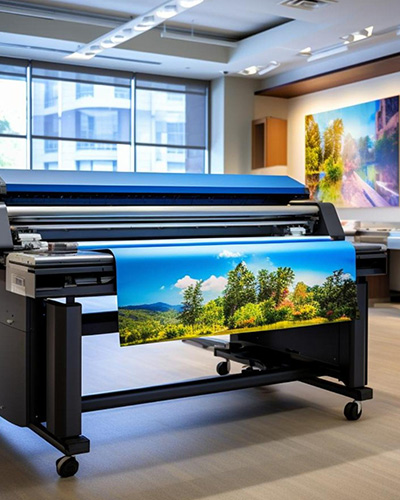
State-of-the-art large format printing machinery in a professional facility
Portfolio and Previous Projects
Reviewing a potential service provider’s portfolio offers insights into their craftsmanship and versatility. A portfolio showcasing a diverse array of completed projects—ranging from retail displays and billboards to custom art installations—serves as evidence of their ability to meet various client needs. Requesting case studies or examples relevant to your intended application can help assess how well the provider understands large format printing intricacies and whether they can achieve the visual impact you desire.
Material and Substrate Handling Experience
Different projects demand different substrates, such as vinyl, fabric, acrylic, or metal. An adept large size printing service should demonstrate proficiency in working with these materials, ensuring they can handle custom sizes without compromising quality. Additionally, their understanding of substrate preparation, bonding, and finishing techniques is crucial for durability, especially for outdoor signage exposed to weather elements. A reliable provider will also advise on suitable materials aligned with your specific environmental and aesthetic requirements.
Customization and Design Support
The ability to offer comprehensive design support and customization is a vital aspect of selecting a print service provider. Look for companies that provide assistance with artwork preparation, color management, and proofing to ensure your vision is accurately translated into the final product. Advanced color calibration and high-resolution printing capabilities enhance the vibrancy and clarity of your graphics, making them more impactful. An experienced provider will also facilitate adjustments during the proofing phase, ensuring the finished product aligns with your expectations.
Customer Service and After-Sales Support
Effective communication and professional customer service significantly influence the overall experience. Providers should be transparent about their processes, timelines, and potential limitations. Reliable after-sales support, including post-printing maintenance advice and handling of any issues that arise, further solidifies a relationship built on trust. Choosing a company committed to client satisfaction ensures that any concerns or adjustments following the project are addressed promptly and efficiently.
Large format prints during quality inspection in a professional studio
Common Materials and Substrates
When selecting a provider for large size printing services, understanding the range of materials and substrates used is essential for ensuring your final product meets your expectations regarding durability, appearance, and suitability for specific environments. The choice of material directly impacts the print quality, lifespan, and overall aesthetic appeal of your large format prints.
Vinyl wraps are among the most popular substrates due to their versatility, weather resistance, and ease of installation, making them ideal for vehicle graphics, outdoor banners, and event signage. Canvas fabrics are favored for art reproductions and interior displays, providing a textured, high-end look that enhances visual depth. PVC Boards and Foamex are rigid substrates often utilized for indoor signage, exhibition displays, and point-of-sale graphics. These materials offer a smooth surface for high-resolution printing and are robust enough for prolonged use.
Fabric-based materials such as mesh fabrics are also widely used, especially for large banners intended for outdoor use, thanks to their breathability and wind resistance. Additionally, specialty materials like backlit films and transparent films are suitable for illuminated signage, creating eye-catching displays with vibrant visuals even in low-light conditions.
Variety of substrates used in large size printing services to match different application needs
Design and Artwork Preparation
Effective design and artwork preparation are fundamental to achieving high-quality large format prints. It starts with understanding the specifications of the printing technology and substrates to optimize the resolution and color management of your artwork. Files should typically be prepared in high-resolution formats such as PDF, TIFF, or EPS, with careful attention to color profiles, bleed marks, and safe zones to prevent cropping issues.
Vibrant and accurate color reproduction relies heavily on proper color management practices, including calibration of screens and printers to ensure consistency between digital designs and final prints. Advanced proofing options, such as soft proofs or printed proofs, can be employed to verify color fidelity before production begins, saving time and resources.
Designers should also consider the viewing distance and environmental context of the print. For example, outdoor signage might benefit from bold, high-contrast visuals and minimal text to ensure readability from a distance. Conversely, detailed artwork with fine lines may be suitable for close-up viewing environments. Collaborating with experienced large format printing specialists can assist in optimizing your artwork for the specific project parameters, minimizing errors and enhancing the visual impact.
Applications of Large Size Printing Services
Large size printing services are integral to a diverse array of industries, supporting branding, advertising, and informational displays. These applications leverage the versatility and visual impact of large format prints to communicate effectively with target audiences across multiple contexts.
Outdoor Advertising: Billboards, building wraps, and transit advertising harness the power of large banners to capture attention on a broad scale. Their durability against weather elements is critical for outdoor environments, requiring materials and inks capable of sustained outdoor exposure.
Event and Exhibition Displays: Retractable banners, backdrops, and booth displays are tailored for dynamic event environments. These prints often require lightweight, portable substrates that are easy to assemble and transport, while maintaining high visual quality.
Retail Signage and Interiors: Storefront graphics, wall murals, and window decals enhance brand visibility and interior ambiance. These applications benefit from vibrant, high-resolution prints on materials that align with interior decor and branding strategies.
Art Reproductions and Gallery Displays: Canvas prints and fine art substrates provide visually rich reproductions, crafted to preserve color accuracy and detail at large scales.
Architectural and Design Visuals: Large-scale project renderings, technical diagrams, and conceptual displays utilize high-quality prints to communicate complex ideas clearly and professionally in both indoor and outdoor settings.
Application of large format printing in various industries
Factors to Consider When Choosing a Service Provider
Choosing the right provider for large size printing services requires careful evaluation of several key factors to ensure high-quality results, reliability, and value for investment. Expertise in handling diverse materials and substrates is essential, as it influences the final appearance and durability of the printed output. A provider with extensive experience can better advise on the most suitable printing technologies and materials for each project, optimizing both aesthetics and longevity.
It is important to assess the range of printing technologies available, such as solvent, UV, or dye sublimation printing, and how they match the specific requirements of your project. For instance, UV printing offers excellent resistance to weather conditions, making it ideal for outdoor signage, while dye sublimation is preferable for vibrant, detailed fabric prints.
Another vital consideration is the quality of materials used, including inks, substrates, and finishing options. High-quality inks ensure color accuracy, sharpness, and long-term color retention, especially when exposure to sunlight or environmental factors is anticipated. Compatibility of materials with the chosen technology can impact the overall durability and appearance of the final product.
Equipment maintenance and operational standards also influence output quality. Modern, well-maintained equipment reduces the risk of defects like color inconsistency, misalignment, or print imperfections. Top-tier providers routinely calibrate their machines and follow strict quality control processes to deliver consistent results.
Turnaround time is another consideration; reliable providers should offer clear timelines aligned with project scope and complexity. Emergency or rush services might be available but often at premium rates, so understanding the scheduling commitments beforehand helps in planning accordingly.
Customer service and support can significantly impact the project experience. Effective communication, transparent pricing, and responsive support ensure that any issues or adjustments are efficiently managed. Additionally, review customer testimonials or case studies to gauge satisfaction levels and the provider’s ability to meet diverse client needs.
Lastly, verifying certifications related to environmental standards and quality management, such as ISO certifications, indicates the provider’s commitment to sustainable practices and consistent quality assurance. These certifications reflect adherence to industry standards, promoting confidence in the reliability and responsibility of the service provider’s operations.
High-quality large format prints require a combination of advanced technology and expert handling to ensure vivid colors and durability.
Ensuring Print Quality and Durability in Large Size Printing Services
Achieving superior print quality and durability in large size printing projects involves meticulous attention to various technical and procedural factors. Reputable service providers utilize advanced printing equipment, such as wide-format inkjet or solvent printers, which are calibrated regularly to maintain color accuracy and sharpness across large surfaces. These devices are capable of producing high-resolution images, ensuring that the final output remains vivid and detailed, even over expansive dimensions.
Material handling is equally crucial. Even the most sophisticated printers cannot compensate for subpar substrates. Leading providers select premium materials that complement their printing technology, whether it’s vinyl, canvas, fabric, or rigid substrates like foam board or acrylic. These materials are stored and prepared with care to prevent inconsistencies such as warping or surface imperfections, which could compromise the final appearance.
High-resolution large format print on durable vinyl material
Printing technicians employ robust quality control protocols through each stage of production. This involves inspecting print outputs for issues such as misalignment, color bleed, or uneven ink distribution. Calibration tools and color management software are used to ensure color fidelity aligns with design specifications, preventing costly reprints or delays.
Cutting-Edge Techniques for Long-Lasting Results
Many top-tier providers incorporate finishing techniques like lamination, UV coating, or embossing to enhance the durability and aesthetic appeal of large prints. Lamination adds a protective layer that shields against UV rays, moisture, scratches, and general wear and tear, significantly extending the lifespan of the print. UV coatings not only provide a glossy or matte finish but also offer resistance against environmental factors, making them ideal for outdoor displays.
Maintenance and Handling Best Practices
Proper installation and handling further influence the longevity of large-format prints. Professional installers use appropriate tools and techniques to secure banners, wallpapers, or signage, minimizing wrinkles, air bubbles, or tearing during application. Post-installation care, such as regular cleaning with suitable products, helps maintain appearance and prevent the buildup of dirt or pollutants that can degrade the image quality over time.
Professional installation ensures the longevity and visual impact of large prints
Environmental Resistance and Maintenance
Choosing prints with weather-resistant properties is vital for outdoor applications. Some substrates and inks are specially formulated to withstand UV exposure, humidity, and temperature fluctuations. This resilience is achieved through the use of advanced formulations and protective coatings, ensuring that large prints visually remain impactful and structurally sound over extended periods.
Addressing Query: How Long Do Large Prints Last?
The lifespan of large-format prints varies based on materials, environmental conditions, and maintenance. Outdoor banners or signage with UV-resistant inks and laminate can last upwards of 3-5 years, whereas indoor displays typically maintain their vibrancy for 5-10 years. Proper installation, regular cleaning, and shielding from harsh elements significantly influence longevity, emphasizing the importance of working with experienced providers who prioritize durability in their solutions.