Understanding Large Format Printing in Singapore
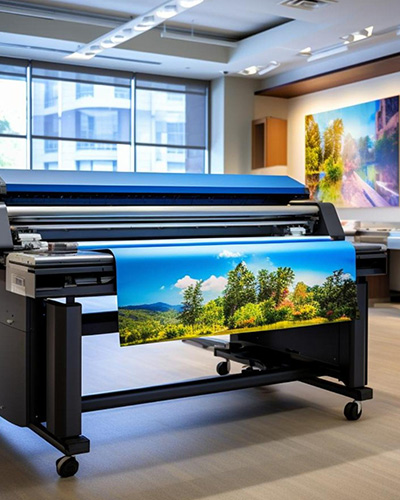
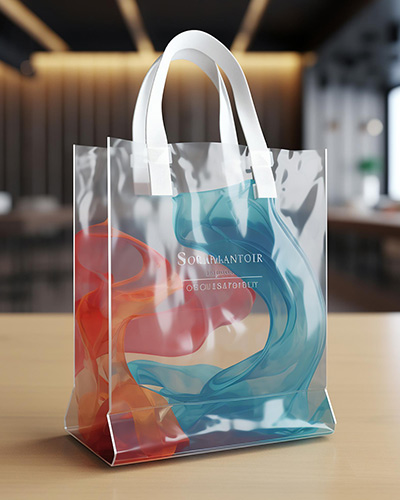
Large format printing is an essential component of Singapore's vibrant visual communication industry, serving a wide array of applications from advertising and promotional displays to architectural and interior design. This printing process involves producing images or graphics on materials that require printing widths typically exceeding 24 inches, allowing for high-impact visuals that are easily visible from a distance. The significance of large format printing in Singapore lies in its ability to create visually compelling displays that effectively capture attention in a competitive environment, whether in retail spaces, trade shows, outdoor signage, or corporate branding.
The technology behind large format printing encompasses advanced printing methods that ensure high resolution, vibrant color reproduction, and durability of the output. Key equipment includes wide-format printers capable of handling various substrates, including vinyl, fabric, paper, and other specialty materials. These printers utilize different ink technology types, such as solvent, eco-solvent, UV-curable, or aqueous inks, each suited for specific applications and environmental considerations.
Singapore's strategic position as a global business hub amplifies the demand for high-quality large format prints. Companies across industries leverage this capability to enhance their brand visibility and create impactful brand experiences. Whether it's a massive billboard in busy city centers or intricate interior murals within corporate offices, large format printing continues to evolve and adapt to contemporary marketing and communication needs.
Furthermore, the industry’s growth is supported by an increasing emphasis on sustainable printing practices and innovations that allow for finer detail, faster production times, and environmentally friendly materials. As such, businesses and service providers in Singapore prioritize working with reputable printing experts that uphold quality standards and employ the latest technology. This ensures not only the visual excellence of the final product but also adherence to local industry regulations and standards.

Types of Large Format Printing Materials and Technologies
Large format printing in Singapore utilizes an array of advanced materials and cutting-edge technologies to meet diverse industry demands. Selecting the appropriate combination is essential for achieving optimal results in terms of durability, visual impact, and environmental compatibility.
Popular Materials for Large Format Prints
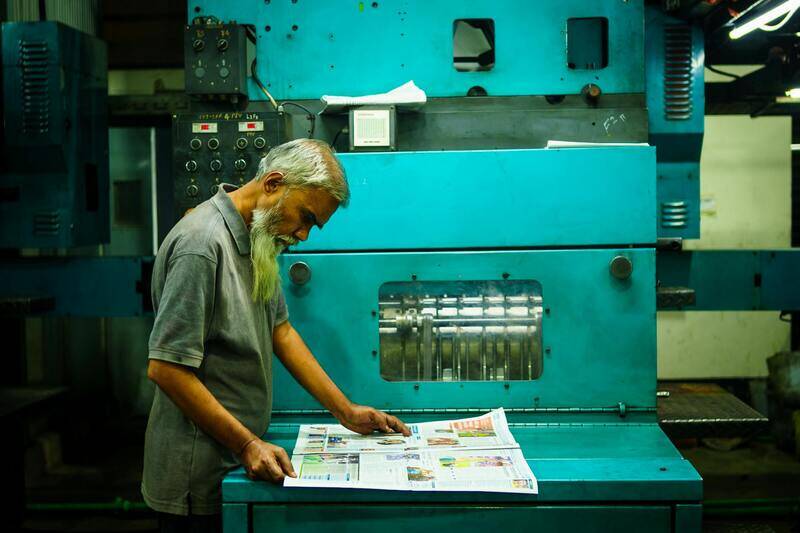
- Vinyl: Known for its durability and weather resistance, vinyl is ideal for outdoor banners, billboards, and vehicle wraps. Its flexibility allows for application on uneven surfaces, making it versatile for various advertising mediums.
- Fabric: Widely used for indoor displays, fabric prints offer a matte finish and ease of installation. They are commonly used for trade show backdrops, retail branding, and event backdrops.
- Photo Paper: Suitable for high-resolution image reproduction, photo paper is preferred for gallery prints, art reproductions, and promotional displays requiring fine detail and color accuracy.
- Polyester and Canvas: These materials are appreciated for their premium look and texture, frequently employed in interior mural projects or fine art reproductions.
- Specialty substrates: Including window films, mesh, and wallpaper materials, these are used for specific applications that demand unique finishes or environmental considerations.
Technological Approaches in Large Format Printing
The core technology behind large format printing includes diverse inkjet printing methods tailored for specific substrates and purposes. Some key technologies include:
- Solvent and Eco-Solvent Printing: Known for their robustness and weather resistance, solvent inks adhere well to non-porous surfaces like vinyl and banner fabrics. Eco-solvent variants offer reduced environmental impact while maintaining durability.
- UV-Curable Printing: This technology uses UV light to instantly cure inks, enabling prints on rigid and non-porous materials such as acrylics, foam boards, and glass. It offers vibrant color reproduction and high precision.
- Aqueous Printing: Typically used for indoor applications, aqueous inks provide excellent color fidelity and are environmentally friendly, suitable for paper and fabric substrates.
Choosing the right material and technology depends on the intended application, environmental exposure, and finish quality required. Service providers in Singapore often combine these options to deliver customized solutions that meet clients’ specific needs, ensuring durable, vivid, and aesthetically appealing large format prints.

Types of Large Format Printing Materials and Technologies
Singapore’s large format printing industry employs a diverse range of materials and advanced printing technologies to cater to various client needs. Selecting the appropriate combination of substrate and technology is critical for achieving the desired durability, visual impact, and environmental suitability.
One prominent category of materials includes vinyl and banner fabrics, widely used for outdoor advertising and promotional displays. These materials benefit from printing methods like solvent and eco-solvent printing, which produce weather-resistant, durable images capable of withstanding Singapore’s tropical climate. Eco-solvent inks, in particular, are favored for their reduced volatile organic compounds, aligning with increasing environmental awareness.
For indoor applications, aqueous and UV-curable printing technologies dominate. Aqueous inks are ideal for wallpapers, window decals, and fabric displays, offering high-fidelity color reproduction and eco-friendly solutions. UV-curable printing, known for its rapid curing process, enables precise, vibrant prints on rigid materials like acrylic, foam boards, and glass, making it suitable for high-end signage and interior decor.
Specialty substrates such as mesh fabrics are used in outdoor banners where breathability is necessary, while wallpaper materials often require high-resolution UV printing for intricate designs. The choice of ink and technology depends heavily on the intended environment, surface material, and desired aesthetic outcome.
Technological advancements continue to shape the industry, offering printers that combine multiple methods and substrates, allowing for versatile, high-quality output. In Singapore, service providers often leverage these innovations to deliver tailored solutions that meet strict standards for durability, color accuracy, and environmental impact. This versatility ensures applications extend from large-scale outdoor advertising to fine interior details, making large format printing a crucial element of visual communication across diverse sectors.

Key Applications of Large Format Printing
Large format printing is integral to Singapore’s dynamic business and cultural landscape. It spans numerous applications, each demanding specific materials and technologies to optimize visual impact and functionality.
- Advertising and Promotional Displays: Banners, posters, and vehicle wraps are ubiquitous, leveraging weather-resistant materials and high-resolution printing to catch attention and convey branding messages effectively.
- Signage and Wayfinding: From storefront signage to directional signs within malls and airports, large format printing offers visibility and clarity. Rigid substrates like acrylic or foam boards ensure longevity and a premium appearance for indoor and outdoor environments.
- Exhibition and Event Graphics: Trade shows rely on vibrant, large-scale graphics that can be quickly assembled and disassembled. Fabric and lightweight materials facilitate portability without compromising visual quality.
- Interior Decor and Art Installations: Murals, wallpapers, and customized decor utilize eco-solvent and UV printing to deliver vivid, high-definition images that transform interior spaces, reflecting Singapore’s focus on innovative design.
- Architectural and Design Prototypes: Large format printing also supports the visualization of building facades and interior layouts, enabling architects and designers to create realistic presentations efficiently.
The variety of applications underscores the importance of selecting the right combination of materials and technology, ensuring each project meets its specific requirements for visual impact, durability, and environmental suitability.

Technical Aspects and Maintenance of Large Format Printing Equipment
Operating large format printers requires a comprehensive understanding of the technical aspects involved to ensure high-quality output and operational efficiency. These machines utilize sophisticated printing technologies, such as UV, eco-solvent, solvent, latex, and aqueous ink systems, each suitable for specific substrates and environmental conditions. Fine-tuning print heads, maintaining proper ink viscosity, and ensuring optimal print bed calibration are essential to achieve consistent color accuracy and sharp details across large surfaces.
Regular maintenance routines are vital to prevent issues like ink clogs, banding, or misalignment. Routine cleaning of print heads, replacing worn-out parts, and monitoring ink levels contribute significantly to the longevity and performance of the equipment. Proper care not only preserves print quality but also minimizes downtime, ensuring project deadlines are met without compromise.
Color Management and Calibration in Large Format Printing
Accurate color reproduction is fundamental for impactful large format printing, especially in branding, marketing, and art applications. This involves rigorous color management processes, including the use of ICC profiles, color calibration tools, and software calibration routines. Color consistency across multiple prints or batches ensures that visual elements convey the intended branding messages effectively.
Proper calibration of monitors, printers, and proofing devices helps achieve uniformity, allowing designers and clients to preview outputs with high confidence. Adhering to international color standards minimizes discrepancies and guarantees that prints match digital designs precisely. Advanced printers may include built-in calibration systems, but supplementary calibration tools often deliver even higher levels of accuracy.

Environmental and Safety Considerations in Large Format Printing
Large format printing involves handling various chemicals, inks, and volatile organic compounds (VOCs). Ensuring a safe working environment necessitates proper ventilation systems, adherence to safety guidelines, and the use of personal protective equipment (PPE) during maintenance or ink handling. It is also crucial to dispose of waste materials responsibly, following local regulations to minimize environmental impact.
Choosing eco-friendly inks and substrates can significantly reduce the ecological footprint of printing operations. UV-curable and latex inks are popular options for their low VOC emissions and minimal odor, contributing to healthier indoor environments. Additionally, implementing recycling programs for used materials and excess inks aligns with sustainable practices.

Conclusion
Effective large format printing in Singapore combines advanced technology, meticulous maintenance, and strict environmental practices. By understanding the technical complexities and adhering to best practices, printing providers can deliver vibrant, durable, and environmentally responsible large-scale graphics that elevate brand presence and visual storytelling. Investing in skilled personnel and modern equipment ensures that each project meets the demanding standards of quality and sustainability expected in today’s competitive market.
Design and Artwork Preparation for Large Format Printing
Optimal design and precise artwork preparation are essential to achieve high-quality large format prints that meet client expectations and project specifications. Proper preparation begins with understanding the resolution requirements—typically, a minimum of 150 dpi at the final print size to ensure sharpness and detail are maintained during scaling. Files created in vector formats like AI, EPS, or PDF often produce the best results for enlargements, as they allow for scalable graphics without loss of quality.
Color management plays a crucial role in the production process. Designers should work within the color gamut of the intended printing medium and use calibrated monitors to ensure that colors appear consistent across different devices. Utilizing color profiles such as ICC profiles helps to maintain color fidelity from digital design to physical output. It is also beneficial to request or create color proofs, which provide a tangible preview of how the final print will look, enabling adjustments before the full run.
Proofing is a step that cannot be overlooked, especially for large-scale projects with precise branding or visual elements. Soft proofs allow for initial evaluations on screen, while hard proofs serve as actual samples that highlight potential issues with color, contrast, or resolution. Professionals often perform test prints on a smaller scale or a similar substrate to identify and rectify issues early on. This process helps avoid costly reprints and ensures the consistency of the final product.

Cost Considerations and Pricing Factors
When assessing the cost of large format printing, it’s important to understand the various factors that influence pricing. Material costs are significant, with different substrates like vinyl, canvas, fabric, or paper impacting overall expenses. The complexity of the design, including the number of colors and detail level, also affects printing costs due to the amount of ink used and the need for specialized settings.
Printing technology and machinery play a role as well. Advanced multi-functional printers with high resolution and fast throughput might command higher initial investments, but they also deliver superior quality and efficiency. Turnaround time is another consideration; expedited services will usually incur additional charges. Furthermore, finishing options such as lamination, mounting, or framing contribute to the overall price but can enhance the durability and presentation of the final product.
Transparency from the printing service regarding pricing structures is vital. Clients should inquire about detailed quotes that break down material costs, labor, finishing, and any potential additional charges. This clarity enables better budgeting and ensures the selected provider can deliver quality results within the financial parameters.
Choosing a Reliable Large Format Printing Service in Singapore
To secure consistent and high-quality large format prints, partnering with a reputable printing provider is essential. Reliability begins with technical expertise; providers should operate state-of-the-art equipment maintained regularly to ensure optimal performance. Experience in managing various substrates and complex designs indicates a comprehensive understanding of large format printing intricacies.
A transparent communication process is also a hallmark of trustworthy service providers. They should offer consultations to understand project requirements, advise on the best materials and printing techniques, and provide comprehensive proofs prior to production. Meeting deadlines without compromising quality is another key aspect of reliability, especially for projects with tight schedules.
Customer reviews, industry certifications, and case studies serve as valuable indicators of a provider’s reputation. A well-established company with a track record of successful large-format projects in Singapore demonstrates stability and expertise, giving clients confidence in their capacity to handle diverse and demanding print requirements.

Design and Artwork Preparation for Large Format Printing
Effective design and meticulous artwork preparation form the foundation for achieving high-quality large format printing results. When preparing files for large-scale printing projects in Singapore, it is crucial to focus on resolution, color accuracy, and file formats to ensure the final output meets expectations.
Adhering to specified resolution standards is essential, typically recommended at 150-300 DPI for large prints. While it may seem low compared to smaller prints, this resolution provides clarity and detail when scaled up, preventing images from appearing pixelated or blurry. Utilizing vector graphics for logos and text ensures that elements scale perfectly without loss of quality, which is particularly advantageous for banners, signs, and posters.

Color management is another critical aspect. Designers should provide color profiles compatible with the printing process, which often involves CMYK color modes. This alignment helps maintain color consistency between the digital artwork and the printed material, minimizing variations caused by differences in monitor displays and printer technology.
The choice of file formats impacts both compatibility and quality. Formats such as PDF, TIFF, or EPS are widely recommended for large format printing because they preserve image quality and support complex designs. Prior to final submission, files should be checked for embedded fonts, proper bleed settings, and trim marks to eliminate any potential issues during the printing process.
Furthermore, collaboration and communication with the chosen printing provider are vital. Sharing detailed specifications and obtaining proofs or samples ensures that the digital artwork aligns with expectations before the entire batch is printed. This step helps identify any discrepancies or required adjustments, thereby reducing waste and preventing costly reprints.
Designers should also consider environmental factors, such as lighting and viewing distance of the final display, which influence color choices and material selection. For outdoor signage, durable and weather-resistant materials paired with UV-resistant inks are advisable to withstand Singapore’s tropical climate and ensure longevity.
Investing time in comprehensive artwork preparation enhances the overall quality, durability, and visual impact of large format prints. Proper collaboration with professional printers and adherence to technical guidelines enable businesses and individuals in Singapore to achieve striking, professional-grade visual communications that effectively attract attention and deliver their message.
Ensuring Quality Control and Durability in Large Format Printing
Achieving high-quality results in large format printing in Singapore involves meticulous quality control checks throughout the production process. Professional print shops employ rigorous standards, including color calibration, material inspection, and print precision, to ensure consistent and vibrant outputs. Verifying that the digital files are correctly prepared with appropriate resolution, color profiles, and bleed settings helps minimize errors and rework.
Durability is a critical consideration, particularly for outdoor displays and signage that are exposed to Singapore’s humid and tropical climate. The selection of weather-resistant materials and UV-protected inks extends the lifespan of printed graphics, maintaining their visual appeal over time. These materials are resistant to fading, water, and environmental pollutants, ensuring that the final product withstands daily wear and tear without significant degradation.

Implementing proper handling, transportation, and installation procedures further protects the integrity of large format prints. Using protective coatings or laminates can also enhance surface durability and provide additional resistance to scratches, abrasions, and environmental factors. Additionally, professional installers ensure that the print is correctly mounted, avoiding warping or misalignment that could detract from the overall visual impact.
Quality Assurance Measures for Large Format Printing
- Conducting pre-press color checks and proofing to match client expectations.
- Performing test prints to verify material compatibility and color accuracy.
- Using calibrated printers for consistent output quality.
- Inspecting each print for defects or imperfections before delivery.
- Warranty policies that guarantee color fidelity and material durability.
Managing Post-Print Finishing Processes
Post-processing techniques such as lamination, mounting, framing, or cutting can significantly enhance the final presentation and longevity of large format prints. Laminates not only provide physical protection but can also add a glossy or matte finish to improve visual effects. Proper mounting on sturdy substrates or framing ensures stability, especially for displays that require frequent handling or repositioning.
Overall, meticulous quality management and material choice are fundamental to achieving superior results in large format printing in Singapore. Partnering with experienced printers who utilize advanced technology and adhere to strict quality standards ensures that your visual communications are impactful, durable, and professional-grade.
Ensuring Proper Disposal and Recycling of Large Format Printing Materials
Proper disposal and recycling of large format printing materials are vital components of responsible print management in Singapore. As the industry continues to evolve with advanced printing technologies and environmentally conscious practices, it is imperative for businesses and consumers to adopt sustainable disposal methods to minimize environmental impact.
Many materials used in large format printing, including vinyl, paper, and laminates, can be recycled if processed correctly. Local regulations and waste management policies in Singapore encourage the segregation and proper disposal of electronic and chemical waste associated with printing supplies. This includes used inks, toners, and unneeded prints, which should be handled by licensed waste disposal firms specializing in hazardous and non-hazardous waste streams.
Recycling initiatives not only help reduce the amount of waste sent to landfills but also promote the reuse of valuable resources. Several companies in Singapore partner with certified recycling facilities to ensure that used print materials are processed following environmental standards. For instance, vinyl banners and vehicle wraps can be shredded and repurposed for other manufacturing processes, while paper-based substrates can be sent for paper recycling facilities.
To facilitate eco-friendly disposal, clients are advised to communicate their sustainability goals with their printing service providers. Many reputable large format printing companies offer take-back programs or guidance on recycling procedures, supporting a circular economy within the industry. Additionally, opting for biodegradable or recyclable materials further enhances sustainability efforts.
Implementing effective waste management strategies within the printing process, such as reducing material waste during design preparation and optimizing print layouts, contributes to lowering unnecessary material consumption. Educating staff and clients about the importance of sustainable practices reinforces the commitment to environmentally responsible operations.
Ultimately, responsible disposal and recycling are crucial in maintaining Singapore’s reputation as a green and sustainable city. Through diligent waste management practices, innovative recycling solutions, and the adoption of eco-friendly materials, the large format printing industry can continue to grow sustainably while supporting the city’s environmental objectives.