Overview of Large Format Picture Printing
Large format picture printing is a specialized printing service that produces images exceeding standard dimensions, typically starting at widths of 24 inches and extending up to several meters. This method of printing is crucial for creating impactful visual displays that demand high resolution and vibrant color accuracy, making it ideal for a broad spectrum of applications across multiple industries in Singapore.
In commercial settings, large format prints serve as powerful marketing tools, transforming retail storefronts, promotional banners, and trade show displays into visually striking elements that attract attention. Additionally, interior designers utilize large prints to enhance aesthetic appeal within corporate offices, hotels, and residential spaces, creating immersive environments that reflect specific themes or branding concepts.
The importance of large format picture printing extends beyond aesthetics; it plays a vital role in brand visibility and customer engagement. High-quality large prints can effectively communicate a message or brand identity, leaving a lasting impression on viewers. As digital media continues to evolve, the demand for physical large-scale visuals remains robust, especially in scenarios where tactile and visual impact is integral to marketing and communication strategies.
Industries such as advertising and event management rely heavily on large format printing due to its ability to produce immediate visual impressions in public spaces. Retailers use giant banners and window displays to showcase promotions and new product launches effectively. Architects and interior designers prefer large-scale prints to help visualize and communicate design concepts during client presentations.
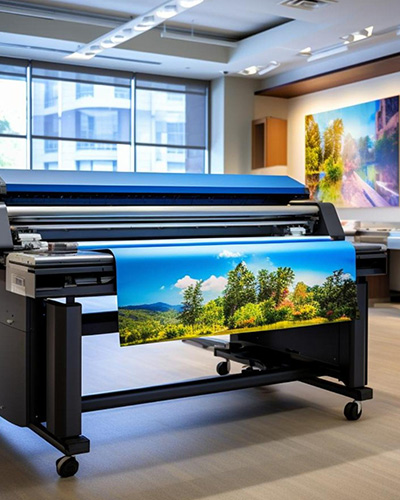
The technological advancement in printing equipment has significantly enhanced the quality and efficiency of large format picture printing. Modern printers utilize wide-format inkjet technology capable of delivering ultra-fine details and color gradation, ensuring the final output is both vibrant and durable. As a result, businesses and individuals seeking high-impact visuals in Singapore can access a variety of professional services that cater to a wide range of specifications and needs.
Overall, large format picture printing has become an indispensable component of visual communication, offering a versatile solution for creating attention-grabbing displays that drive foot traffic, enhance branding, and elevate space aesthetics. For those interested in harnessing its full potential, understanding the specific requirements and available options is essential to achieve optimal results.
Types of Large Format Printing Materials
Understanding the range of materials available is crucial in maximizing the impact and durability of large format prints. The choice of material directly influences the visual quality, weather resistance, ease of installation, and overall cost of the project. Commonly used substrates in large format picture printing include vinyl, fabric, canvas, and various types of paper, each offering distinct advantages tailored to specific applications.

Vinyl: Vinyl remains one of the most popular options due to its durability and weather-resistant properties. It is highly versatile, suitable for both indoor and outdoor signage such as banners, vehicle wraps, and billboard advertisements. Vinyl can be printed with solvent, eco-solvent, or UV inks to enhance longevity and resistance to fading and scratches.
Fabric: Fabric-based printing offers a lightweight, elegant, and flexible alternative. It is often used for backdrops, exhibition displays, and hanging banners. Fabric prints tend to have a softer appearance with smooth color gradation, making them ideal for high-end retail and event environments.
Canvas: Canvas prints deliver a classic, artistic effect, ideal for murals, gallery displays, or decorative wall art. With a textured surface, canvases add depth and a tactile quality, making them suitable for interior decor and artistic installations.
Paper: Speciality papers such as photographic, fine art, or poster paper are used for high-detail, close-up displays. They are best suited for indoor settings like exhibitions, presentations, and promotional displays where fine detail and color accuracy are paramount.
When selecting a material, it is essential to consider the environmental exposure, desired aesthetic, and installation method. Combining these factors with the specific requirements of each project ensures that the final appearance meets expectations while maintaining durability over time.
Overview of Large Format Picture Printing
Large format picture printing has become an essential component of visual communication in various industries. This high-quality printing technique enables the production of images that are significantly larger than standard prints, making them ideal for impactful displays in commercial, artistic, and informational settings. These prints serve as attention-grabbing visuals on expansive surfaces, such as building facades, trade show booths, galleries, and retail environments. Leveraging advanced printing technologies and a broad array of materials, large format printing ensures vibrant colors, sharp details, and durable finishes to meet diverse project requirements.
Understanding the landscape of large format picture printing involves recognizing the key differences from traditional printing methods. Essentially, the process involves transferring high-resolution images onto substrates that can withstand large-scale display environments. The outcomes not only depend on the quality of the digital image but also significantly on the choice of materials and printing techniques. Selecting the right combination ensures visual impact, longevity, and alignment with the specific purpose of the display, whether for indoor exhibitions or outdoor advertising campaigns.
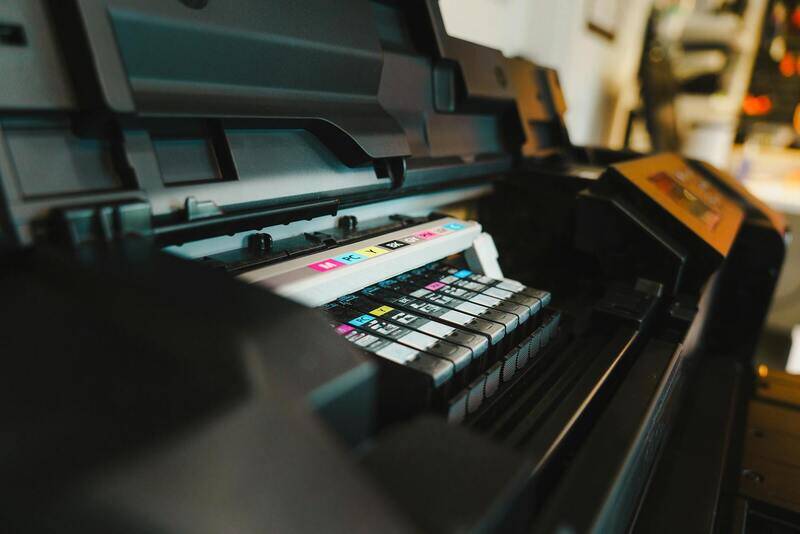
Sophisticated printing equipment, such as wide-format inkjet printers, enables the precise reproduction of detailed graphics across extensive surfaces. These systems utilize a variety of inks, including solvent, eco-solvent, UV, latex, and UV-curable options, to achieve the desired finish and durability. Additionally, the process involves meticulous color management and print calibration to ensure consistency and accuracy across numerous copies or large single images. The resulting large format prints can be customized in terms of size, finish, and media, providing a comprehensive solution for clients aiming to maximize visual impact.

Types of Large Format Printing Materials
The selection of materials plays a crucial role in achieving the desired aesthetic and ensuring the longevity of large format prints. Different substrates are suited for varying applications, environmental conditions, and installation methods, and their properties can influence both visual quality and durability.
- Vinyl: This versatile material is widely used for outdoor signage such as banners, vehicle wraps, and billboards. It provides excellent weather resistance and durability, especially when printed with solvent, eco-solvent, or UV inks. Vinyl surfaces are smooth and can be finished with gloss, matte, or satin coatings to enhance visual appeal.
- Fabric: Ideal for interior displays, fabric-based printing offers a lightweight, elegant, and flexible option. It often features in backdrops, hanging banners, and exhibition displays. Fabric prints typically have a soft, vibrant appearance with smooth color gradation, contributing to a refined aesthetic suitable for high-end retail or event presentations.
- Canvas: Canvas prints lend a classic, artistic touch, making them popular for murals, gallery exhibits, and decorative wall art. Their textured surface adds depth and tactile appeal, creating a more immersive visual experience. Canvases are especially favored for interior decor and artistic installations, thanks to their timeless look.
- Paper: Speciality papers, including photographic, fine art, and poster papers, are used for high-detail, close-up visuals. These materials excel in indoor applications where fine details, color accuracy, and a high level of clarity are essential — perfect for exhibitions, presentations, and promotional displays.
When choosing a material, it is essential to consider factors such as environmental exposure, aesthetic goals, and installation techniques. For example, outdoor banners require weather-resistant and UV-protected surfaces, while indoor displays might prioritize color accuracy and fine detail. Combining these considerations with project-specific needs ensures the final output aligns with expectations, maintaining its visual appeal over time.

Printing Techniques and Technologies
Several advanced printing methods are employed in large format picture printing, each suited to specific materials and application needs. Inkjet printing remains the predominant technology, renowned for its precision, color range, and ability to produce detailed images on a variety of substrates. High-end industrial inkjet printers utilize sophisticated nozzles and inks that ensure vibrant color reproduction and accurate gradation over large surfaces.
UV printing is another notable technique, especially for rigid substrates such as acrylic, glass, and metal panels. This technology applies UV-sensitive inks that cure instantly under ultraviolet light, resulting in sharp, durable images with excellent adhesion and resistance to environmental factors.
Latex printing offers a flexible, eco-friendly alternative suitable for outdoor applications. It employs water-based latex inks that are flexible, weather-resistant, and quick-drying, making them ideal for banners, vehicle wraps, and exterior signage. Latex printers can also print on various materials, providing versatility for different project requirements.
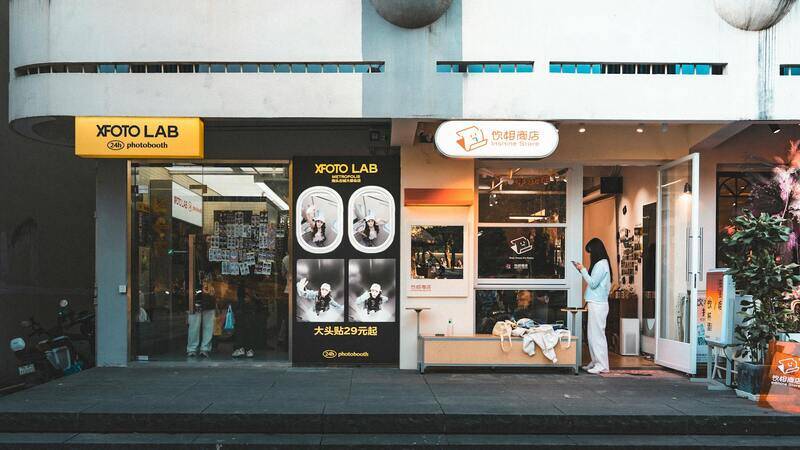
Emerging innovations continue to enhance large format printing capabilities, including solvent and eco-solvent inks, which exhibit high durability for outdoor use, and hybrid printers capable of handling multiple materials in a single run.
Choosing the appropriate printing method depends on the intended application, display environment, and material compatibility. Proper calibration and maintenance of printing equipment are crucial to maintain color consistency, sharpness, and overall print quality, especially for projects demanding precise detail and vibrant imagery.
Design Considerations for Large Format Prints
Creating impactful large format pictures requires meticulous planning to ensure they meet aesthetic and functional demands. The design process must account for viewing distance, resolution, and color accuracy to produce visuals that remain compelling from afar and up close. High-resolution imagery is essential in large format printing to maintain sharpness and prevent pixelation, especially when the print size exceeds several meters.
Color management plays a crucial role in delivering consistent and vibrant output. Designers should utilize color profiles and calibrated monitors to simulate print colors accurately, ensuring the final product aligns with the envisioned palette. This is particularly important when reproducing brand colors or complex imagery, as discrepancies can diminish visual impact.
In addition to visual quality, the layout and composition should be tailored for large-scale display. Elements like text, logos, and graphics need to be appropriately scaled to ensure readability and visual hierarchy. Simplified, bold designs often work better for outdoor or distant viewing, whereas intricate details can be emphasized for indoor applications where viewers can approach closely.
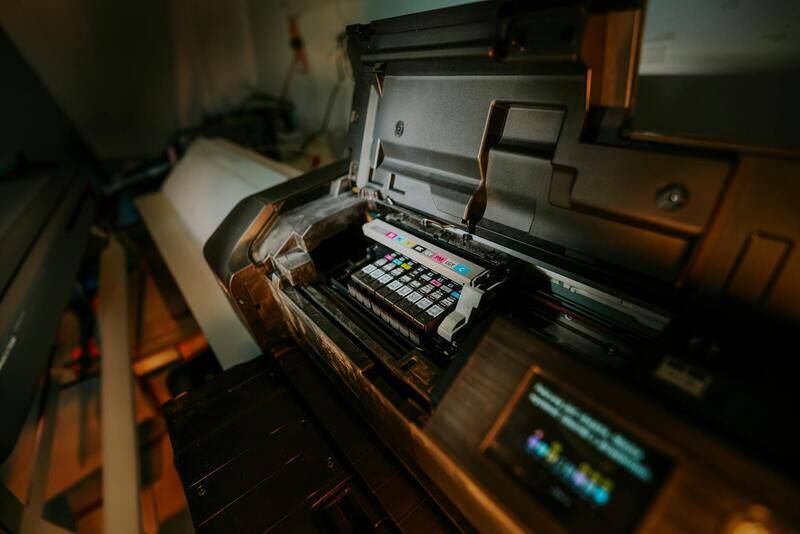
Material selection further influences the design approach. For example, matte finishes reduce glare for displays in brightly lit environments, while glossy surfaces enhance color vibrancy. Additionally, considerations regarding bleed areas, margins, and finishing edges are essential to prevent unintended cropping or damage during installation.
Incorporating a mock-up or digital prototype helps visualize how the print will appear in its actual setting. This step allows for adjustments in layout, color, and size before committing to production, ultimately saving cost and ensuring the final product aligns with client expectations.
Choosing the Right Printing Service Provider
Selecting a reputable provider ensures that your large format picture printing project adheres to quality standards and deadline commitments. Look for companies with a strong portfolio demonstrating diverse capabilities, including different material options and finishing techniques. Experienced service providers invest in advanced printing equipment, which translates to sharper images, vibrant colors, and long-lasting results.
It is also beneficial to choose a provider that offers consultation and design support, helping you optimize your artwork for large scale display. Transparent pricing, clear communication, and positive references are indicators of trustworthy service. Additionally, providers with environmentally conscious practices are preferable, especially for projects requiring eco-friendly materials and inks.

Ultimately, a reliable printing partner will assist throughout the process—from material selection and design optimization to final installation—ensuring that your large format picture meets your specific objectives and lasts for years to come.
Proper Maintenance and Longevity of Large Format Prints
Ensuring the longevity of large format picture prints is essential to maintain their vibrant appearance and structural integrity over time. Proper care begins with understanding the nature of the printed material and the inks used. High-quality prints are resistant to fading, cracking, and peeling when maintained under suitable conditions.
One of the primary factors influencing durability is environmental exposure. Prints displayed outdoors or in areas with high humidity, direct sunlight, or temperature fluctuations require additional protective measures. Applying a UV-resistant coating or lamination can significantly extend the lifespan of the print, shielding it from harmful ultraviolet rays and environmental pollutants.
For indoor applications, regular cleaning using gentle methods preserves the image quality. Dust and dirt should be removed with a soft, lint-free cloth, avoiding harsh chemicals that might damage the surface or ink. When cleaning larger prints, especially those displayed in prominent areas, professional maintenance services can help ensure restoration without compromising the print’s integrity.
Handling practices also play a critical role. Large format prints should be mounted securely to prevent sagging or warping, and touching the surface should be minimized to avoid ink transfer or smudging. If repositioning is necessary, use appropriate tools and methods to prevent tearing or other physical damages.
Storage when not on display is equally important. Roll or fold prints carefully, using protective coverings to prevent dust accumulation or physical damage. Store in a cool, dry space, away from direct sunlight and moisture to prevent deterioration.
Finally, collaborating with professional printing and maintenance providers offers tailored advice and services. They can recommend specific cleaning products, protective coatings, and handling procedures suited to the materials used in your large format print. Regular inspections and timely interventions help address issues before they become significant problems, preserving both the appearance and value of your large format visual assets.
Maintenance and Longevity of Large Prints
Ensuring the durability and pristine condition of large format pictures requires diligent maintenance and understanding of the factors that influence their lifespan. Proper care not only preserves visual clarity but also maintains the vibrancy of the inks used during printing. When it comes to handling these substantial visual assets, employing off-the-shelf cleaning and preservation methods designed specifically for large-scale prints is essential.
Professional Cleaning Techniques
Routine cleaning should be conducted with materials that do not damage the surface or disturb the ink layer. Using 100% pure, soft microfiber cloths minimizes the risk of scratching or abrading the printed surface. Gentle dust removal from the print's surface can be achieved with a soft brush or a gentle vacuum with a brush attachment. For more stubborn dirt or grime, specialized cleaning solutions formulated for print surfaces should be applied cautiously, always testing on a small, inconspicuous area first.
Environmental Controls
Environmental factors significantly influence the longevity of large format images. Maintaining a stable indoor climate with controlled temperature and humidity levels helps prevent warping, curling, or ink fading. It is advisable to keep prints away from direct sunlight, which can cause ink to fade prematurely, and avoid exposure to high moisture levels that may lead to mold or physical deterioration. Proper ventilation and the use of UV-protective coatings or glass coverings can further enhance protective measures.
Handling and Storage Practices
Handle large prints with clean, dry hands or while wearing gloves to prevent transfer of oils and dirt onto the surface. When not on display, rolls or folds should be carefully stored within protective coverings to prevent dust accumulation and mechanical damage. Using acid-free, archival-quality materials for storage enhances preservation, especially for prints of high sentimental or commercial value. Store in a cool, dry, and dark environment, with minimal exposure to fluctuating temperatures or direct physical contact.
Regular Inspections and Professional Maintenance
Periodic inspections can identify early signs of deterioration, such as fading, discoloration, or physical warping. Prompt action can mitigate further damage, sometimes through reapplication of protective coatings or minor repairs. Collaborating with professional conservation services provides access to advanced techniques and products specifically suited for large format printing materials and inks.
Investing in proper upkeep extends the life of large format prints, making them not only a spectacular visual showcase but also a worthwhile asset. Tailored advice from reputable service providers can guide optimal storage, environmental management, and cleaning protocols, safeguarding these impressive visual works for the years to come.
Best Practices for Preserving Your Large Format Prints
To ensure that your investment in high-quality large format picture printing remains visually stunning over time, employing proper preservation techniques is essential. Handling, storage, and environmental conditions play pivotal roles in maintaining the integrity, color fidelity, and overall aesthetic of your prints.
Handling and Storage Protocols
When managing large format images, always use clean, dry hands or wear powder-free gloves to prevent oils, dirt, and other contaminants from transferring to the surface. Avoid rolling or folding prints unnecessarily; if storage requires rolling, ensure it is done carefully with a smooth, non-abrasive surface to prevent creases and abrasions.
For long-term storage, utilize acid-free, archival-quality materials like protective tubes, tissue papers, or folders designed specifically for photographic and print preservation. Store large format prints in a cool, dark environment with stable temperature and humidity levels to mitigate thermal and moisture-related damage.

Environmental Conditions and Maintenance
Environmental factors such as light exposure, temperature fluctuations, and humidity levels can significantly impact the longevity of large format prints. Excessive exposure to ultraviolet (UV) light can cause fading and discoloration. Positioning prints away from direct sunlight or using UV-protective glass or films can substantially reduce this risk.
Maintaining a consistent environment with temperatures around 18-22°C (64-72°F) and relative humidity levels between 40-50% creates optimal conditions for preservation. Regular inspections for signs of deterioration—such as fading, warping, or surface dust—are recommended, and professional conservation services can provide specialized cleaning and repair if needed.
Cleaning and Maintenance Tips
- Use soft, lint-free cloths for gentle dust removal; avoid abrasive materials that could scratch the surface.
- If necessary, lightly dampen a cloth with distilled water or a specialized print cleaning solution for stubborn dirt, ensuring no excess moisture contacts the print.
- Refrain from using harsh chemicals, solvents, or abrasive cleaning tools that could damage the print's surface or ink layer.
- Schedule professional cleaning and restoration services periodically to address accumulated dirt or potential damages.
Enhancement and Long-Term Preservation
Modern protective coatings and lamination techniques can further enhance the durability and visual appeal of large format prints. These layers act as barriers against environmental pollutants, physical abrasions, and UV exposure. Reapplication or upgrading of protective layers should be carried out by experienced professionals to avoid unintended damage.
Summary
Proper handling, storage, environmental controls, and regular maintenance are fundamental for preserving the vividness and structural integrity of large format prints. Engaging specialized professional services when necessary ensures optimal care, safeguarding these impressive visuals for future display and appreciation.