Understanding Large Format Printing
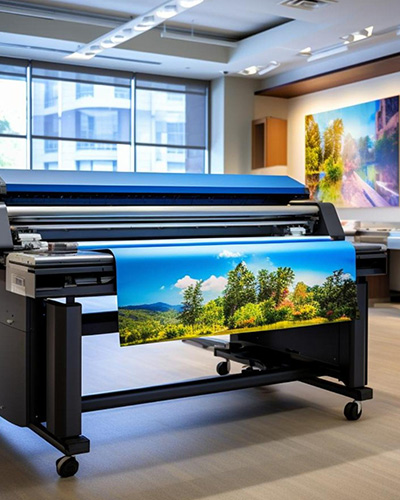
Large format printing refers to the process of creating images, graphics, and text on materials that surpass typical printing dimensions. This specialized printing technique is essential across multiple industries, including advertising, architecture, interior design, and event management. Its ability to produce vivid, high-resolution visuals on expansive surfaces makes it indispensable for impactful display solutions, signage, murals, and exhibition displays.
Unlike standard printing methods, large format printing involves the use of wide-format printers capable of handling media widths typically ranging from 24 inches to over 150 inches. These printers employ advanced inkjet or solvent-based technologies that ensure vibrant color output and durability, suitable for both indoor and outdoor applications.

The diverse applications of large format printing span advertising billboards, vehicle wraps, retail displays, trade show banners, wall coverings, and architectural plans. Its capacity for producing oversized visuals with fine detail aids in capturing attention and communicating messages effectively across different environments and mediums.
Standard Large Format Printing Sizes
While specific dimensions vary based on the printer and material, there are common size ranges recognized within the industry. Standard sizes often include widths of 24, 36, 48, 60, and 72 inches, with lengths tailored to project needs. These sizes serve as benchmarks for most commercial printing projects, facilitating efficient production and cost management.

Understanding these standard sizes assists clients and designers in planning projects efficiently, ensuring that the artwork aligns with available media rolls seamlessly, reducing waste and optimizing workflow.
Standard Large Format Printing Sizes
Industry standards for large format printing sizes provide a practical framework for designers and clients to plan their projects effectively. Common dimensions include widths of 24, 36, 48, 60, and 72 inches, which are widely used for various types of visual displays. These sizes correspond with typical media roll widths, streamlining the production process and minimizing waste. For example, banners and posters for advertising, retail signage, and informational displays frequently utilize these dimensions, ensuring compatibility with standard printing equipment and materials.
For indoor applications, such as point-of-sale displays or wall posters, sizes tend to stay within these conventional ranges, often varying in length to suit specific spatial requirements. Outdoor signage like billboards and vehicle wraps, however, may require larger formats, sometimes exceeding 150 inches in width, necessitating specialized printing techniques and materials.
Understanding these prevalent sizes aids in optimizing layout design, reducing costs, and increasing overall efficiency. This familiarity ensures that the final product aligns precisely with media roll capabilities, avoiding unnecessary adjustments or additional cuts. It also facilitates smoother project timelines by aligning client expectations with available printing options.

Understanding Large Format Printing
Large format printing serves as a vital component in the creation of impactful visual communications, encompassing a broad spectrum of applications from banners and billboards to retail displays and fine art reproductions. The process involves printing on media that exceeds standard sheet sizes, often requiring specialized equipment capable of handling wide substrates. Mastering the nuances of size specifications not only ensures the successful realization of a project but also optimizes material use and production efficiency. As technology advances, the ability to produce large-scale visuals with precision and vibrant detail continues to grow, opening new possibilities for commercial and artistic expression.

Standard Large Format Printing Sizes
Understanding standard sizes forms the foundation of effective large format printing. Typical media roll widths serve as the baseline for most projects, streamlining production workflows and minimizing waste. Common widths include 24 inches, 36 inches, 48 inches, 60 inches, and 72 inches, with some equipment capable of handling even wider media. These dimensions are aligned with industry standards, facilitating efficient media handling and compatibility with existing printers.
For indoor applications like wall posters, point-of-sale displays, or interior signage, sizes predominantly adhere to these conventional dimensions, often with variable lengths tailored to specific spatial requirements. Outdoor signage, including billboards, vehicle wraps, or large banners, may necessitate larger formats, sometimes extending beyond 150 inches in width, demanding advanced printing techniques and durable materials. Recognizing these standard sizes ensures precise layout planning and aligns project expectations with available printing capabilities.
Utilizing standard dimensions simplifies design processes, reduces material costs, and accelerates production timelines. It also allows for consistent quality and color accuracy across various projects, reinforcing a brand's visual identity. Proper adherence to these sizes ensures that final prints are seamless and visually cohesive, whether they are intended for indoor exhibitions or prominent outdoor displays.
Factors Influencing the Selection of Printing Sizes
Choosing appropriate large format printing sizes involves careful consideration of multiple factors to ensure optimal results. The primary purpose of the project often dictates size requirements; for example, advertising banners intended to be viewed from a distance may benefit from larger dimensions to maximize visibility, whereas detailed indoor displays may require smaller, more precise measurements. Viewing distance plays a crucial role, with larger formats preferred for distant viewing environments to maintain legibility and impact.
Material type also influences size decisions. Durable materials like rigid substrates for outdoor signage might limit maximum dimensions due to weight or handling constraints, while flexible media such as vinyl or fabric can often be produced in wider or longer sheets without issue. Additionally, the capabilities of the printing equipment—including maximum media width and ink handling—set practical boundaries for size choices. Customization of dimensions is possible, but it necessitates advanced planning to accommodate equipment limits and material properties.
Material Compatibility and Size Constraints
Material selection plays an essential role in determining suitable sizes for large format printing. Different substrates respond uniquely to printing processes, with some materials requiring specific handling or pre-treatment. Rigid materials like acrylic or aluminum sheets generally have size limitations based on available cutting and handling equipment, while flexible media such as vinyl rolls or fabric can be produced in larger, continuous lengths.
For outdoor applications, weather-resistant and UV-protected materials are crucial, influencing size feasibility due to weight and durability considerations. Moreover, media flexibility impacts the maximum achievable dimensions; very wide or long prints may necessitate the use of seams or paneling if size constraints prevent uninterrupted printing. Selecting materials aligned with project needs and equipment specifications ensures quality output and longevity of the final product.
Custom Sizes and Special Dimensions
While standard sizes cover most applications, custom dimensions are often required for distinctive projects that demand unique visual experiences. Custom sizing involves tailoring the width and length of media to fit specific spatial constraints or creative visions. Modern printing techniques enable high-precision tailoring of dimensions, allowing designers and clients to realize bespoke formats that stand out.
This flexibility involves considerations such as material seam management, mounting techniques, and logistical handling. Employing large format printers capable of handling custom sizes often involves specialized equipment, media roll management, and precise alignment to ensure seamless imagery. Creative projects, architecture installations, or art pieces frequently explore these special dimensions to achieve a targeted aesthetic or functional goal.
Common Challenges and Solutions
Large format printing projects often encounter challenges related to size limitations, material handling, and print consistency. One common issue involves managing media seams, especially when printing on wide substrates that require multiple panels joined together. Solutions include utilizing high-quality seam adhesives, edge alignment techniques, and advanced print sequencing to minimize visible joins.
Another challenge involves maintaining color consistency and sharpness across expansive prints. Employing color calibration, high-resolution files, and consistent printing parameters helps deliver uniform quality. Material warping or sagging can also impede production; to counter this, support structures or rigid backing may be utilized during the printing process. Additionally, controlling environmental factors such as humidity and temperature ensures material stability and print fidelity.
Choosing the Right Printing Size for Projects
To select the optimal size, it is essential to evaluate the viewing environment, project goals, and logistical considerations. For highly visible outdoor signage, larger formats enhance visibility and impact, whereas for detailed interiors, smaller, more intricate designs are preferable. Technical constraints such as media width and printer capacity must be balanced with creative ambitions. Working with experienced printing professionals can significantly aid in balancing these variables, ensuring that the final product maximizes visual impact while adhering to technical and budgetary parameters.
Trends and Future Developments in Large Format Printing
The industry continues to evolve with innovations in print technology, material science, and digital workflows. Future trends indicate an increasing capacity for even larger formats, improved sustainability with eco-friendly materials, and enhanced color accuracy for true-to-life reproductions. The integration of automation and artificial intelligence in print management promises faster turnaround times and reduced waste, further supporting the production of large-scale visuals that are both vibrant and sustainable.
Material Compatibility and Size Constraints
When selecting the appropriate large format printing size, understanding the interaction between materials and printer capabilities is crucial. Different substrates have varying maximum printable areas influenced by their physical properties, such as flexibility, weight, and surface texture. For instance, rigid materials like foam boards, acrylic, or metal sheets typically support larger sizes within the confines of the printing equipment’s media width and rigidity. Conversely, flexible materials such as vinyl banners, fabric backdrops, or canvas can be rolled and fed through wide-format printers, allowing for extensive dimensions that are constrained primarily by the roll size rather than the printer itself.
Material choices also affect the achievable flatness and image quality at large scales. Thicker or textured substrates may pose challenges such as medium absorption or print head clogging, which can limit maximum size or introduce imperfections. Therefore, compatibility with the printer's ink system and maintenance capabilities must be considered to prevent damage and ensure crisp, vibrant output across large areas.
Furthermore, the durability requirements of the final product influence material selection. Outdoor signage benefits from weather-resistant, UV-stable materials, which may have size limitations due to their density or handling properties. In contrast, indoor displays can accommodate lighter and more flexible substrates, supporting larger formats without compromising stability or installation ease.
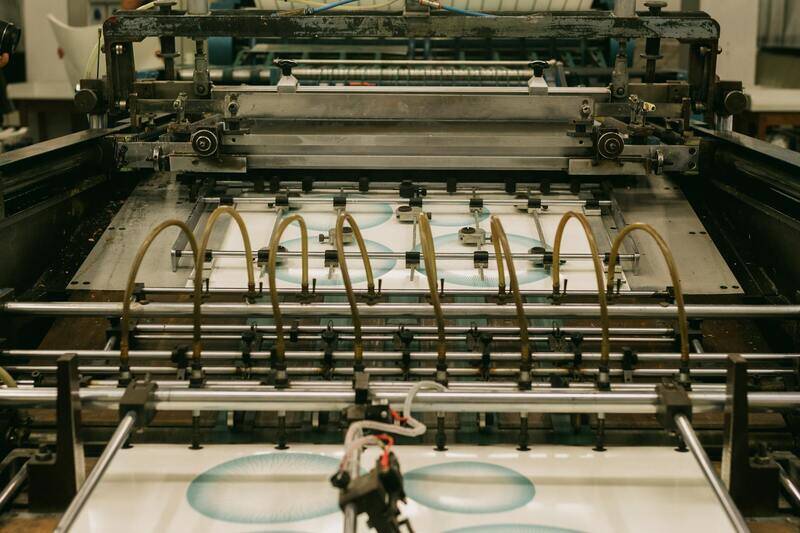
Working closely with a professional print service helps in assessing material constraints against project goals, ensuring that the chosen sizes fit within technical parameters while delivering the desired visual impact.
Material Compatibility and Size Constraints
When selecting the appropriate size for large format printing projects, understanding the compatibility between the material and the printing technology is crucial. Different substrates have varying physical properties that influence their maximum printable dimensions and overall performance.
Rigid materials such as foam boards, acrylics, or metal panels are typically limited in size by the maximum sheet dimensions available from suppliers. These sizes are often standardized, requiring printers to work within these fixed dimensions or to utilize fabrication techniques like panel joining or seam stitching to create larger displays. Since rigid materials do not roll, they are suitable for flat, large-scale prints on signs or posters where seamless appearance is essential.

Flexible media such as vinyl banners, fabric, or wallpaper are inherently more adaptable for extensive sizes. These materials are supplied in rolls, and their width generally dictates the maximum printable width. Standard roll widths are commonly 1.3 meters (54 inches), 1.6 meters (63 inches), and 2.5 meters (98 inches), but custom rolls may be available for specific needs. The overall size of the print is then determined by the roll length, allowing for expansive designs that can be printed in one continuous piece or joined during installation.
Despite this flexibility, certain limitations must be acknowledged. Thicker or textured substrates, like textured vinyl or heavy canvas, can challenge print head movement or ink absorption, which may impact the achievable size and quality. Additionally, the ease of handling and installation becomes more complicated with larger or heavier materials, influencing the practical maximum dimensions for wall murals or outdoor banners.
Printer maintenance and ink adherence are also significant factors. Substrates with high density or special coatings might pose challenges for ink absorption and drying, which affects the size and quality of the output. Ensuring compatibility between the ink system and the chosen material helps prevent issues such as smudging, color inconsistency, or damage to the print head, thereby supporting larger and more durable prints.
The durability of the final product, especially for outdoor applications, can further influence material choice and sizing. Weather-resistant, UV-stable materials suited for outdoor signage often have specific handling requirements and size limitations due to their density or flexibility. Conversely, indoor displays benefit from lighter, more flexible substrates, enabling larger sizes without compromising ease of installation or stability.
Partnering with experienced print service providers allows for effective assessment of material constraints and technical parameters. Professional guidance ensures that the selected sizes align with project objectives while maintaining high-quality standards and durability, regardless of whether the project involves rigid panels or flexible roll-fed media.

Understanding Large Format Printing
Large format printing encompasses a wide array of applications, from advertising billboards and outdoor signage to fine art displays and custom banners. This printing method involves using specialized printers capable of handling significantly wider media widths, often exceeding 60 inches. The primary goal is to produce high-quality visuals that remain sharp, vivid, and durable across extensive surfaces. When choosing a size for a large format print, several technical and practical considerations come into play, ensuring that the final product aligns with the intended application and environment.
Standard Large Format Printing Sizes
Most print service providers offer a set of standard sizes that cater to common project requirements. These often include widths of 24 inches, 36 inches, 48 inches, 60 inches, and 120 inches, with lengths adjustable based on the media roll or sheet dimensions. These preset sizes serve as a baseline for quick and efficient production, providing reliable dimensions that balance quality and cost-effectiveness. For example, 48- and 60-inch widths are typical choices for billboard and building wrap projects, while narrower widths are suitable for indoor displays such as posters and point-of-sale materials.
Factors Influencing Printing Size Selection
- Viewing Distance: Larger prints are often designed for viewing from afar. The optimal size ensures that the image remains impactful and clear from the intended distance.
- Intended Environment: Outdoor signage demands robust, weather-resistant materials and sizes that maximize visibility, whereas indoor displays may allow for smaller, more intricate designs.
- Material Limitations: The physical properties of substrate materials—such as flexibility, weight, and absorbency—directly influence feasible print sizes.
- Printer Capabilities: The maximum media width and print resolution of the available equipment set natural boundaries on achievable sizes.
- Installation and Handling: Larger prints may require specialized hardware or rigs for installation, which can impact size choices based on site constraints.
Material Compatibility and Size Constraints
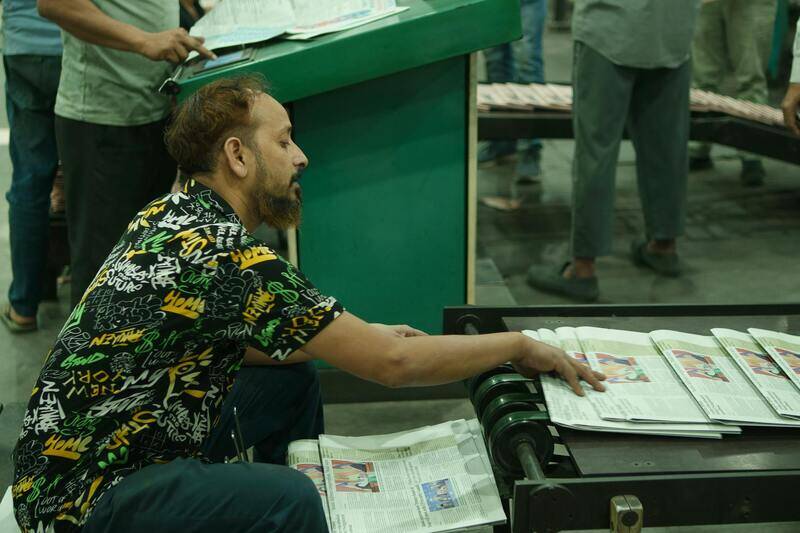
The type of substrate used significantly influences the maximum dimension achievable for large format printing. Rigid materials like foam boards, aluminum composites, and acrylic sheets typically have size constraints dictated by handling and transport considerations. Heavy or thick substrates might limit the maximum dimensions due to logistical challenges during installation. Conversely, flexible media such as vinyl or fabric rolls offer greater freedom in size, enabling the creation of expansive murals, banners, or backdrops. However, their dimensions are still bounded by the printer's width and the media roll's length.
Certain materials with specialized coatings or high-density compositions may require adjustments in print parameters to prevent issues such as ink bleed, drying problems, or deformation. Ensuring compatibility between the substrate and the printing system is vital for producing large, high-quality images without defects. This often involves selecting materials that are specifically engineered for large-format inkjet printing, which can withstand environmental factors and maintain color fidelity at larger sizes.
Custom Sizes and Special Dimensions
While standard sizes satisfy most applications, custom dimensions frequently become necessary for specific projects, such as personalized point-of-sale displays, murals tailored to architectural features, or marketing installations with unique spatial constraints. Achieving these custom sizes requires collaboration with experienced print providers who can adapt equipment settings, select appropriate substrates, and ensure alignment and seam matching for seamless visuals.
Custom sizes can also address a variety of artistic and branding needs, allowing for full-coverage wall murals, detailed backdrops, or uniquely proportioned banners that enhance visual impact. Advanced printing technologies, including wide-format inkjet printers with adjustable parameters, facilitate the production of these bespoke dimensions while maintaining high-resolution output.
Understanding Large Format Printing
Large format printing encompasses the production of visual displays that extend beyond the dimensions of standard printers, typically exceeding 24 inches in width. This printing technique is instrumental for creating impactful advertising, vivid murals, detailed graphics for exhibitions, and extensive signage. Achieving high-quality results on such a scale involves advanced printing hardware—primarily wide-format inkjet printers capable of handling diverse substrates with precision. The process requires careful planning to ensure color fidelity, resolution, and durability, especially when dealing with materials suited for outdoor or high-traffic environments. Knowledge of the full spectrum of large format printing sizes enables businesses and creatives to select the most effective dimensions for their projects, ensuring both aesthetic appeal and functional utility.

Standard Large Format Printing Sizes
While large format printing sizes vary across regions and applications, several standard dimensions serve as common references in the industry. These sizes facilitate easier planning and cost estimation, ensuring consistency across projects.
- 24 inches (61 cm) to 36 inches (91.4 cm): Ideal for retail signage, posters, and small banners.
- 48 inches (122 cm): Widely used for murals, trade show displays, and semi-permanent signage.
- 60 inches (152 cm) to 72 inches (183 cm): Suitable for large wall graphics, backdrops, and promotional banners.
- Over 100 inches (254 cm): Customarily used for extensive murals, building wraps, and bespoke installations.
These dimensions provide a flexible framework that covers most standard commercial and artistic requirements, optimizing the balance between size, detail, and material efficiency.

Factors Influencing Printing Size Selection
Choosing the appropriate size for a large-format print depends on several critical factors that align with the project’s objectives and constraints. These include the intended viewing distance, the environment where the print will be displayed, the target audience, and budget considerations.
- Viewing Distance: Larger prints are advantageous for viewing from afar, as they maintain visual impact without requiring close inspection.
- Display Environment: Interior environments with limited space may necessitate more compact sizes, while outdoor displays afford larger dimensions.
- Projection and Resolution: Higher resolutions are essential for closer viewing distances to prevent pixelation; thus, size may be adjusted accordingly.
- Material and Substrate: The physical properties and limitations of chosen materials influence maximum feasible print sizes, especially regarding weight and flexibility.
- Cost Implications: Larger sizes typically increase material and printing costs, requiring balanced decision-making to meet budget constraints.
Material Compatibility and Size Constraints
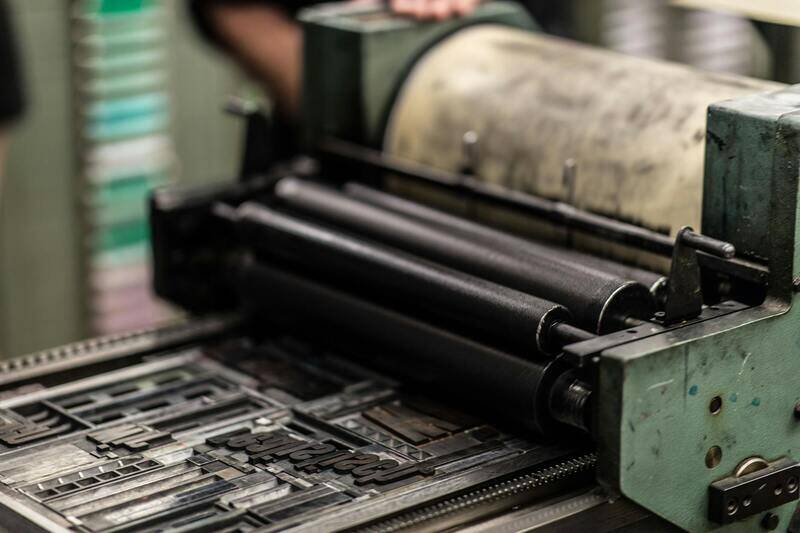
The compatibility between the selected substrate and printing technology plays a vital role in determining achievable sizes. Different materials possess unique physical and chemical properties that influence their suitability for large format printing. Common substrates include vinyl, fabric, acrylic, canvas, and specialty papers, each with specific dimensions, flexibility, and durability profiles.
Some materials, such as rigid panels or dense fabrics, impose inherent size constraints due to transportation, handling, and setup limitations. Flexible substrates like vinyl or fabric are more adaptable, allowing seamless large-format prints that can be rolled or folded for ease of installation. However, these may require specific adhesive or mounting techniques to maintain image integrity at larger dimensions.
Understanding the maximum printable area for a given material ensures optimal use of resources and prevents issues like seam misalignment, ink bleed, or substrate deformation. Manufacturers often provide recommended size limits and handling instructions to guide production processes.
Custom Sizes and Special Dimensions
Despite the availability of standard sizes, many projects demand bespoke dimensions to fit unique architectural spaces, promotional needs, or artistic visions. Custom large-format sizes enable the realization of tailored visual impacts that align precisely with spatial or branding specifications.
Producing custom sizes involves meticulous planning, including accurate measurements, substrate selection, and printer setup. Collaboration with experienced print providers ensures proper alignment, seam matching, and color consistency throughout the installation. Advanced printing systems with adjustable parameters support the creation of these customized outputs without compromising resolution or durability.
Such bespoke dimensions are frequently employed in architectural murals, elaborate trade show backdrops, or large-scale outdoor advertising, where visual continuity and seamless presentation are paramount. The flexible capabilities of modern large-format printers facilitate these creative endeavors, offering extensive possibilities for artistic expression and brand storytelling.

Understanding Large Format Printing
Large format printing encompasses a range of high-quality printing techniques designed to produce oversized images and graphics suitable for various commercial, artistic, and decorative applications. This printing method is essential for creating impactful visuals on expansive surfaces, including billboards, banner displays, murals, and architecture wraps. The process relies heavily on advanced printing technologies capable of handling wide substrates, often exceeding standard paper sizes while maintaining detail and color fidelity. Mastery of this form of printing involves understanding the diverse range of available sizes and how to select the most appropriate dimensions to fit project-specific requirements.
Standard Large Format Printing Sizes
Manufacturers typically offer a suite of standard sizes to streamline the production process and ensure consistency across multiple projects. Common dimensions include widths of 24 inches, 36 inches, 48 inches, and up to 60 inches or more, with variable lengths depending on the roll or sheet used. For example, a frequently ordered size is 48 inches wide by 100 feet long, ideal for banners and wall coverings. These sizes are designed to optimize material usage while accommodating most typical display and signage needs. Understanding these standard options helps clients plan their projects effectively, ensuring the print material can be used efficiently without unnecessary waste.
Factors Influencing Printing Size Selection
- Viewing Distance: Larger prints are generally intended for distant viewing, so the size should be proportionate to the intended observation point.
- Project Location: Indoor installations may require different size considerations compared to outdoor displays, primarily due to environmental exposure and space constraints.
- Marketing Goals: The scale of the printing often correlates with the visual impact desired; larger sizes attract more attention and enhance brand visibility.
- Material Capabilities: The choice of substrate influences the maximum feasible size, as some materials may have size limitations or require special handling.
- Printer Specifications: The dimensions of the available printing equipment determine the maximum size achievable without seams or joins.
Material Compatibility and Size Constraints
Material selection plays a crucial role in determining feasible printing sizes. Different substrates, such as vinyl, fabric, canvas, or paper, have inherent size limitations based on their physical properties. For instance, vinyl rolls are often manufactured in standard widths like 54 inches or 60 inches, dictating maximum print widths. Fabric-based materials may come in wider bolts, but their flexibility and durability influence overall size choices. The handling and transport of large, heavy materials also necessitate considerations regarding infrastructural capabilities, such as the availability of large cutting tables or loading equipment.
Custom Sizes and Special Dimensions
While standard sizes suffice for many applications, unique project requirements frequently call for custom dimensions. Architectural murals, storefront backdrops, or bespoke promotional installations often demand tailored sizes to match specific spatial parameters or design visions. Creating these custom prints involves precise measurements, custom substrate preparation, and tailored printer configurations. Collaboration with experienced print service providers is vital to ensure seamless edges, proper color matching, and structural integrity during installation. The flexibility of modern large-format printing equipment allows for these personalized dimensions without sacrificing resolution or durability.
Examples of projects utilizing custom sizes include expansive building wraps that span entire facades, elaborate trade show backdrops tailored to specific booth sizes, and large-scale outdoor advertisements designed to fit irregular urban surfaces. The ability to produce custom dimensions expands creative possibilities and enhances branding strategies by delivering visually cohesive and impactful displays across any setting.
Common Challenges and Solutions
- Seam Visibility: Proper alignment, seam matching techniques, and the use of high-quality substrates help produce seamless images.
- Material Sagging or Warping: Selecting appropriate supports and tensioning methods can prevent deformation, especially with larger prints.
- Color Consistency: Calibration of printer profiles and the use of color management systems ensure color uniformity across different sections or materials.
- Handling Large Substrates: Adequate infrastructure, such as wide-format rollers and loading bays, minimizes damage during printing and transportation.
- Durability Issues: Applying protective coatings or using weather-resistant materials extends the lifespan of outdoor projects.
Choosing the Right Printing Size for Projects
Selecting the appropriate oversized print involves a comprehensive assessment of project objectives, spatial considerations, and material properties. Conducting detailed site analysis and understanding the viewer's perspective guide decisions to maximize visual impact. Engaging with experienced print providers ensures optimal color reproduction, seam management, and material handling throughout the process. Awareness of the technical capabilities and limitations of available equipment facilitates selecting sizes that meet both aesthetic and functional requirements, ultimately delivering visually stunning results that fulfill project goals.