Understanding Big Print Sizes
Big print sizes refer to printing dimensions that significantly exceed the standard sizes commonly used in everyday printing tasks. Typically, printing projects are categorized into standard dimensions such as A4, A3, or letter size; however, large prints break these conventional boundaries to produce substantial visual impact. These sizes often extend to dimensions like 24x36 inches, 48x96 inches, or even larger formats tailored to specific needs.
In the printing industry, the distinction between standard and big print sizes is primarily based on both physical dimensions and the purpose of the print. Large prints are designed to be viewed from a distance, often serving as visual landmarks or promotional displays. The size thresholds vary depending on the application, but generally, any print surpassing 24×36 inches is categorized under big print sizes, requiring specialized equipment and techniques.

Producing big print sizes involves more than simply enlarging existing images or designs. It necessitates an understanding of resolution, material choice, and printing technology to maintain image quality and durability. Unlike standard prints, which can often be produced with basic desktop printers, large-format printing relies heavily on professional-grade equipment capable of handling substantial material widths and ensuring high fidelity in the final output.
Differences Between Big Print Sizes and Standard Printing Dimensions
- Size: Big prints extend beyond conventional paper sizes, requiring specialized printing machines.
- Resolution: Higher resolution requirements to prevent pixelation when scaling up images.
- Materials: Use of durable substrates such as vinyl, fabric, or rigid panels, suitable for outdoor or long-term display.
- Applications: Designed for banners, billboards, murals, and signage that demand high visibility.
The ability to produce big print sizes accurately and efficiently hinges on proper planning and understanding of these key factors. As the demand for impactful visual communication grows, so does the importance of leveraging advanced printing solutions capable of meeting these specifications.
Materials Suitable for Large Prints
Choosing the right material is crucial for maximizing the impact and longevity of big print sizes. The selection depends on the intended display environment, durability requirements, and finishing preferences. Common substrates include vinyl, which is highly versatile and resistant to outdoor elements, making it ideal for billboards and signage. Fabric materials are preferred for indoor banners and wall coverings, offering vibrant color reproduction and ease of installation. Rigid panels such as aluminum, foam core, or acrylic are frequently used for structured displays like murals or signage that require a sturdy presentation.
Each material has unique characteristics affecting print quality, weight, installation, and cost. For instance, vinyl offers excellent weather resistance and flexibility, allowing for easy installation on curved surfaces. Fabric banners tend to produce richer color gradations, suitable for high-end promotional displays. Rigid panels provide crisp detail and are suitable for long-term installations where stability is a priority. Proper material selection aligned with the project requirements enhances the visual appeal and functional durability of big prints.

Meticulous Methods for Producing Big Print Sizes
Achieving high-quality large prints requires the use of specialized printing techniques that prioritize precision, color accuracy, and consistency across expansive surfaces. The most prevalent methods include large-format digital printing, dye sublimation, and eco-solvent printing, each suited to different material types and application needs.
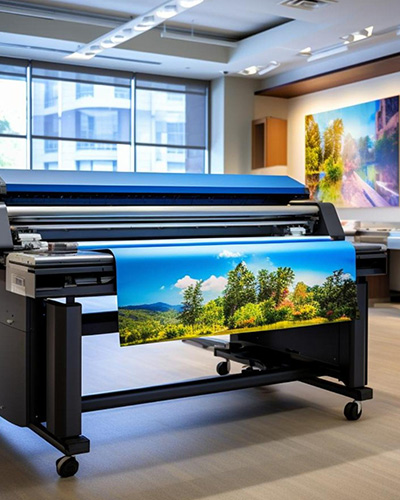
Digital large-format printing stands out because of its ability to produce sharp images with vibrant color reproduction over substantial areas. This technique employs wide-format inkjet printers equipped with multiple ink cartridges to deliver detailed visuals while supporting flexible substrates like vinyl, fabric, and paper. Digital printing allows for high customization, quick turnaround times, and minimal material waste, making it ideal for projects that demand precise graphics and color fidelity.
Dye sublimation technology is particularly effective for printing on polyester fabrics and textiles. By transforming solid dye inks into gas under heat and pressure, dye sublimation ensures vivid, durable designs that are resistant to fading and cracking over time. This method is ideal for textile banners, custom apparel, or decorative fabric installations, providing a seamless, high-quality finish with excellent color vibrancy.
Eco-solvent printing combines the advantages of solvent-based inks with environmentally friendlier formulations. It guarantees excellent adhesion and weather resistance, making it suitable for outdoor signage, murals, and other large-scale graphics exposed to varying environmental conditions. Eco-solvent printers can handle a diverse range of materials, including vinyl, rigid substrates, and plastics, delivering high-resolution images with durable output.
The choice among these technologies hinges on factors such as the material being printed on, the desired durability, and budget considerations. Engaging with professional printing providers ensures access to the latest equipment and expertise, ultimately resulting in large-format prints that meet quality expectations and withstand their intended environment.

Understanding Big Print Sizes
When considering large-scale printing projects, selecting the appropriate size is essential to effectively communicate the intended message and achieve visual impact. Big print sizes often range from several feet to billboard dimensions, allowing for enhanced visibility from great distances. Determining the optimal dimensions involves analyzing the viewing distance, location, and purpose of the print. For instance, banners designed for outdoor advertising on highways require significantly larger dimensions than indoor signage intended for close-up viewing. Professional printers often provide consultations to establish the most effective size based on these parameters, ensuring that the final product maintains clarity and visual coherence at scale.
Choosing the right dimensions is a balancing act that considers both aesthetic appeal and logistical constraints. Oversized prints demand significant material considerations and handling logistics, while undersized prints risk losing detail and impact. Detailed planning and precise measurement are critical to achieving the desired resolution and visual impact without compromising quality. Accurate scaling ensures text remains legible, images retain sharpness, and colors are vibrant when expanded across larger surfaces. Expertise in large-format printing ensures that these factors are meticulously managed to produce a striking final product that fulfills strategic communication goals.
Applications of Big Print Sizes
Big print sizes are utilized across diverse industries for multiple purposes, each leveraging the visual dominance provided by large-scale graphics. In retail environments, oversized posters and window displays attract attention and enhance brand visibility. Event organizers use large banners, backdrops, and stage backdrops to create a captivating atmosphere that engages attendees from afar. Outdoor advertising, including billboards and building wraps, relies heavily on vast dimensions to convey messages to passing traffic and pedestrians. Additionally, architectural and interior design projects employ enormous wall murals and decorative graphics to transform spaces. The versatility of large prints allows them to serve as both functional signage and artistic expressions in urban landscapes, commercial settings, and entertainment venues alike.

Each application demands specific considerations regarding print quality, durability, and material selection. For outdoor uses, weather-resistant materials combined with UV-resistant inks help maintain vibrancy and integrity over time. Indoor applications, on the other hand, may prioritize finer detail and color accuracy, often utilizing lighter materials and specialized coatings. Producing big print sizes that align with strategic objectives involves collaboration with experienced printing professionals who understand the nuances of each application and can recommend suitable solutions. The goal is to ensure that the large-format graphics not only capture attention but also sustain their visual impact through appropriate material choices and finishing techniques.
Design Considerations for Large Prints
Creating impactful large print sizes requires meticulous planning and attention to detail in the design phase. Designers must account for viewing distance, as elements intended for close-up inspection need higher resolution and finer details, whereas those viewed from afar can be slightly less detailed. Typography should be bold and legible, with fonts chosen for their readability at large scales. Color contrasts should be maximized to enhance visibility and ensure messages stand out effectively. Vector graphics are preferred over raster images, as they maintain sharpness regardless of size adjustments. Incorporating consistent margins and safe zones around critical information prevents text and logos from being cut off during production or installation. When designing for outdoor displays, consideration of environmental factors such as glare, weather conditions, and lighting is crucial to ensure the message remains effective across various settings. It’s essential to collaborate with professional graphic designers who understand the nuances of large-scale visuals. They can optimize artwork for high-resolution printing, suggest suitable color profiles, and advise on the best file formats. Proper planning and adherence to design principles ensure that printed big sizes will be visually striking, easy to interpret, and aligned with branding objectives.
Challenges in Producing Big Print Sizes
Large-scale printing presents several inherent challenges that require specialized solutions. One primary concern is maintaining image quality at expansive dimensions. Raster images, if of insufficient resolution, can appear pixelated or blurry when scaled up. Therefore, high-resolution files and vector graphics are paramount to achieve sharp, professional results. Color accuracy can also be problematic, especially when reproducing complex color gradients or matching brand colors across different materials and printing methods. Variations in inks, substrates, and printing machinery may lead to discrepancies that need to be managed through meticulous color calibration. Material handling becomes increasingly complex with size. Heavy or unwieldy substrates require careful transportation, handling, and installation strategies to prevent damage. Additionally, large prints are more susceptible to environmental wear and tear, such as UV fading, moisture damage, or tears, making the choice of durable materials and protective coatings a critical factor. Another challenge involves the alignment and registration of multiple print panels if the design exceeds the maximum printable width of the machinery. Precise seam matching ensures a seamless appearance, demanding technical expertise and high-precision equipment.

Cost Factors and Pricing for Big Prints
Pricing for large format printing is influenced by several critical factors. Material selection significantly impacts cost, with premium substrates such as vinyl, fabric, or specialty films often incurring higher expenses. The size of the print directly correlates with material use, increasing overall costs proportionally. Print resolution and detail level also play pivotal roles; higher resolutions require more advanced equipment and longer production times, which can elevate costs. Additionally, the complexity of the design, including the number of colors, finishes, and special effects like gloss or matte coatings, affects pricing. Labor and finishing services add to the total expenditure. Techniques like mounting, lamination, framing, or installation require skilled labor and time. Larger prints may necessitate specialized equipment, like cranes or scaffolding, to handle installation safely, further impacting costs. Environmental durability features, such as UV resistance or water-proofing, are often optional but essential for outdoor or high-traffic areas. These features ensure longevity but typically come at a premium. For accurate budget planning, it is advisable to consult with experienced printing providers who can evaluate project specifics and deliver detailed quotations. Understanding these cost factors enables clients to make informed decisions, balancing visual impact with financial considerations to achieve optimal results.
Challenges in Producing Big Print Sizes
Creating large-scale prints involves a set of unique technical and logistical challenges that require careful management to ensure high-quality results. Resolution consistency is paramount; as the size increases, any pixelation or blurriness becomes more visible, demanding higher resolution files and precise imaging techniques. Ensuring color accuracy across expansive surfaces can be complex, especially when attempting to replicate specific brand colors or artwork hues consistently. Variations in ink absorption, substrate characteristics, and environmental conditions during printing can affect color fidelity, making calibration and color management critical components of large-format printing workflows.
Material handling and substrate stability also present significant hurdles. Large prints are more susceptible to warping, sagging, or damage during the production and installation processes. Selecting the appropriate material type—such as rigid substrates, flexible vinyls, or textiles—and ensuring proper mounting can mitigate these issues. Additionally, transporting and installing oversized prints often necessitate specialized equipment, permits, and skilled labor to prevent damage and ensure safety. Managing these factors effectively requires rigorous planning, designated handling protocols, and often close collaboration with experienced installation teams.

Overall, overcoming these challenges hinges on the integration of advanced technology, skilled craftsmanship, and meticulous quality control. By addressing resolution limitations, color management, and material handling with strategic precision, a printing service can deliver large-scale prints that meet the desired standards of clarity, color vibrancy, and durability—ultimately ensuring the visual impact aligns with client expectations.
Understanding Big Print Sizes
Big print sizes are defined by their dimensions and impact, often exceeding standard printing formats to create visually striking displays. These large-scale prints are designed to communicate messages with authority, whether used for advertising, branding, or visual art purposes. The key to achieving optimal results with big print sizes lies in understanding the precise measurements, aspect ratios, and corresponding technical requirements. When preparing a large print, it's vital to consider the resolution—often expressed in dots per inch (DPI)—to ensure that the image remains sharp and clear at such magnifications. Typically, high-resolution images are essential for large prints to prevent pixelation or blurriness during viewing from various distances. Proper planning includes assessing the viewing environment, determining optimal dimensions, and selecting suitable materials to support the scale without compromising quality.

In terms of measurement standards, big print sizes often range from several feet to dozens of feet across. Common formats include banners, billboards, wall murals, and oversized posters. These require consideration of the aspect ratio to maintain visual coherence and avoid distortions. Employing precise digital layouts and detailed technical specifications helps ensure that the final output aligns with design expectations. By respecting the specific needs of large-format printing, businesses and individuals can achieve impactful visual results that elevate brand presence or artistic expression.
Applications of Big Print Sizes
- Advertising and Promotions: Large banners, point-of-sale displays, and outdoor billboards effectively attract attention and communicate campaigns to a broad audience.
- Interior and Exterior Decor: Wall murals, decorative panels, and window graphics transform spaces into engaging environments.
- Event Backdrops and Stages: Big print sizes create immersive settings for concerts, trade shows, and conferences, enhancing visual storytelling.
- Art Installations: Artistic murals and contemporary exhibits leverage large prints to make bold statements.
Materials Suitable for Large Prints
Selecting appropriate substrates is crucial for ensuring durability, visual fidelity, and ease of installation. Rigid materials such as foam boards, acrylic sheets, and aluminum panels are ideal for permanent or semi-permanent displays, providing structural support and resistance to environmental factors. Flexible options include vinyl banners, textile fabrics, and PVC sheets, which are suitable for temporary setups or installations requiring mobility. When choosing materials, consider the environment where the print will be displayed—outdoor applications demand weather-resistant and UV-protected substrates, while indoor projects may prioritize aesthetic qualities and ease of handling. Proper material selection directly influences print quality, longevity, and installation ease, making it a fundamental decision in the production process.

The surface texture, gloss level, and flexibility of the material influence the final visual impact and applicability. Smooth, non-reflective surfaces typically result in crisper images, whereas textured surfaces can add depth or alter color perception. Ensuring the material is compatible with the chosen printing technology, such as solvent, UV, or latex printing, guarantees optimal color reproduction and adhesion. Proper handling during printing and post-production stages minimizes defects like peeling or cracking, ensuring the integrity of large format prints over time.
Technical Methods for Producing Large-Scale Prints
When creating big print sizes, selecting the appropriate production technique is essential to achieving high-quality results that meet both aesthetic and functional requirements. Common methods include flatbed printing, solvent and eco-solvent printing, UV printing, and latex printing. Each method has specific advantages, suited to particular types of substrates and applications.
Flatbed printing is widely favored for large, rigid materials such as acrylic, glass, wood, and aluminum panels. This technology allows for direct printing with consistent color and sharp details across substantial surface areas. It typically employs UV-curable inks that withstand environmental exposure, making it ideal for outdoor signage and display panels.
Solvent and eco-solvent printing utilize solvent-based inks that penetrate the substrate surface, resulting in vibrant, durable images. These are suitable for flexible materials like vinyl banners, wall coverings, and decals. Eco-solvent options offer an environmentally friendlier alternative with less odor and higher safety standards, complementing indoor or semi-permanent installations.
UV printing, known for its ability to print directly onto a variety of materials, provides high-definition output with excellent adhesion. Its instant curing process results in sturdy, weather-resistant images, rendering it a prime choice for window graphics, backlit displays, and decorative panels.
Latex printing combines water-based inks with a flexible, durable finish, making it ideal for fabric banners, wallpaper, and other textile-based large-format applications. Latex prints are eco-friendly, highly resistant to scratching, and adaptable to different environments.
Post-Production and Finishing Techniques
After printing, finishing processes such as lamination, mounting, and framing are crucial for enhancing durability, aesthetics, and installation efficiency. Laminating, whether matte, gloss, or satin, protects the print surface from scratches, UV damage, and moisture, prolonging lifespan. Mounting onto rigid backing materials or applying frames enhances structural integrity and offers polished presentation options.
For outdoor applications, edge-sealing, weatherproof coatings, and UV protection are added to safeguard the print over extended periods against environmental factors. Additionally, cutting and contouring techniques enable customization, allowing large prints to fit specific display spaces or design specifications.