Understanding Large Format Printing Services
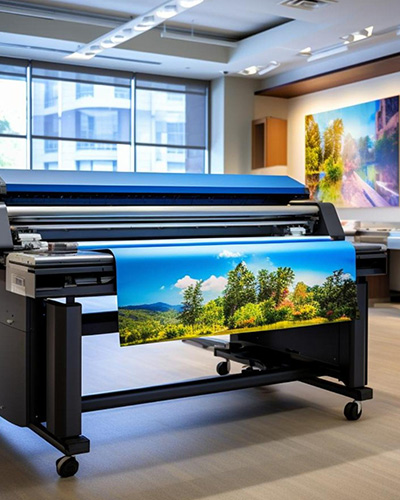
Large format printing is a specialized printing process designed to produce high-resolution images and graphics on oversized substrates. This technique is essential in industries where visual impact and clarity are critical, such as advertising, retail, event management, and architecture. The primary goal of large format printing is to deliver vibrant, detailed visuals that can be displayed effectively over wide surfaces, ensuring messages are conveyed clearly and attractively.
From banners and billboards to trade show displays and vehicle wraps, the scope of applications for large format printing spans across various sectors. Such prints are often used in outdoor environments where durability against weather conditions and long-term color retention are paramount. Consequently, the choice of materials and printing technology significantly influences the final outcome, dictating factors like longevity, texture, and visual richness.
High-quality output in large format printing is not merely about size; it encompasses the precision in color reproduction, ink adhesion, and resolution. Given the size scale, even minor imperfections can become noticeable, underscoring the importance for businesses to partner with experienced printing providers. A reputable large format printing company employs advanced equipment and trained personnel to ensure every print meets exacting standards, resulting in visually impressive and consistent results across multiple projects.

Understanding the scope of large format printing services highlights their vital role in marketing and informational campaigns. Whether for indoor or outdoor use, these prints serve as powerful tools for brand visibility and engagement, making the quality of output a critical consideration in selecting a printing partner.
Types of Printing Materials and Technologies
Choosing the appropriate materials and technology is fundamental to achieving optimal results in large format printing projects. The selection depends on the intended application, environmental conditions, and desired aesthetic effects. Each material and printing method offers distinct advantages, ensuring that clients can find solutions tailored to their specific needs.
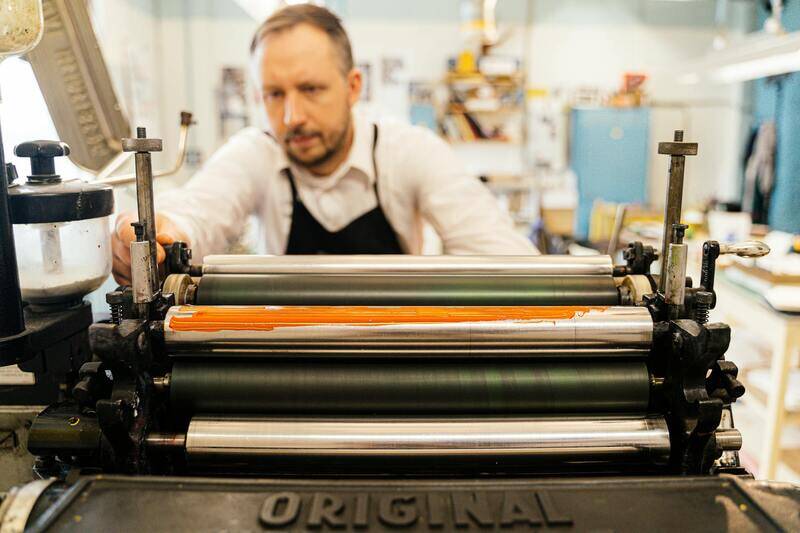
Common Materials Used in Large Format Printing
- Vinyl: Durable and weather-resistant, ideal for outdoor banners, vehicle wraps, and billboards.
- Fabric: Suitable for indoor displays such as trade show backdrops and gallery wraps, offering vibrant color reproduction.
- Polyurethane and PVC Boards: Used for signage, point-of-sale displays, and architectural panels, providing rigidity and a smooth surface.
- Canvas: Employed for art reproductions and decorative interior displays, delivering a high-end appearance.
Technologies in Large Format Printing
The core technologies driving large format printing include solvent, UV, and eco-solvent printing. Each technology influences print durability, color vibrancy, and environmental impact.
- Solvent Printing: Utilizes solvent-based inks that adhere well to non-porous surfaces, resulting in water-resistant prints with excellent color range. It is particularly suited for outdoor applications due to weather resistance.
- UV Printing: Uses ultraviolet light to cure inks immediately upon application, enabling printing on a wide range of materials, including glass, metal, and plastics. UV prints are known for their scratch resistance and vibrant tones.
- Eco-solvent Printing: Combines eco-friendly solvents with traditional solvent inks, offering high-quality outputs with reduced environmental impact. Perfect for indoor signage and displays where VOC emissions are a concern.
Understanding these materials and technologies enables businesses to select the best combination for their project, ensuring both visual appeal and longevity. Partnering with a proficient large format printing company that maintains modern equipment and offers expert guidance can significantly influence the success of visual communication efforts.
Understanding Large Format Printing Services
Large format printing services encompass a range of specialized printing solutions designed to produce high-quality visual displays on a grand scale. These services are crucial for businesses aiming to create impactful signage, banners, posters, window displays, and retail graphics that capture attention and convey messages effectively. The process begins with the selection of appropriate printing materials and advanced technologies that ensure durability, vibrant colors, and precise details. Partnering with an experienced large format printing company guarantees that these technical elements are optimized for each project, aligning visual goals with practical considerations such as environmental exposure and installation requirements.

Types of Printing Materials and Technologies
Choosing the right materials and printing technology is fundamental to achieving optimal results in large format printing. Various substrates and methods cater to different applications, environments, and aesthetic preferences. Understanding these options enables businesses and designers to make informed decisions that enhance the visual impact and longevity of their displays.
Common Materials Used in Large Format Printing
- Vinyl Banners and Posters: Flexible and weather-resistant, suitable for outdoor advertising and event displays.
- Fabric and Canvas: Ideal for high-end art reproductions and interior decor, offering a sophisticated appearance with deep color richness.
- PVC Boards and Foam Boards: Rigid substrates used for signage and architectural panels, providing structural stability and smooth surfaces.
- Glass and Acrylic: Used for premium displays and architectural accent pieces with a modern aesthetic.
Technologies in Large Format Printing
The core technologies underpinning large format printing include solvent, UV, and eco-solvent methods, each suited for specific applications based on material compatibility and environmental considerations.
Solvent Printing
This method utilizes solvent-based inks that bond effectively with porous and non-porous surfaces. The resulting prints are characterized by water resistance and vibrant coloration, making them suitable for outdoor signage exposed to weather elements. The inks penetrate the material surface, ensuring durability over time, even in challenging environmental conditions.
UV Printing
UV printing employs ultraviolet light to cure inks instantly upon application. This rapid curing process allows for printing on a wide array of surfaces, including glass, metal, plastic, and wood. The UV inks are highly resistant to scratches and fading, producing detailed and vibrant images with a smooth finish. This technology is often used for decorative panels, custom signage, and high-end displays where precision and durability are priorities.
Eco-solvent Printing
Combining environmentally friendly solvents with traditional solvent inks, eco-solvent printing offers a sustainable alternative without compromising quality. It produces high-resolution outputs with excellent color reproduction and weather resistance, making it especially suitable for indoor signage and displays where VOC emissions are a concern. This method aligns with sustainable business practices while delivering professional-grade visual outputs.

Understanding these materials and technological options empowers clients to select solutions that match their specific project requirements, whether they seek outdoor durability, indoor visual appeal, or environmentally conscious manufacturing. Collaborating with a knowledgeable large format printing company that maintains state-of-the-art equipment and offers expert consultation ensures that each project is executed with precision, durability, and visual excellence.
Understanding Large Format Printing Services
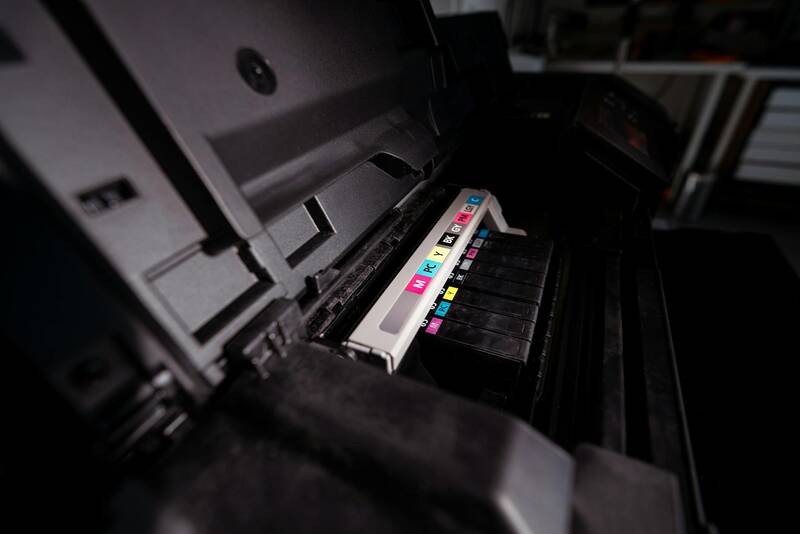
Partnering with a reputable large format printing company ensures that your visual communications are executed with precision, durability, and vibrancy. Large format printing involves producing graphics at a scale that captures attention and communicates messages effectively, whether for outdoor advertising, trade show displays, or interior branding. Such companies employ a variety of advanced printing technologies and materials tailored for different applications and environments. The process demands a high level of expertise, from selecting appropriate substrates to managing color fidelity and finishing techniques. A professional large format printing service operates with strict adherence to quality standards, leveraging high-resolution printers and quality control protocols to guarantee that every print meets exact specifications. This attention to detail extends to the handling of artwork files, calibration of equipment, and inspection of finished products. The ability to produce consistent, high-quality outputs across multiple projects underscores the importance of choosing a seasoned printing partner that invests in training, technology, and quality assurance systems. Ensuring reliable production capacity and expertise in managing complex designs also means faster turnaround times without compromising on excellence, delivering impactful visual solutions that elevate brand presence across various platforms and environments.
Types of Printing Materials and Technologies
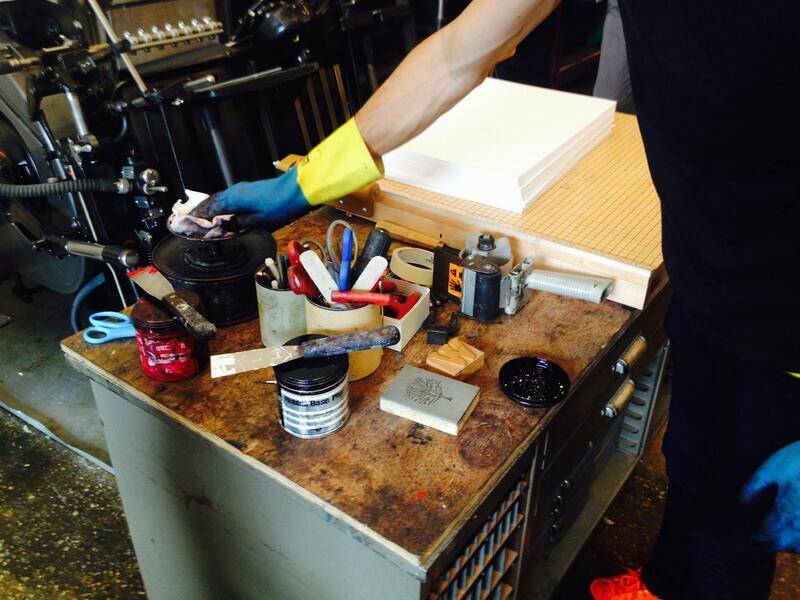
To deliver optimal results, large format printing companies utilize a diverse range of materials and cutting-edge technologies. Each material offers unique advantages suited for specific applications, from outdoor advertising to indoor displays. Common substrates include vinyl banners, fabric textiles, acrylic sheets, glass, metal panels, and eco-friendly paper-based options. Technological advancements like UV printing and eco-solvent printing enable printing on various surfaces, providing flexibility and high-quality finishes. UV printing, for instance, allows direct printing on non-porous surfaces such as glass and metal, offering vibrant colors and scratch resistance. Eco-solvent printing combines environmentally friendly solvents with traditional solvent inks, producing weather-resistant graphics that are safe for indoor environments. Latex printing technology provides flexible, water-based inks that are gentle on delicate fabrics and paper while maintaining durability. The choice of technology and material depends heavily on the intended environment, durability requirements, and visual impact needed. Clients benefit from an expert consultation to match their project goals with the most suitable combination, ensuring longevity and aesthetic appeal.
Key Factors to Consider When Choosing a Large Format Printing Company
Selecting the right partner for large format printing involves evaluating several critical aspects beyond just price. First and foremost, assess their technological capabilities, including the types of printers and inks used, which directly influence quality and durability. It is essential that the company maintains up-to-date equipment to handle diverse substrate types and produce high-resolution outputs. Portfolio review and client testimonials provide valuable insights into their experience and consistency in delivering quality results. Additionally, consider their process for color management and quality assurance—consistent color reproduction and sharp resolution are non-negotiable for professional-grade print materials. Turnaround times and customer service responsiveness also impact project success; a reliable company should provide clear timelines and responsive communication throughout the process. Furthermore, transparency in pricing, without hidden fees, combined with flexibility for custom requests, reflects a company committed to customer satisfaction. A strong focus on sustainable practices and eco-friendly solutions is an added advantage, aligning with socially responsible business standards. Ultimately, choosing a large format printing company with a proven track record, advanced technology, and an attentive service approach ensures your project will be executed flawlessly from concept to completion.
Understanding Large Format Printing Services
Large format printing services are essential for creating visually impactful displays, banners, signage, and other promotional materials that demand high resolution and durability. These services utilize advanced printing technologies capable of handling wide substrates, often exceeding 1.5 meters in width, to produce vibrant, detailed visuals suitable for both indoor and outdoor applications. The process involves precise color management, material selection, and environmental considerations to ensure each project meets specific standards of quality and longevity. Working with a reputable large format printing company ensures that businesses, event organizers, and architects receive products that accurately reflect their brand and design intent, all delivered within tight deadlines and budget constraints.

Types of Printing Materials and Technologies
Understanding the variety of materials and technologies available is crucial when choosing a large format printing partner. Common substrates include vinyl, fabric, mesh, canvas, and rigid materials like metal, acrylic, and foam board. Each material serves different purposes, from outdoor advertising to fine art reproductions, demanding specific printing techniques for optimal results.
Technologies typically used encompass solvent, eco-solvent, UV-cure, latex, and dye sublimation printers. Solvent and eco-solvent printers are renowned for producing durable outdoor signage resistant to weather elements, while UV-cure printers allow direct printing onto rigid surfaces with vibrant color fidelity. Latex printing offers flexibility, environmentally friendly inks, and excellent stretchability, making it suitable for various applications. Dye sublimation, on the other hand, excels in textile printing, offering vibrant, long-lasting colors.

Key Factors to Consider When Choosing a Large Format Printing Company
Selecting the right partner involves examining technical capabilities, experience, and service quality. The company’s equipment must feature the latest wide-format printers capable of handling diverse media types while maintaining high resolution and color fidelity. An impressive portfolio demonstrating versatility across different project sizes and materials indicates robust expertise.
Additionally, evaluating their workflow processes, such as color management systems and quality control protocols, ensures consistent output that aligns with your expectations. Client reviews and case studies further reveal their capacity to manage complex projects, meet deadlines, and adapt to custom specifications. An attentive customer service team that provides transparent communication throughout the process is vital for a seamless collaboration.
- Technological Infrastructure: State-of-the-art printers and inks
- Experience: Portfolio and client testimonials
- Quality Assurance: Color management and inspection protocols
- Flexibility: Custom requests and material handling
- Sustainability: Use of eco-friendly materials and practices
Importance of Quality Assurance and Color Accuracy
Maintaining high standards in quality assurance and achieving precise color accuracy are fundamental to professional large format printing. Color management involves standardized profiles and calibration of devices to ensure that the printed colors match the original design intent across different media and lighting conditions. Consistent color reproduction prevents discrepancies that could compromise brand integrity or design aesthetics.
Regular inspection and testing protocols identify potential issues early, minimizing reprints and delays. High-resolution outputs with sharp details are equally crucial, especially for applications like fine art reproductions and detailed graphical displays. A company that prioritizes rigorous quality checks and employs advanced color calibration tools guarantees clients receive products that meet or exceed expectations, reinforcing brand consistency and visual impact.

Steps to Work with a Large Format Printing Company
Establishing a successful partnership with a large format printing company requires a clear and systematic approach. Clients should focus on defining their project specifications upfront to facilitate accurate quoting and efficient workflow. Providing detailed artwork files, including dimensions, materials, and finishing preferences, will streamline the production process and mitigate errors. It is advisable to communicate any particular design elements, such as branding guidelines or color schemes, to ensure alignment throughout the project.
Transparency regarding budget constraints and deadline expectations helps set realistic goals from the outset. Collaborating closely with the printing team fosters a mutual understanding of project scope, enabling the company to suggest optimal materials and finishing options that align with the client’s objectives. Often, the initial stages involve reviewing proofs and samples, which serve as benchmarks for quality and color accuracy before proceeding to full-scale production.

During production, maintaining open lines of communication is essential. Clients should request regular updates on the progress and inspect samples or mock-ups when possible. This iterative approach ensures the final output adheres to specifications and allows for adjustments if necessary. Once the printing process is complete, the company typically provides detailed instructions for installation or display, ensuring that the large-format pieces are showcased effectively and safely.
Final Review and Feedback
After delivery, offering constructive feedback helps the printing provider refine their processes and improves future collaborations. If any imperfections or discrepancies are observed, addressing them promptly encourages accountability and continuous improvement in quality standards. Building a trustworthy relationship with a large format printing company ultimately benefits both parties—clients receive high-quality, customized solutions, and the company enhances their reputation through consistent, professional service.
Understanding Large Format Printing Services
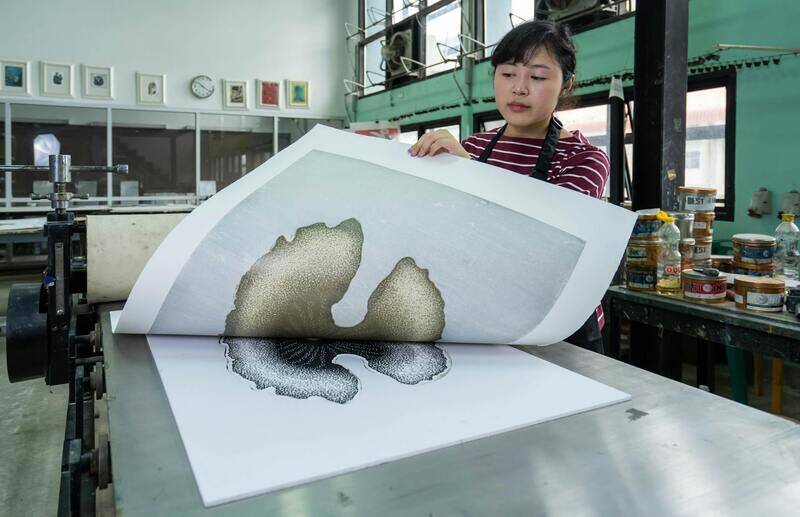
Large format printing services are integral to creating impactful visual displays, from promotional banners and retail signage to event backdrops and architectural renders. These services utilize advanced printing technology capable of producing high-resolution images on sizable substrates, ensuring vibrant color reproduction and sharp details. A professional large format printing company employs specialized equipment such as wide-format inkjet printers, which can accommodate various media types, to meet diverse project demands. The process begins with comprehensive consultations where clients’ objectives are understood, followed by appropriate material selection and customization options tailored to the intended display environment. When selecting a provider, understanding the complexities of their available services ensures that projects are executed efficiently, meeting both aesthetic expectations and functional requirements.
Types of Printing Materials and Technologies
Different materials and printing technologies contribute to the diverse applications of large format printing. Common substrates include vinyl, fabric, canvas, foam board, acrylic, and backlit films, each selected based on the intended environment—indoor or outdoor, temporary or permanent. Digital wide-format printers utilize inkjet technology, which allows for precise color blending and fine detail reproduction. Solvent, eco-solvent, UV-curable, and latex inks are prevalent choices, with each offering distinct advantages in terms of durability, color vibrancy, and environmental impact. UV-curable printers allow for immediate curing on a wide array of surfaces, making them suitable for rigid materials, while latex printers excel in producing flexible, eco-friendly prints suitable for banners and wraps. Staying updated on these technological innovations enables companies to align their offerings with specific client needs, enhancing the overall quality and longevity of the final product.

Key Factors to Consider When Choosing a Large Format Printing Company
- Experience and Portfolio: Examine their past projects to assess versatility and craftsmanship.
- Supported Materials and Technologies: Ensure they offer the substrates and printing methods best suited for your project.
- Turnaround Time: Confirm timelines align with your event or campaign schedules.
- Customer Support: Evaluate their responsiveness and willingness to provide guidance during the process.
- Pricing Transparency: Request detailed quotes that specify costs for materials, labor, and additional services.
- Environmental Policies: Consider their use of eco-friendly inks and sustainable practices.
Importance of Quality Assurance and Color Accuracy
Achieving consistent quality and color fidelity is crucial for impactful large format prints. Professional printing companies implement rigorous quality control protocols, including proofing stages, color calibration, and material testing. Pre-press verification involves color management systems that monitor and adjust ink output to match specified color profiles, ensuring brand consistency across multiple prints. Regular calibration of printers and the use of high-quality inks contribute to minimizing discrepancies, preserving the integrity of the visual message. When selecting a provider, it is essential to verify their commitment to maintaining strict quality standards, as this directly influences the durability and visual appeal of the finished product.
Pricing, Turnaround Time, and Customer Service
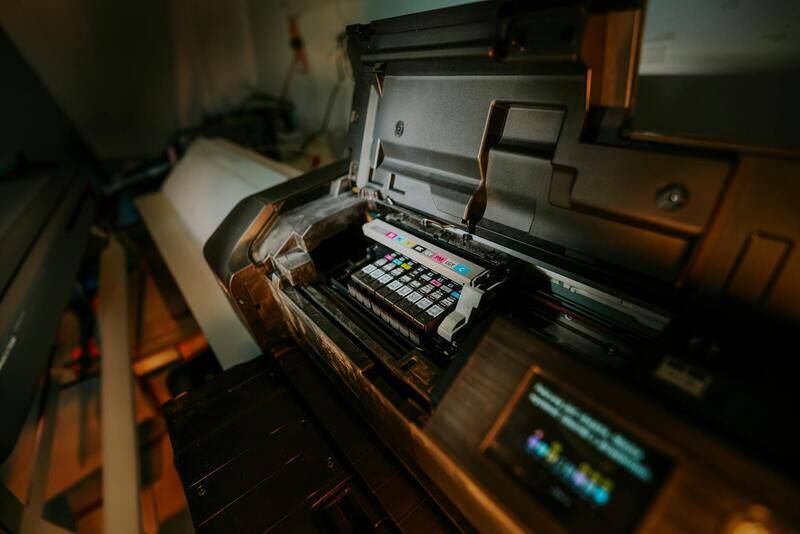
An excellent large format printing company offers competitive pricing aligned with the scope and complexity of each project. Transparent quoting practices help clients budget appropriately, with clear breakdowns of costs including materials, labor, finishing, and delivery. Turnaround times should be realistic, considering project volume and customization requirements, with prior communication on potential delays. Exceptional customer service fosters smooth collaboration, from initial consultation to post-project follow-up. Responsive communication ensures that clients’ questions are addressed promptly, and any adjustments are accommodated efficiently, reducing project risks and enhancing satisfaction.

Environmental Considerations and Sustainability
In today’s environmentally conscious landscape, selecting a large format printing company that adopts sustainable practices is vital. These practices include using eco-friendly inks such as water-based latex or UV-curable inks, which emit fewer volatile organic compounds (VOCs). Recycling or responsibly disposing of substrates and waste materials also plays a significant role in reducing environmental impact. Some companies pursue certifications for sustainability, actively minimizing their carbon footprint through energy-efficient equipment and waste reduction initiatives. Clients seeking environmentally responsible solutions should inquire about these policies and opt for providers committed to eco-friendly practices, ensuring that their visual communication aligns with broader sustainability goals without compromising quality.
Choosing the Right Large Format Printing Partner: A Strategic Approach
Selecting an appropriate large format printing company hinges on a comprehensive understanding of the industry's standards, processes, and practices. When assessing potential partners, it’s crucial to focus on their adherence to recognized methods for content preparation and file submission. Clients should ensure that their digital files meet specified resolution requirements—typically at least 150 dpi for close-up views and 300 dpi for detailed images—to guarantee sharpness and clarity in the final output. Moreover, vector graphics should be used for logos and illustrative elements to prevent pixelation and ensure scalability without loss of quality.
File formats commonly accepted include PDF, TIFF, and EPS, which support high-resolution images and embedded color profiles. Proper color management is vital; clients should provide files with correct color profiles such as Adobe RGB or sRGB, and request proofs that accurately represent the printed result. Clear communication regarding trims, bleeds, and spine lines, if applicable, is essential before final submission to avoid misalignments or unintended cuts. Utilizing preflight checks and adhering to specified guidelines minimizes revisions and expedites project completion.
Effective Communication and Project Management
Transparency from the outset fosters a smoother workflow. Clients should document detailed project requirements, including size specifications, material preferences, folding or mounting instructions, and intended use cases. Establishing key milestones and deadlines at the beginning of the engagement helps manage expectations and ensures timely delivery. Ongoing communication during production allows clients to address potential issues proactively, such as adjustments needed for color matching or material specifications.
Utilizing digital proofing services provided by the printing company ensures that expectations align before the final run. Digital proofs should include color samples, layout previews, and material swatches when possible. Once approved, the process progresses seamlessly, reducing rework and resource wastage.
Finalizing Your Project: Quality Checks and Delivery
Before the final product is dispatched, it’s important to conduct a thorough inspection. Clients should verify that the printed material matches the approved proofs in terms of color fidelity, resolution, and overall appearance. Checking for defects such as scratches, misalignments, or material inconsistencies ensures that only quality-assured finished products are delivered.
Many professional large format printing companies offer packaging solutions designed to protect the integrity of the print during transit. This includes protective coverings, moisture barriers, and custom boxes tailored to the size and delicacy of the output. Clear tracking and communication with the logistics provider facilitate punctual delivery, safeguarding the project from unnecessary delays.
By following these precise steps—covering file preparation, ongoing communication, quality assurance, and secure delivery—clients can ensure their large format printing projects meet high standards, effectively convey their message, and withstand the rigors of both display and handling.