Overview of Large Format Printing in Singapore
Large format printing in Singapore plays a vital role in enabling businesses and organizations to communicate visually on an impactful scale. As a cornerstone of the visual communication industry, it allows for the production of banners, billboards, posters, wall wraps, trade show displays, and signage that demand high visibility and durability. In a city that thrives on vibrant marketing, public engagement, and branding, the importance of large format printing cannot be understated.
Singapore’s bustling commercial landscape, coupled with its reputation as a regional hub for marketing, events, and retail innovation, underscores the need for high-quality, large-scale visual outputs. Whether for promotional campaigns, retail storefronts, corporate branding, or public information signage, large format printing provides an effective solution that marries creativity with practicality.

Furthermore, technological advancements have enabled faster turnaround times and more precise output, allowing local businesses to adapt swiftly to market demands. The scope of applications extends across diverse sectors, including retail, real estate, construction, events, and government initiatives. Each sector relies heavily on large format prints to enhance visibility, communicate messages effectively, and create an immersive experience for audiences.
In the context of Singapore’s focus on innovation and sustainability, the industry continually evolves to incorporate eco-friendly materials and efficient printing practices. This ensures that large format printing remains sustainable while meeting the high standards of visual quality expected by clients. As the city-state continues to develop as a global business hub, the demand for large format prints is expected to grow, bolstered by ongoing technological improvements and expanding applications that demand visually striking and durable outputs.
Popular Materials and Substrates Used
Choosing the right materials and substrates is crucial in achieving high-quality large format prints that meet specific application needs in Singapore. The industry incorporates a diverse array of materials, each suited to different environments, durability requirements, and aesthetic goals. Commonly used substrates include vinyl, fabric, mesh, PVC foam boards, acrylic sheets, and eco-friendly materials designed for sustainability.
Vinyl remains the most versatile and widely employed substrate due to its durability, flexibility, and weather-resistant properties, making it ideal for outdoor signage, banners, and vehicle wraps. For interior applications, fabric-based substrates are favored for their vibrant color reproduction and ease of installation, often used in trade show displays and wall coverings.
PVC foam boards and acrylic sheets are selected for their rigidity and high-resolution graphics, suitable for point-of-sale displays, signage, and exhibit panels. Mesh fabrics, with their breathability, are primarily used for outdoor banners where wind resistance is essential.

Key Factors in Choosing a Printing Service
When selecting a provider for large format printing in Singapore, several critical aspects should be considered to ensure the final output aligns with the project requirements. Experience and technical expertise in handling different materials are fundamental. A reputable service provider should have access to advanced printing equipment and offer guidance on selecting suitable media for specific environments and lifespan expectations.
Quality assurance procedures, including color calibration and print consistency, play a vital role in achieving professional results. Turnaround time is another pivotal factor, especially for time-sensitive campaigns or events. Additionally, customer support and post-print services, such as installation and finishing, contribute to a seamless experience.
Moreover, compatibility with eco-friendly practices and the availability of sustainable materials can influence the decision-making process, aligning your project with sustainability objectives and regulatory standards.

Design and Preparation for Large Format Printing
Effective design and meticulous preparation are fundamental to maximizing the impact of large format prints. Designers should pay attention to resolution, typically at least 150 dpi for large banners, to ensure clarity and sharpness. Vector graphics are preferred for logos and text, providing scalability without loss of quality, while high-resolution images are essential for photographic elements.
Color management is equally important. Using ICC profiles and calibrated monitors helps maintain color consistency from design software to the final print, ensuring vibrant and accurate color reproduction.
Proper file preparation involves checking dimensions, bleed, and margins to prevent unwanted cropping or misalignment. Converting files to the required formats, such as PDF or TIFF, and embedding compatible color profiles streamline the printing process, reducing errors and reprints.

Types of Large Format Printing Solutions
Singapore boasts a diverse array of large format printing solutions tailored to meet various business, advertising, and artistic needs. Each solution is designed to optimize visual impact, durability, and cost-effectiveness, ensuring clients receive results that align with their specific objectives.
Indoor vs. Outdoor Printing
Indoor large format printing primarily targets environments such as retail stores, exhibitions, and corporate interiors. These projects often prioritize high-resolution images, vibrant color reproduction, and finishes that maintain clarity under controlled lighting. Materials like fabric banners, PVC foam boards, and high-quality paper are commonly employed to create impactful displays that enhance brand visibility.
Outdoor printing solutions focus on durability, weather resistance, and longevity. This category includes banners that withstand sun, rain, and wind, as well as billboards and signage that need to make a lasting impression from a distance. Vinyl substrates are frequently used for their robustness and ability to maintain color vibrancy over extended periods, even under harsh environmental conditions.
Specialized Printing Techniques
- Eco-solvent Printing: Known for producing high-quality images with excellent adhesion and water resistance, eco-solvent printing is suitable for both indoor and outdoor applications.
- UV Printing: Utilizing ultraviolet light to cure inks instantly, UV printing offers vibrant colors and is ideal for rigid substrates like acrylic and glass surfaces.
- Latex Printing: This technique provides environmentally friendly options with soft, flexible prints that are perfect for fabric and wallpaper applications.
- Screen Printing: Traditional yet versatile, screen printing is often used for large volume runs of banners, flags, and promotional items.
Customization and Finishing Options
Many Singapore-based print service providers offer comprehensive finishing services, including lamination, UV coating, grommeting, and edge trimming. Such features not only enhance aesthetic appeal but also add protection against wear and tear. Custom mounting and framing options are also available to fit specific display environments, ensuring seamless integration into various promotional or informational setups.

Given the myriad of available solutions, it is crucial to evaluate the specific requirements of each project—considering factors like location, expected traffic, and environmental conditions—to select the most suitable printing technology and materials. Collaborating with experienced print professionals ensures the final output achieves the desired impact and longevity.
Design and Preparation for Large Format Printing
Effective design and meticulous preparation are critical components that influence the success of large format printing projects in Singapore. To ensure the final output aligns with client expectations and displays optimal visual impact, several key considerations must be addressed during the pre-printing phase.
Design Considerations for Large Scale Prints
- Resolution and Image Quality: High-resolution images (at least 150 dpi at final size) are essential to prevent pixelation and maintain clarity across expansive surfaces. Vector graphics are preferred for logos and illustrations to ensure scalability without loss of detail.
- Color Management: Accurate color reproduction hinges on careful color profiling and calibration. Utilizing standardized color modes (such as Pantone or CMYK) helps achieve consistent hues across different materials and print runs.
- Design Layout and Composition: Proper planning of layout elements includes consideration of bleed areas, safe margins, and viewing distances. Optimizing the composition to suit the environment where the print will be installed maximizes visual effectiveness.
- File Formats and Specifications: Submitting files in approved formats such as PDF, TIFF, or EPS ensures compatibility with printing software. Clear guidelines on bleed, cut lines, and resolution should be communicated to avoid delays.
Pre-Printing Checks and Preparation
- Proofing: Digital or physical proofs allow clients to review color accuracy, design placement, and overall appearance before proceeding to production. This step minimizes errors and revisions post-printing.
- Material Compatibility: Confirming that the intended design suits the chosen material ensures durability and visual fidelity. Certain complex designs may require adjustments for optimal printing results.
- Environmental Conditions: Ensuring that the printing environment is free from dust, vibrations, and excessive humidity prevents defects and maintains high standards of quality.
- Registration and Alignment: Precise alignment of multiple print layers or panels guarantees a seamless and professional finish, especially for large murals or modular displays.

Handling and Storage During Printing
Proper handling and storage of materials before and after printing safeguard against damage, warping, or contamination. Rolled or flat storage methods should be chosen based on material type, with protective coverings used to prevent scratches, dust accumulation, and moisture exposure.
Confirming the correct calibration of printing machines and performing regular maintenance checks are crucial for consistent output quality. Skilled technicians monitor ongoing prints to promptly address issues such as color deviations, ink spread, or mechanical malfunctions.
Choosing the Right Large Format Printing Service in Singapore
Opting for an effective large format printing provider in Singapore involves evaluating multiple critical aspects to guarantee superior quality and operational efficiency. The decision-making process should focus on the core competencies of the printing company, manufacturing capabilities, and adherence to industry standards. Examining a company's portfolio provides insight into their range of projects and versatility, reflecting their experience with diverse materials and complex design requirements.

Operational Expertise and Technological Capabilities
Advanced technology equips a printing service with the precision needed for detailed, vibrant images and consistent color management across large surfaces. High-quality printers with multifaceted color gamuts, such as eco-solvent, UV, or latex printers, are essential to achieve the color accuracy and durability demanded by clients. Workforce expertise also plays a pivotal role; skilled technicians and designers ensure that projects are executed flawlessly from file preparation to final output.
Assessment of Quality Assurance Processes
- Regular calibration of printing equipment to maintain color consistency
- Implementation of rigorous quality control measures at each production stage
- Ability to provide detailed proofing options, including color proofs and mockups
- Use of premium-grade inks and substrates for long-lasting displays
Turnaround Time and Customer Support
Efficiency in delivery timelines aligns with business needs, especially for large-scale campaigns and event setups. A professional print service should offer transparent scheduling, keeping clients informed about progress and potential challenges. Excellent customer service also encompasses consultation support, helping clients select suitable materials and finishes based on the intended application and environmental exposure.
Pricing Structures and Value for Investment
While cost considerations are significant, the focus should primarily be on value. Cost-effective solutions should not compromise on quality or durability. Transparent pricing models, including detailed quotes with breakdowns of materials, labor, and finishing options, enable clients to make informed decisions. Moreover, scalable solutions for varying project sizes can yield savings for long-term clients.
Environmental Practices and Sustainability Commitment
Many leading large format printers in Singapore adopt eco-friendly practices, from utilizing low-VOC inks to recycling waste substrates and implementing energy-efficient operations. These efforts not only reduce environmental impact but also appeal to clients who prioritize sustainability. Certification details and environmental policy disclosures serve as indicators of a company's commitment to responsible production.
Environmental and Sustainability Aspects in Large Format Printing
As the demand for visually impactful large format prints continues to grow across diverse industries in Singapore, the importance of adopting environmentally conscious practices becomes increasingly evident. Leading printing service providers recognize that integrating sustainable methods not only benefits the planet but also enhances brand reputation and aligns with the values of eco-aware clients.
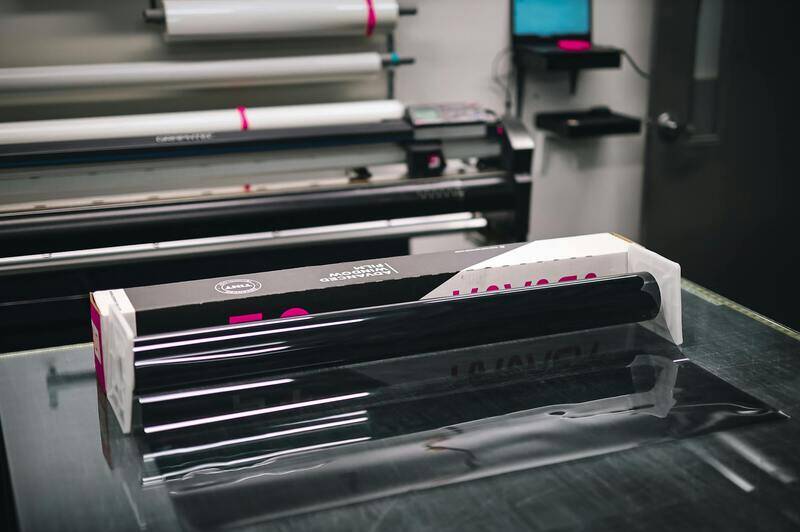
One primary aspect of sustainable large format printing involves the selection of eco-friendly substrates. Recyclable and biodegradable materials, such as certain types of rigid boards, vinyls, and textiles, serve as responsible choices that reduce long-term waste. Suppliers increasingly offer options with minimal VOC (volatile organic compounds) emissions, contributing to better indoor air quality and lower environmental impact.

Inks play a crucial role as well. The industry has progressively transitioned to water-based, latex, or UV-curable inks that emit fewer harmful chemicals compared to traditional solvent-based options. These inks are not only safer for the environment but also offer high durability and vibrant color reproduction, making them suitable for both indoor and outdoor applications.
Adoption of Recycling and Waste Management Policies
Recycling waste materials from the printing process is a significant component of sustainable practices. Reclaiming excess inks, trimming scraps, and recycling backing materials or used substrates minimizes landfill contributions. Some Singaporean printers implement comprehensive waste management systems that track and optimize material usage, reducing overall waste generation.
Energy Efficiency and Responsible Operations
Investing in energy-efficient machinery and optimizing operational workflows contribute to reducing the carbon footprint of large format printing. Modern printers feature features like automatic shutdown modes and precise ink consumption controls that help lower energy consumption. Facilities often adopt green building standards and implement lighting and climate control practices that further lessen environmental impact.
Certifications and Eco-labels
Print companies committed to sustainability often obtain certifications such as ISO 14001, indicating compliance with environmental management standards. These credentials assure clients of the company's adherence to responsible production practices. Transparency in environmental policies and regular sustainability reporting foster trust and demonstrate the company’s ongoing commitment to ecological stewardship.
Client Engagement in Eco-friendly Initiatives
Many service providers actively involve clients in sustainable choices, offering alternatives for environmentally friendly materials and advising on eco-conscious design adjustments. Such collaboration ensures that sustainability extends beyond production, influencing the entire lifecycle of the printed graphics—from material sourcing to end-of-life disposal or recycling.

As the industry evolves, innovation in eco-friendly inks, substrates, and process efficiencies will continue to shape responsible large format printing. By prioritizing sustainable practices, Singapore’s print service providers not only meet the environmental expectations of a conscientious market but also pave the way for a greener future in visual communications.
Advanced Techniques and Equipment in Large Format Printing
In Singapore’s competitive large format printing industry, the utilization of cutting-edge technology and sophisticated equipment ensures high-quality output that meets diverse client needs. Modern large format printers incorporate precision engineering with advanced print heads, enabling the production of sharp, vibrant images across extensive surfaces. These machines often feature multi-color capabilities, including white and metallic inks, which expand creative possibilities for design professionals.
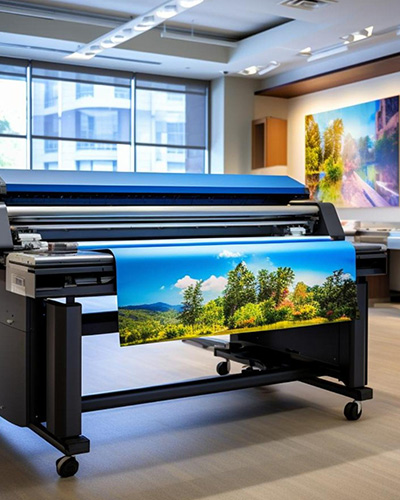
Among the popular equipment utilized are solvent, eco-solvent, UV flatbed, and latex printers. Each type offers distinct advantages tailored to specific applications and substrates. For example, UV flatbed printers allow direct printing on rigid and irregular surfaces, making them ideal for custom signage and promotional displays. Latex printers, known for their versatility and eco-friendliness, deliver durable outputs suitable for outdoor and indoor environments without emitting harmful fumes.
To meet stringent quality standards, many Singaporean print service providers invest in calibration tools and color management software. These tools help maintain consistent color reproduction and sharp details, crucial factors in branding and advertising projects. Moreover, automation features such as roll-to-roll handling, print queue management, and automated maintenance routines increase production efficiency and reduce turnaround times.

Enhancements in digital workflows streamline prepress processes, enabling designers to preview large-scale prints accurately before production. This minimizes errors, ensures alignment with client specifications, and reduces material waste, thus supporting sustainable practices.
Post-Processing and Finishing Techniques
High-quality finishing options are integral to the durability and aesthetic appeal of large format prints. Depending on the project's requirements, post-processing steps such as lamination, UV coating, and mounting are performed to protect against environmental damage, enhance color vibrancy, and facilitate installation.
Automated cutting and trimming machines further refine the final product by delivering precise edges and professional presentation. These finishing techniques, combined with the latest equipment, allow Singapore-based print providers to deliver products that excel in both form and function.

Quality Assurance and Compliance
Rigorous quality assurance protocols are fundamental to maintaining excellence in large format printing projects. Many companies incorporate in-process inspections and color checks using spectrophotometers and other calibrated devices. Regular maintenance and calibration of equipment ensure consistent performance and reduce downtime.
Adherence to industry standards and regulations is evidenced by certificates and ongoing staff training. This commitment to quality and operational excellence validates the reliable output that clients expect from reputable Singaporean printing services.
By maintaining state-of-the-art technology, diligent quality checks, and environmentally conscious practices, Singapore’s large format printing providers continue to deliver superior products tailored to a range of commercial, industrial, and artistic applications.
Legal and Ethical Considerations in Large Format Printing in Singapore
When engaging in large format printing projects, it is essential to adhere strictly to the official guidelines and standards set by relevant authorities and industry bodies. This ensures that the work meets the rigorous expectations for quality, safety, and compliance, while also honoring intellectual property rights and labeling requirements. Reputable printing service providers in Singapore prioritize compliance with these formal protocols to maintain trust and uphold the integrity of their craft.
One of the critical aspects of operating within the scope of legitimated printing practices involves the proper sourcing and licensing of all design elements, including images, logos, and textual content. This not only respects the rights of content creators but also safeguards clients from potential legal complications. Authenticity verification processes, such as obtaining clear rights or licenses, are standard procedure among established printing firms.

Many companies implement thorough vetting processes, including documented proof of approvals for copyrighted materials and adherence to industry-specific disclosure regulations. This diligence becomes especially vital for commercial signage, promotional banners, and artistic displays, where breaches could lead to sanctions or damage to reputation. Ensuring the authenticity of all components used in the print job demonstrates a firm's dedication to ethical standards and responsible workmanship.
Furthermore, environmental considerations are incorporated into lawful printing operations. Strict adherence to waste disposal regulations, environmentally friendly ink usage, and sustainable material sourcing are integral to responsible practices in Singapore's vibrant print industry. These measures not only align with government initiatives but also reflect a commitment to environmental stewardship, which increasingly influences client choices and industry reputation.
In the realm of quality assurance, certified processes and regular audits reinforce a company's credibility. Achieving certifications such as ISO standards and participating in industry audits are common ways to demonstrate compliance and excellence. Clients can thus be assured that their large format prints are produced under precise, verified conditions, fulfilling both aesthetic and functional expectations without compromising ethical standards.

Ultimately, establishing transparent communication with clients about sourcing, licensing, and environmental practices further enhances trust and reinforces the professionalism of large format printing providers. By integrating strict adherence to official protocols with innovative solutions, Singapore's print service industry continues to deliver outstanding results that are both legally sound and ethically responsible, supporting clients' branding, marketing, and artistic endeavors effectively and sustainably.