Large Format Photo Printing: Techniques, Materials, And Applications

Large Format Photo Printing: Techniques, Materials, And Applications
Large Photo Prints

Overview of Large Format Photo Printing

Large format photo printing refers to the process of creating high-quality, oversized images on various materials, often exceeding dimensions of 24 inches in width. This specialized printing technique plays a pivotal role across diverse industries, including advertising, interior design, fine arts, and event production. The ability to produce vivid, impactful visuals at large scales makes it an essential tool for branding, visual storytelling, and aesthetic enhancement.

In the realm of visual communications, large format printing allows for the transformation of digital images into tangible, display-ready products. These prints serve as eye-catching banners, wall murals, gallery displays, and promotional fixtures. Beyond commercial applications, large format photo printing also supports artistic expressions, enabling photographers and artists to showcase their work in exhibitions or public installations with remarkable clarity and detail.

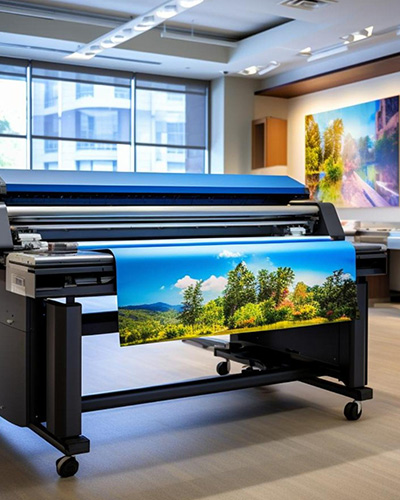
Showcasing a high-resolution large format photo print in an exhibition setting.

Common products derived from large format printing include banners, posters, canvas prints, wallpaper murals, trade show displays, and vehicle wraps. The scope of application is broad, with each product tailored to specific visual and functional requirements. As technology advances, the quality and durability of large format prints continue to improve, allowing for sharper images, more vivid colors, and longer-lasting results.

Understanding the importance of precise color reproduction, material variety, and suitable printing methods is vital for achieving professional results. The choice of materials, printing techniques, and post-processing options directly influence the appearance, performance, and lifespan of the finished product. Consequently, mastering these elements is essential for delivering impactful visual communications that meet clients’ expectations and industry standards.

Materials Used in Large Format Photo Printing

Choosing the right materials is fundamental to achieving optimum results in large format photo printing. The selection depends on the intended application, environmental conditions, and desired lifespan of the print. Common material options include vinyl, canvas, photo paper, fabric, and wall coverings, each offering unique properties that cater to different visual effects and durability requirements.

Vinyl is widely used for outdoor banners and vehicle wraps due to its weather resistance and robust nature. Canvas prints, on the other hand, emulate traditional paintings and are preferred for gallery displays or interior decor, providing a textured, high-quality finish. Photo papers designed for large formats offer sharp image reproduction, especially suitable for photographic displays and fine art reproductions. Fabric materials are commonly used for soft signage and drapery, providing flexibility and a refined aesthetic for interior environments. Wall coverings or murals involve specialized wallpapers that adhere seamlessly to large surface areas, producing immersive visual experiences.

igure>
High-quality materials such as vinyl, canvas, and specialized wallpaper enable durability and vivid imagery in large format prints.

Material compatibility with specific printing techniques is crucial to avoid issues like color distortion or adhesive failure. Selecting the appropriate base material, along with the right coating or finish—such as matte, gloss, or satin—can significantly influence the final appearance and maintenance of the print. While some materials provide UV resistance and weatherproofing for outdoor use, others are optimized for indoor aesthetics and rapid installation. Customization options, including textured finishes or eco-friendly options, add further versatility to meet diverse project needs.

To ensure high standards, reputable printing service providers carefully select materials based on technical specifications, environmental impact, and client requirements. This meticulous approach guarantees that the finished product not only looks exceptional but also maintains its integrity over time, particularly in demanding settings.

Color Management and Print Quality

Achieving consistent and accurate color reproduction in large format photo prints requires comprehensive color management strategies. This involves calibrated monitors, standardized color profiles, and the use of high-quality inks. Modern inkjet printers utilize a broad spectrum of pigmented inks that deliver vibrant colors and fine graduations, essential for photographic and artistic reproductions.

Color consistency is maintained through precise calibration of printers and color profiles tailored for each material type. This ensures that what is viewed on-screen aligns closely with the final printed output, minimizing discrepancies and ensuring client satisfaction. Advanced print technologies incorporate multiple color channels and intelligent ink distribution, enhancing depth and richness in printed images.

Effective color management guarantees accurate reproduction of hues and tones, resulting in vivid, true-to-life large format photographs.

Image sharpness and detail are equally important, especially for high-resolution photographic displays. Therefore, selecting the correct resolution settings, optimizing ink coverage, and employing post-processing techniques like sharpening are vital steps in the workflow. A combination of technical precision and artistic judgment ensures the final print meets high standards of visual quality and impact.

Printing Process and Workflow

Successful large format photo printing involves a systematic workflow encompassing pre-press preparation, printing, and post-processing. Pre-press tasks include image calibration, color profiling, and file optimization to ensure compatibility with printing equipment. High-resolution digital files are transmitted using specialized software and protocols that preserve integrity and prevent artifacts.

The actual printing employs advanced inkjet printers capable of high machine precision and color fidelity. During printing, continuous monitoring of ink levels, alignment, and print speed ensures uniformity and reduces waste. Post-processing steps, such as trimming, mounting, laminating, or framing, enhance durability and aesthetic appeal, especially for displays in public or outdoor environments.

Streamlined workflow from digital file preparation to finishing touches is vital for consistent, high-quality large format photoprints.

Applications and Use Cases

Large format photo printing is utilized across numerous sectors, including advertising, interior design, fine arts, real estate, and event planning. Promotional banners and poster displays are common in trade shows and retail environments, where visibility draws consumer attention. Interior decorators leverage large prints such as wall murals and canvas art to transform commercial and residential spaces.

In the artistic realm, large photographic prints serve as centerpiece artworks or part of exhibition installations, offering viewers immersive visual experiences. Real estate developers utilize large prints to showcase property features attractively. Event organizers create custom backdrops and stage displays for maximum impact. Vehicle wraps, frequently produced through large format printing, combine branding with functional vehicle protection, enhancing visibility while serving advertising purposes.

Comprehensive use cases demonstrate the versatility of large format photo printing in various commercial and artistic projects.

Maintenance and Longevity of Large Format Prints

Proper maintenance extends the lifespan and aesthetic quality of large format prints. Regular cleaning with non-abrasive, pH-neutral solutions preserves surface integrity, especially for wall murals and outdoor banners. When exposed to environmental elements, protective coatings like lamination or UV-resistant films provide additional shielding against fading, moisture, and physical damage.

Environmental factors such as sunlight, humidity, and pollution directly influence the durability of prints. Selecting appropriate materials and protective layers enhances their resilience, ensuring the displays remain vibrant over time. Periodic inspection and touch-ups can mitigate minor damages or color fade, preserving visual impact and functional performance.

The strategic storage of spare materials and prints, along with adherence to manufacturer recommendations for cleaning and handling, helps maximize the long-term value of large format photo investments.

Cost Factors and Choosing a Service Provider

Pricing for large format photo printing varies depending on material selection, print size, complexity of the design, and finishing requirements. While high-quality materials and advanced printers command higher costs, the investment results in more durable, impactful visuals. Transparent quotation processes and detailed project estimates are typical among reliable service providers.

When selecting a printing partner, consider their expertise, portfolio, technology capabilities, and customer reviews. A provider with extensive experience in large format projects often delivers superior color accuracy, consistent workflow, and post-print support. Additionally, access to a broad range of materials and finishing options ensures that specific project needs and creative visions are fully realized.

Evaluating service quality, technical capability, and material options is critical for achieving desired results in large format photo printing.

OFFICIAL METHODS AND BEST PRACTICES FOR LARGE FORMAT PHOTO PRINTING

Ensuring high-quality results in large format photo printing requires adherence to established procedures that optimize print clarity, color fidelity, and durability. Professional printing services employ a combination of advanced technology, precise color management, and meticulous workflow processes to achieve striking visual outcomes. These methods are rooted in industry standards and best practices that have been developed through extensive experience and technological innovation.
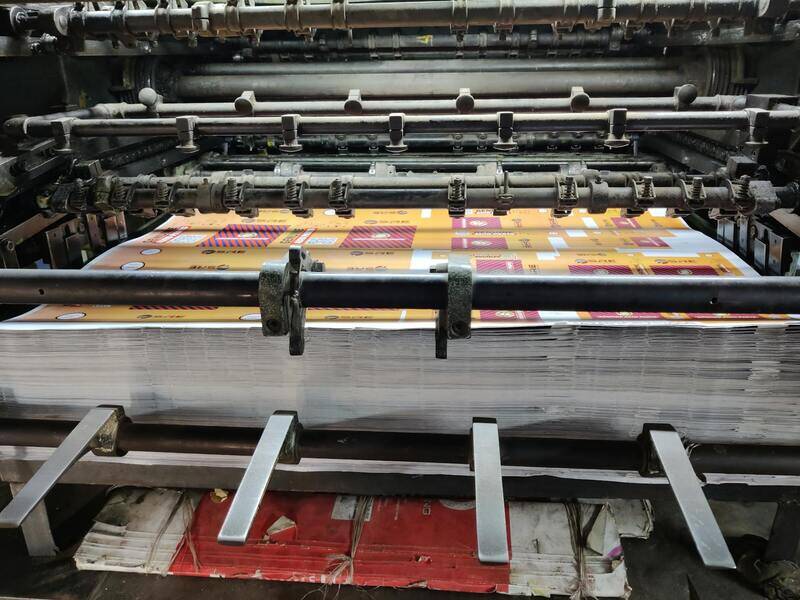
Printing-28
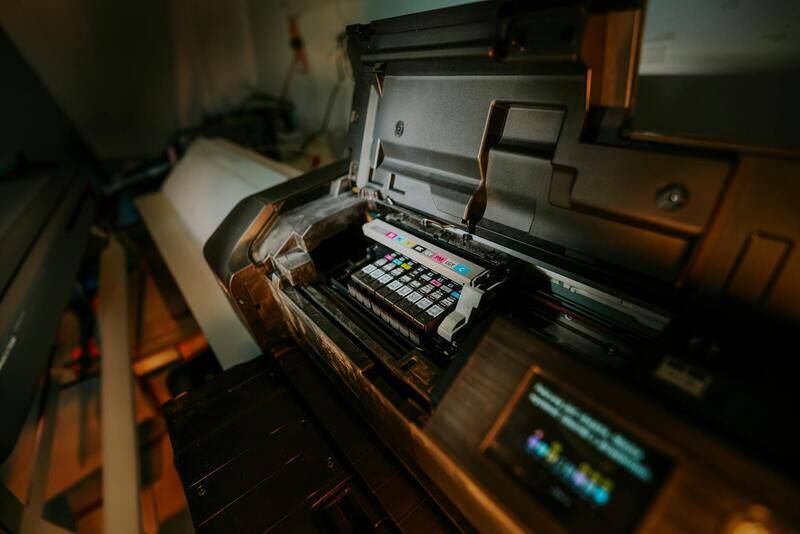
State-of-the-art large format printing equipment used in professional studios.

Color Calibration and Management

Central to professional large format photo printing is comprehensive color management. This involves calibrating printers, verifying color profiles, and maintaining consistent color output throughout the printing process. Using color management software, print providers create ICC profiles tailored to specific printers, inks, and media. These profiles ensure that the digital image accurately translates to the physical print, preserving color accuracy and gradation.

Professional workflows often include pre-press checks, where images are examined for color balance, contrast, and sharpness before printing. Adjustments are made to optimize the visual impact and minimize discrepancies. Regular calibration of devices and meticulous proofing stages are critical practices that uphold the integrity of the final product.

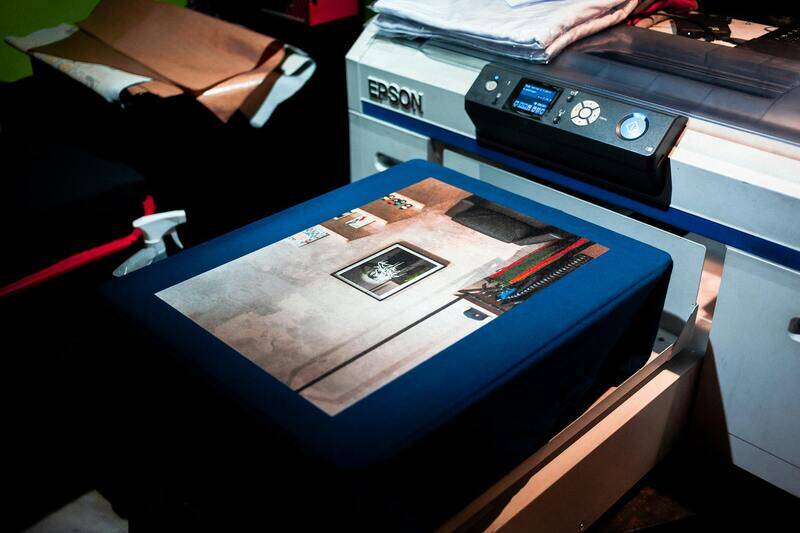
Printing-84
Detailed color calibration processes help maintain consistency across large scale prints.

Utilization of Proven Printing Technologies

High-quality large format photo printing relies on sophisticated printing technologies, such as inkjet printers equipped with archival inks. These printers use multiple ink channels to produce a broad gamut of colors and seamless gradations. The selection of inks—like UV-resistant or fade-resistant variants—enhances longevity and environmental resilience of the prints.

Furthermore, the use of durable substrates that are compatible with the ink system ensures optimal adhesion and color vibrancy. Buffered media, protective coatings, and lamination are employed as necessary to safeguard the print surface from external elements such as UV light, moisture, and physical abrasion.

Quality Assurance Protocols

Quality assurance is an integral part of the professional large format photo printing process. Upon completion, prints undergo rigorous inspection to verify accuracy in color, detail, and overall presentation. Critical parameters—such as resolution, color consistency, and surface finish—are assessed against the specified standards.

Any minor imperfections or inconsistencies are addressed through touch-up techniques or by reprinting if necessary. This meticulous approach guarantees that every large format print consistently meets high standards of excellence.
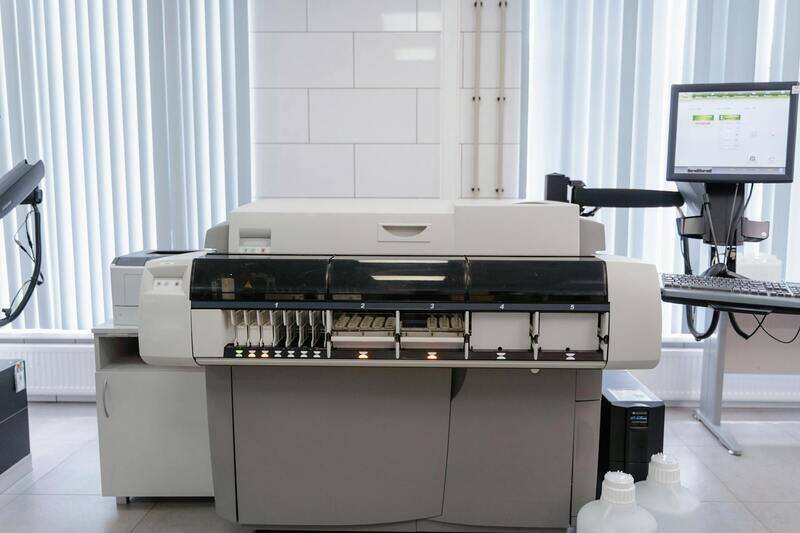
Printing-39
Professional quality control ensures each large format print meets rigorous standards before delivery.

Secure Handling and Proper Storage

Once printed, proper handling and storage are essential to preserve the quality of large format photos. Prints are carefully rolled or flattened, depending on material type, and stored in climate-controlled environments that minimize exposure to light, humidity, and temperature fluctuations. Special protective layers or display laminates are used to enhance durability and ease of maintenance.

Advanced techniques such as UV coating or lamination provide additional protection against scratches, fading, and environmental damage, securing the integrity of the print for long-term display or archival purposes.

Materials Used in Large Format Photo Printing

Choosing the appropriate materials is crucial for achieving optimal results in large format photo printing. The selection depends on the intended display environment, durability requirements, and desired visual effects. High-quality substrates contribute significantly to color vibrancy, sharpness, and longevity of the printed images.

Popular materials include various types of papers, such as matte, gloss, and satin finishes, each offering distinct visual properties and tactile experiences. Art papers with textured surfaces provide an artistic feel suitable for gallery displays, while smooth, glossy papers enhance color richness and detail, ideal for commercial and promotional displays.
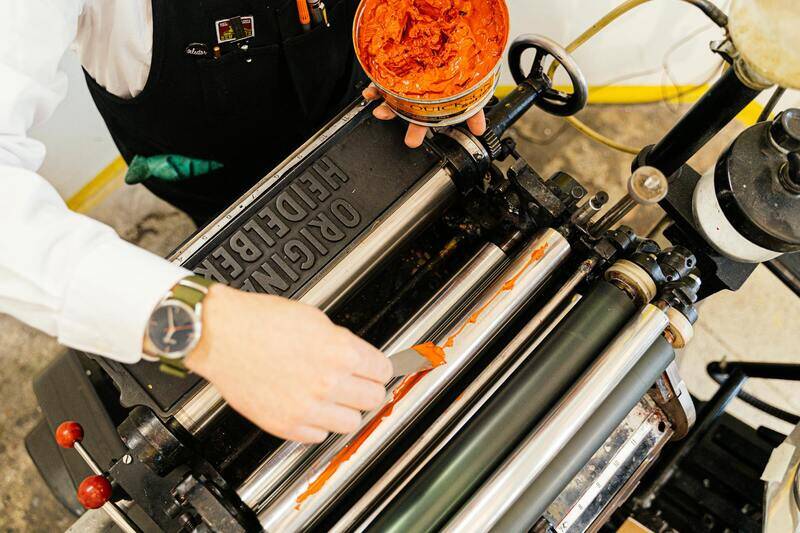
Printing-20
Various substrates used in large format photo printing, including matte, gloss, and fabric options.

Beyond paper, vinyl and canvas are prevalent choices for larger, more durable prints. Vinyl banners are praised for their weather-resistant properties, making them suitable for outdoor installations, whereas canvas provides a classic, textured appearance preferred for fine art reproductions or upscale interior decor.

Specialized films and backlit materials are used in scenarios where backlighting or transparency effects are desired, lending a vibrant, luminous quality to signage or art pieces. Additionally, rigid media such as foam boards and aluminum panels are employed for mounting and exhibition purposes, offering structural stability and a professional finish.

Surface coatings, such as UV protective layers and laminates, are often applied post-printing. These coatings serve to guard against environmental factors like UV radiation, moisture, and physical wear. They also enhance color durability, ensuring prints retain their visual appeal over extended periods.

Adopting the right combination of materials and finishing techniques guarantees that large format photographs meet both aesthetic and practical expectations, whether for short-term displays or long-term archival storage.

Image 1 Placeholder
Printing-16
Sample large format substrates demonstrating different textures and finishes.

Considerations for Material Selection

  • Durability Needs: Outdoor versus indoor use influences the choice of materials, with weather-resistant options favored for external displays.
  • Color Representation: Matte surfaces reduce glare and reflections, whereas gloss finishes maximize color vibrancy.
  • Application Type: Fine art reproductions require high-quality, textured papers, while commercial signage benefits from impactful vinyl or rigid panels.
  • Budget Constraints: Material costs vary, and balancing quality with cost is essential to maximize the return on investment.


Color Management and Print Quality in Large Format Photo Printing

Achieving precise color accuracy and consistent print quality is fundamental in large format photo printing. This process begins with meticulous color management techniques, ensuring that digital files are properly calibrated before printing. Professionals utilize advanced calibration tools such as spectrophotometers and color profiles to synchronize monitors and printers, minimizing color discrepancies and ensuring the digital image closely matches the final output.

Within the workflow, ICC profiles play a crucial role in maintaining color fidelity across various devices and materials. These profiles serve as standardized references, enabling printers to interpret colors correctly and reproduce images with true-to-source vibrancy and tonal range. Regular calibration and profiling are necessary to adapt to different batches of media and ink types, maintaining consistent quality over time.

Print resolution is another vital aspect. High-resolution printing, often at 300 dpi or higher, guarantees sharp details and smooth gradations. The selection of appropriate inks—such as solvent, UV, or latex inks—also influences the final hue, gloss level, and longevity. Each ink type offers specific advantages suited to different environments and durability requirements.

Printing-3
High-precision color profiling ensures accurate reproduction and vibrant results

Paper and substrate choices significantly impact color rendition. Matte surfaces reduce reflections and facilitate accurate color perception under various viewing conditions, essential for gallery displays or fine art reproductions. Glossy finishes enhance vibrancy and sharpness, making colors pop and images appear more dynamic. Semi-gloss and satin finishes offer a middle ground, balancing color richness with reduced glare. Proper selection tailored to the intended display environment and artistic intent enhances overall print quality.

In addition to color calibration, attention to environmental factors such as lighting conditions in the printing studio and storage areas helps preserve the quality of prints before and after production.

Printing-71
Quality control procedures ensure each large format print meets high standards

Implementing stringent quality control measures, including regular inspection during and after printing, prevents issues like banding, color inconsistencies, or misalignment. Automated and manual checks, coupled with experienced operators, uphold the high standards required for professional large format photo prints. Proper curing, drying, and finishing processes further influence the durability and aesthetic appeal of the finished piece.

Overview of Large Format Photo Printing

Large format photo printing represents a specialized segment within the printing industry, designed to produce high-resolution, visually striking images on expansive surfaces. This process is essential for various applications, from gallery-grade art reproductions to impactful advertising displays. The primary aim of large format printing is to deliver exceptional detail and vibrant color accuracy across sizable outputs, ensuring that every element of the image remains crisp and true to the original photograph.

Due to the scale involved, precision and consistency are paramount throughout the printing process. The technology employed must handle large media without compromising image fidelity, and the printing workflows need to integrate advanced color management and quality control measures. These factors collectively help achieve the high standards demanded by professionals requiring large-scale prints that do not sacrifice quality or durability.

Types of Large Format Printing Equipment

Several types of printing systems are utilized for large format photo printing, each suited to specific project needs and output qualities:

  • Inkjet Printers: These are the most common, utilizing microscopic droplets of ink to produce detailed images. High-end wide-format inkjet printers capable of handling media widths exceeding 60 inches are frequently used in professional settings. They support a variety of inks to optimize color accuracy, longevity, and material compatibility.
  • Solvent and Eco-Solvent Printers: Ideal for durable outdoor signage and banners, these printers use solvent-based inks that offer excellent water and weather resistance. Advances in eco-solvent technologies have improved air quality and reduced environmental impact while maintaining high image quality.
  • UV Printing Machines: Leveraging ultraviolet light to cure inks instantly on a wide range of materials, UV printers allow for printing on rigid substrates like acrylic, glass, and metal, opening avenues for innovative display options.
Printing-9
Premium large format photo printing equipment used in professional studios

Materials Used in Large Format Photo Printing

The choice of substrate significantly impacts the output's visual impact, durability, and application suitability. The following materials are commonly employed:

  • Photo Paper: Specialized gloss or matte photo papers are favored for fine art reproductions, ensuring accurate color rendition and sharp details.
  • Canvas: Used for artistic displays, canvas offers a textured surface that adds depth and aesthetic appeal. It also allows for stretching and framing similar to traditional paintings.
  • Vinyl: Ideal for banners and outdoor signage, vinyl media is flexible, weather-resistant, and capable of supporting vibrant ink adhesion.
  • Rigid Substrates: Materials like aluminum, acrylic, and foam board are suitable for high-end displays, point-of-sale features, and gallery presentations, offering a sleek, modern look.

Color Management and Print Quality

Achieving accurate color reproduction demands meticulous calibration and profiling of printing devices. Professional large format photo printers incorporate advanced color management systems that synchronize the printer's output with calibrated monitors, ensuring consistency between digital files and final prints. Utilizing ICC profiles specific to each media type guarantees that hues, tones, and contrast levels are faithfully reproduced.

Enhanced quality control measures involve monitoring environmental conditions like lighting and temperature in print production areas, which influence ink curing and color fidelity. Regular maintenance of printing equipment, including cleaning printheads and swapping out aging inks, helps maintain optimal performance.

Printing-41
Color calibration tools and techniques vital for high-quality large format photo output

Printing Process and Workflow

The workflow for producing large format photo prints integrates several stages to ensure precision and aesthetic quality:

  1. Pre-Press Preparation: This involves image editing, color correction, and digital file preparation, including assigning the appropriate ICC profile for the selected media.
  2. Material Setup: The media is loaded into the printer, with attention to alignment and tension to prevent distortions or misregistrations during printing.
  3. Printing Execution: The digital file is sent to the printer, where high-resolution inkjet or UV printing systems realize the image onto the substrate, with real-time monitoring to detect issues.
  4. Post-Processing: This includes drying or curing, trimming excess material, and applying protective coatings if necessary to enhance longevity and appearance.
  5. Quality Inspection: Final review verifies color accuracy, image sharpness, and adherence to client specifications, with adjustments made if needed before delivery or installation.

Applications and Use Cases

Large format photo printing serves a diverse array of applications across various industries. In the realm of visual arts, artists and photographers leverage this technology to showcase their work in galleries and exhibitions, creating striking visuals that captivate viewers from a distance. Commercial establishments utilize large prints for impactful advertising displays, store signage, and promotional banners that enhance brand visibility and attract foot traffic.

Architectural and interior design projects often incorporate large format photographs to add aesthetic appeal and convey design concepts. These prints are used in corporate offices, lobbies, and conference rooms to communicate brand identity or showcase project portfolios with clarity and visual impact. Additionally, event organizers, such as those in the wedding or fashion industries, employ large-format prints to craft memorable backdrops that elevate the ambiance and leave lasting impressions.

Furthermore, large photo prints play an essential role in educational and institutional settings. Schools, universities, and museums use sizeable images and posters for informative displays that draw attention and facilitate learning. They are also instrumental in the production of wall murals, which transform blank surfaces into artistic statements or informative narratives, enriching the environment and engaging viewers effectively.

Printing-78
Large format prints utilized in various commercial and artistic contexts

Specialized Techniques for Different Use Cases

Depending on the specific application, different printing techniques are employed to optimize results. For high-impact outdoor signage, UV-curable inks are preferred for their durability against weather conditions, UV exposure, and physical abrasion. In contrast, indoor banners or artistic displays might utilize dye-based inks, which produce a broader color spectrum and richer nuances, at the expense of slightly reduced outdoor longevity.

Nano-technology coatings can be applied post-printing to enhance scratch resistance and water repellence, crucial for displays in high-traffic or outdoor environments. Moreover, laminating large format prints adds an extra layer of protection, ensuring the visual integrity of the image over time. The choice of technique and materials hinges on the print’s intended environment, lifespan, and aesthetic requirements, emphasizing the importance of consulting experienced professionals for optimal outcomes.

Printing-5
Application of large format photo printing across diverse sectors

Proper Design Preparation and File Optimization

Ensuring that your digital files are correctly prepared is fundamental to achieving high-quality large format photo prints. This includes selecting the appropriate resolution, typically 150-300 DPI at the final print size, to maintain sharpness and detail without pixelation. When working with large images, it is advisable to use lossless file formats such as TIFF or high-quality JPEGs with minimal compression to preserve image integrity.

Color profiles, such as Adobe RGB or sRGB, should be embedded within the files to facilitate accurate color reproduction across different devices and printers. Professionals often utilize color management workflows, incorporating color calibration tools and software, to ensure the final output aligns with the original image’s intent.

Preparing files with proper bleed, margins, and resolution settings minimizes the risk of visual artifacts or cropping issues during the printing process. Careful review and proofing, ideally on calibrated monitors, are essential steps before submitting files for large format printing.

Printing-17
Different file preparations influence print quality and accuracy.

Choosing the Right Printing Technology for Your Project

Selection of the appropriate printing technology depends on the specific requirements of the project. Inkjet printers, particularly those using latex or solvent inks, are dominant in large format photo printing, offering excellent color fidelity and versatility. UV-flatbed printers are favored for their ability to print directly onto rigid substrates, making them ideal for signage and promotional displays.

For photographic reproductions with high color accuracy, dye-sublimation printers can also be considered, especially when printing on coated fabrics or specialty substrates. Each technology offers distinct advantages, including print speed, material compatibility, and environmental considerations.

Professional consultation ensures that the selected equipment matches the project's demands, from outdoor durability to indoor aesthetic excellence. This strategic choice directly impacts the visual impact, lifespan, and overall value of the finished large format print.

Printing-53
Technology selection is crucial for achieving desired print outcomes and durability.

Post-Printing Care and Preservation

Once the large format print is completed, appropriate handling and care are essential to prolong its appearance and structural integrity. While some prints are resistant to environmental factors, others may require additional protective measures.

  • Protective Coatings: Applying UV-resistant coatings or laminates shields prints from UV rays, scratches, and moisture, extending their lifespan.
  • Proper Framing and Mounting: Secure mounting on suitable substrates prevents warping or damage over time. Rigid backing or framing also enhances presentation quality.
  • Strategic Placement: Positioning prints away from direct sunlight, extreme temperatures, or high-humidity areas reduces deterioration risks.

Regular maintenance, such as gentle cleaning with non-abrasive materials, keeps the prints in pristine condition and preserves their vibrancy. When handled with care, large format photographs can maintain their visual impact and durability for years.

Related Tags

Related Articles

Choosing And Printing Big Photography Prints: A Guide To Large-Format Photography Prints In Printing Services

Choosing And Printing Big Photography Prints: A Guide To Large-Format Photography Prints In Printing Services

Read More
Guide To Big Photo Prints: Printing Services And Tips For Large-Scale Photos

Guide To Big Photo Prints: Printing Services And Tips For Large-Scale Photos

Read More
Big Size Photo Print: Guide To Large Format Printing Services

Big Size Photo Print: Guide To Large Format Printing Services

Read More