Understanding Big Photography Prints
Big photography prints refer to large-scale photographic reproductions that often serve as focal points in both residential and commercial environments. These prints typically exceed the standard sizes and require specialized printing techniques and materials to ensure clarity, color fidelity, and durability. The primary characteristic of big photography prints is their impressive size, which allows viewers to engage with intricate details that are often lost in smaller formats.
The dimensions of large-format prints can vary widely, ranging from modest enlargements around 24 inches by 36 inches to monumental displays exceeding 60 inches in width. Commonly, such prints are used to adorn expansive walls in corporate offices, galleries, event spaces, or home interiors. Their size makes them suitable for feature walls, promotional displays, and artistic showcases, where they serve to create a dramatic visual impact.
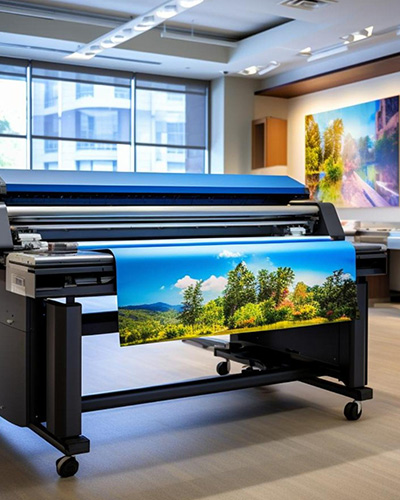
From a technical perspective, big photography prints demand high-quality image sources to maintain sharpness and color accuracy during enlargement. This ensures that the final product remains vibrant and detailed, regardless of size. The process involves selecting appropriate materials and printing methods tailored specifically to large-scale formats. As digital printing technology advances, options for producing impressive big photography prints have become increasingly accessible and precise.
Common Uses of Big Photography Prints
- Hero pieces in art galleries and exhibitions
- Statement wall decor in corporate and commercial spaces
- Decorative elements in luxury hotels and resorts
- Personalized murals and feature walls in homes
- Advertising and promotional displays for events
Understanding the key elements of big photography prints—size, material, and application—is essential for selecting the right approach to produce stunning, large-scale photographic reproductions that stand the test of time and captivate viewers.
Material Options for Large Photography Prints
Choosing the appropriate material is crucial for achieving optimal results in big photography prints. The selection depends on factors such as intended display environment, durability requirements, and visual aesthetic. Common materials include high-quality photographic papers, canvases, vinyl banners, and acrylic panels. Each offers distinct advantages based on durability, texture, and finish.
- Photographic Paper: Ideal for gallery displays and professional exhibitions, photographic paper provides sharp detail and rich color reproduction. When used for large-format prints, it requires careful handling and appropriate mounting to prevent warping or damage.
- Canvas: Canvas surfaces bring a textured, artistic appearance to large photographs, often resembling fine art paintings. They are durable and lend a sophisticated look, making them suitable for interior decor in homes and upscale commercial spaces.
- Vinyl Banners: Suitable for outdoor or promotional large-scale displays, vinyl offers excellent weather resistance and flexibility. It’s a practical choice for large advertising banners and event signage.
- Acrylic Panels: Providing a sleek, modern finish, acrylic enhances color vibrancy and sharpness. It is often used for premium presentations or corporate displays that require a high-end look.
Selecting the right material also involves considering the weight, ease of installation, and intended longevity of the print. Consulting with experienced printing professionals ensures that material choices align with the specific goals of each project.
Printing Techniques for Big Photography Prints
Advances in digital printing technology have significantly expanded the capabilities for producing large-scale photographic images with exceptional quality. Several techniques are commonly employed in the creation of big photography prints, each suited for different types of materials and desired effects.
- Inkjet Printing: This is the most prevalent method for producing large photography prints. High-resolution inkjet printers utilize wide format capabilities and can produce vivid, detailed images with accurate color reproduction. Using archival inks ensures longevity and resistance to fading over time.
- UV Printing: Suitable for printing directly on non-porous surfaces like acrylic or metal, UV printing employs ultraviolet light to cure the inks instantly. This technique provides vibrant colors and durable finishes, often used for modern, premium displays.
- Sublimation Printing: Although primarily used for fabric, sublimation can also be adapted for certain coated surfaces, offering seamless, vibrant, and durable prints. It’s ideal for applications requiring flexibility and high resolution.
Choosing the correct printing technique depends on factors such as material selection, environmental exposure, and the level of detail required. Professional consultation helps determine the optimal process for each large format project.
Material Options for Large Photography Prints
Selecting the appropriate material is a fundamental aspect of producing impressive big photography prints. Each substrate offers unique qualities that can enhance the aesthetic appeal, durability, and suitability for specific display environments. Popular choices include canvas, vinyl, and high-quality photo paper, among others.
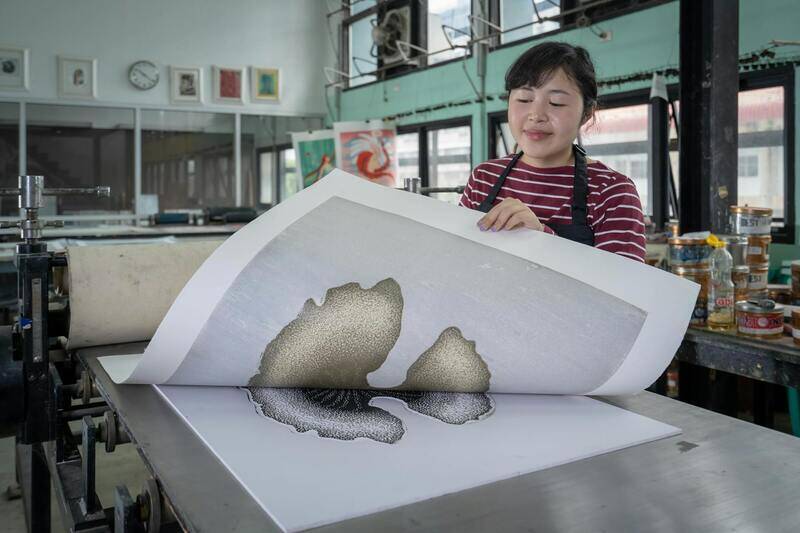
Canvas is widely favored for its textured surface, which mimics traditional art paintings. It offers a classic, sophisticated look and is resilient to environmental factors when properly coated or framed. Canvas prints are essential in interior decoration, providing depth and richness to photographic imagery, especially in large formats.
Vinyl material is known for its durability and versatility, making it suitable for both indoor and outdoor settings. Its weather-resistant properties ensure that large-scale images remain vibrant over extended periods, even under harsh conditions. Vinyl prints are often used for banners, signage, and exterior displays due to their strength and adaptability.
Photo paper, particularly those designed explicitly for large-format printing, provides sharp detail, vibrant colors, and a smooth surface. When mounted correctly, photo paper-based prints can serve as elegant wall art or professional exhibits, emphasizing fine details in large-scale images. Options like gloss, matte, or luster finishes allow customization based on desired visual effects.
Environmental Considerations and Display Methods
Environmental factors play a crucial role in material choice. For outdoor installations, materials with high resistance to UV rays, moisture, and temperature fluctuations are recommended. Vinyl and coated fabrics typically withstand such conditions better than traditional photo paper or untreated canvas.
For indoor displays, aesthetic compatibility and framing options influence material selection. Canvas provides a textured, artistic appearance suitable for galleries and homes. Vinyl and laminated prints are preferable for commercial spaces that require resilience and easy maintenance.
Proper mounting and finishing also impact the longevity and visual appeal of big photography prints. Techniques such as UV coating or framing with UV-resistant glass can protect the surface, maintain vibrant colors, and prevent damage from environmental exposure.

Summary
Effective large-format photographic prints hinge on selecting suitable materials that align with both the aesthetic goals and the environmental conditions of display. Whether opting for canvas's artistic texture, vinyl's durability, or the high-detail qualities of professional photo paper, understanding your options boosts the impact and longevity of big photography prints. Combining these choices with proper installation and protective measures ensures your images remain striking and vibrant over time.
Material Options for Large Photography Prints
When it comes to producing impressive big photography prints, selecting the appropriate material is vital for achieving desired visual effects and ensuring durability. Different materials serve various purposes, whether for indoor decoration or outdoor displays.
Common material choices include:
- Photo Paper: High-gloss and matte options offer exceptional detail resolution and color vibrancy, ideal for gallery-quality displays indoors. Professional-grade photo paper is often preferred for its fine quality and smooth finish.
- Canvas: Provides a textured, artistic appearance that mimics traditional paintings. Canvas is favored for its ability to add depth and artistic character, making it a popular choice for galleries and home décor.
- Advantages: Enhances visual appeal with texture, suitable for framing without glass.
- Considerations: Needs proper protective coating to prevent damage and fading.
- Vinyl: A highly durable material resistant to moisture, UV rays, and temperature fluctuations. Vinyl is often used for outdoor advertising or large-scale commercial installations where resilience is key.
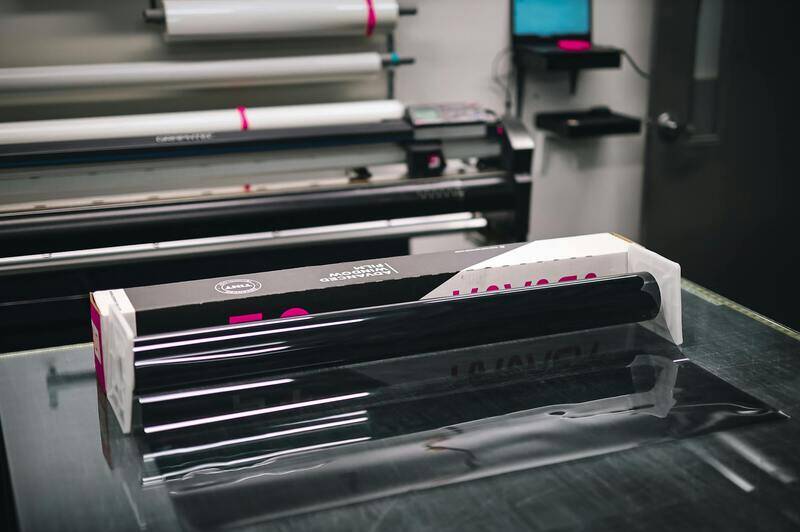
- Laminated Prints: Combining print material with protective lamination enhances scratch resistance and can improve UV protection, extending the life of the print.
Choosing the right material depends on the intended display environment as well as aesthetic preferences. For outdoor installations, UV-resistant and waterproof materials like vinyl or coated fabrics are recommended. For indoor displays, canvas or high-quality photo papers are preferred for their visual richness and ease of framing.

In addition to the base material, the finishing touches such as UV coatings, framing, and mounting options play significant roles in protecting the print and enhancing its visual appeal. Proper handling and protective measures help maintain color fidelity and prevent environmental damage over time.
Understanding the various material options ensures that your large photography prints meet both aesthetic expectations and practical longevity, enabling your images to captivate audiences for years to come.
Material Options for Large Photography Prints
When it comes to producing impressive big photography prints, selecting the right material is paramount to achieving the desired visual impact and durability. Several high-quality options are available, each suited to different display environments and aesthetic preferences.
- Canvas: Canvas prints offer a textured, artistic appearance that complements photographic artwork. They are ideal for indoor displays and can be stretched over wooden frames for a ready-to-hang presentation. Canvas materials allow for vibrant color reproduction and add a tactile dimension to large photographs.
- High-Quality Photo Paper: For a pristine, glossy or matte finish, professional photo papers are often used. They provide sharp details, rich colors, and are suitable for framing behind glass. This material is preferred for indoor gallery displays or personal collections where image clarity is essential.
- Vinyl: Known for its resilience, vinyl is a popular choice for outdoor applications or large-scale commercial signage. It withstands weather elements, UV exposure, and temperature variations, making it perfect for banners and outdoor murals.
- Laminated Prints: Combining prints with protective lamination greatly enhances scratch resistance and UV protection. Laminated large photographs maintain their vibrancy over time, even in challenging environments. This finishing option also adds a layer of water resistance for added durability.
- Fabric and Coated Textiles: These materials are lightweight and flexible, suitable for unique display methods such as tension mounts or wall installations. They also provide excellent color depth and are resistant to creasing or tearing.
Choosing the appropriate material depends heavily on where and how the print will be displayed. Indoor installations may prioritize aesthetic qualities such as texture and color richness, favoring canvas or fine art papers. Conversely, outdoor or high-traffic areas demand materials that can resist environmental stressors, such as vinyl or laminated options. Proper material selection ensures that your large-format photographs remain striking and well-preserved over time, maximizing their visual impact and longevity.
In addition to the core material, consider supplementary features like UV coatings, mounting hardware, and framing options that can elevate the overall presentation and protect the print from environmental damage. These choices play a crucial role in whether the image will maintain its vibrancy and clarity decades into the future. Legitimacy and quality assurance are critical when sourcing material, as reputable printing providers utilize authorized suppliers to guarantee consisistent results and peace of mind for clients.
Understanding Big Photography Prints
Creating impactful large-format photographs requires more than just scaling up an image. It involves a meticulous process that ensures the final print maintains clarity, color fidelity, and durability. Large photography prints are designed to serve as statement pieces in diverse environments, from corporate lobbies to art galleries and personal residences. Recognizing the technical and aesthetic elements involved helps clients and artists alike in making informed decisions that align with their vision and display requirements.
Precise Image Resolution and File Quality
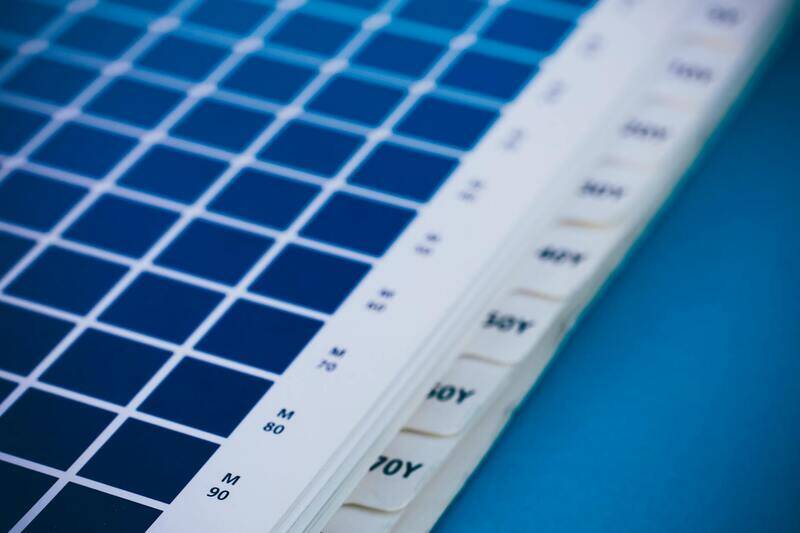
Starting with an optimal digital file is essential. For big photography prints, high-resolution images are paramount, ideally with a resolution of at least 150 dpi at the final print size, to prevent pixelation and loss of detail. Ensuring the image file is in a lossless format, such as TIFF or high-quality JPEG, preserves color accuracy and prevents compression artifacts. Color calibration of editing monitors guarantees that the colors represented digitally match the printed output, ensuring the final product aligns with the artist's or client's expectations.
Color Management and Proofing
Implementing a robust color management system throughout the workflow— from digital file preparation to printing— is vital for achieving accurate color reproduction. Soft proofs, which simulate how colors will appear on the chosen material, allow adjustments before committing to the final print. Some printing services offer physical proofing options, giving clients tangible samples to evaluate colors, contrast, and detail. This proactive approach minimizes surprises and ensures the final big photography print delivers stunning visual impact.
Professional File Preparation
Effective large-format printing begins with preparing the digital file correctly. This includes aligning the image size with the physical dimensions, performing necessary cropping or aspect ratio adjustments, and embedding the appropriate color profiles. Bypassing resampling and maintaining original resolution helps retain sharpness. When necessary, applying smart sharpening techniques enhances detail without introducing noise, especially for prints destined for close viewing areas.
Engaging with Reputable Printing Providers
Partnering with experienced and reputable printing services ensures that your big photography prints are produced to the highest standards. Professionals use advanced large-format printers, calibrated workflows, and authentic materials to guarantee consistency across orders. They also provide guidance on material selection and finishing options, helping clients realize their creative vision while maintaining product durability and visual excellence.
For those seeking top-tier large photography prints, it is critical to verify that the studio employs authorized consumables, including inks and substrates. This practice safeguards the integrity of the color gamut and longevity, making sure your investment results in a vivid, enduring display piece.
Understanding Big Photography Prints
Big photography prints serve as compelling visual statements, transforming digital images into tangible masterpieces. Their size amplifies the details, colors, and emotional impact of photographs, making them ideal for exhibitions, interior decor, or personal collections that demand a bold presence. Producing high-quality large-format prints requires careful planning to ensure the image remains sharp, vibrant, and true to the original vision. Recognizing the specific requirements of large-scale printing, such as file resolution, material compatibility, and printing techniques, is crucial for achieving optimum results. Whether for a commercial gallery or a personal display, the process begins with selecting suitable images and preparing them meticulously to match the desired print dimensions.
Advantages of Large-Format Photography Prints
Opting for big photography prints offers several key benefits. The expansive size enhances visual storytelling by allowing viewers to immerse themselves in intricate details and textures, creating a more engaging experience. Large prints also serve as impactful focal points within interior spaces, making them perfect for modern gallery displays, corporate environments, or architectural accent pieces. Their size not only accentuates the artistry behind the photograph but also prolongs viewers' engagement, as the size invites closer inspection and appreciation of fine craftsmanship. Furthermore, big prints provide a sense of grandeur, transforming a simple photograph into a statement piece that commands attention and fosters dialogue.
Material Options for Large Photography Prints
- Canvas: Offers a textured finish that adds depth and a fine art appeal, suitable for both indoor and outdoor environments when properly sealed.
- Metal (Aluminum): Provides a sleek, modern look with vibrant colors and durability against environmental elements.
- Acrylic: Creates a glossy, high-definition appearance with excellent light refraction, perfect for contemporary spaces.
- Printer Paper or Fine Art Paper: Ideal for gallery-quality presentations with refined surface textures and detailed color reproduction.
Printing Techniques for Big Photography Prints
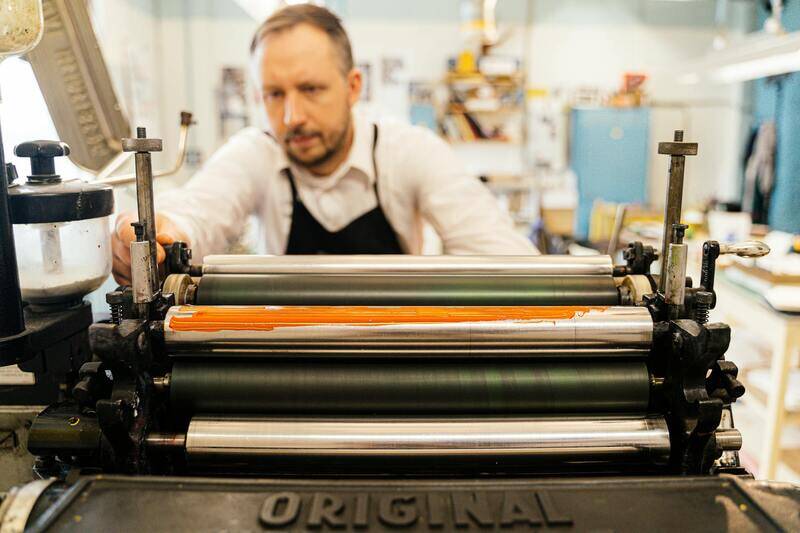
Several advanced printing techniques are employed to ensure the fidelity and longevity of large-format photographs. Giclée printing is renowned for its high-resolution output and color accuracy, making it a popular choice for fine art photography. UV printing offers scratch-resistant and weatherproof surfaces, ideal for outdoor displays. Technology such as dye-sublimation is typically used for metal and acrylic surfaces, embedding dyes at high temperatures for vibrant, durable results. Each method involves specific printer technologies, inks, and post-processing steps, all contributing to the final quality of the big print. By choosing the appropriate technique aligned with the material and viewing context, clients can maximize visual impact and lifespan.
Choosing the Right Resolution and File Preparation
Achieving sharp and detailed large photography prints hinges on proper digital file preparation. It is essential to work with high-resolution images, typically 300 dots per inch (dpi) or higher at the intended print size, to preserve clarity. Image files should be checked for proper color profiles, ideally embedded with profiles such as Adobe RGB or sRGB, to ensure consistent color output across devices and substrates. Non-resampled images maintain their original resolution, preventing loss of detail during resizing. When necessary, smart sharpening techniques can be applied to accentuate fine details, especially for prints intended for close viewing. Properly prepared files minimize pixelation or blurriness, ensuring the finished product reflects the artist's vision with fidelity.
Cost Factors for Large Photography Prints
Several elements influence the overall cost of large-format photography prints. The choice of material plays a significant role, with premium substrates like metal or acrylic often commanding higher prices than standard paper or canvas. The size of the print directly affects material usage and printing time, with larger dimensions requiring more ink and labor. Advanced printing techniques, such as giclée or UV printing, may incur additional charges due to their precision and equipment costs. File complexity, color depth, and finishing options like lamination or framing also contribute to the final expense. Partnering with reputable printing providers ensures that these costs translate into high-quality, durable, and visually striking prints capable of lasting many years without fading or deterioration.
Care and Maintenance of Big Photography Prints
Proper care and maintenance are essential to preserve the vibrancy and integrity of large-format photography prints over time. These impressive visuals, often serving as focal points in spaces, require specific attention to ensure longevity and continued visual impact. The following guidelines provide comprehensive methods to maintain their quality and appearance.
Environmental Considerations
Protecting big photography prints from environmental damage is paramount. Exposure to direct sunlight can cause fading due to ultraviolet (UV) rays; hence, installations in well-shielded locations or with UV-resistant glazing are recommended. Fluctuations in humidity and temperature may lead to warping, cracking, or peeling, especially with certain materials like canvas or laminated prints. Maintaining a stable environment with moderate humidity and controlled temperature prevents such issues and sustains the print’s structural integrity.
Cleaning and Handling
When cleaning large-format prints, use soft, lint-free cloths to gently remove dust and dirt. For stubborn smudges, slightly dampen the cloth with distilled water or a specialized cleaning solution formulated for the print material. Avoid using harsh chemicals, abrasive pads, or excessive moisture, as these can damage the surface and diminish image quality. Handling should always be done with clean gloves to prevent oil transfer, which can cause discoloration over time. Supporting the print with both hands during movement minimizes stress on the material and prevents accidental tears or warping.
Framing and Display
Proper framing not only enhances visual appeal but also provides a protective barrier against environmental factors. For large prints, UV-protective glass or acrylic shields can significantly reduce fading risks. Using high-quality, acid-free matting and backing materials helps prevent chemical reactions that could degrade the print. Suspended or wall-mounted displays should be securely anchored, especially given their size and weight, to avoid accidental falls or damage. Consider installing the prints in areas away from direct sunlight and high humidity zones for optimal preservation.
Periodic Inspection
Routine checks enable the early detection of potential issues such as fading, discoloration, or physical damage. Inspect the print surface for signs of deterioration, tears, or fading. Addressing problems promptly with professional conservation techniques can prolong the lifespan of the print. For prints mounted on rigid substrates, inspecting the mounting points and edges ensures they remain secure and free from warping or detachment over time.
Long-term Storage
If a big photography print needs to be stored rather than displayed, it should be kept in a controlled environment, away from direct light, moisture, and fluctuations in temperature. Flat storage in acid-free, archival-quality boxes or sleeves minimizes stress and physical degradation. When rolling is necessary, use wide, acid-free tubes with sufficient padding, and ensure that the print is rolled loosely to prevent creasing or cracking. Proper storage conditions help maintain the print’s original quality until reinstallation or display.