Overview of Large Picture Printing
Large picture printing is a specialized service that enables the production of high-resolution images in significantly enlarged formats. This printing method is widely employed across various sectors, including advertising, interior decor, event promotion, and artistic displays. Its capacity to produce striking visual impact and convey complex imagery effectively makes it an invaluable tool for businesses and individuals seeking to create immersive experiences or memorable impressions.
The appeal of large picture printing lies in its ability to translate digital or photographic artwork into tangible, sizable formats without compromising image quality. Whether it’s a massive billboard used in outdoor advertising or a large canvas for gallery exhibits, this process requires precision, high-quality materials, and specialized printing technology. The demand for such services continues to grow as digital content creation and visual communication become increasingly central to branding and storytelling strategies.
Industries favor large picture printing because it allows for the customization of space and message delivery. Promotional campaigns often utilize large prints to attract attention from afar, while interior designers incorporate impressive wall art to define aesthetics and atmospheres within residential or commercial spaces. Event organizers use large-format prints for backdrops, banners, and displays that enhance visibility and engagement. The versatility of large picture printing makes it an essential element in modern visual communication, driving ongoing innovation and investment in this field.
Types of Materials Used in Large Format Printing
Choosing the right material is fundamental to achieving optimal results in large picture printing. The selection depends on the intended application, environment, and the desired durability of the final product. Common materials include:
- Vinyl: Popular for outdoor banners and signs due to its weather-resistant properties.
- Canvas: Often used for fine art reproductions and interior decoration, offering a textured finish that mimics traditional art canvases.
- Backlit Materials: Used in lightbox displays to enhance visibility and vibrancy of images in dim environments.
- Mesh Fabrics: Suitable for large banners where wind resistance is necessary, allowing airflow while displaying high-quality images.
- Foam Boards and Rigid Substrates: Ideal for indoor displays, exhibitions, and point-of-sale visuals requiring rigid support.
The material choice directly impacts print quality, longevity, and maintenance requirements. Selecting durable, high-quality substrates ensures the printed image remains sharp and vibrant over time, regardless of exposure to environmental conditions.

Choosing the Appropriate Printing Technology for Large Pictures
To achieve superior quality in large picture printing, selecting the right printing technology is paramount. The choice depends on various factors such as image complexity, material compatibility, intended use, and budget considerations. Several advanced printing methods have established themselves as industry standards for producing high-resolution, durable large-scale images.
Giclée printing is widely regarded for its exceptional detail, color accuracy, and wide color gamut. This technique utilizes high-quality inkjet printers that deposit microscopic droplets of pigment-based inks onto substrates, resulting in vibrant and long-lasting images suitable for fine art reproductions and gallery displays. Giclée printing also supports various media types, making it a versatile choice for different large-format applications.
Solvent and eco-solvent printing are popular in outdoor advertising and signage because of their excellent durability and weather resistance. These inks are solvent-based and penetrate the material surface, creating vibrant images that withstand exposure to UV rays, moisture, and wind. Modern eco-solvent printers emit lower volatile organic compounds (VOCs), aligning with environmentally conscious practices, while maintaining high print quality.
UV printing is another technology that offers impressive results for rigid substrates such as acrylic, metal, or glass. By curing inks instantly with UV light, this process produces sharp, detailed images with exceptional adhesion and scratch resistance. UV printing is particularly effective for retail displays, custom signage, and artwork.
Latex printing has emerged as a versatile, eco-friendly option suitable for a wide range of media, including fabric, vinyl, and paper. Latex inks are water-based and offer excellent elasticity, making them ideal for flexible applications like banners and vehicle wraps. This technology produces vibrant colors and is known for its quick-drying capabilities, facilitating faster production workflows.
Choosing the optimal printing technology involves a careful assessment of desired image properties, substrate compatibility, environmental conditions, and budget constraints. Working with experienced providers who understand these technical aspects ensures the final output meets professional standards and withstands the rigors of its intended environment.
Exploring Professional Methods for Large Picture Printing
Producing large-scale visuals demands adherence to precise, standardized methods that guarantee durability, color accuracy, and visual impact. These methods involve sophisticated equipment and verified techniques that ensure the final product aligns with professional standards and client expectations.
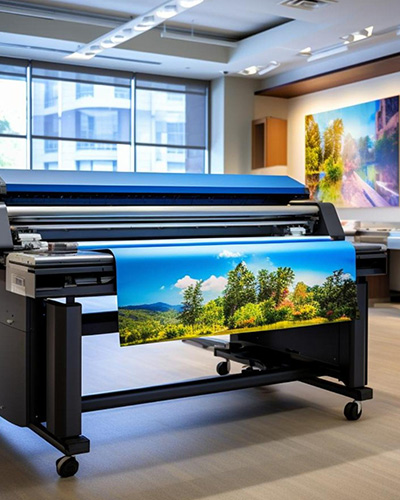
One of the most prevalent approaches is digital large format printing. This process utilizes high-resolution printers equipped with specialized inks suitable for vast surfaces. Industrial-level printers utilize advanced inkjet technology to deposit precise quantities of ink, resulting in sharp, vibrant images capable of spanning extensive areas without loss of quality. The digital workflow enables quick turnaround times and flexibility in design modifications, making it ideal for commercial projects such as billboards, murals, and point-of-sale displays.
Another proven technique involves screen printing, especially for large images requiring mass production with consistent color saturation. Although traditionally associated with textiles, screen printing remains relevant for large, flat surfaces like vinyl banners, backdrops, and outdoor signage. This method employs a mesh screen, which transfers ink onto the substrate through a stencil, allowing for thick inks and durable prints suitable for outdoor exposure.
For rigid materials such as glass, metal, or acrylic surfaces, UV printing stands out as a premier choice. UV printers cure the ink instantly upon contact with the substrate using ultraviolet light, resulting in highly detailed, scratch-resistant images. The precision of UV printing makes it especially viable for custom decorative panels, architectural features, and artistic displays.
In contexts where flexibility and outdoor resilience are priorities, eco-solvent and solvent printing methods are commonly adopted. These techniques employ chemical solvents that enable inks to adhere effectively to complex surfaces like vinyl, canvas, or plastic. The resulting prints exhibit excellent weather resistance, making them a preferred solution for banners, vehicle wraps, and outdoor advertising displays.
Using professional printing methods ensures consistency, color fidelity, and longevity. It also involves adhering to established protocols for color calibration, substrate preparation, and ink application, all integral to achieving superior results in large picture printing projects. Collaborating with experienced providers who follow these standards allows clients to obtain visuals that withstand environmental challenges while maintaining visual integrity over time.
Overview of Large Picture Printing
Large picture printing serves as a versatile tool for transforming expansive surfaces into visually striking displays. It encompasses the production of high-resolution images across vast dimensions, suitable for a range of uses from promotional banners to artistic murals. Achieving optimal clarity and color accuracy at such scales requires specialized techniques and high-quality substrates. These factors contribute significantly to the overall impact and effectiveness of large-format visuals, whether for commercial advertising, interior decoration, or outdoor signage.

Professional large picture printing involves meticulous planning, from design development to final output. It necessitates the use of advanced printing technologies and premium materials, ensuring the final product maintains vibrancy, detail, and durability over time. The ability to produce consistent, high-quality visuals at scale is essential for clients aiming for impactful, long-lasting displays that meet branding or aesthetic goals.
Types of Materials Used in Large Format Printing
Successful large picture printing depends largely on selecting the appropriate substrate. Different materials offer unique textures, durability, and visual effects, tailored to the intended environment and application. The common substrates include:
- Vinyl: Versatile and weather-resistant, ideal for outdoor banners, vehicle wraps, and billboards. Its flexibility allows for easy installation on uneven surfaces.
- Canvas: Employed for high-end art reproductions, offering a textured finish that mimics traditional paintings. Suitable for interior displays and art exhibitions.
- Acrylic and Polycarbonate: Rigid surfaces perfect for signage and decorative panels. They provide a glossy finish, enhancing color vibrancy and sharpness.
- Fabric: Often used in indoor settings and trade show displays, providing lightweight portability and a smooth surface for detailed images.
- Glass and Metal: Used for architectural features or decorative installations, these materials require specialized printing methods such as UV printing to ensure clarity and durability.
Considerations When Choosing Materials
The selection process involves evaluating environmental exposure, surface texture, and desired aesthetic. For outdoor use, UV and solvent-based inks paired with weather-resistant substrates enhance longevity. Indoor applications, meanwhile, may allow for more delicate materials like canvas or fabric, which provide refined finishes and easier handling. Consulting with experienced print providers ensures compatibility between the artwork, substrate, and printing technology, resulting in a superior final product.
It is crucial to prepare the chosen material, which may involve cleaning, mounting, or coating, to optimize ink adhesion and print quality. Proper handling and storage of substrates also contribute to maintaining their integrity prior to printing, preventing damage and ensuring predictable results.
Printing Technologies for Large Pictures
The core of successful large picture printing lies in leveraging advanced printing technologies capable of producing high-resolution images over expansive areas. Among the most prevalent methods are:
- Inkjet Printing: The most commonly used technology for large-format output, offering excellent color accuracy and sharp details. High-frequency printheads deposit tiny ink droplets onto substrates, enabling smooth gradients and vibrant colors.
- UV Printing: Suitable for rigid surfaces, UV printers cure the ink instantly with ultraviolet light, producing durable and Scratch-resistant images on materials like glass, metal, or acrylic. This method allows for detailed, high-quality imagery and is ideal for custom decorative elements.
- Eco-solvent and Solvent Printing: Designed for outdoor durability, these methods use chemical solvents to ensure ink adheres effectively to tough surfaces such as vinyl and plastic. They generate weatherproof prints with excellent color fidelity, ideal for signage and vehicle wraps.
- Sublimation Printing: Suitable for fabric-based enlargements, sublimation transfers inks into the material, resulting in vibrant, long-lasting images. This process is often used for textile banners and soft signage.
Choosing the appropriate printing technology hinges on the material chosen, intended use, and desired durability. Certified professional printers employ precise calibration, color management systems, and quality control protocols to ensure output consistency. The integration of cutting-edge equipment and skilled operators guarantees the production of visually stunning large pictures that meet strict standards of detail, color accuracy, and longevity.
Working closely with experienced providers helps clients navigate the technical complexities of large format printing, ensuring that each project adheres to industry best practices and delivers exceptional results that stand the test of time in various environments.
Proper Techniques for Handling and Installing Large Pictures
Handling large-format prints requires meticulous attention to prevent damage and preserve the quality of the image. When managing these oversized visuals, specialized equipment such as moistened gloves or lint-free tools should be employed to avoid smudges and fingerprints. It is essential to work on clean, stable surfaces and to plan the transportation route beforehand to minimize the risk of accidents.
During installation, securing the print with appropriate mounting systems—such as tensioned cables, standoff mounts, or framing—helps to evenly distribute weight and prevent warping. For indoor displays, framing not only enhances aesthetic appeal but also offers additional protection against environmental factors. For outdoor large images, weatherproof framing or lamination becomes crucial to shield against moisture, UV rays, and physical impacts.
Transporting large-format prints demands careful planning to avoid creases or tears. Rolling the print on a sturdy tube with protective backing or using flat, rigid panels are preferred methods. Secure packaging with bubble wrap and corner protectors further ensures that the print arrives undamaged.
Once at the installation site, employing professional tools such as laser levels can guarantee precise alignment. Attaching the print secured with non-damaging adhesives or mechanical fasteners ensures longevity and stability. Periodic maintenance—including cleaning with gentle, non-abrasive solutions—keeps the large picture vibrant and free from dust accumulation.
Factors Influencing Project Costs and Budgeting
Understanding the factors that impact the overall costs of large picture printing is vital for effective budgeting. Key aspects include material choice, printing technology, size, complexity of the design, and finishing options. High-quality materials such as premium vinyl, fabric, or acrylic typically command higher prices but contribute to longer-lasting, more vibrant results.
The intricacy of the design—especially if it involves multiple colors, gradients, or detailed artwork—may require additional calibration and precision, thus increasing production costs. Similarly, advanced printing techniques like UV printing or sublimation tend to be more expensive, yet they offer superior durability and visual quality.
Finishing elements such as lamination, framing, or mounting solutions also influence the final expense. For larger projects, bulk order discounts may be available, promoting cost efficiency. Consideration of transportation and installation costs should be included to develop a comprehensive budget plan.
Environmental Impact and Maintenance Protocols
Selecting environmentally responsible materials and printing processes is increasingly significant in large-format printing projects. Eco-friendly inks and recyclable substrates reduce the ecological footprint, aligning with sustainable business practices. Proper disposal or recycling of waste materials, alongside the use of energy-efficient equipment, further promotes environmental stewardship.
Maintenance of large prints involves regular cleaning to uphold color vibrancy and clarity. Gentle wiping with non-abrasive cloths or solutions tailored for specific materials prevents buildup of dust, grime, or environmental residues. UV coatings and lamination add an extra layer of protection, extending the lifespan of the image while maintaining its visual impact over time.
Emerging Trends and Technological Advances
Innovations in large picture printing are continually shaping industry standards. High-resolution printers with wider color gamuts enable more detailed and accurate reproductions, while advancements in printing inks improve longevity and UV resistance. Integration of augmented reality (AR) components into the printed material creates interactive experiences that enhance viewer engagement.
Moreover, sustainable printing solutions—such as water-based inks and biodegradable substrates—are gaining popularity, reducing environmental impact without compromising quality. Flexible and lightweight materials enable innovative installation techniques, broadening the scope for creative expression and functional design.
Developments in digital workflow management allow for more streamlined project handling, reducing lead times and optimizing resource allocation. The adoption of automation and software-driven color management ensures consistency and precision across large batches, solidifying the importance of technological evolution in large picture printing.
Official Methods for Large Picture Printing
When aiming to produce high-quality large pictures, it is essential to adhere to industry-standard printing methods that guarantee exceptional results and lasting durability. The most reliable approach involves partnering with accredited printing service providers equipped with advanced machinery and experienced personnel. These providers utilize professional-grade large-format printers that produce consistent, vibrant, and detailed images.
Commercial large picture printing typically employs solvent, latex, or UV-curable ink technologies. Solvent printers are known for their excellent color richness and durability, especially suitable for outdoor displays where resistance to weather elements is required. Latex printing offers eco-friendly benefits with water-based inks that provide vibrant colors and flexibility, ideal for wrapping materials and textured surfaces. UV-curable printers use ultraviolet light to instantly dry inks, allowing for precise, high-definition images on diverse substrates, including rigid surfaces like foam boards, acrylics, and metals.
Choosing the appropriate method depends on the project's specific needs, including the intended display environment, substrate compatibility, and desired longevity. Relying on licensed providers ensures the use of certified, high-performance equipment that complies with safety and quality benchmarks, maintaining the integrity of the final product.
In addition to the printing technology, proper substrate selection is crucial. Professionals often source materials like vinyl, canvas, fabric, or rigid panels, each requiring specific handling and processing techniques. The choice of substrate influences the print's appearance, longevity, and installation method. For instance, weather-resistant vinyl is ideal for outdoor signage, whereas canvas offers a textured, artistic finish suited for interior displays.
Adherence to Industry Standards and Certification
Legitimate large picture printing services follow established industry standards and accreditation protocols. This ensures consistent quality management, traceability, and environmental compliance. Certification from recognized bodies guarantees that printers operate under best practices, utilizing state-of-the-art equipment and environmentally responsible inks.
Engaging professional services accredited by relevant standards reduces risks related to color mismatches, material defects, or installation issues. Their expertise ensures the final output aligns with client expectations and maintains visual excellence over its intended lifespan.
Proper Handling and Installation of Large Prints
Securing and maintaining large pictures requires careful handling and professional installation techniques to preserve their visual quality and structural integrity. Given their size and weight, improper handling can lead to warping, tearing, or surface damage. It is essential to use suitable equipment such as hoists, rollers, and suction cups designed specifically for large-format materials. These tools help distribute weight evenly and prevent unnecessary stress on the substrate.
When installing large prints, precise planning and measurement are critical. Installation areas must be evaluated for structural stability, surface evenness, and environmental factors like humidity and temperature fluctuations. Using professional-facing adhesives, fasteners, or mounting systems tailored to the substrate ensures durability, especially for outdoor or high-traffic environments. For instance, wall-mounting solutions like reinforcement frames or reinforced backing are often employed for rigid panels, while adhesive-backed vinyl is preferred for smooth, flat surfaces.
Protective measures such as edge sealing or applying lamination films can enhance resistance against environmental elements, UV rays, and physical abrasions. Care must also be taken to avoid creasing or trapping air bubbles during application. Experienced installers understand the importance of a clean, dust-free environment during mounting to achieve a seamless, professional finish.
Regular maintenance extends the lifespan and maintains vivid color reproduction of large prints. Routine cleaning with non-abrasive, mild cleaning agents preserves surface integrity, while avoiding excessive moisture prevents warping or adhesive failure. For outdoor displays, periodic inspections and timely repairs are crucial to address issues like fading, peeling, or surface dirt accumulation.
Choosing experienced installation professionals and adhering to recommended handling protocols ensures that large-scale prints remain visually appealing and structurally sound over time. This approach not only safeguards the investment but also guarantees that the visual impact of the display is maintained consistently.
Ensuring Proper Handling and Maintenance of Large Picture Prints
Proper handling and maintenance are critical in preserving the vibrancy, structural integrity, and overall appearance of large printed images. Given their substantial size and visual impact, these prints require specialized care throughout their lifespan. Adopting legitimate handling techniques and maintenance routines not only prolongs their durability but also sustains their aesthetic appeal, making them a worthwhile investment in any space.
Handling Precautions for Large-Scale Prints
Handling large prints involves more than just transportation from the printing facility to the display site. It is essential to utilize appropriate equipment such as stabilizing carts, forklift trucks, or specialized carriers when moving oversized banners, wallpapers, or rigid panels. These tools minimize the risk of accidental tears, bending, or surface scratches. When physically maneuvering large prints, always ensure there is adequate manpower—preferably trained staff—to prevent uneven weight distribution and accidental drops.
During installation, protective measures should be implemented meticulously. Using gloves can prevent smudges or fingerprints that compromise visual clarity. When mounting or adjusting, avoid sharp tools or excessive force that might damage the material surface. Ensuring the space is clean, dust-free, and well-lit contributes significantly to achieving a seamless, professional finish.
Cleaning and Maintenance Protocols
Routine maintenance plays a vital role in maintaining the integrity and visual quality of large prints, especially those displayed outdoors or in high-traffic areas. For most materials, a gentle cleaning using a soft cloth or sponge with a mild, non-abrasive cleaning solution is recommended. Avoid harsh chemicals or abrasive scrubbers, which can damage the print surface or cause color fading.
For PVC, vinyl, or fabric-based prints, periodic inspections should be conducted to identify signs of wear such as fading, peeling, or surface dirt accumulation. Cleaning schedules are typically monthly for outdoor displays or more frequently based on environmental exposure. For wall-mounted prints, especially those in humid or variable climate zones, adhesive integrity and framing should be checked regularly to ensure they remain securely fastened.
Protection and Repair Strategies
Protective coatings such as lamination films or UV-resistant overlays can shield the prints from environmental damages like UV degradation, scratches, and moisture infiltration. These coatings are especially valuable for outdoor signage or large artworks exposed to varying weather conditions. Moreover, implementing edge sealing techniques can prevent water ingress and preserve the structural integrity of the print edges.
In cases of minor damages or surface imperfections, professional repair services can restore the appearance without compromising the print’s durability. Small tears or peeling sections can often be fixed with compatible adhesives, while broader damage might require partial reprinting or the replacement of affected sections.
Proper Storage When Not on Display
If large prints need to be stored temporarily, they should be kept in a controlled environment—preferably rolled in protective tubes or stored flat in climate-controlled storage units. The storage area should be free from direct sunlight, high humidity, and temperature fluctuations to prevent warping, fading, or surface degradation.