Choosing the Right Photo for a Large Poster
Creating impactful large posters from photos begins with selecting the appropriate image. The quality of the final product heavily relies on the characteristics of the original photograph. When enlarging images for significant display purposes, it is crucial to prioritize high-resolution photographs that can scale without loss of detail or clarity. Photos captured with professional-grade cameras, featuring at least 300 dots per inch (dpi) when printed at the desired size, are ideal. Low-resolution images tend to pixelate or appear blurry when enlarged, which can detract from visual appeal and diminish messaging effectiveness.
To ensure your selected photo retains sharpness and detail at large sizes, consider the following key factors:
- Image Resolution: Opt for images with a resolution of 300 dpi or higher at the intended print size. For example, if the poster measures 24 inches by 36 inches, the image should ideally be at least 7200 pixels by 10800 pixels.
- Image Sharpness and Focus: Choose photos that are well-focused with clear details. Blurred or soft images do not translate well when enlarged, often resulting in loss of visual impact.
- Lighting and Contrast: Proper exposure and contrast enhance visual clarity. Bright, well-lit images with balanced shadows and highlights are more suitable for large-scale printing.
- Scene Composition: Select images with compelling composition, balanced elements, and minimal distractions, as these features become more prominent in larger formats.
- Color Fidelity: High-quality images with accurate color representation and minimal compression artifacts ensure vibrancy and true-to-life visuals in the final poster.

When sourcing images, consider professional photography, stock photos from reputable providers, or well-captured images from your personal collection. It’s essential to start with a high-quality base to achieve a stunning large poster that communicates your message effectively and visually captivates viewers.
Understanding Poster Sizes and Dimensions
When planning to create large posters from photos, choosing the appropriate dimensions is crucial to ensure your visuals are impactful and proportionate. Standard poster sizes vary, but common dimensions include 24x36 inches, 36x48 inches, and even larger formats such as 48x72 inches for more dramatic displays. Each size offers different visual opportunities and constraints, so matching the poster size with its intended display environment is essential.
Aspect ratios are fundamental to maintaining the original composition and visual balance of your image. The aspect ratio refers to the proportional relationship between the width and height of the poster. For example, a 24x36 inch poster has a 2:3 aspect ratio. When selecting an image, it is important to consider how well your photo’s aspect ratio aligns with your intended poster size. Cropping or resizing may be necessary to preserve key elements without distortion or unwanted cropping.
To determine the appropriate dimensions for your project, consider factors such as viewing distance, purpose, and placement environment. Larger posters displayed in spacious environments can afford to be bigger to draw attention from afar, whereas posters in more intimate settings might be smaller yet equally impactful. Using design tools or consulting with printing professionals can help you plan the best size to achieve the desired visual effect while maintaining clarity and detail.

Additionally, understanding the relationship between image resolution and poster size is essential. Higher resolution images provide greater detail and sharpness in larger formats. As a rule of thumb, for high-quality large posters, aim for at least 300 dpi resolution at the final print size. This level of resolution prevents pixelation and ensures that your photo remains crisp and vibrant, regardless of size.
By carefully selecting the right size and aspect ratio—along with high-resolution images—you can optimize your large photo poster for its display context, ensuring that each viewing experience is as impactful as possible and that visual storytelling is preserved at every scale.
Understanding Poster Sizes and Dimensions
When selecting a photo for large posters from photos, it is crucial to consider the size and dimensions carefully. Different environments and display contexts demand specific sizing to maximize visual impact and ensure clarity. Commonly used poster dimensions include 24x36 inches, 36x48 inches, and larger formats like 48x72 inches or even custom dimensions tailored to specific spaces. Understanding the relationship between image resolution and printed size is essential to produce a sharp, detailed poster.
To determine the optimal dimensions, evaluate the viewing distance and the environment where the poster will be displayed. Larger posters in open or spacious environments benefit from broader dimensions that allow viewers to appreciate intricate details from afar. Conversely, smaller posters can be more impactful in intimate settings, where viewers are closer to the display. Carefully selecting size ensures the visual narrative remains compelling and the image retains its clarity.
Aspect ratio plays a significant role in how well your image fits the poster dimensions. Maintaining the original aspect ratio preserves the proportions of your photograph, preventing distortion or unwanted cropping. If needed, cropping or resizing should be done thoughtfully, prioritizing key elements within the image to avoid losing critical details.
When planning for large-format printing, always consider the resolution of your digital image. To ensure the poster appears crisp and professional, aim for a minimum of 300 dots per inch (dpi) at the final printed size. For example, if your poster measures 36x48 inches, your image should ideally be at least 10800x14400 pixels. Using high-resolution images is vital because lower resolutions may result in pixelation or loss of detail when expanded to large sizes.
Design tools such as Adobe Photoshop or Illustrator can assist in resizing and cropping images while maintaining high quality. Additionally, consulting with printing professionals can provide valuable insights into the ideal dimensions that will retain the imagery's integrity and visual impact. Through careful planning of poster size and aspect ratio, every large poster from photos can truly stand out, engaging viewers and conveying your intended message powerfully.
Material and Finish Options for Large Posters
When selecting materials and finishes for large photo posters, it's essential to balance durability, visual appeal, and the specific environment where the poster will be displayed. Various materials offer unique advantages that can enhance the overall impact of your print.
- Vinyl: This is one of the most durable options, suitable for both indoor and outdoor applications. Vinyl posters resist weather conditions, UV rays, and tearing, making them ideal for outdoor advertising or event banners. Glossy vinyl provides a vibrant, high-shine finish that amplifies colors, while matte vinyl offers a more subdued, glare-free appearance.
- Polyester (Lamination Films): Often used as an overlay, laminate films protect posters from scratches, moisture, and UV damage. They come in matte, gloss, or satin finishes, allowing customization based on aesthetic needs.
- Canvas: For a more artistic or textured look, canvas printing can lend a sophisticated touch. It mimics traditional paintings with textures that add depth to large photos, suitable for gallery displays or interior décor.
- Photo Paper: High-quality gloss or matte photo papers are ideal for indoor displays. These options are excellent when you want sharp detail and vivid colors, though they are generally less resistant to environmental factors compared to vinyl or canvas.
Finish Options and Their Effects
The finish applied to a large poster not only influences its aesthetic appeal but also affects its longevity and handling. Common finishes include:
- Gloss Finish: Enhances color vibrancy and contrast, making images pop with a shiny, reflective surface. Best suited for vibrant, colorful photographs used in high-impact advertising.
- Matte Finish: Offers a non-reflective surface that reduces glare, making it perfect for viewing under bright lighting conditions. It also minimizes fingerprints and smudges, contributing to a cleaner appearance over time.
- Satin or Semi-Gloss Finish: Balances between gloss and matte, providing a smooth, soft sheen that accentuates details without excessive reflection. Suitable for versatile display environments.
Considerations for Optimal Material Choice
Choosing the most appropriate material and finish involves understanding the poster's environment, desired aesthetic, and longevity requirements. For outdoor use, weather-resistant vinyl with UV coating is recommended to ensure both durability and color retention. For interior spaces, canvas or high-quality photo paper with a matte or satin finish can provide a premium, artistic feel. The printing service provider should be able to advise on the best options based on your specific needs, helping you select materials that align with your budget and display goals. Advanced lamination or coating techniques can further enhance your poster's resilience and visual appeal, ensuring your large photo poster remains striking and intact over time. By thoughtfully selecting the right combination of material and finish, you can maximize the visual impact of your large photo posters while ensuring they withstand the conditions of their display environment, ultimately delivering professional results that impress viewers and convey your message effectively.
Understanding Poster Sizes and Dimensions
When planning for large photo posters, selecting the appropriate size and dimensions is crucial to achieving an impactful visual display. Poster sizes can vary widely, from standard dimensions like 24x36 inches to custom large formats that span several meters. To determine the ideal size, consider the viewing distance, the intended environment, and the focal point of your display. Larger posters are particularly effective for outdoor advertising, exhibitions, and statement pieces in commercial spaces, where they serve to draw attention from afar.
Common large poster dimensions include:
- 30x40 inches – suitable for indoor displays and promotional visuals
- 48x72 inches – ideal for impactful advertising or artistic displays
- Up to 10 feet or more – used for billboards or expansive visual backdrops
Precise measurement ensures that the image quality remains sharp and detailed, especially when enlarging photographs. Understanding resolution requirements is essential; typically, a minimum of 150 DPI at the final print size provides clear results without pixelation. Consulting with a printing service experienced in large-format production can help optimize the size choices to balance visual impact with technical constraints.
Preparing Photos for Large Format Printing
The quality of the final large poster heavily depends on the preparation of the photo file. To ensure crisp, vibrant prints, photos must be optimized for large-scale display. High-resolution images are fundamental, ideally capturing detailed elements and rich colors that can withstand enlargement without loss of clarity.
Key preparation steps include:
- Using high-resolution original files to avoid pixelation
- Adjusting color profiles for accurate color reproduction, typically sRGB or Adobe RGB
- Ensuring proper aspect ratio that matches the final poster dimensions
- Retouching or sharpening images as necessary to enhance details
- Saving files in suitable formats, such as TIFF or PDF, avoiding compression artifacts
It is also beneficial to communicate with your printing provider about specific file requirements and the recommended software to ensure compatibility and optimal quality. Proper file preparation reduces the need for last-minute adjustments and guarantees that the printed poster aligns with your creative vision.
Material and Finish Options for Large Posters
Choosing the right material and finish is essential for both aesthetic appeal and durability. For outdoor environments, weather-resistant vinyl with UV coatings is preferred to prevent fading and weather damage. Indoor displays can benefit from materials like high-quality photo paper, canvas, or fabric banners, each offering unique texture and visual effects.
Available finishes include:
- Matte Finish: Reduces glare and reflections, ideal for detailed images or viewing in brightly lit areas.
- Satin or Semi-Gloss Finish: Combines smooth sheen with minimal reflections, suitable for versatile settings.
- Glossy Finish: Enhances color vibrancy and sharpness but may produce glare under direct light.
Custom finishes and coatings, such as matte lamination or UV protective layers, further enhance longevity and visual impact. Such enhancements help maintain vivid colors and sharp details over time, ensuring your large poster remains compelling regardless of showing environment or external factors.
Legitimate Methods for Creating Large Posters from Photos
When aiming to produce large posters from photos, relying on reputable and professional printing services ensures high-quality results that meet expectations. These services utilize advanced technology and adhere to standards that guarantee precise color reproduction, sharp image details, and durable materials suited for various environments. Utilizing legitimate methods involves selecting certified printing providers known for their expertise in large format printing, which often includes quality assurance processes and customer support to guide you from file preparation to final delivery.
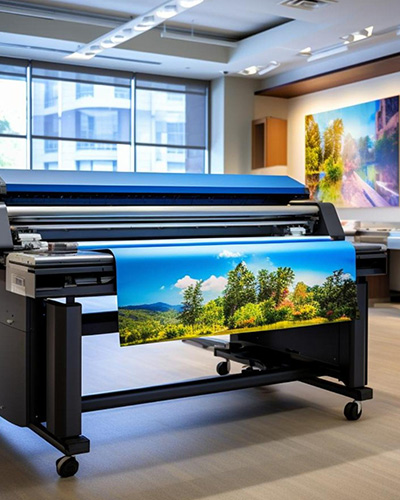
One of the most effective approaches is to use specialized large format printers equipped with high-resolution inkjet technology. These printers can handle oversized sheets with consistent color fidelity and fine details. They are capable of printing on a variety of materials such as vinyl, canvas, or high-grade photographic paper, depending on the desired finish and application. When working through these providers, ensuring that your files are in the appropriate format—typically TIFF or PDF—is crucial. These formats prevent compression artifacts and preserve image clarity, especially important when enlarging photos where even minor imperfections can become prominent.

To achieve top-tier results, it is recommended to collaborate directly with experienced printing technicians. They can advise you on the optimal resolution, color profiles, and file specifications. This collaborative approach ensures your digital files are perfectly suited for large-scale reproduction and helps avoid issues such as pixelation or color mismatches. Most credible print service providers also invest in calibration tools and quality control procedures that verify color accuracy and print consistency before the final run.
Moreover, choosing legitimate methods involves awareness of the printing process itself, including ink selection and material compatibility. Professional printers often use pigment-based inks that are resistant to fading, water, and environmental wear—especially important for outdoor posters. Sustainability practices, such as using eco-friendly inks and recyclable materials, are also common among reputable providers, aligning with best practices for environmentally conscious printing.
In addition to traditional printing options, digital proofing is an invaluable step offered by trusted vendors. Digital proofs allow you to preview the final appearance of your large poster, ensure color accuracy, and make revisions before committing to the full run. This step minimizes errors and guarantees that the output aligns with your creative intent.
By choosing recognized and verified printing methods, you safeguard the investment in your visual project. The outcome will be a large poster that maintains the vibrancy and clarity of your original photo, suitable for a variety of display settings, and capable of standing up to the wear and tear of time and outdoor exposure.
Material and Finish Options for Large Posters
Choosing the appropriate material and finish is essential to ensure your large poster from photos looks exceptional and withstands its intended environment. Optical clarity, durability, and visual appeal all depend on the selection of the right substrates and surface treatments. Common materials used for high-quality large posters include vinyl, canvas, and polypropylene, each offering distinct advantages based on application needs.
Vinyl remains a popular choice due to its weather resistance, making it suitable for outdoor displays and environments with high humidity or exposure to sunlight. Canvas, on the other hand, provides a textured, artistic feel that mimics traditional paintings, ideal for interior decoration where a sophisticated aesthetic is desired. Polypropylene offers a lightweight, cost-effective solution that maintains excellent color vibrancy and durability.
Finish options such as gloss, matte, or satin further influence the final appearance and longevity of your poster. A gloss finish enhances vibrancy and image sharpness, making colors pop and details stand out vividly—perfect for photographs with rich color schemes. Matte finishes minimize glare and reflections, ensuring the poster remains easily viewable under bright lighting conditions, making it suitable for indoor settings like galleries or retail spaces. Satin finishes offer a balanced approach, providing a subtle sheen that improves color depth while reducing glare.
Additional considerations include anti-fade coatings, which protect vibrant colors from UV exposure, and lamination options that add an extra layer of physical protection against scratches, dust, and moisture. When selecting these finishes, it’s vital to evaluate the intended display location and environmental factors to optimize the poster’s lifespan and visual impact.
Partnering with a reputable print service provider ensures access to high-quality materials and the latest finishing techniques. They can guide you through choosing the best options based on your specific needs, whether it’s for a long-term outdoor advertisement or a temporary indoor display. Proper finishing not only enhances the aesthetic qualities of your large photo poster but also contributes significantly to its maintenance and preservation over time.
Choosing the Right Photo for a Large Poster
Selecting the ideal image for a large poster from photos involves consideration of resolution, clarity, and visual impact. High-resolution images, typically 300 DPI or higher at the final print dimensions, ensure sharp details and prevent pixelation. Selecting photos with strong compositions and focal points helps draw attention and convey your intended message effectively. It's advisable to choose images with vibrant colors and contrast to make the poster visually compelling, especially when displayed in large formats where details can easily be lost or diminished.
Assess the lighting, color balance, and subject matter of your photo to match the tone and environment where the poster will be displayed. For example, energetic and bright images suit promotional campaigns or event banners, whereas more subdued tones can enhance a professional or sophisticated ambiance. The size of the poster should also influence your choice; intricate details work best in larger posters where viewers can examine them from close distances, while simpler images with bold visuals are suitable for both indoor and outdoor large displays.

Understanding Poster Sizes and Dimensions
Before printing your photo as a large poster, it's crucial to determine the appropriate size and dimensions that suit your space and purpose. Standard large poster sizes include formats such as 24x36 inches, 36x48 inches, and even larger bespoke measurements tailored to specific display locations. These dimensions impact the resolution requirements; generally, larger posters need higher image resolutions to maintain clarity and sharpness across expansive surfaces.
When planning your poster dimensions, consider viewing distances—the farther away viewers are, the lower the resolution needs to be because fine details are less perceptible at greater distances. Conversely, close-up viewing demands highly detailed images to preserve visual quality. Accurate measurement of the intended display area ensures your poster fits well within the aesthetic and spatial context, avoiding issues like pixelation or stretched proportions.

Preparing Photos for Large Format Printing
Preparing your photos involves ensuring they are suitable for large format printing without losing quality. First, confirm that the image resolution is adequate; a common guideline is 300 DPI at the final printed size. For example, a 24x36 inch poster requires a minimum image resolution of at least 7200x10800 pixels.
Editing your photo for optimal print quality includes adjusting brightness, contrast, and color saturation to enhance visual impact. Cropping or resizing should be performed carefully to preserve critical details and avoid distortion. Using professional photo editing software like Adobe Photoshop or Lightroom can help fine-tune your image and prepare it for output.
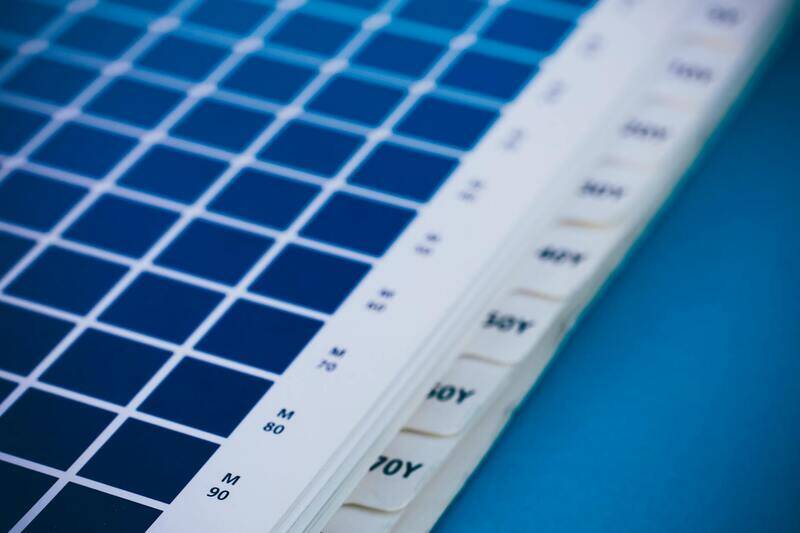
Color mode conversions are also essential; converting your image to CMYK color space ensures color accuracy during printing. Always work on high-quality, uncompressed image files to prevent degradation of details. Additionally, applying sharpening filters can enhance fine details without introducing noise or artifacts, resulting in a crisp, clean output for large posters.
Material and Finish Options for Large Posters
The choice of materials and finishes significantly impacts the durability, appearance, and overall effectiveness of your large photo poster. Common materials include vinyl, fabric, and high-quality photo paper, each offering unique advantages depending on the environment and display duration.
- Vinyl: Ideal for outdoor use due to its weather-resistant properties. It is durable, tear-resistant, and maintains vibrancy over time.
- Fabric: Provides a matte finish with a soft texture, suitable for indoor displays where glare reduction is necessary.
- Photo Paper: Offers the highest detail and color fidelity, perfect for gallery or retail environments but less resistant to environmental factors.
Finishing options include gloss, matte, and satin coatings, each affecting the visual appearance and longevity of the print. Gloss finishes enhance vibrancy and sharpness, making details stand out vividly but can reflect light. Matte options reduce glare, ensuring visibility under bright lighting conditions, while satin finishes strike a balance, offering subtle sheen and color depth.
Printing Techniques and Quality Assurance
Selecting the right printing technique is pivotal to achieving high-quality results. Large poster printing typically utilizes UV printing, solvent printing, or latex printing. UV printing involves curing inks with ultraviolet light, producing vibrant, durable images suitable for both indoor and outdoor displays.
Solvent printing offers excellent weather resistance and vibrant color reproduction, making it a common choice for outdoor signage. Latex printing provides eco-friendly options with high durability, flexibility, and color fidelity. Each method requires precise calibration and quality control processes to prevent issues like banding, color inconsistency, or poor adhesion.
Quality assurance protocols include color matching, proofing, and test prints before the final run. Employing professional print services that utilize modern equipment, regular maintenance, and strict quality standards ensures that your large photo poster meets expectations in detail, color accuracy, and longevity. Routine inspection during production helps identify and rectify potential issues early, reducing the risk of costly reprints or defects.
Cost Factors and Budgeting for Large Photo Posters
Budgeting for large format photo posters involves understanding various cost components, including image preparation, material selection, printing technique, and finishing options. High-resolution images or custom design work can add to expenses, especially if professional editing or photography services are involved.
Material choices significantly influence costs; for instance, vinyl typically costs more than standard paper but offers better outdoor durability. Finishing options like lamination or special coatings also impact the overall price. The size of the poster and required resolution are primary determinants; larger sizes and higher resolutions naturally entail higher production costs.
Additionally, the choice of print service provider can influence the budget, with reputable firms possibly charging premium prices for advanced technology and quality assurance, but providing superior outcomes. To optimize your investment, work with providers who offer transparent quotes and detailed breakdowns, ensuring all aspects of the project are accounted for within your budget constraints.
Installation and Maintenance of Large Photo Posters
Proper installation ensures your large photo poster is displayed effectively and remains intact over time. Depending on the material and environment, installation methods vary from adhesive mounting and tension systems to framework-based displays. For outdoor posters, sealing the edges with weather-resistant frames and ensuring secure mounting points can prevent damage caused by wind, rain, or vandalism.
Indoor posters may require specific hardware such as rods, grommets, or specialized adhesives to avoid damage to surfaces and ensure smooth, flat display. It's advisable to use professional installation services, especially for very large or high-value posters, to avoid mishandling and ensure safety.
Maintenance involves regular cleaning with non-abrasive tools and appropriate cleaning solutions to prevent dust and dirt buildup, preserving vibrancy. For posters exposed to outdoor elements, periodic inspections and recoating or resealing help extend longevity. Proper storage when not displayed is equally important; storing rolled or flat in a climate-controlled environment prevents warping, fading, or physical damage, ensuring your large photo poster remains visually striking for years to come.