Understanding Big Prints of Photos
Large photo prints have become a popular choice for both personal decor and commercial displays, offering a way to showcase images in an impactful and visually stunning manner. These prints, often referred to as oversized or grand-format prints, typically range from several feet in dimension, making them suitable for expansive wall spaces in homes, galleries, retail environments, and corporate offices. The primary appeal of big photo prints lies in their ability to immediately attract attention, evoke emotion, and serve as focal points within interior design or advertising spaces.
Within personal settings, big prints of photos often commemorate significant life events such as weddings, anniversaries, or family portraits, transforming cherished memories into striking wall art. In commercial contexts, they are commonly used for promotional banners, backdrop displays at events, or in-store visual merchandising to reinforce branding and product appeal. The versatility of large prints further extends into genres like fine art, where artists enlarge their works to engage viewers more intimately in gallery settings.
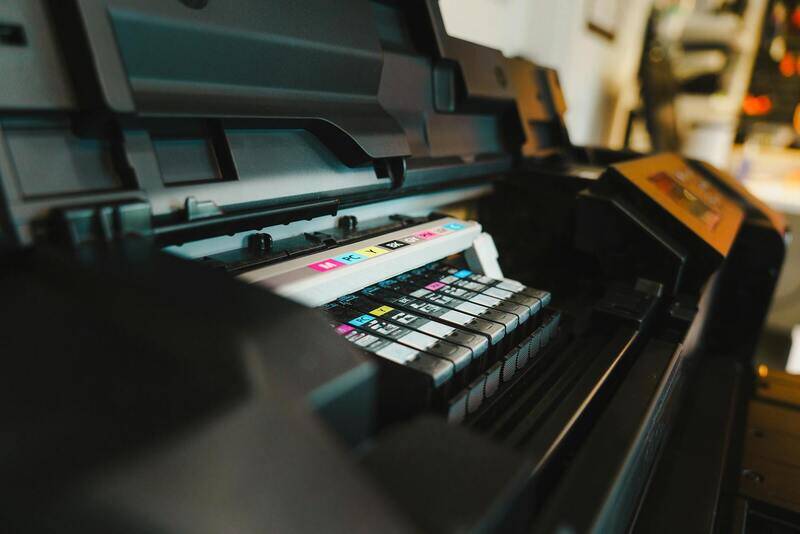
The production of big photo prints involves specialized printing processes that ensure high-quality reproduction without losing detail or color accuracy. These prints often require the use of advanced printing equipment capable of outputting on a variety of substrates, accommodating the needs of different applications and aesthetic preferences. Whether used to create an impressive statement piece in a living room or a branded visual in a retail space, the correct handling and preparation of large photo prints are crucial for achieving optimal results.
Common Uses of Large Photo Prints
- Residential wall decor featuring family photos or artwork
- Commercial displays such as banners and backdrops
- Event backdrops for weddings, parties, or corporate functions
- Gallery exhibitions and fine art reproductions
- Branding and promotional signage in retail stores
- Public art projects and murals
Understanding the scope and application of big photo prints is foundational to selecting the right approach, materials, and techniques for your specific needs. Ensuring that each element—from image quality to final installation—is carefully managed will result in a striking, durable piece that can elevate the aesthetic or impact of any space.
Materials and Substrates for Big Photo Prints
One of the most important choices in creating large photo prints is selecting the appropriate materials and substrates. These foundational elements not only influence the visual quality but also determine the durability and suitability of the print for specific environments. High-quality substrates provide a better surface for ink adhesion, enhance color vibrancy, and protect against environmental factors such as moisture, ultraviolet light, and physical handling.
Common substrates for big photo prints include various types of papers, canvases, vinyl, acrylic, and metal. Each material offers distinct advantages suited to different applications:
- Premium Fine Art Paper: Ideal for gallery displays and fine art reproductions, offering rich textures and archival longevity.
- Canvas: Popular for its artistic appeal, providing a textured finish that mimics traditional paintings and adding a sense of depth.
- Vinyl: Suitable for outdoor signage, banners, and large-scale advertisements due to its durability and weather resistance.
- Acrylic: Provides a sleek, modern look with high gloss and vibrant color reproduction, perfect for contemporary displays.
- Metal (Aluminum): Offers a unique contemporary aesthetic with excellent durability, ideal for high-traffic areas or outdoor use.

The choice of substrate should align with the intended display environment, desired visual effect, and budget. For instance, while acrylic and metal prints deliver striking modern aesthetics, they tend to be more costly. Conversely, vinyl and canvas are versatile options that balance quality and cost, making them popular choices for both commercial and personal projects.
In addition to material selection, surface treatments like matte, gloss, or satin coatings further influence the final appearance and longevity. For example, matte surfaces reduce glare and fingerprints, ideal for gallery or home settings, whereas gloss finishes enhance color vibrancy, making images more vivid for promotional displays.
Proper handling and storage of substrates prior to printing are crucial to prevent damage. Ensuring a clean, dust-free environment helps maintain the integrity of the surface, resulting in a cleaner, more precise print outcome. For large-scale projects, collaborating with experienced print service providers can facilitate selecting the most suitable materials to meet both aesthetic and environmental requirements, ultimately producing a polished, professional final product.
Understanding Large Photo Prints
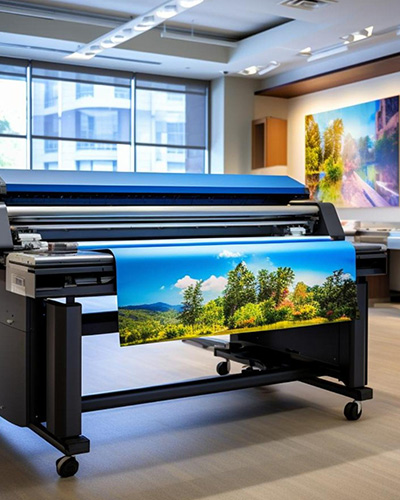
Creating impressive big prints of photos involves a meticulous process of selecting appropriate printing techniques and materials. A high-quality large photo print must not only capture the detailed essence of the original image but also maintain its vibrancy, durability, and visual impact over time. Professional print services utilize advanced printing devices and state-of-the-art technology to ensure color accuracy and sharpness, even at substantial sizes. From using large-format inkjet printers to specialized solvent and UV printing methods, the main goal is to reproduce images with precision and consistency. These technologies employ high-resolution capabilities that enable detailed rendering of photographs, making sure every nuance—from subtle gradations to sharp edges—is preserved at scale. Expert handling during the printing process guarantees that the fabrications are free from distortions or blemishes, ensuring the final piece looks polished and professional. When potential buyers opt for large photos, they should consult with experienced specialists who can advise on the most suitable printing methods tailored to their specific needs—be it for decorative, commercial, or exhibition purposes. High-quality large prints serve as powerful visual elements, transforming spaces with their striking presence and detailed imagery.
Choosing the Right Photo for Large Prints
Selecting the best photo for large-scale printing is crucial to achieving the desired visual impact. Photographs with higher resolution and clarity tend to translate more effectively when enlarged, preserving essential details and preventing pixelation. It’s important to use images captured with professional-grade cameras or high-quality smartphones equipped with advanced sensors. When enlarging photos, consider not just the resolution but also the composition—images with strong focal points and good lighting stand out more vividly at large sizes. Avoid photos that contain excessive noise, blurriness, or underexposure, as these flaws become more pronounced in big prints. Prioritize images with vibrant color profiles and well-balanced contrast to enhance visual appeal. Additionally, take into account the intended display environment; for instance, photos with complex backgrounds may benefit from cropping or editing to emphasize key elements, ensuring that the final print resonates with viewers and complements its surroundings. Employing professional image editing tools can improve overall quality, sharpening details, adjusting color saturation, and correcting imperfections before sending the file for printing.
Materials and Substrates for Big Photo Prints
Choosing the appropriate material for large photo prints plays a vital role in ensuring durability, visual quality, and the overall aesthetic appeal of the final product. The selection of substrates depends on the intended display environment, budget, and desired finish. Common materials include printing on canvas, vinyl, photo paper, metal, acrylic, and fabric-backed substrates.
Canvas: Canvas is a popular option for large photo prints, offering a textured, artistic appearance that resembles traditional paintings. It provides a degree of flexibility, reducing the risk of tearing and making it suitable for wall mounts in various interior styles. Canvas prints are often coated with protective finishes to enhance longevity and resist fading over time.
Vinyl: Vinyl is highly versatile and cost-effective for large-scale banners and wall coverings. It is weather-resistant, making it ideal for both indoor and outdoor applications. Vinyl prints can be finished with matte or gloss coatings, depending on the desired visual effect.
Photo Paper: For premium photographic quality, photo paper remains a top choice. When used with large-format printers, high-quality photo paper can produce vibrant, detailed images suitable for gallery displays or professional presentations. Chromogenic and resin-coated papers are common options for fine art and commercial displays.
Metal (Aluminum): Metal prints provide a sleek, modern look with outstanding color vibrancy and durability. Aluminum substrates are resistant to moisture, scratches, and UV damage, making them suitable for high-traffic environments and outdoor installations.
Acrylic: Acrylic prints offer a glossy, high-gloss finish that enhances color depth and sharpness. They are characterized by their glossy surface and sturdy construction, providing an upscale look perfect for contemporary decor.
Fabric Backed Materials: Fabric-backed substrates offer a soft, elegant finish and are often used in gallery wraps or suspended installations. These materials can be tensioned over frames for a clean, professional presentation.
When selecting a material for large photo printing, assess factors such as the intended display location, desired durability, maintenance requirements, and visual effects. Properly chosen substrates, combined with high-resolution images, ensure that the large prints maintain their clarity, color fidelity, and overall impact over time.
Understanding Large Photo Prints
Creating big prints of photos requires careful consideration of various technical and artistic factors to ensure the final output meets professional standards. Large-format printing involves more than just enlarging an image; it demands meticulous attention to detail regarding resolution, material choice, and printing techniques. High-quality large prints can significantly enhance visual impact and serve as focal points in any space, whether for commercial, artistic, or personal purposes. Achieving optimal results involves balancing image quality with production capacity, durability, and aesthetic appeal, making it essential to understand the various aspects involved in printing sizeable photographs.
Choosing the Right Photo for Large Prints
Choosing an appropriate photo is critical when preparing for large-format printing. Not all images retain their quality when scaled up, and selecting a photo with sufficient resolution is essential. Images intended for big prints should ideally have a resolution of at least 150 pixels per inch (PPI) at the final print size to maintain sharpness and detail. For instance, a 24x36 inch print demands an image resolution of approximately 3600x5400 pixels. Besides resolution, the photo’s composition and focal points should be adaptable to larger formats; images with strong, clear subjects tend to translate better into large-scale displays.
When working with digital files, always verify that the original image was captured or created at high quality, and consider re-editing or enhancing the photo before printing. Adjust contrast, brightness, and sharpness as needed to optimize visual impact. If working with photographs that contain fine detail or subtle color gradations, ensure that the image is properly sharpened and optimized for enlargement to avoid loss of fidelity during scaling.
Materials and Substrates for Big Photo Prints
The choice of material or substrate significantly influences both the aesthetic appeal and durability of big photo prints. Different applications and display environments call for specific materials to match visual goals and environmental conditions.
- Photo Paper: For gallery-quality large photos, high-quality photographic paper remains a classic choice. Fine art and commercial displays benefit from gloss or matte photo papers that preserve detail and color accuracy when printed with high-resolution large-format printers.
- Metal (Aluminum): Metal prints produce vivid, striking images with exceptional durability. Aluminum substrates offer resistance to moisture, UV damage, and scratches, making them ideal for outdoor or high-traffic areas. They provide a modern, sleek appearance that enhances vibrant colors.
- Acrylic: Acrylic prints create a glossy, high-shine finish that emphasizes depth and color richness. The sturdy acrylic surface protects the image and is suitable for upscale interior decor, providing a contemporary aesthetic.
- Fabric-backed Materials: Fabric-backed surfaces, often tensioned over frames for gallery wraps, deliver a soft yet elegant look. These are suitable for installations where a textured or artistic finish is desired, adding a sense of depth and professionalism.
When selecting materials for large photo prints, it is advisable to assess the intended display environment, required durability, and maintenance needs to ensure the chosen substrate maximizes the image’s visual impact and longevity.
Printing Techniques for Large Photos
Advanced printing techniques are pivotal in achieving high-fidelity large photo prints. Each method offers distinct advantages depending on the desired quality, color reproduction, and application.
- UV Printing: Suitable for printing directly onto rigid substrates such as metal, glass, or acrylic. UV printing cures ink instantly, resulting in sharp images with vibrant colors and excellent adhesion.
- Archival Inkjet Printing: Utilizes pigment-based inks for longevity and color stability. Ideal for photographic prints where detail and color accuracy are paramount, especially on media like photo paper, canvas, or fabric.
- Dye Sublimation: Best suited for metal and specially coated substrates, producing vibrant, durable images with a high degree of color blending and smooth gradation.
- Solvent and Eco-Solvent Printing: Offers tough, weather-resistant prints suitable for outdoor displays. This method is effective on vinyl, banners, and other large flexible media.
Each technique involves specific equipment and expertise, emphasizing the importance of partnering with experienced print providers to ensure meticulous color matching, resolution, and overall output quality.
Understanding Large Photo Prints
Creating impressive big prints of photos requires a comprehensive understanding of various technical and aesthetic factors. The process begins with selecting a high-resolution image that can support large-scale enlargement without losing detail or appearing pixelated. High-resolution images, ideally captured with professional-grade cameras, retain their clarity when scaled up, preserving fine details and smooth color gradations. Additionally, the aspect ratio of the photo plays a vital role; maintaining the original ratio ensures the integrity of the image remains intact, preventing unwanted cropping or distortion.
Understanding the intended display environment is equally important. Whether the print will be showcased indoors or outdoors, in a gallery, or as a statement piece in a corporate lobby, influences decisions regarding material choices and finishing options. For instance, large photos displayed in bright, well-lit areas may benefit from matte finishes to reduce glare, whereas glossy finishes enhance color vibrancy in controlled lighting environments.
Image Resolution and Scale
One of the key technical aspects for big photo prints is resolution. For high-quality results, a minimum of 150 pixels per inch (PPI) at the final print size is recommended. However, for very large prints viewed from a distance, such as murals or banners, a lower PPI (around 72-100) may suffice without compromising perceived quality. It is crucial to balance file resolution with physical size: larger print dimensions generally require higher resolution files to maintain sharpness and fine detail.
Image File Preparation
- Use uncompressed image formats such as TIFF or high-quality JPEG to prevent loss of detail during processing.
- Apply appropriate color profiles, such as Adobe RGB or sRGB, for accurate color reproduction.
- Perform meticulous editing and retouching to remove any imperfections, ensuring the image looks pristine when enlarged.
- Ensure consistent color management throughout the workflow, from file preparation to printing, to achieve true-to-original hues.
By paying close attention to these aspects, you can avoid common pitfalls like pixelation, color inconsistencies, or diminished quality, resulting in a stunning large-scale photographic display that meets your expectations and enhances your space.
Creative and Technical Collaboration
Working with experienced print service providers can greatly improve the outcome of big photo projects. These professionals can advise on the suitability of your images for large format printing, recommend the best material options, and optimize file settings for maximum image fidelity. Their expertise in color calibration and print finishing techniques ensures your large prints will have vibrant colors, sharp details, and lasting durability.
Proper Installation and Maintenance of Large Photo Prints
Securing the correct installation and performing regular maintenance are essential for preserving the visual impact and longevity of big photo prints. These large-scale artworks or displays, when cared for properly, can serve as stunning focal points for extended periods, maintaining their clarity and vibrancy.
Safe Mounting Techniques for Large Photographs
- Choose appropriate mounting surfaces: Ensure walls or surfaces are clean, smooth, and capable of supporting the weight of the print and mounting hardware.
- Use professional-grade mounting hardware: Heavy-duty anchors, brackets, and picture rails are recommended for large prints to provide secure attachment points and distribute weight evenly.
- Employ framing or border systems: Framing not only enhances aesthetics but also adds a layer of protection. If framing isn't part of the initial setup, consider protective border tapes or system designed for large-scale displays.
- Ensure proper alignment: Use level tools during installation to avoid crooked displays, which can detract from the visual appeal and compromise the integrity of the mounting hardware over time.
Optimal Display Settings for Maximum Impact
- Lighting considerations: Install adequate lighting that does not produce glare or uneven illumination. Adjustable LED fixtures are recommended to highlight details and colors effectively.
- Positioning: Mount the photo at eye level for optimal viewing, especially in public or gallery settings. Avoid direct sunlight to minimize fading and degradation over time.
- Security measures: Use protective glass or acrylic panels to shield the print from dust, fingerprints, and accidental damage while maintaining clarity and brightness.
Maintenance Tips for Long-Lasting Quality
- Regular cleaning: Gently dust the surface with a soft, lint-free cloth. For stubborn dirt or smudges, use a damp cloth with mild soap, avoiding harsh chemicals that could harm the print or its backing.
- Environmental control: Maintain stable temperature and humidity levels to prevent warping, bubbling, or fading. Avoid placing large prints near heat sources or in humid areas.
- Periodic inspection: Check the mounting hardware, frame seals, and protective coverings regularly to identify any signs of wear or damage that may require repair or reinstallation.
- Protection from UV exposure: If the display is exposed to sunlight, consider UV-protective coatings or films that can mitigate the effects of ultraviolet rays.
Strategies for Ensuring Quality and Authenticity in Big Photo Prints
When investing in large photo prints, especially for display in prominent public or private spaces, it is crucial to work with reputable providers that adhere to proven methods of production. Authentic printing processes are characterized by strict quality controls, the use of advanced technology, and certified materials that guarantee the integrity of the image from digital file to final product. The following strategies help ensure your big photo prints meet high standards.
Partner with Certified Printing Experts
Choosing certified and experienced print service providers is essential. Reputable companies have a portfolio of successful large-format projects, employ qualified technicians, and utilize the latest printing equipment. Their adherence to quality assurance protocols ensures that every print produced complies with industry standards, offering consistent, high-quality results that accurately reflect the original image.
Use of Certified Materials and Inks
- High-quality, archival-grade papers and substrates that are tested for durability and color retention.
- UV-resistant inks that prevent fading and maintain vibrant colors over time, even when exposed to light.
- Materials that are environmentally certified, non-toxic, and sustainable, adhering to recognized standards for safety and quality.
Attention to Calibration and Color Management
The foundation of a visually stunning large photo is proper color management. Top-tier printers invest in calibration tools and software, ensuring that the colors displayed on the digital file match the printed output. This involves profiling monitors, printers, and viewing environments to achieve precise color consistency and reproduce subtle tonal variations accurately.
Inspecting Pre-Production Proofs
Before committing to the final large print, clients should review proofs or smaller scaled versions. This step verifies color accuracy, material quality, and overall appearance. Reputable print services often provide digital or physical proofs, allowing for adjustments prior to large-scale production.
Adherence to Industry Best Practices
Leading printing facilities follow strict protocols, including:
- Maintaining clean, dust-free environments to prevent imperfections on critical surfaces.
- Utilizing high-end printing machinery calibrated regularly for optimal output.
- Implementing rigorous quality checks at each production stage.
Post-Printing Quality Assurance
Once the print is completed, professional inspection is vital. This involves verifying the resolution, color fidelity, and overall condition of the print. Any irregularities can be addressed promptly through reprinting or other corrective measures, ensuring the final product meets the highest standards.
Secure Packaging and Transportation
To preserve the print’s quality during transit, trusted vendors use specialized packaging, including sturdy tubes, crating, and padding. This minimizes movement and potential damage, assuring the client receives a perfectly preserved piece ready for installation.
Implementing these rigorous and authentic methods guarantees that your big photo prints are produced by skilled professionals with proven techniques, resulting in durable, vibrant, and visually captivating displays that stand the test of time.