Overview of Large Format Photo Paper
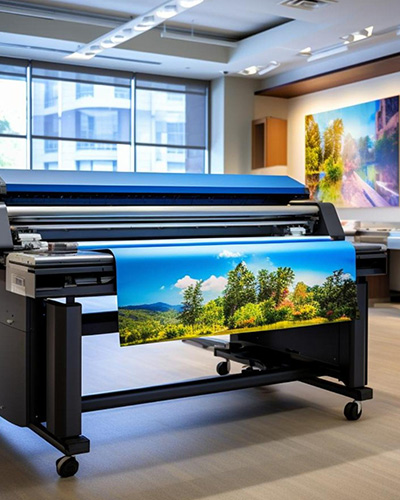
Large format photo paper refers to specialized printing media designed to produce high-quality images on expansive surfaces, typically exceeding standard paper dimensions. This type of paper is essential in professional photography, fine art reproduction, signage, and large-scale visual presentations. Its primary purpose is to deliver vibrant, detailed images that maintain fidelity over extensive viewing distances, making it a preferred choice for exhibitions, commercial displays, and artistic projects.
Manufacturers produce large format photo paper with a variety of surfaces and finishes, tailored to specific artistic and functional requirements. These papers are often characterized by their ability to support high-resolution printing, color accuracy, and durability. The choice of paper plays a critical role in the final appearance of the print, influencing aspects such as gloss, matte finish, and surface texture.
In professional settings, the demand for large format photo paper aligns with efforts to create visually impactful displays that can span entire walls or large display boards. Artists leverage these papers to push creative boundaries, producing works that are both striking and long-lasting. Meanwhile, photographers utilize large format media to faithfully reproduce their images with rich detail and depth, suitable for gallery exhibitions and portfolio presentations.

Additionally, the development of digital printing technologies has expanded the potential of large format photo paper, enabling more precise color control and complex image reproduction. This synergy has facilitated the creation of exceptional print quality, making large format photo paper an indispensable medium in both artistic and commercial printing environments.
Given its significance, selecting the appropriate large format photo paper involves understanding its diverse types, specifications, and optimal usage scenarios. Whether for capturing a photographic masterpiece or creating eye-catching display materials, the right choice of large format photo paper is crucial for achieving the desired visual impact and longevity of the finished product.
Types of Large Format Photo Paper
When selecting large format photo paper, understanding the different types available is essential for achieving the desired visual and tactile effect. The most common varieties include glossy, matte, satin, and fine art papers, each suited for specific applications and aesthetic preferences.
- Glossy Photo Paper: Known for its high shine and vibrant color reproduction, glossy paper is ideal for photography that benefits from rich, eye-catching visuals. Its reflective surface enhances color depth and details, making it popular in commercial display prints, photographic exhibitions, and high-impact marketing materials. However, it may be prone to fingerprints and glare, necessitating careful handling.
- Matte Photo Paper: Offering a non-reflective surface, matte paper minimizes glare and is favored for artistic and fine art prints. Its soft finish lends a subtle, sophisticated look, suitable for images that require a more subdued, elegant presentation. Matte papers are also more forgiving in handling, exhibiting less risk of fingerprint marking and surface scratches.
- Satin or Semi-Gloss Photo Paper: Balancing the attributes of glossy and matte finishes, satin or semi-gloss papers deliver vibrant colors with a softer sheen. These papers are versatile and often used in portrait, landscape, and commercial photography, providing a smooth surface that highlights details while reducing glare.
- Fine Art and Canvas-Style Paper: Designed for gallery-quality applications, fine art papers feature textured surfaces with archival-grade materials. They are well-suited for gallery displays, limited edition prints, and photographic art, emphasizing longevity and color fidelity. Canvas-style options can also mimic traditional painting surfaces for a mixed-media approach.

Key Specifications and Features
Understanding the technical specifications of large format photo paper helps match the medium to specific project requirements. Critical parameters include weight, surface texture, coating type, and color gamut. Heavier papers generally offer greater stability and durability, making them suitable for long-term displays and archival use. Surface texture influences the tactile experience and visual appeal, with options ranging from smooth gloss to textured fine art papers.
Coating technology impacts color accuracy, ink adhesion, and resistance to environmental factors. High-quality papers often feature coated surfaces that facilitate sharper image details and richer color reproduction. Additionally, papers with wider color gamuts support more vibrant and nuanced color transitions, contributing to visually compelling prints.

Choosing the Right Large Format Photo Paper
Selecting the appropriate paper type depends heavily on the intended application and desired aesthetic. Consider the following factors:
- Application: For gallery exhibitions, fine art papers with archival qualities are preferred. Commercial banners and displays may benefit from glossy or satin finishes for high impact.
- Color Fidelity and Detail: High-resolution digital printing requires papers with excellent coating and surface smoothness to preserve detail and color vibrancy.
- Durability and Longevity: For prints expected to last or withstand outdoor conditions, select papers with enhanced UV resistance and archival qualities.
- Handling and Post-Processing: Matte papers are easier to handle and less prone to fingerprints, making them suitable for applications requiring minimal post-production touch-ups.
Matching the right paper with your printing technology and environmental conditions ensures optimal results and long-lasting visual appeal.
Key Specifications and Features
When selecting large format photo paper, understanding the key specifications and features is crucial to achieving high-quality prints that meet your project requirements. These specifications influence the visual appeal, durability, and overall performance of your prints, making informed choices essential for professional results.
Paper Weight and Thickness
Paper weight, typically measured in grams per square meter (gsm), significantly affects the handling and appearance of large format prints. Heavier papers, generally ranging from 200 gsm to 350 gsm, provide a more substantial, gallery-like feel and enhance durability. Thicker papers contribute to rigidity, preventing warping or curling, especially important for outdoor displays or artworks that require framing.
Surface Finishes and Textures
The surface finish of large format photo paper deeply influences the visual texture and tactile experience. Glossy finishes offer vibrant color reproduction, sharp detail, and a shiny surface that amplifies contrast, ideal for showcasing intricate imagery. Satin or semi-gloss finishes strike a balance between gloss and matte, providing enhanced color depth with reduced glare. Matte finishes, on the other hand, minimize reflections and fingerprints, making them suitable for high-touch environments or artworks with subtle tonal ranges. Textured papers, such as fine art or watercolor finishes, add depth and artistic character to prints, especially for gallery or collectible purposes.
Color Reproduction and Gamut
Inevitably, color fidelity is a core consideration. High-quality large format photo papers are engineered with coated surfaces that maximize ink adhesion and color gamut, ensuring vibrant and accurate color transitions. Papers designed for wider color gamuts support deeper blacks, richer reds, and more nuanced shades, essential for professional photography and fine art reproductions. When choosing paper, consider compatibility with your digital printer's color management system to optimize output fidelity.
Environmental Resistance and Archival Qualities
For prints intended to last or be displayed outdoors, select papers with enhanced UV resistance, water repellency, and chemical stability. These features help preserve image clarity over time, resisting fading, discoloration, and environmental damage. Archival-quality papers often feature acid-free and lignin-free materials, ensuring longevity and stability for priceless artworks or high-value photographic prints.
Handling and Practical Attributes
Ease of handling is vital during production and framing. Matte and softer finishes tend to be less prone to fingerprints and scratches, facilitating easier handling without special equipment. Additionally, consider the paper’s compatibility with your printing technology—whether it supports solvent, eco-solvent, UV, or dye-based inks—since adhesive qualities and drying times can vary significantly.

Understanding these specifications ensures that you select the right paper for your specific application, whether it’s for gallery exhibits, commercial displays, or fine art reproductions. Proper alignment of material properties with project demands guarantees vibrant, durable, and professional-grade large format prints that meet your expectations.
Overview of Large Format Photo Paper
Large format photo paper is an essential material for producing high-resolution, impactful visual displays in various professional and artistic fields. It is specifically designed to accommodate wide-format printing equipment, allowing for expansive, detailed images suitable for galleries, signage, exhibitions, and commercial advertising. These papers serve as the foundation for high-quality photographic reproductions, fine art prints, and promotional displays, offering durability and clarity that meet rigorous industry standards.
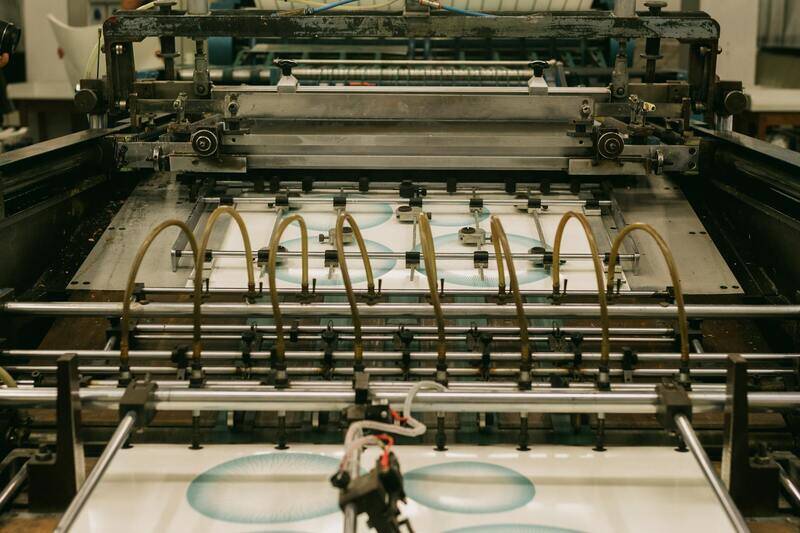
Choosing the correct large format photo paper involves understanding its physical and chemical properties, which directly influence the print’s visual outcome and lifespan. From surface textures to coating layers, each characteristic plays a role in how colors are rendered and how well the print withstands environmental factors. It is vital to consider these aspects carefully to ensure that the final product accurately reflects the photographer's or designer’s intent, maintains vibrancy over time, and withstands the conditions of display or outdoor exposure.
Types of Large Format Photo Paper
To meet the diverse demands of large scale printing, manufacturers offer a wide range of photo papers, each tailored for specific applications and printing technologies. These types can be broadly categorized based on surface finish, coating, and material composition:
- Glossy Photo Paper: Known for its reflective surface that enhances color depth and contrast, glossy papers are ideal for promotional displays, commercial photography, and fine art reproductions that demand vivid detail and sharpness.
- Matte Photo Paper: With a non-reflective surface, matte papers provide a softer, muted appearance that minimizes glare. They are preferred for framing, archival purposes, or environments where lighting conditions can cause reflections.
- Satin or Semi-Gloss Paper: Offering a middle ground, satin finishes combine some of the vibrancy of gloss with the reduced glare of matte, making them versatile for various display needs.
- Canvas and Fine Art Papers: These specialized materials mimic traditional art surfaces, providing textures such as watercolor or textured canvas, suitable for gallery-quality reproductions and artistic expression.
Key Specifications and Features
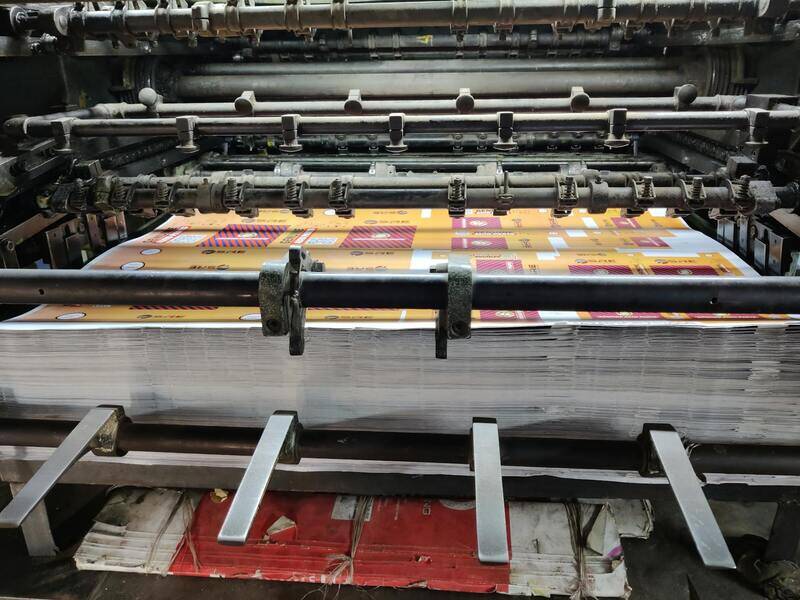
Understanding the technical specifications of large format photo papers is crucial for optimizing print quality and longevity. Here are some key considerations:
- Material Composition: High-quality papers are often acid-free and lignin-free, aiding in long-term preservation. The base material influences paper stiffness, durability, and compatibility with various inks.
- Coating and Surface Treatment: Coatings enhance ink adhesion, color vibrancy, and resistance to environmental factors. Matte coatings reduce glare, while glossy finishes increase video and print contrast.
- Archival Qualities: Papers with UV resistance, water repellency, and chemical stability ensure the print’s color fidelity over time, especially for outdoor or high-traffic display areas.
- Weight and Thickness: Heavier, thicker papers offer increased durability and a premium feel, which is important for gallery presentations and framing considerations.
- Color gamut and Brightness: Papers that support wider color gamuts and higher brightness levels produce more vibrant images with better tonal gradation.

By carefully matching these specifications with the intended application, users can produce large format prints that are visually stunning, durable, and true to the original image intent. Selecting the right paper in terms of surface, material, and technical features ensures that each print meets the desired quality standards and longevity expectations, whether displayed indoors or outside.
Handling and Storage of Large Format Photo Paper
Proper handling and storage of large format photo paper are critical to maintaining its quality and ensuring optimal print results. Mismanagement can lead to warping, smudges, or deterioration that compromises the final output. To achieve consistent, professional-looking prints, several key practices should be adopted.
Handling Practices
- Wear gloves: Always handle photo paper with clean, lint-free gloves to prevent oil, dirt, and moisture transfer from your hands, which can negatively affect ink adhesion and appearance.
- Minimize exposure to dust and contaminants: Keep the environment clean and dust-free. Even small particles can cause specks or uneven ink absorption during printing.
- Use appropriate tools: When loading or aligning large sheets, utilize tools like spatulas or squeegee-like devices to avoid creasing or damaging the paper surface.
- Avoid bending or folding: Handle the sheets flat and avoid unnecessary bends, as this can lead to permanent creases or warping that adversely affect print quality.
Storage Recommendations
- Store in a controlled environment: Maintain a cool, dry space with stable temperature and humidity levels. Excessive heat or moisture can warp or deform large format papers.
- Use appropriate containers: Store sheets flat in acid-free, lignin-free storage boxes or sleeves to prevent chemical reactions that may degrade the paper over time.
- Keep away from direct sunlight: Prolonged exposure to UV rays can cause discoloration and deterioration of the paper's surface and color integrity.
- Maintain proper stacking: When stacking large sheets, ensure they are well-supported and not overly compressed to prevent warping or bending.
Transport Considerations
Transporting large format photo paper requires careful planning to prevent damage. Use protective packaging, such as rigid tubes or flat, cushioned carriers. Avoid stacking heavy objects on top or subjecting the sheets to excessive bending during transit.

Handling and Storage of Large Format Photo Paper
Proper handling and storage of large format photo paper are essential to maintain its quality and ensure optimal printing results. Careful management minimizes the risk of surface damage, warping, and deterioration, ultimately contributing to the longevity and vibrancy of printed images.
Handling Techniques for Large Format Photo Paper
- Wear Gloves: Using lint-free gloves helps prevent oils and dirt from transferring onto the paper surface, which can affect ink adhesion and image quality.
- Use Support Tools: When moving or positioning large sheets, employ support tools like spatulas or precision squeegees to avoid creases or tears. These tools facilitate smooth handling without exerting uneven pressure.
- Avoid Bending: Handle sheets flat and avoid unnecessary bending or folding. This prevents permanent creases or warping that could impair print quality or lead to curling over time.
- Minimize Touching: Limit direct contact with the printing surface to reduce fingerprint marks, smudges, and surface abrasions that could affect color fidelity.
Optimal Storage Conditions
Proper storage environments help preserve the physical and chemical integrity of large format photo paper, ensuring vibrant and durable prints for years to come.
- Temperature and Humidity Control: Store in a cool, consistently dry place. Ideal conditions typically range between 18°C to 22°C (64°F to 72°F) with 40% to 50% relative humidity. Fluctuations can cause expansion, contraction, or warping.
- Use Acid-Free Containers: Store sheets flat in acid-free, lignin-free folders, boxes, or sleeves. This prevents chemical reactions that can cause discoloration or deterioration over time.
- Avoid Direct Sunlight: Keep storage areas away from direct UV exposure, which can accelerate fading and surface degradation.
- Stacking Method: When stacking large sheets, ensure they are supported evenly and not overly compressed. Use separators like interleaving sheets or foam pads to prevent warping and surface damage.
Transport and Handling During Movement
Transporting large format photo paper requires careful planning to avoid damage. Protective packaging options include rigid tubes for rolled sheets or flat, cushioned carriers for larger, flat sheets. Avoid stacking heavy objects or applying pressure that could bend or crease the paper during transit.

Proper handling and storage extend the lifespan of large format photo paper, maintaining its surface quality, color accuracy, and durability for high-quality printing projects.
Handling and Storage of Large Format Photo Paper
Proper handling and storage of large format photo paper are critical to maintaining its quality, color fidelity, and longevity. As these papers are often used for high-quality displays, banners, fine art reproductions, or professional photography exhibitions, ensuring their pristine condition throughout their lifecycle is essential.
Handling Precautions for Large Format Photo Paper
Handling large sheets of photo paper requires meticulous care. Always wear clean, powder-free gloves to prevent fingerprint smudges, oils, or dirt from transferring onto the surface. When unrolling or removing sheets from protective packaging, do so with gentle, even movements to avoid creasing, tearing, or surface scratches.
Use clean, smooth surfaces for handling. Avoid placing the paper on abrasive or textured surfaces that could cause surface damage. When working with multiple sheets, keep them separated by acid-free tissue or foam to prevent sticking or surface imprinting. During installation or framing, support the entire sheet to prevent warping or bending, which can lead to permanent deformation or damage.
Storage Environment and Techniques
The environment in which large format photo paper is stored directly influences its durability and print quality over time. Maintain a consistent temperature, ideally between 18°C and 22°C (64°F to 72°F), with relative humidity levels kept around 40% to 50%. Fluctuations in these conditions can lead to expansion, contraction, or warping of the material.
Store sheets flat in acid-free, lignin-free storage containers such as folders, boxes, or sleeves designed for archival purposes. This prevents chemical reactions that could cause discoloration or deterioration. For rolled storage, use acid-free tubes that are large enough to prevent tight curling and deformation. When stacking sheets, ensure even support and avoid excessive pressure, which could cause warping or surface damage.

Transporting Large Format Photo Paper Safely
Transporting large sheets demands secure packaging aimed at preventing any physical impact. Rolled sheets should be placed in sturdy, rigid tubes that prevent crushing or bending. Flat sheets need cushioned carriers or sturdy, flat boxes that distribute pressure evenly. Avoid stacking heavy objects on top or pressing down during transit, as this can cause creases or surface abrasions.
Additional protective measures include wrapping sheets in anti-static or acid-free tissue to prevent surface scratches, dust accumulation, and chemical interactions. When possible, coordinate transportation with climate-controlled conditions to avoid exposure to moisture or temperature extremes that could affect the paper’s physical properties.
Importance of Proper Handling and Storage
Implementing rigorous handling and storage practices guarantees the preservation of large format photo paper's surface quality and chemical stability. Maintaining correct environmental conditions, using appropriate packaging materials, and handling sheets with care help achieve consistent, high-quality print outputs. These measures extend the lifespan of the prints, ensuring their visual vibrancy, color accuracy, and durability over an extended period.
Understanding Material Costs and Their Impact on Large Format Photo Printing
Pricing for large format photo paper varies significantly based on material quality, specifications, and supplier. As professional photographers, print service providers, or artists seek to optimize their operations, understanding the true costs involved in sourcing the right material is essential. High-grade photo papers, such as those with bright white bases, increased gloss, or matte finishes, tend to command premium prices due to their superior coating layers and chemical compositions. These layers influence color reproduction, surface durability, and moisture resistance, which are critical for high-quality large format prints.
When budgeting for large format projects, it’s vital to consider the cost-to-benefit ratio. Cheaper papers may save initial expenses but could compromise print durability, color fidelity, or surface integrity over time. Conversely, premium papers, although more costly upfront, deliver vibrant, long-lasting images that enhance the perceived value of the final product. This is particularly important for clients demanding gallery-quality prints or high-end commercial display materials.

Estimating Material Costs for Large Projects
To accurately project expenses, consider the following factors:
- Paper Type and Finish: Glossy, matte, satin, or metallic surfaces each have distinct pricing tiers.
- Sheet Size and Thickness: Standard sizes like 24" or 44" wide sheets influence bulk purchasing options and overall cost calculations.
- Purchase Volume: Bulk orders typically unlock discounts, reducing cost per sheet.
- Supplier Reputation and Location: Established distributors with reliable delivery services may charge premium prices, but offer quality assurance and consistent supply.
Balancing Cost and Quality for Optimal Results
While budget management remains a key consideration, it’s equally critical to weigh the longevity and presentation quality of prints. Investing in higher-grade photo papers can result in significant gains, especially when producing artwork or promotional materials intended for display or sale. Customizing the material choice based on project requirements helps strike an effective balance between operational costs and desired visual impact.

Identifying Reliable Suppliers and Purchasing Strategies
Building partnerships with reputable suppliers ensures a steady supply of quality materials. Consider the following procurement approaches:
- Direct Manufacturer Relationships: Establishing direct dealings with manufacturers can lead to better pricing, customization options, and exclusive product access.
- Authorized Distributors and Resellers: Certified channels guarantee authentic products and comprehensive technical support.
- Bulk Purchasing Agreements: Negotiating long-term contracts can secure volume discounts, priority delivery, and consistent product availability.
- Sample Testing Before Bulk Orders: Request samples to verify compatibility, print quality, and material characteristics prior to large investments.
Conclusion
Cost considerations around large format photo paper encompass more than just sticker prices. By assessing material specifications, supplier credibility, and project demands, individuals and organizations can optimize their investment, ensuring high-quality results that stand the test of time. Strategic procurement and quality management are foundational to achieving excellence in large format photographic outputs.