Understanding Large Image Printing
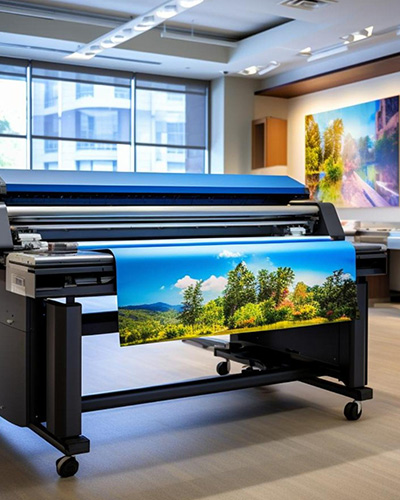
Large image printing is a specialized segment within the printing industry that focuses on producing high-resolution images on expansive surfaces. This process involves reproducing visual content at a scale that surpasses standard print sizes, often used for signage, murals, banners, and exhibition displays. The primary goal of large image printing is to maintain the clarity, color accuracy, and visual impact of the original design, regardless of the size increase.
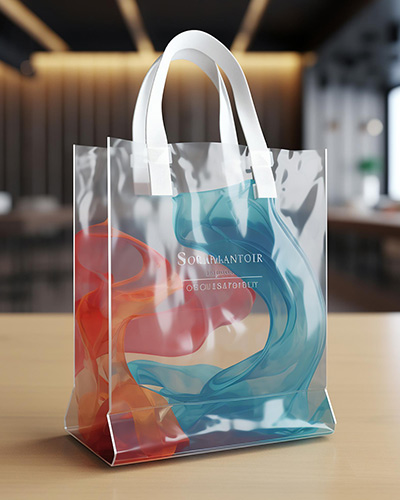
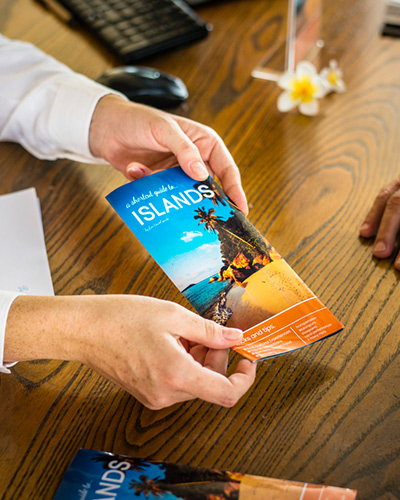
This technique is essential in various professional settings, including advertising, retail, event staging, and interior decor. It demands a combination of advanced printing technology, materials, and skilled design to ensure the final output is impressive and durable. Applications frequently include:
- Commercial signage for storefronts
- Decorative murals in hospitality and corporate environments
- Event backdrops and promotional banners
- Exhibition displays that require visual impact from a distance
Producing large images requires precise planning and execution. Technical considerations such as resolution, media selection, and printing method are crucial factors that influence the final result's quality and longevity. As clients seek vibrant, high-quality visuals, understanding the core aspects of large format printing becomes essential for making informed decisions and achieving desired outcomes.
Materials and Substrates for Large Format Printing
The choice of materials plays a vital role in the durability, appearance, and application of large prints. Common substrates include vinyl, canvas, fabric, photo paper, and rigid materials such as foam board or aluminum panels. Each substrate offers unique benefits tailored to specific environments and usage scenarios:
- Vinyl: Ideal for outdoor signage due to its weather-resistant properties.
- Canvas: Preferred for art reproductions and interior decor for its textured finish.
- Fabric: Used in event displays and banners for ease of transport and setup.
- Rigid materials: Suitable for long-term installations where stability is needed, like museum displays or exterior signage.
Choosing the right material involves considering environmental exposure, intended lifespan, and aesthetic preferences. Advanced coatings and finishes can enhance the print’s resistance to UV light, scratches, and moisture, prolonging its visual appeal and structural integrity.

Optimal Methods for Large Image Printing
Achieving high-quality large image prints involves leveraging reputable printing techniques and adhering to industry standards that prioritize precision, color fidelity, and longevity. Professional large format printers utilize advanced technologies such as inkjet, solvent, UV-curable, and latex printing systems, each tailored to specific applications and material compatibilities. These methods are designed to produce vibrant, durable visuals suitable for both indoor and outdoor environments.
Inkjet printing remains the predominant technology for large image outputs due to its ability to produce detailed, high-resolution images with smooth gradations. This method uses microscopic nozzles to deposit ink onto substrates with exceptional accuracy. When executed with high-quality inks and calibrated equipment, it ensures true-to-color reproductions that meet the demanding standards of commercial and artistic displays.
Solvent and eco-solvent printers utilize solvent-based inks that bind strongly to various substrates, particularly vinyl and other outdoor-friendly materials. These inks offer excellent water and UV resistance, making them ideal for signage and outdoor advertising that require durability against the elements.
UV-curable printers are distinguished by their ability to cure inks instantly with ultraviolet light. This process allows printing on a wider range of rigid and flexible materials, including wood, metal, and acrylic, with high precision and color consistency. UV printing is especially beneficial for installations where heavy wear or exposure to outdoor conditions is anticipated.
Latex printing combines the environmental advantages of water-based inks with high durability. This technology supports flexible media, offering excellent stretchability, water resistance, and color vibrancy, making it suitable for banners, wraps, and murals meant for long-term display.
Ensuring Color Accuracy and Fine Detail
Color management is a cornerstone of high-end large image printing, requiring meticulous calibration of printers and color profiles. Utilizing ICC profiles tailored to specific media and inks ensures consistent color output across different print batches, maintaining brand integrity and visual impact.
Professional printers employ spectrophotometers and advanced software to perform precise color calibration, ensuring that reproduced images match the original artwork accurately. Fine detail reproduction is enhanced by maintaining optimal resolution settings aligned with the viewing distance and media characteristics.
Implementing Proper Layering and Finishing Techniques
Layering techniques, such as applying multiple coats or layering with protective finishes, significantly enhance the visual appeal and resistance of large prints. Protective coatings like laminates or varnishes shield against scratches, UV damage, and moisture, extending the life of the print and preserving color vibrancy.
Advanced finishing processes, including mounting, framing, and lamination, contribute to a polished presentation and added durability. Proper installation ensures that large images are tensioned correctly and installed securely, minimizing risks of damage over time.
Understanding Large Image Printing
Large image printing encompasses a range of specialized techniques and processes designed to produce high-quality visuals on expansive surfaces. This type of printing is vital for applications such as advertising billboards, wall murals, event backdrops, and retail displays. The essence of large format printing lies in its ability to maintain clarity, color richness, and design accuracy across extensive areas, ensuring that each detail remains sharp and visually impactful. Precision in material selection, print technology, and color management forms the foundation for achieving optimal results. The process begins with understanding the specific requirements of the project, including the intended viewing distance, environmental conditions, and durability expectations. Selecting appropriate substrates and ensuring meticulous calibration of printing equipment are critical steps to produce consistent, vibrant images that meet professional standards. When executed correctly, large image printing transforms plain surfaces into compelling visual experiences that attract attention and convey brand messages effectively.

Materials and Substrates for Large Format Printing
The choice of material plays a crucial role in the longevity and appearance of large prints. Common substrates include vinyl, mesh fabric, canvas, photo paper, and rigid materials like foam board or aluminum panels. Each surface offers distinct advantages tailored to different applications:
- Vinyl: Versatile and durable, ideal for outdoor banners and wraps due to its water resistance and flexibility.
- Canvas: Provides a fine art aesthetic, suitable for interior murals and gallery displays with a preference for texture and color depth.
- Rigid panels: Aluminum, acrylic, or PVC boards are preferred for permanent signs and displays, offering stability and a sleek finish.
- Mesh fabric: Designed for large outdoor banners where wind resistance is necessary, allowing airflow while displaying vibrant images.
In addition to the primary substrates, protective films and laminates are often applied to enhance durability and resistance to environmental factors such as UV rays, moisture, and scratches. Proper selection and preparation of these materials ensure that the finished large-format print maintains its visual appeal over time and withstands various external conditions.

Important Considerations in Material Compatibility and Handling
Ensuring compatibility between the chosen media and printing technology is vital for achieving high-quality results. Compatibility affects ink adhesion, color vibrancy, and longevity of the print. For example, solvent, eco-solvent, and UV-curable inks are suitable for vinyl and rigid substrates, offering water and UV resistance, while aqueous inks excel on coated paper and fabric.
Handling and storage also impact the final output. Materials should be stored in controlled environments to prevent warping, moisture absorption, or surface contamination. During printing, careful alignment and tensioning of materials are necessary to avoid distortions or misregistration. Post-processing steps, such as trimming, mounting, and sealing, further contribute to a professional presentation and long-term durability of large prints.

Investing in quality substrates and handling techniques ensures that expansive visuals retain their sharpness, vibrancy, and structural integrity. When combined with appropriate printing methods and meticulous finishing, these materials guarantee a professional-grade outcome that aligns with client expectations and application demands.
Understanding Large Image Printing
Large image printing encompasses a variety of techniques and materials designed to produce expansive visuals without losing clarity, color accuracy, or durability. This process is crucial in many sectors including advertising, interior design, event branding, and fine art reproduction. The primary goal is to translate digital images into physically impressive displays that command attention and communicate messages effectively, all while maintaining high fidelity to the original design. Achieving this begins with understanding the core aspects of the printing process, such as selecting appropriate materials, technology, and finishing methods tailored for large-format applications.

Materials and Substrates for Large Format Printing
The foundation of high-quality large image printing lies in choosing the right materials. Common substrates include vinyl, canvas, fabric, paper, acrylic, and metal. Each material offers specific advantages depending on the intended display environment and aesthetic preferences. For instance, vinyl and rigid substrates are favored for outdoor signage thanks to their durability and resistance to weather conditions, often using solvent or UV-curable inks for enhanced longevity. Fabric-based options are preferred for art reproductions and indoor decor, as they provide rich textures and vibrant colors when printed with aqueous inks.
Manufacturers often prepare substrates with special coatings that enable improved ink adhesion and better color reproduction. These coatings also help protect the print from scratches, UV exposure, and environmental pollutants, ensuring the visual impact lasts over time. Proper handling and storage of materials prevent warping, moisture absorption, or surface contamination, which can compromise quality during subsequent printing and finishing processes.
Printing Technologies for Large Images
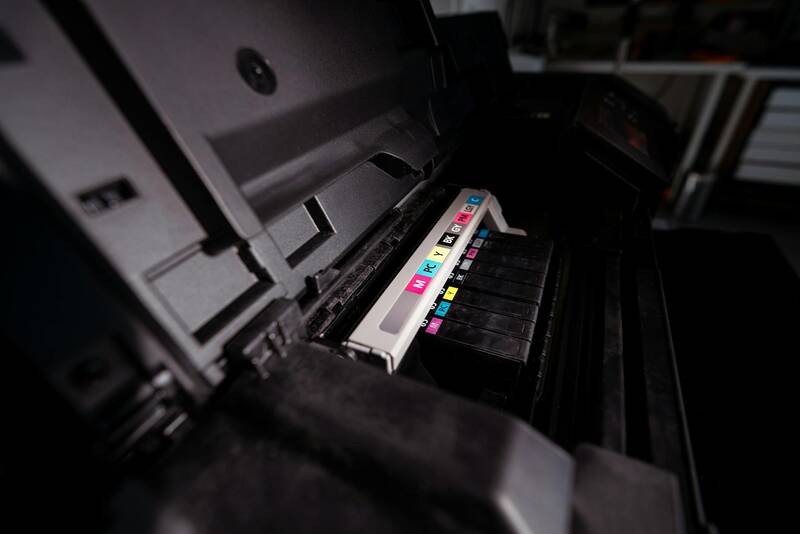
Choosing the appropriate printing technology is critical to achieving high-resolution, accurate, and vibrant large images. Several advanced printing methods are suitable for large format printing, primarily categorized into inkjet and solvent-based systems. Inkjet printers equipped with wide-format heads can produce detailed graphics with smooth color gradients, making them ideal for high-quality photographic reproduction and fine art printing.
Solvent and eco-solvent printing technologies are widely used for outdoor applications because of their ability to produce water-resistant and UV-resistant images directly on substrates like vinyl and banners. UV-curable printers offer rapid curing times and excellent adhesion on rigid surfaces such as acrylic, metal, and glass, making them suitable for architectural displays or point-of-sale materials. Additionally, advancements in textile printing technologies enable vibrant, detailed large images on fabric surfaces, broadening application possibilities.
To ensure the best results, it is essential to match the chosen technology with the specific substrate being used, considering factors like ink compatibility, environmental conditions, and intended longevity of the print. Proper calibration of printers, along with consistent color management, guarantees uniform output across large formats and multiple production runs.

Understanding Large Image Printing
Large image printing serves a broad spectrum of applications, from expansive wall murals and storefront graphics to detailed trade show displays and outdoor advertising banners. The core challenge lies in translating digital designs into physical outputs that retain clarity, color fidelity, and durability at significantly larger scales. This process necessitates specialized equipment, meticulous design preparation, and precise print management to ensure that the final result aligns with client expectations and usage requirements.
Prerequisites for High-Quality Large-Scale Prints
Achieving high-quality large image prints begins with a thorough understanding of the intended display environment and prior selection of suitable materials. The initial digital file must be prepared at a resolution that, when enlarged, maintains sharpness and detail. Typically, the minimum resolution for large prints is lower than for standard prints, owing to viewing distances, but it should still be carefully optimized to prevent pixelation and blurriness.
Color accuracy and consistency are pivotal, especially in commercial and branding applications where visual identity is non-negotiable. Advanced software tools facilitate precise color profiling and gamut management, ensuring that the printed output faithfully reproduces the original digital design in terms of hue, saturation, and brightness. Additionally, the size of the print demands a strategic approach to file organization and management, often requiring tiling or segmentation for very large compositions.
Ensuring Proper Image Resolution and File Preparation
- Optimize images for enlarged viewing without compromising on essential detail.
- Use vector graphics whenever possible to ensure scalability and crisp lines.
- Maintain consistent color profiles throughout the design process.
- Divide complex images into manageable sections if necessary, to facilitate high-resolution printing without increasing file size excessively.
- Employ professional file formats such as TIFF or PDF that support high-resolution data and preserve color fidelity.
Advanced Techniques and Finishing Options
Beyond the printing process itself, finishing techniques such as lamination, mounting, and framing contribute significantly to the durability and aesthetic appeal of large images. UV lamination can protect prints from scratches and environmental damage, while rigid mounting surfaces enhance structural stability and presentation quality.
Moreover, the choice of printing technology influences the material compatibility and final look of the large image. Inkjet printers mounted with high-capacity, wide-format heads are capable of printing directly onto various substrates, including vinyl, canvas, or rigid panels, with remarkable detail and color accuracy. When combined with custom finishing options, these methods expand the creative possibilities and application potential for large image prints.
Ensuring Precision and Quality in Large-Scale Image Printing
Acquiring large images of high quality requires more than just selecting an appropriate media. It involves meticulous preparation and precise calibration of the printing process to achieve consistent, vibrant, and durable results. Key considerations include ensuring that the digital files are correctly prepared with optimal resolution settings, generally at least 150-300 dpi for large-format printing, depending on the viewing distance. This resolution preserves image clarity without excessively increasing file size or processing time.
Design adjustments play a crucial role. When enlarging an image, it’s imperative to use vector graphics wherever possible—these graphics scale seamlessly without loss of quality, making them ideal for logos, text elements, or simple illustrations. For raster images, enhancing pixel density and applying high-quality interpolation methods helps retain detail during enlargement.
Color fidelity is integral in producing visually striking large-format prints. A consistent color management workflow, involving accurate ICC profiles and calibration of monitors and printers, ensures that the printed output matches the intended design's palette. Cross-platform color proofing allows designers to view and adjust colors accurately before production, preventing costly reprints and ensuring client satisfaction.

For complex images or intricate compositions, dividing the design into smaller segments can facilitate higher resolution output and easier handling during printing. These segments are then seamlessly assembled during installation, creating a cohesive whole. Additionally, selecting appropriate file formats—such as TIFF for high-resolution raster images or PDF files that preserve both image data and vector elements—protects image integrity throughout the printing process.
Adopting high-resolution digital files and advanced printing techniques ensures the reproduction of fine details and rich color depth. Techniques such as solvent or UV curing inkjet printing provide excellent adhesion across various substrates, delivering vibrant colors with long-lasting durability. Finishing methods like lamination, UV coating, or mounting on rigid surfaces enhance the durability and visual appeal of the large images, making them resistant to environmental elements and physical damage.
Incorporating professional finishing options not only elevates the aesthetic of the final product but also extends its lifespan. For instance, UV lamination acts as a protective layer against scratches and fading, while custom framing or mounting transforms large prints into eye-catching displays suitable for commercial, gallery, or outdoor environments. The right combination of printing technology and finishing enhances the overall impact of large-scale visuals, ensuring they serve their intended purpose effectively while maintaining optimal appearance over time.
Installation and Maintenance of Large Prints
Proper installation of large image prints is crucial to ensure their visual impact and longevity. When handling oversized prints, it is essential to use appropriate tools and techniques to prevent damage. Employing high-quality mounting hardware, such as robust brackets or industrial-grade adhesives, guarantees that the large image remains securely positioned over time. Additionally, careful surface preparation, including cleaning and leveling the mounting surface, helps achieve a flawless installation without creases or misalignments.
Handling large prints requires coordinated effort, often involving multiple trained professionals. Use of lift equipment or moving aids minimizes the risk of tears, wrinkles, or scratches during transport and installation. Once positioned, precise alignment is vital, especially for elongated or panoramic images, as small deviations can distract from the overall visual composition.
Maintenance practices extend the lifespan and aesthetic appeal of large images. Regular cleaning with gentle, non-abrasive materials removes dust, dirt, and environmental pollutants. It’s recommended to use soft microfiber cloths and diluted pH-neutral cleaning solutions to avoid damaging the print's surface or protective coatings. For outdoor displays or installations exposed to sunlight, applying UV protective coatings or films offers added defense against fading and UV damage.
Environmental factors such as humidity, temperature fluctuations, and direct sunlight can influence the condition of large prints. To mitigate these effects, installation in shaded or climate-controlled environments is optimal. If outdoor exposure is unavoidable, selecting weather-resistant materials and coatings enhances resilience against elements like rain, wind, and UV rays. Routine inspections for signs of wear or damage enable timely interventions, such as re-sealing or recoating, to maintain the integrity of the display.
Choosing a Printing Service
Selecting a reputable printing provider is fundamental to achieving high-quality large images that meet your specific requirements. Experience in handling diverse substrates and printing techniques ensures your project benefits from best practices and advanced technologies. The provider's expertise in color management, calibration, and finishing options contributes significantly to a professional end result.
Key considerations include reviewing the company's portfolio of previous projects, understanding their range of available materials, and confirming their adherence to industry standards. Transparency regarding production timelines, quality assurance processes, and post-printing services is also critical. Engaging with a provider that offers comprehensive support — from initial design consultation through final installation — helps ensure your large-scale visual expectations are fully realized.
Understanding Large Image Printing
Large image printing involves specialized techniques and high-quality materials to produce visuals that command attention and convey detailed imagery across expansive surfaces. This process must maintain sharp resolution, vibrant color accuracy, and durability, especially when prints are displayed in environments exposed to varying weather conditions or high traffic. Achieving these standards requires meticulous planning and execution, involving the selection of appropriate printing methods, substrates, and color management practices. As technology advances, more sophisticated printers capable of handling ultra-wide formats without compromising quality have become essential for large-scale projects, whether for indoor displays, outdoor advertising, or artistic installations.
Materials and Substrates for Large Format Printing
Choosing the right material is pivotal to the longevity and visual impact of large images. Common substrates include vinyl, fabric, canvas, wall paper, and rigid options such as foam board, aluminum, or acrylic sheets. Vinyl remains a popular choice due to its flexibility and weather resistance, ideal for outdoor signage and banners. Fabric materials offer a soft, matte finish perfect for interior displays or artistic banners, providing excellent color reproduction with reduced glare. Canvas is favored for art reproductions, adding a textured aesthetic that enhances visual appeal. Rigid substrates like aluminum or acrylic are suitable for high-end displays, providing a sleek, modern look with high durability.

Each material's unique properties dictate the choice based on the intended environment, viewing distance, and aesthetic goals. For instance, outdoor installations require weather-resistant materials coated with UV protection to prevent fading over time. Indoor displays may prioritize vibrancy and texture, favoring fabric or canvas options. The compatibility of the substrate with the chosen printing technology also influences the final outcome, ensuring maximum adherence and color fidelity.
Printing Technologies for Large Images
Several advanced printing technologies are utilized in producing large images, each suited to specific requirements and substrates. Inkjet printing remains the dominant method due to its versatility, high resolution, and ability to print on various materials. Wide-format inkjet printers employ piezoelectric or thermal printheads, facilitating precise droplet control that ensures sharp detail and consistent color application over large surfaces. Latex printing offers eco-friendly benefits, featuring water-based inks that provide excellent adhesion and color vibrancy, along with weather resistance. UV flatbed printers are capable of directly printing onto rigid materials, offering high-definition results with quick turnaround times, often used for signage and art reproductions.

Selecting the appropriate technology depends on factors such as substrate compatibility, production volume, and durability requirements. High-end printers with advanced color management capabilities ensure color consistency and accuracy, crucial for branding and marketing visuals. Proper calibration and maintenance of these machines are vital to achieve uniform outcomes, particularly for projects demanding precise color matching and high resolution.
Design Considerations for Large-Scale Images
Designing for large image printing necessitates attention to resolution, file formats, and visual impact. To prevent pixelation, images should ideally have a resolution of at least 150-300 DPI at the final print size. Large files should be optimized with appropriate color profiles, commonly Adobe RGB or CMYK, to ensure color fidelity. When scaling designs for sizable prints, vector graphics are preferred for logos and text components to preserve sharpness and scalability. High-quality originals or professionally prepared digital files minimize issues related to image compression or color shifts.
Viewing distance plays a critical role in design decisions; images intended for close-up viewing require higher detail and resolution, while those viewed from afar can employ larger elements with less intricate detail. Additionally, background patterns, text legibility, and contrast must be carefully considered to maintain visual clarity and aesthetic appeal at scale.
Color Management and Calibration
Accurate color reproduction is essential for large image printing. Implementing a color management workflow involves calibrating monitors, printers, and devices to ensure consistent results throughout the production process. Use of standardized color profiles helps translate digital colors into physical outputs reliably. Regular calibration sessions for printing equipment prevent color drifts over time, maintaining accuracy across batches and different media types.
Proofing processes are vital to confirm that the final print aligns with the original design intent. Soft proofing on calibrated monitors allows adjustments before printing, reducing material waste and ensuring satisfaction. For installations where color precision is critical, utilizing spectrophotometers to measure and adjust prints guarantees the highest fidelity to the desired palette.
Cost Factors and Budgeting
Large image printing costs encompass several components, including material procurement, printing technology, labor, and finishing. The choice of substrate significantly influences expenses, with rigid materials generally costing more than flexible vinyl or fabric. High-resolution printing at larger scales demands advanced equipment and longer production times, which add to overall costs. Quantity discounts and volume-based pricing are common strategies for larger projects, but careful planning and budgeting are necessary to balance quality and expenditure.
Additional expenses might include surface preparation, framing, and protective coatings, especially for outdoor or high-traffic installations. A clear understanding of these factors allows for accurate budgeting and ensures the project remains financially viable without compromising quality.
Installation and Maintenance of Large Prints
Proper installation ensures that large prints retain their visual integrity and durability over time. Techniques vary depending on the substrate and environment—wall mounting, framing, or tensioning systems are used for different applications. Professional installation minimizes risks such as warping, tearing, or unintentional damage, and ensures alignment and tension are maintained for optimal appearance.
Maintenance involves routine cleaning—using appropriate tools and solutions to remove dust and dirt without degrading materials. For outdoor installations, periodic inspections for tears, fading, or UV damage are essential, with recoating or repairs undertaken as needed to preserve the display's quality. Storing spare materials and having a plan for quick repairs mitigates prolonged disruptions, especially for high-profile advertising or exhibit purposes.