Understanding Large Print of Photos
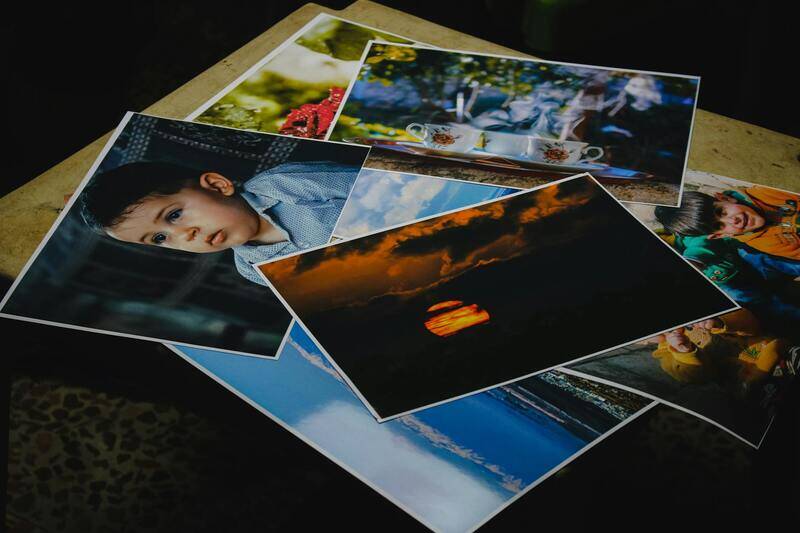
Large print of photos refers to the process of producing high-quality, oversized reproductions of images that are often used for display, decoration, or professional presentations. Unlike standard photo prints, which typically range from 4x6 inches to 8x10 inches, large photo prints can span several feet in width and height, demanding specialized techniques and materials to ensure clarity and durability. The popularity of large photo prints has surged in recent years, fueled by advancements in printing technology and a rising demand for impactful visual statements in both residential and commercial spaces. Large print sizes generally start at 18 inches on the shortest side and extend well beyond 60 inches, depending on the intended use and display environment. These prints can be framed or mounted directly onto surfaces, making them versatile for various display settings such as art galleries, corporate offices, event venues, and private residences. Commonly, large prints are utilized to showcase landscape photographs, fine art, or panoramic shots, where the emphasis is on creating a visual impact that draws viewers into the image. In terms of specifications, large print photos often require high-resolution images to prevent pixelation or loss of detail when enlarged. This means sourcing high-quality digital files—often 300 DPI or higher—to ensure crispness and vibrancy in the final product. The popularity of large photo prints stems from their ability to transform a simple image into an eye-catching focal point, offering an immersive experience that smaller prints cannot achieve. The use cases for large photo prints are extensive, ranging from personal gallery walls to public art installations. They are also favored for commercial displays, promotional backdrops, and event backdrops, where visual impact is paramount. As printing services like printservicesingapore.net continue to evolve their offerings, the demand for larger-than-life photographic reproductions remains robust, driven by a desire for statement pieces that reflect personality, branding, and artistic expression.
Choosing the Right Photo for Large Printing
Selecting an appropriate photo for large-scale printing is a critical step in achieving a stunning final product. Since larger prints magnify every detail, it’s vital to start with a high-resolution image that can withstand enlargement without losing quality. Images captured with professional cameras or high-end smartphones equipped with advanced sensors typically produce the best results. When evaluating a photo for large print creation, consider the following factors:
- Resolution: Ensure the image has a resolution of at least 300 DPI at the desired print size. For example, a 24-inch wide print would require an image resolution of approximately 7200 pixels in width.
- Focus and Sharpness: Choose images with sharp details and proper focus, as blurriness becomes more apparent at larger scales.
- Composition: Opt for images with engaging composition, strong focal points, and balanced framing to maximize visual appeal when enlarged.
- Color Depth: Higher color depth preserves vibrancy and subtle hues, ensuring the print remains true to the original image.
Preprocessing of images through cropping, adjusting brightness, and enhancing contrast may be necessary before printing, but these should be done carefully to maintain natural appearance. In addition, consider the significance of the subject matter; images with clear, compelling elements tend to perform better when scaled up beyond standard sizes.
Choosing the Right Photo for Large Printing
When selecting an image for a large print, it is essential to prioritize clarity, detail, and visual impact. High-resolution images are the backbone of a successful large-scale print, ensuring that details remain sharp and vibrant even when magnified. Begin with a digital file that possesses at least 300 DPI at the intended print size. For example, if planning a 36-inch wide wall display, the image should ideally have a resolution of approximately 10,800 pixels in width to prevent pixelation. In addition to resolution, consider the subject matter's composition and visual strength. Photos with a strong focal point, balanced elements, and compelling color schemes tend to translate well into large formats. Avoid images dominated by fine, intricate details that could become blurry or muddy when enlarged, unless those details are essential to the artistic expression. Furthermore, the lighting conditions captured within the image significantly influence print quality. Photos with well-managed exposure and contrast showcase details more effectively and provide a vibrant final appearance. When evaluating potential images, it's also wise to think about the context in which the print will be displayed; high-impact images with bold contrasts and clear subject separation tend to be more striking in large formats. Prior to printing, images might require careful preprocessing, including cropping to improve composition, adjusting brightness and contrast for clarity, and sharpening for enhanced detail. These steps, conducted thoughtfully, will ensure the final print faithfully represents the image's intention. In summary, selecting an appropriate photo for large print involves assessing resolution, subject matter, lighting, and overall composition, thereby optimizing the visual quality of the final product.
Materials and Paper Options for Large Prints
Choosing the appropriate material and paper type is essential for achieving the desired aesthetic and longevity of large photo prints. Different substrates offer varied textures, finishes, and durability, which can significantly influence the visual impact of the final piece.
- Glossy Paper: This option enhances color vibrancy and contrast, resulting in a luminous, eye-catching display. It is well-suited for images with rich colors and fine details. However, glossy finishes can be prone to reflections and fingerprints, so handling and placement should be considered carefully.
- Matte Paper: Offering a non-reflective surface, matte paper minimizes glare and provides a soft, subdued finish. It is ideal for spaces with bright lighting or for artworks with subtle tonal variations. The matte surface can also mask minor imperfections and fingerprints, making it easier to maintain.
- Canvas: Canvas materials lend a textured, artistic quality to large photo prints, mimicking traditional painting surfaces. They are less reflective and often more durable, making them suitable for long-term display or public installations. Additionally, canvas prints are typically mounted on stretchers, creating a gallery-ready appearance.
- Metal Prints: For a modern, sleek aesthetic, metal substrates provide vibrant colors and sharp details with a durable, weather-resistant surface. They are especially suitable for contemporary decor or outdoor displays.
- Acrylic Prints: Using acrylic as a media enhances color depth and provides a high-gloss finish that amplifies visual complexity. Acrylic prints often have a three-dimensional effect due to their reflective qualities, adding elegance to large images.
Each material choice should align with the environment where the print will be displayed, the artistic intent, and maintenance considerations. When selecting printing paper or material, consulting with experienced print service providers can help ensure the final product matches expectations for quality and durability.
Choosing the Appropriate Printing Technology for Large Photo Prints
When creating large print of photo, selecting the right printing technology is essential to achieve the desired quality, color fidelity, and durability. Different printing methods bring unique benefits and are suitable for various types of images and display environments.
Digital Wide-Format Printing
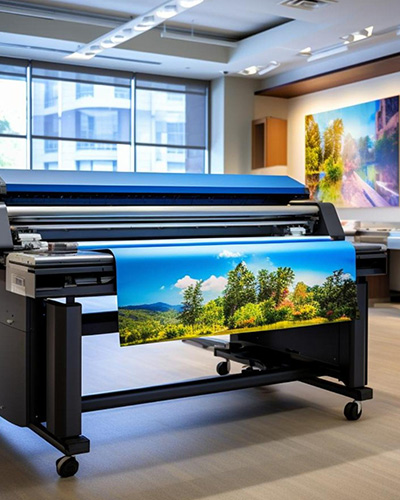
This is the most common method for producing large photo prints. Using large-format inkjet printers, digital wide-format printing offers high-resolution results with precise color reproduction. Modern inkjet printers utilize a variety of ink sets, including dye-based and pigment-based inks, to produce vibrant, detailed images with excellent longevity. Digital printing is flexible, allows for custom sizes, and supports quick turnaround times, making it ideal for personal projects, commercial displays, and photographic reproductions.
UV Printing
UV printing involves the application of ultraviolet light to instantly cure the ink onto the material surface. This technology is especially advantageous for printing directly onto rigid substrates like foam boards, glass, or metal, which are often used in large-scale displays. UV printing delivers highly durable images resistant to scratches, fading, and environmental factors, making it suitable for outdoor installations or high-traffic indoor environments. Because the ink bonds directly with the material, UV printing can also achieve precise color matching and detailed imaging on unconventional surfaces.
Advantages of Modern Printing Technologies
- Exceptional detail and color accuracy for large-scale images
- Ability to print on a variety of materials with different textures and finishes
- Quick production times suited for urgent projects
- High durability and resistance to environmental factors in UV printing
Design and Layout Considerations for Large Photos
Designing for large prints involves thoughtful consideration of composition, resolution, and image scaling. High-resolution images are necessary to prevent pixelation when enlarged. It’s equally important to consider the viewing distance; larger images can handle more detail, but ensuring elements are proportioned correctly within the space enhances visual impact. When preparing files, maintain a minimum resolution of 150-300 DPI at final print size to ensure crisp details. Additionally, layout should account for cropping and framing preferences, which influence the final appearance. Proper margins, consistent aspect ratios, and consideration of the display environment enhance the overall presentation of the large photo.
Color Calibration and Consistency
Accurate color reproduction is vital in large photo printing to ensure the final product matches the original image’s hues. Color calibration involves adjusting monitors and printers to a common standard, often using color profiles and calibration tools. This process minimizes discrepancies and assures consistent results across different media and print runs. Photographers and designers should work closely with print service providers who utilize advanced calibration techniques and high-quality inks for precise color matching, especially when reproducing artwork or images requiring exact tonal accuracy.
Understanding Large Print of Photos
Creating a large print of a photo involves more than simply enlarging an image. It requires careful consideration of image quality, resampling techniques, and the intended display environment. High-resolution images are essential to ensure that the enlarged photo retains sharpness and detail without appearing pixelated or blurry. Professional print services typically evaluate the original file to determine the best scaling method, whether through interpolation or vector-based adjustments, to optimize clarity. Additionally, attention must be paid to the aspect ratio, as stretching or cropping can distort the composition, impacting the overall aesthetic.
Enlarging images also amplifies any deficiencies such as noise, compression artifacts, or color inconsistencies. Thus, obtaining the highest quality source file and performing necessary retouching is crucial before printing. When dealing with digital archives or older photographs, digital enhancement techniques like noise reduction, sharpening, and color correction can significantly improve the final output. Choosing images with balanced contrast, vibrant yet natural colors, and sufficient detail at intended print size will result in impressive large-scale displays that captivate viewers and preserve the integrity of the original photograph.
Choosing the Right Photo for Large Printing
Not all images are equally suited for large-format printing. Selection should prioritize high-resolution files that are sharp and well-composed. Images with strong focal points and simple backgrounds often translate better at larger scales, ensuring that details are visible and the composition remains impactful. It’s also advantageous to select photos with optimal lighting and exposure, as these elements influence color vibrancy and clarity when printed at large sizes.
Consider the final display context—whether it’s a gallery, corporate lobby, or personal wall—when picking an image. The chosen photo should complement its environment and evoke the intended emotional response. Additionally, images with sufficient negative space or clean backgrounds tend to adapt well to large formats, providing a balanced visual experience. Digitally, it’s advisable to verify the image’s resolution, which should typically be at least 300 DPI at the intended print size, to ensure crisp details and prevent pixelation.
Materials and Paper Options for Large Prints
The quality of materials used significantly impacts the durability and visual appeal of large photo prints. Among the most popular options are:
- Fine Art Paper: Features a textured surface and high opacity, ideal for gallery displays and art reproductions.
- Glossy Paper: Enhances color vibrancy and contrast, suitable for striking images with vivid hues.
- Matte Paper: Offers a non-reflective surface, reducing glare and ideal for detailed images and large installations.
- Canvas: Provides a textured, artistic look that adds depth and character, perfect for gallery-style displays and home decor.
- PVC or Vinyl: Durable and weather-resistant, suitable for outdoor or high-traffic environments.
Each material has unique characteristics that influence the final appearance. For example, thicker, textured papers can add a tactile dimension that enhances the viewing experience, while glossy finishes make colors pop vividly. When selecting material, consider the environment where the print will be displayed, lighting conditions, and the desired aesthetic effect. Proper backing and framing are also essential to preserve the integrity of large photographs, especially with fragile or heavy materials like canvas.

Understanding Large Print of Photos
Producing a large print of a photo involves more than just enlarging an image to a substantial size. It requires a nuanced approach to ensure that the enlarged image retains its clarity, vibrancy, and overall impact. The key considerations include resolution, material quality, printing technology, and color management, all of which contribute to a result that not only captures the original image's essence but also stands out in its environment. When selecting a photo for large-scale printing, pay close attention to the original image’s quality and resolution. Digital images should ideally be captured at a minimum of 300 DPI at the intended print size to prevent pixelation and preserve sharp details. Proper planning and understanding of the various factors involved ensure the final product meets the expectations for visual excellence and longevity.

Choosing the Right Photo for Large Printing
Selecting an appropriate photograph is crucial for achieving a stunning large print. Images with high contrast, vivid colors, and clear subjects tend to translate well when scaled up. Photos captured with professional camera equipment often have the necessary resolution to handle significant enlargements without quality loss. Additionally, images with complex details or subtle gradations may require special attention during the post-processing stage to optimize their visual impact at large sizes. It’s also beneficial to choose photos with a strong focal point or compelling composition, as these elements become more prominent in large-format display. Before proceeding, evaluate the original image’s resolution and detail to ensure it can support the desired print size without compromising quality.
Materials and Paper Options for Large Prints
The selection of suitable materials markedly influences the durability, appearance, and overall presentation of large photo prints. Common options include:
- Fine Art Paper: Characterized by textured surfaces and high opacity, making it ideal for gallery displays and reproductions of artwork.
- Glossy Paper: Offers enhanced vibrancy and contrast, suitable for images intended to have a striking visual impact with vivid colors.
- Matte Paper: Features a non-reflective surface that minimizes glare, perfect for detailed images and large-format installation lighting considerations.
- Canvas: Adds an artistic, textured appearance, imparting depth and character to the photograph, commonly used for interior decor and gallery settings.
- PVC or Vinyl: Known for durability and weather resistance, making these options suitable for outdoor or high-traffic areas.
Each material offers unique aesthetic and tactile qualities. For instance, textured papers and canvas can heighten the sense of artistry, while glossy finishes can make colors appear more vibrant and eye-catching. Assess the environment where the print will be displayed, lighting conditions, and the desired visual effect to select the most appropriate material. Additionally, proper backing, framing, and mounting help preserve the integrity and longevity of large photographs, especially with heavier or more delicate materials like canvas.
Image Placeholder
Technical Considerations in Large Print Production
Beyond selecting the right image and materials, technical accuracy during the printing process is essential. This includes precise calibration of color profiles and profile management to ensure that the colors in the final print match the original intent. High-quality printers with advanced technologies such as inkjet or dye-sublimation are capable of producing sharp, vibrant images at large sizes. Proper color management workflows—comprising proofing, calibration of monitors, and adherence to color standards—help minimize discrepancies between displayed images on screen and the finished physical print. When choosing a printing provider, inquire about their calibration protocols and proofing options to guarantee accurate color reproduction that aligns with the envisioned aesthetic.
Maintenance and Display Tips for Large Photo Prints
Proper maintenance is crucial in preserving the beauty and integrity of large prints over time. Different materials and finishes require specific care routines to prevent damage, maintain color vibrancy, and extend the lifespan of the artwork or photograph. Understanding these maintenance principles ensures your investment remains visually striking and appropriate for long-term display.
For prints mounted on paper or canvas, regular dusting with a soft, dry cloth helps prevent buildup that can dull the surface or diminish visual clarity. Avoid using harsh cleaning agents or moisture-based cleaning methods, as they can cause warping or staining, particularly with delicate or textured surfaces. When cleaning large prints hung on walls, ensure that the area is free from excessive dust, smoke, or direct sunlight, which can accelerate fading and deterioration.
Proper environmental control is equally vital. To ensure longevity, maintain stable humidity levels—ideally between 40-50%—and avoid exposure to fluctuating temperatures or high humidity, which can lead to warping or mold growth. Additionally, positioning large prints out of direct sunlight minimizes UV damage and color fading, safeguarding the visual impact over the years.
When it comes to displaying large photo prints, appropriate framing and mounting techniques are essential. UV-protective glass or acrylic enhances the durability of framed prints, providing a barrier against dust, pollutants, and UV rays. Moreover, secure framing prevents unintended warping or shifting, especially in areas with high traffic or frequent vibrations. For canvas or metal prints, proper framing is often integrated into the manufacturing process, but additional hanging accessories should be chosen to ensure stability and even weight distribution.
Humidity and temperature control, combined with careful handling during installation, help prevent physical damage such as tears, creases, or surface abrasions. When relocating or cleaning large prints, always use gentle techniques and avoid contact with the surface to preserve the image's clarity and color fidelity. Overall, consistent upkeep, environmental awareness, and proper display techniques are vital to enjoying your large print of a photo for years to come.
Ensuring Optimal Maintenance and Display Techniques for Large Photo Prints
Proper maintenance and thoughtful display are essential to preserve the vividness, clarity, and overall visual impact of large photo prints over extended periods. Implementing strategic care routines and display protocols enhances durability, prevents damage, and maintains the integrity of the original image.
Effective Cleaning and Handling Practices
Handling large prints requires deliberate caution to avoid surface abrasions or unintended distortions. Always handle prints by the edges to minimize fingerprint or oil transfer onto the surface. When cleaning, use soft, lint-free cloths, preferably slightly dampened with distilled water. Refrain from using chemical cleaners or abrasive materials, as these can degrade the surface or alter color fidelity. For prints mounted under glass or acrylic, cleaning the protective layer gently with ammonia-free solutions ensures clarity without damaging the print beneath.
Proper Framing and Mounting Methods
Framing significantly extends the lifespan of large photo prints while enhancing their aesthetic appeal. Opt for UV-protective glass or acrylic to shield the print from harmful ultraviolet rays that accelerate fading. Acid-free matting and backing materials are recommended to prevent chemical interactions that could deteriorate the print over time. When mounting, consider using appropriate adhesives or mounting systems that accommodate the print's size and substrate, ensuring even adhesion and minimal stress points. For canvas or metal prints, integrated framing options or professional mounting ensure stability and secure display.
Optimal Placement and Environmental Conditions
Strategic placement of large prints is crucial to prevent extrinsic damage and preserve their vibrancy. Avoid positioning large photographs in direct sunlight, as the UV exposure accelerates color fading. Choosing a location with indirect, diffused light minimizes glare and maintains image clarity. Maintaining stable environmental conditions—ideally, consistent humidity levels between 40% and 50%, and temperatures around 20°C (68°F)—helps prevent warping, cracking, or mold growth. Regularly monitoring these parameters and employing humidifiers or dehumidifiers as needed creates a stable environment conducive to long-term preservation.
Regular Inspection and Long-term Preservation
Periodic inspections allow for early detection of potential issues such as surface dust, discoloration, or physical damage. Use a gentle approach to clean and check for signs of deterioration. For high-value or irreplaceable prints, consider professional conservation services for periodic assessment and preservation advice. Additionally, advanced storage solutions, such as climate-controlled display cabinets or protective cases, can offer further safeguarding from environmental threats, pollutants, or accidental damage.
Summary of Best Practices
- Handle prints carefully by the edges to prevent fingerprints or surface damage.
- Use professional framing with UV-protective glass, acid-free mats, and proper mounting systems.
- Place prints away from direct sunlight and sources of heat or moisture.
- Maintain consistent environmental conditions to minimize material stress and environmental degradation.
- Conduct regular inspections and clean using gentle, suitable methods.
- Consider protective storage or display cases for high-value or sensitive prints.
Adopting these detailed maintenance and display techniques ensures your large photo print remains a stunning visual centerpiece for years, retaining the vibrancy and detail as intended.