Overview of Large Scale Picture Printing
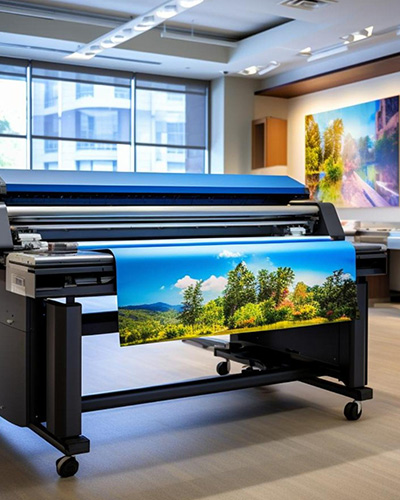
Large scale picture printing is a specialized printing process that involves creating expansive visual displays, often exceeding conventional print sizes. This method is employed across various sectors such as advertising, interior design, event management, and corporate branding, aiming to produce impactful visual impressions. The primary goal is to generate high-quality, vibrant images that maintain clarity and detail even at substantial dimensions.
Large format prints serve multiple purposes—including wall murals, banners, backdrops, and promotional displays—serving as powerful communication tools capable of capturing attention and conveying messages effectively. These prints are designed to withstand environmental conditions when used outdoors and to deliver sharp, consistent imagery in indoor settings. Whether for static displays or dynamic installations, understanding the fundamentals of large scale picture printing is essential for achieving the desired visual impact and longevity.

When it comes to implementation, the process involves careful consideration of material choices, printing technology, and post-print handling to ensure the output aligns with clients’ specifications and expectations. Overall, mastering large scale picture printing enables organizations to transform ordinary spaces into extraordinary visual experiences, making it a vital element in contemporary marketing and visual communication strategies.
Types of Large Scale Printing Technologies
To produce high-quality large format prints, several advanced printing technologies are utilized, each with unique capabilities suited to different requirements.
- Solvent and Eco-Solvent Printing: Known for their durability and vibrant color reproduction, solvent printers are ideal for outdoor displays due to their resistance to weather elements.
- UV Printing: Utilizing ultraviolet light to instantly cure inks, UV printing produces sharp images on various substrates with minimal odor and environmental impact.
- Latex Printing: A versatile and environmentally friendly option, latex printers deliver flexible, weather-resistant prints suitable for both indoor and outdoor applications.
- Piezoelectric Inkjet Printing: Offering high resolution and color accuracy, this technology is preferred for detailed images and fine art reproductions at large scales.
The choice of technology directly influences the final product’s quality, durability, and cost-effectiveness, making it crucial to select the optimal solution based on specific project needs.
Materials and Substrates for Large Scale Prints
The selection of materials significantly impacts the appearance, lifespan, and installation process of large format prints. Common substrates include:
- Vinyl: Popular for banners and outdoor signage due to its weatherability and durability.
- Canvas: Ideal for art reproductions and gallery displays, offering a textured, high-end aesthetic.
- Backlit Films: Designed for illuminated signs and window displays, providing excellent light diffusion.
- Mesh Fabrics: Suitable for large outdoor banners where wind resistance is a concern.
- Paper and Poster Board: Used for indoor displays and temporary signage, providing ease of installation.
Material choice depends on factors such as environment, expected lifespan, and visual quality, requiring precise consideration during the planning phase.
Design Preparation and Resolution Requirements
Effective large scale printing begins with meticulous design preparation. A high-resolution image is vital, as scaling up can amplify any visual flaws, resulting in blurry or pixelated results. Typically, images should be prepared at a resolution of at least 150 dpi at the final print size, with 300 dpi preferred for detailed visuals or close-up viewing.
Design files should be formatted correctly, often in high-quality formats like TIFF or PDF, ensuring color profiles are embedded for accurate reproduction. Bleeds and margins must be accounted for to facilitate seamless installation and to avoid unwanted trimming of important visual elements.
Color Management and Accuracy
Color fidelity is a cornerstone of high-quality large format printing. Professionals utilize advanced color management systems to calibrate monitors and printers, ensuring the colors displayed on digital screens match the printed output. The use of standardized color profiles, such as CMYK, plays a crucial role in maintaining consistency across different production runs.
Employing color proofing before the final print allows for adjustments to be made, mitigating the risk of unexpected color shifts. As a result, clients receive images that meet their expectations and convey brand accuracy and visual appeal.
Installation and Handling of Large Prints
Handling large-scale prints requires specialized equipment and techniques to prevent damage during installation. Panels are often mounted on sturdy frames or directly adhered to surfaces using appropriate adhesives or tensioning systems. Techniques such as mechanical fasteners, velcro, or magnetic strips are employed depending on the substrate and environment.
Proper handling minimizes wrinkles, tears, or misalignments, which can compromise the visual integrity of the display. Professionals ensure that mounting surfaces are perfectly prepared, and that prints are stored properly during transit to maintain quality up to the installation point.
Applications of Large Scale Picture Printing
The applications are diverse, with usage spanning multiple sectors:
- Advertising and Promotional Displays: Banners, billboards, and trade show backdrops that attract attention at events or in public spaces.
- Interior Design: Wall murals, customized art installations, and decorative panels enhancing interior aesthetics.
- Corporate Branding: Signage, office murals, and branding visuals reinforcing company identity.
- Event and Exhibition Settings: Large-format backdrops and stage designs that create immersive environments.
- Architectural and Exterior Signage: Durable signs and wayfinding panels for outdoor environments.
Choosing a Printing Service Provider
Selecting an experienced and reputable printing service provider is crucial for achieving top-notch large scale prints. Consider providers with extensive expertise in large format technology, a portfolio of successful projects, and adherence to industry standards for quality and environmental practices. It's essential to evaluate their capabilities in material selection, color management, and installation services. Thorough communication and detailed project consultations with the provider ensure the final product aligns with your vision and requirements.
Types of Large Scale Printing Technologies
When it comes to large scale picture printing, the choice of technology directly influences the quality, durability, and cost-effectiveness of the final product. Each technique is suited to specific types of materials and applications, offering unique advantages that professionals carefully assess to meet client needs.
One of the most prevalent methods is inkjet printing, renowned for its high-resolution output and versatility. Modern wide-format inkjet printers utilize advanced ink formulations and precise droplet control to produce vibrant, detailed images on numerous substrates. This method is ideal for producing wall murals, art reproductions, and decorative panels where color accuracy and fine detail are paramount.
Flexographic printing, while traditionally associated with packaging, also serves certain large-scale applications such as banners and wraps that require rapid production and cost efficiency. Its use of flexible relief plates enables consistent reproduction of repetitive designs across large batches, making it suitable for commercial environments where volume and uniformity are key.
Solvent and Eco-Solvent printing technologies have gained popularity for outdoor advertising due to their robust ink formulations that resist weather elements. These printers utilize solvent-based inks to adhere to diverse substrates, including vinyl, fabric, and rigid substrates, offering excellent durability and color vibrancy without the need for additional coatings.
For specialized needs, UV flatbed printing presents a solution that allows direct printing onto substrates like glass, wood, or metal. UV inks are instant-drying and cured using ultraviolet light, resulting in highly detailed images with a tactile surface and exceptional longevity, suitable for both indoor and outdoor displays.
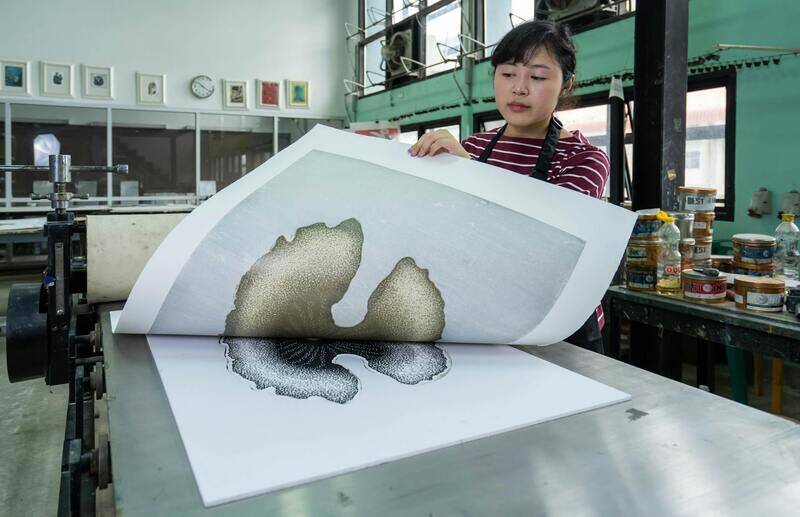
Choosing the appropriate technology depends on factors such as material compatibility, intended longevity, environmental exposure, and project scale. Professional print service providers meticulously evaluate these parameters to select the most effective printing method, ensuring the final output meets both aesthetic and practical requirements.
Materials and Substrates for Large Scale Prints
Successful large scale picture printing begins with selecting the appropriate materials and substrates that match the project's specific requirements. Different surfaces offer unique properties that influence print quality, durability, and overall visual impact. Awareness of these options ensures clients receive a finished product that aligns with their expectations and environmental conditions.
Vinyl remains one of the most popular choices for large-scale prints, especially for outdoor applications such as billboards, banners, and signage. Its flexibility, weather resistance, and ease of installation make it a versatile substrate suitable for various environments. Moreover, vinyl prints are known for their vibrant color reproduction and longevity, even in harsh weather conditions.
Fabric substrates, including mesh and polyester fabrics, are commonly used for scenic backdrops, event banners, and indoor displays. These materials offer lightweight mobility and excellent color rendering. Their breathability and ease of handling make them a practical choice for temporary or semi-permanent displays.
Canvas and other textured materials provide a sophisticated aesthetic, often used for art reproductions, gallery displays, or high-end promotional visuals. The textured surface enhances the depth and richness of printed images, creating a more tactile and visually engaging experience.
Rigid substrates such as acrylic, aluminum composite panels, glass, and wood are ideal for high-end signage, decorative panels, or artistic installations. These materials offer excellent durability, allowing for detailed UV printing and providing an upscale look that withstands environmental elements effectively.
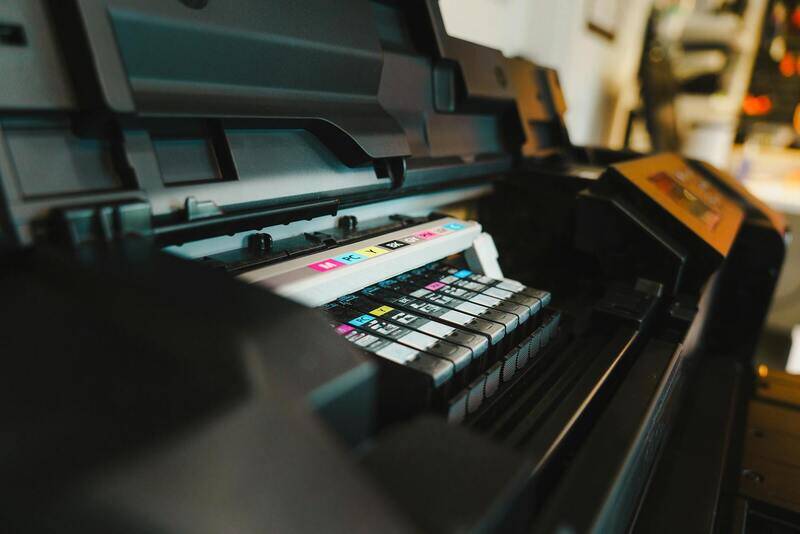
Each material's advantages are tailored to specific usage scenarios. Vinyl’s flexibility and weather-resistance make it perfect for outdoor advertising, while fabric's lightweight nature suits temporary displays. Rigid substrates are chosen for artistic or upscale signage that demands detail and longevity. Considering environmental exposure, installation requirements, and aesthetic goals helps in choosing the ideal substrate for a given project.
Professional print providers assess these factors carefully, ensuring the materials used can withstand the conditions they will face and that they deliver the intricate detail and color fidelity clients expect.
Optimal Design Preparation and Resolution Considerations for Large Scale Prints
To achieve exceptional quality in large scale picture printing, meticulous preparation of digital artwork is essential. Start with creating your design at a high resolution, ideally 300 dots per inch (DPI) or higher at the final print dimensions. This prevents pixelation and ensures sharp, clear images upon enlargement. For instance, if your desired print size is 10 feet wide, the working file should be constructed with dimensions that support this scale without compromising detail.
It’s advisable to use lossless file formats such as TIFF or PSD for the final artwork, as these preserve image integrity without compression artifacts. Vector graphics are also highly beneficial for logos, icons, or text overlays since they retain sharpness regardless of scale. Including bleed margins of at least 2 inches ensures that no unprinted edges are visible post-trimming, especially for wall murals, banners, or large canvases.
When designing for large format printing, pay attention to the color mode; utilize the CMYK color space to better match the printer's capabilities. Embedding color profiles within your files helps maintain consistency across different devices and during printing. Proofing digitally before sending the final file to production allows for adjustments in color accuracy and detail, minimizing surprises during the final output.
Additionally, consider the viewing distance when preparing your artwork. Images intended for close-up inspection require more detailed elements and higher resolution, whereas those seen from afar can be slightly less detailed without losing visual impact. Consulting with your chosen printing service provider early in the design process can help identify specific technical requirements and optimize your artwork accordingly.
Installation and Handling of Large Prints
Proper installation and handling are critical elements in ensuring that large-scale pictures retain their visual impact and structural integrity once displayed. Given the considerable size and weight of these prints, careful planning and execution are essential to prevent damage and to achieve a seamless, professional appearance.
Pre-Installation Preparation
Before installation begins, conduct a thorough inspection of the print to check for any damages incurred during transportation or handling. Confirm that the mounting surface is clean, smooth, and suitable for the chosen adhesive or fixture. If mounting involves adhesives, select high-quality, appropriate materials that can support the weight of the print and prevent sagging or warping over time.
Handling Techniques
- Use multiple personnel or specialized equipment like lifting straps or dollies for moving large prints, minimizing stress on the material and reducing the risk of tears or creases.
- Always handle prints by the edges to avoid leaving fingerprints, smudges, or damaging the printed surface. Wearing gloves can provide additional protection against contaminants.
- When packaging large prints for transport, utilize protective coverings such as cardboard, foam, or bubble wrap, especially around fragile edges or corners.
Mounting Methods
The method of mounting largely depends on the material of the print and its intended environment. Common installation techniques include:
- Wall Mounting with Frames: For canvas or paper prints, framing provides added protection and ease of installation. Secure hooks or rail systems compatible with the weight and size are recommended.
- Direct Adhesive Mounting: Used with vinyl or flexible materials, this method involves adhesive application directly onto the surface. Ensure proper surface preparation to maximize adhesion.
- Panel Mounting: Large prints can be affixed onto sturdy backing panels such as aluminum or wood, providing flatness and support for exhibition or outdoor use.
Environmental Considerations
During installation, account for environmental factors such as humidity, temperature fluctuations, and direct sunlight. Certain materials may be sensitive to these conditions, leading to warping, fading, or deterioration. Installing protective coatings or choosing UV-resistant materials can prolong the lifespan and maintain the quality of large-format prints.
Post-Installation Care
Once installed, perform regular inspections to check for signs of damage or detachment. Cleaning should be done carefully, using soft, non-abrasive cloths and appropriate cleaning solutions to remove dust and debris without harming the print surface.

Installation and Handling of Large Prints
Proper installation and careful handling are crucial steps in preserving the integrity and visual impact of large-scale picture prints. These practices also help minimize potential damage during transportation, setup, and regular maintenance, ensuring that the artwork or signage maintains its quality over time.
Preparing for Installation
Before commencing installation, conduct a thorough site assessment. Measure the designated space precisely to confirm that the print dimensions fit appropriately. Inspect the mounting surfaces for stability, cleanliness, and suitability. For outdoor or high-traffic environments, consider protective measures such as weatherproof coatings or reinforced mounting hardware to withstand environmental stresses.
Transporting Large-Scale Prints Safely
Transporting large prints requires meticulous packing to prevent scratches, tears, or deformation. Use custom crates or padded covers that secure the print firmly without exerting excessive pressure. Handles or lifting devices should be employed to distribute weight evenly and prevent accidental falls. If possible, coordinate transportation during off-peak hours to reduce vibrations and shocks, especially for fragile materials.
Handling During Installation
When handling large prints, always wear gloves to avoid transferring oils or dirt onto the surface. Use appropriate lifting equipment such as suction lifters, extendable poles, or dollies to manage weight and size effectively. Avoid bending or flexing the print unnecessarily, as this could cause warping or damage. Work with a team to ensure stability and safety, particularly when maneuvering the print into position.
Installation Techniques
Choose installation methods compatible with the material and setting. For wall-mounted displays, ensure that mounting hardware is securely anchored into appropriate studs or supports. Use level guides and laser pointers to align the print accurately. For outdoor installations, consider the use of weather-resistant fasteners and protective coatings to enhance longevity. When mounting onto panels or frames, ensure that all attachments are tight and evenly distributed to prevent warping or sagging.
Post-Installation Maintenance
Once installed, regular inspections are essential to identify early signs of damage or wear. Cleaning the print surface with soft, lint-free cloths and gentle cleaning solutions allows for dust removal without compromising surface integrity. For outdoor displays, periodic reapplication of protective coatings can prolong lifespan. Any mounting hardware showing signs of corrosion or loosening should be promptly repaired or replaced to maintain secure installation and aesthetic appeal.
Safety Considerations
Handling large prints involves potential safety risks such as back strain, falls, or pinched fingers. Always employ proper lifting techniques, utilize appropriate tools, and ensure that pathways are clear during installation. Training personnel on safe handling procedures minimizes accidents and ensures a professional setup.
Handling and Maintenance of Large Scale Prints
Proper handling and maintenance of large-scale picture prints are crucial for preserving their visual impact, structural integrity, and overall lifespan. Given the substantial size and display environment of these prints, specialized techniques and careful procedures must be observed to prevent damage during installation and ongoing upkeep.
Safe Handling Procedures
When managing large prints, the risk of personal injury or surface damage must be minimized. Use multiple handlers for lifting and moving heavy or unwieldy pieces to evenly distribute weight and reduce strain. Employ appropriate lifting equipment such as stair climbers, dollies, or lifts designed for heavy loads. Always wear safety gear, including gloves and supportive footwear, to prevent accidents during handling.
Transporting large prints requires secure packaging. Wrap the surface in soft, protective materials like foam or bubble wrap, ensuring that edges and corners are reinforced against impacts. Mark packages clearly to alert handlers to the fragile nature of the contents and to prompt careful handling during transit.
Cleaning and Regular Inspections
Routine cleaning maintains the visual quality of the print and prevents dirt buildup that can degrade colors and surface materials. Use soft, lint-free cloths or microfiber dusters to gently remove dust and loose particles. For stubborn stains or grime, employ mild, non-abrasive cleaning solutions compatible with the print’s material. Avoid harsh chemicals or abrasive scrubbing that could scratch or discolor the surface.
Scheduled inspections are vital to assess the physical condition and identify early issues such as surface scratches, peeling, or hardware loosening. For outdoor displays, check protective coatings and reapply as necessary to sustain weather-resistance. Regular maintenance not only extends the lifespan but also ensures the print remains visually striking over time.
Proper Storage When Not in Use
If a large print must be stored temporarily, keep it rolled or laid flat in a climate-controlled environment. Use thick, acid-free wrapping to prevent dust accumulation and physical abrasion. Ensure the storage area is free from extreme temperatures, humidity, and direct sunlight, which can cause warping, fading, or material deterioration.
Installation and Handling Tips
During installation, ensure that the supporting structures or mounting hardware are precisely aligned and firmly secured. Professionals often utilize laser guides or leveling tools to achieve accurate placement. Handling large prints with assistance minimizes strain and prevents accidental tears or deformation.
Post-installation, routine checks are necessary to verify hardware stability and surface condition. Promptly address any issues like loosened fasteners or surface damages to maintain safety and display quality.
Official and Proven Methods for Large Scale Picture Printing
When it comes to producing large scale images, relying on professionally recognized printing techniques ensures that the final product meets high standards of quality, durability, and visual impact. Many established methods are backed by industry standards, utilizing advanced technology and premium materials to achieve optimal results. These methods include digital inkjet large format printing, solvent and eco-solvent printing, UV-curable printing, as well as chromogenic and dye sublimation processes, each suited for specific applications and material compatibility.
Digital Inkjet Large Format Printing
This is the most prevalent method for large scale picture printing, favored for its precision, versatility, and ability to handle a variety of substrates such as vinyl, fabric, canvas, and film. Digital inkjet printers use piezoelectric or thermal bubble technology to eject microscopic droplets of ink onto the surface, creating vibrant, high-resolution images. This method allows for printing on both rigid and flexible materials, making it highly adaptable across industries and requirements.
Solvent and Eco-Solvent Printing
Designed primarily for outdoor applications, solvent printing utilizes highly durable inks that are resistant to water, UV rays, and scratching. Eco-solvent variants are environmentally friendlier, emitting fewer volatile organic compounds (VOCs) while offering comparable durability. These methods are ideal for banners, billboards, vehicle wraps, and other outdoor signage that require weather resistance and color longevity.
UV-Curable Printing
UV printing employs ultraviolet light to instantly cure inks on contact with the substrate. This technique allows for printing on non-porous surfaces such as acrylic, glass, or metal, resulting in vibrant, scratch-resistant images with a high gloss finish. UV printing is particularly suitable for POP displays, point-of-sale materials, and fine art reproductions where sharp detail and durability are paramount.
Chromogenic and Dye Sublimation
For photographic reproductions and fine art, chromogenic and dye sublimation printing are specialized, official methods. Chromogenic printing involves chemical processes to produce accurate color gradations, while dye sublimation uses heat to transfer dyes onto polyester fabrics or coated surfaces, creating vivid, long-lasting images with excellent color vibrancy and durability.
Material Selection and Substrate Certification
To ensure the highest quality, it’s essential to choose materials and substrates that are approved or certified for large format printing. Materials such as PVC banners, canvas, aluminum panels, glass, or high-quality fabrics are supplied by vendors that adhere to strict manufacturing standards. These certified materials guarantee compatibility with specific inks, minimizing issues with color fidelity, adhesion, or long-term wear.
Ensuring Color Accuracy and Consistency
Reliable large scale printing employs professional color management workflows involving ICC profiles, calibrated monitors, and color proofing processes. This precision ensures that the printed visuals match specifications, brand colors, and design expectations across multiple production runs and media types. Accurate color reproduction is vital for maintaining brand integrity and achieving the desired visual impact.
Handling and Installation of Large Prints
Proper handling protocols during storage, transportation, and installation are critical to prevent damage and ensure aesthetic quality. Professional installation services utilize specialized equipment such as lifting devices, level guides, and mounting tools to position large prints securely. Regular inspection during installation helps identify potential issues early, safeguarding against tearing, warping, or misalignment.
Quality Assurance and Compliance
Trusted providers always perform quality checks, including color consistency, surface smoothness, and adhesion strength. Certifications and adherence to industry standards for environmental safety and material biodegradability are indicators of a service’s commitment to quality. These practices guarantee that large scale artwork remains vivid, well-preserved, and compliant with relevant environmental regulations.
Image Placeholder 1
Image Placeholder 2