Understanding Large Size Picture Printing
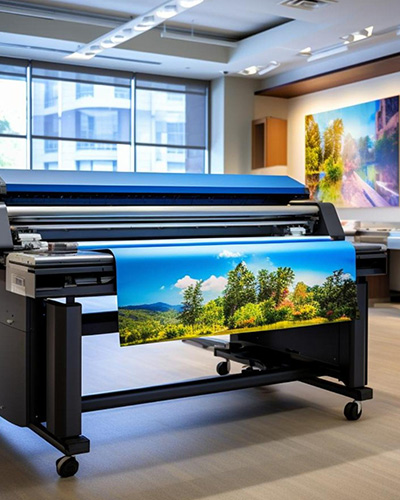
Large size picture printing is a specialized process that transforms digital images into substantial physical displays, often measuring several feet in width and height. This technique is widely utilized across various domains, including commercial advertising, interior décor, fine art exhibitions, and event signage. The process involves scaling a digital image to a size that retains visual clarity and detail, ensuring that the final print remains impactful and professional.
In applications such as wall murals, gallery displays, and promotional banners, high-resolution images are paramount. They must be captured or designed with sufficient detail so that when enlarged, the image does not lose sharpness or exhibit pixelation. This makes the selection of high-quality source files essential, often requiring images to be at least 150–300 DPI (dots per inch) at the desired print size.
The significance of high-resolution images cannot be overstated; they directly influence the print’s visual clarity and overall aesthetic. Adequate resolution, combined with proper color information and detailed composition, ensures that the enlarged print maintains the integrity and vibrancy of the original design. Equally important is choosing the right printing method and materials, as these aspects collectively determine the durability, appearance, and overall quality of the finished product.
Moreover, understanding the scale and viewing distance is crucial—larger prints designed for viewing from afar may tolerate slightly lower resolution, while those intended for close-up viewing require meticulous high-resolution images. Proper preparation and attention to detail in the initial stages set the foundation for achieving exceptional large format prints that leave a lasting impression.
Choosing the Right Materials and Substrates
Selecting appropriate materials and substrates is vital for achieving high-quality large size picture prints that are durable and visually appealing. Different applications demand various substrates, each offering unique benefits in terms of texture, finish, and longevity. The choice of substrate can significantly influence the final appearance of the print and its ability to withstand environmental conditions.
Common materials include vinyl, canvas, fabric, foam board, and specialized photo papers. Vinyl, for instance, is highly versatile and weather-resistant, making it ideal for outdoor banners and signage. Canvas printing offers a textured, artistic appearance suitable for gallery displays and interior decor, providing a sophisticated aesthetic that enhances the visual depth of images. Fabric substrates often deliver a soft, matte finish, which reduces glare and lends a timeless quality to large artwork or photographic prints.
When selecting substrates, consider factors such as:
- Intended Location: Outdoor vs. indoor placement influences material durability requirements.
- Visual Effect: Matte, gloss, or satin finishes impact how colors and details are perceived.
- Ease of Installation: Lightweight materials facilitate handling and mounting.
- Environmental Conditions: Resistance to moisture, UV rays, and temperature fluctuations extends the lifespan of the print.
For professional results, it is advisable to consult with printing specialists who can recommend substrates aligned with the specific project goals. High-quality materials, combined with precise printing techniques, guarantee vibrant, enduring images that meet both aesthetic and practical expectations.
Understanding Large Size Picture Printing
Large size picture printing is an intricate process that requires attention to detail at every stage, from selecting the right materials to final installation. It involves enlarging high-resolution images to display impressive scale without sacrificing clarity, color vibrancy, or structural integrity. Such prints are increasingly popular for commercial advertising, interior aesthetics, and outdoor displays, demanding precision in production techniques. Achieving optimal results hinges on understanding the different factors influencing print quality, including image resolution, material compatibility, and environmental resilience.
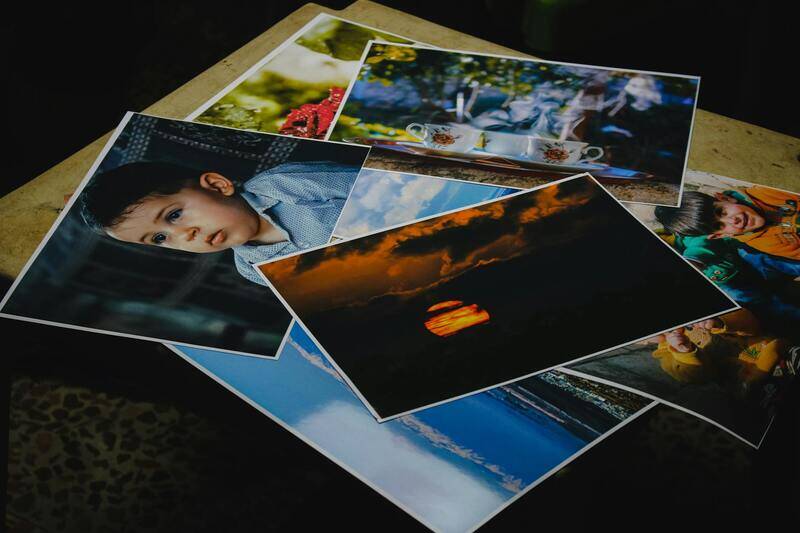
When embarking on large scale printing projects, it is essential to recognize that not all images translate perfectly at increased sizes. Image resolution must be sufficiently high to prevent pixelation, and color profiles must be meticulously managed to ensure consistency from monitor to print. Additionally, evaluating the intended display environment helps determine appropriate printing techniques and material choices, ultimately enhancing the visual impact and durability of the final product.
Factors to Consider for Optimal Large Format Prints
- Image Resolution: Ensure that the original image has a minimum resolution of 150-300 DPI at the final print size. Low-resolution images will appear blurry or pixelated when enlarged.
- Color Accuracy: Employ a calibrated monitor and color management workflows to match the digital design with the printed output accurately.
- Material Compatibility: Select substrates compatible with your environment and display method to maximize lifespan and appearance.
- Environmental Conditions: For outdoor environments, consider weather-resistant materials and UV protection to prevent fading and damage over time.
- Profitability and Efficiency: Optimizing file preparation and choosing the appropriate printing technology can streamline production, reducing costs while maintaining high quality.
Creative Applications and Impact
Large format printing empowers businesses and artists to make bold visual statements. It is employed in various settings such as retail storefronts, trade show displays, murals, and architectural installations. The ability to produce striking images at substantial scales offers a powerful tool for branding, artistic expression, and environmental design. When executed with precision, large size pictures can captivate audiences and convey messages with clarity and emotional resonance that smaller images cannot achieve.
Leveraging Professional Expertise
Given the complexity of large format printing, collaborating with experienced printing specialists is highly recommended. These professionals bring extensive knowledge of the latest technologies, materials, and finishing techniques, ensuring that each project meets exact specifications. Their expertise guarantees detailed image reproduction, color fidelity, and the structural durability necessary for long-lasting displays. Proper consultation at the planning stage can help avoid costly errors and optimize the visual impact of the finished product.
Understanding Large Size Picture Printing
Large size picture printing involves transforming digital images into physical displays that can span several meters, requiring precision and specialized equipment to maintain clarity and detail at significant scales. This process is ideal for creating impactful visual statements in commercial, artistic, or decorative contexts. Successful large-format printing depends on selecting the appropriate technology, materials, and finishing techniques to deliver high-resolution images that remain vivid and durable over time.
Types of Printing Technologies for Large Pictures
When it comes to producing large size pictures, choosing the right printing technology is crucial. Each method offers unique advantages suited to specific project requirements, whether for indoor or outdoor use, short-term displays or permanent installations.
- UV Printing: UV flatbed printers cure ink instantly using ultraviolet light, enabling direct printing onto rigid or flexible substrates. This method offers excellent color accuracy, sharp detail, and durability against environmental factors, making it suitable for outdoor signage and architectural elements.
- Solvent and Eco-Solvent Printing: These printers use solvent-based inks that penetrate substrates, delivering vibrant colors with high longevity. They are especially effective for landscapes, banners, and vehicle wraps, where weather resistance is a priority.
- Latex Printing: Latex technology combines environmental benefits with flexibility and durability. It produces weather-resistant prints that are suitable for both indoor and outdoor advertising, with the added benefit of being easily removable and repositionable.
- Large-Format Inkjet Printing: A versatile approach that uses aqueous inks to produce high-resolution images on a variety of media. While primarily used indoors, advances have enabled its application on outdoor-friendly materials, particularly with additional protective coatings.

Choosing the Right Materials and Substrates
The selection of materials significantly impacts the visual quality, durability, and suitability of the printed large images. Different substrates serve distinct environments and purposes, making it essential to match the medium with the intended display conditions.
- Vinyl Banners and Mesh: Ideal for outdoor signage due to their weather-resistant properties and flexibility. Mesh fabrics allow wind passage, reducing strain on hanging structures.
- Canvas and Fabric: Perfect for fine art reproductions or interior decor, offering a textured appearance that enhances visual richness.
- Acrylic and Plexiglas: Provide a sleek, modern aesthetic and are UV-resistant, suitable for high-end displays and museum-quality prints.
- Foam Board and Dibond: Rigid substrates that support mounting large images indoors, useful for exhibitions and displays requiring lightweight durability.
Additionally, protective coatings such as UV lamination or anti-Graffiti layer can prolong the lifespan of the prints, safeguarding against scratches, fading, and environmental damage. Understanding the specific demands of each setting ensures the chosen media will support the visual impact while maintaining long-term integrity.
Considerations for Selecting Materials and Technologies
- Intended Location: Indoor vs outdoor environment influences material choice for weather resistance and UV protection.
- Display Duration: Temporary displays may prioritize cost-effectiveness, while enduring installations benefit from more durable substrates.
- Color Fidelity: Materials that support rich color reproduction are essential for high-impact visual messaging.
- Ease of Installation: Lightweight substrates facilitate handling and mounting, especially for large or complex configurations.
Ultimately, close consultation with printing experts ensures that the selected combination of technology and material aligns with project goals, budget constraints, and environmental considerations, leading to impactful, long-lasting displays in any setting.
Preparing Images for Large Format Printing
Creating stunning large-sized images for printing requires meticulous preparation to ensure the final output is sharp, vibrant, and true to the intended design. The process begins with selecting high-resolution images that can sustain enlargement without loss of detail, typically at least 300 DPI at the final print size. When images are scaled up, even minor quality issues become magnified, so utilizing the highest quality digital files is essential.
Adjusting images in professional editing software allows for optimizing contrast, brightness, and color balance to match the desired visual impact. It is crucial to work with color profiles that align with the printing process, such as Adobe RGB or sRGB. Embedding these profiles ensures color consistency across devices and during the print process, maintaining the integrity of the original colors.
Resolution and File Format Considerations
- Resolution: Always work with the highest resolution possible. For large prints, a resolution of 300 DPI at final size is standard, but for very large banners or billboard-scale prints, 150 DPI can suffice due to the viewing distance.
- File Formats: Use lossless formats such as TIFF or PSD to preserve image details during editing. JPEGs should be saved at maximum quality to prevent compression artifacts that compromise clarity.
- Color Consistency: Regularly check color calibration on your editing monitors to match the standards required for the printing process.
Considerations for Adjusting Images for Large Format Printing
Scaling images for large format printing involves more than just enlarging the file. Upsampling algorithms can introduce pixelation or blurring, so employing advanced resizing techniques in editing software is recommended. Additionally, sharpening filters tailored for large prints help enhance edge details that may become softened during scaling.
Another key aspect is ensuring sufficient contrast and vibrancy, which can be fine-tuned after the initial preparation. For outdoor applications, adding a slight color boost or contrast enhancement can help the image stand out under various lighting conditions.
Understanding Large Size Picture Printing
Large size picture printing involves producing images that are significantly bigger than standard formats, often used for visual displays, advertising, decor, or artistic installations. This process requires meticulous planning and expertise to ensure the final product maintains high quality and visual impact. It involves scaling high-resolution digital images, selecting appropriate materials, and utilising advanced printing technologies to reproduce vibrant, detailed images on a large scale. The primary goal is to achieve sharpness, color fidelity, and durability, whether for indoor or outdoor use. Additionally, understanding the intended viewing distance influences choices related to resolution and material strength, ensuring that the large format print looks impressive without appearing pixelated or blurred from afar.
Types of Printing Technologies for Large Pictures
To accomplish high-quality large size picture printing, several technologically advanced methods are employed. Each technique offers unique benefits suited to different applications, budgets, and material compatibilities. The main technologies include:
- UV Flatbed Printing: Perfect for rigid substrates like acrylic, glass, wood, or metal, UV printing uses ultraviolet light to instantly cure ink, resulting in vibrant images with excellent durability and scratch resistance. It allows for printing directly onto diverse surfaces without the need for transfer media.
- Solvent and Eco-Solvent Printing: Commonly used for outdoor banners, posters, and vinyl graphics, these methods utilize solvent-based inks known for their weather resistance and color vibrancy. Eco-solvent options are environmentally friendlier and suitable for indoor applications where low VOC emissions are needed.
- Latex Printing: Known for its flexibility and eco-friendliness, latex printing is ideal for banners, wall coverings, and vehicle wraps. It produces highly elastic prints, suitable for surfaces that require some movement or bending.
- Lithographic and Screen Printing: Though less common today for large photographic prints, these methods are suitable for mass production of large, consistent images on fabric or paper materials.

Choosing the Right Materials and Substrates
Selecting appropriate materials is critical to ensure the longevity and presentation quality of large format prints. The choice depends on the intended display environment, usage lifespan, and surface compatibility. Considerations include:
- Vinyl: Ideal for outdoor banners, vehicle wraps, and signage due to its durability and weather resistance.
- Canvas: Suitable for fine art reproductions, murals, or interior decor, offering a textured look that enhances image depth.
- Acrylic and Dibond: Used for wall-mounted displays, signage, or retail fixtures, providing a sleek, modern appearance with high durability.
- Polyester and Fabric: Excellent for soft signage or drapery, especially when flexibility or transportability is required.
- Specialty Films and Textured Substrates: For artistic effects, reflective, matte, or textured materials can add unique visual appeal.
In addition to material selection, preparation of surface cleanliness and coating treatments can significantly influence ink adhesion and overall image clarity. Proper handling and storage are also essential to maintain material integrity before printing.
Preparing Images for Large Format Printing
Proper image preparation ensures crisp, detailed results at large scales. This involves several key steps:
- High-Resolution Files: Use images with a minimum of 300 DPI at the final print size for optimal detail. For very large pieces, a lower DPI may be acceptable due to viewing distance but should still maintain clarity.
- Color Profile Management: Embed accurate color profiles such as Adobe RGB or sRGB to ensure color consistency across devices and during printing.
- Upsampling Techniques: Employ advanced resizing algorithms to enlarge images while minimizing pixelation. Use software with edge-preserving sharpening to maintain detail clarity.
- Contrast and Vibrancy Adjustment: Fine-tune brightness, contrast, and saturation levels to maximize visual impact, especially for outdoor or high-traffic displays.
- File Formats: Save final files in lossless formats like TIFF or high-quality PSD, ensuring no compression artifacts compromise image quality.

Color Management and Calibration
Maintaining consistent color output across large format prints requires rigorous calibration of editing monitors and printers. Techniques include:
- Monitor Calibration: Regularly calibrate monitors using spectrophotometers to ensure color accuracy during the editing process.
- Printer Calibration: Use standard color targets and profiles tailored to specific printers and inks used, ensuring that the final print matches the digital proof.
- Environmental Control: Keep printing environments at consistent temperature and humidity to prevent variegation caused by environmental factors.
- Color Profiling Software: Leverage professional color management tools to embed accurate profiles and verify color fidelity before printing.
Understanding Large Size Picture Printing
Large size picture printing involves producing high-resolution images on expansive materials suited for displays, murals, or promotional signage. To ensure the best results, it’s essential to comprehend the specific requirements associated with large format printing. This process typically demands specialized equipment capable of handling oversized media, precise color reproduction, and high-quality materials that can withstand environmental conditions if used outdoors. Techniques such as UV printing, inkjet, or solvent printing are commonly utilized in this realm, each offering distinct advantages depending on the desired durability, finish, and application.
Attention to detail during preparation stages significantly impacts the final output. Proper file setup, resolution, and color profiles must be managed meticulously to prevent degradation of image quality when scaled up. Large format printing is not just about enlarging images; it’s about preserving clarity, color fidelity, and durability, ensuring that the visual impact remains compelling whether viewed up close or from a distance.
Choosing an appropriate output method and materials aligned with the intended environment and display duration is crucial. For instance, indoor banners might utilize lightweight fabric or vinyl, while outdoor signage demands weather-resistant substrates like rigid panels or laminated materials. Employing professional large format printing services guarantees that each step, from image preparation to final installation, adheres to industry standards, producing vibrant, durable large-sized images that captivate audiences and withstand environmental stressors over time.
Types of Printing Technologies for Large Pictures
Multiple advanced printing technologies are suitable for producing large size images, each optimized for specific substrates and application contexts:
- UV Printing: Utilizes ultraviolet light to instantly cure inks onto various surfaces, ideal for rigid or non-porous materials such as acrylic, glass, or wood. UV printing produces sharp details and vibrant colors, with excellent resistance to scratching and weathering.
- Solvent and Eco-Solvent Printing: Employs solvent-based inks that penetrate and adhere strongly to outdoor substrates like vinyl and banners. Known for their durability, these prints are resistant to fading and moisture, making them suitable for outdoor signage and billboards.
- Piezoelectric Inkjet Printing: The most common method for large format images, this technique uses tiny nozzles to deposit inks precisely on flexible materials like fabric, vinyl, or paper. It offers high-resolution output and a broad color gamut, suitable for fine art reproductions or promotional displays.
- Latex Printing: Combines the benefits of solvent and water-based inks, providing environmental friendliness and flexibility. Latex prints are versatile, capable of being used both indoors and outdoors, with excellent surface conformity and quick drying times.
Choosing the Right Materials and Substrates
Perfectly matching the material with the intended use, location, and exposure conditions is vital for achieving long-lasting large prints. The selection process involves evaluating several factors:
- Durability Requirements: For outdoor displays, use weather-resistant materials such as coated vinyl, rigid foam boards, or composite panels that resist UV exposure, moisture, and temperature fluctuations.
- Visual Quality: For indoor environments or high-end displays, materials like fine art paper, canvas, or smooth fabric can provide superior image clarity and texture.
- Installation and Weight: Consider the weight and handling ease of the substrate. Lightweight vinyl banners facilitate easy hanging, while rigid substrates may require specialized mounting hardware.
- Cost and Availability: Budget constraints may influence material choices. High-end media can enhance visual impact but may increase overall costs, whereas standard substrates can be more economical without sacrificing quality for certain applications.
Adopting high-quality media aligned with the print technology ensures sharp detail, color fidelity, and environmental resilience, contributing to the visual appeal and lifespan of large format images.
Final Tips for Ensuring the Longevity of Your Large-Size Prints
Achieving a stunning and durable large-size picture requires comprehensive care throughout its lifecycle, from printing to installation and ongoing maintenance. Proper handling and strategic protective measures are essential to retain the visual impact and extend the lifespan of the print, especially when it is displayed in outdoor or high-traffic environments.
Protective Coatings and Finishes
Applying specialist protective coatings can significantly enhance resistance to environmental factors such as UV radiation, moisture, dirt, and scratches. UV laminate films and varnishes are particularly effective for outdoor or semi-outdoor placements, acting as a shield against sun damage and weathering. These coatings also help in maintaining color fidelity and surface smoothness over time.
Environmental Considerations
- Temperature and Humidity Control: Avoid exposing large prints to extreme temperature fluctuations and high humidity, which can cause warping, fading, or adhesive failures.
- UV Protection: For outdoor installations, selecting materials with inherent UV resistance or applying UV protective coatings ensures that colors remain vibrant despite prolonged sun exposure.
- Regular Cleaning: Gently cleaning the surface with soft, non-abrasive cloths and mild cleaning solutions prevents dirt accumulation and maintains clarity without damaging the print.
Maintenance Practices
Routine inspections are recommended to identify early signs of damage such as peeling, fading, or surface scratches. Addressing issues promptly can prevent deterioration and preserve the visual quality. When cleaning, avoid harsh chemicals or abrasive tools that can damage the surface. Instead, opt for light, liquid-friendly cleaning agents designed for the specific media used.
Proper Installation and Handling
Choosing the right mounting hardware and techniques reduces the risk of physical damage when installing large prints. Using wall anchors, secure framing, or tension systems can distribute weight evenly and prevent warping or sagging. During handling, ensure adequate support to prevent bending or tearing, especially when moving large-format materials.

Long-Term Storage Considerations
If temporary removal or storage of large prints is required, store them in a controlled environment protected from direct sunlight, moisture, and dust. Use acid-free materials and support structures to keep them flat and avoid deformation. Proper storage ensures that prints remain pristine until they are needed again.