Comprehensive Guide to Card Printing Methods and Practices
Card printing is a specialized facet of the broader printing industry, encompassing various techniques tailored to produce durable, visually appealing, and functional cards. These cards include identification badges, membership cards, gift cards, and more. Each production method is suited to specific requirements, balancing factors such as volume, quality, cost, and security features. Understanding the primary printing techniques used in the industry, along with materials, design considerations, security measures, and quality standards, is essential for selecting the right solution for your needs.

Types of Card Printing Methods
Card printing employs several established techniques, each with distinct advantages and applications. The most common methods include digital printing, offset printing, and flexography, with each method selected based on project scope, detail, production speed, and budget.
Digital Card Printing
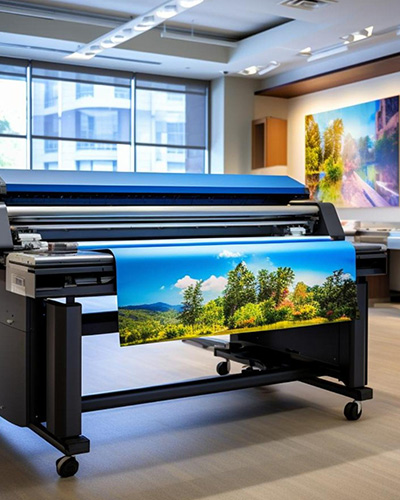
Digital printing involves the direct transfer of digital images onto cards using high-quality, inkjet, or laser printers. It offers quick turnaround times and allows for personalization and small batch production without the need for extensive setup. Digital printing excels in creating detailed, full-color images with ease, making it popular for short runs, customized designs, and on-demand printing.
Offset Card Printing
Offset printing is a traditional method that transfers ink from a plate to a rubber blanket, then onto the card surface. It is highly efficient for large-volume production, offering consistent quality and sharp color reproduction. Offset printing is suitable for bulk orders where high precision and color fidelity are prioritized, such as corporate badges or membership cards with intricate designs.
Flexography
Flexography employs flexible relief plates and is known for its ability to print on a wide variety of materials, including plastics and synthetic substrates. It provides rapid printing speeds and is often used for packaging labels and cards with simple graphics. Flexography is ideal for large runs of simple, robust designs requiring fast production.
Materials Used in Card Printing
The materials selected for card printing significantly influence the card's durability, appearance, and functionality. Common materials include PVC, PET, polycarbonate, and specialty plastics. Each offers different benefits, such as resistance to wear, flexibility, or transparency, and is chosen based on the card's intended use and longevity requirements.
Design Considerations for Card Printing
Effective card design combines aesthetic appeal with practical functionality. Consideration must be given to layout, color schemes, font legibility, and placement of security features. The design process also involves selecting appropriate finishes and coatings to enhance durability and visual impact, ensuring the final product aligns with branding and usage goals.
Security Features and Anti-Fraud Measures
Incorporating security elements into printed cards helps prevent unauthorized duplication or misuse. Features such as holograms, microtext, UV elements, and embedded chip technology can be integrated into the printing process. These measures bolster trust and reliability, especially for identification and access control cards.
Types of Card Printing Methods
Card printing employs various techniques tailored to meet specific needs for quality, volume, and customization. Among the most prevalent methods are dye sublimation, offset printing, flexography, and digital printing, each offering distinct advantages depending on the application and design complexity.
Dye Sublimation Printing
This method is favored for producing high-quality, full-color images with vibrant detail. The process involves transferring dye-based inks onto polyester surfaces using heat, resulting in seamless, durable prints ideal for photo ID cards, membership cards, and event passes. Dye sublimation is excellent for short to medium runs, providing crisp imagery and smooth color gradients.
Offset Card Printing
Offset printing is suitable for large-volume productions requiring high consistency and precision. It uses printing plates to transfer ink onto a rubber blanket, which then impresses the image onto the card surface. This technique ensures uniform coloration and sharp details, making it ideal for corporate ID cards, loyalty cards, and gift cards with complex designs.
Flexography
Flexography's high-speed capability makes it perfect for bulk production of simple, robust visual elements. It utilizes flexible relief plates to print on various substrates, including plastic cards, papers, and foils. Flexography is often used for packaging labels and cards that feature basic graphics and minimal embellishments, supporting cost-effective mass printing.
Digital Printing
Offering flexibility and rapid turnaround times, digital printing is becoming increasingly prominent in custom card production. It requires minimal setup, making it suitable for small batches and personalized designs. Digital methods allow for quick modifications, variable data printing, and the incorporation of unique security features seamlessly integrated into the production process.

Materials Used in Card Printing
The choice of substrate materials significantly impacts the card’s durability, appearance, and functionality. Commonly used materials include PVC, PET, polycarbonate, and eco-friendly alternatives. The selection depends on the card’s purpose, longevity requirements, and production volume.
- PVC: The most popular material for standard ID and membership cards, offering good durability and ease of printing.
- PET and Polycarbonate: These plastics provide enhanced resistance to wear and tear, suitable for high-security or long-term use cards.
- Eco-friendly substrates: Bamboo fiber, biodegradable plastics, and other sustainable materials are gaining popularity among environmentally conscious entities.
Design Considerations for Card Printing
Designing effective printed cards entails balancing visual appeal with practical functionality. Important factors include layout, color harmony, font selection, and the strategic placement of security features. The finish and coatings applied also play a critical role in enhancing the card’s durability and visual impact. Features such as matte or gloss finishes can be chosen based on aesthetic goals and usage conditions, ensuring the final output aligns with branding strategies and user experience expectations.
Security Features and Anti-Fraud Measures
Incorporating security measures is vital to prevent unauthorized duplication and misuse of printed cards. Various features such as holograms, microtext, UV-sensitive elements, and embedded chips can be integrated during the printing process. These enhancements provide additional layers of verification, fostering trust and reliability for identification, access control, and payment cards. Advanced printing techniques enable precise placement of these features without compromising design integrity.
Types of Card Printing Methods
When choosing a card printing approach, it’s essential to understand the various methods available, each suited to different needs based on volume, security, and quality. Offset printing, digital printing, and dye sublimation stand out as the primary techniques used by professional printers. Offset printing is renowned for high-volume production, delivering sharp images and consistent color quality, making it ideal for large batches like membership cards or corporate ID cards. It involves transferring ink from a plate to a rubber blanket, then onto the card surface, ensuring precise color registration.
Digital printing introduces an on-demand process, suitable for smaller quantities or customized design variations. This method allows for quick turnaround times and cost efficiency for short runs or personalized cards. Its flexibility enables the addition of variable data, such as names or unique identifiers, during the printing process without additional setup.
Dye sublimation, or thermal transfer printing, excels in producing vibrant, photo-quality images with detailed color gradation. It is often employed for high-end membership cards or event passes requiring superior visual appeal. This technique involves the bonding of dye-based inks directly into specially coated cards, resulting in durable, scratch-resistant surfaces.
Each of these methods can be further enhanced through advanced printing techniques such as re-transfer printing, which offers high-resolution results with edge-to-edge printing, or flexographic printing for textured finishes. Selecting the appropriate method depends on the intended application, desired durability, and budget considerations.


Types of Card Printing Methods
When it comes to card printing, selecting the appropriate method is crucial for achieving desired quality, durability, and security features. Various techniques exist, each with distinct advantages geared toward different application needs.
Offset printing is a traditional method that provides high-quality, sharp images suitable for large quantities of standard cards. It is cost-effective for bulk production and offers consistent color fidelity. Digital printing, on the other hand, is ideal for smaller runs or customized designs, allowing rapid turnaround times and minimal setup costs. Dye sublimation printing is often used for producing full-color, photographic-quality images on cards, delivering vibrant, long-lasting results. For specialized applications requiring heightened security or intricate designs, techniques like foil stamping or embossing can be integrated to add tactile and visual elements that enhance authenticity.

Each method's selection depends on the project's scope, budget, and specific feature requirements. Offset is best for large runs with uniform designs, digital offers flexibility for custom or small batches, and dye sublimation provides superior photographic detail. Incorporating additional finishing methods such as spot UV coating, lamination, or hot-stamp foil application can further elevate the final product, making it more resistant to wear and enhancing aesthetic appeal.
Materials Used in Card Printing
Choice of material plays a vital role in the functionality and longevity of printed cards. The most common substrate is PVC, valued for its durability, affordability, and compatibility with various printing techniques. Standard PVC cards are suited for everyday access control, membership, and payment cards. They can incorporate magnetic strips, contact chips, or contactless RFID antennas to expand functionality.
For applications demanding greater resilience, especially in environments prone to physical or chemical stress, polycarbonate and PET plastics are preferable. These materials provide superior resistance to bending, scratching, and exposure to elements, making them suitable for high-security or long-term use cards. Eco-friendly options are increasingly popular among organizations aiming to lessen environmental impact. Biodegradable plastics, recycled paperboard, and sustainable materials like bamboo fiber are environmentally conscious choices that can be customized with various security features and printed designs.
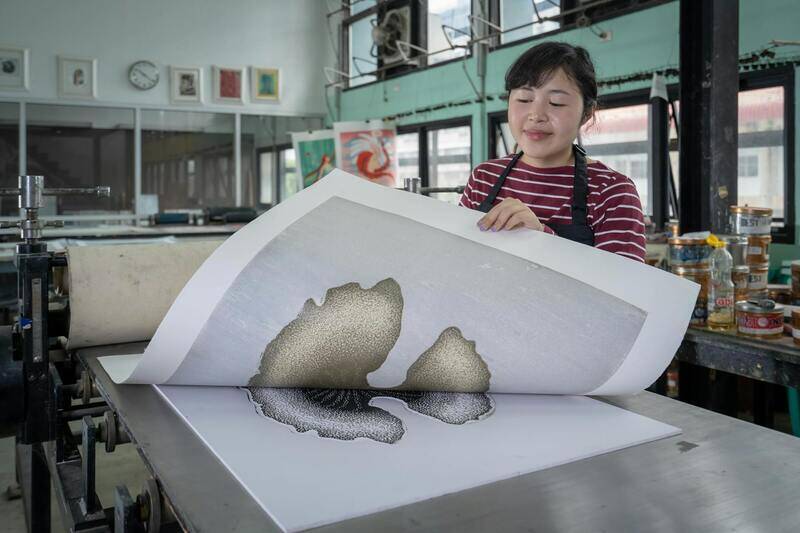
Composite cards, which combine different layers of materials, are also gaining popularity. Such multilayered options can enhance durability, security, or environmental sustainability while allowing for complex design integration. For example, a PET core laminated with printed PVC surfaces can offer a balance between physical robustness and aesthetic versatility.
Types of Card Printing Methods
Choosing the appropriate card printing technique is essential to achieve the desired quality, durability, and security of printed cards. Several methods are prevalent in the industry, each with specific advantages suited to various applications.
Offset Printing
Offset printing is ideal for large-volume orders requiring high color fidelity and sharp image resolution. This method involves transferring ink from a plate onto a rubber sheet, which then prints onto the card surface. It offers consistent quality and cost efficiency for bulk production, making it suitable for corporate branding and membership cards with complex designs.
Digital Printing
Digital printing is a versatile method perfect for short runs or on-demand printing. It uses digital files directly to produce images without the need for plates, allowing quick turnaround times and customization. The high-resolution output supports detailed graphics, and special inks can be employed for added security features. This method is popular among organizations that require frequent updates or personalized cards.
Thermal Transfer Printing
Thermal transfer printing utilizes heat to transfer ink from a ribbon onto the card surface, resulting in durable images resistant to fading and scratching. It is commonly used for printing barcodes, text, and logos on membership or access cards. The process is efficient and provides consistent quality, especially when printing on PVC and other plastic substrates.
Direct-to-Card (DTC) Printing
This method involves printing directly onto the surface of a pre-coated card using specialized inkjet or dye-sublimation printers. DTC printing allows full-color, photo-quality images with smooth gradients. It is ideal for personalized cards, such as employee ID badges or event passes, where high-resolution and vibrant colors are crucial.
Embossing and Foil Printing
For added tactile and visual appeal, embossing elevates the card’s design by creating raised text or logos. Foil printing applies metallic foils to specific areas, enhancing security features and aesthetic value. These techniques are often used in premium cards, such as gift or VIP cards, to convey exclusivity and class.

Materials Used in Card Printing
Material selection significantly influences the appearance, functionality, and lifespan of printed cards. The most widely used substrate is polyvinyl chloride (PVC), appreciated for its flexibility, durability, and ease of printing. PVC cards are suitable for a multitude of purposes, from payment to identification.
- PVC (Polyvinyl Chloride): The standard choice for most cards, offering versatility in printing, embedding security features, and resistance to daily wear.
- Polycarbonate: Known for its high impact resistance and optical clarity, making it suitable for high-security or long-term use cards.
- PET (Polyethylene Terephthalate): An eco-friendlier option with durability and chemical resistance, often used in environmentally conscious projects.
- Eco-Friendly Materials: Recycled plastics, biodegradable substrates, and sustainable options like bamboo fiber are gaining traction among organizations committed to sustainability.
- Composite Layers: Combining different materials, such as PET cores with PVC surfaces, enhances durability and design flexibility, allowing for multi-layer security features and aesthetic elements.
Design Considerations for Card Printing
A successful card design balances visual appeal with functional security. Key factors include:
- Color Accuracy: High-quality printing processes ensure vibrant, consistent colors that align with branding guidelines and enhance visual recognition.
- Image Resolution: Sharp, detailed images require a resolution of at least 300 DPI to maintain clarity across various design elements.
- Security Elements: Incorporating holograms, microtext, UV invisible inks, and embedded chips enhances card security and authenticity.
- Layout and Usability: Clear placement of vital information like names, IDs, or barcodes ensures ease of use and quick readability.
- Finish and Texture: Matte, gloss, or satin finishes influence the tactile experience and visual appeal, while embossing or lamination can add depth and durability.
Security Features and Anti-Fraud Measures
Embedding security features within printed cards is critical for preventing unauthorized duplication and ensuring authenticity. Modern security measures include:
- Holographic Overlays: Multilayer holograms or optically variable devices (OVDs) offer dynamic visual effects that are difficult to replicate.
- Embedded Microchips: Contact or contactless chips store encrypted data, enabling secure transactions, access control, and identity verification.
- Magnetic Stripes and Barcodes: Encoding information for quick verification and data retrieval in access and payment systems.
- UV and Infrared Features: Invisible markings visible under specific lighting conditions authenticate the card’s origin.
- Microtext and Fine Printing: Tiny text or patterns that are only discernible under magnification, adding another layer of proof against counterfeiting.
Types of Card Printing Methods
Choosing the appropriate card printing method is essential for producing high-quality, durable, and visually appealing cards. Each method offers unique advantages, catering to various requirements such as security, volume, and design complexity. The primary card printing techniques include digital printing, offset printing, dye-sublimation, and thermal transfer printing.
Digital Card Printing
Digital printing is a versatile approach that allows for quick turnaround and customization. It is ideal for small to medium print runs, offering high-resolution images and precise color matching. Digital printers employ inkjet or laser technology, producing vibrant and detailed designs that can incorporate variable data such as names, numbers, or barcodes seamlessly.
Offset Printing
Offset printing is suitable for large volume production, providing consistent high-quality results with sharp images and precise color accuracy. This method involves transferring ink from a plate to a rubber sheet, then onto the card surface. Offset printing is cost-effective for bulk orders and is often used for corporate ID cards, membership cards, and loyalty cards where uniformity and clarity are priorities.
Dye-Sublimation Printing
This technique is renowned for producing highly detailed, full-color images with excellent color vibrancy. Dye-sublimation involves turning solid dyes into gas under heat, which then permeates the card surface. It is frequently used for photo ID cards, where detailed, personalized images are required alongside embedded security features.
Thermal Transfer Printing
Thermal transfer printing utilizes heat to transfer wax-based or resin-based ink from a ribbon onto the card. It provides durable, resistant outputs that withstand wear and tear, making it a popular choice for membership, access control, and event cards. The process offers flexibility in overlay options such as embossing or lamination for additional durability.

Materials Used in Card Printing
The selection of materials significantly influences the durability, appearance, and functionality of printed cards. Common substrates include PVC, composite PVC, PET, and biodegradable plastics, each suited for specific applications.
PVC (Polyvinyl Chloride)
PVC remains the industry standard due to its robustness, flexibility, and affordability. It offers excellent printability, enabling vibrant colors and sharp details. PVC cards are resistant to bending, tearing, and water damage, making them suitable for everyday use in identification, payment, and access systems.
Composite PVC
This material combines PVC with other substances like polyester or aluminum to enhance strength and security features. Composite cards are often used for high-security applications where increased durability and protection against tampering are required.
PET (Polyethylene Terephthalate)
PET cards are more environmentally friendly and provide higher resistance to heat, chemicals, and scratching. They are ideal for long-term use and applications demanding Enhanced durability, such as transit passes and corporate IDs.
Biodegradable and Eco-Friendly Alternatives
With growing emphasis on sustainability, biodegradable plastics and recycled materials are increasingly incorporated into card production. These options reduce environmental impact and align with eco-conscious branding strategies.
Design Considerations for Card Printing
Effective card design combines visual appeal with practical information placement. Key design aspects include layout, color schemes, typography, and security integration, all tailored to maximize clarity and impact.
Layout Optimization
Designing a clean, organized layout ensures key information such as names, identification numbers, and security features are easily readable. Strategic placement of elements helps prevent misreading and enhances user experience.
Color and Branding
Color schemes should reflect branding or organizational identity, utilizing contrasting hues for readability. Incorporating logos and brand elements reinforces recognition and authenticity.
Incorporating Security Features
Designing with security features integrated seamlessly into the aesthetic enhances security while maintaining visual appeal. Features like holograms, microtext, or embedded chips should be positioned for easy verification without compromising the overall look.
Advanced Design Techniques
- Use of UV-reactive inks for invisible markings
- Layered holographic images for depth
- Microtext for fine detailsResolvable under magnification
- Invisible UV inks for added authenticity
Security Features and Anti-Fraud Measures
Incorporating advanced security elements into printed cards is vital for safeguarding against unauthorized duplication and ensuring trust. These features enhance the card’s integrity and help in verification processes.
Holographic Overlays and OVDs
Holographic overlays provide a dynamic visual effect that is challenging to replicate. Optically Variable Devices (OVDs) change appearance based on viewing angle, adding a layer of complexity that complicates counterfeiting efforts.
Embedded Microchips
Contact and contactless microchips facilitate encrypted data storage, enabling secure transactions, access controls, and identification. Proper integration ensures that chips are tamper-proof and durable under daily use conditions.
Magnetic Stripes and Barcodes
Encoding data onto magnetic strips or barcodes allows for quick scanning and data retrieval. This method supports various operational needs like access logging and payment processing.
Invisible Security Elements
UV and Infrared features include invisible markings or inks that are only visible under specific light sources, confirming the card’s authenticity. Microtext and very fine printing also serve as additional proof points against counterfeiting.
Types of Card Printing Methods
Choosing the appropriate card printing technique is essential for achieving the desired quality, durability, and security of the final product. Different methods cater to various needs, from high-volume production runs to bespoke designs with intricate details. Key methods include offset printing, digital printing, and dye-sublimation printing.
Offset Printing
Offset printing is renowned for its crisp image quality and cost-efficiency in producing large quantities. It involves transferring ink from a plate to a rubber sheet, then onto the card surface. This method is ideal for simple designs requiring high consistency and color accuracy. Offset printing excels in producing professional-looking cards with sharp graphics and fine text.
Digital Printing
Digital card printing offers flexibility and faster turnaround times, making it suitable for small batches or customized designs. It employs digital files directly to produce prints without the need for plates, allowing for easy updates and revisions. Digital printing supports integration of variable data, such as names or serial numbers, enhancing personalization capabilities.
Dye-Sublimation Printing
Dye-sublimation involves transferring dye-based inks onto the card surface through heat. This method yields vibrant, continuous-tone images with excellent resolution. It is frequently used for ID cards, membership cards, and loyalty cards where detailed graphics and photographic images are required. The process ensures a seamless, durable finish resistant to wear and tear.
Materials Used in Card Printing
The selection of materials directly influences the durability, security, and aesthetic appeal of the printed cards. Common substrate options include PVC, PET, composite materials, and alternatives that align with specific application requirements.
PVC (Polyvinyl Chloride)
PVC remains the most widely used material owing to its durability, flexibility, and cost-effectiveness. It provides a smooth surface suitable for high-quality printing and can withstand daily handling and environmental factors.
PET (Polyethylene Terephthalate)
PET offers enhanced resistance to heat, chemicals, and scratching, making it ideal for cards subject to frequent use. Its sturdiness makes it suitable for access control, banking, and identification cards that demand longevity.
Composite Materials
Composite cards incorporate multiple layers, often combining PVC with additional protective films or overlays. These materials provide superior security features, impact resistance, and flexibility in design.
Specialty Materials
For specialized purposes, materials such as biodegradable plastics, recycled substrates, or cards with embedded RFID or NFC chips are available. These options support environmental sustainability and advanced functionality.
Design Considerations for Card Printing
Effective design plays a crucial role in both functionality and visual appeal. It should integrate all necessary information while incorporating security features seamlessly into the aesthetic layout.
Layout and Composition
- Ensure clear hierarchies of information, prioritizing critical data such as names, identification numbers, and security features.
- Avoid clutter by balancing text, images, and security elements in a clean, organized manner.
- Use contrasting colors and fonts for enhanced readability and visual impact.
Security-Integrated Design
- Integrate holographic overlays, microtext, and invisible inks into the design without compromising visual clarity.
- Place microtext in strategic locations where verification can be performed through magnification.
- Use design elements that complement security features, making authentication straightforward for authorized personnel.
Color and Graphics
Utilize high-quality images and vibrant colors to make the card visually appealing. Incorporate branding elements, logos, and personalized graphics where appropriate, ensuring they do not interfere with security features.

Security Features and Anti-Fraud Measures
Including multiple layers of security measures in card printing helps safeguard against attempts to duplicate or tamper with cards. These features enhance protection and facilitate robust verification processes.
Holographic Overlays and Optical Variants
Holograms and Optically Variable Devices (OVDs) offer dynamic visual effects that are difficult to replicate. They can be customized with unique patterns or branding to add an extra layer of authenticity to each card.
Embedded Microchips
Microchips—both contact and contactless—allow encrypted data storage, enabling secure transactions and identification. Properly embedded chips are resilient to physical damage and tampering, providing long-term security.
Secondary Security Elements
- Magnetic stripes and barcodes support swift data retrieval and operational tracking.
- Invisible UV inks, microtext, and microprinting serve as covert security measures visible only under specific lighting or magnification.
Advanced Anti-Counterfeit Techniques
Utilizing microstructural patterns, color-shifting inks, and embedded security threads further complicate counterfeiting efforts, providing reliable authentication points during verification.

Industry Standards and Compliance
Adherence to established industry standards and compliance protocols ensures that printed cards meet quality and security benchmarks expected across various applications. Certifications often encompass color fidelity, durability, and security feature integration, supporting the consistent delivery of high-quality products.
Further Considerations in Card Printing
Choosing the Right Card Printing Technology
When selecting a method for card printing, it is essential to consider the specific requirements of the application, desired durability, and security features. Digital printing techniques, such as direct-to-card (DTC) printing, offer high-resolution images and fast turnaround times, making them suitable for producing personalized cards quickly. Offset printing, on the other hand, provides higher volume production with consistent color fidelity, ideal for creating large batches of uniform cards. For applications requiring embedding of complex security features, techniques like embossing, foil stamping, and laser engraving are often employed. These methods allow for precise customization, including tactile elements and metallic accents, which enhance both aesthetics and security.
Innovations in Card Printing
Emerging technologies continue to push the boundaries of what card printing can achieve. 3D printing is beginning to be explored for creating textured effects that can be felt physically, adding an extra layer of differentiation. Digital offset and hybrid printing systems now allow for seamless integration of multiple security features into a single card, optimizing both cost and efficiency.
Furthermore, advancements in printing inks, such as color-shifting and fluorescent inks, augment the visual complexity, making replication more difficult. The incorporation of augmented reality (AR) elements, although more common in marketing materials, is also being adapted into card designs to enhance user engagement and verification processes.

Ensuring Compatibility with Industry Standards
To ensure that the printed cards meet operational and security expectations, adherence to established industry standards is crucial. This involves compliance with specifications related to card dimensions, magnetic stripe and chip positioning, and durability thresholds. Certified printing providers maintain rigorous quality control measures, including regular calibration of equipment and verification of security features. These standards also govern the integration of contactless technology, ensuring seamless interoperability with existing payment or access control systems. Proper adherence to standards reduces the risk of functional failures and ensures long-term performance, protecting investments and user trust.
Visual and Tactile Finishing Touches
High-quality finishing processes transform a printed card from a basic item into a durable and visually appealing tool. UV coating, matte or gloss lamination, and holographic overlays add layers of protection against wear and tear, while also enhancing aesthetic appeal. Rounded edges, embossed or debossed elements, and custom textures provide tactile feedback, which can be crucial for user recognition and interaction. These finishing touches not only improve durability but also contribute to a premium appearance, reinforcing the card’s value and trustworthiness.
Sustainable Practices in Card Printing
Sustainable approaches in card manufacturing are increasingly emphasizing the reduction of environmental impact. This includes the use of eco-friendly materials such as biodegradable PVC, recycled plastics, and water-based inks. Advanced printing processes aim to minimize waste, energy consumption, and solvent emissions. Many printing facilities are now pursuing certifications for environmental management, ensuring their operations align with global sustainability benchmarks. Additionally, implementing refillable or modular printing systems helps in reducing material waste and lowering overall ecological footprints.
Standardization and Quality Assurance
Consistent quality is achieved through compliance with international standards, which cover factors such as color accuracy, print integrity, and security feature integration. Regular audits and quality checks help maintain these benchmarks, ensuring every batch of printed cards remains reliable and uniform. Specifications from organizations like ISO provide detailed parameters for various types of cards, facilitating interoperability and user confidence. Adhering to these standards ensures that the cards function optimally across various platforms and applications, maintaining their integrity over time.