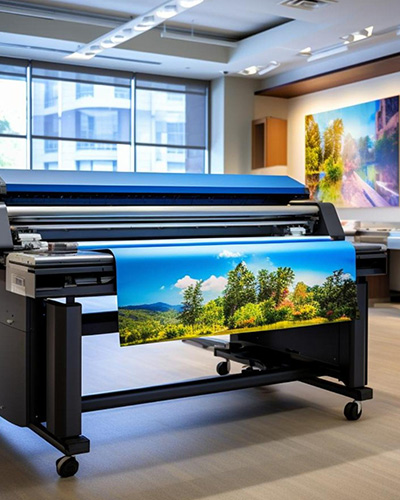
Overview of Custom Card Printing
Custom card printing is a specialized service that transforms unique designs into tangible cards tailored to specific needs. This process involves choosing the right materials, designing the visual elements, and selecting appropriate printing techniques to produce high-quality cards. Whether for personal, corporate, or promotional use, custom cards serve as effective tools for communication, branding, and personal expression.

Common types of custom cards include business cards, which represent professional identity; invitation cards for events such as weddings or corporate gatherings; loyalty cards used in retail and hospitality sectors to reward customers; and gift cards that facilitate seamless transactions. Each type of card requires specific specifications, materials, and finishing options to meet the intended purpose and aesthetic preferences.
Successful custom card printing combines meticulous planning and precision execution. The process typically begins with designing a layout that captures the desired message and branding elements. Then, the printed cards are produced using advanced printing technologies that ensure durability, vibrant colors, and sharp details. Custom card printing is a strategic investment that enhances brand visibility and personal branding when executed with care and attention to detail.
Types of Custom Cards Available
- Business Cards: For professional networking and brand endorsement.
- Invitation Cards: For weddings, parties, corporate events, and more.
- Loyalty Cards: To encourage repeat business and customer retention.
- Gift Cards: Widely used in retail to facilitate purchases and gift-giving.
- Membership Cards: For clubs, gyms, or exclusive organizations.

Design Considerations for Custom Cards
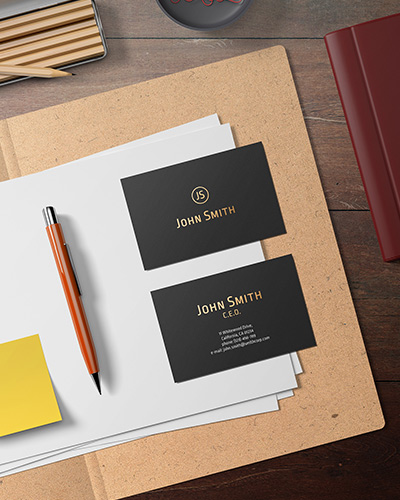
Creating impactful custom cards begins with thoughtful design considerations that align with the intended purpose and brand identity. Designers should focus on clarity, visual hierarchy, and consistency to ensure the card communicates its message effectively. For business cards, incorporating logos, contact details, and key branding elements in a clean and organized layout is essential. Invitation cards benefit from elegant typography, balanced spacing, and imagery that reflect the event’s theme.
Color schemes play a vital role in design. Utilizing brand colors or complementary palettes enhances visual appeal and brand recognition. Additionally, selecting appropriate fonts that enhance readability and style contributes to the overall aesthetic. Incorporating unique design elements such as embossed patterns, foil accents, or textured backgrounds can add tactile and visual sophistication to custom cards.
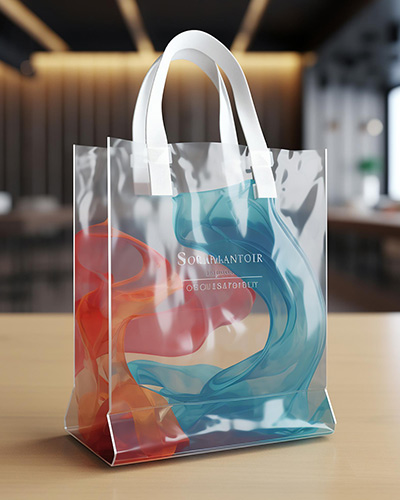
When considering materials, designers should evaluate the robustness, texture, and photographic possibilities. Thicker cardstock provides durability and a premium feel, suitable for luxury brands or high-end invitations. Matte finishes can offer a sophisticated, understated look, while gloss or UV coating adds vibrancy and shine to colors. Transparent or translucent materials, like acrylic, can deliver a modern, distinctive touch that sets the cards apart.

Designs should be tailored to fit the chosen printing method to ensure fine details are rendered accurately. It's advisable to work with professional designers or utilize design templates provided by printing services to avoid common pitfalls such as misalignment or pixelation. Finalizing a design that balances creativity with practicality is key to producing cards that leave a lasting impression.
Overall, comprehensive planning and attention to these critical design aspects elevate custom card printing from merely functional to visually compelling and strategically effective tools for branding and personal expression.
Materials and Finishing Options for Custom Cards
Choosing the appropriate materials and finishes is fundamental to achieving the desired durability and aesthetic quality in custom card printing. High-quality cardstock options, including matte, gloss, and textured finishes, cater to different style preferences and functional needs. For instance, matte finishes provide a sleek, understated elegance suitable for minimalist designs, while gloss or UV coatings enhance color vibrancy and give a polished, reflective surface that makes details pop.

Translucent materials like acrylic or plastic introduce a contemporary touch, perfect for modern branding or distinctive personal expressions. These materials also offer excellent longevity and resistance to wear and tear. Additionally, specialty finishes such as spot UV coating, foil stamping, embossing, and lamination create tactile elements that improve the sensory experience, making cards more memorable and engaging.
Design Enhancements Through Special Effects
- Embossing and Debossing: Adds a three-dimensional texture, emphasizing logos, patterns, or text, thereby heightening visual interest and sophistication.
- Foil Stamping: Incorporates metallic or pigmented foils to create reflective accents, ideal for premium branding or celebratory designs.
- Textured Backgrounds: Use of linen, felt, or other tactile surfaces enhances the card’s depth and feel, making it stand out physically and visually.
- Special Cuts and Shapes: Die-cutting can produce unique shapes and window designs, offering a distinctive presentation that aligns with brand identity or personal style.
Customization for Specific Purposes
Depending on the intent behind the custom cards—whether for professional networking, promotional giveaways, or personal celebrations—design and material choices are tailored accordingly. Business cards benefits from sleek, professional materials, often with minimalist designs and sharp printing. Invitations for events or weddings tend to favor luxurious finishes, elegant fonts, and ornate embellishments. Branding cards for startups might incorporate innovative materials and bold colors, while gift cards or membership cards emphasize durability and security features.
Ensuring compatibility between chosen materials, design elements, and printing techniques is crucial for a cohesive, high-quality result. Working closely with experienced printing providers who understand these nuances can significantly improve the outcome, creating cards that deliver both visual appeal and practical longevity.
Printing Techniques and Technologies
Achieving exceptional precision and durability in custom card printing involves a variety of advanced methodologies. Digital printing, renowned for its speed and flexibility, offers high-resolution results ideal for short runs and detailed designs. This method allows for quick modifications and proofing, making it suitable for personalized or small-volume projects. Its ability to produce vibrant colors and sharp images ensures that intricate logos and patterns are rendered with clarity.
Offset printing, often viewed as the gold standard for large-volume production, provides superior color fidelity and consistency across batches. This technique involves transferring ink from a plate onto a rubber blanket, then onto the printing surface, which allows for precise color matching and intricate details. Offset is especially advantageous when producing a large number of cards that require uniform quality and a professional finish.
Foil stamping introduces reflective metallic or pigmented finishes onto the surface of custom cards. This process involves pressing a heated die onto a foil sheet, which adheres to specific areas of the card to produce a luxurious, eye-catching effect. Foil accents are commonly used in premium branding materials, sophisticated event invitations, and high-end business cards where visual impact is paramount.
Embossing and debossing techniques elevate the tactile and visual appeal of custom cards. Embossing raises specific elements such as logos or text, creating a three-dimensional effect, while debossing presses elements into the surface for a subtle, refined aesthetic. When combined with appropriate materials, these processes can significantly enhance the perceived value of the card.
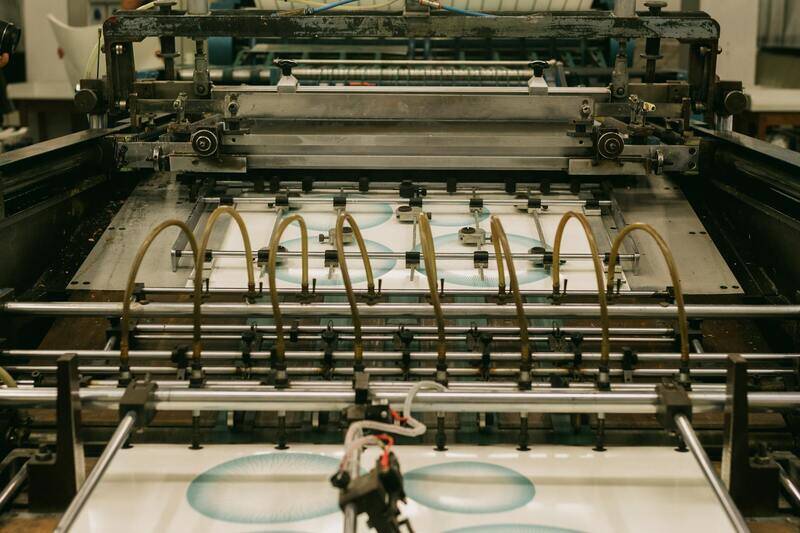
Laser cutting and die-cutting are essential for creating unique shapes and window designs on custom cards. Laser techniques allow for precise, intricate cuts that can include detailed patterns, while die-cutting produces consistent, clean edges in a variety of shapes ranging from simple circles to complex custom outlines. These methods are particularly effective for creating memorable packaging inserts, specialty business cards, and promotional items that stand out from conventional rectangular formats.
Incorporating a combination of these techniques—such as digital printing with foil accents or offset printing with embossing—can lead to innovative designs that meet specific branding or aesthetic requirements. Aligning the choice of technology with the desired outcome, material specifications, and budget ensures that each custom card fulfills both functional and visual objectives efficiently.
Factors Influencing Cost and Turnaround Time
When planning for custom card printing, understanding the elements that impact cost and delivery timelines is essential for achieving optimal results within budget constraints. A variety of factors come into play, each affecting the overall production process and final output. These include the complexity of the card design, the choice of materials, the quantity ordered, and the specific printing techniques employed.
Design Complexity
Intricate designs with multiple elements, such as detailed illustrations, fine text, or layered effects, require additional time and specialized machinery. For instance, embossing or debossing involves setting up specific plates, which extends the production schedule and adds to costs. Similarly, complex die-cut shapes or window cuts demand precise machinery calibration, impacting both time and expense.
Material Selection
The type of material selected significantly influences both cost and lead time. Premium cardstock, textured papers, or specialty finishes like foil or matte lamination tend to be more expensive and may require longer processing times due to additional handling or curing stages. Additionally, some materials necessitate specific printing techniques, such as UV coating or foil stamping, which can extend the workflow.
Order Quantity
Bulk orders usually benefit from reduced unit costs and shorter production cycles, especially when printing technologies utilize high-efficiency processes like offset printing. Conversely, smaller quantities may involve setup fees and more manual work, thus impacting overall costs and lead times.
Printing Technologies
The choice between digital, offset, or specialized printing methods directly affects the speed and expense of production. Digital printing offers quick turnaround times suitable for short runs or customized pieces, while offset printing is cost-effective for large volumes but requires longer setup times. Unique techniques such as foil stamping, holography, or spot UV are typically integrated into specific stages, adding both time and cost to the process.
Additional Considerations
- Finishing touches like lamination, coating, or specialty textures will influence both the durability and visual appeal, but may extend the production schedule.
- Delivery logistics, including promptness of shipping and handling, are affected by the location of the printing service and complexity of the order.
Factors Influencing Cost and Turnaround Time in Custom Card Printing
When planning a custom card printing project, understanding the various factors that influence both the cost and the timeline is crucial for achieving optimal results. Several key elements come into play, including order quantity, design complexity, material choices, and the chosen printing technology. Each of these aspects requires careful consideration to ensure the final product meets expectations without exceeding budget or time constraints.
Order Quantity and Production Scale
The volume of orders significantly impacts the overall cost and processing duration. Bulk orders tend to be more economical on a per-unit basis, primarily because high-efficiency printing methods such as offset printing are more cost-effective for large quantities. These technologies allow for quicker production cycles due to their high-speed capabilities and the ability to print multiple cards simultaneously. Conversely, small batch runs or one-off custom cards often involve higher unit costs, as they may necessitate manual setup and handling, which increases production time.
Design Complexity and Customization
The intricacy of the card design plays a substantial role in both cost and turnaround. Simple designs using basic colors and minimal embellishments typically require fewer resources and less time to produce. However, elaborate designs incorporating multiple colors, intricate patterns, or detailed artwork will demand advanced printing techniques and additional finishing steps. Features such as embossed textures, spot UV coatings, foil stamping, or holographic effects not only enhance visual appeal but also extend production times due to their precise application processes.
Material Selection
The choice of card materials influences durability, appearance, and processing requirements. Premium materials like thick cardstock, textured papers, or specialty finishes such as matte or gloss can increase costs but improve the tactile experience. Some materials may require specific printing techniques to achieve optimal results, which can affect overall schedule duration. For instance, certain textured papers may need specialized presses or curing times, leading to longer production periods.
Printing Techniques and Technologies
Choosing the appropriate printing method is central to balancing quality, cost, and turnaround time. Digital printing is ideal for short runs or highly personalized cards, offering quick setup and faster completion. Offset printing, although more time-consuming initially, becomes cost-efficient for large orders and provides high fidelity for intricate designs. Specialized techniques such as foil stamping, holography, or spot UV add a premium touch but generally require extra steps, thus increasing production duration and expense. The selection of the right technology depends on project specifications, with some providers offering hybrid solutions to optimize both quality and efficiency.
Additional Factors and Workflow Considerations
Other aspects impacting project timelines include finishing processes like lamination, coating, or textured enhancements, which improve durability and aesthetics but demand additional processing time. Shipping logistics, especially for large or complex orders, can further influence delivery schedules. It’s essential to coordinate closely with your printing provider to understand lead times and ensure that the final delivery aligns with your project deadlines.
By thoroughly assessing these factors before placing an order, clients can better manage expectations and achieve a seamless printing experience that aligns with their visual identity and strategic objectives. An experienced service provider will accommodate your unique requirements, effectively balancing cost, quality, and timing throughout the production process.
Factors Affecting Cost and Turnaround Time in Custom Card Printing
When selecting a custom card printing service, understanding the factors that influence both the cost and the production timeline is essential for planning a successful project. These elements include the complexity of the design, materials used, quantity ordered, and chosen printing techniques. More intricate designs with detailed artwork or special finishes such as foil stamping or UV coatings tend to increase production costs and may require additional time due to the specialized processes involved.
Material selection plays a vital role in both pricing and durability. Premium options like thick cardstock, matte or glossy finishes, or textured surfaces can add to the overall expense. Conversely, standard materials might lower costs but could impact the perceived quality of the final product. The number of cards ordered also influences production efficiency; bulk orders often benefit from economies of scale, reducing the per-unit cost, while smaller runs may incur higher unit prices.
Technical considerations, such as the choice of color models (CMYK or spot colors) and the need for special printing effects, further impact costs. For example, spot UV coating for highlighting certain areas of a card requires precise application and additional setup time. Production speed can also vary depending on the technology employed. Digital printing is typically faster and more suitable for short runs or custom designs, while offset printing is more cost-effective for larger quantities but involves longer setup times.

In terms of project timelines, factors such as finishing procedures—lamination, foil stamping, embossing, or texturing—and the complexity of the design influence total production duration. Additional steps like packaging or special delivery requirements can extend the lead time further. Coordinating closely with your chosen printing provider helps ensure clear communication regarding deadlines, allowing for adjustments that balance quality with prompt delivery.
Optimizing Your Custom Card Printing Project
- Prioritize clear, high-resolution designs to avoid discrepancies in color and detail quality.
- Understand the limitations and capabilities of your selected materials and finishes.
- Request detailed quotes that break down costs associated with each process and material type.
- Plan for ample lead time, especially when incorporating premium finishes and special effects.
- Maintain open communication with the printing provider to adapt timelines as needed without compromising quality.
By carefully considering these factors during your planning phase, you can manage costs effectively and adhere to project deadlines, ensuring your custom cards achieve the desired impact and professional appearance. Working with experienced printing experts in Singapore streamlines this process, providing reliable guidance and support from initial concept through final delivery.
Factors to Consider When Choosing a Custom Card Printing Service in Singapore
Opting for a reliable and professional custom card printing provider in Singapore involves evaluating multiple factors to ensure the final product aligns with your expectations and project requirements. While official and legitimate printing methods guarantee quality and durability, assessing each provider’s capabilities and practices is essential for a smooth process.
Certification and Industry Standards
Choosing a printing service that adheres to recognized industry standards ensures that the process complies with quality benchmarks and safety protocols. By verifying certifications and memberships in professional associations, clients can be confident in the provider’s commitment to consistent quality, environmental responsibility, and adherence to best practices.
Portfolio and Sample Quality
A reputable custom card printing service should have a comprehensive portfolio showcasing a diverse range of previous projects. Reviewing samples of actual printed cards helps evaluate the quality of materials, finishes, and craftsmanship. This step allows clients to gauge whether a provider can match their desired aesthetic and durability requirements.
Material Selection and Finishes
Ensuring that the printing provider offers a wide selection of quality materials—such as premium cardstock, specialty papers, or textured surfaces—is vital. The ability to incorporate various finishes like matte, gloss, soft-touch, or foil stamping enhances the visual appeal and tactile experience of your custom cards. Confirming the availability of these options helps match your specific branding or personal style.
Technology and Equipment
Modern printing equipment and technology significantly influence the precision, color accuracy, and finish quality of custom cards. Providers utilizing digitized workflows, advanced press machines, and finishing tools can deliver more consistent results and faster turnaround times. inquire about their printing technologies to ensure they can handle your project’s complexity and volume efficiently.
Customer Service and Support
Effective communication and dedicated support are essential throughout the process. A trusted printing service should offer guidance on design readiness, material choices, and timeline management. Transparent policies regarding revisions, proofs, and delivery ensure that clients remain informed and engaged at every stage.

Pricing Transparency and Value
Request detailed quotations that break down costs per component—such as materials, finishes, and special effects. While competitive pricing is important, the focus should be on balancing cost with the expected quality and longevity of the cards. An experienced service provider will offer clear pricing structures and options for bulk discounts, ensuring value at every level of the order.
Delivery and Turnaround Expectations
Reliable delivery schedules are crucial, especially for projects with tight deadlines. Clarify lead times for initial proofs, production, and final delivery. Consider providers that offer tracking services or expedited options, especially if your project involves time-sensitive marketing campaigns or events.
Environmental Practices
In today’s eco-conscious market, eco-friendly practices such as using sustainable materials, waste reduction, and eco-certified inks reflect a commitment to environmental responsibility. Selecting a provider with transparent sustainability policies not only benefits the environment but also enhances your brand’s image.
Final Considerations for Selecting Your Printing Partner
- Assess the provider’s industry reputation through reviews and testimonials.
- Verify their experience with the specific types of custom cards you require.
- Ensure they offer comprehensive support from initial concept to delivery.
- Request samples and clear quotations to compare quality and costs effectively.
- Discuss your project timeline early to align expectations and capabilities.