Understanding the Importance of Business Cards
In Singapore's competitive professional environment, business cards serve as a fundamental element of corporate identity and personal branding. They provide a tangible connection during networking and serve as a lasting impression of an individual's professionalism and attention to detail. Despite the proliferation of digital communication, physical business cards continue to hold significant value, offering a convenient and immediate way to share contact information, establish credibility, and foster relationships.
Effective design and high-quality printings of business cards reinforce brand consistency and help distinguish a business in a crowded marketplace. A well-crafted card can reflect a company's values, convey a sense of trustworthiness, and encourage recipients to initiate further communication. The Singapore printing industry caters to diverse needs, providing tailored solutions that align with various industry standards and personal preferences.
The right approach to designing and printing business cards involves understanding the strategic role they play in professional interactions. It requires attention to detail in visual elements, choice of materials, and assembly of information, all of which contribute to a compelling and memorable final product. Utilizing the services from reputable printing providers ensures that the final result meets high standards of quality and durability, essential for making a positive and lasting impression.
In addition to visual appeal, business cards should be designed to reflect the industry standards and target audience considerations. For example, creative industries may opt for innovative shapes and bold colors, while corporate sectors might prefer minimalist and elegant designs. Understanding these nuances helps in crafting a card that resonates with the intended recipients and aligns with overall branding strategies.
Moreover, the print process itself influences the tactile experience and perceived quality. From paper weight to finishing touches, these elements contribute to how the card is perceived and whether it remains an active tool for ongoing communication. End users must balance aesthetic appeal with practical durability, ensuring the card withstands handling and maintains its visual integrity over time.
Choosing the Right Design Elements
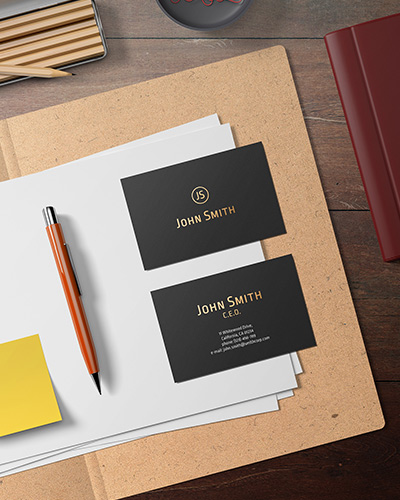
Effective business card design hinges on a thoughtful combination of various visual components that work together to communicate professionalism and brand identity. The layout should be clean and organized, ensuring that essential information such as name, title, company, contact details, and logo are prominently displayed for immediate recognition. A balanced layout not only enhances readability but also guides the recipient’s eye across the card in a logical manner.
Color schemes play a vital role in conveying brand personality and attracting attention. Selecting colors that align with brand identity and industry expectations helps reinforce brand recognition and emotional connection. For instance, a financial firm might prefer conservative tones like navy or gray, while creative agencies might opt for vibrant, bold hues.
Typography choices impact both readability and the perceived tone of the brand. Clear, professional fonts should be prioritized, with size and spacing adjusted to optimize legibility. The use of contrasting font styles or sizes can highlight key information without overwhelming the overall design.
Branding consistency is essential for creating a cohesive visual identity. Incorporating logo placement, color palette, and style elements that mirror existing marketing materials ensures the business card serves as a seamless extension of the brand. Consistent use of design elements fosters trust and recognition among clients and partners.
Selecting Quality Materials and Finishes
The choice of materials significantly influences both the tactile experience and longevity of business cards. High-quality paper stock, such as thicker cardstock or textured finishes, adds a tactile richness that communicates quality and attention to detail. Matte finishes tend to project a sophisticated, understated look, while glossy coatings can highlight vibrant colors and sharp graphics.
Special finishes like spot UV, soft-touch coatings, or embossed details can elevate a standard card, adding visual and textural interest. These enhancements often set a business card apart from competitors and make a memorable impression.
Durability is a crucial consideration, especially for frequent handling. Selecting abrasion-resistant coatings and sturdy materials ensures that the card remains visually appealing and intact over extended use. An investment in premium materials contributes to the overall perception of value and precision.

Customizing Business Card Sizes and Shapes
While the standard business card size remains 3.5 x 2 inches, customizing dimensions and shapes can provide a distinctive edge. Rounded corners, for example, soften the visual presentation, making the card more comfortable to handle. Die-cut shapes or custom contours enable brands to further personalize their cards, reflecting their creative identity or industry standards.
Non-traditional shapes or foldable designs can also add an interactive element, making the card more engaging. For example, a fold-out map or layered card can serve functional purposes while showcasing innovation. The key is balancing uniqueness with practicality, ensuring the custom design remains easy to store and handle.

Printing Techniques and Technologies
The printing method chosen for business cards significantly impacts the final quality and visual appeal. Offset printing is favored for large batches due to cost efficiency and high detail reproduction. It ensures sharp, consistent color output, ideal for designs with precise color matching and intricate graphics.
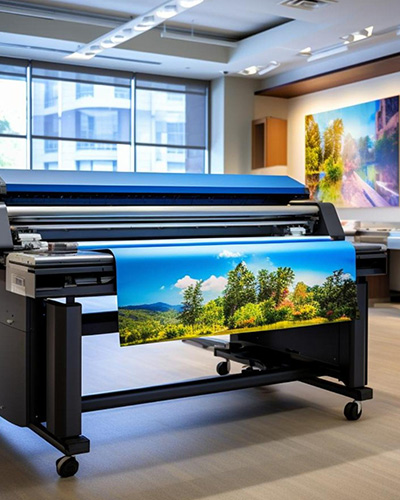
Digital printing offers flexibility and quick turnaround, making it suitable for smaller quantities or personalized cards. Modern digital printers can produce remarkable quality, including the application of spot colors and textured finishes.
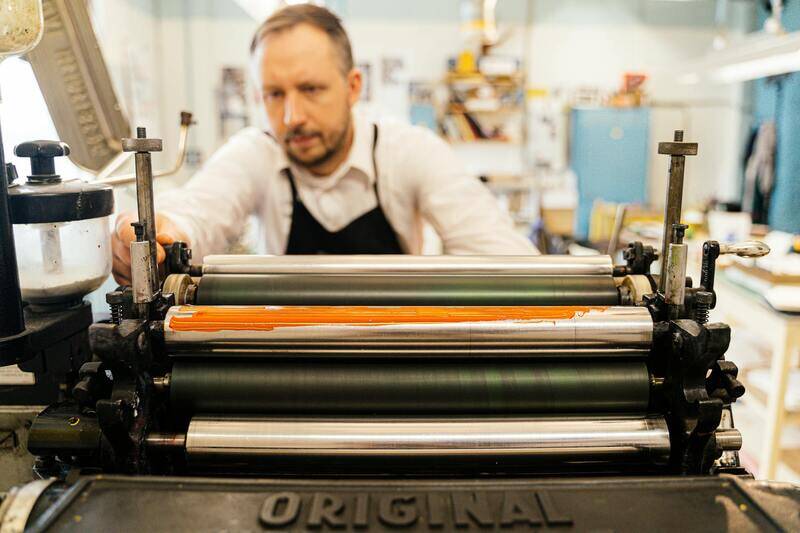
Specialized techniques such as letterpress or thermography create tactile effects that elevate the card’s tactile and visual dimensions. Letterpress, in particular, imparts a distinctive impression and a sense of craftsmanship, perfect for luxury brands or premium service providers.

Cost Considerations and Budgeting
Balancing quality and cost is essential in designing business cards that meet business objectives without exceeding budget limits. Bulk orders typically enable discounts, whereas customized features such as unique finishes or special shapes may incur additional costs. Clear understanding of unit pricing helps in planning a feasible print run.
Investing in higher-quality materials and advanced printing techniques often results in a more professional perception and improved durability, providing long-term value. It is advisable to evaluate the impact of various features against the overall branding strategy, opting for options that deliver the best return on investment.
Estimating the number of business cards needed over a certain period enables budgeting for future reprints, reducing unnecessary expenses. Working closely with service providers can also uncover options for scalable solutions that align with financial planning.
Implementing Official Printing Methods for Business Card Design and Production
When aiming to produce high-quality business cards that reflect your brand's professionalism and authenticity, selecting legitimate and proven printing methods is crucial. These methods ensure consistent results, durable finishes, and adherence to industry standards, which collectively uphold your company's image and credibility.
One of the most trusted approaches is offset printing, a technique renowned for its high resolution, sharp details, and cost-effectiveness in large volumes. Offset printing transfers ink from a plate to a rubber blanket, which then applies it to the paper, producing premium, vibrant images and text. This method is ideal for companies requiring a large batch of uniform cards, as it maintains consistent color quality across the entire print run. For businesses emphasizing detailed designs, such as intricate logos or fine typography, offset printing provides the precision necessary to capture these elements faithfully.
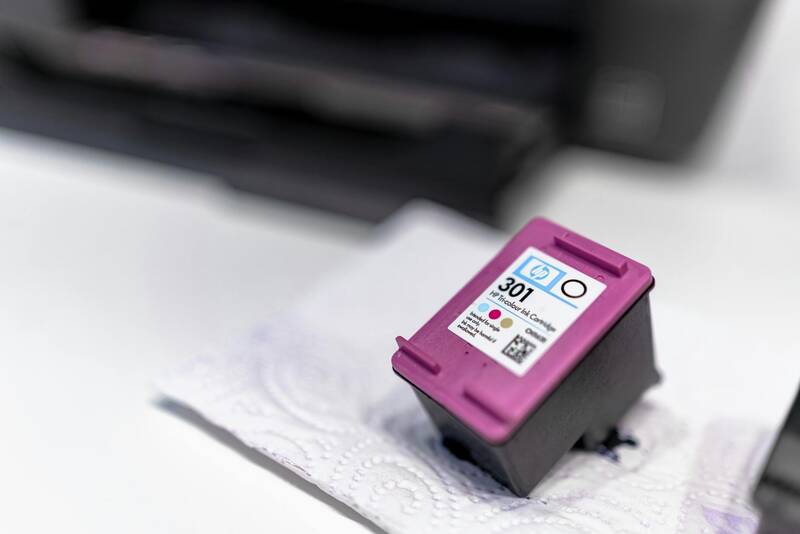
Digital printing offers a flexible alternative suitable for smaller quantities or customized variations. This method involves directly printing digital files onto the chosen substrate, enabling rapid turnaround times and easy modifications. Digital printing excels when quick updates or personalized cards are required, making it a valuable solution for dynamic marketing strategies. Moreover, advances in digital printing technology have resulted in high-resolution outputs, rivaling traditional methods in clarity and vibrancy.

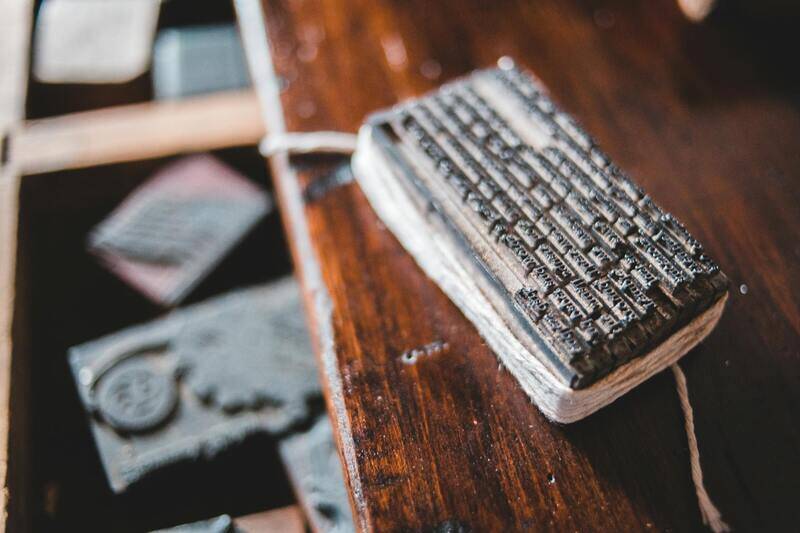
Letterpress printing, recognized for its tactile impression and elegant finish, remains a highly regarded standard for premium cards. This method involves pressing the design into thick paper stock, creating a distinctive, embossed effect. The resulting texture not only enhances visual appeal but also communicates a sense of craftsmanship and exclusivity. Letterpress is often used for luxury brands, legal firms, or high-end service providers aiming to project authority and sophistication.
Thermography is another legitimate technique that combines printing with heat and resin powders. This process produces raised text or graphics that mimic the feel of embossed printing but at a more accessible cost. It adds a subtle dimension to business cards, making key information stand out effectively while maintaining a professional appearance.
For unique finishes such as foil stamping, embossing, or UV coating, it is vital to work with experienced printers who use reputable methods to achieve precise results. Using certified equipment and materials guarantees that the final product meets the expected standards, reinforcing your business's credibility and the quality of your branding efforts.
In selecting the appropriate printing method, consider factors such as projected print volume, expected design complexity, budget, and the desired tactile experience. Established printing providers utilize meticulous quality control procedures, from color calibration to finishing processes, ensuring that every batch of cards adheres to rigorous standards. Working with such reputable entities can significantly streamline the production process, reduce errors, and deliver a product that genuinely represents your business’s professionalism and industry standing.
Implementing Certified Printing Techniques for Optimal Results
Utilizing certified printing methods ensures the production of business cards that meet high standards of quality and durability. Offset printing remains a prevalent choice for bulk orders due to its consistency and ability to handle complex designs with vibrant color accuracy. When opting for offset printing, it is crucial to rely on facilities that maintain state-of-the-art equipment calibrated regularly to produce crisp images and precise color matching.
Digital printing offers an excellent alternative for smaller batches or designs requiring frequent updates. Advanced digital presses utilize precise color management systems, allowing for rapid turnaround times without compromising quality. For companies seeking eco-friendly options, digital printing methods that minimize waste and use sustainable inks are increasingly available, aligning with responsible corporate practices.
Spot UV coating is a modern technique that enhances specific areas of a business card with a glossy finish, creating visual contrast and a tactile element that captures attention. This technique is often used selectively on logos, contact information, or decorative accents to convey professionalism and finesse.
Letterpress remains a prominent legitimate printing method, appreciated for its ability to produce distinct impressions and textured surfaces. This process involves pressing types or plates into the paper, resulting in a tactile quality that communicates refinement and craftsmanship. When sourced from reputable printers, letterpress can produce highly detailed and consistent results, amplifying the perceived value of your business card.
Choosing a printing technique should be guided by the design complexity, desired finish, and budget constraints. Working with established printers that adhere to recognized standards ensures the process is smooth, and the final product accurately reflects your branding vision.
Innovative and Cost-Effective Printing Methods
While traditional printing techniques like offset and letterpress continue to serve as benchmarks for quality, modern digital printing methods offer flexible advantages that are particularly beneficial for small to medium-sized enterprises or customized batches. Digital printing employs direct image transfer from digital files onto chosen materials, resulting in reduced setup costs and faster turnaround times. This method is ideal for businesses aiming for frequent updates or limited runs, ensuring that design modifications can be implemented swiftly without incurring significant additional expenses.
Moreover, advanced digital presses equipped with high-resolution color management systems ensure vibrant, accurate color reproduction, closely aligning with on-screen designs. This consistency is crucial for maintaining brand integrity across various marketing materials.
For brands committed to sustainability, eco-friendly digital printing options are increasingly accessible. These environmentally conscious techniques utilize recycled papers, soy-based or vegetable inks, and processes that minimize waste. Such approaches not only support responsible business practices but also appeal to environmentally aware clientele.
Utilizing Special Printing Effects for a Distinctive Look
To create more engaging and memorable business cards, many companies choose to incorporate special printing effects that add tactile and visual appeal. Techniques such as foil stamping, embossing, spot UV coating, and thermography help to highlight key areas—like logos, contact details, or decorative elements.
- Foil Stamping: Adds metallic or pigmented foil layers, conveying luxury and sophistication.
- Embossing/Debossing: Creates raised or recessed designs that add depth and texture.
- Spot UV Coating: Applies gloss to select areas, providing contrast and visual intrigue.
- Thermography: Results in a raised print effect that mimics the appearance of embossing but at a lower cost.
These enhancements require specialized equipment and skilled craftsmanship, so it is essential to work with reputable printing providers who guarantee precision and quality consistency. When implemented thoughtfully, they can significantly elevate the perceived value and professionalism of your business cards.

Incorporating these advanced printing techniques demonstrates a commitment to high-quality branding, helping your business stand out in competitive markets. Engaging a printing partner with extensive experience in these methods ensures that the final product aligns perfectly with your vision and corporate standards, ultimately supporting your strategic branding initiatives and enhancing professional image.
Ensuring Proper Printing Methods for Business Card Excellence
Choosing the appropriate printing methods is crucial for achieving a business card that is both visually appealing and durable. Relying solely on standard digital or offset printing can sometimes limit the potential for unique finishes and tactile enhancements. To elevate your business cards to a higher professional standard, it is vital to select print techniques that are compatible with your brand’s aesthetic and functional needs.
Official and Recognized Printing Techniques
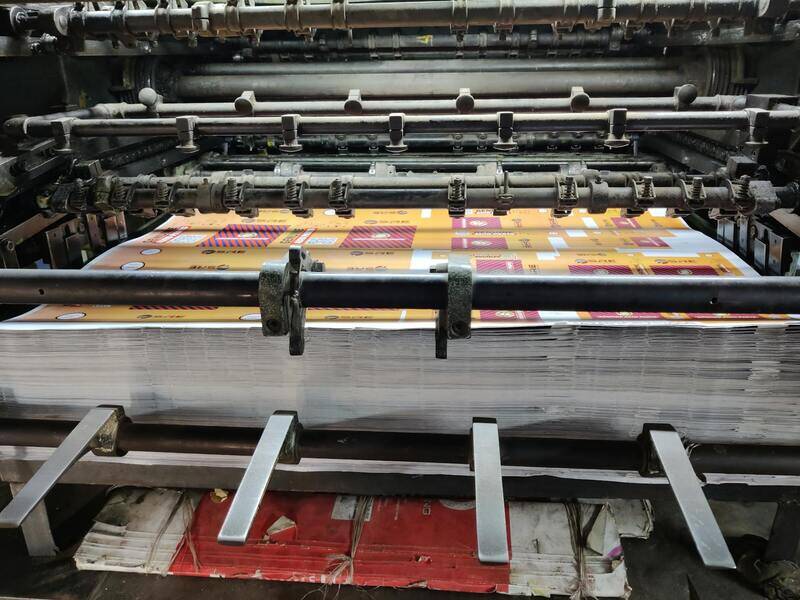
- Offset Printing: Ideal for high-volume orders, offset printing offers consistent color quality and sharp detail, making it suitable for intricate designs and vibrant color schemes. It involves transferring ink from a plate to a rubber blanket and then onto the printing surface, ensuring precise and uniform results.
- Digital Printing: Suitable for smaller quantities or designs requiring frequent updates. Digital printing is a direct-to-substrate process, allowing quick turnaround times and easy customization without the need for plates.
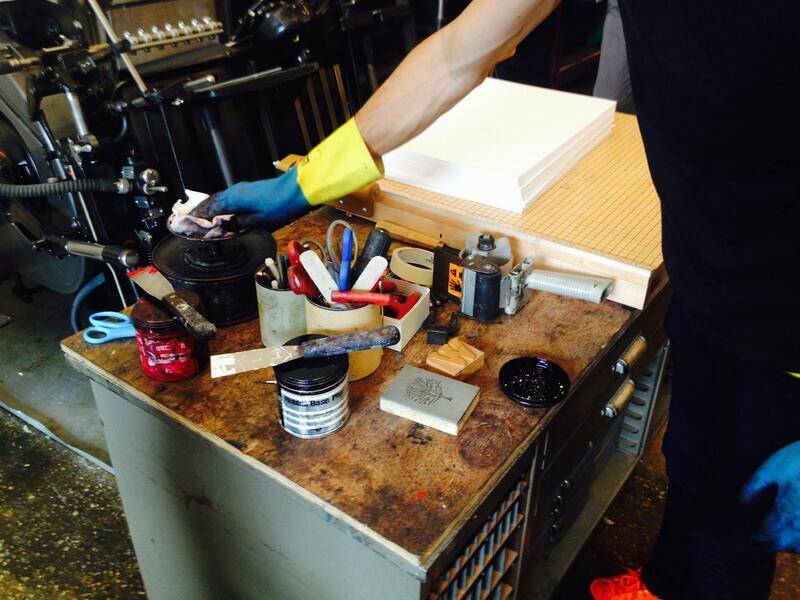
- Letterpress and Traditional Methods: Revered for their rich, tactile impression, letterpress printing involves pressing molten metal or polymer plates onto textured paper, creating deep indentations. Although more labor-intensive, this method lends a classic, high-quality feel that is highly valued in luxury branding.
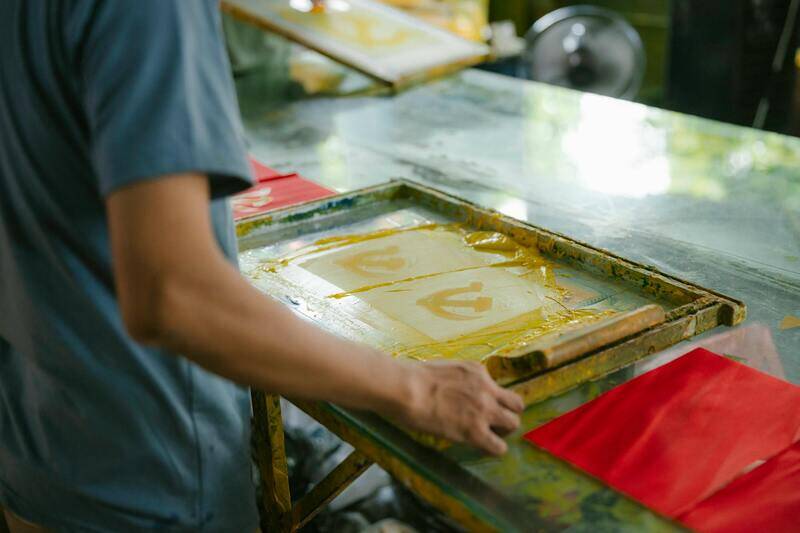
- Screen Printing: Best suited for designs with bold colors or limited color palettes, screen printing involves pushing ink through a mesh stencil onto the card surface. It provides durable results with vibrant pigment adhesion.
Utilizing Advanced Finishing Techniques
Incorporating specialized finishing techniques can significantly refine the look and feel of your business cards. Foil stamping provides metallic or pigmented accents that exude luxury, while embossing or debossing adds depth via raised or recessed designs. Spot UV coating highlights specific elements with a glossy finish, enriching contrast and visual interest. Thermography offers a budget-friendly way to mimic embossing with a raised print effect, adding dimension without increasing costs excessively.
Partnering with Certified Printing Experts
To ensure the integrity and precision of your business cards, working with reputable printing providers that utilize certified equipment and skilled craftsmen is essential. These professionals guarantee consistency in color, texture, and finish, adhering to industry standards that uphold a polished corporate image. Engaging with experts familiar with advanced techniques ensures your design intentions are faithfully realized and that the final product meets all professional criteria.
High-quality printing is a strategic investment in your branding efforts and leaves a lasting impression on potential clients and partners. It’s advisable to request samples and proofs before committing to large orders, allowing you to validate the results and make adjustments if necessary.

Ensuring Durable and High-Quality Prints Through Certified Printing Methods
When it comes to producing business cards that effectively embody your brand, utilizing legitimate and certified printing techniques is paramount. Certified printing facilities employ state-of-the-art equipment that guarantees precision, color accuracy, and consistent results across large batches. These establishments adhere to industry standards, which means the use of high-grade inks, premium paper stocks, and environmentally safe processes that uphold quality and safety. This commitment ensures that every print run meets stringent quality benchmarks, retaining vibrancy and detail from digital design to finished product.

Using certified printing methods also involves thorough pre-press processes, including color calibration and proofing. Proofing allows clients to review and approve precise color matches and layout placements, reducing errors and waste before mass production. This extra step is crucial for maintaining consistency, especially when multiple batches are produced over time. Additionally, many certified printers participate in quality assurance programs, providing guarantees for finished products that meet specific durability and aesthetic standards.
Selecting a printing partner that employs eco-friendly, certified materials and processes can also enhance the credibility of your business image. Sustainable printing practices emphasize the use of recycled or responsibly sourced papers, soy-based inks, and waste reduction initiatives, aligning your brand with environmentally conscious values. This commitment resonates well with clients and partners who prioritize sustainability.
Verifying Credentials and Choosing Reputable Printing Vendors
Before proceeding with a printing service, it is essential to verify their certifications and industry memberships. Look for accreditations from recognized organizations, such as the ISO (International Organization for Standardization), which indicate adherence to international quality standards. Additionally, reputable printing providers often showcase their certifications and quality awards on their websites or in their promotional materials.

Engaging a legitimate printing company involves reviewing their portfolio, requesting samples of previous work, and examining the consistency of color match, paper quality, and finishing. It's also prudent to inquire about their quality control procedures, turnaround times, and customer support capabilities. Transparent communication from the outset ensures clarity on materials used, production timelines, and any additional services such as custom finishes or specialty coatings.
Implementing Quality Control Checks for Final Products
To guarantee the final product’s excellence, it’s advisable to establish quality control measures during and after production. Inspecting samples against approved proofs helps verify color accuracy, paper quality, and finishing effects. For bulk orders, consider having a dedicated quality assurance team review a random selection of business cards to identify any inconsistencies or defects before distribution.
Further, maintaining detailed records of the approved proofs, materials supplied, and production batches facilitates future reorders or design updates. This diligence ensures your business cards consistently reflect your professional image and meet your expectations for durability and appearance.
Ensuring Authenticity and Compliance in Business Card Printing
Securing the authenticity of your business cards through legitimate printing methods is crucial in establishing your professional credibility. Businesses should prioritize working with certified printers that adhere to industry standards, which often involves verifying their adherence to established quality assurance protocols. Such validation can typically be confirmed through certifications, memberships, and documented quality procedures provided by reputable printing organizations.
When selecting a printing partner, it is important to review their portfolio thoroughly. This includes requesting samples that showcase their mastery across various print techniques and finishes. High-quality samples will display consistent color reproduction, precise cutting, and seamless application of special effects like embossing or foil stamping. Transparency regarding their manufacturing processes and quality control measures offers additional assurance of legitimacy.
Verification Through Certifications and Industry Recognition
- Look for memberships in professional organizations such as the Printing Industries of America (PIA) or similar local bodies. These memberships often require adherence to strict operational standards.
- Request documentation of any quality awards or certifications received, which attest to consistent performance and compliance with technical specifications.
- Seek independent reviews and client testimonials that discuss the printer's reliability, turnaround time, and final product quality.
Demand for Transparent Processes and Quality Control
Transparent communication about the printing process, including proofing, color matching, and finishing options, helps reinforce confidence in the service provider's legitimacy. A reputable printer will provide physical or digital proofs before mass production begins, allowing revision and approval to ensure the design meets your expectations. Implementing a rigorous quality control process—such as inspecting random samples during and after production—helps identify and address any inconsistencies or defects early, preventing subpar products from reaching clients.
Maintaining Documentation for Future Reference
Keeping detailed records of approved proofs, materials, and production batches streamlines reorders, updates, and troubleshooting. This documentation validates design specifications and quality benchmarks, providing a clear reference point should any issues arise. It also supports consistent branding efforts, ensuring that every batch of business cards aligns with your established corporate identity.