Overview of Express Card Printing
Express card printing is a specialized service designed to produce high-quality cards with rapid turnaround times. It caters to a diverse range of clients, including corporate entities, event organizers, and individuals seeking personalized cards. The primary objective of this service is to fulfill urgent card printing needs without compromising on quality, making it ideal for situations such as last-minute corporate giveaways, event access passes, membership cards, and promotional items.
Utilizing advanced printing technologies and premium materials, express card printing offers a streamlined process that ensures swift delivery while maintaining the integrity of the design and security features. This service is especially advantageous for businesses and professionals who require a quick turnaround to meet tight schedules or sudden demand surges. Its capability to combine customized design options with rapid fulfillment makes it a vital component of modern visual branding and identification strategies.
One of the key benefits of express card printing is its ability to incorporate complex designs, security elements, and personalized details within a shortened production cycle. This ensures that clients receive precisely what they need in terms of aesthetics and functionality, often within 24 to 72 hours. The integration of digital printing methods and high-quality substrates ensures that each card not only looks professional but also meets standards necessary for durability and longevity.
As demand for immediate and bespoke card solutions continues to grow, the importance of reliable and efficient printing methods becomes increasingly critical. Whether for business identification, loyalty programs, or access credentials, express card printing provides a fast, flexible, and professional approach to meet diverse client needs promptly and effectively.
Materials and Substrates for Express Card Printing
Choosing the right materials and substrates is essential to producing durable, appealing, and functional cards through express printing services. The selection process hinges on the card's intended use, environmental factors, and the desired aesthetic. High-quality substrates offer enhanced durability, resistance to wear and tear, and support intricate printing techniques that ensure vibrant visuals and security features.
Common substrates utilized in express card printing include PVC (Polyvinyl Chloride), PET (Polyethylene Terephthalate), and composite materials. PVC remains the most prevalent choice due to its excellent durability, versatile finishing options, and smooth surface that facilitate high-resolution printing. It is ideal for standard identification, membership, and access cards that require longevity and resistance to moisture or physical stress.
PET is an alternative substrate known for its eco-friendliness and strong physical properties. It provides increased resistance to scratching, tearing, and bending, making it suitable for cards subjected to frequent handling. Composite materials, which combine PVC with additional layers or coatings, offer enhanced security features such as holograms or embedded chips without compromising flexibility or print quality.

For specialized applications, substrates such as transparent or translucent materials can be used to create unique visual effects or to support specific security measures. Additionally, for temporary or short-term needs, rigid paper-based options may be available, though they lack the longevity of plastic substrates. The compatibility of these materials with digital printing, embossing, or lamination processes ensures that each card can be tailored to specific security and design requirements.
Considerations for Material Selection
- Durability: Ensuring the card withstands daily handling and environmental conditions.
- Security Features: Compatibility with holograms, chips, or magnetic stripes.
- Design Capabilities: Surface texture and compatibility with various printing techniques.
- Cost-Effectiveness: Balancing quality with budget constraints.
Engaging with professionals who understand the nuances of material properties can significantly impact the overall quality and performance of printed cards. An experienced printing service provider will advise on optimal substrates to match specific functional and aesthetic expectations, ensuring that the final product meets the necessary standards for security, durability, and visual appeal.
Overview of Express Card Printing
Express card printing offers a streamlined solution for businesses and organizations seeking high-quality, customized cards within tight timeframes. This process involves utilizing advanced digital and offset printing technologies capable of producing vibrant colors, intricate designs, and embedded security features efficiently. The emphasis remains on precision, durability, and security, making it suitable for various applications including employee ID cards, access control badges, membership cards, and event passes.
One of the key advantages of express card printing is its ability to meet urgent deadlines without compromising quality. By leveraging modern printing machinery and optimized workflows, service providers can deliver cards typically within 24 to 48 hours, depending on complexity and order volume. This rapid turnaround is particularly critical for events, temporary registrations, or replacing lost identification quickly and effectively.
In addition to speed, customer customization plays a significant role. Clients can select from a wide array of design options, finishings, and security features to ensure that each card aligns with branding standards and functional requirements. The integration of variable data printing further enhances personalized security measures, allowing for unique serial numbers, employee names, or barcodes to be printed directly onto each card seamlessly.
Types of Express Cards and Their Uses
Express card printing encompasses a variety of card types, each designed for specific functions and environments. Understanding the distinctions helps in selecting the appropriate card for your needs:
- ID Cards: Used for employee identification, access control, and visitor management, these cards often incorporate security features like holograms or embedded chips.
- Membership Cards: Common among clubs, gyms, or associations, these cards are tailored for branding and often include magnetic stripes or QR codes for quick verification.
- Event Passes: Designed for temporary access to conferences, festivals, or corporate events, these cards prioritize rapid production and cost-efficiency.
- Access Control Badges: Enhanced with embedded RFID or smart chip technology, these cards are vital for secure facility entry and asset management.
Each type of card can be customized in terms of size, shape, security features, and surface finishings. The selection of substrate materials, such as PVC or PET, ensures that cards are durable enough to withstand daily handling while maintaining clarity and print fidelity.
Materials and Substrates for Express Card Printing
Choosing the appropriate substrate is fundamental to achieving the desired balance of durability, flexibility, and visual appeal. Common materials include:
- PVC (Polyvinyl Chloride): The most popular choice due to its durability and compatibility with digital printing, PVC is suitable for cards exposed to frequent handling and environmental stresses.
- PET (Polyethylene Terephthalate): Known for its high tensile strength and resistance to temperature variations, PET offers improved longevity and environmental resistance, making it suitable for outdoor applications.
- Composite Layers: A combination of PVC and other materials, these layers enhance security features and provide a lightweight yet sturdy card option.
- Transparent or Translucent Materials: Used for special visual effects or security purposes, these substrates can support intricate designs or embedded security features.
- Paper-based Cards: Typically used for short-term needs or promotional purposes, they are less durable but cost-effective for temporary applications.
Material selection hinges on understanding the environmental exposure, storage expectations, and security requirements of the end-use. Professional printers provide valuable guidance to align substrate choices with specific functional and aesthetic objectives.
Overview of Express Card Printing
Express card printing has become a crucial service for businesses, organizations, and individuals requiring high-quality, quickly produced identification and access cards. This process involves specialized printing techniques that facilitate rapid turnaround times without compromising on clarity, precision, or durability. Leveraging advanced digital printing methods, professionals can produce a wide array of cards, including employee IDs, membership cards, access control cards, and event passes, all customized to meet specific branding and security needs.
Efficient and versatile, express card printing often utilizes high-speed production equipment that ensures consistency across batches while reducing lead times. This approach is ideal for situations demanding urgent card issuance, such as corporate onboarding, emergency access identification, or promotional events. By integrating modern printing solutions, service providers can accommodate diverse design specifications, substrate choices, and security features, providing clients with tailored products that align perfectly with their operational and aesthetic objectives.
Types of Express Cards and Their Uses
Express card printing encompasses various card types, each serving specific functional purposes. Understanding these categories helps clients select the most appropriate solutions for their needs:
- Identification Cards: Commonly used within corporate, educational, or governmental environments, these cards facilitate secure access and identification for employees or students, often integrated with smart features like magnetic strips or microchips.
- Membership Cards: Issued by clubs, gyms, or loyalty programs, these cards help track membership status, rewards, and participation history while reinforcing brand identity through custom designs.
- Access Control Cards: Designed for physical security, these cards support contactless technology such as NFC or RFID for seamless entry to restricted areas, safeguarding sensitive spaces.
- Event Passes and Badges: Used at conferences, seminars, or festivals, these cards often incorporate vibrant visuals, QR codes, and security holograms for quick validation and easy identification.
Materials and Substrates for Express Card Printing
Choosing the right material is essential to ensure the durability, functionality, and visual appeal of your cards. The substrate or base material influences longevity, security features, and compatibility with different printing technologies. Below are common materials used in express card printing:
- PVC (Polyvinyl Chloride): As the most prevalent material, PVC offers excellent durability, flexibility, and print compatibility. Its resistance to wear and tear makes it suitable for cards subjected to frequent handling.
- PET (Polyethylene Terephthalate): Known for resilience against temperature fluctuations and environmental factors, PET is ideal for outdoor or long-term applications, providing enhanced longevity.
- Composite Layers: Combining materials like PVC with additional security features, these layers add flexibility and robustness, making them a preferred choice for secure identification cards.
- Transparent or Translucent Substrates: Utilized for aesthetic effects and security purposes, these materials support embedding complex designs or holograms that are visible through the card.
- Paper-based Cards: Cost-effective and suitable for short-term use, promotional campaigns, or temporary passes, these are less durable but serve specific transient functions.
Material selection hinges on environmental exposure, security needs, and lifespan expectations. Professional printing services offer consultation to align substrate choices with functional requirements, ensuring optimal performance and visual integrity.
Overview of Express Card Printing
Express card printing encompasses a streamlined process designed to produce high-quality identification, membership, or access cards within a short timeframe. These services leverage advanced printing technologies and premium materials to deliver durable, customizable cards that meet specific organizational requirements. Whether for employee IDs, membership passes, or event access cards, the emphasis lies on rapid turnaround without compromising on clarity or security. Professional providers excel in offering tailored solutions that align with both functional and aesthetic expectations, ensuring clients receive a product that enhances their brand or operational workflow efficiently.
Types of Express Cards and Their Uses
Various types of express cards serve diverse needs across industries, each with distinct features suited for particular applications:
- Standard ID Cards: Commonly used within corporate, educational, and institutional environments for personnel identification and access management.
- Membership Cards: Facilitate loyalty programs, club memberships, or subscription-based services, often integrating security features to prevent fraud.
- Event Badges: Designed for conferences, trade shows, and exhibitions, these are typically temporary or event-specific passes with quick issuance requirements.
- Access Control Cards: Used for secure entry to buildings or restricted areas, often embedded with RFID or barcode technology for seamless authentication.
The versatility of these cards allows organizations to choose the most appropriate type based on security, durability, and presentation needs, all obtainable through efficient express printing services.
Materials and Substrates for Express Card Printing
Choosing the right material is critical in ensuring the performance and appearance of the printed cards. Different substrates offer distinct advantages aligned with the specific demands of the application:

Common materials include:
- PVC (Polyvinyl Chloride): The most widely used substrate, PVC provides excellent durability and flexibility, making it suitable for frequent handling and long-term use. It maintains high-quality print results across various technologies and resists wear.
- PET (Polyethylene Terephthalate): Known for environmental resilience, PET withstands temperature changes and harsh conditions, ideal for outdoor applications that require extended lifespan.
- Composite Layers: These combine multiple materials, integrating security features like holograms or embedded chips while maintaining flexibility and strength.
- Transparent or Translucent Substrates: Utilized for aesthetic purposes or security enhancements, these materials facilitate embedding complex designs or security elements visible through the card surface.
- Paper-based Cards: More cost-effective and suitable for temporary or short-term use, often used in promotional campaigns or events where durability is less critical.
The selection hinges on factors such as environmental exposure, needed security level, and expected lifespan. Consultation with printing professionals ensures optimal substrate choice to achieve desired performance and visual appeal.
Overview of Express Card Printing
Express card printing offers a streamlined approach to producing high-quality, professional cards in a rapid timeframe, catering to diverse needs such as identification, membership, access control, or promotional use. This process involves utilizing advanced printing technologies that ensure crisp images, durable finishes, and secure features, all within a short turnaround period. The ability to customize cards with various design options and security elements makes express card printing an essential solution for organizations requiring swift deployment of personalized, reliable cards.

Types of Express Cards and Their Uses
Different types of express cards serve specific functions across industries, and their selection depends on parameters such as durability needs, security requirements, and aesthetic preferences. Common categories include:
- Identification Cards: Used by businesses, schools, and government agencies to verify personnel and members quickly.
- Access Control Cards: Facilitate secure entry to buildings, parking facilities, or restricted areas, often embedded with RFID chips.
- Membership and Loyalty Cards: Promote brand engagement and customer retention through personalized designs and quick issuance.
- Event and Temporary Cards: Ideal for conferences, festivals, or short-term promotions, these cards emphasize speed and cost-effectiveness.
Materials and Substrates for Express Card Printing
The choice of substrate plays a pivotal role in determining the card’s appearance, durability, and security features. Several materials are commonly employed in express card printing, each suited for different applications:
Common Materials Used
- PVC (Polyvinyl Chloride): The most popular substrate, PVC offers flexibility, robustness, and excellent print quality, making it suitable for frequent handling and long-term use. It supports various printing technologies and resists wear and tear.
- PET (Polyethylene Terephthalate): Known for its strength and environmental resilience, PET is ideal for outdoor applications requiring extended durability under exposure to temperature changes and harsh conditions.
- Composite Layers: Combining multiple materials, these layers incorporate embedded chips, holograms, or security features without compromising the flexibility and durability of the card.
- Transparent or Translucent Substrates: These materials support complex design integration, security features, or aesthetic effects by allowing visuals to be embedded or visible through the surface.
- Paper-based Cards: Cost-effective options suited for temporary use, promotional events, or short-term needs where longevity is less critical.
Design and Customization Options
Customization enhances the functionality and aesthetic appeal of express cards. Operators can choose from a wide array of design options including:
- Personalized graphics, logos, and color schemes aligning with branding requirements.
- Embedded security features such as holograms, UV printing, or microtext.
- Magnetic stripes, RFID chips, and QR codes to facilitate access and data storage.
- Finish options like matte, gloss, or embossed textures to improve tactile feel and visual impact.
- Variable data printing for unique serial numbers or names, ensuring each card’s individuality.
Printing Technologies Used in Express Card Production
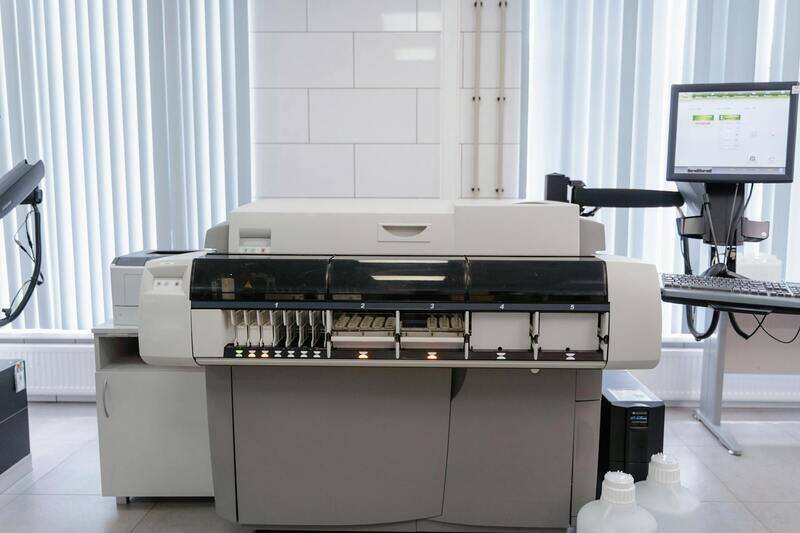
To meet the demands for speed, quality, and security, various printing technologies are employed in the production of express cards:
- Offset Printing: Suitable for large volume runs, offset printing delivers high-quality, consistent images with precise color matching.
- UV Printing: Enables printing on non-traditional substrates with vibrant colors and embedded security features directly onto the card surface.
- Re-Transfer Printing: Provides high-resolution images and is adept at printing on textured or curved surfaces such as cards with embedded chips.
- Digital Printing: Ideal for quick turnaround, variable data printing, and short runs, offering flexibility in customization and design updates.
Overview of Express Card Printing
Express card printing involves the rapid production of high-quality cards tailored for various uses, including access control, identification, membership, and promotional activities. This service is designed to meet tight deadlines while ensuring precision and durability. The process incorporates advanced printing technologies, premium materials, and customizable features to create functional and visually appealing cards. Businesses and organizations seeking fast turnaround times without compromising on quality often turn to specialized printing providers that offer efficient solutions aligned with their unique needs.
Types of Express Cards and Their Uses
There are several types of express cards, each optimized for specific applications:
- Identification Cards: Used by corporations, educational institutions, and government agencies for staff and student identification, often incorporating photo, name, and employee or student number.
- Membership Cards: Enhance customer loyalty programs, club memberships, and subscription services with durable, recognizable cards that promote engagement.
- Access Control Cards: Secure entry to buildings or restricted areas, typically embedded with RFID chips or magnetic strips for seamless access management.
- Promotional and Gift Cards: Designed to boost marketing campaigns, these cards often feature vibrant graphics and customization options to attract attention and reinforce branding.
Materials and Substrates for Express Card Printing
The choice of material is crucial in producing cards that are both resilient and visually appealing. Common substrates used in express card printing include:
- PVC (Polyvinyl Chloride): The most prevalent material, known for its durability, flexibility, and high print quality. Suitable for most applications including ID, membership, and access cards.
- Polycarbonate: Offers superior strength and scratch resistance, ideal for cards that require high durability and long-term use.
- Composite Materials: Combinations of PVC and other plastics that balance cost and strength, often used for promotional cards.
- Specialty Films: Used for security features like holograms or tamper-evident designs, printed on transparent or semi-transparent substrates for enhanced security.
Design and Customization Options
Creating visually distinctive express cards involves a comprehensive range of customization features. Effective design considers branding, security, and user experience, including:
- Personalized graphics, logos, and color schemes that align with corporate identity.
- Advanced security features like holograms, UV printing, microtext, and microchips to prevent counterfeiting and unauthorized duplication.
- Integration of magnetic stripes, RFID chips, QR codes, or barcodes for data storage and easy retrieval of information.
- Finish options: matte, gloss, or embossed textures to enhance tactile appeal and visual impact.
- Variable data printing for assigning unique serial numbers, names, or other identifiers to each card, reinforcing its individual authenticity.
Custom design options enable organizations to develop tailored express cards that precisely meet their operational and branding requirements, ensuring both functionality and aesthetic appeal.
Printing Technologies Used in Express Card Production
Multiple advanced printing technologies are employed to achieve the desired quality and security in express card production:
- Offset Printing: Ideal for large-volume runs, providing consistent, high-quality images with precise color matching.
- UV Printing: Suitable for printing on non-traditional substrates with vibrant colors, directly applying security features and complex graphics onto the surface.
- Re-Transfer Printing: Offers high-resolution images on textured or curved surfaces such as cards embedded with chips.
- Digital Printing: Perfect for quick turnaround times, short runs, and variable data printing, allowing flexibility in customizing each card.
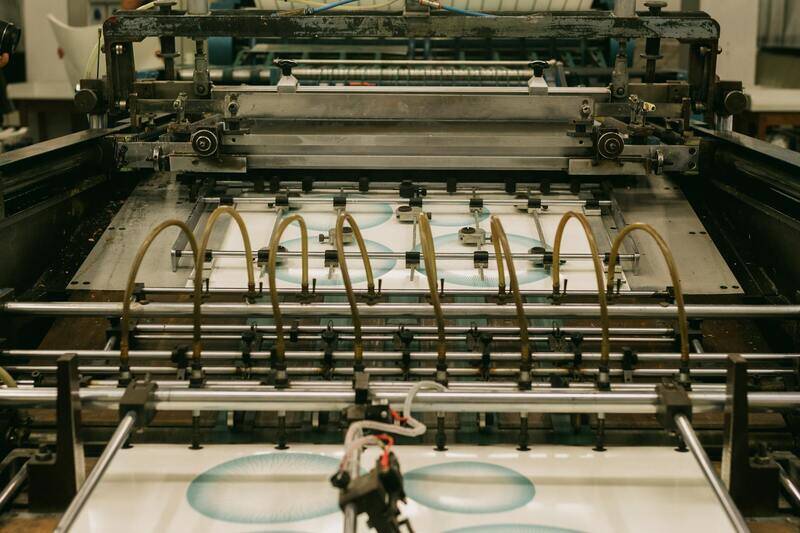
Quality Assurance and Security Features
Maintaining high standards in express card printing involves rigorous quality control measures. Incorporating advanced security features ensures the authenticity and durability of each card:
- Embedded holograms and microtext act as covert security measures to prevent duplication.
- UV printing adds an invisible layer that can be verified under UV light.
- Microchips, magnetic stripes, and QR codes facilitate secure data access and transaction capabilities.
- Durable finishes and high-quality substrates provide resistance against wear and tear, prolonging the card's usability.
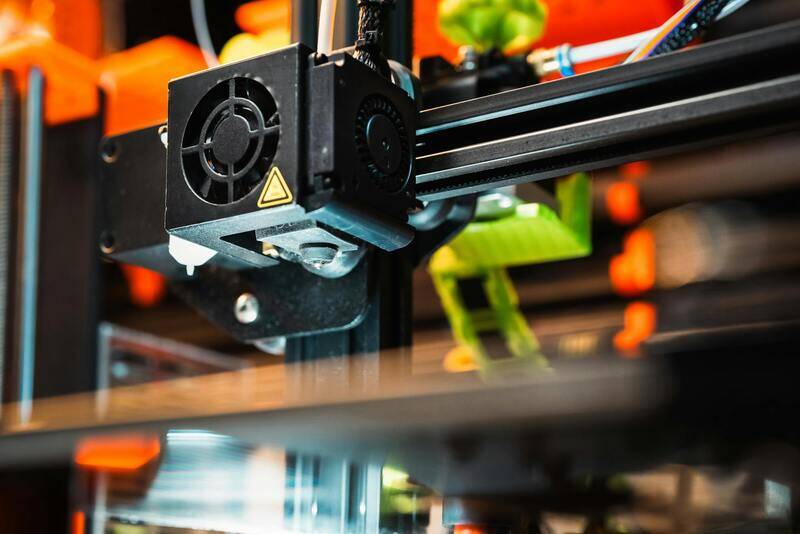
Overview of Express Card Printing
Express card printing is a specialized service that caters to clients requiring high-quality, durable, and customized cards within tight deadlines. This process involves advanced printing techniques designed to meet various security, aesthetic, and functional standards. Whether for corporate identification, membership programs, access control, or promotional purposes, professional express card printing guarantees a seamless combination of visual appeal and security features, ensuring each card fulfills its intended purpose efficiently. Companies that prioritize rapid turnaround times without compromising quality rely on these services to obtain cards that are not only visually striking but also exhibit embedded security elements that protect against counterfeiting and unauthorized access.
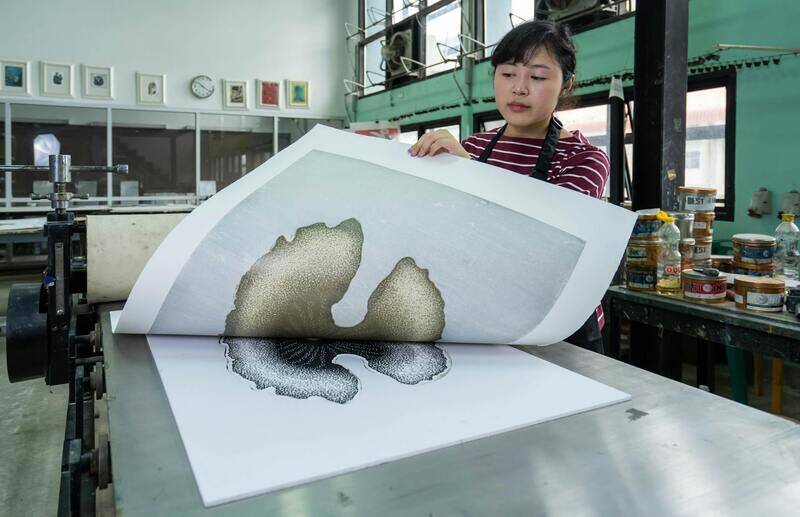
Types of Express Cards and Their Uses
Express card printing encompasses a variety of card types, each tailored to specific applications and user needs. These include:
- ID Cards: Used for employee identification, providing secure access to facilities, and tracking attendance.
- Membership Cards: Facilitating loyalty programs, club memberships, and subscription services.
- Access Control Cards: Enabling entry to restricted areas, parking lots, or secure events.
- Gift and Promotional Cards: Enhancing marketing campaigns and customer engagement through branded cards.
- Payment and Transaction Cards: Incorporating chip or magnetic strip technology for transactions.
Each type of card benefits from tailored security features, materials, and design elements to ensure they serve their intended function reliably and securely.
Materials and Substrates for Express Card Printing
The selection of materials significantly influences the durability, appearance, and security capabilities of the final product. Common substrates include:
- PVC (Polyvinyl Chloride): The most widely used material for its durability, flexibility, and ease of customization.
- PET (Polyethylene Terephthalate): Known for its strength and resistance to chemicals and heat, suitable for long-term use.
- Composite Materials: Combining multiple layers for increased security features or enhanced sturdiness.
- Specialized Films: Used for embedding holograms, microtext, or other security elements.
Choosing the appropriate substrate depends on the card’s application, required security features, and environmental exposure.
Design and Customization Options
Professional express card printing offers extensive design flexibility to match branding and functional requirements. Design options include:
- Full-color Printing: Vibrant visuals that make the card stand out.
- Die-cutting: Custom shapes to create unique card profiles.
- Embossing and Debossing: Raised or recessed elements for tactile features.
- Holograms and Microtext: Embedded security features providing authenticity and anti-counterfeiting measures.
- Spot Colors and Metallic Finishes: Special effects to highlight branding elements.
Advanced software solutions and hardware enable precise customization, ensuring each card aligns with branding standards and functional specifications.
Printing Technologies Used in Express Card Production
The manufacturing of high-quality express cards employs various state-of-the-art printing technologies:
- Offset Printing: Ideal for bulk production with consistent, high-quality color reproduction.
- UV Printing: Provides vibrant images directly onto various substrates, suitable for security features.
- Re-Transfer Printing: Ensures sharp resolution on textured or curved surfaces, often used for embedded chip cards.
- Digital Printing: Offers quick turnaround for small batches or highly personalized cards, with the ability to incorporate variable data.
The choice of technology depends on volume, complexity, and security specifications of the project.
Turnaround Time and Cost Considerations
Efficient express card printing services focus on balancing speed and quality to meet client deadlines without excessive costs. Turnaround times can range from same-day to several days, depending on project complexity and order volume. Factors influencing costs include design intricacy, material selection, security features, and finishing options. Opting for modular or standard templates may reduce costs, while highly customized or security-enhanced cards tend to require additional investment. Strategic planning and clear communication with the printing provider ensure that quality standards are maintained within budget and time constraints.
Quality Assurance and Security Features
Maintaining the highest standards in express card printing is achieved through strict quality control measures. Key security features incorporated into printed cards include:
- Embedded Holograms: Difficult to replicate, providing visual and security verification.
- Microtext and Fine Line Printing: Restricted to detailed microscopic text or intricate patterns visible under magnification.
- UV Printing Layer: Invisible under normal light but verifiable under UV light to confirm authenticity.
- Data Storage and Authentication: Microchips, QR codes, and magnetic stripes encode essential information securely.
- Durable Surface Finishes: Abrasion-resistant coatings and protective lamination prolong the functional lifespan of the card.
Security features are seamlessly integrated during the production process, ensuring each card’s integrity and deter counterfeiting efforts effectively.