Overview of Card Printing Companies
Card printing companies play a vital role in delivering high-quality, durable, and visually appealing cards for various purposes. These companies specialize in transforming digital designs into tangible products that meet specific standards for durability, aesthetics, and security. Their expertise encompasses a wide spectrum of card types, including identification cards, membership cards, gift cards, access control cards, and financial cards.
In Singapore, the demand for professionally printed cards continues to grow across industries such as retail, hospitality, corporate sectors, healthcare, and government agencies. Established firms in the region have developed advanced manufacturing capabilities, enabling them to combine innovative printing technologies with premium materials. This integration ensures that clients receive cards that not only look impressive but also withstand daily usage and environmental factors.

These companies typically operate with a focus on precision, security, and customization. They employ various printing techniques to produce cards that can include features such as embossed lettering, holograms, magnetic stripes, smart chips, and UV printing. Furthermore, their expertise extends to providing solutions tailored to security requirements, brand identity, and functional features, ensuring that each card serves its intended purpose effectively.
The landscape of card printing in Singapore is characterized by a competitive environment where companies strive to deliver excellence in quality, speed, and innovation. From small-scale local providers to large international corporations, these firms uphold strict standards to meet the diverse needs of their clientele, ensuring reliable and consistent delivery of premium card products.

Overall, card printing companies serve as essential partners for organizations seeking professional and versatile card solutions. Their commitment to quality and innovation helps businesses enhance their branding, security, and operational efficiency, making them indispensable in today's competitive landscape.
Printing Technologies and Materials
When evaluating the services of card printing companies, understanding the range of available printing technologies and materials is essential for selecting the optimal partner for your specific needs. Modern card printing relies on a variety of advanced techniques that ensure high-quality output, durability, and functional features. The primary printing methods include offset printing, digital printing, and flexographic printing, each suited to different volumes, customization levels, and material compatibilities.
Offset printing is widely used for large-scale production, offering consistent quality and cost efficiency for bulk orders. It excels in reproducing sharp images and vibrant colors, making it ideal for business cards and branded membership cards. Digital printing, on the other hand, provides greater flexibility for smaller runs and quick turnaround times, allowing for personalized designs and on-demand printing without the need for extensive setup. Flexographic printing is less common but suitable for specialty coatings and printing on various plastics.
Regarding materials, high-quality plastic sheets such as PVC remain the standard for most card types due to their robustness and flexibility. However, there is an increasing demand for alternative substrates like composite cards, PET, and polycarbonate, which offer enhanced durability and specialized functionalities. These materials are resistant to bending, scratching, and environmental damage, extending the longevity of the cards. Additionally, some companies incorporate eco-friendly materials, such as biodegradable plastics or recycled substrates, aligning with sustainable practices.

Printing techniques also include security features like holograms, UV printing, embedded microchips, and magnetic stripes, which require specialized equipment and expertise. Utilizing these features not only enhances the aesthetic appeal but also reinforces the functionality and security of the cards. The choice of materials and printing technology significantly influences the card's cost, durability, and suitability for intended uses.
Factors to Consider When Choosing a Card Printing Company
As you explore potential partners, it is crucial to assess their capabilities in employing advanced printing technologies and handling various materials. Ensure they have the necessary equipment and expertise to produce cards that meet your specifications, durability standards, and desired security features. A comprehensive review of their past projects and client testimonials can provide insights into their proficiency and reliability in delivering quality products consistently.
Most reputable companies will offer guidance on the best combination of materials and printing techniques tailored to your requirements, whether for identity verification, loyalty programs, or promotional purposes. Engaging with a printer that stays updated with technological advancements ensures access to the latest features, design options, and innovations that can set your cards apart in a competitive environment.
Types of Cards Offered
Card printing companies provide a diverse range of card types tailored to various industries and purposes. Among the most common are identification cards such as employee badges, access control cards, and membership cards. These cards often incorporate security features, durability, and customization options to meet organizational needs.
Membership and loyalty cards are designed to boost customer engagement and retention. They can be integrated with magnetic stripes, barcodes, or embedded microchips to facilitate easy data reading and transaction processing. Such features augment both the operational efficiency and customer experience.
Business and promotional cards remain a staple, emphasizing branding by allowing a high degree of design flexibility. These cards frequently feature high-quality finishes, embossed elements, and vivid color schemes to leave a memorable impression.
Event and access passes are another category, where durability and quick issuance are essential. These cards often utilize weather-resistant materials and are produced with environmentally friendly options that meet sustainability standards.

Design and Customization Options
Leading card printing companies offer extensive customization capabilities to craft visually compelling and functional cards. Clients can choose from a variety of templates or collaborate with designers to create unique artwork aligned with branding strategies. Advanced digital printing techniques enable high-resolution images, intricate graphics, and personalized text that make each card distinctive.
Customization extends beyond aesthetics. Options include incorporating security features such as holograms, UV printing for hidden elements, embedded microchips for smart functionalities, and magnetic stripes or barcodes for data encoding. These technical features enhance the cards' utility while maintaining a professional appearance.
Additionally, physical finishes such as matte, gloss, or soft-touch coatings can be applied to improve tactile feel and visual appeal. Edgeless or rounded corner designs are also available to enhance durability and ease of handling.

Environmental and Quality Certifications
Reputable card printing companies adhere to stringent environmental and quality standards to ensure products are both sustainable and reliable. Environmental certifications such as eco-labels or compliance with biodegradable plastics indicate a company’s commitment to reducing ecological impact. These certifications often involve using recyclable materials and minimizing waste during production.
Quality certifications like ISO or other industry-specific benchmarks validate operational excellence and consistency in manufacturing processes. Such certifications ensure that each batch of cards maintains high standards of durability, color fidelity, and security features, providing peace of mind for clients relying on these products for critical operations.
When selecting a provider, reviewing their certifications helps confirm their dedication to quality and sustainability — essential aspects that can impact long-term satisfaction and compliance with industry regulations.

Overview of Card Printing Companies
Card printing companies play a vital role in delivering professional-grade cards that meet diverse business needs, from identification badges and membership cards to gift cards and access control cards. These companies combine advanced printing technologies, durable materials, and customizable options to produce high-quality products that reflect their clients' branding and functional requirements. Their expertise ensures that each card produced aligns with industry standards, offering durability, security, and visual appeal.
Established card printing enterprises often operate with stringent quality control protocols and invest in cutting-edge production equipment. This dedication results in consistent output while accommodating various designs, security features, and finishes. Companies reputed for their craftsmanship also adopt environmentally conscious practices, ensuring their operations align with sustainable industry standards. Choosing a reputable manufacturer involves evaluating their technical capabilities, certifications, and customer feedback, which collectively guarantee a reliable partnership for your card printing needs.
Types of Cards Offered
Card printing companies customize their product range to suit various industry applications, including:
- Identification Cards: Employee IDs, student badges, and visitor passes designed for security and identification purposes.
- Membership Cards: Loyalty and club membership cards that foster customer engagement and brand loyalty.
- Gift and Prepaid Cards: Versatile cards used in retail environments for promotional purposes or preloaded with value for convenient transactions.
- Access Control Cards: Security-focused cards used for restricted entry in corporate, healthcare, or residential facilities.
- Business Cards: Premium cards that represent a brand’s identity through high-quality printing and finishes.
Each card type may require specific features, such as embedded chips, magnetic stripes, or QR codes, which card printing specialists can incorporate seamlessly. Custom shapes, sizes, and thicknesses are also available, enabling clients to select designs that best fit their operational and aesthetic requirements.
Printing Technologies and Materials
Leading card printing companies utilize various printing technologies to ensure clarity, security, and durability. Digital printing, offset printing, and thermal printing are common methods, each offering distinct advantages depending on volume, complexity of design, and security features required.
Materials used typically include PVC, PET, composite plastics, or biodegradable alternatives. These materials are selected based on the card’s intended use, environmental considerations, and longevity expectations. Finishing options like matte, gloss, or soft-touch coatings not only enhance visual appeal but also improve tactile handling and resistance to wear and tear.

Additional enhancements such as holographic overlays, UV printing, and microtext can be integrated to bolster security and authenticity. Rounded edges, beveled corners, or embedded security features make the cards more durable and tamper-resistant, aligning with the high standards expected in various industries.
Details on Card Printing Technologies and Materials
To produce durable and visually appealing cards, leading card printing companies employ a variety of advanced printing technologies tailored to different project requirements. Digital printing offers high-resolution images with quick turnaround times, making it ideal for small to medium batches that demand flexibility and customization. Offset printing, on the other hand, is suited for large volume orders, providing cost efficiency and consistent color accuracy across extensive runs. Thermal printing, especially direct-to-card or retransfer printers, is predominantly used for producing secure ID cards with embedded microchips or magnetic stripes, owing to its ability to produce precise security features and embedded data elements.

Material selection is equally crucial in ensuring the longevity and functionality of the final product. Polyvinyl chloride (PVC) remains the most common choice due to its durability, flexibility, and cost-effectiveness. However, environmentally conscious companies are increasingly opting for biodegradable plastics or PET, which offer similar strength with a reduced ecological footprint. Composite plastics and specialty films are used for cards requiring enhanced security features or higher durability under harsh conditions.
Finishing options significantly impact both the aesthetic appeal and protective qualities of the cards. Matte coatings reduce glare and fingerprint smudges, while gloss finishes enhance color vibrancy and sharpness. Soft-touch coatings provide a premium tactile feel, often preferred for executive-level cards or promotional items. Additionally, specialized finishes such as holographic overlays, UV printing, and microtext can be integrated to elevate security and brand presentation—these features help protect against counterfeiting and add an extra layer of authenticity.

Design and Customization Options
Customizing cards to align with branding and functional needs involves a comprehensive set of design features offered by reputable card printing companies. Incorporating holograms provides a dynamic visual layer that is difficult to replicate, thus serving as an effective security measure. QR codes are widely used for quick digital access to information or services, seamlessly integrated into the card design for convenience. Magnetic stripes and embedded RFID chips expand the card’s capabilities by enabling access control, transaction processing, or identification systems.
In addition to these technical features, design customization allows for personalized branding elements such as logos, color schemes, and text. The flexibility in shape, size, and thickness also supports the creation of unique cards tailored to specific industry standards or aesthetic preferences. For instance, loyalty cards might benefit from a distinctive shape that stands out visually, while access badges may prioritize RFID embedded features for security and convenience.
Certifications and Standards Ensuring Quality and Security
Top-tier card printing companies uphold a range of environmental and quality standards, reflected through certifications such as ISO 9001 for quality management and ISO 14001 for environmental responsibility. These certifications indicate compliance with rigorous industry benchmarks regarding process consistency, product durability, and eco-conscious manufacturing practices. Certifications related to security standards also ensure that cards are produced with the latest anti-counterfeiting measures, including holographic overlays, microtext, and UV security printing. Selecting a provider with recognized credentials guarantees that each card meets essential quality thresholds and incorporates the latest security features.

Cost Considerations and Delivery Timelines
Pricing for custom card printing varies based on factors like volume, material choices, complexity of design, and additional security features. Bulk orders generally benefit from reduced unit costs, but the total investment can fluctuate depending on the sophistication of added features. Leading card printing companies offer transparent quotes that outline costs for each customization layer, ensuring clients can budget effectively while getting the desired quality.
Turnaround times depend on project scope and the printing process selected. Standard production often ranges from a few days to a couple of weeks, but expedited services are available for urgent needs. Providers with efficient workflows and inventory management can deliver high-quality cards within tighter deadlines without compromising on standards. When planning your procurement process, clarifying lead times and minimum order quantities helps streamline decision-making and ensures timely receipt of finished products.
Overview of Card Printing Companies
Card printing companies serve a diverse range of clients, from corporate entities seeking employee ID badges to retail businesses requiring loyalty cards and event organizers needing access passes. These companies specialize in producing various types of cards with high precision and durability, ensuring that each product aligns with the specific needs of their clients. Reputable card printing entities employ advanced manufacturing capabilities and adhere to strict quality standards, providing consistency in output and superior security features. Their expertise extends across different industries, allowing them to offer tailored solutions that include custom shapes, multiple security layers, and flexible finishes.
Types of Cards Offered
Leading card printing companies provide an extensive array of card types designed to meet specific sector requirements:
- Employee ID Cards: Durable cards with security features for staff identification.
- Membership and Loyalty Cards: Custom cards used by retail or hospitality sectors to foster customer retention.
- Access Control Cards: Encoding technologies such as RFID or proximity for secure entry points.
- Gift and Prepaid Cards: Custom gift cards tailored for branding and promotional purposes.
- Event Passes and Badges: Temporary or permanent identification cards for conferences, concerts, or festivals.
Some companies also offer specialty cards, such as biodegradable options for eco-conscious clients or high-security cards with advanced anti-tampering features.
Printing Technologies and Materials
Card printing processes vary based on the desired quality, security, and longevity. Among the most prevalent methods are:
- Offset Printing: Ideal for large-volume runs, providing high-quality, consistent visuals with sharp color registration.
- Digital Printing: Suitable for short to medium runs, enabling quick turnaround times and personalized designs.
- Screen Printing: Used for simple, bold graphics and designs on thicker or specialty cards.
Materials typically include PVC for its durability and cost-effectiveness, though polycarbonate and PET are preferred for higher-end or eco-friendly applications. Additionally, card stocks can be supplemented with protective overlays, holographic films, or magnetic stripes to incorporate multiple functionalities and security measures.
Factors to Consider When Choosing a Card Printing Company
Clients should evaluate several aspects to ensure they partner with a reputable provider capable of fulfilling their needs efficiently:
- Experience and Industry Reputation: Proven track record with similar projects indicates reliability and expertise.
- Range of Customization Options: Ability to incorporate unique designs, security features, and functional elements.
- Technology and Equipment Quality: Advanced printing machinery ensures higher resolution, color fidelity, and security integration.
- Quality Assurance Processes: Certifications and standardized testing procedures safeguard against defects and security breaches.
- Turnaround and Delivery Capabilities: Prompt production timelines and reliable logistics are critical for project planning.

Design and Customization Options
Design flexibility is a core attribute of reputable card printing firms. Clients can collaborate with in-house graphic designers or upload their artwork directly. Standard customization options include:
- Full-color Printing: Bright and vibrant visuals that enhance brand visibility.
- Holographic Overlays and Microtext: Advanced security features preventing counterfeiting.
- Embedded Technologies: Magnetic strips, chips, NFC, or RFID tags for enhanced functionality.
- Special Finishes: Matte, gloss, textured, or embossed surfaces to add tactile appeal.
- Unique Shapes and Edges: Custom cuts and die-cut shapes for distinctive branding or functional design.
Partnerships with experienced printing companies ensure that each card's aesthetic and functional qualities meet specific branding standards and security requirements, offering clients a comprehensive suite of options to create highly personalized and secure cards.
Overview of Card Printing Companies
Card printing companies play a vital role in producing a diverse range of identification, access, and branding cards for various industries. These companies leverage advanced technology and experienced craftsmanship to deliver high-quality printed cards that meet specific security, aesthetic, and functional requirements. They serve sectors such as corporate, retail, hospitality, healthcare, government, and educational institutions, providing solutions that facilitate seamless identification, access control, and brand promotion. Reliable card printing providers typically uphold stringent quality standards, utilize modern equipment, and offer a broad array of customization options to cater to the unique needs of each client.
Types of Cards Offered
- Standard Identity Cards: Commonly used for employee and student identification, these cards typically feature company or institution logos, employee or student names, and photos.
- Membership and Loyalty Cards: Designed for retail and hospitality sectors, these cards support customer engagement through loyalty programs and membership benefits.
- Access Control Cards: Used for secure entry into buildings or restricted areas, often embedded with RFID or NFC technology.
- Gift and Prepaid Cards: Serve as electronic vouchers or preloaded payment tools for retail outlets.
- Security Cards: These include smart cards with embedded microchips for secure transactions and data protection.
- Custom and Specialty Cards: Featuring unique shapes, finishes, or embedded technologies to stand out or fulfill niche requirements.
Printing Technologies and Materials
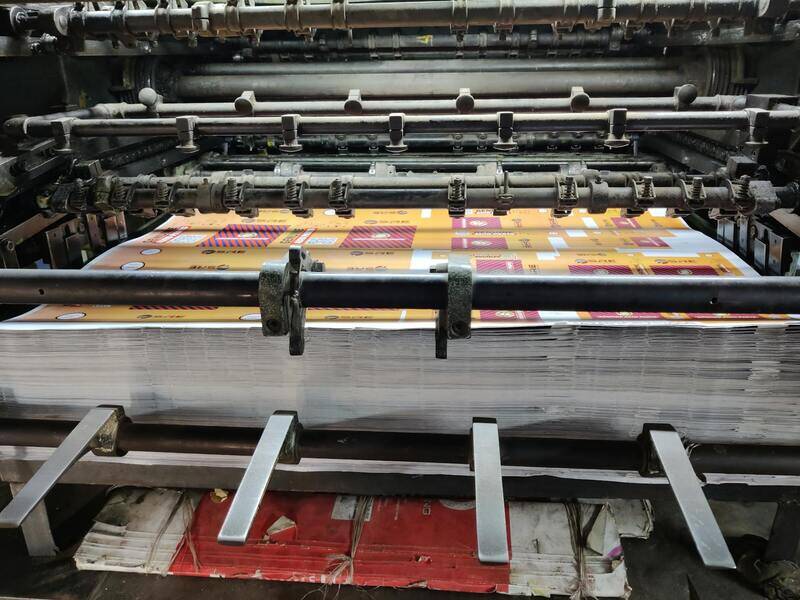
The core of card production relies on sophisticated printing techniques and high-quality materials. The primary methods include dye sublimation, offset printing, and digital printing, chosen based on the desired finish, security features, and volume. Common materials encompass PVC, PET, composite composites, and biodegradable options, tailored for durability and environmental considerations. Advanced features such as holographic overlays, microtext, and embossed textures are incorporated during production to enhance security and tactile appeal. The use of specialized inks and coatings ensures resistance to wear, chemical exposure, and fading, thereby extending the lifespan of each card.
Factors to Consider When Choosing a Card Printing Company
Selecting a reputable card printing provider involves evaluating several critical aspects:
- Technological Expertise: Availability of modern printing equipment and security features that support high-resolution output and tactile customization.
- Product Quality Assurance: Certifications, adherence to industry standards, and comprehensive quality control processes to prevent defects.
- Security Features: Capabilities to incorporate security elements like holograms, microtext, and embedded security chips.
- Turnaround Flexibility: Ability to meet tight deadlines through efficient production schedules and reliable logistics.
- Customer Support and Service Options: The availability of design assistance, consultation, and post-production services.
- Pricing Transparency: Clear quotation processes, bulk discounts, and upfront pricing models.
Design and Customization Options
Customization plays a pivotal role in the effectiveness of printed cards. Reputable companies provide extensive design and personalization options to align with branding objectives and security needs:
- Full-Color Printing: Maximum visual impact through vibrant designs that capture attention.
- Security Overlays and Microtext: Incorporation of advanced anti-counterfeit features.
- Embedded Technologies: Integration of magnetic stripes, RFID chips, NFC tags, or biometric sensors to enhance card functionality.
- Surface Finishes: Options such as matte, gloss, textured, or embossed surfaces for tactile differentiation.
- Custom Shapes and Edges: Die-cut designs and unique shapes to reinforce branding or functional attributes.

Environmental and Quality Certifications
Choosing a card printing company committed to quality and sustainability ensures prolonged product durability and minimal environmental impact. Certifications such as ISO 9001 for quality management and ISO 14001 for environmental management reflect adherence to rigorous standards. Companies with these credentials employ eco-friendly materials, waste reduction practices, and energy-efficient processes. They also implement stringent quality control protocols, including standardized testing for durability, color consistency, and security feature integration, ensuring that each batch of cards consistently meets high standards.
Comprehensive Overview of Card Printing Companies
In the competitive landscape of visual communication and branding, selecting a reputable card printing company is essential. These businesses operate with a focus on delivering high-quality, durable, and visually appealing cards that serve diverse purposes—from identification and access control to promotional and membership cards. Leading card printing firms employ advanced technological processes and uphold strict quality standards to ensure each product meets client specifications and functional requirements. Their expertise spans various industries, including corporate, retail, hospitality, healthcare, and government sectors, emphasizing the importance of choosing a partner with extensive experience and a proven track record of reliability and innovation.
Types of Cards Offered
The spectrum of cards produced by professional printing companies is broad, catering to different needs and functionalities:
- Identification Cards: Employee badges, student IDs, visitor passes, featuring security elements and branding.
- Access Control Cards: Magnetic stripe, RFID, and NFC-enabled cards for secure entry to restricted areas.
- Membership and Loyalty Cards: Custom-designed cards used in retail and service industries to foster customer engagement and retention.
- Gift and Promotional Cards: Visually compelling cards designed to enhance marketing campaigns and customer incentives.
- Financial and Payment Cards: Credit, debit, and prepaid cards with embedded chip technology for secure transactions.
- Security and Smart Cards: Biometric-enabled or contactless cards incorporating cutting-edge security features.
Printing Technologies and Materials
Modern card printing companies utilize a variety of innovative technologies and durable materials to produce high-quality cards:
- Offset Printing: Suitable for large volume runs with rich color reproduction.
- UV and Digital Printing: Enables quick turnaround and vibrant output with precise detail.
- Lamination and Coatings: Protects the surface from scratches, fading, and environmental damage, with finishes such as matte, gloss, or textured.
- Materials: PVC remains the most prevalent, but PET, PETG, Teslin, and composite substrates are also employed for specialized applications requiring enhanced durability or flexibility.
- Embedded Technologies: Incorporation of magnetic stripes, RFID chips, NFC tags, and biometric sensors within the card structure to augment functionality and security.
Key Considerations When Selecting a Card Printing Partner
Choosing the appropriate card printing provider involves evaluating several critical factors:
- Reputation and Experience: Does the company have a solid history of delivering consistent, high-quality products?
- Customer Feedback: What insights can be gathered from previous clients regarding their satisfaction and after-sales support?
- Range of Services: Does the company offer customization, security features, rapid turnaround, and flexible order volumes?
- Quality Assurance: Are there robust quality control processes in place to maintain high standards across batches?
- Technological Capabilities: Does the provider utilize advanced printing methods and embedding technology to meet your specific security and functional needs?
- Pricing and Delivery Times: Are the costs competitive, and can they meet your project deadlines?
- Sustainability Practices: Does the company employ environmentally responsible processes and materials?
Design and Customization Options
Personalization plays a crucial role in maximizing the efficiency and appeal of printed cards. Trusted printing companies offer extensive customization options to align with branding and security objectives, including:
- Full-Color and Spot-Color Printing: Vivid, eye-catching designs that effectively communicate brand identity.
- Security Features: Microtext, holograms, UV overlays, and embedded microchips for enhanced security.
- Custom Shapes and Die-Cuts: Unique card contours and edges to reinforce brand recognition or functional specifications.
- Surface Finishes: Matte, gloss, textured, embossed, or soft-touch coatings for tactile differentiation.
- Embedded Technologies: Integration of magnetic stripes, RFID, NFC, and biometric sensors for added security and interactivity.
Environmental and Quality Certifications
Responsibly produced cards reflect a company’s commitment to quality and sustainability. Certifications such as ISO 9001 and ISO 14001 serve as benchmarks for quality management and environmental performance. Companies adhering to these standards typically utilize eco-friendly materials, implement waste reduction strategies, and adopt energy-efficient manufacturing processes. High-quality control protocols include testing for durability, color fidelity, and security feature integration, which ensures each batch consistently meets stringent operational and aesthetic criteria. These practices contribute to longer-lasting products that also minimize environmental impact.
Choosing a Dependable Card Printing Partner
Effective selection involves a comprehensive evaluation of potential providers based on reputation, customer reviews, technical expertise, and support services. A committed partner not only delivers high-quality cards but also provides ongoing support, technical assistance, and flexible solutions that adapt to evolving needs. Prioritize transparency in communication, clear pricing, and adherence to deadlines to foster a reliable working relationship. Ultimately, partnering with an established and experienced card printing company ensures your branding, security, and functional requirements are achieved with precision and consistency.