Understanding the Importance of Business Card Design
In Singapore's competitive business environment, a meticulously crafted business card serves as a fundamental tool for establishing professional credibility and fostering meaningful connections. Without the need for digital prompts, a well-designed name card provides a tangible reflection of an individual's or company's brand identity. It works as a compact marketing asset that leaves a lasting impression on potential clients, partners, and stakeholders. An effective business card design communicates vital details clearly, showcases professionalism, and differentiates your brand from competitors in a saturated market.
Given the fast-paced nature of business interactions in Singapore's thriving economy, having a business card that resonates with your target audience is crucial. High-quality printing and thoughtful design elements ensure your card stands out in a pile of other cards received during networking sessions. This not only reinforces your brand image but also enhances recall, making it easier for recipients to remember your services or products when future opportunities arise. In a city where reputation and first impressions hold significant weight, investing in a unique and professional name card design is essential for meaningful business growth.
Furthermore, the evolving landscape of industries in Singapore demands adaptable and culturally relevant designs. Whether in finance, technology, or creative sectors, aligning your business card aesthetics with current trends and local preferences can greatly impact how your brand is perceived. An attention to detail in design and printing demonstrates seriousness in your business commitments and can open doors to new collaborations and ventures. It is more than just a piece of paper – it is a strategic tool that informs, persuades, and builds trust among prospective clients and partners.

Ultimately, the significance of business card design in Singapore cannot be overstated. It encapsulates your brand’s professionalism, uniqueness, and credibility in a compact form, paving the way for future business success. When paired with quality printing services, a thoughtfully designed name card becomes an invaluable asset that enhances personal branding and leaves an indelible mark on every recipient.
Choosing the Right Material and Finish
When planning your name card design and printing in Singapore, selecting the appropriate materials and finishes is crucial to ensure durability, visual appeal, and a professional feel. The choice of substrate can significantly influence how your business card is perceived and how long it maintains its pristine appearance. High-quality materials such as thick cardstock, textured paper, or eco-friendly options can elevate your card's presence, making it stand out in a stack of standard cards.
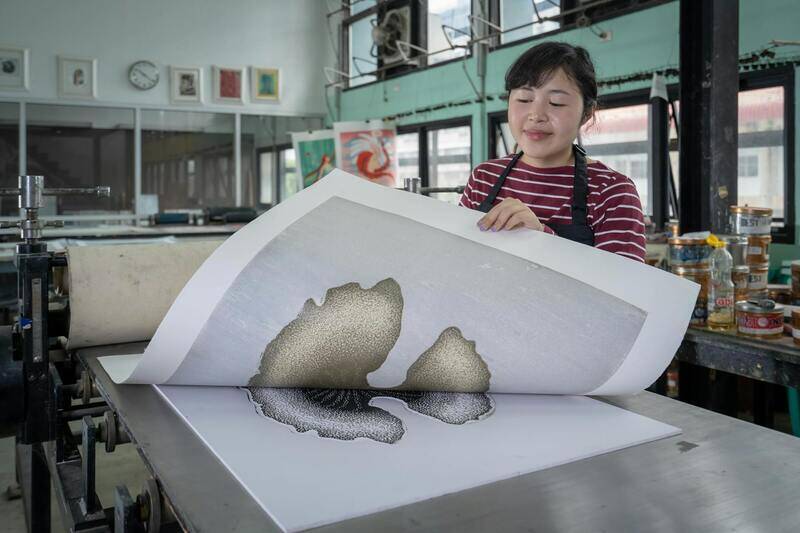
- Cardstock Weight: A heavier cardstock (measured in GSM) often conveys a sense of quality and reliability. Common weights range from 250GSM to 400GSM, with thicker options suitable for premium branding.
- Textured and Specialty Papers: Linen, Cotton, or Kraft papers add tactile interest and uniqueness. Specialty finishes like metallic or pearlescent papers can also create a luxurious effect.
- Matte vs. Glossy Finishes: Matte finishes provide a subdued, elegant look and reduce glare, making text more readable. Glossy finishes enhance colors and details, ideal for vibrant designs and images.
- Matte Laminate or UV Coating: Applying a protective layer not only boosts the durability of your card but also enhances the visual appeal, whether you opt for a matte, gloss, or satin finish.
- Eco-Friendly Options: Depending on your brand values, sustainable materials like recycled paper or plant-based inks can communicate environmental responsibility.
Design Trends for Business Cards in Singapore
Keeping abreast of current design trends ensures your name card remains relevant and impactful in Singapore's competitive business environment. Trendy designs often incorporate local influences, minimalistic aesthetics, and innovative printing techniques to reflect modern professionalism.
- Minimalist and Clean Layouts: Less is more. Focus on essential information with ample whitespace to achieve a sleek and elegant look.
- Bold Typography and Custom Fonts: Use distinctive fonts to highlight branding elements, ensuring readability while creating visual interest.
- Creative Use of Space and Geometry: Incorporate asymmetry, overlapping elements, or unconventional shapes to break the monotony and draw attention.
- Eco-Conscious Design: Emphasize sustainability by integrating natural colors and recycled materials into your design.
- Integration of Digital Elements: QR codes and augmented reality features are increasingly popular, providing additional layers of interaction and information.
Cost Considerations and Budgeting
Understanding the investment required for quality name card printing in Singapore is vital for aligning your branding goals with your financial plan. While the cost varies based on materials, finishes, and print techniques, balancing quality and budget ensures you maximize your return on investment.
- Basic Printing Options: Standard cardstock, simple design, and basic finishes tend to be the most affordable, suitable for bulk orders and everyday use.
- Premium Materials and Techniques: Specialty papers, foil stamping, embossed details, and unique finishes elevate the perceived value but come at a higher cost.
- Order Quantity: Larger volumes often reduce the unit price, allowing for better affordability without compromising on quality.
- Turnaround Time: Expedited printing options may incur additional charges but are useful for last-minute requirements.
Careful planning and consultation with experienced printing providers help optimize your budget, ensuring you receive a professional product aligned with your branding standards.
Choosing the Right Material and Finish
When selecting the optimal material for your business card, it is crucial to consider the nature of your brand identity and the impressions you wish to convey. Paper stock options vary widely, from standard matte and gloss finishes to more luxurious choices such as textured linen, soft-touch matte, or thick cardstock. Each material offers distinct tactile qualities and visual effects that can enhance the overall presentation of your card.
Durability plays a significant role in material selection, especially for professionals who frequently network or distribute numerous cards. Heavier, premium papers tend to withstand wear and tear better, maintaining their appearance over longer periods. Recycled materials are an eco-friendly alternative, aligning with sustainability initiatives without sacrificing quality.
Finishes add distinctive characteristics to cards, influencing both aesthetics and tactile experience. Matte finishes offer a smooth, non-reflective surface that exudes sophistication, ideal for minimalist designs. Gloss finishes boost color vibrancy and provide a shiny surface that makes images and logos pop, perfect for visually striking branding. For a more unique appearance, options like soft-touch coating or velvet finishes provide a plush feel, leaving a lasting impression on recipients.
Texture also enhances the card's sensory appeal. Embossed or debossed elements add dimension and tactile depth, emphasizing specific areas such as logos or contact details. Spot UV coating selectively highlights design features with a glossy sheen, contrasting with matte backgrounds for a modern, eye-catching look.
- Standard matte or gloss cardstock for everyday use
- Textured or specialty papers for premium designs
- Recycled or eco-friendly materials to showcase sustainability
- Thick cardstock for a substantial, luxurious feel
Aligning your material choice with your branding strategy and the context in which your cards will be used ensures a consistent and professional image that resonates with your target audience.
Enhancing Business Card Quality Through Official Printing Methods in Singapore
To achieve a high-caliber presentation that reinforces brand identity and leaves a memorable impression, utilizing official printing techniques is essential. In Singapore, reputable printing services employ a suite of advanced methods to elevate the visual and tactile appeal of your name cards, ensuring they stand out in competitive environments. These techniques are carefully selected to complement the design, material, and overall branding strategy of your business.
One of the most prominent methods is embossing and debossing. This technique creates a three-dimensional effect by raising or indenting specific elements such as logos, names, or motifs. Embossed features lend a sophisticated texture that not only enhances aesthetics but also provides a tactile experience, making the card more engaging upon handling. High-end embossing often pairs with foil stamping to add metallic accents that catch light and draw attention to key design components.

Foil stamping is another critical technique widely used in Singapore’s corporate markets. It involves applying a metallic or pigmented foil onto the card surface using heat and pressure. This method results in a luxurious, eye-catching finish that emphasizes logos or specific text, often in gold, silver, or other metallic shades. Foil stamping instantly elevates the perceived value of a business card, aligning with brand prestige and exclusivity.
Spot UV coating is particularly effective for highlighting visual elements. This process applies a glossy, transparent coating to selected areas, creating a stark contrast with matte or uncoated surfaces. Spot UV adds depth, vibrancy, and a contemporary touch, making logos, contact details, or images pop with precision. It is frequently combined with other techniques to produce a layered, multi-textural appearance that resonates with modern design trends.
Lamination, both matte and gloss, offers protection while enhancing visual appeal. Laminated cards are more resistant to scratches, moisture, and general wear, extending the lifespan of your business cards. Matte lamination provides a sleek, non-reflective surface suitable for minimalist or understated branding, whereas gloss lamination amplifies colors and images, adding vibrancy and a lustrous finish.
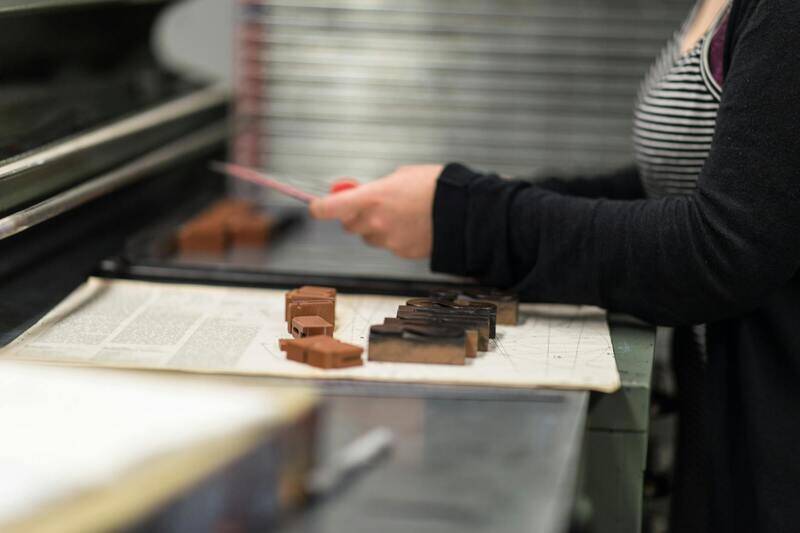
Additional techniques such as hot stamping, letterpress, and textured printing are also available to create unique, tactile experiences that communicate the essence of your brand. Hot stamping, for instance, applies a metallic or pigmented foil using high heat, resulting in a seamless, smooth finish. Letterpress printing, characterized by its deep, embossed impressions, adds a classic and refined dimension, especially suitable for premium or traditional branding approaches.
Implementing these official printing methods requires partnering with experienced professionals who understand the nuances of each technique and can advise on the best combination to realize your vision. Precision and quality control during the printing process ensure that details are crisp, colors are accurate, and the overall finish aligns with your branding goals. Consequently, investing in these reputable printing techniques in Singapore guarantees that your business cards do not just serve as contact tools but also as powerful brand ambassadors, creating enduring impressions in every exchange.
Understanding the Importance of Business Card Design
Business card design serves as a visual representation of your brand identity, making it an essential component in establishing professional credibility and fostering connections. An effectively designed card communicates your company's personality, values, and professionalism at a glance, leaving a lasting impression on potential clients and partners. Beyond mere contact information, a well-crafted business card can differentiate your brand in Singapore’s competitive market, highlighting your attention to detail and dedication to quality. It acts as a portable marketing tool, encapsulating your brand message in a tangible form that recipients can easily store and refer to. In the digital age, where direct personal interactions still hold significant value, a thoughtfully designed business card reinforces personal branding efforts, ensuring that your professional persona remains memorable long after the initial handshake.

Key Elements of Effective Name Card Design
- Clear Layout: Organize content logically with a balanced use of space, ensuring your contact details are easily accessible. Avoid clutter by maintaining sufficient whitespace for a clean look.
- Readable Typography: Select professional fonts that are legible at various sizes. Use font styles to emphasize key information such as your name or company name.
- Consistent Branding: Incorporate your company's logo, color palette, and overall style to reinforce brand recognition. Consistency across all marketing materials enhances credibility.
- Distinctive Visuals: Utilize unique graphics or patterns that align with your brand identity to attract attention without overwhelming the design.
- Accurate and Complete Information: Ensure all relevant details—name, title, company, contact number, email, and website—are current and correctly spelled.
- Custom Shape and Size: Consider non-standard shapes or sizes to stand out, while still complying with official printing standards for ease of storage.
Choosing the Right Material and Finish
Material choice significantly impacts the tactile experience and durability of your business cards. Options range from traditional cardstock to innovative materials like plastic or metal, each conveying different levels of sophistication and modernity. Common finishes include matte, gloss, and satin, each offering unique visual effects and tactile sensations. Matte finishes provide a subdued, elegant look and are resistant to fingerprints, making them suitable for minimalist designs. Gloss finishes enhance vibrant colors, making images pop and adding a professional sheen that attracts attention. Satin or silk finishes strike a balance between matte and gloss, offering durability and a smooth feel. Incorporating specialized finishes such as spot UV coating can add highlights to specific areas, creating focal points that draw the eye. The selection of material and finish should reflect your brand personality, target audience, and the impression you want to leave—whether it’s high-end luxury or innovative modernity.

Understanding the Importance of Business Card Design
Business card design extends beyond mere aesthetics; it directly influences how your brand is perceived and remembered. A professionally crafted card communicates credibility, professionalism, and attention to detail. The design process involves careful consideration of layout, typography, color schemes, and visual hierarchy to ensure that key information is easily accessible while preserving a cohesive brand image. In Singapore's competitive business environment, a memorable business card can serve as a vital networking tool, leaving a lasting impression on potential clients, partners, or stakeholders. Moreover, a well-designed card reflects your company's values and distinguishes your offerings from competitors. This ‘calling card’ encapsulates your brand identity and becomes a tangible representation of your professionalism and reliability.

Key Elements of Effective Name Card Design
- Clarity and Readability: Use legible fonts and appropriate sizes to ensure contact details are easily decipherable at a glance. Avoid clutter by maintaining sufficient whitespace around key elements.
- Consistent Branding: Incorporate your logo, brand colors, and tagline to create a cohesive look that aligns with your overall branding strategy.
- Strategic Use of Colors: Choose colors that evoke the desired emotions and complement your brand palette. Contrasting colors can highlight important information effectively.
- Visual Hierarchy: Prioritize essential details such as your name, position, and contact information, organizing them logically for quick reference.
- Unique Design Elements: Consider using custom shapes, embossed details, or creative typography to make your card stand out, while maintaining professionalism.
Choosing the Right Material and Finish
The tactile experience and durability of your business card are heavily influenced by material choice and finishing options. Classic cardstock remains popular for its versatility and affordability, but innovative materials like plastic or metal can elevate your brand image—especially for luxury or tech-centric businesses. Finishes are equally vital, with options including matte, gloss, and satin or silk. Matte finishes offer a sophisticated, understated look and resist fingerprints, ideal for minimalist designs.
Glossy finishes enhance color vibrancy and give a sleek, polished appearance that attracts attention. Satin or silk finishes provide a smooth, durable surface that balances elegance with practicality. For added visual interest, specialized finishes like spot UV coating can highlight specific areas or add a textured effect, creating a striking focal point. When selecting materials and finishes, consider how they align with your brand personality and the message you want to convey—whether it’s innovation, luxury, or professionalism.

Cost Considerations and Budgeting
Effective budgeting for name card printing requires understanding various pricing factors, including material quality, print quantity, and finishing details. Larger order volumes typically reduce per-unit costs, making it economical for businesses looking to distribute cards widely. It’s essential to strike a balance between quality and budget to ensure your cards look professional without overspending. Customizations like embossing, special finishes, or unique shapes tend to increase costs but can significantly enhance perceived value. When planning your budget, also consider the logistics of turnaround times, additional design services, and potential reprints due to errors. Establishing a clear budget early on helps streamline decisions and ensures your business cards meet your branding standards while remaining financially feasible.
Understanding the Importance of Business Card Design
A well-crafted business card serves as a tangible representation of your brand and professional identity. In the competitive landscape of Singapore's business environment, an eye-catching and well-designed card can make a lasting impression on clients and partners alike. Good design combines visual appeal with functional clarity, ensuring vital contact information is easily accessible, while also conveying your company's personality and values. Proper design can reflect your industry’s standards—whether it’s sleek minimalism for tech startups or elegant sophistication for luxury brands—helping you stand out in a sea of competitors.
Incorporating key elements such as brand colors, logo placement, typography, and layout ensures consistency and professionalism. Additionally, considering how the design interacts with the chosen material and finish can elevate the overall look and feel of your business cards. When designed thoughtfully, your name card becomes a tool that not only provides contact information but also enhances brand recognition and credibility in Singapore’s diverse business hubs.
Key Elements of Effective Name Card Design
- Clear and Readable Typography: Use fonts that balance style with legibility, ensuring your contact details are easily found.
- Consistent Brand Colors and Logo: Reinforce brand identity by integrating your logo and signature colors throughout the card design.
- Strategic Layout: Organize information logically, with emphasis on the most critical data such as your name, title, and contact outlets.
- Minimal Clutter: Aim for a clean design that avoids overcrowding, allowing recipients to focus on key information.
- Unique Shape or Element: Incorporate subtle design features like rounded edges or embossed details for added sophistication without compromising practicality.
Choosing the Right Material and Finish
The tactile experience of a business card is influenced significantly by the material and finish options selected. Premium materials like thick cardstock or textured paper provide durability and a luxurious feel, enhancing overall perception. Finishes such as matte, satin, silk, or gloss each offer distinct visual charms and textural qualities—matte finishes project elegance and reduce glare, while gloss surfaces make colors pop and create a vibrant look. Special finishes like spot UV coating or embossed accents can draw attention to specific elements, such as logos or key contact areas, making your card more memorable.
For example, a matte finish with embossed detailing can evoke a sense of understated luxury, suitable for high-end brands. Conversely, a glossy finish may be more appropriate for vibrant retail or entertainment sectors where eye-catching visuals drive engagement. In choosing the right combination, consider your brand’s personality, the environment in which your cards will be exchanged, and the tactile impression you wish to leave.
Popular Printing Techniques in Singapore
Singapore’s printing services offer a diverse palette of techniques to enhance business card appeal. Standard offset and digital printing provide quick turnaround and cost efficiency for bulk orders, ensuring sharp image reproduction and vibrant color output. For those seeking premium visual effects, techniques like letterpress or hot foil stamping add texture and metallic accents, exuding sophistication and luxury.
Another prevalent method is spot UV coating, which selectively glosses specific areas to create striking contrast and visual focus. Embossing and debossing add tactile depth, making elements such as logos or slogans stand out physically. Additionally, rounded or custom-shaped cards utilizing digital die-cutting technology can elevate the uniqueness of your brand’s presentation, crucial in sectors where reputation hinges on visual differentiation.
Design Trends for Business Cards in Singapore
Current trends in Singapore favor minimalist aesthetics that emphasize clarity and simplicity. Clean lines, ample whitespace, and restrained color palettes ensure that contact details are prioritized and easy to digest. Overlays of metallic foils or subtle textures are popular choices to add an element of sophistication without overwhelming the design.
Furthermore, integrating eco-friendly materials and sustainable printing practices has gained momentum among environmentally conscious brands. Visual elements such as geometric patterns, modern typographies, and bold contrasts continue to evolve, reflecting Singapore’s dynamic business landscape. Augmented reality (AR) features are also beginning to emerge, offering interactive depth to traditional cards, so recipients can explore additional content digitally.
Cost Considerations and Budgeting
Effective budgeting for name card printing involves balancing quality with expenditure based on your branding needs. Volume discounts are common in Singapore’s printing industry, benefiting businesses that print in larger quantities for broader distribution. Customizations like textured finishes, unique shapes, or intricate foil work command higher prices but can significantly enhance perceived value.
Additional factors influencing cost include paper quality, color complexity, and turnaround timelines. Investing in higher-quality materials and finishes can yield a more durable and impressive product, elevating your brand image. To optimize spending, consider aligning your design choices with your strategic goals—prioritize essential elements while exploring options for impactful enhancements that deliver the best return on investment.
Ensuring a Seamless and Successful Name Card Printing Process in Singapore
Securing a high-quality print run for your business cards requires meticulous planning and attention to detail. To ensure your final product meets your expectations, it’s critical to adhere to best practices in preparation, communication with printing providers, and quality assurance.
Preparing Digital Artwork for Printing
Before submitting your design files, confirm that all artwork is in the appropriate format. High-resolution files, typically at least 300 dpi, are essential for crisp, professional results. Save your designs in formats compatible with printing processes, such as PDF, TIFF, or EPS, to preserve quality and color accuracy.
Use CMYK color mode rather than RGB, ensuring colors appear as intended on the printed cards. Incorporate bleed areas—usually 3mm—to prevent unwanted white edges after trimming. Embed or outline fonts to prevent substitution issues, and double-check the resolution of all images and design elements.

Proofing and Review Process
Before committing to a full print run, always request a physical proof — either a digital or printed sample. This step allows you to verify color accuracy, layout, font clarity, and overall visual impact. Pay close attention to alignment, margins, and finish effects, especially if applying textures or foiling.
Review the proof meticulously, seeking feedback from colleagues or branding specialists if necessary. Make any needed adjustments to ensure the final design aligns perfectly with your branding standards and visual expectations. Approving a final proof before mass production minimizes costly mistakes and reprints.
Communicating Effectively with Your Printing Partner
Establish clear communication channels with your chosen printing service. Discuss specifications such as paper type, finishes, and delivery timelines early on. Clarify any custom features, such as embossed logos or spot UV coating, to avoid misunderstandings that could affect quality or costs.
Request detailed quotations based on your design and quantity requirements. Comparing quotes from multiple providers can help identify the best combination of quality and affordability. Maintaining transparent dialogue throughout the process ensures that any issues are promptly addressed, leading to a smooth printing experience.
Final Checks and Delivery
Upon completion, conduct a thorough inspection of the printed cards to confirm they match the approved proof. Check for consistent printing, clean cuts, and defect-free finishes. Immediate inspection at the point of delivery helps catch any discrepancies before distribution.
Arrange secure and timely delivery to ensure your business cards arrive in pristine condition, ready for distribution. Consider storage options if you need to manage inventory, keeping the cards in an environment that preserves their quality until needed.
Embracing Feedback and Continual Improvement
After distributing your business cards, gather feedback from recipients regarding their impression of the design and quality. This insight can guide future print runs, helping you fine-tune your branding assets. Continuous evaluation ensures your business cards remain relevant, reflective of your brand identity, and impactful in various professional settings.