Understanding Fast Brochure Printing
Fast brochure printing has become an essential component for businesses that require high-quality marketing materials delivered within tight deadlines. This service prioritizes speed without compromising on the clarity, durability, and visual appeal of the printed brochures. In a competitive marketplace, being able to produce and distribute brochures swiftly allows companies to respond to market trends, participate in events, and launch campaigns with immediacy. It also supports time-sensitive initiatives such as product launches, promotional events, and urgent customer outreach.
The significance of fast brochure printing lies in its ability to meet diverse business needs efficiently. Whether a startup needs quick collateral for a networking event or an established enterprise requires last-minute branding materials, fast printing services provide flexibility coupled with quality. This approach minimizes downtime and ensures that marketing efforts remain agile and responsive.
From small local businesses to multinational corporations, the demand for rapid turnaround times is a driving force behind the growth of specialized printing solutions. These services leverage advanced printing technologies and streamlined workflows to drastically reduce production times. Consequently, companies can maintain consistent branding, stay ahead of competitors, and capitalize on opportunities with printed materials that arrive promptly.
" alt="Fast Brochure Printing Process">
Understanding Fast Brochure Printing
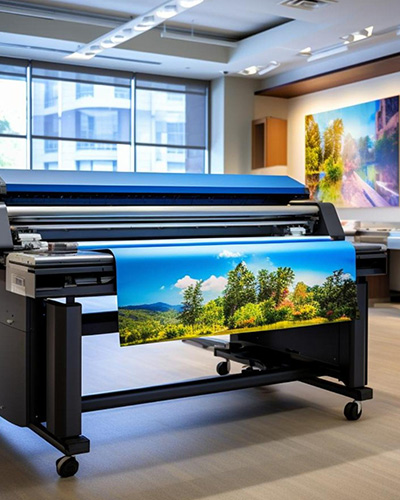
Fast brochure printing utilizes advanced digital printing technology combined with efficient production workflows to deliver high-quality marketing materials within compressed timeframes. Unlike traditional offset printing that involves lengthy setup processes, digital printing allows for immediate production runs, making it ideal for projects requiring swift turnaround. This method supports short deadlines without sacrificing print resolution, color accuracy, or durability, ensuring each brochure maintains a professional appearance.
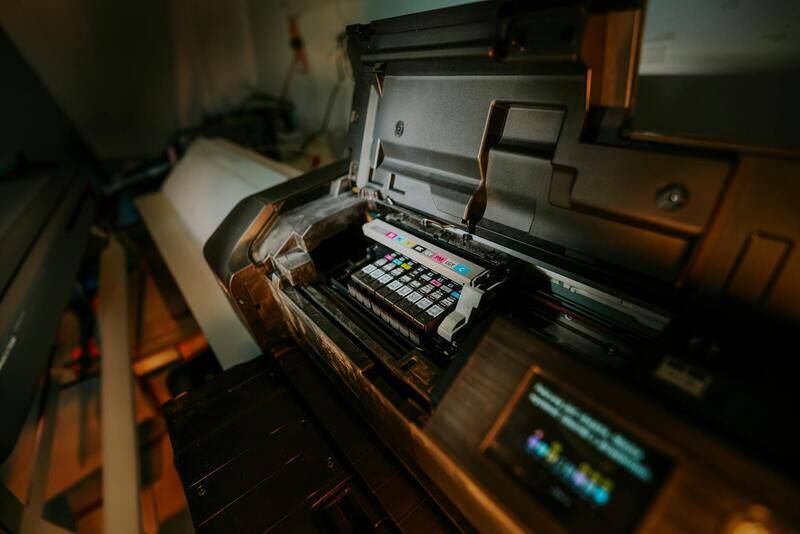
Automation plays a pivotal role in accelerating the printing process. Automated file handling, pre-press workflows, and inline finishing systems help reduce human error and processing time. The integration of these technologies allows printing companies to streamline the entire process, from file preparation to final output, ensuring that clients receive their brochures promptly.
Additionally, digital printing’s flexibility allows for customizable options such as variable data printing, enabling businesses to tailor brochures for specific audiences quickly. This capacity for on-demand production supports targeted marketing campaigns, enabling companies to respond rapidly to market changes or customer preferences.
Fast brochure printing also benefits from the use of high-speed commercial printers capable of producing large volumes in a shorter period. These devices often incorporate multiple inkjet or toner-based arrays, which increase output speed while maintaining color fidelity. As a result, firms can meet critical deadlines, participate in last-minute promotional activities, and minimize inventory holding costs.
Another element contributing to expedited brochure production is the adoption of digital template systems that facilitate instant file modifications. Clients can make swift revisions and approve proofs electronically, cutting down on turnaround time that would otherwise be spent waiting for physical proofs or manual adjustments. This digital-centric approach ensures that the entire process remains agile and adaptable to urgent project needs.
In practice, fast brochure printing services often operate behind the scenes with a seamless blend of technology and skilled personnel to balance speed and quality. As a result, organizations can depend on them for critical marketing and communication efforts, ensuring the delivery of compelling, visually striking brochures tailored to tight schedules. This capability empowers businesses to seize opportunities, engage customers effectively, and maintain a competitive edge in dynamic markets.

Choosing the Appropriate Printing Method for Speed
When aiming for rapid brochure production, selecting the right printing technique is crucial. Digital printing emerges as the preferred choice for speed-centric projects due to its ability to produce high-quality results with minimal setup time. Unlike traditional methods, digital printing requires no printing plates, which drastically reduces turnaround periods and allows for fast revisions or small batch runs. This method is especially advantageous for projects that demand quick adjustments, short deadlines, or personalized content. Its digital nature enables seamless integration with design software, facilitating instant file transfers and immediate printing, which accelerates the overall workflow.
Offset printing, while renowned for its high-volume output and superior color consistency, tends to require longer pre-press processes such as plate creation and setup. Consequently, offset is better suited for large-scale orders where economies of scale outweigh the need for immediate delivery. However, modern innovations have introduced hybrid models that combine digital and offset techniques, offering a balanced approach for projects requiring both quick turnaround and high-volume printing without compromising quality.

Design Strategies to Accelerate Printing Processes
Design plays a significant role in speeding up brochure printing without compromising visual appeal. Simplified layouts, optimized image resolutions, and adherence to standard templates facilitate swift preparation and minimize errors during the printing process. Utilizing vector graphics over raster images ensures faster rendering and better print fidelity, especially important in fast turnaround scenarios.
Another critical aspect involves maintaining color consistency and avoiding complex color schemes that may require extensive calibration or special inks. Streamlining typography choices and reducing decorative elements also contribute to faster processing times—allowing printers to execute designs more efficiently.
Pre-approved templates and standardized layouts not only reduce design time but also facilitate uniformity across campaigns. This approach allows clients to focus on content refinement rather than extensive formatting, thereby shortening the overall project timeline.
Materials and Finishing Options for Quick Turnaround
Selecting suitable materials is vital for maintaining rapid production schedules. Standard, readily available substrates such as gloss or matte coated paperboard are preferred because they are compatible with high-speed digital presses, offering rapid drying times and excellent print quality. Using stock materials from a local supplier minimizes delays associated with shipping or supply chain disruptions.
Finishing touches like lamination, gloss coating, or spot UV can be applied swiftly with inline finishing equipment integrated into digital presses. These inline solutions eliminate the need for secondary processing, significantly reducing production time and ensuring durability and visual appeal of the brochures.
For projects requiring quick binding, options such as saddle-stitching or perfect binding with pre-assembled components ensure rapid completion without sacrificing professionalism. Opting for standardized binding techniques reduces manual effort and streamlines assembly, which is essential for meeting tight deadlines.
Strategies for Streamlining Printing and Delivery
Efficient scheduling and streamlined logistics are critical in ensuring rapid brochure delivery. Maintaining close communication with the printing service provider guarantees alignment of expectations and immediate responses to any adjustment requests. Using digital workflows for proofing and approval enables instant sign-offs, reducing approval bottlenecks.
Pre-organizing delivery methods—such as choosing local courier services or utilizing same-day delivery options—further speeds up the distribution phase. For local projects, coordination with courier companies or courier apps can ensure brochures reach recipients promptly, especially during time-sensitive campaigns.
Adopting an integrated approach combining just-in-time inventory, on-demand printing, and efficient distribution channels ensures that brochures are produced and delivered within tight timeframes, providing businesses with a strategic advantage in marketing efforts.
Design Considerations for Rapid Printing
When aiming for quick brochure printing, careful attention to design can significantly enhance production speed without compromising quality. Simplified layouts that require minimal color variations and straightforward graphics tend to print faster and reduce drying times. Opting for designs with fewer intricate details allows for smoother press runs and decreases the likelihood of errors that could cause delays.
Adhering to standard dimensions and file specifications set by the printing service ensures that files are compatible with equipment, minimizing adjustments during prepress. Using vector graphics for logos and illustrations instead of raster images improves scalability and clarity while speeding up processing times. Additionally, limiting the use of specialty fonts and effects, such as embossing or foil stamping, helps streamline the production workflow.
Color management is crucial in rapid printing scenarios. Choosing a consistent color scheme that aligns with the printing capabilities avoids lengthy color adjustments during production. Implementing templates for common brochure formats enables quick customization across various projects — saving both time and effort.

Moreover, preparing print-ready files with embedded fonts, flattened images, and crop marks can prevent delays caused by file incompatibilities or missing elements. Ensuring that files are correctly formatted before submission reduces back-and-forth communications, ultimately accelerating the entire process.
Materials and Finishes for Quick Production
Selecting appropriate materials and finishes is vital to achieve rapid turnaround times. Standard paper stocks such as 150-170gsm gloss or matte finishes are widely available and compatible with most printing presses. These materials print efficiently and dry quickly, minimizing delays associated with drying or curing processes.
When time is limited, avoid custom or specialty paper options that require longer sourcing or handling times. Instead, opt for readily available materials that ensure consistent quality and quick processing. For finishes, simple UV coatings or aqueous varnishes are preferred because they dry swiftly and provide professional-looking results without prolonging production timelines.
In terms of special finishes, spot UV or embossing should be limited to essential areas if rapid completion is needed, as these techniques require additional processing steps that extend turnaround times. Focus on clean, crisp printing with standard finishes to meet urgent deadlines effectively.

Balancing Quality and Speed in Printing and Delivery
To successfully meet pressing deadlines, the entire workflow from printing to delivery must be meticulously coordinated. Establishing clear communication channels with your printing provider allows for rapid decision-making and swift resolution of any issues that might arise during production. Digital proofing tools enable instant approval processes, eliminating time-consuming physical proofs.
Efficient scheduling that aligns printing schedules with delivery arrangements ensures that brochures are completed and dispatched promptly. Utilizing local courier services, express shipping options, or same-day delivery solutions can further speed up distribution, especially for geographically concentrated markets.
Integrating just-in-time inventory management with on-demand printing minimizes storage concerns and reduces lead times. This approach allows businesses to respond swiftly to market demands or campaign shifts, maintaining a competitive edge in fast-paced marketing environments.
Implementing these strategies promotes a seamless process from initial design to final distribution, ensuring that high-quality brochures reach audiences within tight timeframes, and enhances a company's ability to capitalize on time-sensitive opportunities.
Materials and Finishes for Quick Production
Choosing the appropriate materials and finishes is crucial when aiming for rapid brochure printing without compromising quality. Standard paper stocks such as 120-200gsm gloss or matte finishes are commonly used due to their quick processing times and compatibility with high-speed printers. These materials allow for smooth, clean printing results that look professional while enabling abbreviated production timelines.
For projects where durability and a premium feel are necessary, heavier stocks like 250gsm or higher can still be utilized effectively by digital presses optimized for such weight classes. Matte finishes tend to dry faster and are less prone to fingerprints, making them suitable for quick-turnaround projects. Gloss finishes, on the other hand, provide vibrant color reproduction, which is advantageous for marketing brochures designed to catch the eye rapidly.
Surface coatings and lamination can add a protective layer, enhancing the brochure's durability, especially when fast handling and distribution are expected. UV coatings, however, require additional curing time, which could delay production; hence, their use should be carefully evaluated based on the urgency of the order.
Furthermore, standard finishes like UV coating or aqueous coating should be preferred for speed. They are available as readily applied finishes in most high-volume digital printing setups, ensuring quick turnaround times.

Optimizing the Printing and Delivery Timeline
Streamlining each phase of the printing process is vital for quick turnaround times. Starting with a detailed pre-production plan, including accurate file preparation and color management, prevents delays caused by reprints or adjustments. Utilization of digital proofing tools accelerates client approval, bypassing the need for physical samples.
Scheduling should be tightly coordinated with printing providers to prioritize urgent jobs. Many printers offer dedicated fast-track services that bundle production steps, enabling completion within hours or a few days. Employing local printing facilities further reduces transit times, allowing for same-day or next-day delivery options.
Efficient logistics play a pivotal role in ensuring timely distribution. Partnering with courier services that specialize in rapid delivery ensures the brochures reach their target market swiftly. For businesses working within confined geographic regions, local courier arrangements or on-demand delivery platforms optimize speed and reliability.
Adopting a just-in-time inventory approach, combined with on-demand printing, minimizes storage needs and ensures that brochures are produced strictly according to immediate requirements. This flexibility allows organizations to respond instantly to market or campaign shifts, maximizing the impact of their printed marketing materials within strict deadlines.
Understanding Fast Brochure Printing
Fast brochure printing involves the use of advanced printing technology and streamlined workflows to produce high-quality brochures within a significantly shortened timeframe. This service caters to businesses and organizations that require promotional materials on tight deadlines, whether for immediate marketing campaigns, urgent event promotions, or last-minute client presentations. The process emphasizes rapid turnaround without compromising on the professional appearance and durability of the final product.
Traditional printing methods, such as offset printing, while renowned for high volume and high quality, often require lengthy setup times, which are not suitable for urgent projects. In contrast, digital printing stands out as the preferred choice for fast brochure production. It offers quick setup, minimal wastage, and the ability to produce small batches efficiently, making it ideal for on-demand printing scenarios. Digital presses also support high-resolution output and a wide range of materials, ensuring that the finished brochures meet stringent standards of quality and visual appeal.
Another critical aspect of fast brochure printing is the integration of optimized pre-press workflows. Pre-press processes such as file preparation, color calibration, and proofing are handled digitally, reducing delays associated with physical sample approval. By utilizing digital proofing tools, clients can review and approve their designs swiftly, allowing production to commence immediately. This digital approach significantly cuts down the overall production cycle.
Key Features of Quick Turnaround Brochure Printing
- Utilization of state-of-the-art digital printing technology for rapid production.
- Pre-press digital workflows that streamline file processing and proof approval.
- Availability of expedited printing and finishing options, including binding, lamination, and coating.
- Flexible scheduling with prioritization for urgent orders.
- Proximity to distribution channels to minimize transit times.
Choosing the Right Printing Method for Speed
The selection of printing technology plays a crucial role in achieving rapid turnaround times. Digital printing is the most suitable method for quick brochure production due to its minimal setup requirements and ability to print in small quantities without extensive delays. Unlike offset printing, which demands elaborate preparations and lengthy print runs, digital presses can start producing brochures almost immediately after artwork files are finalized.
For extremely urgent needs, some printers offer hybrid solutions that combine digital and offset printing. These methods can be used to produce large quantities swiftly when needed, with digital printing handling smaller, personalized runs. Additionally, UV coating and finishing processes can often be integrated into digital presses, further reducing the overall production time.
Design Considerations for Rapid Printing
Designing with speed in mind involves creating files that are print-ready and minimizing complex effects that may require additional processing time. Simplifying the artwork, using standard fonts, and avoiding complex transparencies can prevent delays during printing. Ensuring that files are correctly formatted, with proper bleed, trim, and safety margins, accelerates the pre-press process and reduces reprints.
Color accuracy and consistent branding are vital; therefore, designers should communicate specific color standards to the printer early in the process. Utilizing color profiles compatible with digital presses ensures vibrant and consistent results, avoiding costly adjustments later.
Materials and Finishes for Quick Production
The choice of materials can affect not only the look and feel of brochures but also production speed. Standard paper stocks, such as coated or uncoated gloss paper, are readily available and support quick processing. Heavier stocks or specialty finishes may add to production time due to availability and handling requirements.
Finishing options like lamination, spot UV coating, or embossing can extend turnaround if executed with digital-compatible equipment. Many modern digital presses include inline finishing options, which significantly reduce the time required to complete the brochure. For high-volume or urgent orders, selecting materials and finishes that are compatible with rapid digital processing ensures timely delivery without compromising quality.
Understanding Fast Brochure Printing
Fast brochure printing involves utilizing specialized printing techniques and streamlined processes designed to produce high-quality marketing materials within a compressed timeframe. This service caters to businesses and organizations that require promotional or informational brochures compiled swiftly without sacrificing clarity, durability, or aesthetic appeal. The core focus of rapid brochure printing is to synchronize the entire production cycle—from design finalization to delivery—ensuring that the final product aligns with tight deadlines.
To achieve this, printing services leverage advanced digital printing technology, which enables quick setup times and shorter run durations. Digital presses can produce vibrant, detailed brochures with quick turnaround times compared to traditional offset methods, especially for small to medium quantities. Additionally, many providers incorporate inline finishing options, such as lamination or cutting, which further accelerate the process.
Regarding efficiency, proper file preparation is crucial. Well-formatted files with correct bleed, trim, and safety margins minimize errors and reduce pre-press adjustments, allowing for faster job completion. Incorporating streamlined workflows and robust project management tools helps ensure that each stage—from submission to shipment—aligns with aggressive timelines.
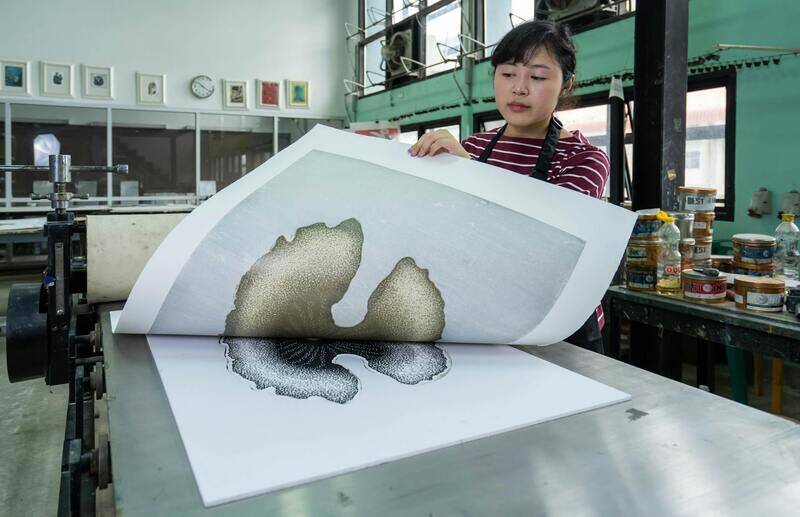
Key Features of Quick Turnaround Brochure Printing
- Use of high-speed digital presses capable of producing large volumes swiftly.
- Incorporation of inline finishing processes such as lamination, folding, and cutting.
- Pre-designed templates and standardized production workflows to minimize setup times.
- Availability of a wide range of materials that are easily accessible and compatible with digital printing.
- Proactive communication channels to coordinate design specifications and schedule adherence.
Choosing the Right Printing Method for Speed
For rapid brochure production, digital printing is often the optimal choice due to its quick setup and ability to produce short runs efficiently. It eliminates the lengthy preparation involved in offset printing, making it suitable for urgent projects. Digital presses also support variable data printing, enabling personalization at high speeds, which is a valuable feature for targeted marketing campaigns.
When higher volume orders are required, hybrid solutions that combine digital and offset methods can be employed. This approach ensures rapid turnaround for initial proofs and smaller batch runs, while still maintaining cost-effectiveness for larger quantities.
Design Considerations for Rapid Printing
Designs optimized for fast brochure printing focus on simplicity, clarity, and compatibility with digital presses. Using straightforward layouts and minimizing complex graphics or effects reduces processing times and prevents potential printing delays. Designers should use vector graphics for logos and images to ensure clear reproduction and quick processing.
Color management plays a vital role; utilizing standard color profiles and adhering to selected color schemes facilitate consistency across batches. Ensuring files are correctly formatted with proper bleed areas and safe zones helps prevent reprints due to layout issues, further compressing production timelines.
Materials and Finishes for Quick Production

Standard paper stocks like coated gloss, matte, or uncoated paper are preferred for fast brochure printing because of their widespread availability and compatibility with digital presses. Heavier or specialty stocks, including textured or laminated finishes, may require additional handling time and logistics, which can delay delivery.
Finishing options such as digital lamination and spot UV coatings can be performed inline with printing processes, reducing turnaround significantly. When high-volume orders are involved, it’s beneficial to select materials and finishes that are optimized for digital processing to avoid bottlenecks.
The selection of coatings and finishes should balance aesthetics with production efficiency, allowing for rapid completion without compromising on quality.
Understanding Fast Brochure Printing
Fast brochure printing is a specialized service designed to meet the urgent needs of businesses, marketers, and organizations requiring high-quality printed materials within a limited timeframe. It involves a streamlined process that integrates advanced digital printing technology, efficient workflow management, and optimized logistics to deliver vibrant, professionally finished brochures rapidly. This service caters to various purposes such as promotional campaigns, event handouts, product launches, and last-minute marketing pushes. By choosing a fast brochure printing option, clients can ensure their message reaches their target audience promptly, maintaining relevance and maximizing impact in competitive markets.
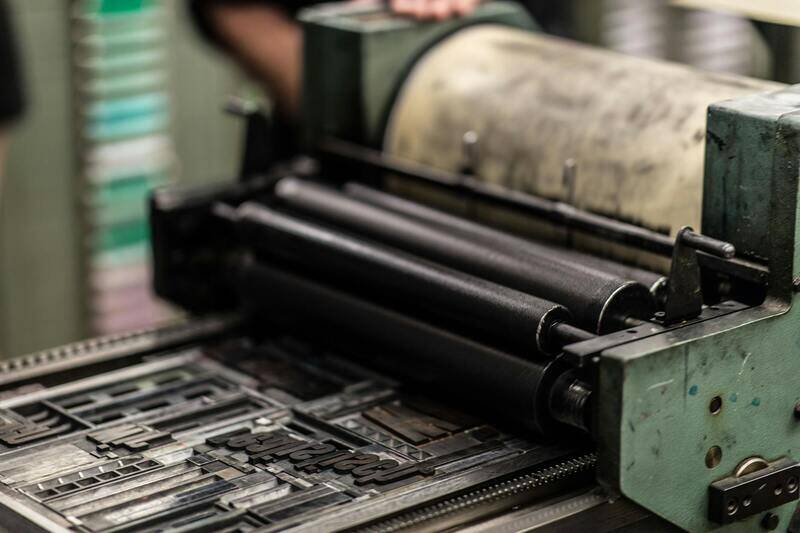
Key Features of Quick Turnaround Brochure Printing
Several features distinguish rapid brochure printing from conventional methods. Firstly, digital printing technology enables immediate setup and faster production runs, minimizing delays associated with traditional offset methods. Secondly, a well-organized workflow with dedicated pre-press, printing, and finishing stages ensures each phase is optimized for speed without sacrificing quality. Thirdly, the use of readily available materials and finishes facilitates quick processing, reducing lead times. Furthermore, many printing providers offer next-day or same-day delivery options, which are crucial for time-sensitive projects. Real-time order tracking and dedicated client support also contribute to a seamless experience, ensuring clients are informed and confident throughout the process.
Choosing the Right Printing Method for Speed
Digital printing stands out as the most efficient method for fast brochure production due to its capacity for quick setup, minimal waste, and ability to handle small to medium-sized runs economically. Unlike offset printing, which requires lengthy plate creation, digital presses can start printing almost immediately, drastically reducing turnaround times. For projects requiring rapid delivery, digital printing's flexibility allows quick proofing, modifications, and reprints if necessary. When considering the optimal printing method, clients should evaluate the volume, deadline, and design complexity of their brochures, opting for digital solutions that support swift turnaround while maintaining high-definition output.
Design Considerations for Rapid Printing
To facilitate quick production, brochure designs should prioritize simplicity and clarity. Sparse layouts with straightforward typography and minimal use of complex graphics help reduce processing requirements. Designers should utilize vector graphics for logos and images to ensure sharpness and faster rendering since raster images can slow down printing processes. adherence to standard color profiles and a limited color palette streamline color management, preventing delays caused by color matching issues. Proper file formatting, including correct bleed, safe margins, and resolution, ensures seamless printing and reduces the likelihood of reprints. Compact and optimized designs contribute significantly to keeping production on schedule, allowing for efficient processing and finishing.
Materials and Finishes for Quick Production
Selecting appropriate materials is crucial for maintaining quick turnaround times. Readily available paper stocks such as coated gloss, matte, and uncoated papers are ideal due to their accessibility and compatibility with digital printing equipment. Heavier or specialty materials, like textured or laminated stocks, typically require additional handling that extends production timelines. Finishing options, including digital lamination and spot UV coatings, can often be incorporated inline with print runs, reducing post-production time. When high-volume orders are necessary, choosing materials designed for digital processing minimizes bottlenecks, ensuring swift completion. Balancing aesthetics with efficiency involves selecting coatings that endure daily use while allowing rapid processing, without compromising visual impact.
Optimizing the Printing and Delivery Timeline
Effective timeline management involves strategic planning and clear communication with the printing service provider. Clients should provide print-ready files well in advance, adhering to specifications to avoid delays caused by corrections or reformatting. Coordinating with the printer to schedule production during off-peak hours can expedite the process. Many providers offer prioritized printing options, which, when combined with express courier services, ensure timely delivery. Incorporating buffer periods for unforeseen issues is also advisable, especially for urgent campaigns. Technology-based tracking tools allow clients to monitor progress, stay informed about potential delays, and coordinate distribution efforts immediately once printing is complete. This proactive approach ensures a streamlined process from file submission to final delivery, fitting tight deadlines seamlessly.
Benefits of Fast Brochure Printing for Businesses
Expedited brochure printing offers numerous advantages for businesses aiming to capitalize on immediate marketing opportunities. Rapid production allows for timely participation in events, trade shows, or last-minute campaigns, giving organizations a competitive edge. It enhances brand visibility and engagement by ensuring promotional materials are current and relevant. Additionally, quick turnaround capabilities reduce inventory costs by enabling on-demand printing, minimizing excess stock. For startups and small enterprises with limited budgets, fast printing services reduce the need for large print runs, providing flexibility and scalability. The reliability of these services also fosters confidence, allowing businesses to meet critical deadlines consistently, strengthen client relationships, and respond swiftly to market trends or feedback.