Overview of Brochure Printing Services
Brochure printing services play an essential role in modern business marketing and communication strategies. They involve the production of professionally designed printed materials that succinctly convey information about products, services, or brands to target audiences. High-quality brochures serve as tangible representations of a business’s identity, offering an engaging way to inform, persuade, and build brand awareness. From startups to established enterprises, brochures tailored through skilled printing services enhance credibility and leave lasting impressions on potential clients.
The process begins with the conceptualization of the brochure’s layout and content, emphasizing clarity, attractiveness, and coherence. Precision in color accuracy, image resolution, and fold lines are crucial to ensure the final product meets business standards. With advancements in printing technology, businesses can now access diverse options such as digital, offset, or hybrid printing to match their scale and quality needs. Cost-effectiveness, quick turnaround, and customization options make brochure printing a versatile solution for various promotional campaigns.
Effective brochure printing not only involves high-quality material and precise craftsmanship but also aligns with broader marketing objectives. These printed materials act as portable, easy-to-distribute tools that can complement digital marketing efforts, participate in trade shows, or serve as informational handouts in client meetings. Their visual appeal and informative content help establish trust and differentiate a business from competitors.
In today’s competitive environment, professional brochure printing services ensure that every detail, from color fidelity to paper quality, is executed flawlessly. They provide businesses with the opportunity to produce visually compelling, durable, and tactually sophisticated marketing collateral that supports long-term branding and communication goals. As a result, strategic investment in brochure printing significantly enhances the overall impact of promotional and informational campaigns.

Types of Brochures and Printing Styles
Businesses seeking to optimize their marketing efforts must understand the range of brochure formats, folding techniques, and printing styles available to tailor their promotional materials effectively. The choice of brochure type and print style plays a pivotal role in communicating the intended message and reinforcing brand identity.
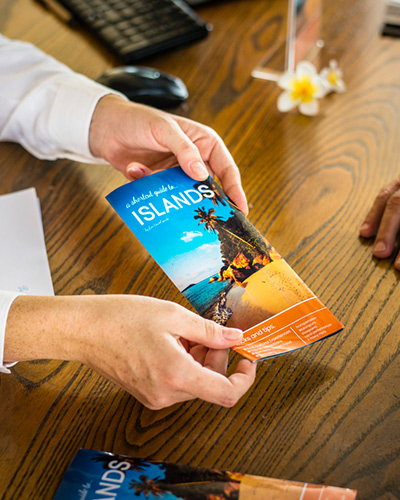
Common brochure formats include bi-fold, tri-fold, z-fold, and gate fold designs. Each offers unique visual and functional advantages: bi-fold brochures provide a clean, straightforward presentation ideal for straightforward messaging; tri-fold brochures are versatile, offering six panels for detailed information; z-folds excel at sequential storytelling; and gate fold designs deliver an opulent reveal that can highlight key offers or images. Selecting the appropriate fold depends on content complexity, distribution method, and target audience.
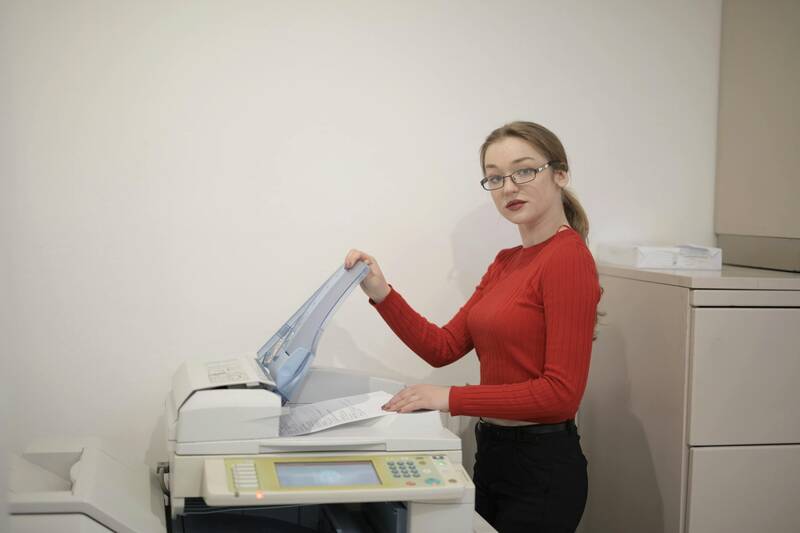
Folding styles influence not only aesthetics but also the overall user experience. For example, a diagonal fold adds a dynamic element, while a roll fold can accommodate substantial content in a compact space. The printing style—digital, offset, or hybrid—further affects the final output’s quality, cost, and turnaround. Offset printing is ideal for large quantities, ensuring consistent quality and color fidelity, while digital printing caters to short runs with rapid production timelines.
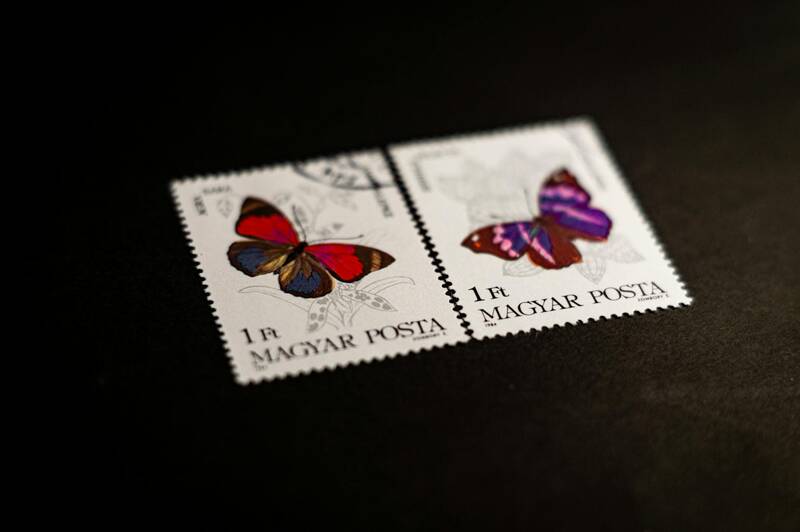
Additionally, printing techniques such as spot UV coating, matte or glossy finishes, and embossed elements can enhance tactile and visual appeal. Spot UV coating, for instance, creates striking contrast by highlighting specific design elements, while matte finishes impart a sophisticated, understated look. Embossed details add depth and texture, making key sections of the brochure stand out.
To maximize impact, designers often combine multiple styles and finishes, balancing creative vision with functional requirements. For example, a tri-fold brochure with a glossy cover and matte interior pages can create a compelling contrast that draws attention and guides the reader through the content seamlessly.
Understanding the differences between printing styles and folding options allows businesses to select an approach that aligns with their marketing strategy, budget, and timeline. Working with experienced printing providers ensures proper execution of these choices, resulting in high-quality brochures that resonate effectively with target audiences while reinforcing brand perception.
Choosing the Right Paper Quality and Finish for Brochure Printing
Selecting the appropriate paper stock is a fundamental aspect of producing high-impact brochures that effectively communicate your brand message. The choice of paper affects not only the visual appeal but also the tactile experience and durability of the final product. A thicker, weighty paper such as 170-300gsm lends a premium feel and stiffness, making your brochures look more substantial and professional. Lighter paper options, like 150gsm, are suitable for more economical needs or for bulk mailings where weight considerations are important.
Beyond weight, the type of paper surface finish plays a crucial role in shaping the brochure's overall aesthetic and functionality. Matte finishes offer an understated, smooth surface that minimizes reflections, making it ideal for detailed images and extensive text. Their soft appearance adds a touch of sophistication, making them suitable for luxury branding or corporate communications.

Glossy finishes, on the other hand, significantly enhance color vibrancy and sharpness, making visuals pop and creating a lively, eye-catching look. This finish is favored for brochures featuring high-resolution photographs or vibrant graphics, ensuring that every detail stands out. Laminating the brochure with a gloss or matte overcoat can also offer added protection against wear and tear, water damage, and fingerprints, prolonging the lifespan of the material.
Lamination options further expand the tactile and visual impact of the brochure. Matte lamination provides a subtle, non-reflective surface that exudes elegance, whereas gloss lamination enhances colors and adds a glossy sheen. For a distinctive textured feel, specialty finishes like soft-touch coating or spot UV coating can be applied selectively to highlight specific design elements or text, creating contrast and depth.
When choosing paper and finishing options, it’s essential to consider the brochure’s intended use and distribution environment. For instance, brochures destined for outdoor or high-traffic displays should incorporate more durable finishes, such as laminated or UV-coated surfaces, to withstand handling and weather exposure. Conversely, for more refined indoor presentations, a matte or soft-touch finish can communicate elegance and subtlety.
Working with experienced printing providers allows for tailored recommendations based on your branding goals, budget, and distribution needs. They can assist in selecting the ideal combination of paper weight, type, and finishing techniques to produce a brochure that captures attention, communicates effectively, and aligns with your overall marketing strategy.
Choosing Appropriate Printing Techniques for Brochures
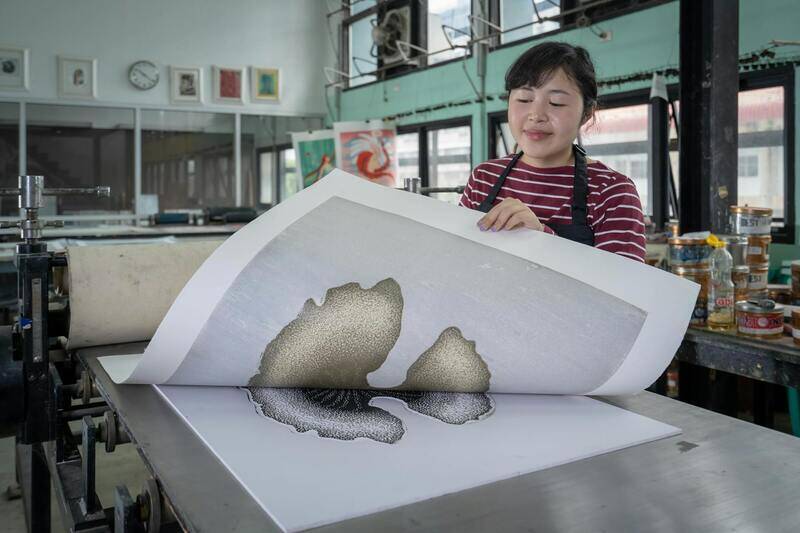
When selecting printing techniques for brochures, it is essential to consider methods that deliver high quality and faithfully reproduce your design elements. offset printing remains the preferred choice for large volume runs due to its precision, cost efficiency at scale, and consistent color replication. This method involves transferring ink from a plate directly onto the paper, ensuring sharp, vibrant images and text suitable for professional marketing materials.
For smaller quantities or quick turnaround needs, digital printing offers flexibility and faster processing times. Its ability to produce short runs without the need for plates makes it ideal for targeted campaigns or customized brochures, while still maintaining high-quality output. The choice between offset and digital printing ultimately depends on the desired quantity, budget constraints, and turnaround deadlines.
Advanced Printing Techniques to Elevate Your Brochure Design
- Spot UV Coating: Applying a glossy UV finish to specific areas of your brochure highlights important text or images, creating a striking contrast against matte backgrounds.
- Embossing and Debossing: These techniques add tactile dimension by raising or recessing elements of the design, making key features stand out and adding a premium feel.
- Foil Stamping: Utilizing metallic or pigmented foil, this method accentuates particular aspects such as logos, headers, or decorative accents with a luxurious shine.
- Thermography: Producing a raised ink effect similar to embossing, thermography creates a textured surface that garners visual and tactile appeal, suitable for headings or call-to-action elements.
Integrating these advanced techniques requires collaboration with experienced printing providers who can advise on feasibility, cost implications, and optimal application based on your brochure’s design and purpose.
Choosing the Appropriate Printing Methods for Brochures
When selecting a printing method for your brochure, understanding the distinctions between offset and digital printing is essential. Offset printing, renowned for its high-volume capabilities, utilizes plates to transfer ink onto paper, resulting in uniform, crisp images with vibrant colors. This method is particularly cost-effective for large runs, offering consistency and superior image quality. Digital printing, on the other hand, involves printing directly from digital files, providing greater flexibility for smaller quantities or personalized designs. Its rapid turnaround times and ability to accommodate variable data make it ideal for targeted campaigns and customized brochures. The decision between these methods hinges on your specific needs, considering factors such as order size, budget, and urgency.
Advanced Printing Techniques to Elevate Your Brochure Design
Enhancing your brochure's visual appeal can be achieved through various advanced printing techniques that add texture, shine, and depth:
- Spot UV Coating: Applies a high-gloss finish to select areas, such as logos or headings, creating a striking contrast with matte backgrounds.
- Embossing and Debossing: Adds tactile dimension by raising or recessing elements, making key features stand out and imparting a luxurious feel.
- Foil Stamping: Uses metallic or pigmented foils to highlight specific design components, such as headers or decorative accents, for a premium look.
- Thermography: Produces a raised ink effect similar to embossing, providing visual and tactile emphasis on particular features like calls-to-action or headings.
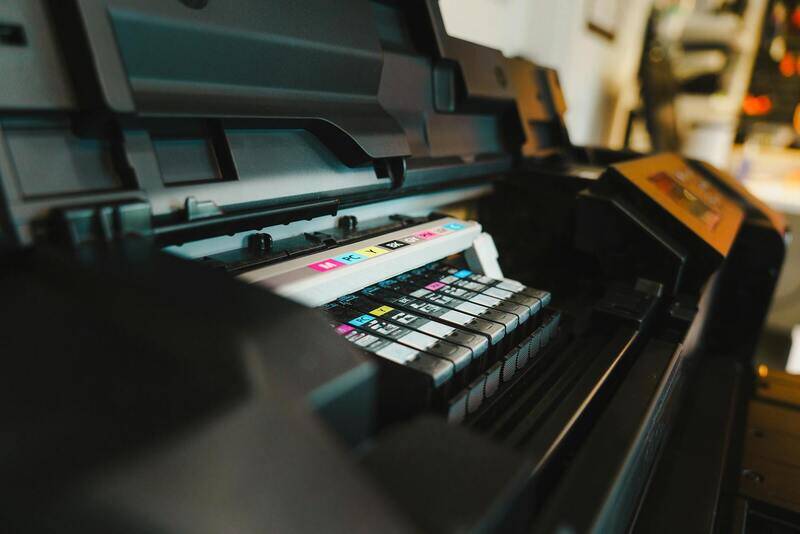
Incorporating these techniques involves collaboration with experienced printing providers who can advise on design feasibility, associated costs, and the most suitable application based on your brochure’s objectives. Proper execution of these methods can significantly enhance the perceived quality and effectiveness of your printed materials.
Factors Affecting Costs and Budget Planning
Cost considerations for brochure printing encompass several key factors:
- Print Quantity: Larger quantities typically reduce the per-unit cost due to economies of scale, especially with offset printing.
- Paper Selection: Premium papers and specialty finishes, such as matte, gloss, or textured textures, influence overall expenses.
- Design Complexity: Intricate graphics, a multitude of colors, and advanced finishes can increase production costs.
- Finishing Details: Techniques like embossing, foil stamping, or spot UV add to the expense but elevate the brochure’s perceived value.
To optimize budget allocation, consider balancing quality with quantity and exploring cost-effective options for less critical elements. Strategic planning helps ensure your brochure aligns with your marketing objectives while maintaining financial efficiency.
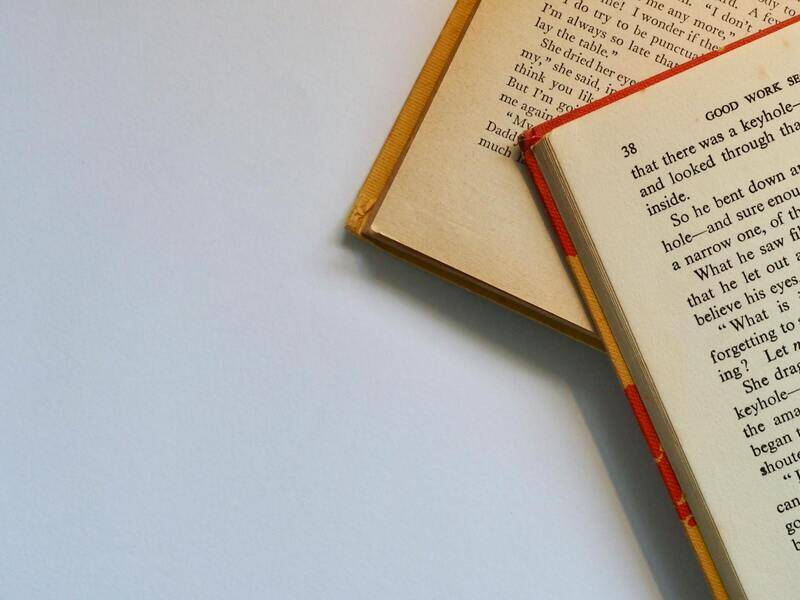
Visual Representation of Brochure Finishing Options
Choosing the Optimal Printing Methods for Brochures
Within brochure printing services, selecting the appropriate printing method is vital to achieving the desired quality, cost-efficiency, and production speed. Two primary printing processes dominate the industry: offset printing and digital printing.
- Offset Printing: This method involves transferring ink from a metal plate to a rubber blanket, then onto the printing surface. Offset is preferable for large print runs due to its cost-effectiveness at high volumes and superior color accuracy. It allows for detailed graphics and consistent quality across thousands of brochures.
- Digital Printing: Utilizing digital files directly for printing, this approach offers quick turnaround times and is ideal for short runs or projects requiring personalized content. Digital printing maintains high quality but may be slightly more expensive per unit at larger volumes compared to offset.
Additional specialized methods include screen printing for unique textures, letterpress for a tactile experience, and flexography for specific materials. Selecting the right technique depends on your project's scale, budget, and design complexity.
Advancing Brochure Production with Modern Technologies
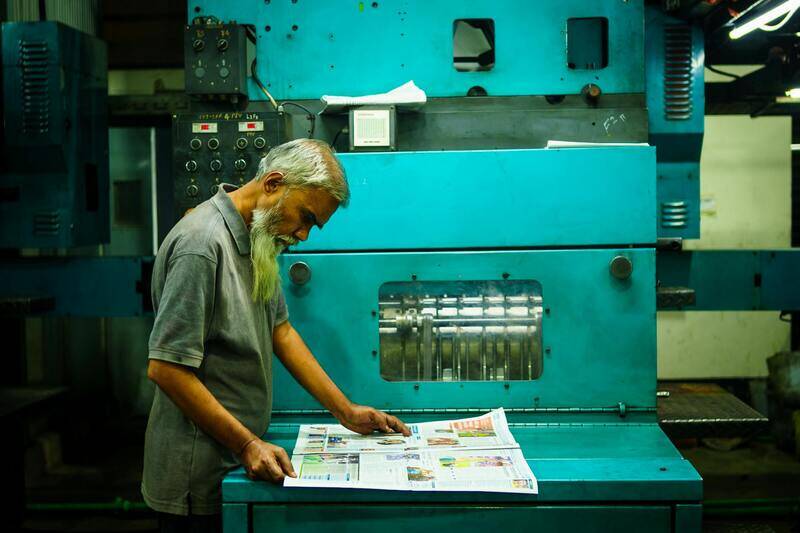
Emerging printing innovations continue to enhance brochure quality and efficiency. Techniques such as UV coating, foil stamping, and embossing can be integrated into standard printing workflows to create eye-catching designs. Digital embellishments, like variable data printing, facilitate personalized brochures tailored to individual recipients, increasing engagement.
Furthermore, automated press controls and high-resolution printing engines ensure precise color matching and sharp image reproduction. These advancements enable print service providers to meet diverse client requirements while maintaining consistent quality standards.
Cost Factors and Budget Planning
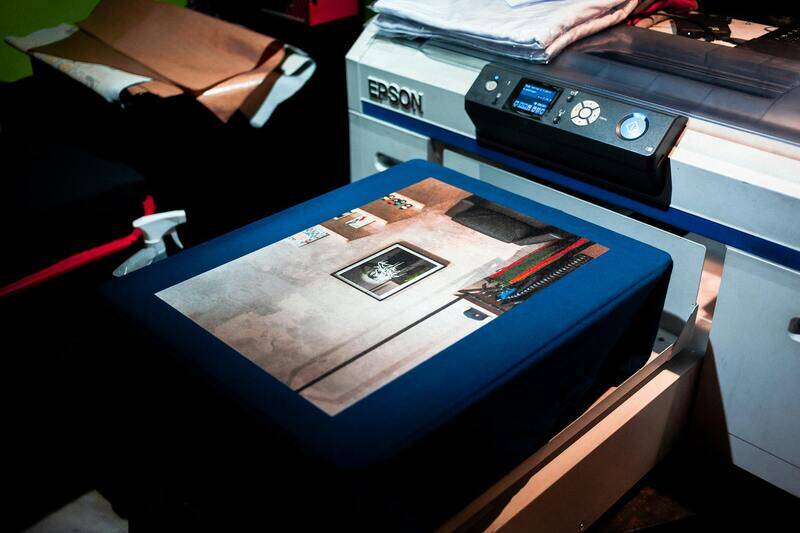
Effective budget management is crucial when choosing brochure printing services. The overall cost is influenced by multiple aspects, including the size and quantity of brochures, paper quality, printing technique, finishing options, and turnaround time. Selecting a suitable balance between these elements can optimize your investment and ensure your marketing materials resonate effectively with your target audience.
Bulk orders often benefit from discounted rates, making large-scale campaigns more financially feasible. Additionally, opting for standard sizes and finishes can reduce expenses without compromising on professionalism. Customizations like gloss or matte coatings, embossing, and UV varnishes add distinctive appeal but also increase costs. It's advisable to communicate your budget constraints clearly with printing providers to explore cost-effective options that meet your aesthetic and functional needs.
Estimating costs accurately involves evaluating both setup fees for print runs and the per-unit price. Offset printing typically requires higher setup costs but offers economical options for large volumes, while digital printing provides flexibility for smaller batches with minimal setup fees. Engaging with experienced printing services can help identify the most efficient process tailored to your project requirements.

Planning your printing budget ahead of schedule allows for better decision-making and resource allocation. Request detailed quotes from multiple service providers to compare costs comprehensively. Don’t forget to factor in additional expenses such as delivery charges, specialty finishes, and proofreading services. A transparent discussion about costs upfront can prevent unexpected expenses and streamline the production process, ultimately delivering a professional-quality brochure within your desired financial parameters.
Advanced Methods for Digital Brochure Printing
As the demand for high-quality, visually appealing brochures continues to grow, businesses and organizations are turning to advanced digital printing methods that ensure precision, vibrant color reproduction, and customization options. Digital brochure printing offers unparalleled flexibility, allowing for short-run productions with quick turnaround times, making it an ideal choice for targeted campaigns or limited edition releases.
One of the core advantages of digital printing is the ability to incorporate variable data printing (VDP). This technology enables the personalization of each brochure with specific recipient names, addresses, or tailored content, significantly enhancing engagement and response rates. For instance, direct mailing campaigns can benefit from tailored messages that resonate more effectively with individual prospects.
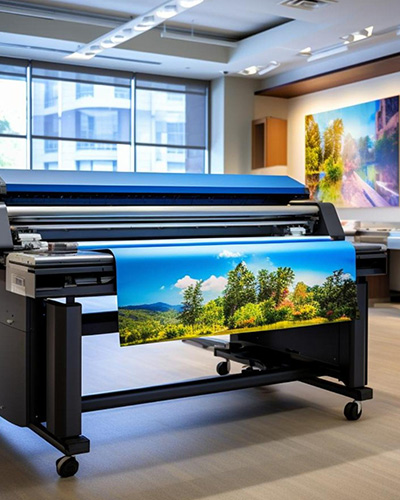
High-resolution digital presses utilize state-of-the-art inkjet or laser technology to produce sharp images and consistent color fidelity across batches. This ensures that each brochure maintains professional standards, crucial for brand reputation. Moreover, digital methods allow for on-demand printing, which minimizes waste and reduces inventory costs, especially useful for limited or seasonal promotions.
Another emerging technique is the use of hybrid printing solutions that combine digital and offset methods. This hybrid approach can optimize cost efficiency while maintaining high quality, particularly for complex projects involving spot colors, special finishes, or intricate designs. It allows for the quick production of prototypes or samples before committing to larger runs, ensuring the final product aligns precisely with client expectations.
To further enhance the appeal of digitally printed brochures, finishing techniques such as coating, laminating, or embossing can be applied post-printing. These treatments improve durability and tactile experience, making the brochure more memorable. Digital printing vendors often offer complementary finishing services to streamline the process, ensuring a seamless transition from print to final presentation.
When selecting a digital printing partner, it is essential to evaluate their capacity for color accuracy, material compatibility, and adherence to production timelines. Collaborating with experienced printers ensures the integration of advanced technology with creative design, ultimately delivering a brochure that stands out in competitive marketplace environments.