Types of Brochures and Their Purposes
Understanding the various types of brochures available is essential for creating promotional materials that effectively communicate a brand’s message and meet marketing objectives. Different brochure formats serve different purposes, target audiences, and distribution channels, making it important to select the appropriate style for each campaign.
Single-fold brochures are among the simplest and most common types, ideal for concise information delivery. They typically divide the content into panels that unfold once, making them suitable for menus, event programs, or brief product descriptions. The straightforward design ensures quick readability and easy distribution.
Half-fold brochures expand on the single-fold format by dividing the paper into two panels, offering more space for imagery and text. They are widely used for service listings, informative flyers, or promotional offers where clarity and visual appeal are essential.
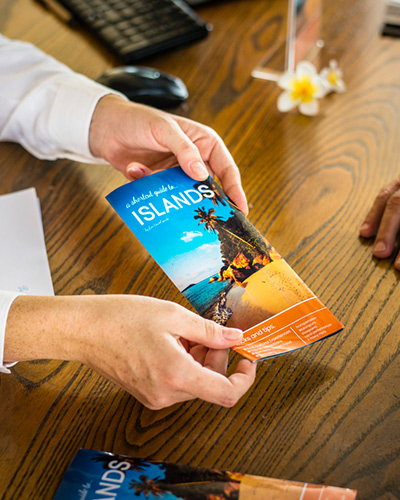
Tri-fold brochures are highly versatile and popular among businesses for their capacity to organize information systematically. Their three-panel layout allows for segmentation of content—such as introduction, features, and contact details—resulting in a professional appearance. These are particularly effective for trade shows, corporate profiles, and product catalogs.
Z-fold and gate-fold brochures are more elaborate options. Z-fold designs enable the presentation of sequential information in a compact format, making them suitable for step-by-step instructions or event itineraries. Gate-folds, with their large front panels that open to reveal more content inside, are ideal for high-end product presentations or luxury branding.
Additional formats include accordion-fold brochures, which provide extensive space for storytelling or detailed descriptions, and bespoke, custom folds designed for unique branding experiences. The choice of brochure format should align with the intended message, target demographic, and distribution method to maximize engagement and effectiveness.
In the Singapore market, understanding these types helps businesses tailor their marketing materials to meet specific needs—whether for quick information dissemination or creating a lasting impression through elaborate presentation. Selecting the right brochure format ensures clarity, visual appeal, and a strategic approach to audience engagement.
Design Considerations for Effective Brochures
Creating an impactful brochure requires careful attention to various design elements that work together to communicate your message clearly and attractively. The layout should be clean and organized, allowing the reader to navigate the content effortlessly. Strategic use of white space enhances readability and emphasizes key elements, preventing clutter and overwhelming the viewer.
Imagery plays a vital role in capturing attention and conveying your brand’s story. High-quality images that align with your messaging and target audience can evoke emotion and increase engagement. Consistency in image style and tone reinforces your branding and maintains visual harmony throughout the brochure.
Color schemes are not just about aesthetics—they influence perception and evoke specific emotions. Choosing a palette that complements your brand identity can enhance recognition and foster trust. Contrasting colors should be used to highlight important information or calls to action, guiding the reader seamlessly through the material.
Typography is equally critical; selecting legible fonts that match your brand personality ensures clarity. Varying font sizes and weights help differentiate headings, subheadings, and body text, creating a visual hierarchy that directs attention to the most important points.
Branding elements, such as logos, taglines, and consistent use of brand colors and fonts, should be integrated thoughtfully. These features reinforce brand identity and make your brochure instantly recognizable. Additionally, including clear calls to action, like contact information or website URLs, should be prominent and straightforward, encouraging immediate engagement.
When designing brochures in Singapore, it is essential to consider cultural preferences and local aesthetics to ensure resonance with your audience. The overall design should reflect your brand’s voice while remaining appealing and accessible to diverse demographics.
Adapting to different formats and sizes also plays a role in design effectiveness. Whether opting for a classic tri-fold, Z-fold, or custom shape, each format offers unique opportunities to creatively express your message. The choice of design must complement the physical structure to achieve maximum impact.
In sum, the design process is strategic and meticulous. Every visual and textual element should serve a purpose—guiding the reader intuitively towards understanding your message and taking the desired action. Properly executed design considerations turn a simple brochure into a powerful marketing tool capable of elevating your brand.
Materials and Paper Selection for Brochure Printing in Singapore
Choosing the right materials and paper finishes is crucial to producing brochures that are both visually appealing and enduring. In Singapore, a variety of paper types are available, each suited to different needs and branding goals. Glossy paper is popular for vibrant, eye-catching visuals, ideal for showcasing product images and colorful graphics. Its smooth finish enhances color brightness and contrast, making it a preferred choice for luxury brands and promotional campaigns.
Matte paper, on the other hand, offers a subdued, elegant look with a non-reflective surface that reduces glare, making text easier to read. This finish is often selected for informational brochures where clarity and professionalism are priorities. Additionally, silk and satin finishes provide a soft sheen that balances gloss and matte qualities, imparting a sophisticated tactile feel.

Texture options extend beyond finishes; embossed and textured papers add tactile depth, enhancing the sensory experience and making your brochure stand out. Embossed surfaces can highlight logos or design elements, imparting an upscale impression. For brochures demanding extra durability, heavy cardstock or laminated options provide resistance against wear and tear, ensuring your print materials maintain their appearance over time.
When selecting materials, it’s essential to consider the environment in which your brochures will be used. For outdoor promotions, weather-resistant coatings and thicker papers can withstand humidity and handling. In Singapore’s humid climate, choosing high-quality, coated papers can help prevent warping or deterioration.
Printing Techniques and Technologies for Brochures
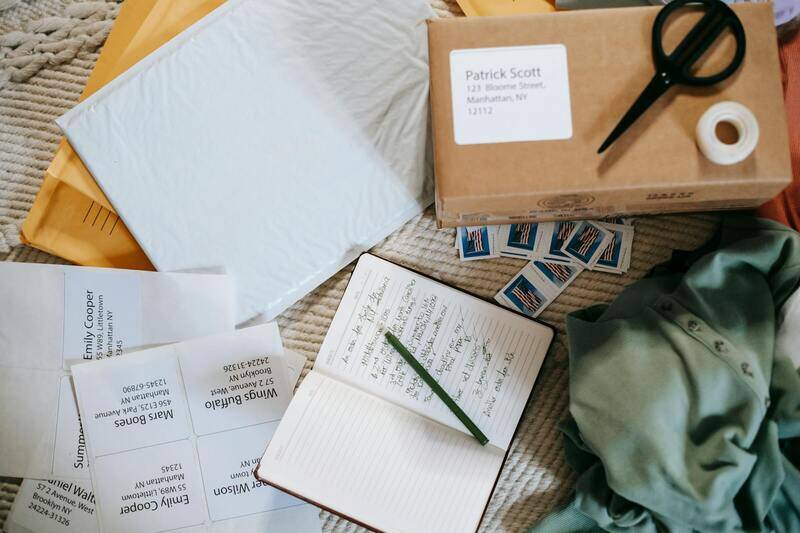
Modern printing techniques available in Singapore ensure vibrant colors and precise details that elevate the quality of your brochures. Digital printing offers quick turnaround times and cost-effective solutions for short runs, making it suitable for targeted campaigns or limited editions. It maintains high resolution and allows for easy updates and personalization.
Offset printing remains the standard for larger quantities, delivering consistent color fidelity and sharp images. This traditional technique supports high-volume production with cost efficiencies, especially when production runs exceed a few hundred copies.
Advanced technologies, such as UV coating and thermofoil printing, enable special effects that enhance durability and visual impact. UV coating provides a glossy or matte finish with a protective layer, ideal for brochures exposed to frequent handling. Thermofoil techniques can create metallic effects or textured surfaces, adding a premium touch.
Choosing the appropriate printing method depends on your brochure’s purpose, volume, and budget. Consulting with local print service providers can help determine the most efficient solution that aligns with your marketing objectives and quality expectations.
Types of Brochures and Their Purposes
Brochures serve as versatile marketing tools tailored to various organizational needs and marketing strategies. Common types include bi-fold, tri-fold, Z-fold, gatefold, and booklet brochures, each designed to maximize visual appeal and message delivery. For instance, bi-fold brochures offer a straightforward layout ideal for straightforward messaging and branding, making them suitable for product overviews or introductory information. Tri-fold brochures are among the most popular, providing six panels that facilitate organized presentation of details, features, and calls to action, perfect for events, menus, or service descriptions.
Z-fold brochures expand on this versatility by allowing sequential storytelling or step-by-step instructions through their accordion-style folds. Gatefold brochures, with their unique overhanging outer panels, create a dramatic unveiling of content or images, ideal for high-end branding and luxury products. Booklet brochures provide extended space for comprehensive information, making them suitable for catalogs, detailed product guides, or annual reports.

The purpose behind selecting the appropriate brochure type hinges on your target audience, message complexity, and distribution channels. For instance, a concise tri-fold brochure effectively communicates key points at industry events or retail locations, while a booklet might be better suited for detailed product catalogs sent to prospective clients. Understanding the nuances of each format enables businesses to leverage their visual and structural strengths, ensuring their messaging resonates effectively across different contexts.
Design Considerations for Effective Brochures
Design plays a critical role in capturing attention and guiding the reader through your message. Clear layout, compelling visuals, and strategic use of space help prevent the brochure from appearing cluttered while emphasizing key information. Using high-resolution images ensures vibrant visuals, especially crucial in Singapore’s competitive markets where visual appeal drives engagement.
Consistency in branding elements such as logos, color schemes, and typography reinforces brand recognition. Incorporating calls to action prominently encourages recipients to respond or engage further. Effective brochures also consider readability; fonts should be legible, and information should be organized logically, often utilizing bullet points or numbered lists for quick comprehension.

Furthermore, incorporating unique design features such as spot UV varnish, embossing, or foil stamping can elevate the tactile experience, making the brochure memorable. Balancing aesthetics with informational content ensures that your brochure not only attracts attention but also converts interest into tangible business outcomes.
Materials and Paper Selection
The choice of materials and paper quality significantly influences the durability and perceived value of your brochures. High-quality coated papers like matte, gloss, or satin finishes are popular choices for their durability and ability to reproduce vivid colors with clarity. In Singapore’s humid climate, selecting moisture-resistant papers or those with protective coatings helps maintain the brochure’s integrity over time.
For a premium feel, thick cardstock or card-based materials can be employed, particularly for luxury branding or product showcases. Recycled or eco-friendly papers are increasingly favored for environmentally conscious campaigns, aligning with sustainable business practices. Specialty papers with textured surfaces or metallic sheens can also impart exclusivity and sophistication, capturing consumer interest through tactile distinction.

Ultimately, aligning material choices with your brand image, target audience, and functional needs ensures your brochures remain impactful and resilient throughout their distribution cycle. Consulting with local print providers in Singapore can assist in selecting the most suitable options that balance cost, quality, and environmental considerations, ensuring your printed collateral meets expectations at every level.
Types of Brochures and Their Purposes
Brochures serve as versatile marketing tools, with various formats designed to suit specific promotional needs. Common types include bi-fold, tri-fold, Z-fold, and gate-fold brochures, each offering unique advantages depending on the complexity of the content and display preferences.
Bi-fold brochures, folded in half to create two panels, are ideal for straightforward presentations, providing ample space for images and concise text. They are suitable for product catalogs, event invitations, or introductory corporate profiles. Tri-fold brochures, dividing the paper into three sections, are among the most popular choices for marketing campaigns because they balance content space with an organized, eye-catching layout.
The Z-fold design, characterized by its zig-zag fold, allows for sequential storytelling or segmented information, making it effective for step-by-step instructions or detailed product breakdowns. Gate-fold brochures feature large front panels that open outward to reveal an expansive central section, perfect for high-impact visuals or showcasing premium offerings.
The purpose of each brochure type varies: while some aim to inform and educate, others focus on capturing attention or driving conversions. For instance, a tri-fold brochure is often chosen for its compactness and ability to succinctly present multiple products or services, whereas a gate-fold might be used for luxury branding to create a sense of exclusivity.
Design Considerations for Effective Brochures
Creating impactful brochures requires careful planning, starting with a clear understanding of your target audience and core message. Visual hierarchy is fundamental; use bold headlines, compelling imagery, and strategic placement of key information to guide the reader’s eye and emphasize your primary offerings.
Simplicity is crucial. Avoid clutter by limiting text to essential points and using bullet lists or icons for quick comprehension. Consistent branding, including logo placement, color schemes, and typography, reinforces brand recognition and professionalism.
High-quality visuals—professional photographs or illustrations—enhance credibility and attract attention. Moreover, incorporating a clear call-to-action (CTA), such as contact information, visit invitations, or QR codes, encourages engagement and directs recipients toward tangible steps.
Materials and Paper Selection
The choice of materials and paper quality significantly influences the durability and perceived value of your brochures. High-quality coated papers like matte, gloss, or satin finishes are popular choices for their durability and ability to reproduce vivid colors with clarity. In Singapore’s humid climate, selecting moisture-resistant papers or those with protective coatings helps maintain the brochure’s integrity over time.
For a premium feel, thick cardstock or card-based materials can be employed, particularly for luxury branding or product showcases. Recycled or eco-friendly papers are increasingly favored for environmentally conscious campaigns, aligning with sustainable business practices. Specialty papers with textured surfaces or metallic sheens can also impart exclusivity and sophistication, capturing consumer interest through tactile distinction.

Selecting the right paper enhances brochure quality and durability. Ultimately, aligning material choices with your brand image, target audience, and functional needs ensures your brochures remain impactful and resilient throughout their distribution cycle. Consulting with local print providers can assist in selecting the most suitable options that balance cost, quality, and environmental considerations, ensuring your printed collateral meets expectations at every level.
Advanced Printing Techniques for Distinctive Brochures
Employing innovative printing techniques can dramatically enhance the visual appeal and tactile experience of your brochures, making them stand out in crowded marketing environments. Screen printing, for example, allows for vibrant, high-opacity inks that can produce bold designs, especially effective on textured or specialty papers. Embossing and debossing add a three-dimensional aspect, elevating key elements such as logos, headlines, or graphic accents, thereby creating an engaging tactile experience for recipients. Spot UV coating is another advanced technique, where a glossy coating is selectively applied to specific areas, providing contrast with matte finishes and drawing attention to important details.
Foil stamping introduces metallic or pigmented foils onto the surface of the brochure, imparting a luxurious, eye-catching quality suitable for premium brands or special editions. Variable data printing (VDP) enables personalized content tailored to individual recipients, heightening engagement by delivering customized messages or offers based on customer data. Furthermore, digital printing technology facilitates quick turnaround times and cost-effective short runs without compromising quality, making it ideal for tailored campaigns or limited editions.
Innovative Finishing Touches for Impactful Brochures
Finishing touches complete the production process of brochures, giving them a professional, polished appearance that aligns with your branding goals. Die-cutting can create unique shapes or apertures within the brochure, transforming standard layouts into memorable promotional tools that stand out physically and visually. Laminating or gloss coating enhances durability while also adding a sleek, reflective surface that amplifies colors and designs under proper lighting conditions.
Matte finishes, on the other hand, provide sophisticated elegance and reduce glare, making text easier to read over long periods. For brochures that contain detailed visuals or text, saddle-stitch or perfect binding methods can influence the overall presentation, providing a seamless look whether for catalogs or product catalogs. Additionally, edge painting or gilding adds a luxurious touch, especially impactful in high-end branding or special edition materials. Incorporating insert pockets, fold-out sections, or QR codes can also add functionality, offering recipients additional avenues for engagement.

Types of Brochures and Their Purposes
When selecting a brochure for your marketing campaign, understanding the different types available is crucial to ensure your message resonates with your target audience effectively. Some common types include bi-fold, tri-fold, Z-fold, and multi-panel brochures, each serving unique functions based on content complexity and distribution channels.
Bi-fold brochures, with their simple two-panel layout, are ideal for succinct messaging, product highlights, or event invitations. They offer a clean design that facilitates easy reading and quick comprehension. Tri-fold brochures are among the most extensively used, providing six panels that can be organized to guide the reader through a logical flow of information, making them suitable for detailed product descriptions, service offerings, or company overviews.
Z-fold brochures introduce a dynamic element, unfolding to reveal multiple panels that can tell a story or showcase a variety of products sequentially. This format is particularly effective for catalogs or presentations that require the audience to peel back layers of information gradually. Multi-panel brochures extend these concepts further, offering expansive space for visuals, detailed explanations, or segmented content tailored to specific audience segments.

Design Considerations for Effective Brochures
An impactful brochure design balances aesthetic appeal with clear communication. Key aspects include a compelling headline, engaging visuals, and concise copy that align with your brand identity. Utilizing consistent color schemes and typography enhances brand recognition and ensures visual harmony.
Hierarchy in design plays a pivotal role—prioritizing essential information using size, color, or placement ensures that the reader's attention is directed appropriately. Incorporating white space prevents clutter, making content more digestible. Strategic placement of call-to-action elements encourages engagement, whether it’s visiting a website, calling a sales line, or visiting a location.
In addition to aesthetics, ensuring readability in design is essential, especially for those with visual impairments. Choosing legible fonts and appropriate contrast levels facilitates access to your message across diverse demographics.
Materials and Paper Selection
The tactile quality of your brochures influences perceptions significantly. High-quality paper options like matte or silk finishes add sophistication, while gloss-coated papers enhance vibrant colors, making visuals more striking. Heavier paper weights lend durability and a premium feel, which is important for high-end branding materials. On the other hand, lighter stock may be suitable for mailing purposes or cost-sensitive projects.

Printing Techniques and Technologies
Advancements in printing technology allow for superior quality, precision, and efficiency. Offset printing remains a popular choice for large-volume runs due to its consistent color accuracy and cost-effectiveness. Digital printing, however, offers flexibility for short runs or customized batches, enabling quick turnaround times without sacrificing quality.
Specialized techniques such as UV coating, embossed lettering, or spot varnishing can add texture and visual interest, making your brochures stand out. These methods can highlight specific elements—logos, headings, or key visuals—drawing immediate attention and enhancing the overall tactile experience.
Customization Options and Finishing Touches
The final visual and tactile appeal of your brochure can be elevated through various finishing touches. Die-cutting enables the creation of unique shapes or cut-outs, adding a distinctive physical element. Laminating or gloss coating not only improves durability but also heightens the vibrancy of the printed colors.
Matte finishes deliver an elegant look and reduce glare, contributing to comfortable reading over extended periods. Binding styles such as saddle-stitch or perfect binding influence the presentation, with saddle-stitch offering a versatile and straightforward solution, while perfect binding provides a sleek, book-like finish suitable for catalogs or detailed brochures.
Additional features like edge gilding, inset pockets, fold-out sections, or embedded QR codes can provide added functionality, interactiveness, and a sense of luxury, amplifying your brand’s perception.
Pricing Factors and Budgeting
Understanding cost components is vital for effective budgeting. Factors influencing pricing include print volume, material choices, finishing options, and the complexity of design. Higher-quality papers and intricate finishes naturally incur additional costs, but they also deliver a more compelling final product.
Short print runs benefit from digital printing technology, which reduces setup costs and offers flexibility for modifications. Conversely, offset printing becomes cost-efficient for larger quantities, ensuring consistent quality across extensive batches. Additional costs may stem from special finishing techniques, such as embossing or foil stamping, which should be accounted for in your planning process.
Developing a clear brief and prioritizing essential features help manage expenses without compromising critical design elements. Collaborating with a professional printing service can provide detailed quotations and guidance on optimizing quality within your budget constraints.
Additional Considerations for Brochure Printing in Singapore
When finalizing your brochure printing project, it’s essential to consider effective distribution strategies and proper usage to maximize your marketing efforts. The choice of distribution channels can significantly influence the reach and impact of your brochures, ensuring they connect with your target audience in the most efficient manner.
Strategies for Distributing Brochures Effectively
- Targeted Placement: Position your brochures in high-traffic areas relevant to your audience, such as shopping malls, business centers, hotels, and industry events. Collaborate with establishments that align with your brand to ensure your brochures reach prospects genuinely interested in your services or products.
- Partnerships and Collaborations: Partner with local businesses or organizations to distribute your brochures through their channels. This could include co-hosted events, shared display spaces, or mailing campaigns, expanding your reach through trusted networks.
- Direct Mail Campaigns: Utilize direct mail as a personalized approach to distribute brochures. Segment your mailing list based on demographics or location, and develop compelling content that encourages recipients to engage with your brand.
- Event Distribution: Use brochures as part of your promotional materials at trade shows, exhibitions, workshops, or community events. Ensure they are visually appealing and contain clear calls-to-action to motivate recipients to learn more or visit your location.
- In-store and Point-of-Sale Displays: Place brochures strategically within your retail outlets or service centers. Trained staff can recommend them to customers looking for additional information, effectively turning your physical space into a marketing touchpoint.
Using Brochures to Maximize Marketing Impact
Beyond distribution, it is crucial to integrate brochures into a comprehensive marketing strategy. Well-designed brochures serve as tangible reminders of your brand, especially when combined with digital campaigns or social media outreach. Incorporate clear, compelling messages and visually striking images to ensure your brochures stand out and are remembered.
In addition, including QR codes or links to your online platforms can bridge the gap between offline and digital engagement. Encourage recipients to take immediate action, such as visiting your website, signing up for newsletters, or participating in promotions. Regularly update your brochures to reflect new offers, services, or branding changes, maintaining relevance and appeal.