Overview of Brochure Printing in Singapore
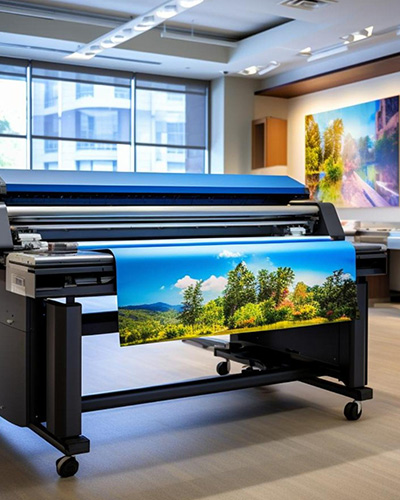
Brochure printing remains a vital marketing tool for businesses looking to showcase their products, services, or brand identity with professionalism and visual appeal. In Singapore, a thriving commercial hub, high-quality brochure printing services are readily available to cater to different business needs, from small startups to large enterprises. These services encompass a wide array of options, including various paper qualities, finishing techniques, and custom design features, ensuring that each brochure effectively communicates the intended message. The process of brochure printing typically involves several key stages. Initially, clients collaborate with printing providers to select appropriate materials and design layouts that align with their branding guidelines. Design files must be prepared according to specific technical specifications to ensure optimal print quality. Once finalized, the printing process begins, which can utilize digital or offset printing technologies depending on the order size and desired turnaround time. Additional services such as folding, lamination, or binding may also be incorporated for added durability and aesthetic appeal. Singapore's printing industry offers comprehensive solutions to meet various business requirements. Whether a business needs a small batch of personalized brochures or large-scale orders for promotional campaigns, providers are equipped to deliver precise and high-quality results efficiently. With the accessibility of various printing options and add-on services, companies can tailor their brochures to fit their marketing strategies and budget constraints, making brochure printing a versatile and cost-effective promotional tool in Singapore’s competitive market.
Factors Influencing Brochure Printing Costs in Singapore
When evaluating brochure printing prices in Singapore, several core factors play a pivotal role in determining the final cost. Understanding these elements can help businesses plan their budgets more effectively and ensure value for investment. Key factors include:
- Brochure Size and Format: Larger brochures or specialized formats such as tri-folds, Z-folds, or gatefolds generally incur higher costs due to material requirements and complexity in folding and finishing processes.
- Paper Quality and Finish: Premium paper stocks, coated or matte finishes, and textured materials enhance tactile appeal but come at a premium. Thicker cardstock and eco-friendly options often command higher prices.
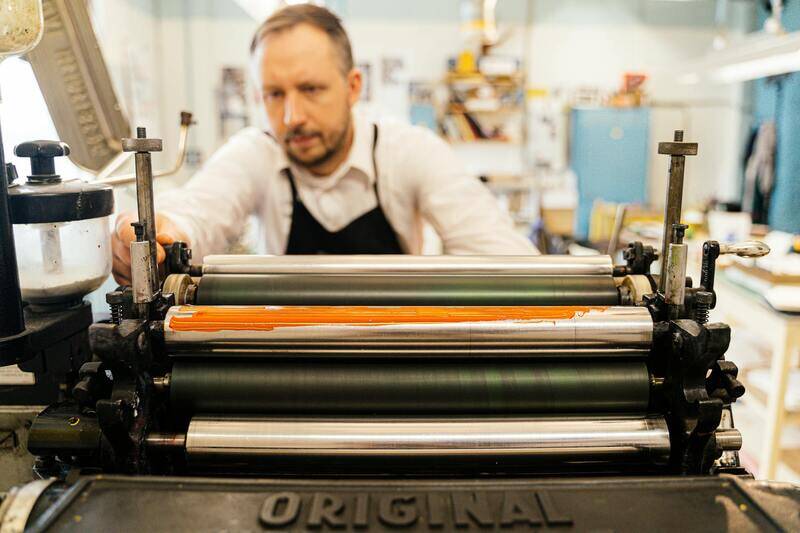
- Printing Technology: Digital printing offers affordability for smaller quantities and quicker turnaround times, while offset printing is more economical for bulk orders, providing consistent high quality at a lower per-unit cost for large volumes.
- Color Printing Technique: Four-color process printing (CMYK) enables vibrant, full-color brochures. Limited color or black-and-white printing lowers costs, suitable for minimalist or informational designs.
- Finishing Options: Additional features such as lamination, UV coatings, spot gloss, embossing, or matte varnishes enhance brochure durability and visual impact but add to the total cost.
- Quantity: The total number of brochures ordered influences unit price. Bulk orders benefit from volume discounts, reducing overall expenses.

It is essential for businesses to assess these factors carefully when requesting quotations from printing service providers. Transparent communication regarding desired specifications helps obtain accurate pricing, avoiding unexpected expenses during production. Considering the interplay of these variables allows for strategic planning, ensuring the final product aligns with both marketing objectives and budget constraints.
Overview of Brochure Printing in Singapore
Brochure printing remains a vital component of marketing and branding strategies for businesses across Singapore. As a flexible and versatile marketing tool, brochures serve to showcase products, services, and corporate identity with visual appeal and informative content. The Singapore market hosts a variety of printing providers offering diverse options tailored to different business sizes and industry requirements. These service providers utilize advanced printing technologies to deliver high-quality outputs, catering to both small-scale projects and large-volume orders. Choosing the right brochure printing method and specifications is crucial in balancing quality with cost, ensuring effective outreach without exceeding budget constraints. Precise planning and understanding of the key cost determinants enable businesses to optimize their print campaigns and achieve maximum return on investment.

Factors Influencing Brochure Printing Costs
Understanding what affects the pricing structure of brochure printing in Singapore equips businesses to make informed choices. These factors include, but are not limited to:
- Paper Quality and Finish: Premium stocks, coated, matte, or textured materials elevate the tactile aspect and visual appeal. Thicker cardstock enhances durability, while eco-friendly options often have a higher cost.
- Printing Technology: Digital printing is cost-effective for small runs with quick turnarounds; offset printing suits large quantities with lower per-unit costs and consistent quality.
- Color Printing Technique: Four-color CMYK printing produces vibrant visuals, whereas limited or black-and-white options reduce expenses, aligning with minimalist design approaches.
- Finishing Options: Enhancements like lamination, UV coating, spot gloss, embossing, or matte varnish can significantly impact the final cost but add durability and aesthetic value.
- Order Quantity: Larger orders generally enjoy reduced unit prices through volume discounts, optimizing overall expenditure.
Accurate quotations depend largely on clear communication of these specifications with the chosen printing service. Carefully evaluating these components ensures the final product aligns with the brand's marketing goals and budget constraints while maintaining high standards of quality.
Typical Price Ranges for Popular Brochure Types
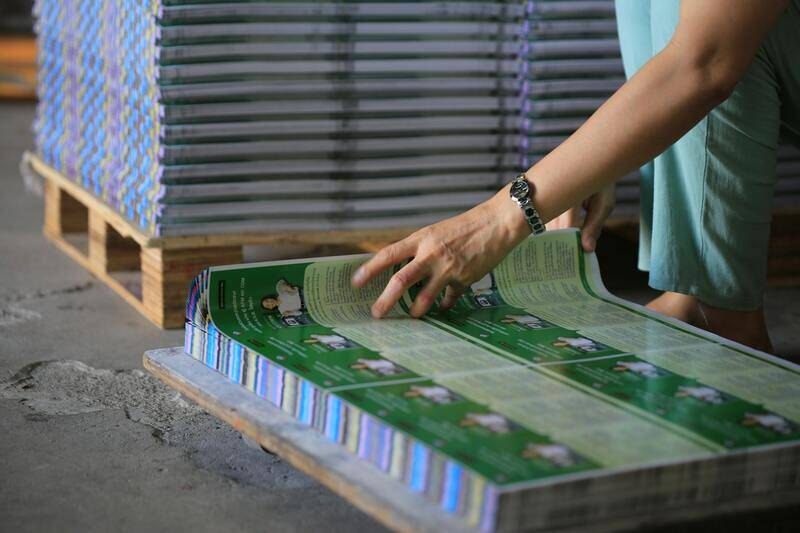
Understanding the average costs for different brochure styles helps businesses plan their marketing budget more effectively. Here’s a detailed overview of prevalent brochure formats and their typical pricing in Singapore:
- Bi-Fold Brochures: These are among the most common, offering a simple two-panel fold. Basic bi-fold brochures printed on standard paper with matte finish typically start from SGD 200 for 100 copies. Upgraded options such as high-gloss finishes or premium paper can push costs toward SGD 350–SGD 500 for similar quantities.
- Tri-Fold Brochures: Popular for their compact and organized layout, tri-fold brochures usually range from SGD 250 to SGD 600 for 100 copies, depending on paper quality and printing techniques. Opting for thicker cardstock and vibrant color schemes increases expenses but enhances visual impact.
- Z-Fold and Gate Fold Brochures: This creative format often commands higher prices, starting around SGD 400 for small batches. The complexity of folding and additional finishing requirements contribute to the higher costs.
- Premium Folded Brochures or Custom Shapes: For bespoke designs, such as die-cut shapes or fold-out formats, costs can vary significantly. Prices generally start at SGD 600 and can go beyond SGD 1,000 for unique, high-end finishes and higher quantities.

Pricing is sensitive to specific design elements and printing preferences. Businesses should consider their target audience and distribution channels when choosing brochure types to optimize their marketing investment. Strategic selection of finishings, paper quality, and quantities can deliver impactful results without overstretching the budget.
Average Brochure Printing Costs in Singapore
Understanding the typical price ranges for brochure printing in Singapore helps businesses plan their marketing budgets effectively. For standard bi-fold brochures printed on high-quality, matte finish paper, the cost generally starts at around SGD 200 for a batch of 100 copies. As the order quantity increases, the per-unit cost often decreases due to economies of scale, making bulk printing more cost-efficient.
Tri-fold brochures, favored for their organized layout and versatility, usually fall within the SGD 250 to SGD 600 range for similar quantities. This variation depends on factors such as paper thickness, color vibrancy, and finishing techniques. Thicker cardstock or specialty coating, like gloss or satin finishes, can increase costs but significantly enhance the visual appeal.
Creative fold formats such as Z-Fold or Gate Fold brochures tend to have higher starting prices, roughly SGD 400 for smaller batches. Their intricate folding patterns demand more precise production processes and additional finishing touches, contributing to elevated costs.
For customized brochures featuring die-cut shapes, fold-out components, or unique design elements, prices can begin at SGD 600 and exceed SGD 1,000 for premium designs and larger quantities. These options are ideal for brands seeking to stand out with innovative presentation formats that leave lasting impressions.

When evaluating costs, it is essential to consider supplies’ specific requirements and finishing preferences. The choice of paper type, finish (matte, gloss, or satin), and any special features such as embossing or foil stamping directly influence the overall expenditure. Targeting the right audience and distribution method can help optimize your investment, balancing quality with budget constraints.
Additional Costs and Services
While the base price of brochure printing provides a clear starting point, it is important to account for supplementary costs that may arise based on specific needs and preferences. These additional expenses can ensure the final product aligns perfectly with your branding and marketing objectives. Common extra charges include design services, which involve professional assistance to create visually compelling layouts and graphics. Many print service providers offer this as an optional package, often charged either as a flat fee or hourly rate.
Delivery charges vary depending on the volume of your order and the distance between the printing facility and your location. Some vendors include free local delivery for larger orders, while smaller batches might incur a fee. If you require your brochures urgently, expedited shipping options are available, typically at an increased cost.
Additional finishing options are popular choices for elevating the aesthetic appeal of brochures. Lamination, for instance, provides a protective layer that not only enhances durability but also gives a sleek, professional look. Embossing or foil stamping can add tactile luxury or metallic accents, making key elements stand out. These special effects are priced separately, with costs influenced by the size of the area treated and the complexity of the design.
Tips for Finding the Best Price without Compromising Quality
To optimize your brochure printing investment, focus on clear communication of your expectations with your chosen printer. Request detailed quotations that itemize costs for each element—paper quality, quantity, finishing techniques, and additional services. It’s beneficial to compare multiple quotations to identify the best value proposition.
Consider ordering in bulk, as economies of scale tend to lower per-unit costs. Be specific about your design and material preferences to prevent unexpected charges due to changes or upgrades later in the process. Opt for standard sizes and formats as these often come at reduced rates compared to customized dimensions or intricate folds.
Work with reputable printing providers known for consistent quality and transparency. Check reviews and request samples, if possible, to assess print fidelity and finishing. This diligence minimizes the risk of reprints and additional expenses, ultimately ensuring your brochures meet high standards without exceeding your budget.
Final Considerations and Budget Planning
Effective budget planning for brochure printing in Singapore involves considering all potential costs upfront. Begin by defining your core requirements—quantity, size, design complexity, and desired finishes—and gather quotes from multiple providers. Incorporate an additional 10-15% buffer for unforeseen expenses or last-minute modifications.
Prioritize quality over raw cost to ensure your marketing collateral creates the desired impact. Investing in premium paper stocks and professional finishes can significantly enhance brand perception and reader engagement. Always verify the turnaround times to ensure your project aligns with your marketing schedule, avoiding rush fees that could inflate your overall expenditure.
By maintaining a comprehensive overview of both direct and indirect costs, you will be better positioned to develop a realistic budget that balances affordability with the effectiveness of your brochure campaign. Remember, carefully planned expenditures translate to high-impact marketing tools that resonate with your target audience and fulfill your promotional goals.
Additional Costs and Services
When considering brochure printing in Singapore, it’s important to account for various additional costs and value-added services that can influence the final price. These extras often enhance the appearance and durability of your brochures, but they also involve extra expenses that should be factored into your budget planning.
Common Additional Features and Their Costs
- Premium Paper Stocks: Choosing higher GSM (grams per square meter) paper or specialty finishes, such as matte, gloss, or silk lamination, can significantly increase costs. Premium materials not only provide a luxurious feel but also improve durability, making your brochures more resistant to wear and tear.
- Custom Finishing: Techniques like UV coating, embossing, foil stamping, and die-cutting add distinctive elements that elevate your brochure's appeal. These finishes often require specialized equipment and can incur additional charges based on complexity and quantity.
- Binding and Folds: Intricate fold patterns (e.g., z-fold, gate fold, parallel fold) or binding options like saddle stitching or perfect binding influence costs. More complex folds may need precise die-cutting and longer setup times, resulting in higher prices.
- Personalized Printing: Variable data printing, which allows for customization of each brochure (such as names or personalized offers), can increase production costs, especially when done at scale.
- Bulk Volumes: Ordering in larger quantities often reduces per-unit costs, but higher quantities also mean higher overall expenditure. Negotiating with printing providers may unlock discounts for bulk orders.
Value-Added Services
- Design Assistance: Professional graphic design services are available to help create eye-catching layouts, which can be bundled into your overall project costs. Quality design ensures your message is clearly conveyed and visually compelling.
- Proofing and Sample Printing: Prior to full production, requesting proofs or samples allows you to verify color accuracy, layout, and finishing quality. This step may involve additional fees but can prevent costly reprints caused by errors.
- Warehousing and Delivery: Some providers offer storage and delivery services, which streamline distribution but may add to your overall spend. Confirm shipping timelines to avoid delays impacting your marketing schedules.
Strategies to Manage Additional Costs
- Prioritize Essential Features: Focus on features that align directly with your marketing goals. For example, opt for a durable matte finish if the brochure will be handled frequently, but consider standard paper for brief distribution campaigns.
- Request Detailed Quotes: Always ask for itemized quotations to understand how much each feature or service costs. This transparency helps you make informed decisions and negotiate better rates.
- Compare Multiple Vendors: Obtain quotes from several reputable printers to identify competitive pricing. Be wary of very low quotes that may compromise quality or omit necessary services.
- Balance Quality and Budget: While cost is a critical factor, ensure that the selected provider maintains high standards for print fidelity and finishing. Sometimes, investing slightly more upfront can reduce rework costs and improve your brand perception.

Comprehensive Approach to Brochure Printing Costs in Singapore
When planning your brochure printing project, understanding the complete scope of potential expenses is essential for effective budget management. While the baseline cost of printing is a primary concern, various supplementary factors can influence your overall expenditure. These include material choices, finishing options, quantities, and additional services that enhance the final product's quality and effectiveness.

For instance, opting for high-quality paper stock or specialty finishes such as UV coating, embossing, or lamination can significantly elevate your brochure's appearance and tactile appeal, but these come with increased costs. Similarly, the complexity of fold designs—such as Z-folds, gate folds, or roll folds—requires additional die-cutting and setup, impacting both production time and price. For order quantities, bulk printing typically offers better per-unit pricing, but the overall budget must accommodate your distribution plans and target reach.
Choosing the Right Print Services for Your Budget
Finding the balance between cost and quality involves thorough vendor comparison and understanding the distinct contributions of each service. Many professional printing companies provide detailed quotes that itemize costs based on paper materials, finishing options, fold types, and quantity. These quotes help identify potential areas for cost-saving without sacrificing the desired standards.
- Request detailed, itemized quotations to compare what is included in each price point.
- Ask for samples or proofs to evaluate print fidelity and finishing standards before committing to large orders.
- Discuss your expected distribution and purpose, enabling vendors to recommend the most appropriate options for your goals and budget.
- Leverage volume discounts where feasible, especially if planning multiple print runs or related marketing materials.
Optimization Strategies for Cost-Effective Brochure Printing
Implementing strategic choices can maximize your investment. For example, selecting standard paper and simple folds for informational brochures aimed at mass distribution reduces costs without diminishing impact. Conversely, for brand presentations, investing in premium papers and intricate designs may justify the additional expense.
Understanding the production process and aligning your specifications with your marketing objectives ensures your brochure not only complies with your budget but also achieves the desired visual and functional outcomes. Negotiating with reputable vendors based on transparent, detailed quotations fosters a partnership that balances affordability with quality assurance.
Exploring Cost-Effective Options and Best Practices
Some providers offer bundled packages or promotional rates for standard brochures, which can be advantageous for small to medium-sized campaigns. It’s also worthwhile to consider eco-friendly materials or digital enhancements like QR codes, which can be implemented at minimal extra costs but provide significant engagement benefits.

To secure the best price, always prioritize vendors with proven experience and positive client feedback. The emphasis should be on consistent quality and timely delivery, which minimizes the risk of additional costs due to reprints or delays. Establish clear specifications and communicate your budget constraints upfront to ensure the vendor can tailor their services accordingly, avoiding unforeseen expenses.