Understanding Express Brochure Printing
In today’s competitive market, businesses often rely on eye-catching marketing materials to attract attention and communicate their brand message effectively. One of the most versatile tools in this arsenal is the brochure. When time is of the essence, express brochure printing becomes an invaluable service, allowing companies to produce high-quality brochures within tight deadlines without compromising on craftsmanship. This approach prioritizes rapid turnaround times, ensuring that marketing campaigns can be launched swiftly and efficiently, especially in situations such as product launches, event promotions, or last-minute campaigns.
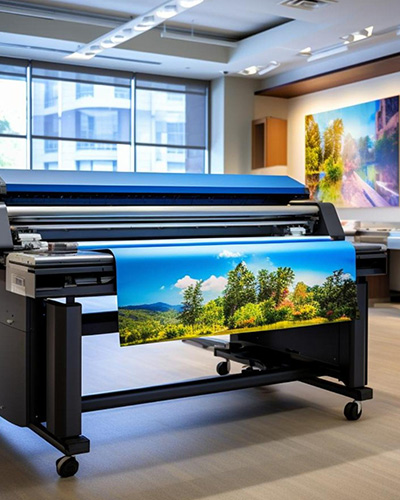
Express brochure printing involves the use of advanced printing technologies, streamlined processes, and efficient logistics to deliver printed materials quickly. This service caters to the needs of businesses that require immediate distribution of promotional content, whether for local outreach or nationwide campaigns. By choosing an experienced print provider, clients can expect not only quick turnarounds but also consistent quality that upholds their brand standards.
Furthermore, the process leverages digitally driven workflows that significantly reduce lead times, allowing for design adjustments, proofs, and final prints to be completed in a matter of days or even hours. This makes it an ideal solution for organizations that need to capitalize on time-sensitive opportunities or respond rapidly to market changes.
In essence, express brochure printing is more than just fast production; it is a strategic asset that combines efficiency with quality. By understanding the core elements of this service, businesses can better plan their marketing initiatives around achievable timelines while maintaining professional presentation and brand consistency.
Understanding Express Brochure Printing
Express brochure printing is a specialized service tailored to meet the urgent needs of businesses and organizations aiming to disseminate promotional materials swiftly without compromising on quality. This process leverages cutting-edge digital printing technologies, allowing for rapid production timelines that are critical in today’s fast-paced marketing environment. By integrating advanced workflows and logistics solutions, print service providers ensure that brochures are printed, processed, and dispatched within tight deadlines, often within 24 to 48 hours.
At its core, this service involves a precise combination of technology and operational efficiency. Digital printers enable high-resolution printing directly from digital files, reducing the need for lengthy setup processes traditionally associated with offset printing. This results in quicker turnaround times and flexibility in small batch productions or even single-copy jobs. Moreover, streamlined supply chain management, efficient inventory handling, and expedited shipping options further expedite the overall process, making it possible to meet last-minute promotional demands with reliability.
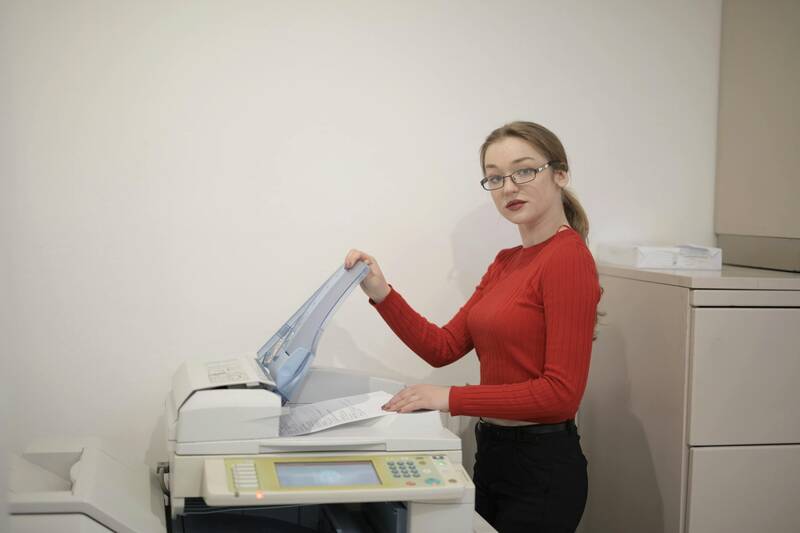
Moreover, digital workflows facilitate quick proofing and revisions, allowing clients to approve designs faster. This minimizes delays caused by back-and-forth approvals, which can often hinder timely project deployment. Many providers also offer digital templates and online design tools that help streamline the creative process, enabling clients to customize their brochures efficiently while maintaining professional standards.
In essence, this approach transforms traditional printing into a highly responsive service tailored to the needs of dynamic marketing strategies. Whether it is for a new product launch, an event, or a temporary campaign, the adaptability of express brochure printing ensures that brands can maintain a consistent presence in the market and respond promptly to emerging opportunities.
Materials and Finishing Options for Rapid Turnaround
When opting for express brochure printing, selecting the right materials and finishing options is vital to ensure that the final product meets both aesthetic and functional requirements within tight deadlines. High-quality paper stocks, such as gloss, matte, or silk finishes, are commonly used as they offer durability and an appealing surface for graphic and text integration. Lightweight or thicker cardstock options can be chosen based on the brochure's purpose, whether for handouts, direct mailing, or display purposes.
Finishing techniques also play a crucial role in elevating the visual impact of brochures. UV coating adds a shiny, protective layer that enhances colors and provides resistance against moisture and scratches, perfect for quick-turnaround projects meant for high traffic or outdoor use. Matte or soft-touch coatings offer a sophisticated, non-reflective surface ideal for elegant presentations or detailed artwork. Laminations, whether gloss or matte, can be applied to add durability, especially when brochures are handled frequently or need to withstand transport.
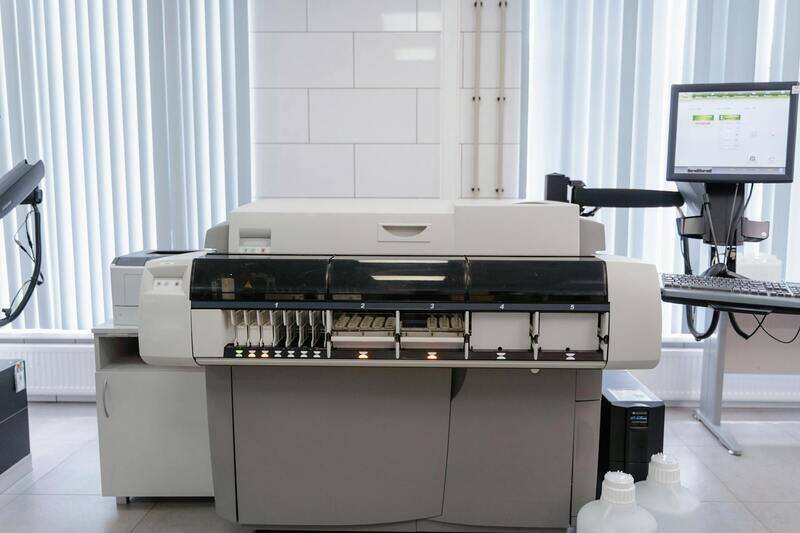
Many digital printing providers also offer die-cutting, embossing, and spot UV treatments as additional finishing touches that can be completed within the expedited timeframe. These enhancements can personalize brochures further, making them more eye-catching and memorable. It’s essential to collaborate closely with your print provider to choose materials and finishes that align with your branding goals while fitting within your deadline constraints. Proper pre-press preparation, including file setup and color management, ensures seamless production and consistent quality despite the swift turnaround.
Materials and Finishing Options for Rapid Turnaround
When selecting materials for express brochure printing, it is essential to balance quality with the need for speed. High-quality paper stocks that support quick drying times and reliable color reproduction are ideal choices. Uncoated, semi-gloss, or coated stocks can be used depending on the desired aesthetic and functional requirements. Coated papers, for instance, are excellent for vibrant color output and sharp imagery, making them suitable for marketing materials aiming to make a strong visual impact. Uncoated papers, on the other hand, offer a natural texture that can lend an elegant or tactile quality to your brochures.
Finishing options further augment the durability and attractiveness of brochures printed on tight deadlines. UV coating provides a glossy, resistant layer that not only boosts color vibrancy but also guards against moisture and scratches, making it suitable for outdoor or high-traffic environments. Matte or soft-touch laminations impart a sophisticated, non-reflective surface that elevates the design’s elegance, ideal for professional presentations or detailed artwork. Laminations, whether gloss or matte, also serve to protect the printed material from wear and tear during distribution.
Binding styles should be chosen with practicality and presentation in mind. Saddle-stitch binding is common for smaller brochures, offering quick assembly and a clean look. For larger brochures or those requiring more durability, perfect binding may be chosen, which provides a seamless spine and a polished finish. The choice of binding impacts both the production time and the overall aesthetics of the final product but can be optimized to meet tight deadlines without compromising quality.
Many digital printing providers also support additional enhancements such as die-cutting, embossing, and spot UV treatments. These can be seamlessly integrated into the rapid production schedule, adding unique touches that make each brochure stand out. Die-cutting allows for custom shapes and windows, embossing introduces tactile accents, and spot UV can highlight specific elements with a shiny finish. These techniques, when planned carefully, can elevate the overall design without delaying delivery deadlines.
To ensure a smooth process, collaboration with your print partner is crucial. They can advise on optimal materials and finishing options that align with your branding and logistical needs while meeting your timeframe constraints. Proper pre-press setup, including accurate file preparation and color management, plays a vital role in achieving consistent, high-quality outputs under tight production schedules.
Understanding Express Brochure Printing
Express brochure printing is a specialized service tailored to meet tight deadlines without sacrificing quality. It involves streamlined production processes, high-speed digital printing technologies, and efficient logistical coordination to deliver printed brochures within a short timeframe. This method is ideal for businesses needing swift promotional materials for upcoming events, product launches, or urgent marketing campaigns. By leveraging digital presses with rapid turnaround capabilities, print service providers can produce high-quality brochures in a matter of hours to a few days, depending on the complexity and volume.
Advantages of Opting for Express Brochure Printing
- Speed: Significantly reduces waiting times, enabling promotional efforts to go live immediately after design finalization.
- Flexibility: Supports small batch runs and last-minute changes, ensuring marketing strategies remain agile.
- Cost-Effective for Short Runs: Digital printing eliminates the need for expensive setup, making it a budget-friendly option for limited quantities.
- High-Quality Output: Modern digital presses ensure crisp images, consistent colors, and detailed text, comparable to traditional offset printing.
- Customization: Each brochure can be tailored with variable data printing, personalized messages, or unique identifiers, enhancing engagement.
Operational Workflow of Express Brochure Printing
The process begins with precise file preparation, ensuring artwork is optimized for rapid printing. The files should be in high-resolution formats like PDF or TIFF, with embedded fonts and correct color profiles to prevent delays. Once the files are approved, the printing process can commence promptly, often within the same day. Finishing options such as folding, binding, and lamination are scheduled simultaneously to meet expedited timelines. Efficient logistics and courier services ensure swift delivery, often within 24 to 48 hours after completion.
Common Challenges and Solutions
- Material Management: Selecting readily available paper stocks minimizes supply chain delays, with options like standard gloss or matte finishes being most popular.
- Design Constraints: Simplified layouts with fewer colors and minimal complex graphics facilitate faster printing without quality loss.
- Communication: Maintaining clear and immediate communication with the print team allows for quick adjustments and confirms specifications, reducing rework time.
Materials and Finishing Options for Rapid Turnaround
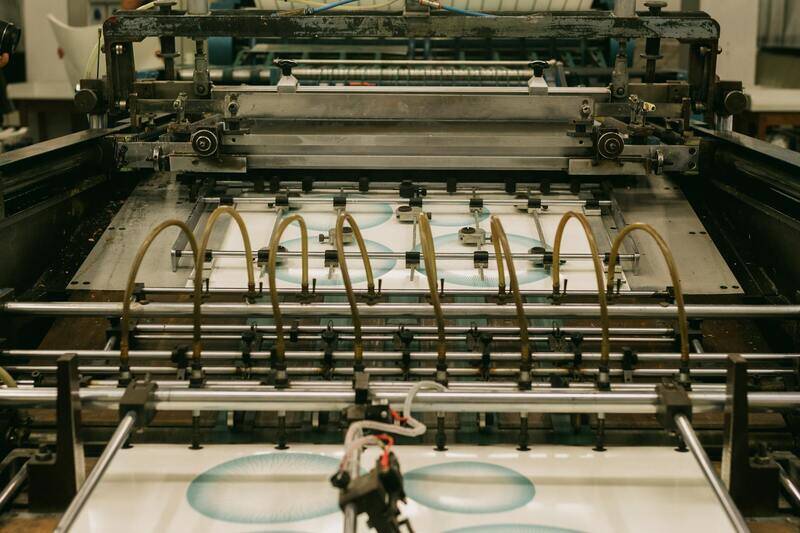
When selecting materials for express brochure printing, it is crucial to prioritize readily available stocks that can be processed swiftly without compromising quality. Standard gloss or matte finishes are most commonly used due to their widespread availability and quick processing times. These materials provide a professional appearance while ensuring the production timeline remains on track. Thicker paper options, such as 170gsm or 200gsm card stocks, lend durability and a premium feel, suitable for marketing materials that require a lasting impression.
Finishing techniques play an integral role in enhancing the brochure's visual appeal and tactile experience, especially when time is limited. Common finishing options include:
- Folding: Simple tri-fold or bi-fold designs can be completed rapidly, especially when pre-folded stock is used.
- Lamination: Applying gloss or matte lamination provides protection and enhances image vibrancy, achievable within short turnaround periods with modern equipment.
- Binding: Saddle stitching or single-staple binding are quickest, ideal for small runs or quick distribution.

Design Considerations for Fast Printing
Designing for rapid brochure printing demands a focus on simplicity and efficiency. Complex layouts with numerous custom graphics or extensive color palettes can extend printing and drying times. To streamline the process:
- Limit Color Palette: Use a maximum of two or three colors to reduce printing complexity and costs.
- Simplify Graphics: Opt for vector graphics and minimal gradients; avoid high-resolution images with intricate details.
- Optimize Layout: Use grids and consistent spacing to speed up file preparation and reduce potential errors.
- File Preparation: Ensure files are in high-resolution PDF format with embedded fonts, color profiles, and bleed settings properly configured for best compatibility and fast processing.
By adhering to these design strategies, businesses can ensure their brochures are produced efficiently without sacrificing visual impact. Clear communication with the printing provider about the deadline and specifications is essential to facilitate a smooth workflow.
Understanding Express Brochure Printing
Efficient brochure printing forms the backbone of successful marketing campaigns that require rapid deployment. By focusing on streamlined processes, high-quality materials, and expert handling, businesses can achieve visually appealing, durable brochures within tight schedules. The key lies in selecting methods and partners capable of managing expedited workflows without compromising on clarity, resolution, or overall presentation. This approach ensures that promotional materials are ready to meet critical deadlines, whether for trade shows, launch events, or last-minute promotional pushes. Special attention is given to the entire print process—from pre-press preparations to final finishing—to minimize delays and maximize output quality.
Key Features of Express Brochure Printing
- Fast Turnaround Times: Capable of producing high-quality brochures within 24 to 48 hours, depending on complexity and volume.
- Pre-Designed Templates: Utilization of pre-existing templates aids in quick customization, reducing design time.
- Automated Printing Processes: Sophisticated digital printing technology supports rapid production while maintaining precise color fidelity and detail.
- Efficient File Handling: Standardized file formats such as high-resolution PDFs optimize processing speeds.
- Streamlined Workflow: Clear communication channels and predefined procedures ensure timely completion from order placement to delivery.
Types of Brochures Suitable for Express Printing
Most brochure formats can be adapted for expedited production, especially ones designed with simplicity and minimal complexity. These include:
- Tri-Fold Brochures: Popular for their compact structure and ease of folding, ideal for quick print runs and distribution.
- Bi-Fold Brochures: Offer a clean, professional appearance with straightforward folding, suitable for straightforward content.
- Rack Cards and Point-of-Purchase Displays: Small, simple designs that lend themselves well to rapid printing for immediate deployment.
While some custom or elaborate formats may require additional time for finishing and quality checks, these standard styles are optimal choices when speed is prioritized.
Materials and Finishing Options for Rapid Turnaround
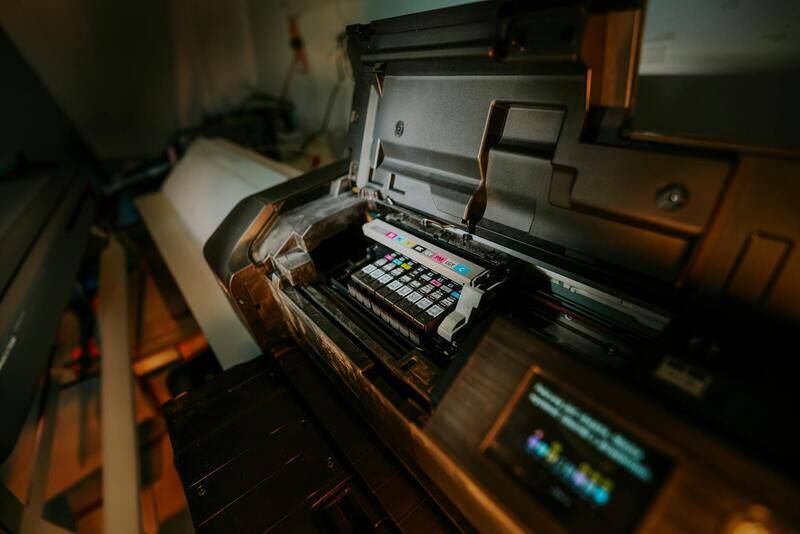
Choosing the right materials enhances both the durability and visual impact of brochures produced on a tight schedule. For rapid production, consider:
- Coated Paper Stock: Matte or gloss finishes that dry quickly and support vibrant printing results.
- Pre-Coated or Packaged Stocks: Ready-to-use sheets that eliminate additional preparation time.
- Lamination: Gloss or matte lamination can be applied swiftly, providing protection and an upscale appearance.
- Folding and Binding: Automatic folding machines and saddle-stitch binders enable fast assembly of brochures.
Trade-offs between weight, finish, and cost should guide material choices, ensuring a balance between quality and speed.
Design Considerations for Fast Printing
Optimizing brochure design for quick production involves strategic simplification. To facilitate rapid printing:
- Limit Color Usage: Employ a maximum of three colors to reduce printing complexity and costs.
- Simplify Graphics: Use vector images and minimal high-resolution photos to expedite processing.
- Flat, Minimal Layouts: Favor straightforward grid-based layouts to facilitate automated printing and folding.
- File Preparation: Ensure files are in PDF format with embedded fonts, proper bleed, and color profiles for seamless processing.
Effective communication with the printing provider about deadlines and specifications helps prevent bottlenecks and ensures timely delivery of finished brochures.
Images Placeholder
Ensuring Quality Control and Final Checks in Express Brochure Printing
Delivering high-quality brochures within tight timeframes necessitates meticulous quality control processes. Prior to finalizing your order, it is essential to conduct comprehensive checks to mitigate errors and ensure the finished product aligns with your expectations. This includes verifying the accuracy of all textual content, ensuring colors are correctly calibrated, and reviewing design elements for consistency and clarity.
Most reputable express printing services provide digital proofs or sample prints. These serve as invaluable tools to confirm that colors, images, and layout details match your specifications before mass production begins. Requesting a physical proof can help identify potential issues that may not be apparent on screen, allowing for adjustments that enhance the overall appearance of the brochures.
Close communication with your chosen print provider is paramount. Clarify turnaround times, verify material specifications, and confirm all aspects of the order are correctly documented. This collaborative approach ensures that any last-minute changes or concerns are addressed efficiently, preventing delays that could compromise the project timeline.

Streamlining Workflow and Delivery for Rapid Turnaround
Efficiency in the production process hinges on a well-organized workflow. Maintain clear communication channels with your printing provider, providing detailed specifications and deadlines early in the process. Utilize digital file sharing platforms to expedite submission and revisions, reducing processing time and minimizing potential errors.
Once the brochures are printed, reliable and expedited delivery methods are crucial to meet your campaign schedules. Many print providers offer next-day or same-day delivery options, often working in conjunction with local courier services. Confirming shipping details early and opting for express delivery ensures your brochures arrive on time and in pristine condition.
Consider packaging options that protect the brochures during transit, especially when handling bulk orders. Proper packaging minimizes damages and maintains the quality of your printed materials upon arrival.
Post-Printing Review and Feedback Collection
After receiving your brochures, conduct a thorough inspection to confirm that the print quality, color accuracy, and finishing matches the approved proof. Address any discrepancies promptly with your print provider; many offer reprints or corrective services promptly, especially when dealing with express orders.
Gather feedback from your distribution team and stakeholders regarding the effectiveness of the printed materials. This insight can be invaluable for future campaigns and helps assess whether the expedited process met your objectives and maintained the desired quality standards.
Engaging with a print partner that values client feedback can facilitate continuous improvement, ensuring that your urgent printing needs are met with consistent excellence each time.