Overview of Custom Printing Services
Custom printing services are specialized solutions that enable individuals and businesses to create unique, personalized printed materials tailored to specific needs. These services encompass a broad spectrum of printing techniques designed to produce high-quality outputs on various substrates, including paper, fabric, plastic, and more. In the context of branding, marketing, or personal projects, custom printing allows the creation of one-of-a-kind visuals that capture attention and convey messages effectively. From business cards and promotional items to apparel and packaging, custom printing transforms basic concepts into tangible products that reflect a distinctive identity.
The core function of custom printing services lies in their ability to deliver precision, versatility, and customization options while maintaining high standards of quality. They serve as a critical facilitator in establishing brand presence by providing tailored solutions that align with specific aesthetic and functional requirements. Whether for a startup aiming to make a memorable first impression or a retailer seeking distinctive packaging, these printing services play a vital role in shaping customer perceptions and enhancing brand appeal.
Advanced technology, such as digital, offset, screen, and large-format printing, underpins various custom printing methods, each suited to different types of projects and material specifications. The innovative capabilities of modern printers enable detailed designs, vibrant colors, and complex patterns to be realized with consistency and efficiency. Additionally, customizable finishing options, including lamination, embossing, and foil stamping, further elevate the visual and tactile quality of printed items.
Ultimately, the accessibility and adaptability of custom printing services empower users across industries to bring their creative visions to life while maintaining cost-effectiveness and timely delivery. As businesses and individuals increasingly seek personalized and impactful printed materials, the demand for sophisticated custom printing solutions continues to grow, underscoring its significance in contemporary branding and communication strategies.

Overview of Custom Printing Services
Custom printing services play a pivotal role in transforming creative concepts into tangible, visually striking products that speak directly to target audiences. They encompass a broad spectrum of solutions tailored to meet unique branding and marketing needs, ranging from business cards and brochures to packaging and promotional materials. These services leverage cutting-edge printing technologies to deliver precise detail, vibrant colors, and durable finishes, ensuring that each printed item aligns with specific aesthetic and functional expectations.

The significance of these services extends beyond mere aesthetics. Custom printing enhances brand recognition by delivering consistent visual messaging across diverse platforms and formats. Whether it’s creating eye-catching banners for trade shows, personalized packaging to elevate product perception, or bespoke stationery that reinforces corporate identity, the capabilities of professional printing providers support a wide array of strategic objectives.
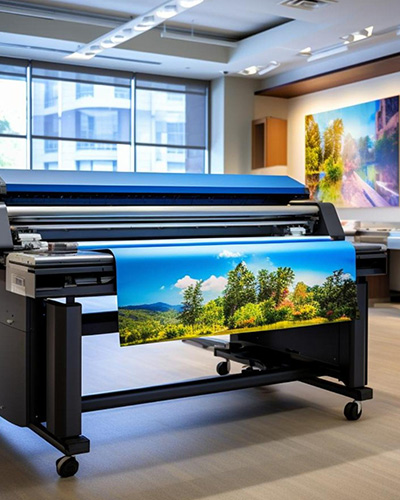
Modern custom printing harnesses advanced technologies such as digital, offset, and large-format printing. Digital printing offers quick turnaround times and cost-efficiency for small runs or highly customized design variations. Offset printing, known for its exceptional color accuracy and high-volume capabilities, remains ideal for producing large quantities of consistent printed materials. Large-format and wide-format printers excel in producing oversized visuals like window graphics, murals, or banners that make a significant visual impact in physical spaces.

In addition to core printing techniques, a variety of finishing options can augment the final product’s aesthetic and tactile appeal. Techniques such as lamination provide durability, embossing adds a textured dimension, and foil stamping introduces metallic accents for a touch of luxury. These enhancements allow brands to craft distinguished and memorable printed pieces that capture attention and foster engagement.
Importantly, the scope of customization in printing panels extends to selecting appropriate materials, from different types of paper, vinyl, fabrics, to specialty substrates. This choice impacts not only the visual effect but also the longevity and suitability of the printed item for specific environments and uses.
The versatility and precision of custom printing services empower individuals, startups, and established enterprises to realize their creative visions. These services facilitate the production of unique, high-quality materials that distinguish brands in competitive markets while maintaining cost-effectiveness and adhering to tight schedules.
Overview of Custom Printing Services
Custom printing services encompass a broad spectrum of specialized printing solutions tailored to meet unique branding, marketing, and personal needs. These services enable clients to transform their creative ideas into tangible, high-quality printed materials that leave a lasting impression. By utilizing advanced printing technologies and a diverse range of substrates, these providers ensure that each project aligns precisely with the client's vision, whether for corporate campaigns, small business branding, or personal expressions.

The appeal of custom printing lies in its flexibility and precision. Clients can choose from an array of printing options, incorporating bespoke design elements, unique materials, and specialized finishes. This level of customization not only enhances aesthetic appeal but also reinforces brand identity, making printed materials more memorable and impactful. From intricate patterns to minimalistic designs, custom printing services empower businesses and individuals to produce standout pieces that effectively communicate their message.
Advantages of Tailored Printing Solutions
- Enhanced Visual Appeal: Customization allows for precise control over colors, textures, and finishes, resulting in visually compelling products.
- Brand Differentiation: Unique printed materials help distinguish brands in crowded marketplaces.
- Meeting Specific Requirements: Whether for limited runs or large-scale production, custom printing adapts to various volume demands efficiently.
- Integration of Creative Elements: Enables incorporation of special effects such as embossing, foil stamping, and textured finishes to elevate the final product.
- Flexible Material Selection: Allows for the use of different mediums like paper, vinyl, fabric, or specialty substrates based on functional needs and aesthetic preferences.
Utilizing the latest in printing technology and a comprehensive understanding of material properties, custom printing services deliver products that meet the highest standards of quality and durability. This combination of precision engineering and creative flexibility ensures that every printed piece resonates effectively with its intended audience and purpose.
Key Components of Custom Printing Processes
Successful implementation of custom printing projects hinges on several critical factors. These include meticulous design planning, detailed material selection, and adherence to best practices in print production. Manufacturers often collaborate closely with clients during the design phase to optimize layouts, color schemes, and finishing options, ensuring that the final output aligns perfectly with the original concept.
Additionally, quality control measures are integral to custom printing services. From pre-press proofing to final inspection, each stage is carefully monitored to maintain consistent quality, prevent errors, and uphold customer satisfaction. This meticulous approach guarantees that bespoke printing solutions deliver precisely as expected, reflecting the client's brand integrity and campaign objectives.
Emerging Trends in Custom Printing
The industry continues to evolve with innovations such as digital printing, which offers rapid turnaround and high customization levels, and sustainable printing practices that prioritize environmental responsibility. Eco-friendly inks, recyclable substrates, and energy-efficient production methods are becoming standard features, enabling brands to achieve their marketing goals while minimizing ecological impact.
Moreover, advancements in automation and digital workflows facilitate more complex and nuanced designs, accommodating small batch printing without sacrificing quality or efficiency. These technological developments extend the capabilities of custom printing providers, opening new avenues for creative expression and practical application.
Types of Custom Printing Techniques
Understanding the various printing methods available is essential for selecting the right approach tailored to specific project requirements. Each technique offers distinct advantages, suited for different materials, quantities, and quality expectations. Here are some of the most prevalent custom printing methods used in the industry today:
- Digital Printing: This method employs digital technology to produce high-quality prints directly from digital files. It is ideal for short runs and quick turnaround times. Digital printing provides excellent color accuracy and the ability to easily make last-minute adjustments, making it a popular choice for personalized products and prototypes.
- Offset Printing: Known for its cost-effectiveness in large-volume productions, offset printing involves transferring ink from plates onto a rubber blanket before applying it to the printing surface. It delivers sharp images, consistent colors, and high throughput, making it suitable for mass production of marketing collateral, packaging, and promotional materials.
- Screen Printing: This technique uses a mesh screen to transfer ink onto substrates, frequently employed for printing on textiles, plastics, and other surfaces. Screen printing offers vibrant colors and durable results, making it especially popular for apparel, banners, and signage.
- Flexography: Similar to letterpress, flexography uses flexible relief plates for fast printing on a wide variety of substrates, including corrugated boxes, bags, and labels. Its ability to print on uneven surfaces and large formats makes it a preferred choice for packaging solutions.
- Sublimation Printing: This dye-based process involves turning solid dye into gas without passing through a liquid state, allowing it to bond with polyester substrates and coated surfaces. Sublimation produces vibrant, full-color images suitable for promotional items, apparel, and home décor.
- Pad and Hot Foil Printing: These specialized techniques add metallic or textured finishes to products, often utilized for branding on premium packaging, collectibles, and luxury items. They provide a tactile element that enhances the perceived value of the product.
Each printing method requires specific equipment, materials, and skillsets, which influence the final output’s quality, durability, and cost. Collaborating with a knowledgeable printing service provider ensures the optimal technique is chosen to meet the project's goals, whether it's for small-batch promotional items or large-scale commercial production.

Choosing the Right Printing Service Provider
Assessing Experience and Expertise
When selecting a provider for custom printing services, it is essential to evaluate their track record and technical expertise. An experienced printer will have a broad portfolio demonstrating versatility across different printing techniques and materials. Their team should include skilled specialists capable of advising on optimal printing methods based on your specific needs. Industry experience often correlates with a deeper understanding of color management, material compatibility, and quality assurance processes, ensuring your final product meets high standards.
Evaluating Quality and Consistency
Quality control processes are fundamental in custom printing. Reputable providers implement stringent inspection protocols throughout production, from color matching to final finishing. Consistency across batches guarantees your branded materials retain visual integrity and professional appearance over time. Request samples and case studies to assess the quality of their work. Ensuring the consistency of vibrant colors, sharp details, and durable finishes is crucial, especially for branding elements where precision has a direct impact on brand perception.
Technological Capabilities and Equipment
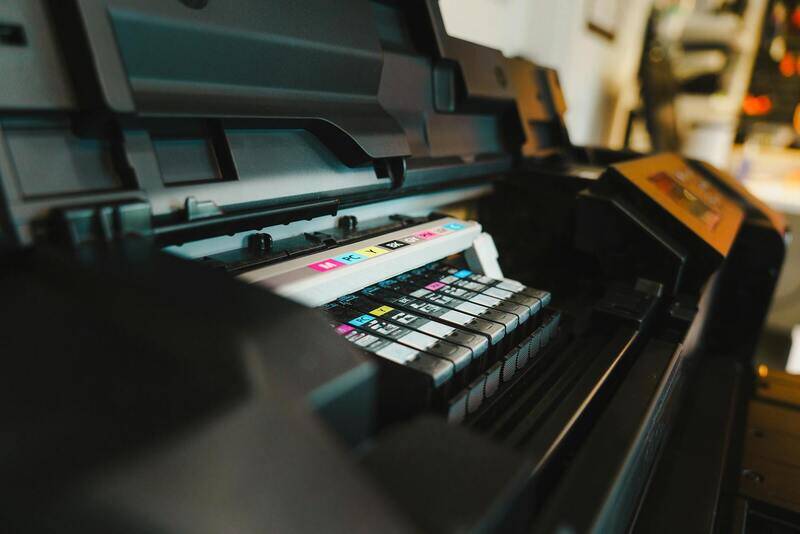
Modern, well-maintained equipment reflects a provider’s commitment to delivering superior results. Advanced digital printers, screen printing setups, and finishing machinery enable a wider range of customization possibilities and faster turnaround times. Compatibility with various substrates, including textiles, plastics, and metals, is a positive indicator of a comprehensive service offering. Discussing their technical infrastructure also offers insights into their ability to handle complex or large orders efficiently.
Customer Support and Turnaround Time
Responsive communication and reliable project management are vital components of a professional custom printing service. The provider should act as a partner, guiding you through design tweaks, file preparation, and production timelines. Transparent scheduling, along with real-time updates, helps manage expectations and ensures timely delivery. Prioritize providers known for their professionalism and accountability, especially when deadlines are critical for marketing campaigns, events, or product launches.
Pricing and Value Proposition
While cost is an important factor, the goal should be to maximize value rather than minimize expenditure. Reputable printers offer clear, detailed quotations that outline all costs involved, including setup, materials, and finishing. Compare pricing structures across providers to identify options that balance affordability with quality. Remember, investing in high-quality printing often reduces costs associated with reprints or product returns caused by subpar finishes.
In summary, selecting a reliable custom printing services provider requires a thorough assessment of their experience, quality standards, technical capabilities, customer support, and pricing. Building a trustworthy relationship ensures that your branding and promotional goals are achieved with precision, durability, and visual impact, ultimately contributing to your business’s success in a competitive marketplace.
Design Considerations and Requirements
When engaging with custom printing services, meticulous attention to design and technical specifications is essential to ensure the final product aligns with your vision. Clear communication of your design elements, including dimensions, color schemes, and material preferences, supports accurate reproduction. High-resolution files, typically at least 300 dpi, should be prepared to guarantee sharp, detailed prints. Adhering to specified file formats, such as PDF or AI, helps prevent misinterpretations during processing.
Understanding the printer’s technical constraints is vital. For example, certain printing methods may have limitations concerning color profiles or die-cutting capabilities. Providing specifications for finishes, such as gloss or matte coatings, embossing, or foil stamping, ensures the printer can deliver the desired aesthetic effect. Additionally, incorporating bleed areas and crop marks into your design files facilitates clean cuts and prevents unwanted borders or white edges.
Creating a comprehensive design brief that includes all necessary technical details aids in streamlining communication with your chosen provider. It also minimizes the risk of errors, reduces reprints, and helps maintain consistent branding across all printed materials. Whether designing for business cards, banners, or packaging, a well-prepared design set is the foundation of a successful custom printing project.
Overview of Custom Printing Services
Custom printing services encompass a broad spectrum of tailored solutions that cater to individual and business-specific needs. These services leverage advanced printing technologies to produce unique, high-quality materials that reflect personal branding, marketing strategies, or creative ideas. Whether it’s branding materials, promotional items, packaging, or personalized gifts, custom printing enables precise control over design, color, dimensions, and finishing touches. With a focus on craftsmanship and attention to detail, reputable providers ensure that each product meets the highest standards of durability and visual appeal, making them an integral component for organizations seeking to make a memorable impression.
Types of Custom Printing Techniques
Different printing methods serve various purposes and product types, each with distinct advantages:
- Digital Printing: Ideal for short runs and quick turnaround, digital printing offers vibrant colors and sharp details. It is highly flexible, allowing for on-demand printing and easy customization.
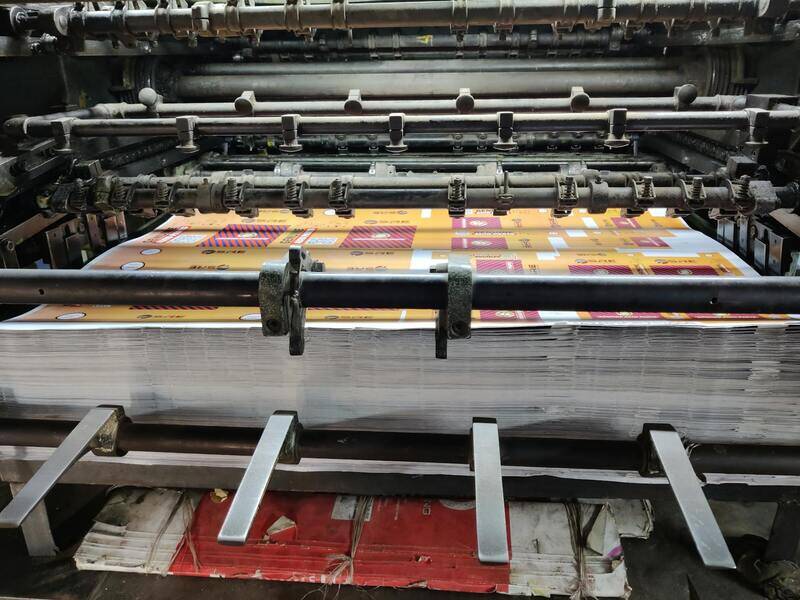
- Offset Printing: Suitable for high-volume projects, offset printing provides cost efficiency and consistent quality. It excels in reproducing complex designs with color accuracy, making it a preferred choice for large batches of posters, brochures, or catalogs.
- Flexography: Often employed in packaging and labels, flexography uses flexible plates to print on various materials, including plastics, foil, and paper. Its speed and adaptability suit large production runs of packaging materials.
- Screen Printing: A versatile technique especially suited for textiles, apparel, and promotional items. It provides vibrant colors and thick ink coverage, making it excellent for bold designs and limited color palettes.
- UV Printing: This method utilizes ultraviolet light to dry inks instantly, enabling high-resolution images on non-porous surfaces like plastics, glass, and metal. It is popular for custom signage and decorative objects.

Common Products Offered
Custom printing services cater to an extensive range of products, each tailored to meet specific needs. Typical offerings include:
- Business Cards: Personalized cards that reflect brand identity through unique designs, textures, and finishes.
- Brochures and Flyers: Promotional materials designed to attract attention and convey key messages effectively.
- Posters and Banners: Large-format prints ideal for advertising, events, and displays with customized graphics and sizes.
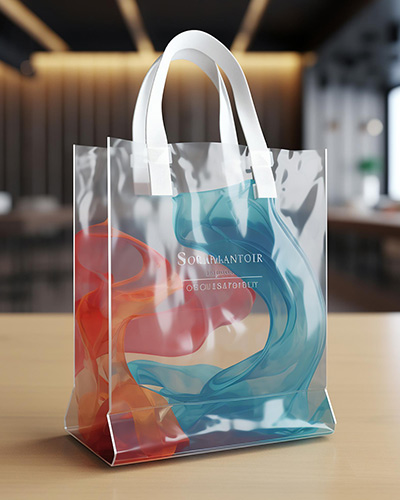
- Packaging Materials: Customized boxes, labels, and wrappers that reinforce branding and product presentation.
- Labels and Stickers: For products, merchandise, or promotional giveaways, offering durability and vibrant visuals.
- Promotional Items: Including t-shirts, mugs, and corporate gifts, personalized through various decoration techniques.
- Signage and Displays: Indoor and outdoor signs, point-of-sale displays, and trade show exhibits tailored to specific dimensions and branding requirements.
Choosing the Right Printing Service Provider
Making an informed choice involves evaluating the provider’s technical expertise, range of services, and industry reputation. Consider the following factors:
- Portfolio and Experience: Review their previous work to gauge quality and versatility.
- Technology and Equipment: Confirm they use advanced, well-maintained machinery suitable for your product specifications.
- Material Options: Ensure they offer a variety of substrates and finishes, aligning with your design requirements.
- Turnaround Time and Flexibility: Clarify lead times and ability to accommodate urgent or large-volume projects.
- Quality Control: Look into their inspection processes to guarantee consistency and defect minimization.
- Customer Support and Communication: Seek a provider who maintains clear, responsive communication throughout the project lifecycle.
Design Considerations and Requirements
Successful custom printing hinges on precise design and technical specifications. Key directives include:
- High-Resolution Files: Submit artwork at least 300 dpi to ensure sharp images and crisp text.
- Color Management: Utilize color profiles such as CMYK or Pantone to match your desired palette accurately.
- Material Selection: Choose appropriate substrates considering durability, appearance, and intended use.
- Finish and Special Effects: Specify coatings, embossing, foil stamping, or other finishes to achieve the desired tactile aesthetic.
- Bleed and Crop Marks: Incorporate these into your design files to facilitate precise trimming and prevent unintended white borders.
- Design Complexity: Understand limitations of certain printing techniques to align your creative vision accordingly.
Cost Factors and Budget Planning
Pricing for custom printing varies based on multiple elements, necessitating careful budget management. Factors influencing costs include:
- Quantity: Larger volumes often reduce per-unit costs due to economies of scale.
- Material Choices: Premium substrates and specialized finishes tend to elevate prices.
- Printing Technique: Sophisticated methods like UV or offset may carry higher equipment and setup costs.
- Design Complexity: Intricate graphics and detailed finishes can increase production time and expenses.
- Turnaround Time: Urgent requirements may incur additional charges for expedited processing.
- Additional Services: Finishing touches such as embossing, foil stamping, or special coatings contribute to overall costs.
Preparing a clear budget and discussing it openly with your provider helps customize solutions that deliver quality within your financial constraints. Prioritizing essential features and considering sample proofs can prevent unforeseen expenses and ensure satisfaction with the final product.
Advanced Custom Printing Techniques for Unique Finishes
Implementing advanced finishing options can significantly elevate the appeal of custom printed materials. Techniques such as embossing, debossing, foil stamping, and varnish coatings add tactile and visual depth, making printed items more engaging and memorable. Embossing and debossing create raised or recessed areas that provide a textured feel, ideal for highlighting logos or key design elements. Foil stamping, involving metallic or pigmented foils, lends a luxurious accent that captures attention, especially on premium business cards, labels, or packaging. UV coatings and spot varnishes are used to add gloss or matte textures selectively, emphasizing specific sections of the design. These techniques not only enhance aesthetics but also contribute to the perceived value of the product, aligning with branding goals.

Precision and Quality Control in Custom Printing
Achieving consistent and high-quality results requires meticulous attention to quality control throughout the printing process. Standard procedures involve rigorous pre-press checks, including color calibration, proofing, and file verification to ensure alignment with the final output. During production, skilled technicians monitor equipment to detect any deviations, and final inspections verify color accuracy, registration, and finish quality. Advanced printing facilities often utilize digital proofing and sampling services, enabling clients to approve mock-ups before full-scale production commences. This proactive approach minimizes errors, reduces waste, and guarantees that the finished product adheres strictly to the specified standards and expectations.
Handling Large and Complex Orders Effectively
For sizeable or intricate projects, strategic planning and clear communication with your printing partner are vital. Efficient workflow management includes dividing production into manageable segments, scheduling according to project priority, and coordinating delivery timelines. When dealing with complex designs involving multiple techniques or special finishes, detailed specifications and comprehensive instructions become crucial. Collaboration with experienced designers and printers ensures that technical limitations are understood and mitigated. Such careful orchestration minimizes delays, optimizes resource utilization, and ensures that the final output maintains consistency across all units.
Maintaining Consistency in Custom Printing Projects
Consistency in branding and design is essential for establishing a recognizable identity. Standardized color profiles, templates, and specifications should be established early in the project. Using high-quality, calibrated equipment and maintaining uniform materials and inks throughout the run helps preserve visual consistency. Regular communication with the printing provider allows for adjustments and quality checks at different stages, addressing potential discrepancies promptly. Keeping detailed records of project settings and procedures fosters repeatability, ensuring future projects match previous outputs—an important aspect for brands with ongoing marketing campaigns or product lines.
Ensuring Ethical and Responsible Sourcing
Partnering with print providers committed to ethical sourcing entails verifying that materials and inks originate from sustainable sources. Recycled and biodegradable substrates, vegetable-based inks, and eco-friendly finishing agents reduce environmental impact. Transparent supply chains and certifications affirm the provider’s dedication to responsible practices. Clients should also inquire about waste management and energy-efficient operations within the printing facilities. Incorporating eco-conscious choices not only benefits the environment but also aligns with corporate social responsibility commitments, resonating positively with consumers who value sustainability.