Comprehensive Guide to Booklet Printing Companies
Types of Booklet Printing Services
Booklet printing offers a diverse array of options to cater to various professional, educational, and marketing needs. The selection of the right printing service depends on the desired size, binding method, paper quality, and finishing touches. Printing companies often provide several standard sizes such as A4, A5, and custom dimensions, each suited to specific purposes. For instance, A4 booklets are popular for corporate reports, while smaller sizes like A5 serve as handouts or promotional materials.
Binding methods are equally varied, with saddle stitch being the most common for thin booklets, providing a clean and cost-effective finish. Perfect binding, on the other hand, is suitable for thicker publications, offering a professional look with glued spines. Spiral and comb bindings are preferred for ease of flipping through pages and are frequently used for educational manuals or interactive catalogs.
Paper quality significantly influences the final appearance and durability of the booklet. Common options include gloss and matte finishes, each imparting a different tactile feel and visual impact. Heavier paper stocks lend a premium quality, ideal for high-end marketing brochures, while lighter options help manage costs for larger print runs. Many printing companies also offer special finishes such as UV coating, embossing, or foil stamping to enhance the presentation.

Factors to Consider When Selecting a Booklet Printer
Choosing the right booklet printing partner requires careful evaluation of several critical factors to ensure quality results within budget and timeline constraints. Experience in handling diverse printing projects is essential, as it reflects the company's familiarity with various formats and techniques. Review the company's portfolio or sample work to gauge the variety and quality of previous projects.
It’s important to assess the range of services offered, including design assistance, paper options, binding styles, and finishing touches. Compatibility with your project specifications and the ability to accommodate unique requests will streamline the production process. Considerations around capacity and equipment also influence turnaround times, especially for larger print runs.
Customer reviews and testimonials can provide insights into the company's professionalism, reliability, and customer service quality. Responsive communication, clear quotation processes, and the willingness to collaborate openly with clients are signs of a reputable provider.
When evaluating options, also review the company's adherence to printing standards and certifications that reflect quality controls and environmental responsibility. This helps ensure your project aligns with industry best practices and sustainability goals.
Design and Layout Specifications
Effective booklet design requires adherence to specific layout and formatting standards that optimize visual appeal and readability. Most printing companies provide guidelines for bleed areas, margins, and safe zones to prevent important content from being trimmed or obscured during finishing processes.
Design considerations include the choice of typography, color schemes, and imagery that align with your branding or message. High-resolution images and vector graphics are necessary to maintain clarity and print quality. File formats such as PDF or TIFF are typically preferred for submission, ensuring that all design elements are preserved accurately.
Page count and pagination should be planned meticulously to facilitate efficient binding and aesthetic balance. Advanced layout features such as chapter dividers, glossaries, and call-out boxes can enhance the professional appearance of the booklet.

Pricing and Budgeting for Booklet Printing
Understanding the pricing structure is fundamental to effective budgeting for booklet production. Costs are typically influenced by factors such as page count, size, paper quality, binding method, and the quantity ordered. Many companies offer tiered pricing, with discounts available for larger bulk orders.
Additional costs may include design services, special finishes, and expedited processing. It's advisable to request detailed quotations from multiple providers to compare prices and included services. Transparent pricing and clear communication about potential extra costs help avoid surprises during the project.
Balancing quality with cost-efficiency involves selecting materials and services that meet your budget constraints without compromising the booklet's purpose and aesthetic appeal. Planning ahead and requesting sample proofs can mitigate risks related to color accuracy and print quality.
Turnaround Times and Delivery Options
Timely delivery is often a critical factor, especially for projects with strict deadlines. Influential factors include the complexity of the print job, project size, and the printing company's production capacity. Standard turnaround times typically range from a few days to a week, with expedited services available for urgent needs.
Many printing providers offer various delivery options, including courier services, local pickup, and shipping across regions. Confirming delivery timelines and costs beforehand ensures that your project remains on schedule and within budget.

Design and Layout Specifications
When selecting a booklet printing company, ensuring that they accommodate your design and layout specifications is crucial. A professional printer should be capable of handling diverse design files and providing guidance on formatting to ensure optimal print results. Standard dimensions for booklets often include A4, A5, or custom sizes tailored to your content and branding needs. The layout should prioritize clarity and visual appeal, with proper margins, bleed settings, and resolution considerations. Print companies typically offer basic design services or collaborate with clients to refine layouts, ensuring that text, images, and graphics are correctly aligned and proportioned. It’s important to verify whether the printer can handle complex elements such as foldouts, perforations, or special finishes. Properly prepared files, usually in PDF format with embedded fonts and high-resolution images, are essential for achieving high-quality output. Material choice also impacts the overall aesthetic and durability of your booklet. Common paper options include gloss, matte, or uncoated finishes, with weight variations from 80gsm to 170gsm or higher, depending on the desired heaviness and tactile feel. For binding, options like saddle stitching, perfect binding, or spiral binding may be offered, each suited to different booklet sizes and purposes. An effective communication process with your chosen printer ensures that your vision is accurately realized. Providing sample images, sketches, or detailed instructions can help prevent misunderstandings. Requesting a proof copy prior to full production allows for final adjustments, ensuring that the final product aligns with your expectations and project standards.
Pricing and Budgeting for Booklet Printing
Establishing a clear budget and understanding the pricing structure are vital steps when engaging with booklet printing companies. Costs typically depend on several factors, including the number of pages, paper quality, binding method, and overall print volume. Many providers operate tiered pricing models where higher quantities benefit from reduced unit costs, making bulk orders more cost-effective. Additional expenses may include design assistance, special finishes such as UV coating or embossing, and expedited printing options for tight deadlines. Transparent quotations that itemize these costs enable more informed budgeting. It’s advisable to request detailed estimates from multiple companies to compare not only prices but also the scope of services provided. To optimize your budget, consider balancing quality and cost by selecting appropriate materials that meet your aesthetic and durability requirements without exceeding allocated funds. Customization options, such as edge coloring or texture finishes, can elevate your booklet's appeal but may also impact the overall cost. Requesting sample prints or viewing previous work portfolios offers insight into the quality standards of potential printing partners. A reputable printer will be transparent about all costs involved, including potential surcharges for rush orders or special requests, helping you plan financially for your project.
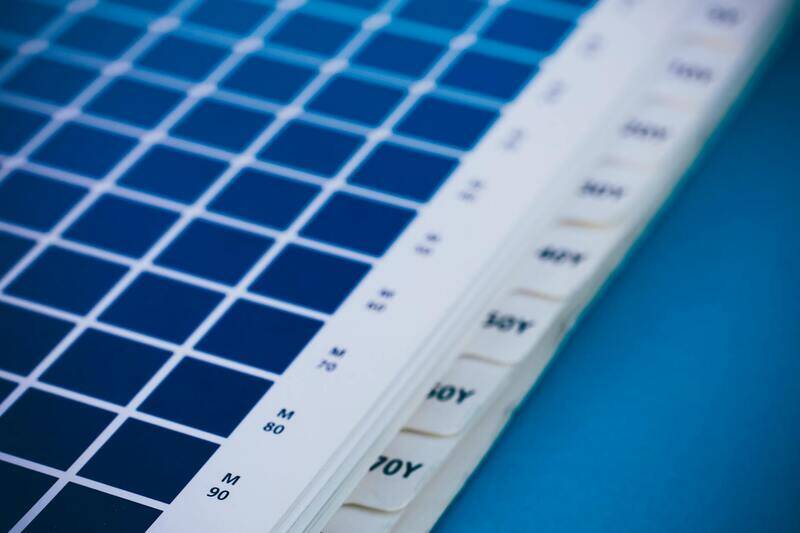
Understanding Different Types of Booklet Printing Services
When selecting a booklet printing company, it is crucial to recognize the variety of printing services available to meet diverse needs and preferences. Different types of services cater to specific purposes, whether it’s for professional marketing materials, educational distributions, or artistic presentations.
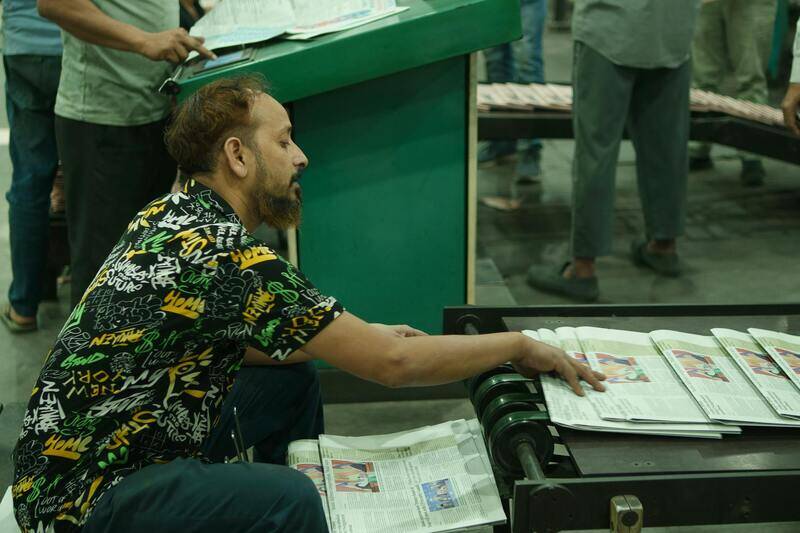
One common type is digital booklet printing, which is ideal for short runs and projects requiring quick turnaround times. This method is cost-efficient for small quantities, providing high-quality output without the need for extensive setup. Digital printing also allows for easy personalization and on-demand printing, making it suitable for customized marketing brochures or event programs.
Offset booklet printing remains a popular choice for large-volume orders due to its superior color fidelity and consistency. This traditional printing process offers the ability to reproduce vibrant images and detailed graphics with precision, often resulting in a more polished appearance. Offset printers are also capable of handling a variety of paper stocks and finishes, providing flexibility in design execution.
Specialty printing options include embossed or debossed covers, textured surfaces, metallic or pearlescent inks, and matte or gloss finishes. These enhancements can significantly boost the tactile appeal and visual impact of a booklet, aligning with premium branding strategies. Additionally, digital enhanced printing techniques now enable lamination and protective coatings that increase durability and prevent smudges or wear over time.
Binding methods vary depending on the intended durability, style, and budget. Common options include saddle-stitch binding, perfect binding, comb binding, and wire-o binding. Saddle-stitching, with staples along the fold, is suitable for booklets with fewer pages, while perfect binding provides a professional look for larger booklets. Wire binding allows for easy page flipping, ideal for catalogs or manuals that require frequent use.

Choosing the right type of service depends largely on your project’s scope, timeline, and budget. Professional booklet printing companies typically offer a suite of options, allowing you to customize your order in terms of paper quality, finishes, binding style, and additional embellishments. Engaging with experienced printers who can advise on the most suitable options ensures your final product aligns with your goals for quality and presentation.
Types of Booklet Printing Services
Booklet printing encompasses a variety of service options tailored to meet diverse project needs. Standard digital printing is a popular choice for short runs and quick turnaround times, offering high-quality results with cost efficiency. For larger volumes or projects requiring premium finishes, offset printing provides consistent color accuracy and finer detail, making it ideal for professional marketing materials or corporate reports.
Specialty printing services cater to specific aesthetic or functional requirements. These include silk or matte lamination, which adds a sophisticated look and increased durability, as well as textured surfaces such as linen or canvas, that create tactile appeal. Color spot finishing options, like metallic or neon ink accents, can enhance visual impact for promotional materials. Die-cutting and embossing are also available to add unique shapes or raised designs, creating distinctive and memorable booklets.

Binding and Finishing Options
Binding methods significantly influence both the durability and aesthetic of your booklet. Saddle-stitch binding, where staples secure the folded pages along the spine, suits smaller booklets with fewer pages. Perfect binding offers a clean, professional appearance for thicker booklets, resembling those of commercial catalogs. Coil or spiral binding allows easy page turning and lay-flat capabilities, making it suitable for manuals or instructional materials. Additionally, wire-o binding shares similar benefits, providing robustness and a premium feel.
Additional Finishing Touches
- Gloss or matte coatings for surface protection and enhanced visual quality
- UV varnishing to highlight specific design elements
- Foil stamping and hot-stamping for metallic or foil accents
- Corner rounding and perforations for functional enhancements
Establishing the appropriate combination of printing techniques, binding, and finishing ensures the final product aligns with your intended message, branding standards, and budget constraints.
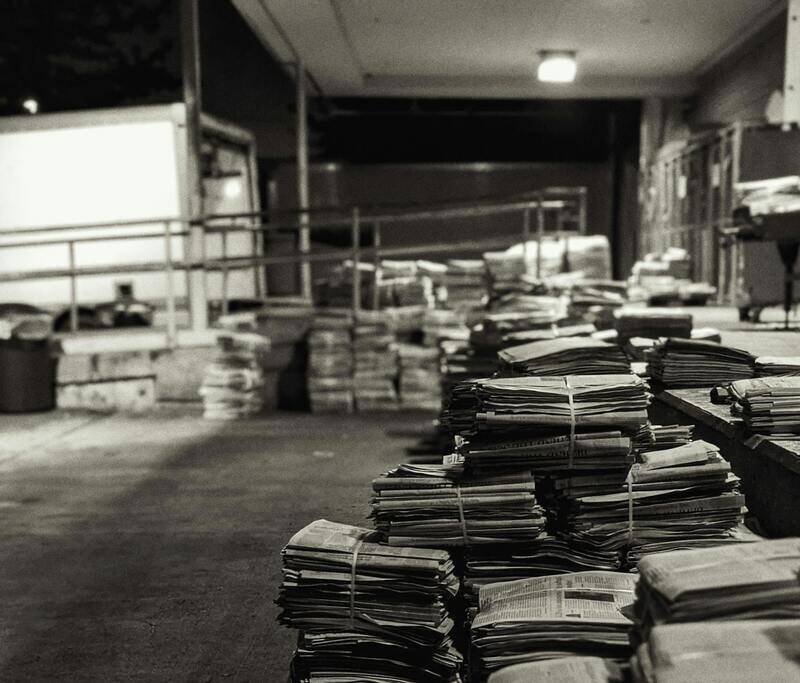
Types of Booklet Printing Services
Booklet printing companies offer a diverse array of services tailored to meet various needs, from marketing collateral to corporate reports. The selection of printing techniques can influence the booklet’s appearance, durability, and overall impact. Digital printing is favored for short runs and quick turnaround times, providing flexibility in versioning and customization. Offset printing, on the other hand, is ideal for producing large volumes with high color fidelity and sharp detail, ensuring consistent quality across multiple copies.
When choosing a service, consider specialty printing options such as:
- Matte and gloss finishes: Enhancing visual appeal and protecting against fingerprints and damage.
- Spot UV coating: Adding a glossy, raised effect to particular design elements for emphasis.
- Four-color process printing: Achieving vibrant, full-color images and designs with precise color reproduction.
- Spot colors or metallic inks: Creating eye-catching accents and unique visual effects that stand out from regular color schemes.

Binding and Finishing Options
Binding methods significantly affect both the aesthetic and functional aspects of booklets. Saddle-stitch binding, using staples along the fold, is suitable for booklets with fewer pages, offering a compact and economical option. Perfect binding, which glues the pages together along the spine, delivers a smooth, professional look appropriate for thicker catalogs and reports. Coil or spiral binding allows for easy page turning and lies flat when open, making them suitable for manuals, guides, or instructional material. Wire-o binding combines durability with elegance, providing a high-end feel and the ability to lay flat.
Finishing touches further elevate the quality and appeal of the final product, including surface coatings like matte or gloss varnish to protect and enhance visuals, or UV coating that provides a durable, high-gloss finish. Foil stamping adds metallic or foil accents that catch light and draw attention. Perforations and rounded corners can also be incorporated to improve usability and aesthetic sophistication.

Turnaround Times and Delivery Options
Effective project planning relies on understanding typical production schedules, which vary based on the complexity and volume of the order. Standard turnaround times for booklet printing usually range from a few days to a week, but expedited services are often available for urgent needs. Many print service providers offer multiple delivery options, including local courier, national shipping, and sometimes international freight, ensuring that your booklets arrive precisely when they’re needed for distribution, events, or client meetings.
Environmental and Quality Standards
When selecting a booklet printing partner, adherence to environmental and quality standards signifies a company's commitment to sustainable practices and consistent product excellence. Leading booklet printing companies often incorporate eco-friendly materials such as recycled papers, biodegradable inks, and environmentally conscious coatings into their manufacturing processes. These materials not only reduce the ecological footprint but also align with the increasing demand from consumers for responsible business practices.
Certifications such as FSC (Forest Stewardship Council) or SFI (Sustainable Forestry Initiative) provide assurance that the paper used in printing comes from responsibly managed forests. Additionally, companies may utilize low-VOC (Volatile Organic Compound) inks and employ recycling programs to minimize waste. Quality assurance measures encompass rigorous inspection protocols at multiple stages—pre-press, printing, and finishing—to detect defects, color inconsistencies, or material flaws before final delivery. Such practices ensure that the final product meets both aesthetic standards and durability expectations.
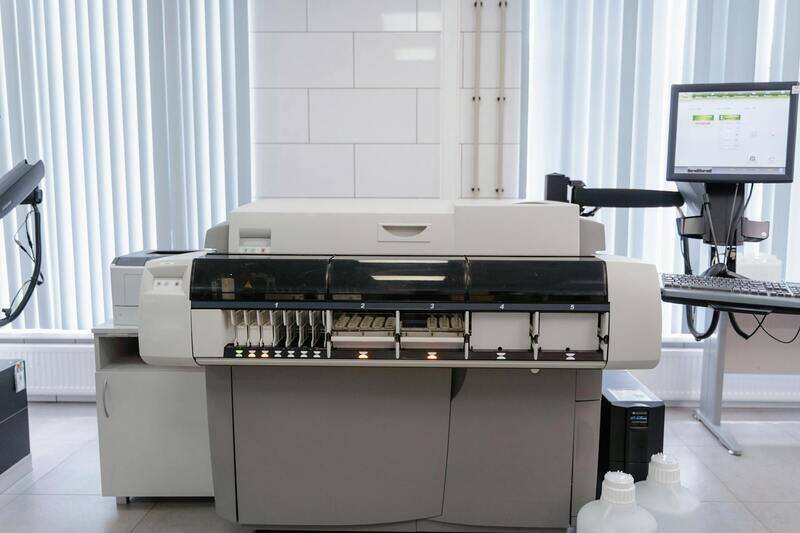
Customer Support and Service Quality
Effective communication and dedicated support form the backbone of a positive working relationship with your booklet printing provider. Reputable companies maintain responsive customer service channels, including account managers, technical support teams, and online assistance platforms. They facilitate clear discussions about design specifications, material choices, and project timelines, ensuring all aspects of the print job are aligned with client expectations.
Moreover, comprehensive service includes providing detailed quotations, offering sample proofs for approval, and accommodating revisions if necessary. Post-printing support such as tracking shipments, handling inquiries about damages or discrepancies, and providing guidance on storage and distribution further reflect a print company's commitment to customer satisfaction. Choosing a partner that values transparency and professionalism in every step enhances the overall quality and reliability of your booklet printing project.
Steps to Work with a Booklet Printing Company
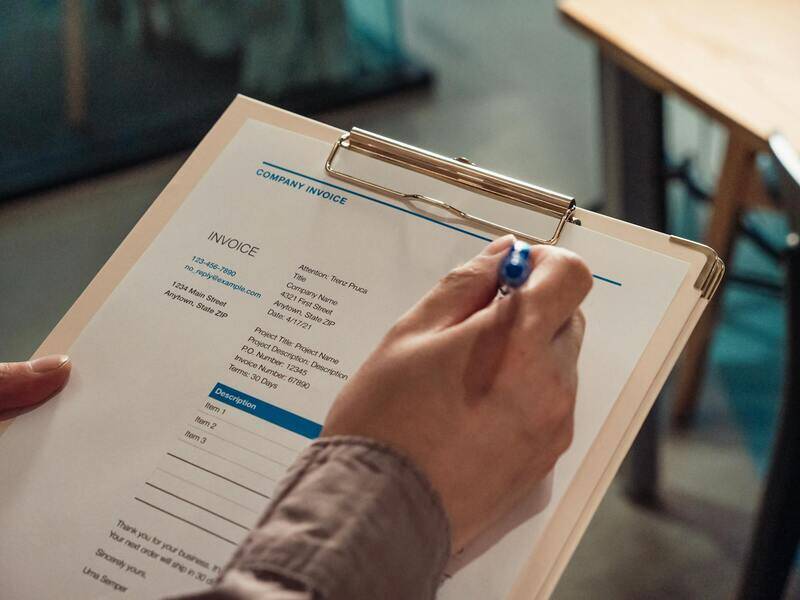
Initiating a partnership with a booklet printing company involves a structured process that maximizes outcomes and minimizes revisions. Begin by thoroughly assessing your project needs—determine the type of booklet, desired quantity, preferred binding method, and specific finishing touches. Prepare detailed content and high-resolution design files compliant with the printer’s specifications.
- Request detailed quotations and turnaround estimates based on your specifications.
- Review sample proofs provided by the printing company for color accuracy and layout fidelity.
- Communicate any required modifications or preferences, ensuring all details are clarified before proceeding.
- Confirm order quantities, delivery schedules, and payment terms to establish clear expectations.
- Maintain ongoing communication throughout the production process to address any unforeseen issues promptly.
Following these steps fosters a smooth workflow, from initial concept to final delivery, guaranteeing a professional-quality booklet that effectively meets your objectives.
Types of Booklet Printing Services
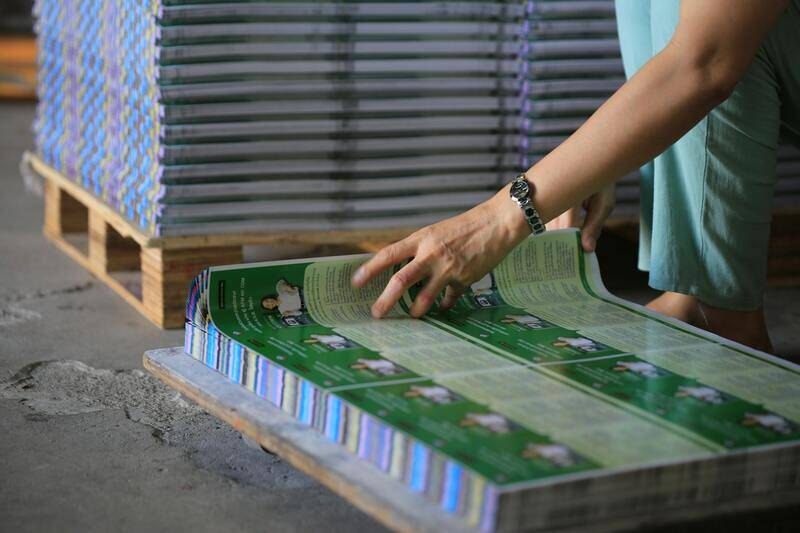
Booklet printing companies offer a diverse array of services designed to meet various business, educational, and promotional needs. Understanding the different types of printing options available helps clients choose the most suitable solution for their specific project requirements.
- Digital Booklet Printing: Ideal for small to medium runs, digital printing provides quick turnaround times with high-quality results. It offers flexibility in customization, enabling changes in designs or content without significant delays or costs.
- Offset Booklet Printing: Best suited for large-volume productions, offset printing delivers consistent color accuracy and sharp details across extensive print runs. It is cost-effective for bulk printing and produces high-quality finishes.
- Eco-friendly Printing: Emphasizing sustainability, this method utilizes environmentally friendly inks and recycled paper options. It appeals to organizations committed to reducing their carbon footprint while maintaining professional standards.
- Specialty Finishes and Materials: Some companies provide options for embossed covers, matte or gloss finishes, or specialty paper stocks to enhance the tactile and visual appeal of booklets, aligning with branding strategies and aesthetic preferences.
Factors to Consider When Selecting a Booklet Printer
Choosing the right booklet printing partner involves evaluating several key factors. These ensure the printed materials meet quality standards, are delivered on time, and adhere to budget constraints.
- Experience and Reputation: Seek companies with a proven track record of delivering consistent, high-quality results. Customer testimonials and portfolio samples provide insights into their expertise.
- Technology and Equipment: Modern printing equipment guarantees precise color reproduction, sharp details, and compatibility with various paper types and finishes.
- Customer Service and Communication: Open communication channels facilitate smooth project management, from initial design discussions to final delivery. Responsive support minimizes delays and revisions.
- Quality Control Processes: Rigorous inspection procedures during and after printing help ensure defect-free outputs, aligning with brand standards and expectations.
- Pricing Transparency and Flexibility: Clear quotations, with detailed breakdowns, assist in budgeting and planning. Flexibility in order modifications can accommodate changes during the project lifecycle.

Design and Layout Specifications
Effective booklet printing requires careful attention to design and layout details. Precise specifications ensure that the final product mirrors the intended vision and maintains readability and visual appeal.
- File Formats and Resolution: High-resolution PDF or TIFF files are standard to guarantee clarity. Minimum resolution should typically be 300 DPI to ensure sharp images and crisp texts.
- Bleed and Margin Settings: Incorporate bleed areas of at least 3mm to prevent unwanted white borders after trimming. Maintain safe margins inside the trim edges to avoid content cutoff.
- Color Mode: Use CMYK color mode for print files, as it provides accurate color reproduction compatible with the printing process.
- Design Consistency: Uniform fonts, color schemes, and layout structures across pages reinforce brand identity and professional appearance.
- Proofing: Request sample proofs before mass printing to check for layout accuracy, color fidelity, and overall design quality.

Pricing and Budgeting for Booklet Printing
Understanding the cost components of booklet printing is crucial for effective budgeting. Pricing varies based on several factors, including quantity, finish, paper type, and turnaround time.
- Print Quantity: Larger orders usually benefit from volume discounts, reducing the overall cost per unit.
- Paper Quality and Size: Premium paper stocks and larger formats increase costs but add value through enhanced durability and appearance.
- Finishing Options: Special finishes like gloss varnishes, embossing, or lamination can elevate the booklet’s look but also impact the price.
- Binding Methods: Saddle-stitch binding is typically more economical, while perfect binding or spiral binding may incur higher costs for a premium feel.
- Turnaround Requirements: Expedited services often come at a premium, requiring advanced planning to optimize costs and schedules.

Turnaround Times and Delivery Options
Efficient project management hinges on clear timelines and reliable delivery options. Accurate scheduling ensures the booklet production aligns with promotional campaigns, event deadlines, or distribution plans.
- Standard Turnaround: Most companies offer typical production times ranging from 3 to 7 business days, depending on project complexity and volume.
- Rush Services: For urgent projects, expedited options are available, often completed within 24 to 48 hours at an additional cost.
- Delivery Methods: Options include courier services, freight shipping, or local pickup, tailored to your location and urgency requirements.
- Tracking and Notifications: Many providers support real-time tracking, providing updates on production stages and delivery estimates.

Environmental and Quality Standards
Booklet printing companies committed to environmental and quality standards typically follow strict protocols to ensure sustainability and consistency. They select eco-friendly materials, minimize waste through efficient production techniques, and implement comprehensive quality checks at each stage.
- Sustainable Materials: Use of recyclable papers, soy-based inks, and eco-friendly finishes reduces environmental impact while maintaining high-quality output.
- Certified Processes: Certifications such as FSC or PEFC demonstrate adherence to responsible forestry and environmental management practices.
- Quality Assurance Programs: Regular calibration of equipment and thorough inspection processes help maintain consistent color fidelity, print sharpness, and finishing standards.
- Client Transparency: Providing detailed information on materials used and environmental practices fosters trust and aligns with organizational sustainability goals.

Types of Booklet Printing Services
Booklet printing companies offer a variety of services tailored to meet diverse marketing, informational, and promotional needs. Standard options include digitally printed booklets, ideal for small print runs and quick turnaround times, and offset printing, suitable for high-volume orders with superior color accuracy and cost efficiency. Special finishes such as gloss or matte coatings, UV lamination, and embossed details enable customization that elevates the perceived quality of the final product. Additionally, some providers offer eco-friendly printing options, utilizing recycled papers and soy-based inks to support sustainability goals. Binding methods are also a key consideration, with options like saddle stitching, perfect binding, or spiral binding allowing for different presentation styles and durability requirements. Accurate color matching and high-resolution printing are fundamental features of each service type, ensuring that branding and visual elements are faithfully reproduced.

Factors to Consider When Selecting a Booklet Printer
Choosing the right booklet printing partner involves evaluating several core aspects to ensure your project meets expectations. First, assess the company's experience and reputation in booklet production, including customer reviews and portfolio samples. The range of available printing technologies and finishing options should align with your design vision and quality standards. Turnaround times are crucial, especially for time-sensitive campaigns or events, so inquire about lead times and production schedules. Cost transparency is equally important; request detailed quotations that include setup fees, per-unit costs, and additional charges for finishes or expedited services. Flexibility in order volume is beneficial, allowing scalable production as your needs evolve. Consider the company’s capacity to handle complex or custom requirements, such as variable data printing or special formats, which can add significant value. Finally, evaluate their ability to provide professional guidance during the entire process, from initial concept to final delivery.
Design and Layout Specifications
Design precision directly influences the final printed booklet’s professionalism and readability. Standard specifications typically include dimensions ranging from A5 to A4, with bleed allowances to accommodate trimming. Margins should be sufficiently wide to prevent content from being cut off, while fold lines must be accurately positioned to ensure ease of handling. High-resolution images (at least 300 dpi) and vector graphics are essential for crisp visuals, especially when incorporating logos or detailed artwork. Color modes should be set to CMYK to ensure color fidelity during printing, and fonts should be embedded or outlined to prevent substitution issues. Consistent layout grids, clear hierarchy of information, and appropriate font choices contribute to a cohesive and visually appealing design. Prior to printing, a comprehensive proofing process helps identify and resolve layout discrepancies, color mismatches, or resolution issues, ensuring the final product aligns with the original concept.

Pricing and Budgeting for Booklet Printing
Effective budgeting for booklet printing involves understanding the components that influence overall costs. Fixed costs often include setup fees, plate preparation, and initial file processing, while variable expenses hinge on the quantity, paper type, binding style, and finishing options selected. Bulk printing typically offers significant discounts, reducing the per-unit cost. Eco-friendly materials, customized sizes, and special finishes may command premium pricing but can substantially enhance the final presentation. Establishing a clear price comparison across several providers helps identify the best value for quality and service. It’s also prudent to consider potential additional charges for expedited production or shipping, especially if deadlines are tight. When planning your budget, allocate funds not just for printing but also for design, proofreading, and project management to ensure a seamless process from concept to distribution. Transparent quotations and advance confirmation of all costs prevent unexpected expenses and allow for more accurate financial planning.
Turnaround Times and Delivery Options
Timely delivery of printed booklets is critical, particularly for marketing campaigns, conferences, or product launches. Most booklet printing companies offer standard turnaround periods ranging from 24 to 5 business days, with faster options available for urgent needs. Express services often come with additional fees but provide the assurance of meeting tight deadlines. Delivery methods are tailored to client preferences and locations, including courier or freight shipping, with local pickup options for convenience. Real-time order tracking and automated notifications on production progress enhance visibility and allow for proactive planning. Some providers also support drop-shipping directly to multiple locations, streamlining distribution efforts. Selecting a provider with reliable logistics ensures your booklets arrive on schedule, maintaining the momentum of your promotional activities or informational campaigns.

Environmental and Quality Standards
Adhering to stringent environmental and quality standards sustains the integrity of the printed material and supports sustainable practices. Leading booklet printing companies incorporate eco-conscious materials such as recycled paper, vegetable-based inks, and sustainable finishes, minimizing ecological impact. Certifications like FSC or PEFC signal responsible sourcing and environmentally friendly forestry practices. Regular quality checks at each production stage ensure color accuracy, sharpness, and defect-free finishes. Techniques like calibration of printing equipment, thorough inspection processes, and controlled storage conditions uphold high standards. Transparency about materials used and sustainable initiatives builds trust with clients committed to environmental responsibility. Maintaining these standards not only results in superior print quality but also aligns with global efforts toward greener manufacturing processes.
Customer Support and Service Quality
Exceptional customer service is pivotal in achieving a smooth and satisfying booklet printing experience. Reliable providers offer dedicated account managers or customer service representatives to guide clients through every phase, from initial consultation to final delivery. Clear communication, prompt responses to inquiries, and proactive updates on project status are hallmarks of quality service. Flexibility in accommodating design revisions, review of proofs, and addressing last-minute changes contribute to a hassle-free process. Post-print support, including assistance with distribution or handling defective items, further exemplifies commitment to client success. Experience, professionalism, and transparency establish a partnership foundation that minimizes misunderstandings and fosters long-term collaboration. Choosing a company that prioritizes client satisfaction ensures your printing needs are met with precision, efficiency, and care.