Understanding Custom Poster Printing
Custom poster printing is a specialized service that allows individuals and organizations to create visually impactful posters tailored to their specific needs. Unlike mass-produced or generic posters, customized posters are designed to reflect unique messages, branding elements, or artistic visions. This process involves several key steps, beginning with the conceptualization of a design and culminating in the production of a high-quality printed poster. The significance of custom poster printing lies in its versatility. Whether for promotional campaigns, event announcements, educational purposes, or decorative displays, personalized posters provide a distinct advantage by enabling precise communication of ideas. This tailored approach ensures that each poster aligns perfectly with the intended message, audience preferences, and physical space considerations. The process typically starts with a client brainstorming and designing a visual concept that resonates with their goals. From selecting color schemes and imagery to choosing typography and layout, the design phase is crucial in setting the tone and effectiveness of the final product. Once the design is finalized, professional printing services employ advanced technology to produce a durable, vibrant, and sharp poster that meets the client's specifications. In addition to aesthetic appeal, custom posters offer practical benefits. They can be produced in various sizes, materials, and finishes, providing flexibility to suit different environments and purposes. High-resolution printing ensures clarity and detail, which is essential for capturing attention and conveying complex information. Given the competitive landscape of visual advertising and personal branding, investing in custom poster printing permits a level of customization that generic options cannot match. It encourages creativity and allows for a consistent representation of branding identity or thematic elements, making it an indispensable tool for effective visual communication. Ultimately, choosing the right custom poster printing service involves understanding the key aspects of design, material quality, printing technology, and application context. Proper execution of each stage ensures a product that not only fulfills functional needs but also elevates the visual impact, attracting the intended audience successfully.
Design Considerations for Custom Posters
Design plays a pivotal role in the effectiveness of custom posters. When crafting a poster, it is essential to balance visual appeal with clarity of message to capture the target audience’s attention swiftly. Effective use of space, contrast, and visual hierarchy ensures that key information stands out prominently. Precision in typography selection, including font style, size, and spacing, further enhances readability and reinforces branding identity.
Color schemes significantly influence the viewer's perception and emotional response. Bright, contrasting colors tend to attract more immediate attention, ideal for promotional posters, while muted tones may be suitable for more subtle messaging. Consistency in color palette aligns with brand guidelines, fostering recognition and coherence across marketing materials.
Imagery selection should be high-resolution and relevant to the poster’s purpose. Whether utilizing photographs, illustrations, or graphic elements, the quality of images impacts the overall perception of professionalism and sophistication. Incorporating dynamic visual elements such as gradients or overlays can add depth and interest but should complement rather than overshadow the core message.
Layouts must be thoughtfully arranged to guide the viewer’s eye strategically from the headline to the call-to-action. Using grid systems or alignment techniques helps maintain balance and coherence, especially when multiple elements are involved. Minimizing clutter ensures that the message remains clear and impactful, which is particularly important when posters need to convey complex or detailed information.
Incorporating branding elements such as logos, taglines, and consistent font styles reinforces brand identity. For posters intended for events, promotions, or awareness campaigns, incorporating thematic motifs or icons can strengthen the overall message and facilitate quick recognition.
Lastly, digital mockups and proofing stages are instrumental in visualizing the final product. These steps allow for fine-tuning and adjustments prior to printing, ensuring the finished poster aligns precisely with the original vision and functional requirements.
Choosing the Right Printing Technology for Custom Posters
Selecting the appropriate printing technology is essential to achieve high-quality results for custom posters. Different methods offer varying advantages in terms of color vibrancy, durability, and production speed, which should align with your specific needs and budget.
- UV Printing: This technique involves ultraviolet light curing the ink onto the surface, resulting in sharp, vibrant images with excellent adhesion and weather resistance. UV printing is particularly suitable for posters that will be displayed outdoors or require long-lasting durability.
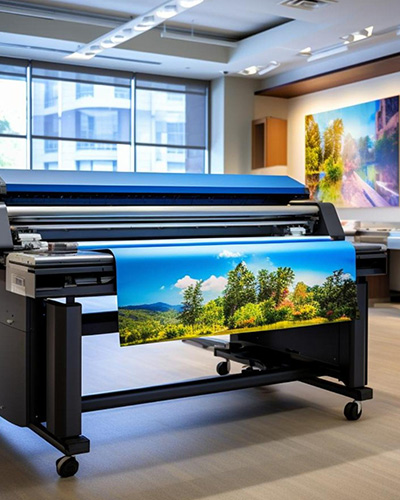
- Wide-Format Inkjet Printing: Widely used in the production of large posters, this method provides high-resolution images with precise color reproduction. It is ideal for creating detailed and colorful posters that need to make a visual impact at a distance.
- Solvent and Eco-Solvent Printing: Designed for outdoor applications, solvent printing uses solvent-based inks that are resistant to water, UV rays, and other environmental factors. Eco-solvent options reduce environmental impact while maintaining quality.
- Laser Printing: Suitable for shorter runs or smaller posters, laser printing offers crisp text and sharp images rapidly. It is an efficient choice for quick turnaround projects with minimal color complexity.
Customized Poster Sizes and Specifications
When planning your custom poster project, understanding the range of available sizes and specifications is vital. Standard sizes such as A1 (594 x 841 mm), A2 (420 x 594 mm), and A3 (297 x 420 mm) are commonly used, but professional printers can accommodate bespoke dimensions tailored to specific requirements.
Depending on the intended display environment—be it indoor or outdoor—certain specifications might be preferable. For outdoor posters, thicker materials and lamination options can enhance longevity against weather elements. For indoor displays, lighter materials with matte or gloss finishes can be used to optimize visual appeal and reduce glare.
Environmental and Sustainability Considerations
Many printing services now prioritize eco-friendly practices by utilizing environmentally safe inks and recyclable materials. This approach not only aligns with responsible business practices but also reinforces your commitment to sustainability, which is increasingly important to consumers and stakeholders alike.
Opting for recyclable substrates and low VOC (Volatile Organic Compound) inks can significantly reduce environmental impact while maintaining high-quality output. Additionally, advancements in digital printing techniques have minimized waste and energy consumption during the production process.
Choosing the Right Printing Technology for Your Custom Posters
Selecting the appropriate printing technology is crucial to achieving the desired visual impact and durability of your custom posters. Each printing method offers unique advantages depending on your requirements, budget, and timeline.
- Digital Printing: Perfect for small to medium-sized batches, digital printing provides rapid turnaround times and excellent color accuracy. It allows for quick modifications and customization, making it ideal for personalized posters or limited editions. This technology is cost-effective for short runs and offers high-quality output suitable for indoor displays or promotional events.
- Offset Printing: Best suited for large volume productions, offset printing delivers superior color consistency and sharpness. Although initial setup can be more time-consuming and costly, it becomes economical as the quantity increases. Offset printing ensures vibrant colors and high-resolution images, making it a preferred choice for billboard-sized posters or campaigns requiring uniformity across multiple copies.
- Large-Format Printing: Specifically designed for oversized posters, banners, and outdoor graphics, large-format printing employs wide printers capable of handling expansive media. This method utilizes durable inks and weather-resistant materials to produce eye-catching visual displays that withstand outdoor conditions. It is optimal for signage, event backdrops, and promotional murals.
Understanding the strengths of each method helps in choosing a process that aligns with your poster’s purpose, whether it’s for a single event or a broad advertising campaign. While digital printing offers flexibility and speed, offset printing provides cost efficiencies for bulk orders. Large-format printing ensures impressive size and durability, suitable for outdoor and high-visibility needs.

In addition to selecting the right technology, working with a professional printing provider ensures that the specifications—such as resolution, color profiles, and media selection—are optimized for your specific project. Employing advanced software and calibration techniques guarantees that your custom posters meet visual standards and project requirements seamlessly.
Ensuring Fast Turnaround and Quality Assurance
Modern printing services leverage cutting-edge machinery and streamlined workflows to ensure quick production times without compromising quality. Quality control measures, including color calibration checks and material inspections, are integral to the process. This meticulous approach guarantees that each poster delivered aligns with your expectations and maintains consistency across all copies.
Understanding the technical aspects behind poster printing not only helps in making informed decisions but also ensures that your vision is accurately realized through professional-standard production methods.
Choosing the Right Printing Method for Your Custom Posters
When procuring custom posters, selecting the appropriate printing method is pivotal to achieving the desired quality, durability, and cost-efficiency. The primary methods available are digital printing, offset printing, and large-format printing, each suited to different project specifications.
Digital printing is ideal for short runs and projects requiring quick turnaround times. It offers high-resolution image reproduction and precise color matching, making it perfect for personalized posters, promotional campaigns, or one-off designs. The process involves directly printing digital files onto the chosen media, ensuring minimal preparation and fast production.
Offset printing, on the other hand, is better suited for bulk orders where consistent quality across multiple copies is essential. This method involves transferring ink from a metal plate onto a rubber blanket, then onto the printing surface. While it requires more setup time and higher initial costs, offset printing delivers exceptional image quality with cost advantages in large volume printing. It provides sharp details and vibrant color reproduction suitable for professional advertising posters or decorative displays.
Large-format printing is specialized for oversized posters that require high visibility, durability, and outdoor resilience. This technology employs advanced inkjet or solvent-based printers capable of producing large visuals with vivid colors and sharp resolutions. Materials used in large-format printing include weather-resistant vinyl, fabric, or banner fabrics, depending on the intended environment and lifespan.
Understanding the technical distinctions among these printing options allows clients to align their choice with project objectives, whether prioritizing speed, cost-efficiency, or visual impact. Additionally, professional printing providers often combine these technologies with advanced software for color management and media calibration, ensuring each poster meets precise standards of quality and visual fidelity.
Material Selection and Finishing Options
The material chosen for your custom poster significantly impacts its appearance, durability, and appropriateness for display conditions. Common options include:
- Glossy Paper: Enhances colors and details with a shiny finish, ideal for indoor displays or promotional posters that benefit from vibrancy.
- Matte Paper: Offers a non-reflective surface, reducing glare and making posters easier to read in well-lit environments.
- Vinyl: Durable and weather-resistant, suitable for outdoor advertising and long-term displays.
- Canvas: Adds a textured, artistic look with a sturdy surface, often used for decorative purposes or art reproductions.
Finishing touches such as lamination, mounting, or PVC framing can further enhance the longevity and presentation of your posters, ensuring they withstand environmental stressors and maintain visual appeal over time.
Understanding Custom Poster Printing
Custom poster printing involves creating visually impactful visuals tailored to specific needs, whether for advertising, artistic expression, or event promotion. This process combines creative design with advanced printing techniques to produce high-quality posters that capture attention and communicate messages effectively. In Singapore’s competitive market, choosing reputable providers ensures the final product meets stringent standards of color accuracy, durability, and aesthetic appeal. Custom posters serve as versatile advertising tools, capable of being displayed indoors or outdoors, and are adaptable to various environments and promotional campaigns. The importance of professional printing stems from the need for precise color reproduction, consistent quality, and reliable turnaround times. When selecting a printing partner, understanding the technical nuances of poster production is essential to achieving the desired visual impact and longevity.
Types of Custom Posters and Materials
The choice of materials in custom poster printing directly influences the final appearance, resilience, and suitability for specific display conditions. Common material options include:
- Glossy Paper: Features a shiny surface that enhances colors and details, making it suitable for indoor promotional posters where vibrancy is desired.
- Matte Paper: Provides a non-reflective finish that minimizes glare, ideal for environments with bright lighting or where readability is prioritized.
- Vinyl: Known for its durability and weather resistance, vinyl is perfect for outdoor advertising campaigns and long-term displays exposed to varying weather conditions.
- Canvas: Offers a textured, artistic appearance with a sturdy surface, often used for decorative art reproductions or upscale branding.
Beyond material selection, finishing options such as lamination, mounting, and framing influence the durability and presentation of each poster. Laminates can add a layer of protection against moisture and UV rays, while mounting helps facilitate easy display. When opting for outdoor visibility or extended display periods, select materials and finishes that can withstand environmental stressors.
Design Considerations for Custom Posters
Effective design is pivotal in delivering a compelling message through custom posters. Visual hierarchy, color schemes, typography, and imagery must work harmoniously to attract attention and communicate intent clearly. When designing posters, consider:
- Consistency with brand identity or theme
- Clear and legible typography, even from a distance
- Use of high-quality images and graphics
- Strategic placement of key information for quick comprehension
- Balancing text and visuals to avoid clutter
Incorporating these principles ensures the final product resonates with its target audience and effectively fulfills its purpose, whether for marketing campaigns, event promotion, or artistic displays.

Printing Technologies Used in Poster Production
Several advanced printing technologies are employed in producing high-quality custom posters, each suited for different requirements. Key printing methods include:
- Solvent and Eco-Solvent Printing: Utilized mainly for vinyl and outdoor materials, offering excellent durability and weather resistance.
- UV Printing: Uses ultraviolet light to cure inks instantly, providing vibrant colors and resistance to fading and scratching, ideal for art reproductions and promotional posters.
- Latex Printing: Combines environmental benefits with high-quality output, suitable for large-format indoor and outdoor posters.
- Digital Inkjet Printing: Offers rapid turnaround with excellent detail, suitable for short runs and customized orders.
Understanding the differences among these technologies allows clients to select the right method based on their project needs, whether prioritizing outdoor resilience, color fidelity, or production speed. Consequently, professional print houses integrate these technologies with sophisticated software for color calibration and media management, ensuring consistent quality across all poster productions.

Understanding Custom Poster Printing
Custom poster printing is a specialized service that caters to a diverse range of needs, from promotional campaigns and event signage to personalized art displays. The process involves translating a design concept into a high-quality visual product through the use of advanced printing techniques and superior materials. This method offers flexibility in size, style, and finish, allowing clients to achieve a unique visual impact that aligns perfectly with their objectives.
In Singapore, the demand for custom poster printing has grown significantly, driven by businesses aiming for impactful branding and individuals seeking personalized decor. Reputable print service providers utilize cutting-edge technology and precise color management systems to ensure that each poster meets high standards of clarity, color accuracy, and durability. The capability to produce large-format prints with detailed resolution, combined with a broad selection of media options, makes custom posters a versatile marketing and decorative asset.
Types of Custom Posters and Materials
The variety of materials used in custom poster printing enables tailored applications suited for indoor or outdoor environments. Common types include:
- Paper Posters: Standard, gloss, matte, or satin finishes, suitable for indoor use and short-term displays.
- Vinyl Posters: Durable and weather-resistant, ideal for outdoor advertising and long-term installations.
- Canvas Posters: Provide a textured, artistic look, perfect for gallery displays and premium branding.
- Plastic and Synthetic Media: Offer robustness and resistance to elements, suitable for transportation signage and outdoor banners.
Additionally, specialized finishes such as lamination or gloss coating can enhance durability and visual appeal. Selecting the right material depends on factors like location, lifespan, and intended audience, ensuring the poster remains striking and functional over time.
Design Considerations for Custom Posters
Designing a compelling poster requires careful planning and attention to detail. Essential considerations include:
- Visual Hierarchy: Prioritize key information through size, color, and placement to guide viewer focus.
- Imagery and Graphics: Use high-resolution images that convey your message clearly and impactfully.
- Typography: Choose fonts that are easy to read from a distance, balancing style with legibility.
- Color Scheme: Opt for contrasting colors that attract attention and align with branding guidelines.
- Size and Layout: Determine the appropriate dimensions to ensure visibility and compatibility with display spaces.
Effective poster design integrates these elements harmoniously, resulting in a clean and professional appearance that effectively communicates the intended message.

Printing Technologies Used in Poster Production
High-quality custom posters are produced using various advanced printing technologies, each suited to specific project requirements:
- Solvent and Eco-Solvent Printing: Best for outdoor banners and vinyl materials, offering exceptional weather resistance and color vibrancy.
- UV Printing: Utilizes ultraviolet light to cure inks instantly, resulting in vivid colors and added scratch resistance—ideal for art reproductions and promotional posters.
- Latex Printing: An environmentally friendly option that combines durability with high-quality color fidelity, suitable for large-format indoor and outdoor posters.
- Digital Inkjet Printing: Facilitates rapid production with detailed imagery, perfect for short runs and bespoke orders.
The choice of technology affects the final appearance, longevity, and cost of the poster. Skilled print providers leverage software solutions for precise color calibration and media management, ensuring the final product aligns with client expectations across different materials and finishes.
Custom Poster Printing Process in Singapore
The process typically involves several steps, from initial consultation and design review to production and delivery. Clients often start by submitting their artwork or working with a design team to create visuals that meet their specifications. Once the design is finalized, the chosen material and printing technology are selected based on the intended use.
Professional print houses in Singapore utilize large-format printers equipped with sophisticated color management systems, enabling accurate reproduction of design details. After printing, posters may go through finishing processes such as lamination or mounting to enhance durability and presentation. The final stage involves quality inspection before delivery or pickup, ensuring the product matches the client’s expectations.

Applications of Custom Posters
Custom posters provide a versatile solution across numerous sectors. Their uses include:
- Advertising and Promotions: Prominent in retail, events, and trade shows to attract attention and convey messages effectively.
- Decorative Art: Personal or corporate artworks that enhance interior aesthetics.
- Educational and Informational Displays: Informative content in schools, museums, and public spaces.
- Event Signage: Wayfinding signs, schedules, and branding at conferences, concerts, and exhibitions.
- Personalized Gifts and Celebrations: Custom posters for weddings, birthdays, and special occasions.
Each application demands specific material choices and design strategies to maximize impact and durability, making professional custom poster printing an essential service for achieving high-quality results across various contexts.
Understanding Custom Poster Printing
Custom poster printing involves creating visually striking and tailored displays that serve various purposes, from advertising to art decoration. This process begins with client consultation to ascertain specific requirements related to size, material, design details, and intended usage. Custom posters are distinguished by their ability to be designed precisely according to personal or corporate branding elements, ensuring a unique visual impact. High-quality printing ensures that colors are vivid and details are sharp, which is essential for effective communication and aesthetic appeal. Professional printing services employ advanced technology to capture minute design nuances and ensure consistency across large batches. The flexibility in customization options allows clients to select from a broad spectrum of formats, finishes, and mounting solutions, making custom poster printing an invaluable service for diverse professional and personal needs.

Types of Custom Posters and Materials
Custom posters are available in a variety of types, each suited for specific applications and environments. Common types include:
- Matte Finish Posters: Ideal for environments where glare reduction is important; commonly used indoors for artistic displays and educational purposes.
- Glossy Finish Posters: Enhance vibrancy and color richness; perfect for promotional displays and visual art installations.
- Waterproof and Weather-Resistant Posters: Suitable for outdoor advertising, event signage, or locations with high humidity.
- Vinyl and Heavy-Duty Materials: Offer enhanced durability for long-term outdoor use or heavy handling scenarios.
- Backlit or Translucent Posters: Designed for lightbox displays, providing luminous visual impact in retail or exhibition settings.
Materials such as polyester, vinyl, canvas, and specialized paper are frequently used, each providing unique qualities like texture, durability, and finish options. Selection depends on the project requirements, target audience, environmental conditions, and budget. For example, high-quality canvas posters are preferred for artistic presentations, while weather-resistant vinyl ensures longevity outdoors.
Design Considerations for Custom Posters
Creating an impactful custom poster begins with thoughtful design. Key considerations include:
- Target Audience: Designs should resonate with the intended viewers, whether for marketing, educational, or decorative purposes.
- Brand Identity: Incorporate logos, color schemes, and fonts that reinforce branding consistency.
- Visual Hierarchy: Arrange elements so that the most important message or image catches attention first.
- Color Compatibility: Choose colors that complement each other and enhance readability.
- Typography: Select fonts and sizes that are legible from a distance and align with the overall theme.
- Image Quality: Use high-resolution images to ensure clarity and sharpness in large formats.
Adhering to these considerations results in a visually appealing and effective poster that communicates its message clearly and memorably.
Design Tips for Successful Custom Posters
- Maintain a clean layout with sufficient white space to prevent clutter.
- Use contrasting colors for text and background to enhance readability.
- Limit the number of fonts to maintain visual coherence.
- Incorporate compelling visuals that draw attention and reinforce the message.
- Ensure all elements are aligned and proportionate for visual harmony.

Printing Technologies Used in Poster Production
The quality and precision of custom posters depend heavily on the technology used during printing. Modern printing methods include:
- Large-Format Inkjet Printing: The most prevalent technology, capable of producing high-resolution images with vibrant colors on various materials. It offers flexibility in size and material options, suitable for both short-run and large-format projects.
- UV Printing: Utilizes ultraviolet light to cure inks instantly, allowing for printing on non-traditional surfaces as well as creating durable, scratch-resistant posters.
- Solvent and Eco-Solvent Printing: Known for producing weather-resistant signs suitable for outdoor use; these printers offer rich colors and fast drying times.
- Laser Printing: Generally used for smaller posters and details requiring precise and fine text or imagery.
The choice of technology influences not only the visual outcome but also the durability, color accuracy, and finish options available. Professional print services in Singapore leverage these advanced technologies to ensure consistency and excellence in every poster produced.