Overview of Digital Poster Printing
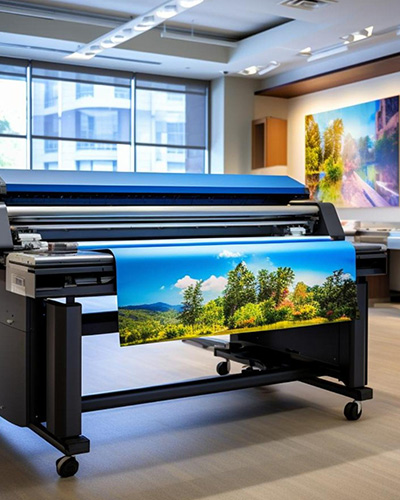
Digital poster printing is a modern method that allows for high-quality, vibrant visual displays tailored to a wide array of marketing, informational, and decorative needs. This technique involves the direct transfer of digital images onto various materials using advanced printing technology, eliminating the need for traditional printing plates or complex setup procedures. The process begins with digital design files created with graphic design software, which are then sent to a specialized digital printer. These printers utilize inkjet or laser technology to produce detailed, durable images with precise color reproduction.
One of the most significant advantages of digital poster printing is its flexibility and efficiency. Unlike traditional methods, digital printing does not require lengthy setup times, making it ideal for quick turnarounds and short runs. It also offers the ability to customize each poster easily, supporting variable data printing where different images or messages are tailored for different audiences or locations.
Digital posters are widely used across various sectors, including retail for promotional displays, corporate environments for branding, events for signage, and in the entertainment industry for advertising. Their versatility allows for vibrant large-format prints that demand high resolution and color accuracy, ensuring visibility and impact from a distance. This method supports a broad range of sizes, from small posters to large billboard adaptations, making it a comprehensive solution for diverse visual communication needs.
As digital poster printing continues evolving, advancements in ink technology, substrate compatibility, and printing speeds further enhance its appeal. Its capacity to produce high-resolution images with sharp details and vivid colors while maintaining cost efficiency makes it an increasingly preferred choice for businesses and organizations seeking impactful visual communication on demanding schedules.
Materials Used in Digital Poster Printing
Selecting the appropriate materials is fundamental to achieving high-quality digital posters that withstand various environmental conditions and deliver vibrant visuals. Common substrates include gloss, satin, or matte photographic papers, each offering distinct visual effects and durability levels suited for indoor or outdoor use. For outdoor advertisements or signage exposed to weather elements, durable materials like weather-resistant vinyl or polycarbonate boards are preferred due to their resilience and longevity.
Vinyl banners provide flexibility and weather resistance, making them ideal for large-scale outdoor displays and temporary installations. Premium rigid substrates, such as foam boards or aluminum composites, are often used for presentation posters or point-of-sale displays where a sturdy, professional appearance is necessary. Moreover, specialty materials like fabric or canvas can lend a textured aesthetic, suitable for art reproductions or high-end branding displays.
Each material choice impacts the printing process, especially in terms of ink adhesion and color vibrancy. Inkjet printers, for instance, work best with porous, coated papers, offering sharp details and vibrant color output. UV printing, on the other hand, can print directly onto non-porous surfaces like acrylic or glass, broadening creative possibilities and applications.

Design and Resolution Requirements
Creating impactful posters begins with a clear understanding of design specifications and resolution standards. For digital posters, high-resolution images—typically 300 dots per inch (dpi)—are essential to ensure sharpness and detail, especially when enlarging images for large-format prints. Adequate resolution prevents pixelation, which can significantly diminish the visual quality of the final product.
Vector graphics, which are resolution-independent, are recommended for logos, texts, and other graphic elements that require sharp, scalable images. Combining high-resolution raster images with vector graphics helps balance detailed imagery with crisp, clear branding elements.
Color accuracy plays a pivotal role in digital poster printing. Utilizing color profiles like Adobe RGB or sRGB during the design phase ensures that the output matches the intended hues. Proper calibration of monitors and printers further ensures consistency between on-screen designs and printed posters.
Size, Finishing, and Mounting Options
The dimensions of digital posters are dictated by their intended display environment. Common sizes range from standard formats like A2 or A1 to custom dimensions suited to specific architectural spaces or transportation routes. Large-format digital printing enables customization to fit unique requirements, from small promotional posters to massive billboard displays.
Finishing options highly influence the final appearance and durability of the poster. Lamination offers protection against scratches, moisture, and UV fading, extending the lifespan of outdoor posters. Matte, gloss, or satin finishes can be applied based on aesthetic preferences and lighting conditions. For added impact, mounting solutions such as framing, rigid backing, or adhesive mounting may be employed, depending on the display setting and location.
Proper finishing and mounting not only enhance visual aesthetics but also facilitate easy installation and handling, ensuring that the poster retains its clarity and vibrancy over time.

Cost Factors and Turnaround Times
The overall cost of digital poster printing varies based on several factors, including material choices, size, complexity of design, and finishing requirements. Larger formats and premium substrates generally entail higher production costs. Additionally, detailed designs with numerous colors or special effects like gloss or matte laminations can influence pricing.
Turnaround times depend on the order complexity, material availability, and the printing technology used. Digital printing typically offers rapid production cycles, often delivering finished posters within 24 to 48 hours. For urgent needs, many print service providers offer expedited options, ensuring quick turnaround without compromising quality.
Organizations should consider these factors during project planning to optimize both budget and delivery timeframes, especially for campaigns with tight schedules or immediate deployment.
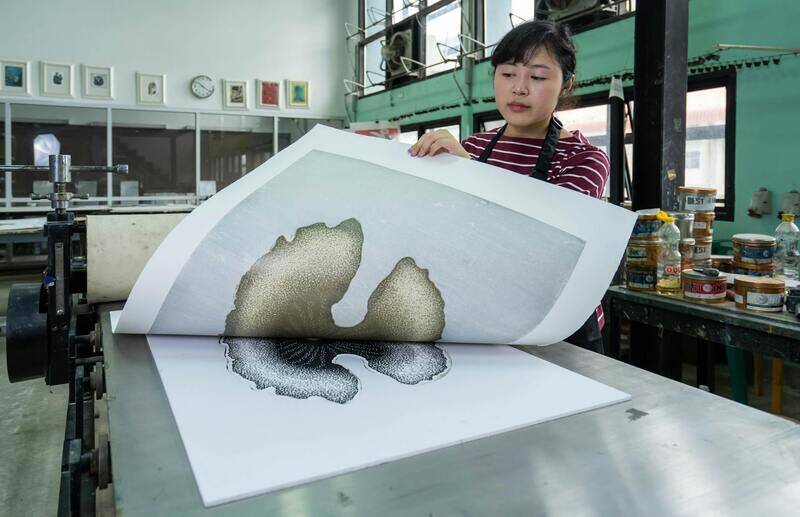
Materials Used in Digital Poster Printing
Choosing the appropriate material for digital poster printing is crucial to ensure durability, visual appeal, and suitability for the intended environment. Common substrates include high-quality vinyl, which offers weather resistance and flexibility, making it ideal for both indoor and outdoor displays. Fabric materials are popular for their vibrant color retention and elegant appearance, suitable for indoor exhibitions or retail environments where a softer aesthetic is desired.
Paper remains a cost-effective option, especially for temporary displays or indoor promotional activities. Premium-grade photographic papers provide exceptional image clarity and color accuracy, enhancing visual impact in indoor settings. In addition to these, rigid materials like foam boards and corrugated cardboard provide structural support for posters requiring stability and ease of mounting. These substrates are often used for point-of-sale displays, trade shows, and events, where both visual appeal and portability are essential.

Each material offers specific benefits and considerations, including resistance to environmental factors, ease of handling, and finish options. For instance, vinyl can be coated with matte, gloss, or satin finishes to enhance vibrancy and reduce glare, whereas fabric materials may be finished with anti-wrinkle treatments for long-term display use.
Professionally selected substrates contribute significantly to the longevity and visual quality of digital posters across diverse applications. When choosing the materials, considerations such as display duration, location conditions, and budget are paramount. The right selection ensures that the posters maintain their vibrancy, sharpness, and structural integrity over time, providing maximum return on investment and impactful visual communication.
Design and Resolution Requirements for Digital Poster Printing
Creating a compelling digital poster begins with meticulous attention to design and technical specifications. To ensure a striking visual impact, designers must prioritize high-resolution images that typically meet a minimum of 150 dpi (dots per inch) at the final print size. For larger posters, a resolution of 300 dpi is preferable to preserve sharpness and detail, especially in close-up viewing situations.
Color accuracy is equally critical. Utilizing a wide color gamut ensures vibrant, true-to-life hues that resonate with viewers and effectively communicate brand messages. Designers often work within color spaces such as Adobe RGB or sRGB, depending on the printing process and end-use context, to maintain consistency between digital design and printed output.
When preparing artwork, it’s essential to consider bleed areas, margins, and safe zones to prevent any unintended cropping or obscured content post-printing. Vector graphics and scalable fonts should be used wherever possible to maintain clarity at any size. Communicating these specifications clearly with your printing service provider reduces errors and ensures the final product aligns with your expectations.
Moreover, choosing the right file formats—such as PDF, TIFF, or EPS—supports maintaining image integrity during the professional printing process. Proper color management, including calibration of monitors and printers, is vital to achieving optimal results and consistent color reproduction across different print runs.
Size, Finishing, and Mounting Options
Digital posters are produced in a range of sizes tailored to their specific display environments, from small indoor banners to large-scale outdoor billboards. Standard sizes often include A0, A1, and A2 formats, but custom dimensions are frequently requested to fit unique spaces.
Finishing options enhance durability and aesthetic appeal. Matte, gloss, and satin laminations are popular choices, each offering different benefits such as glare reduction or enhanced vibrancy. For added protection against environmental elements, especially for outdoor applications, lamination and weatherproof coatings provide an extra layer of safeguarding.
Mounting techniques vary based on the location and type of display. Options include grommets and reinforcing edges for easy hanging, Velcro strips for reusable setups, or mounting adhesives for seamless wall displays. Rigid mounting via foam boards or acrylic backings ensures stability and ease of presentation, especially for exhibition displays or retail environments.

Professionals typically recommend choosing finishing and mounting options aligned with both environmental conditions and the intended viewing duration. Proper planning in this phase guarantees that posters remain vibrant, intact, and impactful over their lifespan.
Understanding Official Digital Poster Printing Methods
Standards and Best Practices for Digital Poster Production
When producing digital posters for commercial or organizational use, adherence to established production standards is crucial for ensuring high-quality results. This includes selecting appropriate print resolutions, color management practices, and paper or substrate choices to meet specific project goals. Standardized color profiles, such as sRGB or Adobe RGB, are maintained throughout the designing and printing process to facilitate accurate, vibrant color reproduction that aligns with client expectations and branding guidelines.
In addition, print alignments, bleed areas, and margin specifications are strictly followed to guarantee that the final output maintains consistency and visual harmony, especially for large-format or detailed designs. Pre-press checks involve verifying the image resolution, ensuring that all files are in the correct format, and conducting test prints or proofs to detect potential issues before the final run. These measures contribute to a seamless production process and a premium finished product.
Use of Professional Digital Printing Equipment
The backbone of legitimate digital poster printing involves the utilization of high-end equipment from reputable manufacturers. Wide-format inkjet printers, equipped with multiple color cartridges and advanced ink systems, are preferred for producing vivid, durable posters. Ink types are carefully selected to match the poster's intended environment—UV resistant inks for outdoor displays, or water-based inks for indoor applications, ensuring longevity and print fidelity.
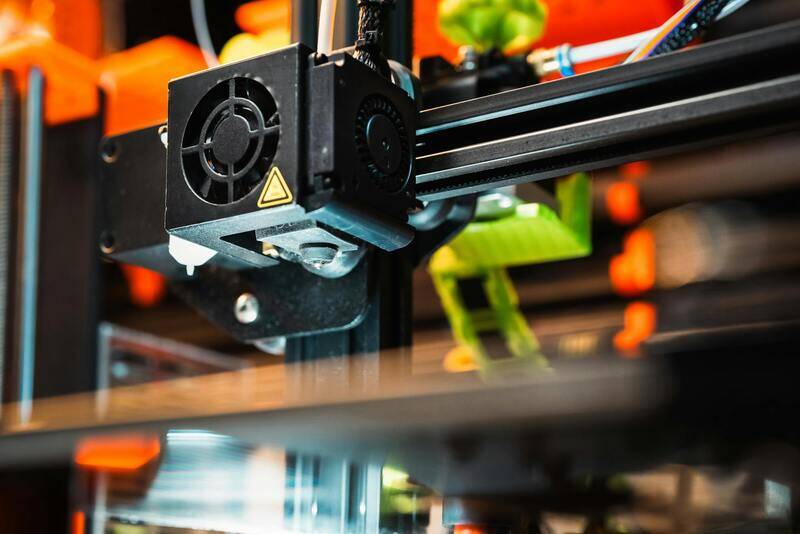
Operators must possess specialized training to handle these complex machines, including color calibration, maintenance procedures, and troubleshooting, which are integral to maintaining consistent quality. The combination of state-of-the-art technology and professional expertise facilitates the production of posters that meet rigorous standards and client specifications, reinforcing the role of established practices in the industry.
Quality Control and Inspection Processes
Quality assurance procedures form an essential part of legitimate digital poster printing. After printing, posters undergo thorough visual inspections for color accuracy, sharpness, and overall image integrity. Checks include verifying the alignment and registration of multi-color layers and testing adhesive or lamination that affects durability. For outdoor applications, simple water and scratch resistance tests are conducted to confirm resilience against environmental elements.
Digital posters destined for high-traffic or outdoor environments often require additional inspections, including weatherproof coatings or specialized mounting tests. By adhering to these quality control protocols, printing services guarantee that each poster meets defined standards for visual impact, structural integrity, and longevity, ultimately ensuring that clients receive a product that aligns with professional expectations and usage requirements.
Common Materials Utilized in Digital Poster Printing
Digital poster printing employs a variety of substrates tailored to meet specific client needs and environmental conditions. The selection of materials is crucial for achieving optimal durability, visual clarity, and ease of installation. One of the most prevalent materials is vinyl, which is favored for its weather resistance, flexibility, and robust performance in outdoor settings. Vinyl posters are often printed with solvent, eco-solvent, or UV inks that enhance their longevity and color vibrancy.
Another widely used option is paper-based substrates, including glossy, matte, or luster finishes. These are ideal for indoor applications such as retail displays, event promotions, and corporate branding, where high-resolution imagery and precise color rendition are essential. Specialty papers like canvas or textured materials can also offer a more artistic presentation, suitable for gallery displays or high-end advertising.
For large-format needs, media such as mesh fabrics or fabric-backed substrates provide lightweight options that facilitate hanging and transport. Additionally, rigid materials like foam boards, acrylic sheets, or aluminum composite panels are frequently incorporated for signage or display panels that require a sturdy construction.
To optimize the presentation and longevity of posters, protective coatings such as UV layers, laminates, or gloss overlays are applied. These coatings serve to enhance color retention, resist scratches, and shield the print from environmental factors, extending the lifespan of the finished product.
Design Specifications and Resolution Considerations
Achieving high-quality digital posters heavily relies on adherence to specific design and resolution parameters. Effective digital poster design should be tailored to the intended viewing distance. For posters to appear sharp and detailed, a minimum resolution of 150-300 dots per inch (DPI) is recommended. Larger posters intended for distant viewing can be produced with lower DPI settings without compromising visual clarity.
Designers should utilize vector graphics for logos, icons, and typographical elements to maintain crispness during scaling. Raster images, like photographs, must be of high resolution to prevent pixelation. Color profiles such as Adobe RGB or sRGB should be accurately embedded to ensure color consistency across different devices and print outputs.
During the file preparation phase, it is essential to account for bleed areas, safe zones, and bleed margins to prevent undesirable trimming or image cut-offs. This meticulous attention to design details guarantees that the printed poster aligns with the intended visual impact.
Size, Finishing, and Mounting Options for Digital Posters
Digital posters are available in a broad spectrum of sizes, from compact formats suitable for indoor use to expansive banners designed for outdoor advertising. Standard dimensions such as 24x36 inches, 48x72 inches, or even custom measurements accommodate various display environments.
Finishing options significantly influence the poster's presentation and durability. Matte, gloss, and satin finishes can be selected based on lighting conditions and aesthetic preferences. For outdoor or high-traffic applications, lamination or UV coating adds a protective layer that guards against moisture, dirt, and UV degradation.
Mounting methods should align with the intended display location and poster size. Common techniques include:
- Framing: Reinforces structural stability and enhances visual appeal, especially for indoor displays.
- Adhesive Mounting: Suitable for wall applications, utilizing spray adhesives or double-sided tape for quick installation.
- Wire or Rope Suspension: Ideal for hanging banners or corridor displays, providing flexibility and ease of setup.
Size, Finishing, and Mounting Options
Digital poster printing offers a versatile range of size options tailored to diverse display needs. From compact indoor posters measuring 18x24 inches to large-scale outdoor banners exceeding 10 feet in width, the ability to customize dimensions ensures that each visual communicates effectively within its environment. For special projects, custom sizing allows clients to precisely match their spatial requirements, optimizing visual impact and engagement.
When selecting finis hing for digital posters, it is crucial to consider the viewing conditions and aesthetic goals. Matte finishes reduce glare and enhance readability in brightly lit spaces, making them ideal for indoor settings like trade shows, retail displays, and corporate lobbies. Gloss finishes offer vivid color reproduction and a vibrant appearance, suitable for promotional campaigns and high-impact visual statements. Satin finishes strike a balance between matte and gloss, providing a subtle sheen that enhances colors while minimizing reflections.
Further protective treatments such as lamination and UV coatings extend the lifespan of posters, especially for outdoor or high-traffic locations. Lamination adds an extra layer of durability against scratches, moisture, and dirt, while UV coatings protect against fading caused by prolonged sun exposure. These finishing options are vital for maintaining the visual integrity of digital posters over time, ensuring that they continue to attract and inform viewers without degradation.

Mounting Techniques and Display Solutions
The method chosen to mount digital posters can significantly impact their appearance and longevity. Indoor displays typically benefit from framing, which provides a polished look while protecting the poster from physical damage. Frameless mounting, using adhesive strips or double-sided tape, allows for a sleek, modern presentation that blends seamlessly into contemporary interior designs.
For outdoor or larger-scale banners, suspension methods such as wire or rope hanging are most effective. These techniques facilitate easy setup and reconfiguration while ensuring stability against wind and weather conditions. Alternatively, adhesive mounting solutions like spray adhesives and strong double-sided tapes are suitable for flat surfaces, offering quick installation and clean removal without damaging walls.
Other innovative mounting options include magnetic frames for easy swapping of posters and modular wall systems that allow multiple posters to be displayed in a cohesive, organized manner. Selecting the appropriate mounting strategy depends on the environment, poster size, and intended viewing distance, highlighting the importance of professional consultation to achieve optimal results.
Final Considerations for Digital Poster Printing
When selecting a digital poster printing service, it is essential to evaluate the provider’s technical capabilities, quality assurance processes, and post-printing support. Reliable printing companies employ state-of-the-art digital presses that can deliver vibrant, high-resolution images with accurate color reproduction. Confirming the quality of their printing equipment and their familiarity with various materials ensures consistent results, especially for large-format or detailed designs. A thorough assessment of their portfolio and past projects can provide insight into their expertise in handling diverse poster formats and finishes. Customer testimonials and reviews often reveal the level of professionalism, adherence to deadlines, and overall satisfaction. Additionally, transparency regarding their workflow, turnaround times, and pricing structures helps establish clear expectations. Effective communication with the service provider is vital. A reputable company will work closely with clients to understand project requirements, offer suitable material and finishing options, and provide guidance on optimal design specifications. This collaborative approach ensures that the final poster aligns perfectly with marketing goals or display needs. Post-production support, such as assistance with framing, mounting, or installation, further enhances the value of professional digital poster printing services. Some providers offer additional services—like consultation on environmental considerations or transportation logistics—that simplify the process from design to display. Furthermore, modern digital poster printing companies often incorporate sustainable practices by using environmentally friendly inks and recyclable materials. This commitment not only contributes to ecological preservation but also aligns with increasingly popular corporate social responsibility initiatives. Choosing the right provider involves a comprehensive consideration of quality standards, service offerings, and the ability to meet specific project timelines. Prioritizing these factors ensures that your digital posters not only captivate audiences but also withstand the demands of various display environments over time.