Overview of Large Format Digital Printing
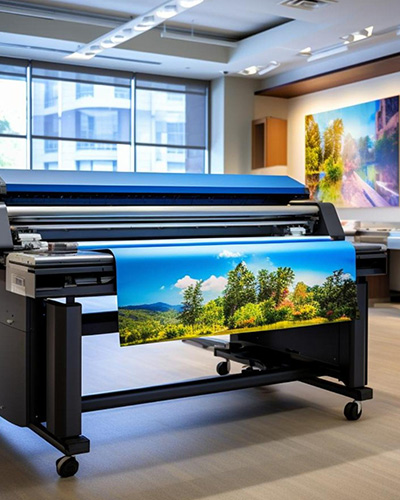
Large format digital printing is a specialized method of producing high-quality visual displays on a wide range of substrates and materials. It is characterized by its ability to produce vibrant and detailed images at dimensions typically exceeding 24 inches in width, making it indispensable for signage, banners, murals, and other visually impactful applications. Unlike traditional printing, which often involves multiple steps and limited size options, large format digital printing offers a streamlined process that allows for quick turnaround times and remarkable customization.
This technology leverages advanced inkjet printers equipped with wide-format capabilities and a variety of inks to achieve superior color fidelity, durability, and precision. The significance of large format digital printing lies in its versatility and efficiency, enabling businesses, marketers, and designers to create compelling visual displays that command attention and enhance branding efforts. Its ability to handle diverse materials—from vinyl and fabric to specialty substrates—further amplifies its role in modern visual communication.

In a competitive advertising landscape, the demand for eye-catching, large-scale visuals continues to grow. This demand fuels ongoing innovation within the industry, emphasizing the importance of understanding the fundamental principles and capabilities of large format digital printing. As organizations seek to improve their branding presence and event visibility, mastering this printing method becomes increasingly vital, making it an essential component of contemporary visual marketing strategies.

Materials and Substrates for Large Format Printing
Choosing the appropriate materials and substrates is crucial to maximizing the impact and longevity of large format digital prints. Different applications require specific media that complement the design intent, environmental considerations, and installation conditions.
The most common substrates include vinyl, fabric, paper, and rigid materials such as acrylic, foam board, and aluminum composite panels. Vinyl remains a top choice for outdoor signage due to its weather-resistant properties and ease of installation. For textile applications like banners and event backdrops, special fabric materials with woven or non-woven structures provide vibrant color reproduction and flexibility.
Paper-based substrates are typically used for indoor signage, posters, and art reproductions, offering fine detail and sharp images. Rigid substrates are ideal for decorative panels, point-of-sale displays, and architectural applications, providing durability and a sleek appearance. Advanced printing techniques allow for printing directly onto these sturdy materials or applying adhesives for mounting onto other surfaces.
Material compatibility with specific inks ensures color precision, adhesion, and resistance to environmental factors. For example, solvent-based inks are particularly suited to non-porous surfaces like PVC and metal, as they offer excellent adhesion and weather resistance. UV-curable inks enable printing directly on a wide array of rigid and flexible materials with immediate curing, leading to high-definition, durable outputs.
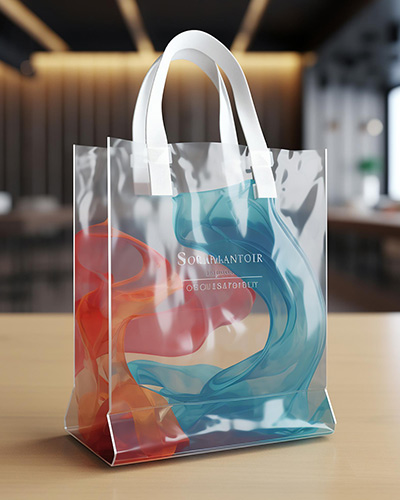
Moreover, specialized media such as backlit films and transparent films serve particular functions in retail displays and signage, allowing light transmission or diffusion for enhanced visual effects. When selecting materials, it is also vital to consider surface texture and finish—glossy, matte, or satin—to align with branding aesthetics and readability.
Ensuring proper substrate preparation, such as cleaning and priming, enhances ink adhesion and reduces issues like bubbling or peeling over time. Awareness of each media's specifications and handling requirements is essential for consistent, high-quality results in large format digital printing.
Materials and Substrates for Large Format Printing
Choosing the appropriate materials and substrates is essential for achieving optimal results in large format digital printing. The selection largely depends on the specific application, environmental conditions, and desired aesthetic attributes. Common substrates include vinyl, fabric, paper, and rigid materials such as acrylic, metal, and foam boards. Each offers distinct advantages and considerations to ensure longevity, clarity, and visual impact.
Vinyl remains the most popular due to its versatility, durability, and cost-effectiveness. It is ideal for outdoor signage, vehicle wraps, and promotional banners, especially when combined with weather-resistant inks. Fabric, on the other hand, offers a soft, matte finish suitable for indoor displays, textile banners, and trade show backdrops. Its breathability and flexibility make it perfect for installations requiring drapery-like effects or tensioned displays.
Rigid substrates like acrylic, aluminum composite panels, and foam boards are favored when a high-end, professional look is desired. These materials are often used for POP displays, exhibition panels, and fine art reproductions. Their smooth surfaces facilitate crisp image reproduction and sharp color accuracy, especially when printed with UV-curable inks that adhere well to non-porous surfaces.

Other specialized materials include backlit films for illuminated signs, transparent films for window displays, and textured media for unique visual effects. Each substrate's surface texture, opacity, and finishing options—such as gloss, matte, or satin—affect the final appearance, readability, and overall visual impact of the print.
Proper preparation of these materials is crucial. Cleaning the substrate thoroughly to remove dust, oils, or residues ensures optimal ink adhesion. For some rigid substrates, priming or sealing may be necessary to prevent ink absorption or surface imperfections that could compromise print quality. Handling and storage conditions should also be considered to protect sensitive materials from moisture, dirt, and physical damage before printing.

Ultimately, understanding the compatibility of media with chosen inks ensures that colors remain vibrant, adhesion is maintained over time, and environmental exposures—such as UV rays, humidity, and temperature fluctuations—do not compromise the integrity of the print. Collaborating with experienced printing professionals can help in selecting the right substrates tailored to specific project needs, ensuring durability and visual excellence in every large-format digital print.
Material and Substrate Selection for Optimal Print Outcomes
Choosing the appropriate material or substrate is a critical step that directly influences the success of large format digital printing projects. The selection process involves understanding the specific requirements of each application, including durability, visual impact, environmental conditions, and installation settings. Materials commonly used include vinyl, fabric, canvas, plastic, metal, and specialty media, each with unique properties suited for various display and advertising needs.
Vinyl remains a popular choice for outdoor banners, vehicle wraps, and signage due to its weather resistance and versatility. Fabric substrates like polyester or cotton blends are preferred for high-end indoor displays owing to their textured appearance and ability to produce vibrant, detailed images. Canvas media offers a classic aesthetic, often used for art reproductions and gallery displays, providing durability and a premium look. Rigid substrates such as foam board, acrylic, and aluminum are ideal for signage, point-of-sale displays, and art installations, offering structural stability and a smooth surface conducive to high-resolution printing.

For each substrate, surface preparation plays a vital role. Proper cleaning and, when necessary, priming or sealing are essential to enhance ink adhesion and prevent issues like peeling, cracking, or fading over time. Handling and storage conditions should safeguard sensitive materials from moisture, dirt, and physical damage prior to printing. This proactive approach ensures consistent application of high-quality images with long-lasting results.
Technical compatibility between the chosen media and inks is another key consideration. For example, UV-curable inks adhere well to rigid and non-porous surfaces such as acrylic and metal, while aqueous solvent inks are optimized for flexible vinyl or fabric materials. Matching inks to substrates guarantees vibrant color reproduction, adhesion durability, and resistance to environmental factors like UV exposure, humidity, and temperature variations.
Understanding Surface Treatments and Finishing Techniques
Enhancing the visual appeal and protection of printed materials often involves various finishing options. Matte, gloss, and satin coatings can be applied post-printing to elevate color vibrancy or reduce glare. Lamination or coating layers add resilience against scratches, moisture, and UV damage, extending the lifespan of outdoor signage and banners. Textured finishes, such as embossed or brushed effects, can be incorporated to achieve unique tactile sensations for branding elements or decorative displays.

Proper handling during the finishing process is equally crucial. Precise cutting, sealing, and mounting techniques ensure the final product maintains its integrity and aesthetic appeal over time. Storage and transportation should preserve the substrate's condition, preventing warping or damage prior to installation.
By adopting meticulous material selection and preparation procedures, print professionals can optimize image quality, enhance durability, and achieve the desired visual impact. Close collaboration with suppliers and adherence to best practices in substrate handling are essential to meet project specifications and deliver superior large format digital prints that stand the test of time and environmental exposure.
Design Considerations and File Preparation
Successful large format digital printing begins with meticulous design and file preparation. Ensuring that digital files are optimized for large-scale reproduction is critical for achieving high-quality results. This involves understanding the importance of appropriate resolution, color mode, and file formats.
Resolution and Image Quality
To prevent pixelation or loss of detail, images should typically be prepared at a resolution of at least 150 to 300 DPI when printed at the final size. Scaling images improperly can lead to blurry or distorted prints, which diminishes visual impact and professionalism. Using vector graphics for logos and text ensures scalability without quality loss, maintaining sharpness regardless of size.
Color Management
Color accuracy is fundamental in large format digital printing. Designers should work within the appropriate color spaces, most often CMYK, to match final print colors closely. Incorporating color profiles and performing color proofs during the pre-press stage helps in visualizing the final output and adjusting colors before production begins.
File Formats and Compression
Supported file formats typically include TIFF, PDF, AI, and EPS. These formats preserve image and vector data, ensuring the highest quality output. Compressed files or low-resolution images should be avoided, as they can compromise clarity and detail. Proper layering and font embedding within files guarantee consistent results across various printing sessions.
Design Considerations
- Simplicity and Contrast: High-contrast designs and bold visuals stand out better on large surfaces, effectively communicating the intended message.
- Bleeds and Safe Zones: Incorporating bleed areas and keeping critical elements within safe zones prevent unwanted cropping and ensure that the design appears as intended upon finishing.
- Text Legibility: Selecting appropriate font sizes and styles enhances readability from a distance, which is essential for signage and banners.
Material Compatibility and File Handling
Aligning the design specifications with chosen materials is vital. Certain substrates may require specific color management adjustments or finishing considerations. Ensuring that the files are correctly prepared, with notes on halftones, overprints, and trapping, streamlines the production process, reducing errors and waste.

Challenges and Best Practices
While large format digital printing offers superior flexibility and high-quality output, it also presents several challenges that require strategic management to achieve optimal results. One of the primary concerns is color consistency across different print runs. Variations in ink formulation, substrate compatibility, and printer calibration can lead to discrepancies in color reproduction, which is especially critical for branding and promotional materials that demand precise color matching. To mitigate this, consistent color management protocols should be established, including regular calibration of printers and the use of standardized color profiles. Another challenge pertains to material handling and substrate compatibility. Not all materials are suited for high-resolution printing; some may cause ink bleed, warping, or inadequate adhesion. Proper selection of substrates, considering factors such as surface smoothness, porosity, and durability, can prevent these issues. Conducting preliminary test prints on small sections of chosen materials can help identify potential problems before committing to full-scale production. Achieving longevity and durability of printed materials is also a concern, especially for outdoor applications. Exposure to UV rays, moisture, and temperature fluctuations can degrade prints over time. Employing protective coatings, laminates, or UV-resistant inks enhances outdoor resilience and maintains visual clarity. From a production standpoint, managing workflow and minimizing waste are critical. Implementing precise file preparation, including correct layering, trapping, and halftoning, reduces errors and reprints. Utilizing automated nesting software can maximize material usage, reducing waste and operational costs. Quality control is paramount throughout the process. Regular inspection during printing can catch issues such as banding, color inconsistencies, or misalignments early, ensuring that only defect-free outputs proceed to the finishing stages. Lastly, staying informed with emerging technologies and best practices through industry training and continuous education helps practitioners adapt to evolving standards. Emphasizing these best practices ensures that large format digital printing consistently meets high expectations, delivering vibrant, durable, and impactful visuals for a variety of applications.
Challenges and Best Practices in Large Format Digital Printing
While large format digital printing offers a remarkable level of versatility and visual impact, achieving consistent and high-quality results requires careful attention to a variety of factors. Among these, color accuracy, material durability, and production scalability pose significant challenges that must be addressed through established best practices.
Addressing Color Consistency and Accuracy
One primary concern in large format printing is maintaining precise color reproduction across different print runs and substrates. Variations in ink absorption, substrate reflectivity, and printer calibration can lead to discrepancies that diminish the visual impact of the final product. To mitigate this, operators should employ standardized color management protocols, including the use of ICC profiles specific to the printer model and material. Regular calibration of printers ensures consistent color output, while maintaining a controlled environment in the printing area minimizes fluctuations caused by ambient temperature and humidity.
Enhancing Durability and Weather Resistance
Outdoor applications demand prints that can withstand exposure to the elements over extended periods. Challenges such as fading, peeling, and water damage can compromise display longevity. Employing high-quality, UV-resistant inks and protective overcoats can significantly extend the lifespan of outdoor prints. Proper surface preparation of substrates — ensuring they are clean, dry, and free of contaminants — is equally important. Laminates and coatings not only bolster resistance to environmental factors but also enhance color vibrancy and gloss.
Scalability and Production Efficiency
Handling large-scale projects efficiently often involves overcoming logistical obstacles related to production speed, material handling, and waste management. Automated nesting and file optimization software can maximize material utilization, reducing costs and minimizing waste. Ensuring that digital files are accurately prepared — with correct resolution, layering, and color profiles — streamlines the printing process and minimizes errors. Additionally, investing in high-capacity printers designed for frequent workloads can improve turnaround times without sacrificing quality.
Best Practices for Consistent Results
- Meticulous File Preparation: Use suitable file formats, ensure high resolution, and employ color management tools to produce print-ready files that meet the specifications of the printing hardware.
- Consistent Printer Maintenance: Regular cleaning, calibration, and maintenance of printing equipment prevent issues such as banding, ink settling, or misalignments.
- Environmental Control: Monitor and regulate the printing environment to prevent fluctuations in temperature and humidity that can affect ink adhesion and drying times.
- Material Inspection: Conduct quality checks on substrates to ensure they are free of defects, contaminants, or variations that could impact print quality.
- Use of Quality Materials: Select substrates and inks from reputable suppliers to ensure color consistency, longevity, and overall print performance.

Challenges and Best Practices
Achieving optimal results in large format digital printing hinges on adherence to proven methodologies that promote consistency, durability, and visual impact. Strategic file preparation is fundamental to this process. Ensuring high-resolution, properly color-managed files minimizes issues like pixelation, color mismatches, or misalignment during printing. Employing color profiles and proofing workflows enables designers and print operators to preview output accurately, reducing the need for costly reprints.
Regular maintenance and calibration of printing devices are vital. Clean print heads, aligned rollers, and ink system checks help maintain print quality and prolong equipment lifespan. Scheduled maintenance also reduces downtime and prevents costly repairs caused by neglect or buildup of debris.
Environmental factors significantly influence the final outcome. Stable temperature and humidity within the print environment ensure proper ink adhesion and drying consistency. Installing air purifiers and climate control systems can minimize fluctuations that might compromise colors or cause smudging.
Another critical factor is substrate quality. Conducting thorough inspections of materials before printing ensures no defects or contaminants are present that could affect ink adherence or result in uneven finishes. Choosing reliable suppliers for substrates and inks guarantees that the materials meet the necessary standards for durability and color fidelity.

Implementing these best practices not only enhances the quality and lifespan of the prints but also boosts overall operational efficiency. It reduces waste, minimizes rework, and ensures consistent output that meets client expectations, thereby strengthening the reputation and reliability of printing operations.
Utilizing advanced software solutions for nesting and file optimization plays a crucial role. These tools facilitate efficient material utilization by precisely arranging the print designs on substrates, reducing material waste and cost. Automated workflows for pre-press processing help streamline operations, reduce manual errors, and expedite project timelines.
Incorporating ongoing staff training regarding the latest best practices and technological updates is equally important. Skilled personnel can identify potential issues early and execute adjustments swiftly, maintaining high standards across all projects.
Future Trends in Large Format Digital Printing
The progression of large format digital printing is propelled by technological innovations such as UV-curable inks, eco-friendly solvent options, and advancements in robotic printing systems. Higher speed, better ink adhesion, and increased media compatibility are continuously being developed to meet evolving market demands. Trends also point toward enhanced automation, data-driven customization, and integration with digital marketing platforms, enabling more targeted and dynamic visual displays.