Comprehensive Guide to Card Printing in Singapore
Types of cards printed in Singapore
Singapore has a thriving market for professional card printing, catering to a broad spectrum of needs across industries. Among the most common types are business cards, ID cards, membership cards, and gift cards. Each serves distinct functions and features specific design elements tailored to their purpose.
Business Cards
Business cards remain a cornerstone of professional networking. They typically feature an individual's name, designation, company logo, contact details, and sometimes a QR code or other digital links. High-quality paper stocks, embossed finishes, and spot UV coatings are popular choices to enhance their visual appeal and durability.
ID Cards
Official ID cards are essential for organizational access control and identification. These cards often incorporate security features such as holograms, barcodes, or magnetic strips to prevent duplication and unauthorized use. Materials generally include PVC or composite plastics, ensuring longevity and resilience.
Membership Cards
Membership cards foster brand loyalty and customer engagement. They are designed to be visually appealing and durable, with features like magnetic strips or chip technology for data storage and validation. These cards are often used by clubs, gyms, or retail outlets.
Gift Cards
Gift cards offer a flexible and convenient payment alternative. They are typically customized with vibrant designs, branding elements, and security features such as scratch-off panels. These cards are instrumental in marketing campaigns and customer retention strategies.
Materials and finishes for card printing
The choice of materials significantly impacts the look, feel, and durability of printed cards. Common substrates include PVC, PET, and composite materials, each offering different levels of rigidity and flexibility. Finishes such as matte, gloss, or soft-touch coatings can dramatically enhance visual appeal and tactile experience. Additional lamination or varnishing can provide extra protection against wear and tear.
Design considerations for card printing
Effective card designs prioritize clarity, branding, and security. Designers should consider layout, color schemes, font readability, and the placement of security features. Incorporating brand identity elements ensures consistency and recognition, while layout flexibility allows for incorporating both aesthetic and informational components efficiently.
Printing techniques and technologies used
Advanced printing technologies like digital printing, offset printing, and dye-sublimation are commonly employed in Singapore. Digital printing is ideal for short runs and customization, offering quick turnaround and high quality. Offset printing suits larger quantities, providing sharp images and consistent color fidelity. Dye-sublimation is often used for ID cards and credentials requiring high-resolution images and embedded security features.
Customization options available
Personalization plays a key role in card printing. Customers can opt for custom shapes, multiple layers, embedded security features, and unique finishes. QR codes and RFID tags can be integrated for enhanced functionality. Additional customization options include holographic overlays, transparent windows, and variable data printing for batch personalization.
Turnaround times and order quantities
Order fulfillment times vary depending on the complexity and volume of the request. Standard turnaround times typically range from 2 to 5 business days for small to medium orders. Larger or more complex jobs involving security features might require additional processing time. Many providers accommodate rush orders for urgent needs when planned in advance.
Cost factors and pricing considerations
Pricing is influenced by factors such as card material, printing technique, design complexity, security features, and order quantity. While larger runs often benefit from economies of scale, premium finishes and custom features naturally increase costs. Transparent pricing structures help customers budget effectively for their card printing needs.
Choosing the right printing service provider
Selecting a reputable provider ensures quality, consistency, and value for money. When evaluating options, consider their experience, range of services, turnaround times, and customer reviews. A professional service offers comprehensive consultations, design support, and after-sales assistance, ensuring the final product aligns with your brand and functional requirements.
Materials and Finishes for Card Printing
When selecting materials for card printing in Singapore, the choice significantly impacts the durability, appearance, and overall functionality of the final product. Commonly used materials include PVC, PET, and composite plastics, each offering different levels of rigidity, weather resistance, and weight. PVC remains the most popular due to its versatility, cost-effectiveness, and ease of printing, making it suitable for identification cards, membership cards, and promotional items.
In addition to base materials, finishes play a crucial role in enhancing the card's visual appeal and longevity. Matte finishes provide a sophisticated, non-reflective surface that reduces glare and fingerprints, ideal for cards with detailed information or branding. Gloss finishes, on the other hand, offer a shiny, vibrant appearance that makes colors pop and details stand out, often preferred for high-impact marketing materials.
UV coatings offer an additional layer of protection against scratches, moisture, and UV rays, significantly extending the lifespan of the card. This type of finish is especially recommended for cards exposed to frequent handling or outdoor environments. Some providers also offer specialized finishes like soft touch coatings, which add a tactile element, or holographic overlays that enhance security and aesthetics.
Choosing the appropriate material and finish depends on the intended use of the card, budget constraints, and aesthetic preferences. Professional printing services in Singapore can provide guidance on optimal combinations to ensure the final product meets your needs effectively.
Design Considerations for Card Printing
Design plays a pivotal role in the functionality and professionalism of printed cards. Effective layouts incorporate key elements such as branding, contact information, and security features, while maintaining clarity and visual appeal. High-resolution images, clear fonts, and consistent color schemes contribute to a polished look that reflects your brand identity.
To maximize efficiency, consider including areas for signatures or barcodes, as well as placeholders for QR codes or RFID tags if you require digital integrations. Maintaining sufficient white space ensures that essential data remains legible and the overall design does not appear cluttered.
It is advisable to collaborate with experienced designers or printing specialists who can offer insights into color profiles, font choices, and layout techniques. This collaboration ensures the final printed card aligns with both aesthetic and functional expectations, enhancing its impact and usability.
Types of cards printed in Singapore
Singapore boasts a diverse range of card printing options tailored to various industry needs and personal preferences. Commonly produced card types include:
- Business Cards: The cornerstone of professional networking, business cards in Singapore are crafted with high-quality materials and finishes, allowing customization to reflect company branding and personal identity. They serve as a compact, tangible representation of a brand, often incorporating design elements such as logos, taglines, and contact details.
- ID Cards: Utilized across sectors such as education, corporate, and government administrations, ID cards are designed with security in mind. They typically feature embedded security elements such as holograms, barcodes, or QR codes and are printed on durable materials like PVC or composite plastic to withstand daily handling.
- Membership and Loyalty Cards: These cards foster customer engagement and retention. Customization options include magnetic strips, contactless RFID chips, and unique security features to prevent duplication or fraud. They often incorporate vibrant designs and branding to appeal to target demographics.
- Access Control Cards: Critical for secure facilities, these cards often incorporate RFID or smart card technology for seamless access management. Material choice prioritizes durability, and designs focus on functionality and security integrations.
- Gift Cards and Prepaid Cards: Designed for retail purposes, these cards often feature eye-catching graphical elements to attract consumers. Printing techniques including embossing or holographic overlays can add premium appeal, reducing the risk of counterfeiting.

Materials and finishes for card printing
The choice of materials and finishes significantly impacts the durability, security, and aesthetic appeal of printed cards. PVC remains the predominant substrate, favored for its sturdiness, flexibility, and printability. For applications requiring enhanced durability, composite materials combining PVC with other polymers are also utilized.
Regarding finishes, options include:
- Glossy Finish: Provides a shiny surface that enhances colors and design details, ideal for marketing or promotional cards.
- Matte Finish: Offers a subdued, non-reflective surface that helps in reducing glare and fingerprints, suitable for business or security cards.
- Soft Touch Coating: Adds a velvety texture, elevating the tactile experience of the card and conveying a sense of premium quality.
- Holographic Overlays: Incorporate hologram layers that add visual security features and visual appeal, making duplication more challenging.
- Embossing and Debossing: Provide three-dimensional effects, useful for enhancing the tactile and aesthetic qualities of cards like membership or premium gift cards.

Design considerations for card printing
The design phase of card printing requires strategic planning to balance aesthetics with functionality. Key points include:
- Brand Identity: Incorporate logos, color schemes, and taglines consistently to reinforce brand recognition.
- Clarity and Readability: Use high-resolution images and legible fonts, especially for contact and security information.
- Security Features: Embed features such as holograms, microtext, or UV elements to prevent tampering or duplication.
- Functionality: Allocate space for signatures, barcodes, QR codes, and RFID tags, ensuring these elements do not clutter the overall design.
- White Space Balance: Maintain sufficient whitespace to prevent visual overload and to enhance the focus on key information.
Working with experienced designers can ensure your card design aligns with technical specifications and aesthetic standards, leading to a professional and effective final product.
Advanced Card Printing Techniques in Singapore
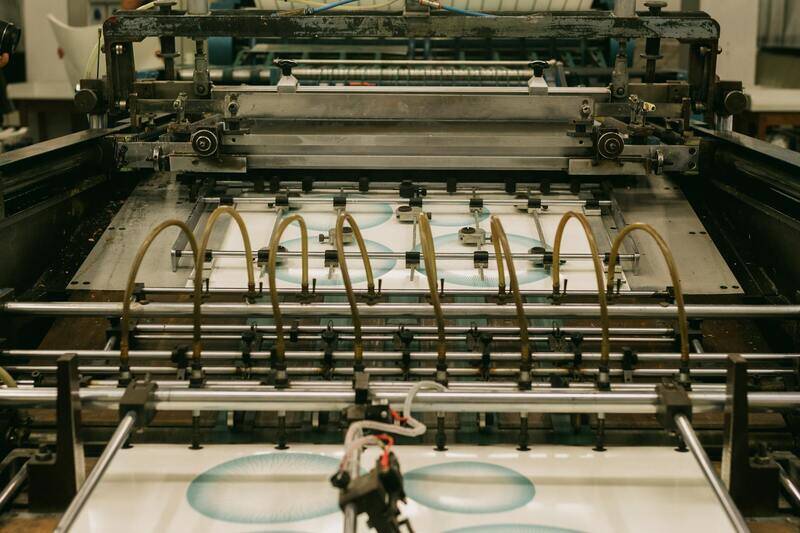
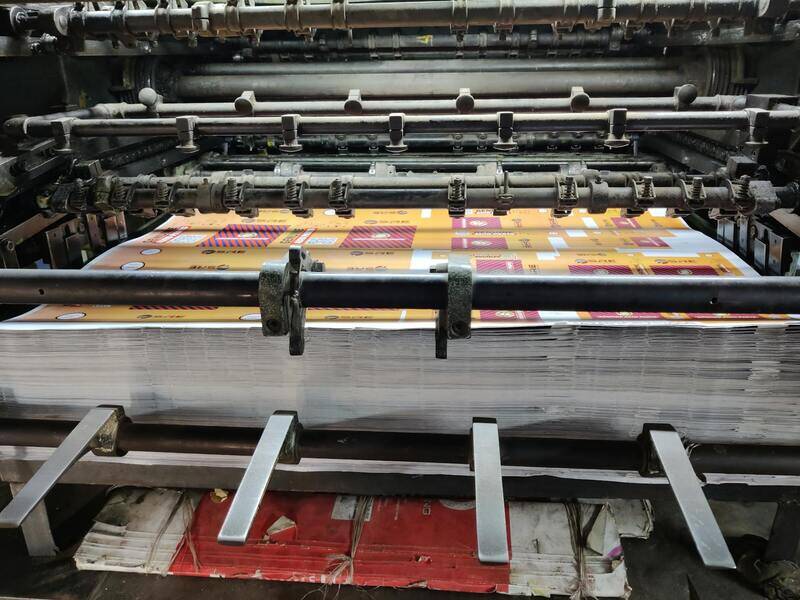
To meet diverse requirements for business, security, and personalized cards, manufacturers in Singapore employ a range of sophisticated printing techniques. Digital printing is renowned for its rapid turnaround and high-quality output, making it ideal for small batch runs, personalized designs, and prototypes. Its direct-to-card approach allows for detailed images and text, ensuring vibrant, accurate reproductions that capture intricate design elements. Offset printing, on the other hand, is preferred for larger order volumes due to its cost effectiveness per unit and excellent color consistency. This method is capable of producing sharp, durable images on cards, suitable for corporate branding and investment-quality cards.
UV printing introduces an innovative dimension by providing a highly durable and scratch-resistant surface. It is particularly useful for cards requiring special finishes, such as metallic or textured effects. This method allows for vibrant, detailed prints directly onto a variety of materials and is capable of incorporating complex design features. Additionally, some printing providers integrate holographic overlays and microtext elements through specialized techniques, combining visual security features with high-quality aesthetics.
Customization Options to Elevate Card Designs
Customization plays a crucial role in establishing a distinctive brand presence or personal identity through card printing. Options include embossed or debossed logos and text, which add a tactile dimension to membership or loyalty cards. Foil stamping can introduce metallic accents, enhancing visual appeal and perceived value. The integration of magnetic stripes or embedded RFID chips transforms basic cards into versatile tools for access control, payments, or identification. Additionally, transparent or translucent materials accommodate designs with see-through effects, adding unique visual layers. Holographic patterns and UV features can serve as advanced security elements while also boosting visual complexity, making unauthorized duplication more challenging.
Modern printing services in Singapore also support the inclusion of variable data, enabling the customization of each card with unique identifiers such as serial numbers, names, or personalized messages. This level of flexibility ensures that every card can be tailored for specific uses without compromising efficiency or quality.
Order Quantities and Turnaround Expectations
The volume of your order influences both the production timeline and pricing. Small runs, often ranging from 50 to 200 pieces, typically benefit from digital printing due to its rapid setup and short lead times. Such orders can often be completed within 1-3 business days, provided the design is finalized. Larger quantity orders, exceeding 1,000 units, tend to leverage offset printing for its cost efficiency, with typical turnaround times spanning 5-10 business days depending on complexity and finishes. For high-security or customized cards, additional time may be required to incorporate specialized features or quality assurance processes.
Some providers offer expedited services, accommodating urgent needs without sacrificing print quality. When initiating a large order, discussing lead times upfront ensures expectations are managed and delivery is aligned with project timelines.
Cost Factors and Price Optimization
The overall cost of card printing in Singapore depends on multiple factors:
- Order volume: Larger quantities generally reduce the unit cost due to economies of scale.
- Material selection: Premium materials such as PVC or laminate composites command higher prices than standard stock cards.
- Finish and features: Add-ons like embossing, holography, metallic foils, or embedded chips elevate costs but significantly enhance the card's value and security.
- Design complexity: Intricate graphics, custom shapes, or multiple finishes increase production expenses.
- Turnaround speed: Rush orders or expedited services typically incur premium charges.
To optimize costs, consider balancing design complexity with practical needs, and discuss options thoroughly with your printing partner to identify the most effective solutions within your budget.
Selecting an Ideal Printing Partner in Singapore
An experienced service provider will offer comprehensive consultation, guiding clients through material choices, design strategies, and technological options to ensure the final product aligns with branding and functional needs. Key qualities to look for include a proven track record of delivering high-quality cards, versatility in printing techniques, transparent pricing, and the ability to handle various order sizes efficiently. Additionally, a reputable provider will prioritize confidentiality and secure handling of sensitive information, especially when dealing with security or financial cards. Strong customer support, sample presentations, and clear communication channels also contribute to a seamless printing experience, ensuring your cards meet all specifications and expectations.
Types of Cards Printed in Singapore
Singapore's dynamic commercial landscape necessitates a diverse array of card types, each tailored to specific functions and industry standards. From identification and access control to promotional items, the range of cards produced encompasses various categories suited for numerous applications.
- Identification Cards: These include employee badges, student IDs, and membership cards that facilitate secure access and verification within organizations and institutions. Designed for durability, these cards often incorporate features like embedded chips or magnetic strips.
- Business and Corporate Cards: Premium business cards crafted with high-quality materials such as PVC or specialty finishes serve as vital tools for networking and brand representation in Singapore's competitive corporate environment.
- Payment and Financial Cards: Credit, debit, and prepaid cards are vital components of Singapore's financial ecosystem. These cards are produced with sophisticated security features, including holographic overlays and embedded chips, to ensure transaction safety.
- Access and Security Cards: Cards used for security access control, including hotel key cards and building entry cards, often incorporate contactless technology and durable finishes to withstand frequent use.
- Promotional and Gift Cards: Customized gift cards, loyalty cards, and promotional items are prevalent in Singapore's retail and hospitality sectors, often featuring vibrant designs and special finishes to attract consumer interest.

Materials and Finishes for Card Printing
Choosing the appropriate materials and finishes is crucial to achieve durability, security, and aesthetic appeal in card production. The selection depends on the card's purpose, usage environment, and desired visual impact.
- PVC (Polyvinyl Chloride): The most common substrate for ID and loyalty cards, offering flexibility, durability, and ease of customization.
- Composite Materials: Layers of PVC with lamination or overlay finishes for enhanced security and appearance, suitable for high-security or premium cards.
- Laminates and Overlays: Clear protective layers that safeguard printed graphics, resist scratching, and provide a glossy, matte, or textured finish.
- Embedded Components: Magnetic strips, RFID chips, and contactless antennas embedded within cards facilitate various security and transaction functionalities.
Finishing options further elevate card aesthetics and security. These include embossing to create tactile elements, holographic foils for anti-counterfeiting, metallic foils for stylish accents, and lamination for added strength and water resistance. For higher-end applications, specialty coatings like matte or soft-touch finishes can significantly enhance tactile appeal.
Design Considerations for Card Printing
Effective design is pivotal in delivering functional and visually compelling cards. When crafting a card's layout, attention to branding consistency, readability, and security features is essential.
- Brand Identity: Incorporate logos, brand colors, and consistent fonts to reinforce recognition and professionalism.
- Visual Hierarchy: Prioritize key information such as names, dates, or access permissions through size and placement.
- Security Features: Integrate holograms, microtext, UV elements, or holographic overlays seamlessly into the design to prevent duplication and fraud.
- Functionality: Incorporate elements like magnetic stripe areas, QR codes, or embedded chips thoughtfully without compromising aesthetics.
- Compliance and Standards: Ensure that designs meet industry specifications and technical requirements for compatibility with scanners and readers.
Types of cards printed in Singapore
Singapore's card printing industry encompasses a diverse array of card types, each tailored to specific needs and functionalities. Commonly produced cards include identification cards, access control cards, membership and loyalty cards, gift and prepaid cards, business and calling cards, and event passes. Each type features unique design elements, security features, and technological integrations suited for their particular applications.
Identification cards are often used in corporate environments, educational institutions, and government agencies, emphasizing durability and security. Access control cards typically incorporate RFID or smart chip technology to manage entry permissions in secured facilities. Membership and loyalty cards serve retail and hospitality sectors, prioritizing aesthetic appeal and ease of use. Gift cards and prepaid cards are designed with customer convenience in mind, often requiring high-quality printing for branding purposes.
Materials and finishes for card printing
Choosing the appropriate materials and finishes is crucial for producing durable, attractive cards that meet their intended purpose. The most prevalent substrate is PVC, appreciated for its robustness and compatibility with various printing methods. Alternative materials like PET, composite cards, and biodegradable plastics are gaining traction for environmentally conscious projects.
Finishes add aesthetic appeal and enhance durability. Matte finishes provide a non-reflective surface that minimizes fingerprints and glare, ideal for professional settings. Glossy finishes, on the other hand, lend vibrancy to colors and can make designs more eye-catching. Special coatings such as UV-resistant laminates protect against scratches, chemicals, and water, prolonging card lifespan.
Design considerations for card printing
Effective card design balances aesthetic appeal with functionality and security. Incorporating consistent branding elements—such as logos, color schemes, and typography—reinforces recognition and brand integrity. Clear visual hierarchy ensures that critical information, like names or access levels, stands out for quick identification.
Security features should be seamlessly integrated into the design to deter counterfeiting and misuse. Techniques like microtext, holographic overlays, UV printing, and embedded security threads can be embedded into the visual layout without compromising aesthetics. Additionally, designing with future technological integration in mind—such as areas reserved for magnetic stripes, QR codes, or embedded chips—ensures versatility.
Printing techniques and technologies used
Card printing in Singapore employs a range of advanced techniques to meet diverse requirements for quality and security. Digital printing, including UV and dye sublimation, allows for high-resolution, full-color images with quick turnaround times. Offset printing is used for large volume orders that demand consistency and sharp detail.
Hot stamping and embossing techniques add tactile elements and visual accents, such as metallic foils and raised lettering. Holographic printing and microtext are incorporated for anti-counterfeiting measures, often achieved through specialized hologram laminates or overlay films. Laser engraving creates precise, permanent markings, ideal for personalization and security features.

Customization options available
To meet the specific needs of clients, Singapore's card printers offer extensive customization options. These include bespoke shapes and sizes, custom artwork, client-specific branding, and special finishes. Personalization features like embossed text, metallic accents, and holographic overlays can be integrated to enhance visual impact and security.
Advanced digital printing allows for variable data printing, enabling unique information to be embedded on each card—such as names, serial numbers, or personalized images—all within a single batch. Magnetic stripes, embedded chips, QR codes, and NFC antennas can be added for added functionality. Furthermore, special finishes like soft-touch coatings or matte lamination create tactile experiences aligned with brand identity.
Customization extends beyond individual design adjustments, encompassing the choice of card backing, protective layers, and specific security features tailored to withstand environmental stress or tampering attempts. Working closely with experienced providers ensures optimal integration of these elements for a seamless final product.
Types of cards printed in Singapore
Singapore's card printing industry encompasses a diverse range of card types designed to meet various professional, commercial, and personal needs. Standard identification cards, such as employee badges, student IDs, and access control cards, are among the most common. These cards typically feature high durability and clear visual branding. Financial cards, including debit and credit cards, are also extensively produced, emphasizing security elements and sleek aesthetics. Additionally, loyalty and membership cards are widely used by retail, hospitality, and fitness sectors to foster customer engagement.
Specialty cards like health insurance cards, transportation fare cards, and event passes are customized to fit specific operational requirements. These often involve embedded security features and versatile functionalities to ensure smooth usage and protect against misuse. For occasions requiring higher security and durability, laminated cards, smart cards with embedded microprocessors, and contactless NFC-enabled cards are frequently manufactured to serve advanced operational demands.

Materials and finishes for card printing
High-quality materials are crucial for producing durable, visually appealing cards that withstand everyday use and environmental impacts. PVC remains the most widely used substrate due to its flexibility, affordability, and compatibility with various printing techniques. For enhanced durability and resistance to wear, composite materials or core layers combined with protective overlays are also employed.
Finish options significantly influence the overall look and tactile experience of the card. Glossy finishes enhance color vibrancy and offer a sleek appearance, ideal for promotional or branding purposes. Matte lamination reduces glare and presents a premium, understated look, suitable for professional identification cards. Soft-touch coatings provide a tactile feel and increased resistance to scratches, making them popular for high-end membership or loyalty cards.
Specialized finishes, such as holographic overlays, embossed elements, and metallic foils, add visual interest and security features. These finishes can be customized to align with brand aesthetics or security requirements, offering a sophisticated, tamper-evident solution.

Design considerations for card printing
Effective card design incorporates both aesthetic appeal and functional clarity. When designing, it is essential to prioritize readability, ensuring that key information such as names, identification numbers, and security features are clearly visible and easy to decipher. The choice of colors, fonts, and layout should align with branding guidelines while maintaining legibility.
Security features, including microtext, holograms, UV elements, and embedded chips, should be seamlessly integrated into the design without compromising visual harmony. A balanced composition with ample whitespace prevents clutter, making critical information stand out. Incorporating high-resolution images and sharp graphic elements enhances overall print quality, ensuring a professional appearance.
Design considerations also extend to the physical aspects of the card, such as shape, size, and edges. Custom shapes can be created to differentiate the card from generic designs, while rounded or beveled edges add a tactile element that contributes to user experience. Additionally, designing for durability means selecting appropriate overlays and protective layers to guard against scratches, fading, and environmental damage.

Printing techniques and technologies used
Singapore’s card printing industry utilizes a spectrum of advanced printing technologies tailored for precision, security, and high-quality output. Digital printing methods, including dye-sublimation and lithographic printing, are favored for their ability to produce vibrant images and detailed graphics rapidly and cost-effectively for short to medium runs. These techniques support variable data printing, enabling individual customization on each card in the same batch.
Offset printing is employed for larger quantities requiring consistent color reproduction and fine detail. It’s particularly effective for creating cohesive, high-quality designs in bulk production. For added security and premium finishes, techniques like foil stamping, embossing, and hologram application are incorporated into the process.
Security features are integrated through specialized methods. Holographic overlays, microtext, and tactile elements such as raised lettering necessitate the use of state-of-the-art equipment. Smart card manufacturing involves embedding microprocessors or contactless NFC modules through precision lamination and chip insertion technologies. Laser engraving is used for permanent personalization, providing durability and tamper resistance.

Customization options available
Customization in card printing spans visual design, functionality, and security features, offering clients comprehensive control over the final product. Artwork customization includes bespoke logos, color schemes, and unique graphics, ensuring alignment with branding strategies. Shapes and sizes can be tailored to specific needs, moving beyond standard rectangular forms to include circular, oval, or custom-cut contours.
Functional customization incorporates embedded microchips, magnetic stripes, QR codes, and NFC antennas, enabling versatile applications such as access control, cashless transactions, or event check-ins. Enhancements like metallic foils, holographic overlays, embossing, and soft-touch coatings elevate both aesthetic appeal and security integrity.
Security-focused customization features include microtext, UV elements, and tamper-evident holograms integrated in the design. Clients can also opt for protective layers that enhance durability against scratching, moisture, and environmental degradation. Working closely with experienced providers enables seamless integration of these features, resulting in a product that is both visually compelling and secure.
Turnaround times and order quantities
Efficiency and flexibility in production are key aspects of Singapore’s card printing services. Standard turnaround times often range from 2 to 7 business days for small to medium-sized orders, depending on the complexity of design and the security features incorporated. For bulk orders or highly customized projects, lead times may extend slightly to accommodate detailed security integrations and finishing processes.
Most providers offer scalable order quantities, from minimal runs of a few hundred cards to large batches exceeding tens of thousands. This flexibility supports clients with diverse needs, whether they require quick replenishments or large-scale distribution. Advanced production facilities ensure that even large orders maintain consistent quality and adhere to set specifications.
For urgent requirements, expedited services are available, often supported by streamlined workflows and dedicated production lines. Clients should communicate their deadlines early to coordinate production schedules effectively, ensuring timely delivery without compromising on quality or security features.
Types of cards printed in Singapore
Singapore’s card printing industry caters to an array of purposes, reflecting the diverse needs of businesses, institutions, and individuals. The most common types include identification cards (ID cards), membership cards, access control cards, gift and loyalty cards, event and conference badges, and business cards.
Identification cards and employee badges are crucial for security within corporate and government premises. These cards often incorporate multiple security features, such as holograms, UV printing, and embedded chips. Membership cards serve clubs, gyms, and retail outlets, providing brand visibility and customer tracking capabilities. Gift and loyalty cards are designed for retail environments, often requiring vibrant designs and durable construction. Event and conference badges are typically customized on short notice, emphasizing quick turnaround times while maintaining professional appearance. Business cards, although small, demand high-quality printing and precise finish to project a professional image.

Materials and finishes for card printing
Material selection is fundamental to the durability and aesthetics of printed cards. PVC remains the most prevalent choice due to its robustness and cost-effectiveness. Polycarbonate and PET sheets are also popular for their superior strength and resistance to environmental stressors.
Finishing options play a significant role in enhancing the visual appeal and longevity of cards. Matte finishes reduce glare and fingerprints, offering a premium feel. Glossy coatings highlight colors and design details, making visuals more vibrant. Extractive or textured finishes can add tactile elements to security cards, further deterring counterfeiting.
Specialized coatings such as laminates or UV protection layers extend the lifespan of cards, especially in outdoor or high-use settings. For cards incorporating smart technology such as chips or RFID, materials compatible with these components are essential to ensure seamless integration and durability.
Design considerations for card printing
Effective card design demands a balance between visual appeal and security. Designers must consider brand colors, logos, font choices, and layout to produce an attractive yet functional card. Incorporating high-resolution images and vector graphics ensures clarity across all printing formats.
Security elements such as holograms, microtext, watermarks, and UV features should be seamlessly integrated into the design. These features not only enhance security but also preserve the visual integrity of the card. Legible text, including employee names or access levels, is crucial for quick recognition and usability.
For functional cards like access badges, clearly marked areas for magnetic strips, chips, or barcodes are necessary. The overall design must also account for durability, avoiding overly intricate or fragile elements that could compromise the card’s structural integrity during handling or frequent use.
Printing techniques and technologies used
Modern card printing in Singapore employs advanced printing methods such as digitally driven dye sublimation and thermal transfer processes. Dye sublimation techniques allow for high-resolution, full-color images that are embedded into the card’s surface, providing excellent color vibrancy and detail retention.
Thermal printing technologies, including reverse and direct thermal printing, are common for barcode, QR code, and text printing. These methods are efficient for high-volume orders and ensure precise registration and long-lasting results.
Embossing, hot stamping, and foil printing are additional techniques used to add tactile or metallic effects, further elevating the design. Laser engraving is often employed for personalized data or secure identifiers, especially on premium security cards.

Customization options available
Customization in card printing extends well beyond basic design elements. Clients can select a range of features including embedded chips (RFID/IC), magnetic stripes, holograms, UV printing, and custom shapes or sizes. These options enable tailored security and branding solutions.
Additional customization includes personalized data, such as employee names or member IDs, barcodes, QR codes, and serial numbers. Some providers also offer textured or embossed elements to create a distinctive tactile experience that enhances brand recognition.
Color matching and print finishes—matte, gloss, or textured—can be specified to align with corporate identity standards. Incorporating transparent windows, layered constructs, or unique edge designs provides further differentiation and sophistication.
Turnaround times and order quantities
Flexibility in order quantities ensures that small batches or large-scale productions can be accommodated efficiently. Standard turnaround times generally range between 2 to 7 business days, depending on the complexity of the order. Expedited services are often available for urgent needs, supported by streamlined workflows.
Bulk orders exceeding tens of thousands of units are common for enterprises and organizations with large distribution needs. Advanced printing facilities are equipped to handle such volumes while maintaining quality standards. Smaller orders, such as for events or short-term projects, benefit from quick turnarounds without compromising the detailed security features or design fidelity.

Cost factors and pricing considerations
Pricing in card printing is influenced by several factors. The choice of material, such as PVC or polycarbonate, significantly impacts cost. The complexity of design, inclusion of security elements, and finishing options also contribute to the overall expense.
Order volume plays a crucial role; larger batches often benefit from economies of scale, reducing the per-unit cost. Additional features like embedded chips, holograms, or layered designs may add to the cost but improve the security and uniqueness of each card.
Express turnaround requests or highly customized designs might incur premium charges due to expedited production processes. Cost-effective solutions are available for bulk orders, combining quality with competitive pricing, ensuring organizations can achieve their branding and security objectives within budget constraints.